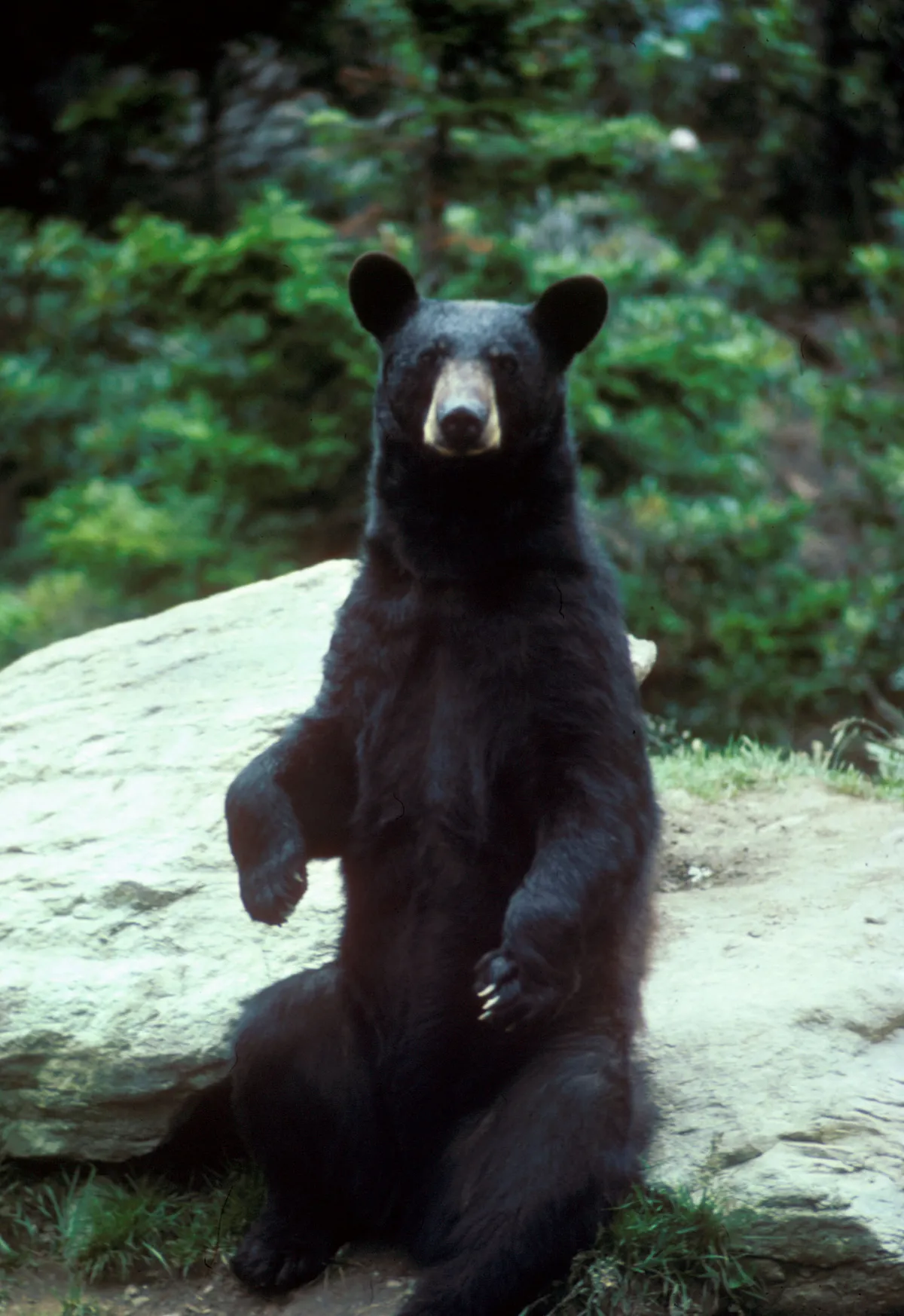
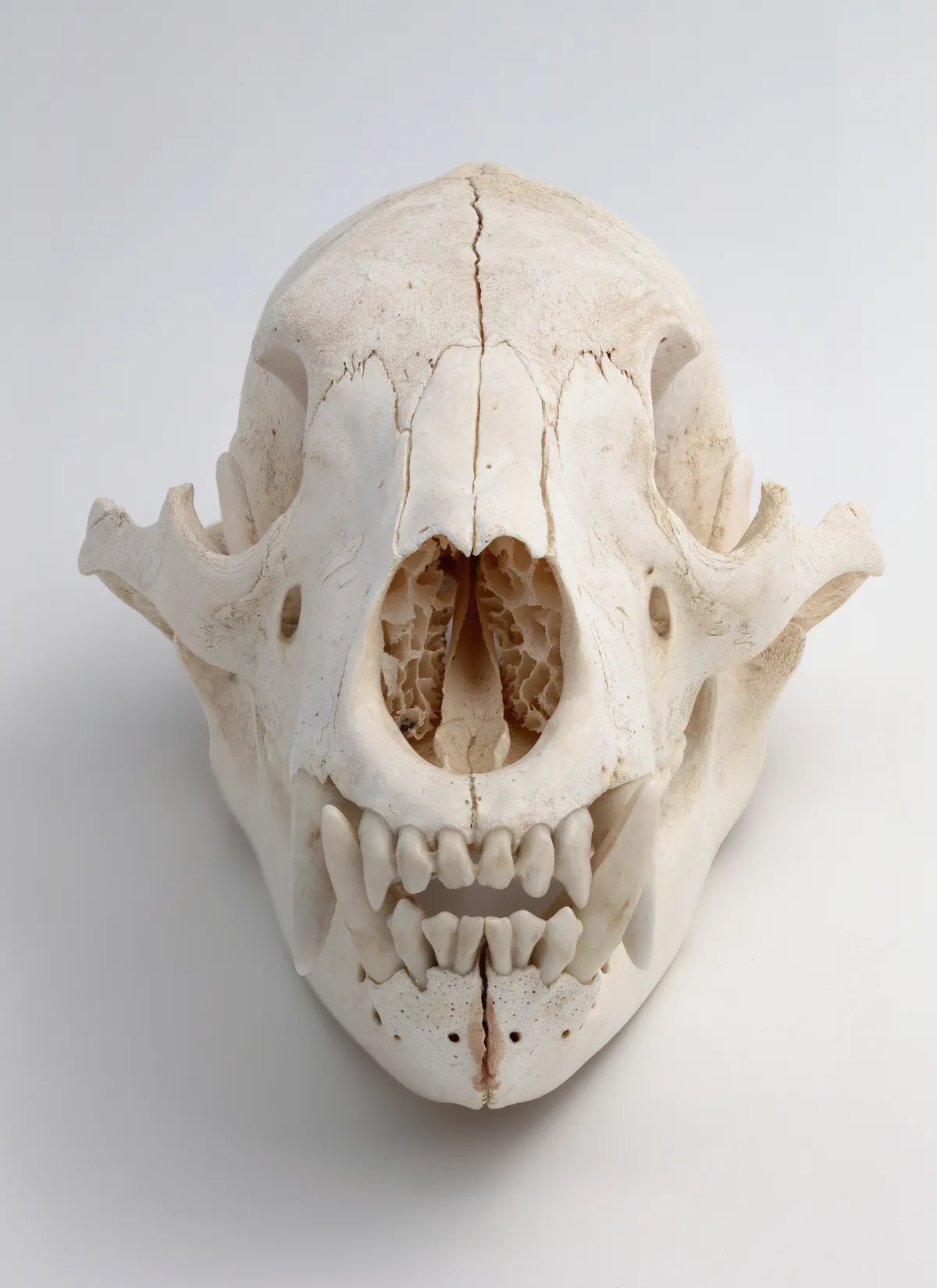
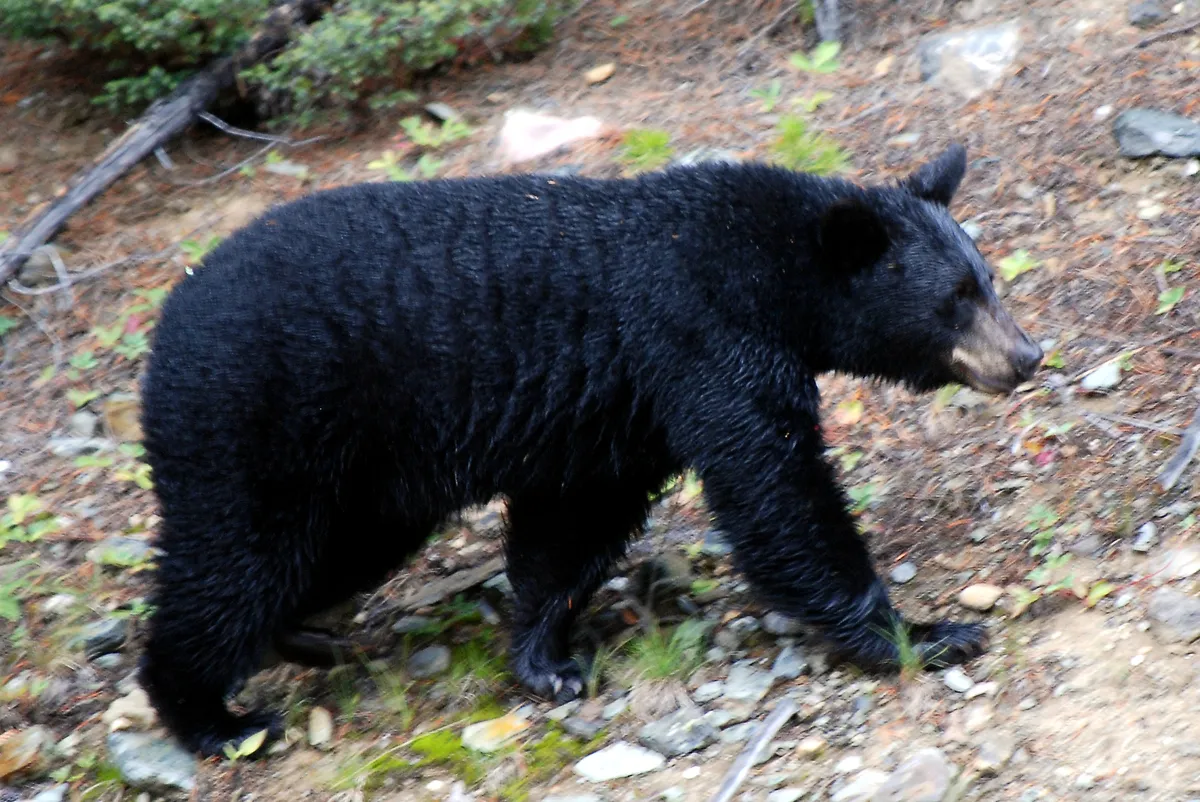
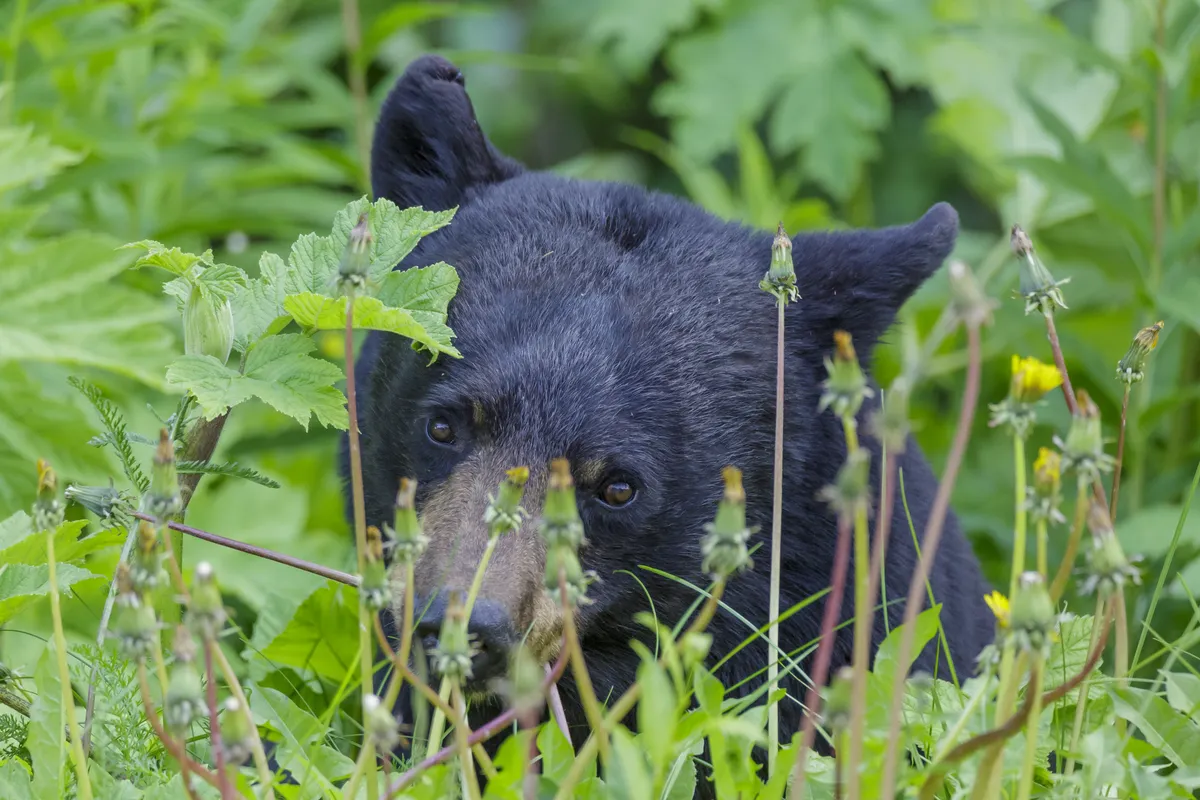
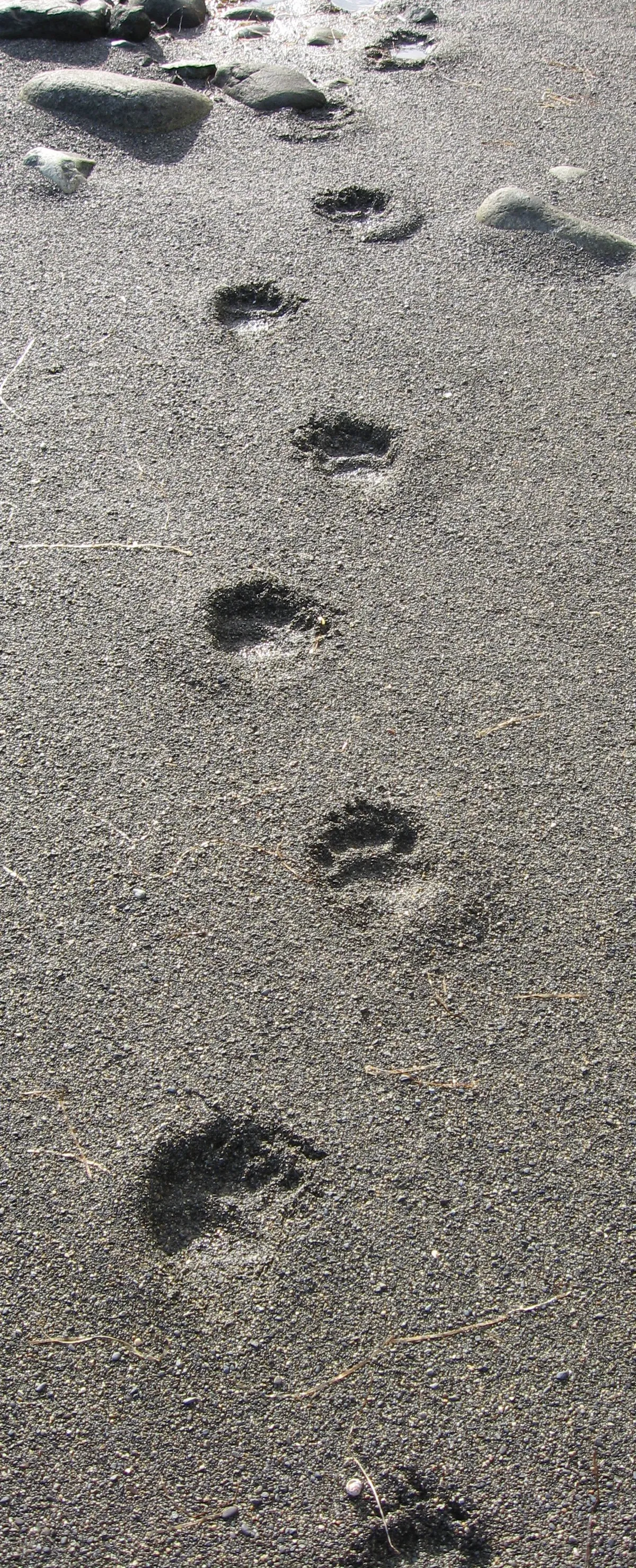
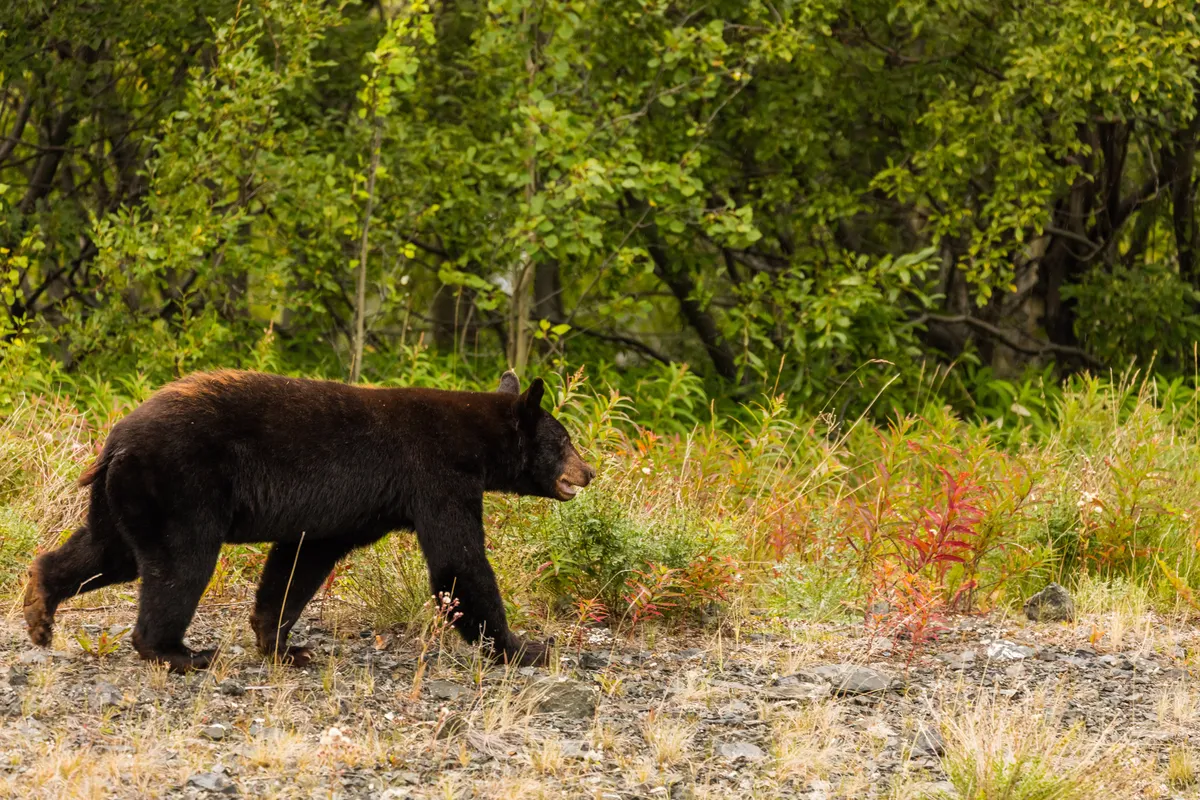
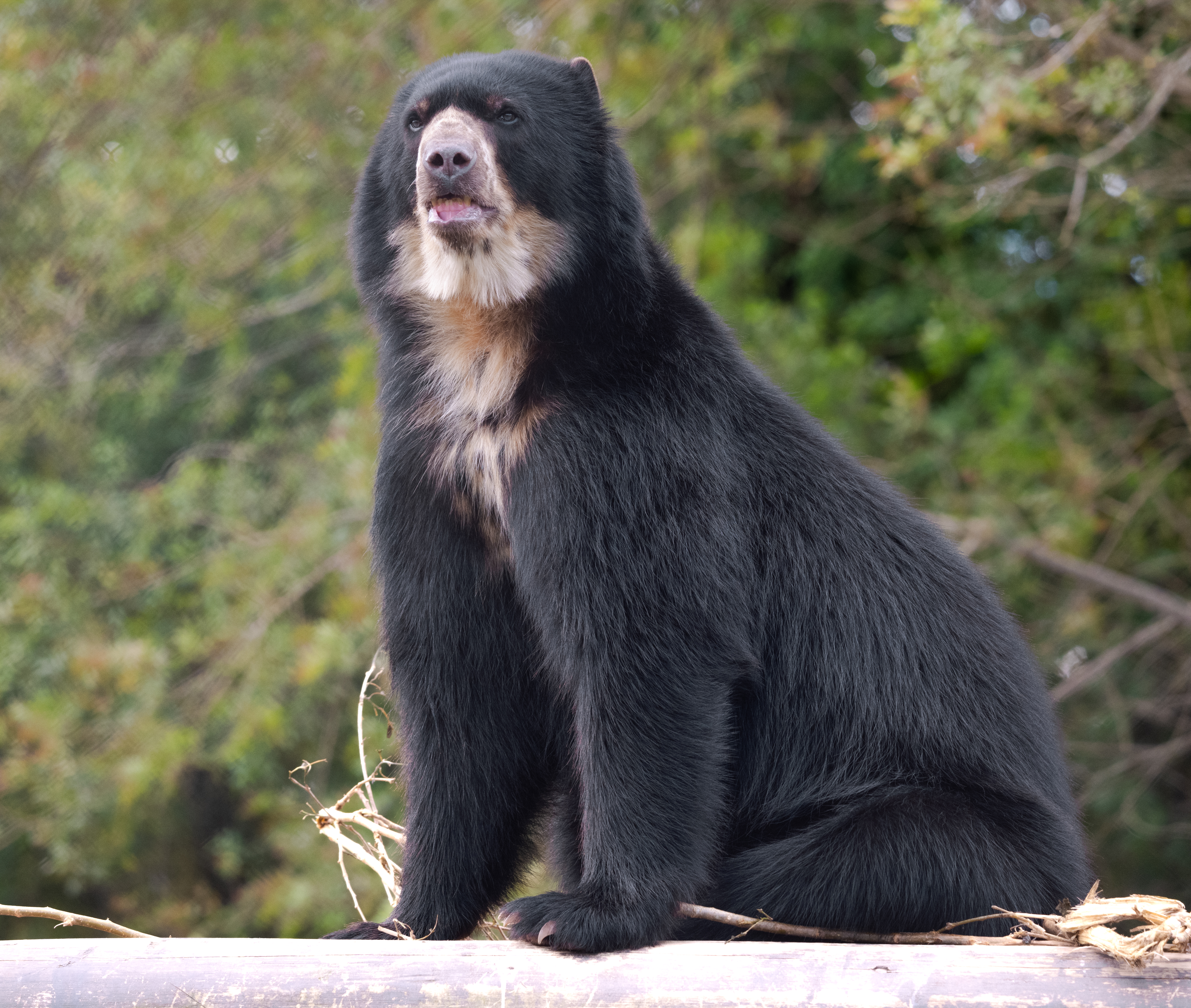
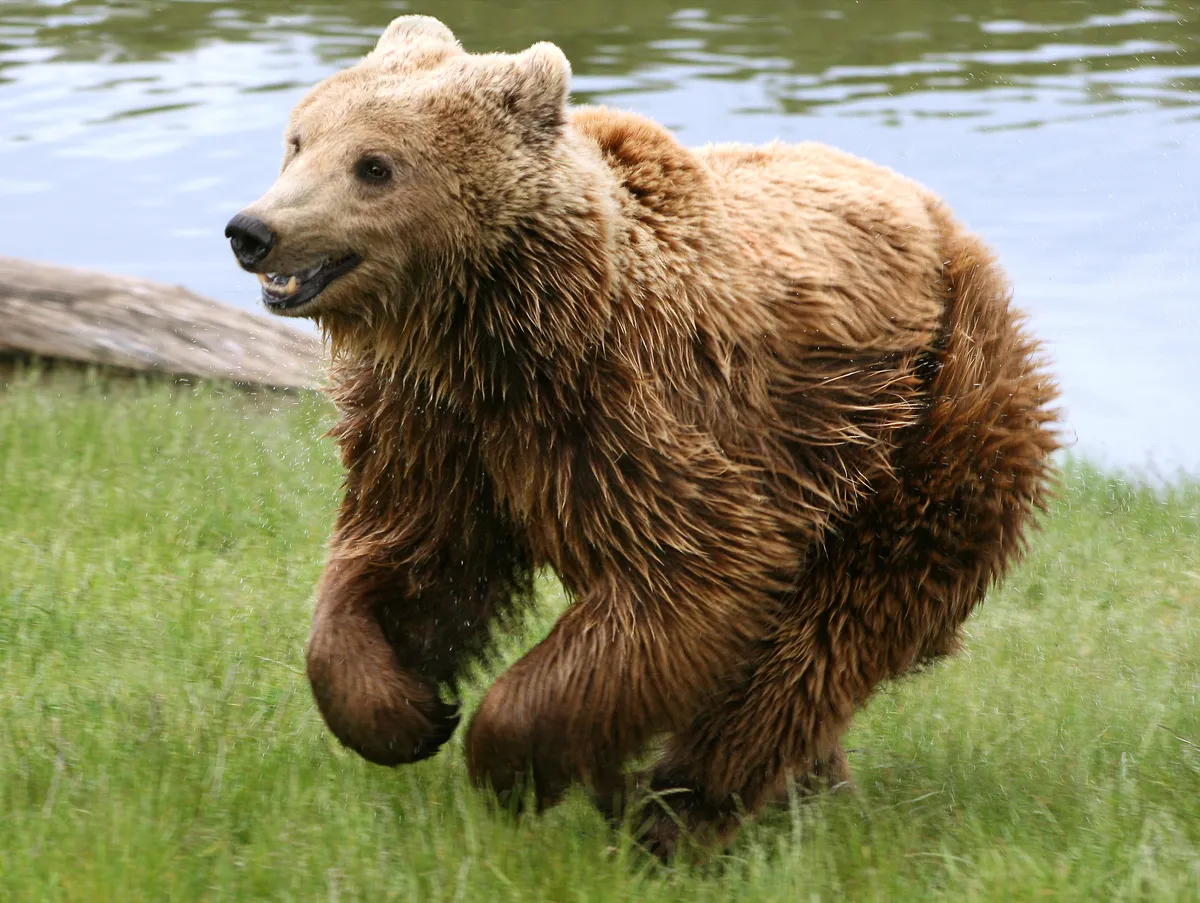
A medium-sized bear species native to North America, characterized by its predominantly black fur and omnivorous diet. Highly adaptable and found in diverse forest ecosystems across the continent.
Image Gallery
ADSENSE SLOT
Ecology & Habitat
Habitat
Forests, woodlands, and mountainous regions spanning from Alaska to Florida, preferring areas with dense tree cover and abundant food sources including berries, insects, and small mammals
Ecological Role
Critical ecosystem engineer and keystone species, playing significant roles in seed dispersal, forest regeneration, and maintaining ecological balance through predation and scavenging
Morphology
SKIN COATDense black fur with occasional brown or cinnamon color variations; thick undercoat provides insulation
LIMBS WINGSPowerful forelimbs with sharp, curved claws adapted for climbing, digging, and hunting; plantigrade locomotion
HEAD SENSORYRounded ears, excellent olfactory capabilities, broad snout with sensitive nasal receptors for detecting food and potential threats
BODY STRUCTURERobust, muscular body with typical bear physique; adult males weigh 60-300 kg, females 40-180 kg; body length 120-200 cm
Data Source: TaxonHub Database
Image Credit: Mike Bender/U.S. Fish and Wildlife Service