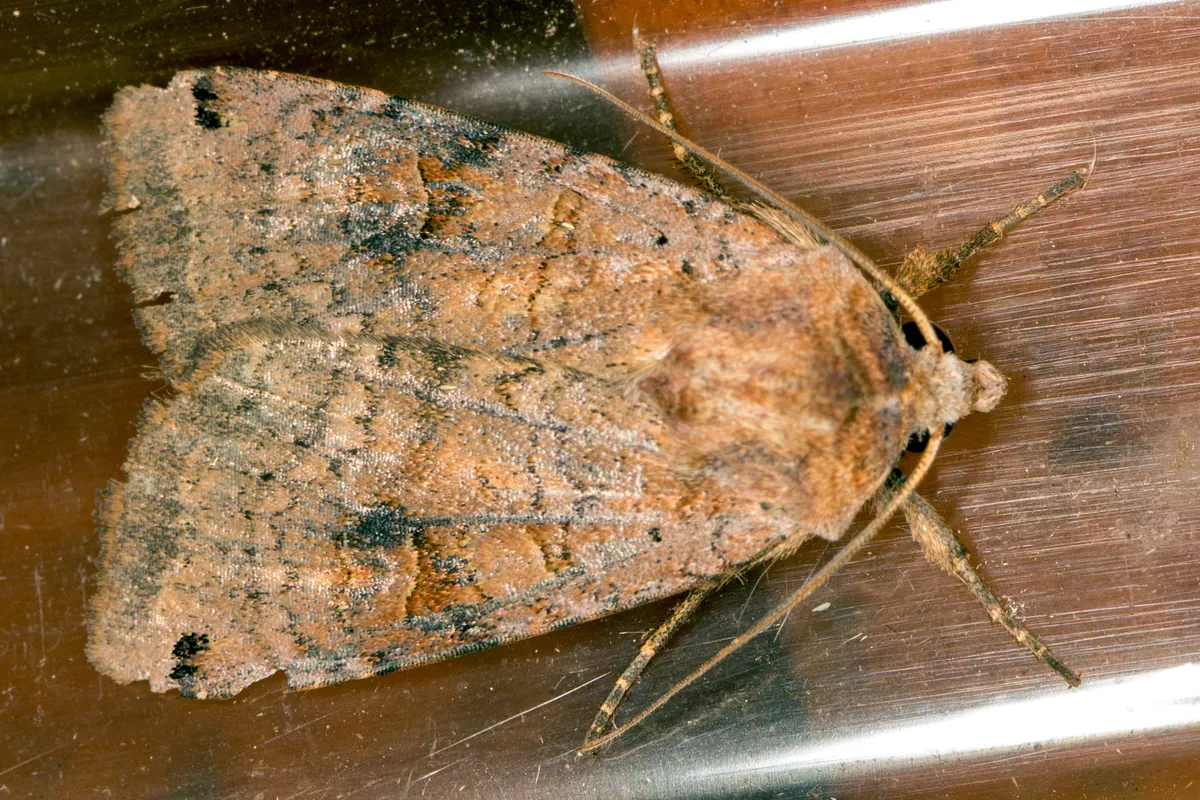
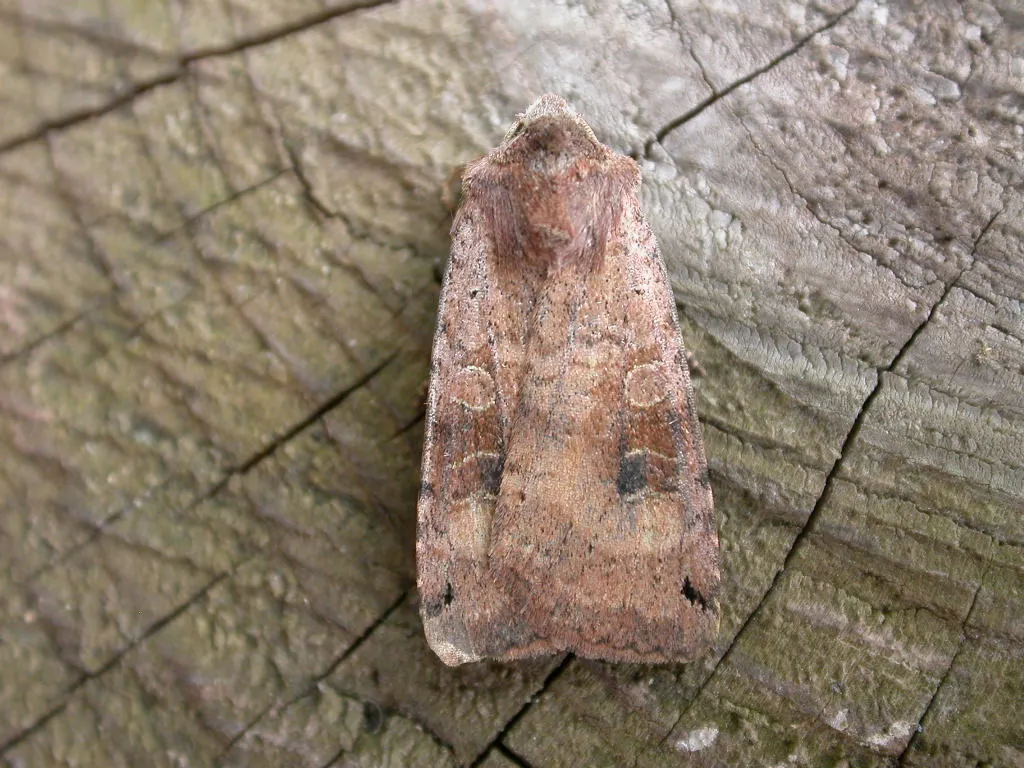
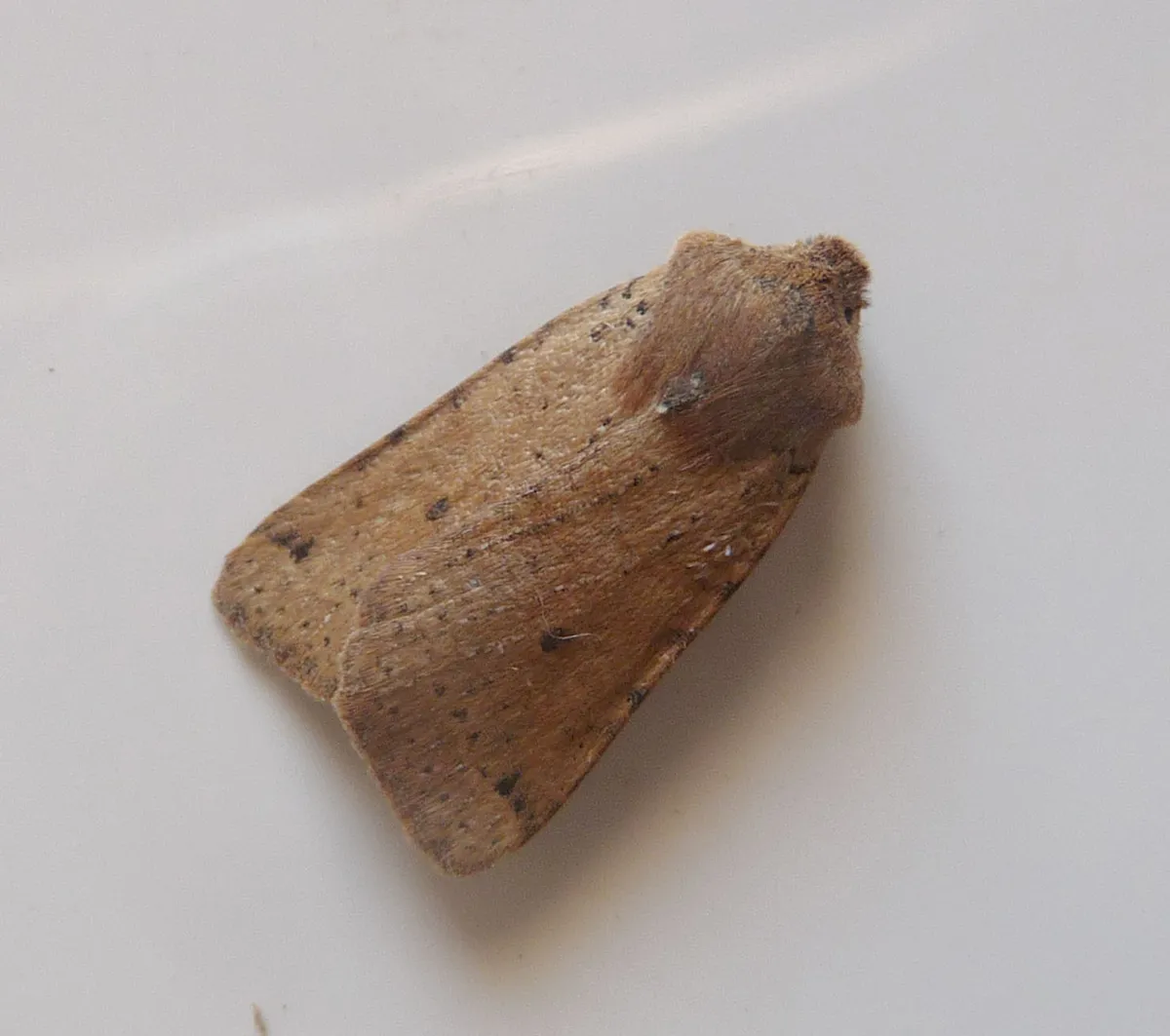
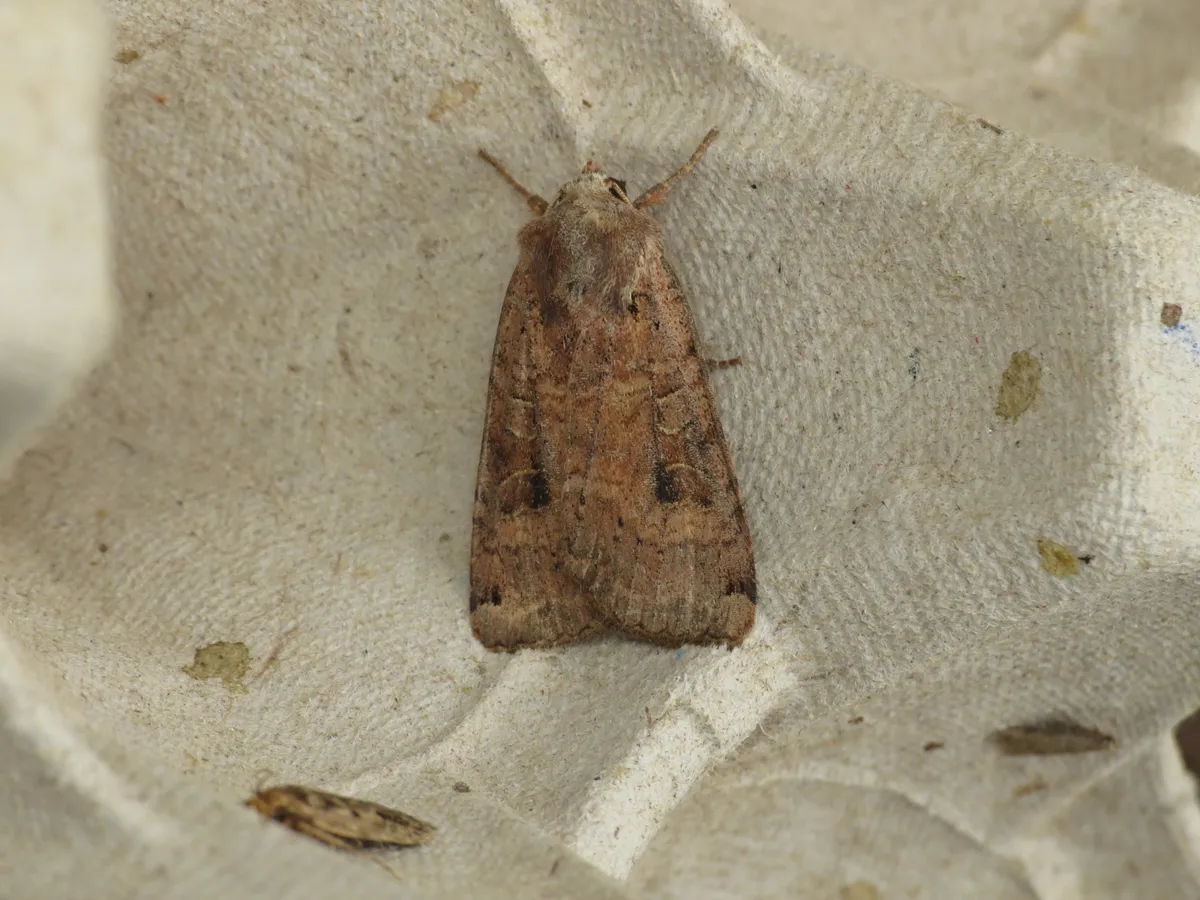
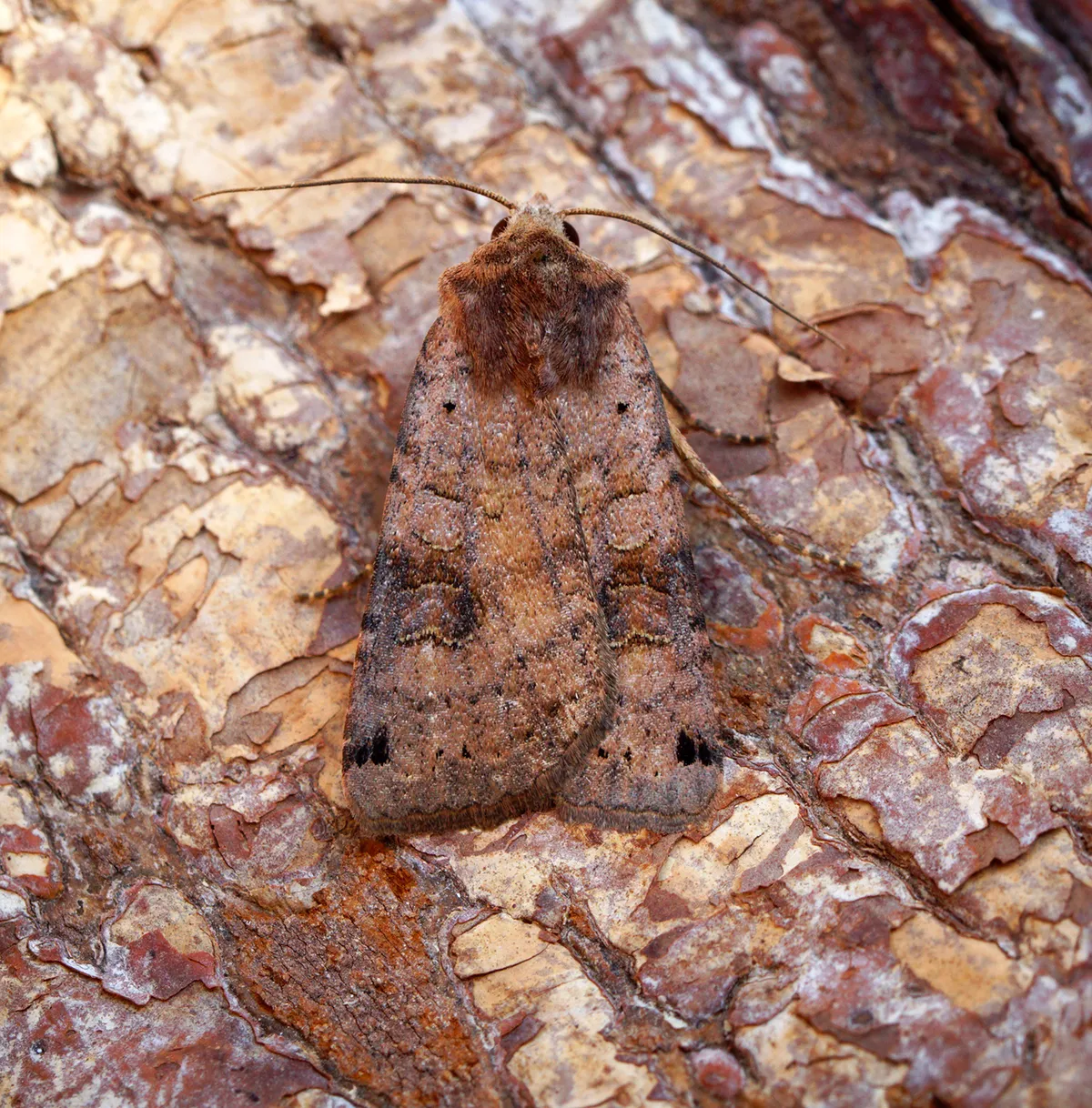
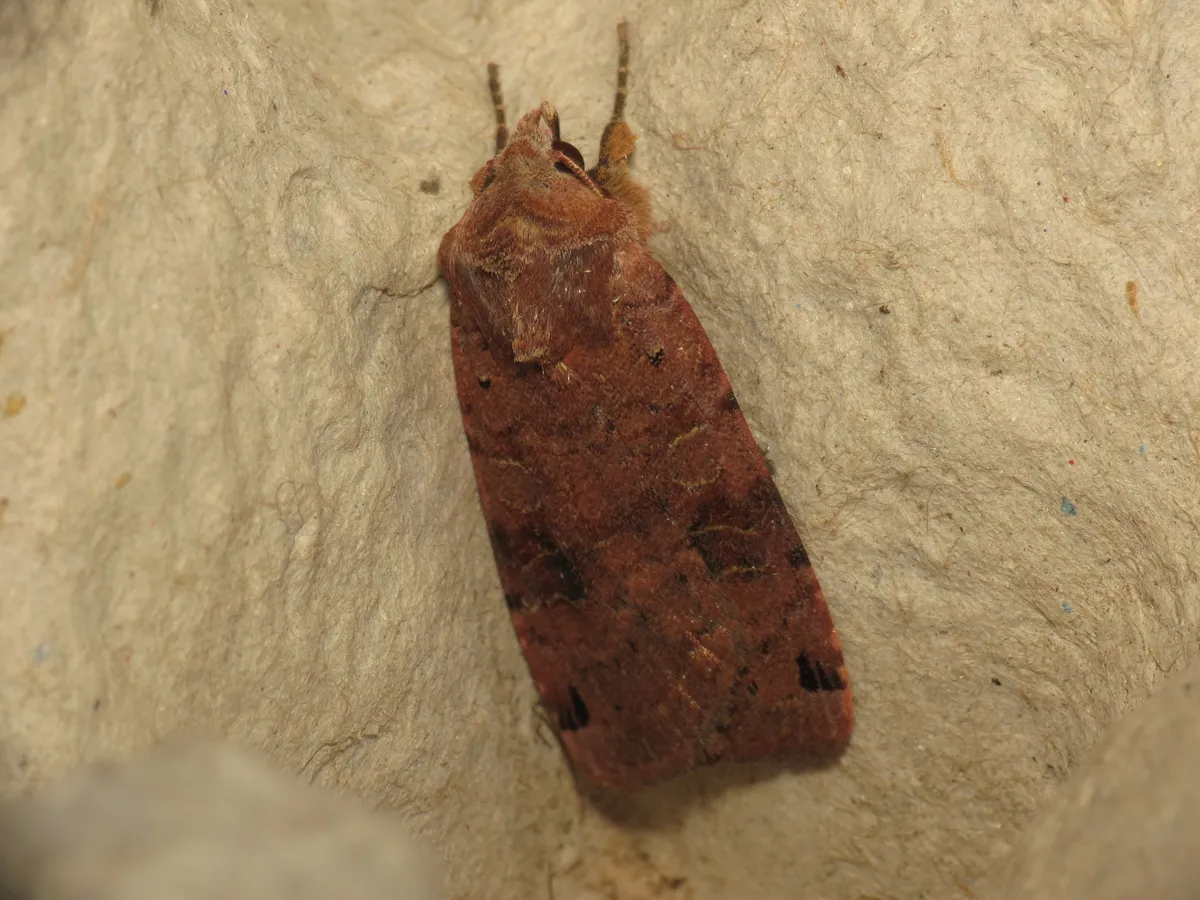
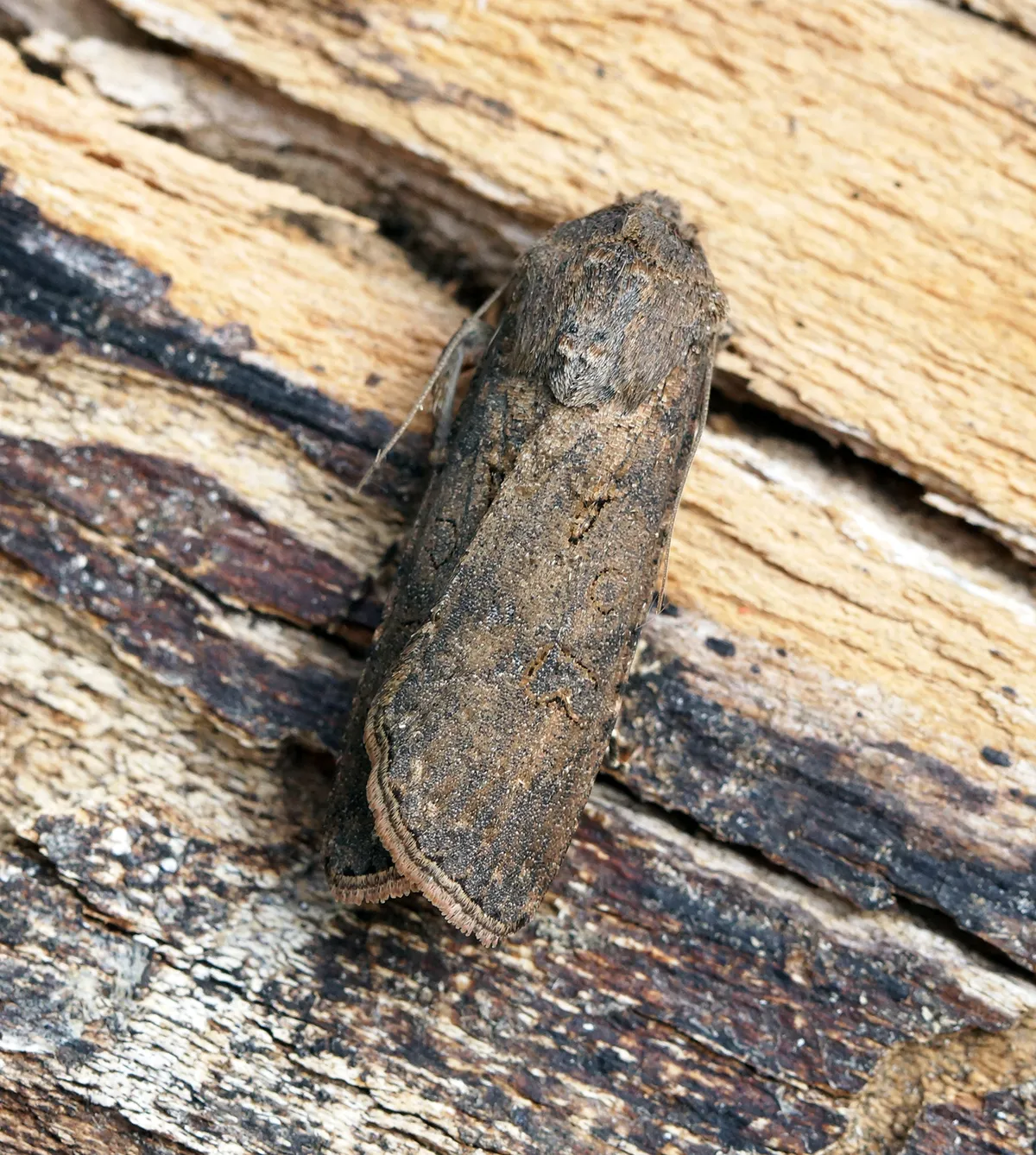
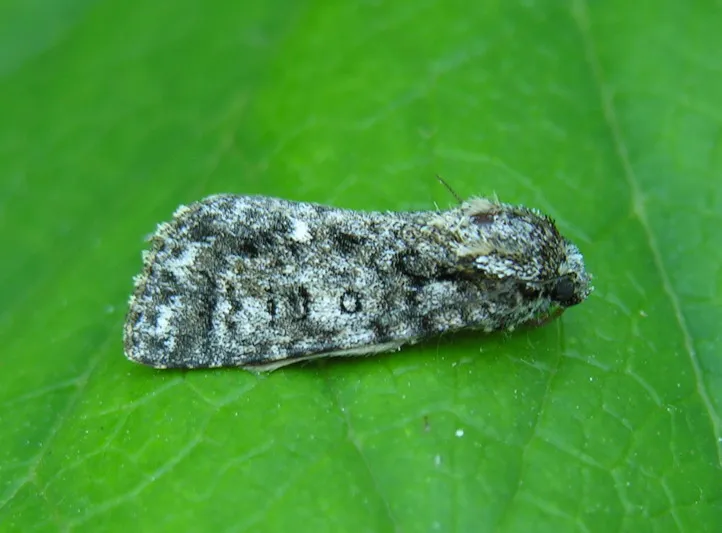
A nocturnal moth species belonging to the family Noctuidae, native to European regions. A small to medium-sized moth characterized by cryptic coloration that enables camouflage among rocky and vegetation-rich environments.
Image Gallery
ADSENSE SLOT
Ecology & Habitat
Habitat
Temperate forest edges, grasslands, meadows, and woodland clearings across Europe, particularly prevalent in central and southern European regions with moderate climatic conditions.
Ecological Role
Plays a significant role in ecosystem dynamics as a pollinator and as a food source for predatory birds, bats, and small mammals. Larvae contribute to nutrient cycling in forest and grassland ecosystems.
Morphology
SKIN COATCovered in overlapping scales providing thermal regulation and protection
LIMBS WINGSScaled wings with subtle brown and gray patterns, hindwings slightly lighter than forewings, capable of short to moderate flight distances
HEAD SENSORYCompound eyes, well-developed antennae for detecting pheromones and environmental cues, typical of Lepidoptera sensory systems
BODY STRUCTUREWingspan approximately 35-45 mm, with predominantly grayish-brown wing coloration featuring intricate mottled patterns that provide excellent camouflage
Data Source: TaxonHub Database
Image Credit: Jerzy Strzelecki