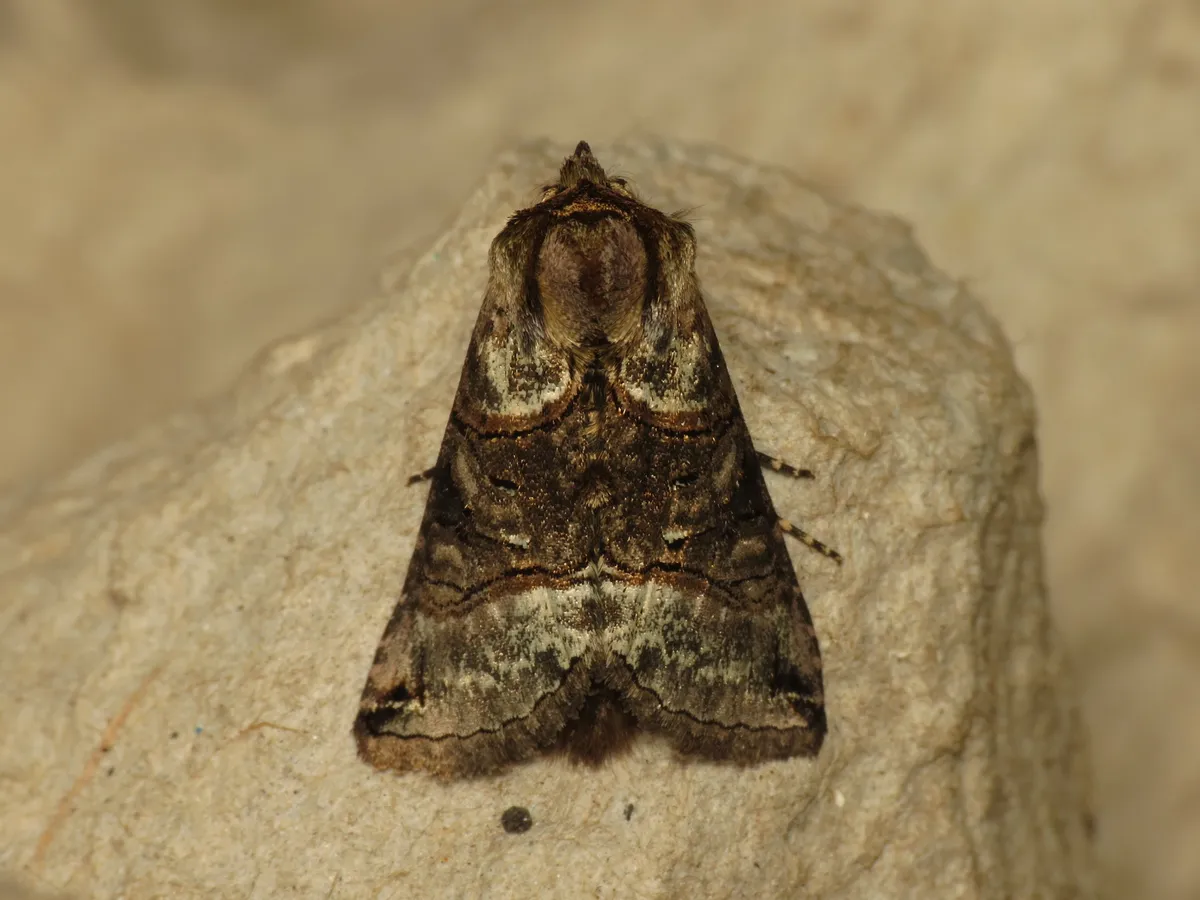
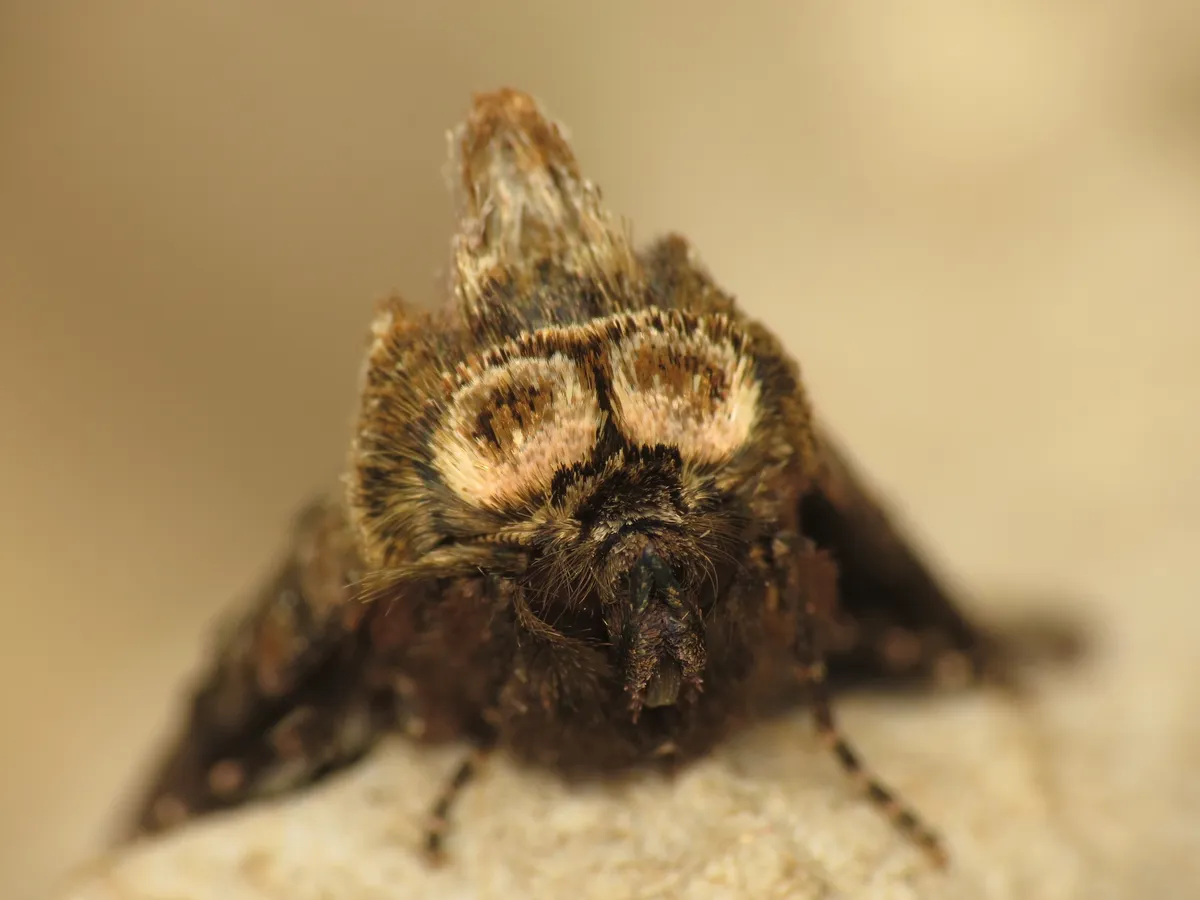
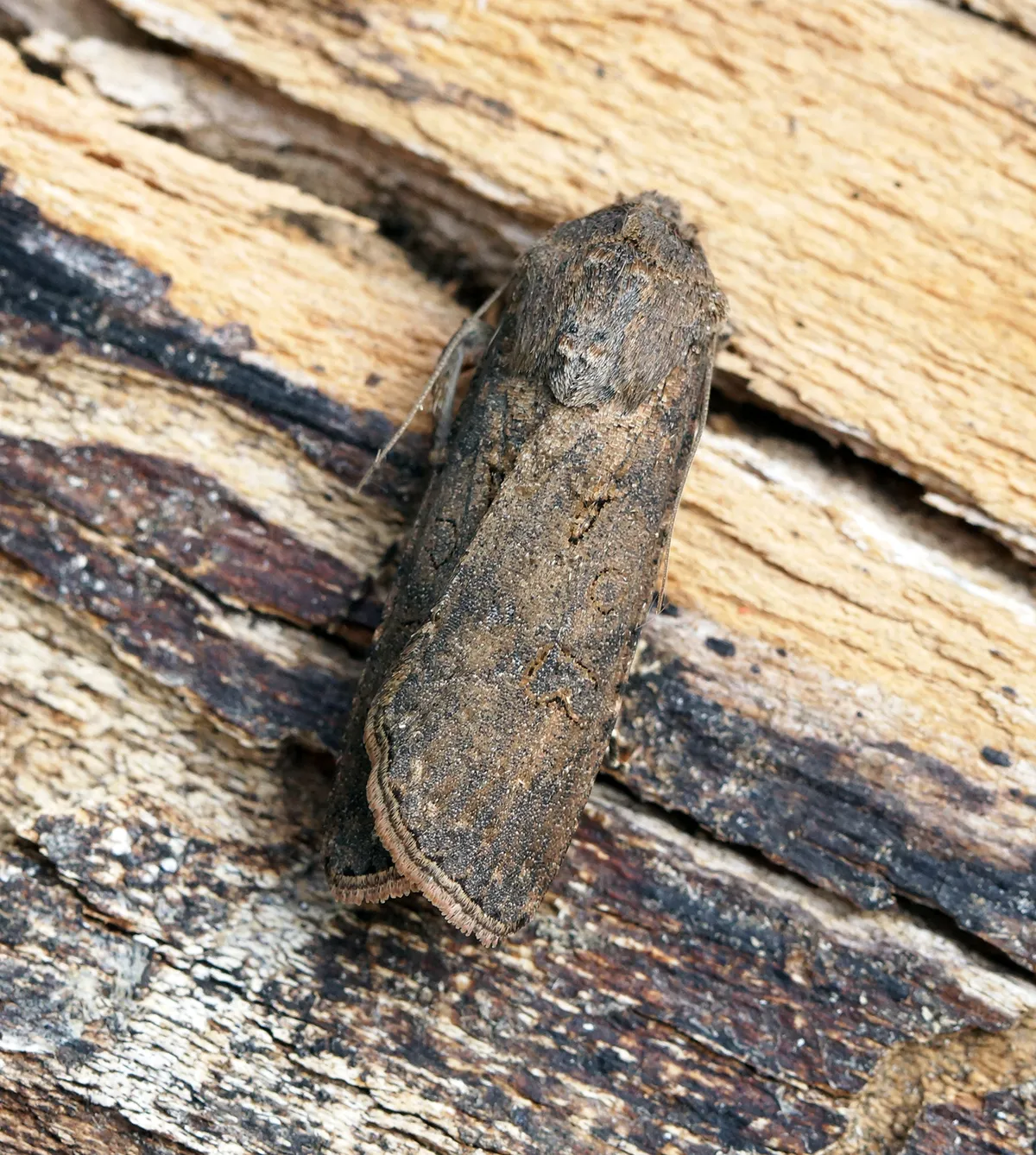
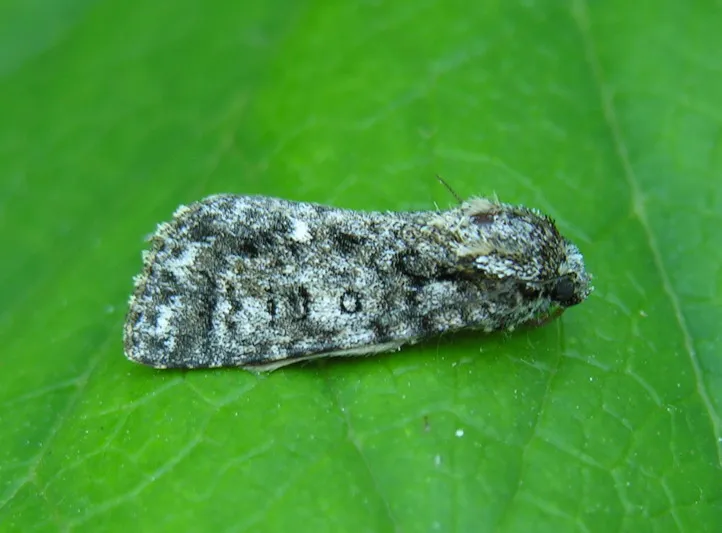
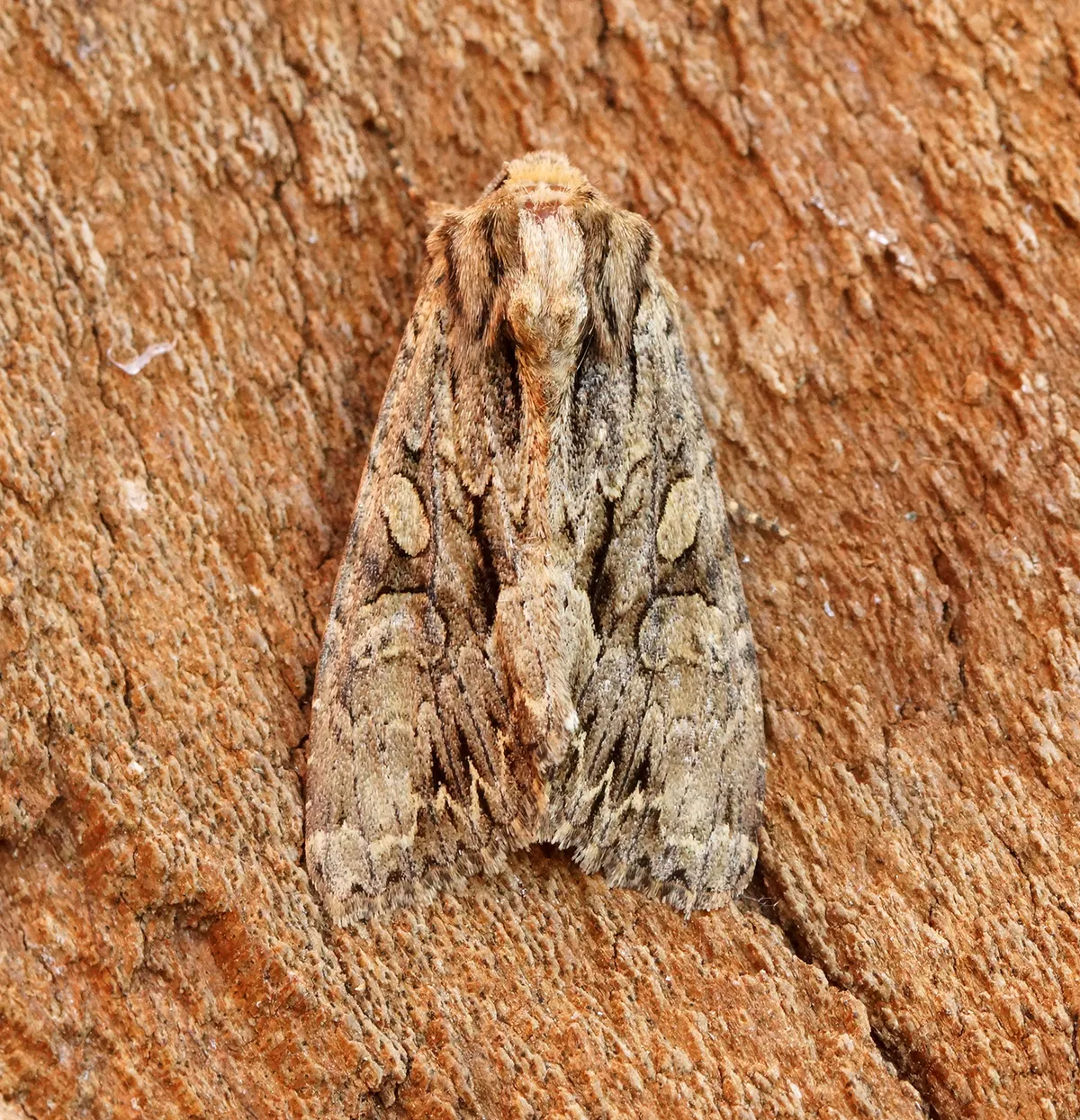
A nocturnal moth species belonging to the family Noctuidae, characterized by intricate wing patterns and a specialized habitat preference in temperate European regions.
Image Gallery
ADSENSE SLOT
Ecology & Habitat
Habitat
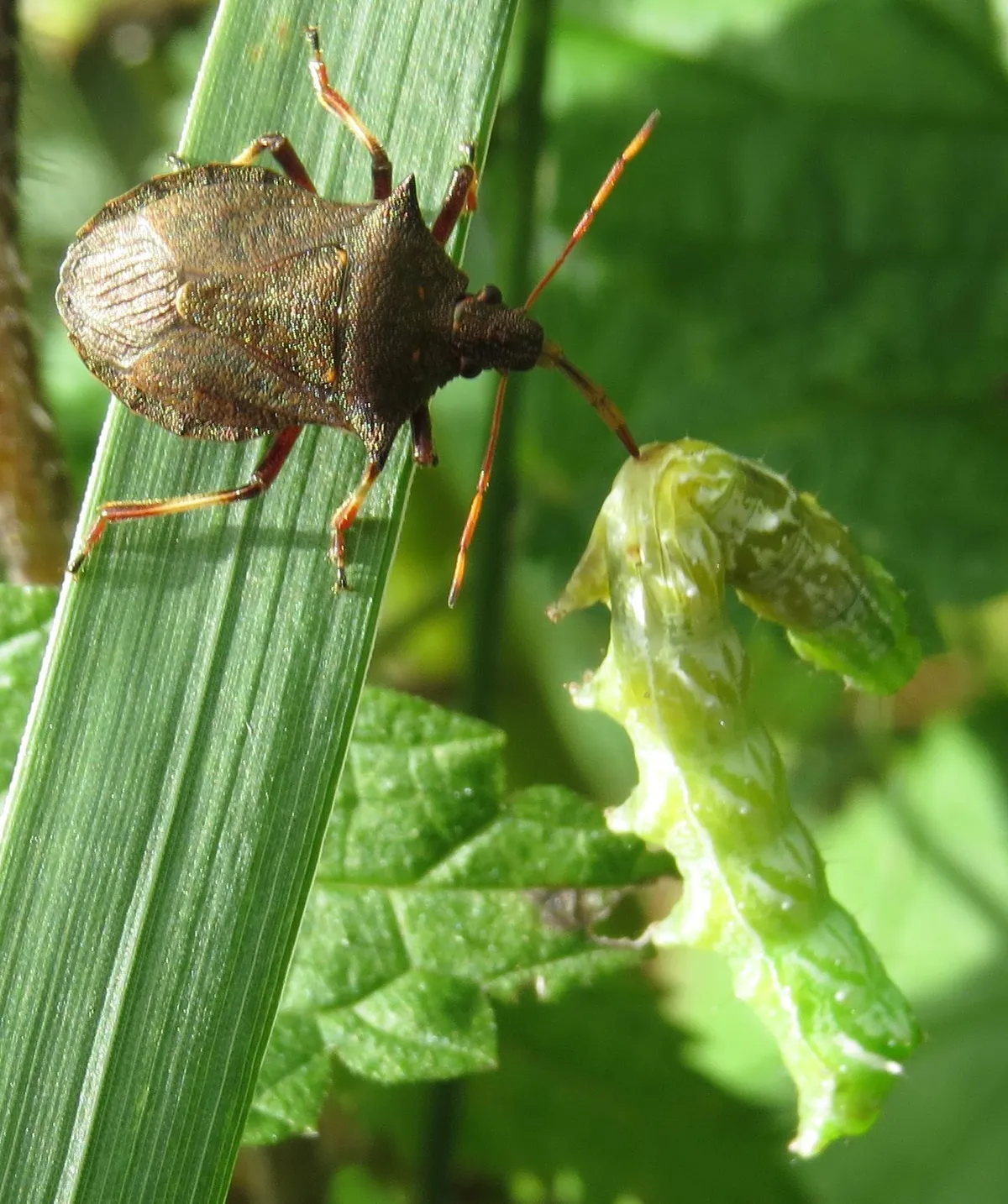
Woodland edges, gardens, and urban green spaces across Europe, particularly in temperate deciduous and mixed forest ecosystems. Larvae predominantly found on nettle plants.
Ecological Role
Important pollinator and prey species within woodland food webs. Larvae serve as a crucial food source for insectivorous birds and contribute to nutrient cycling.
Morphology
SKIN COATScaled exoskeleton with hydrophobic properties, providing thermal regulation and protection against environmental stressors.
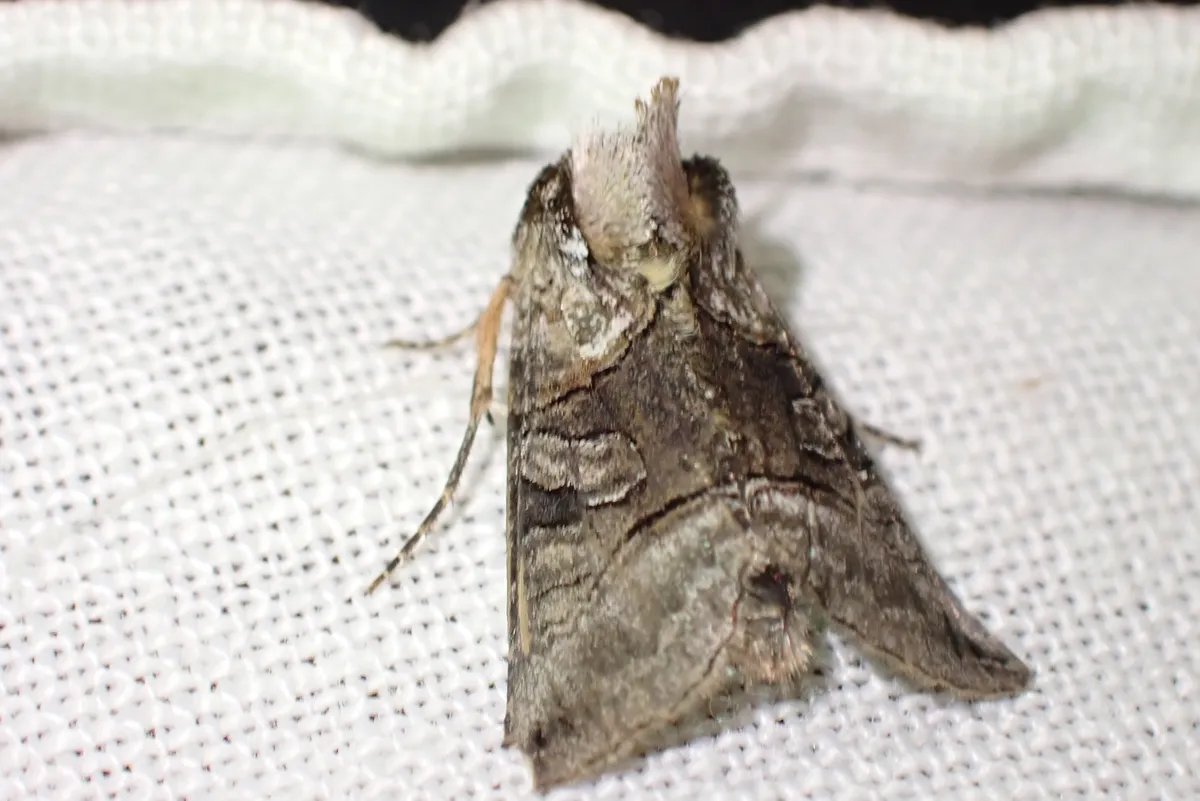
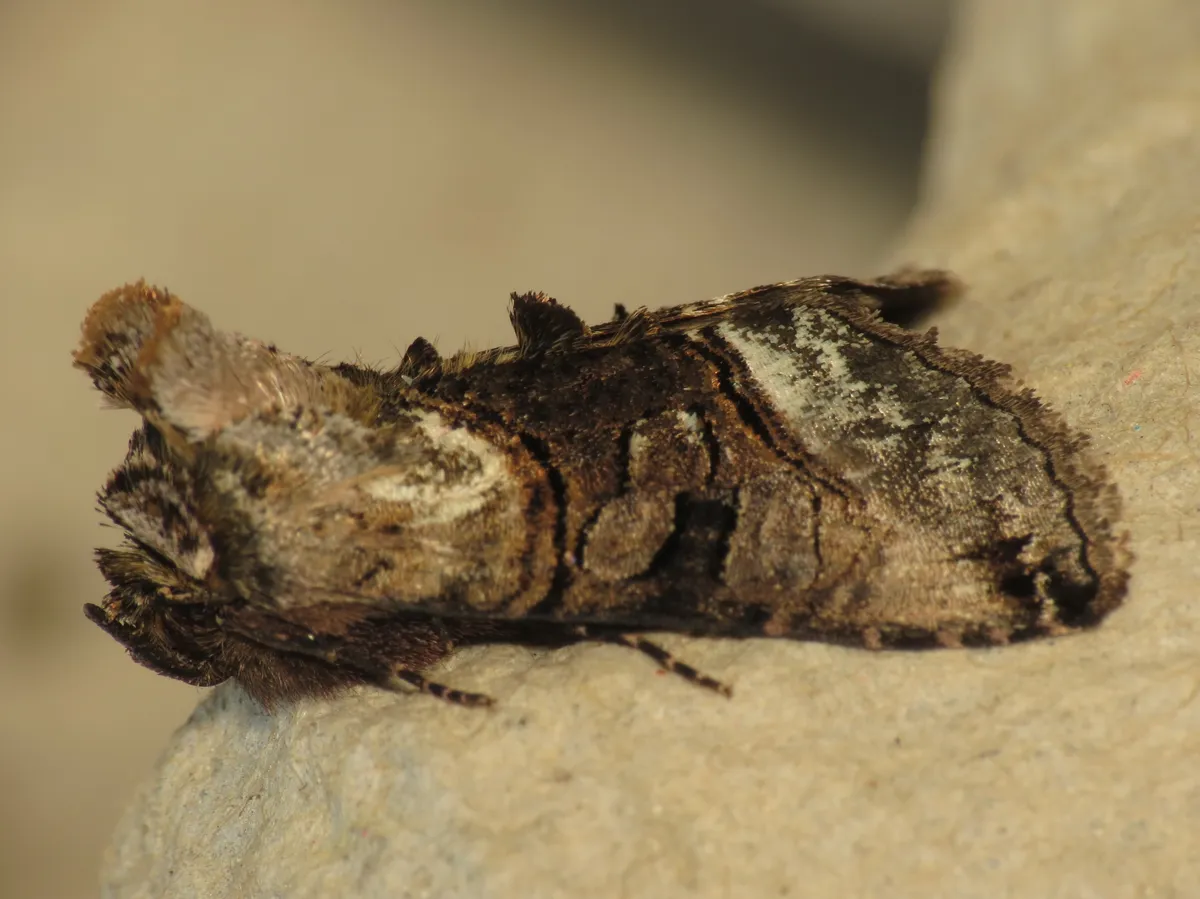
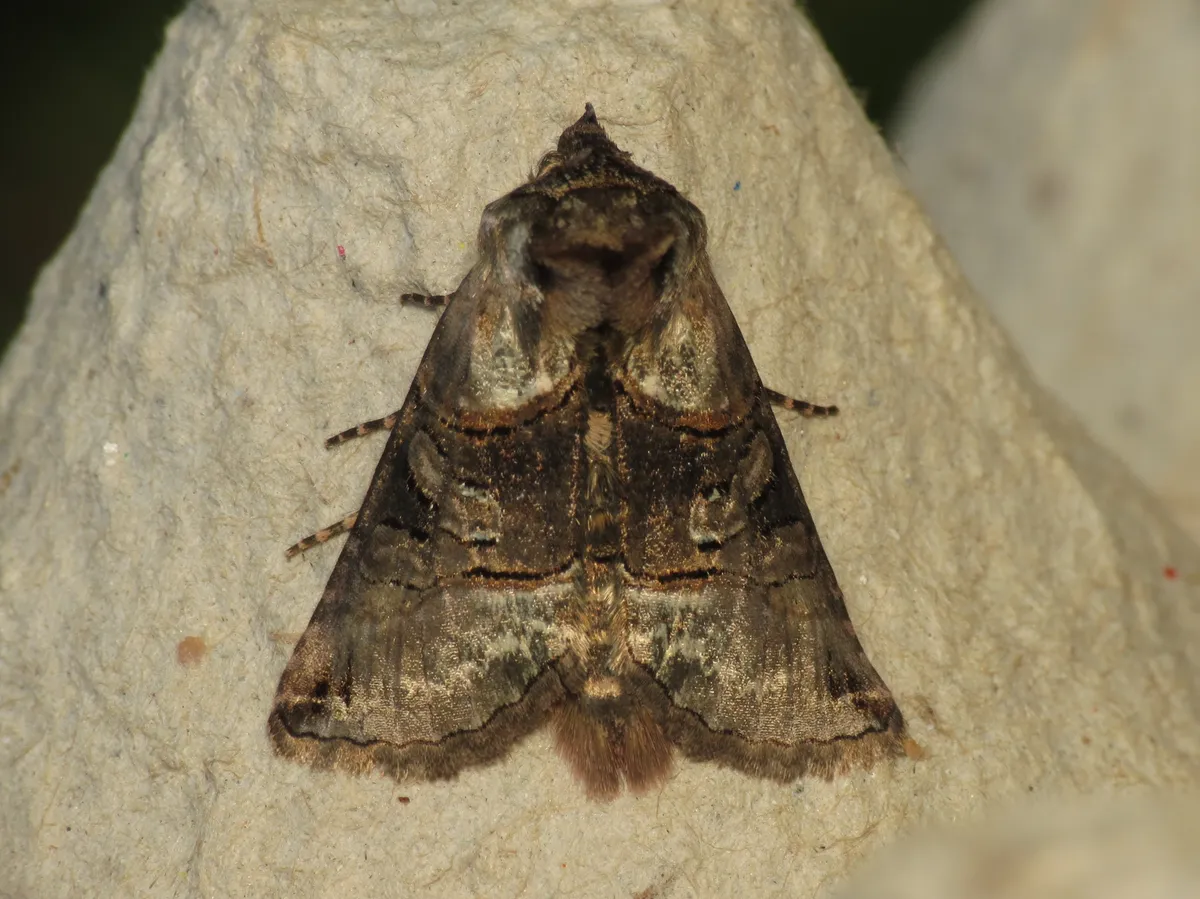
LIMBS WINGSTwo pairs of scaled wings with complex geometric patterns. Forewings predominantly gray-brown with triangular markings resembling spectacles.
HEAD SENSORYProminent compound eyes, short antennae typical of nocturnal Lepidoptera. Sensitive sensory receptors for detecting environmental cues.
BODY STRUCTURESmall moth with wingspan of 30-40 mm, body length approximately 15-20 mm. Gray-brown coloration with intricate wing camouflage patterns.
Data Source: TaxonHub Database
Image Credit: Magnefl