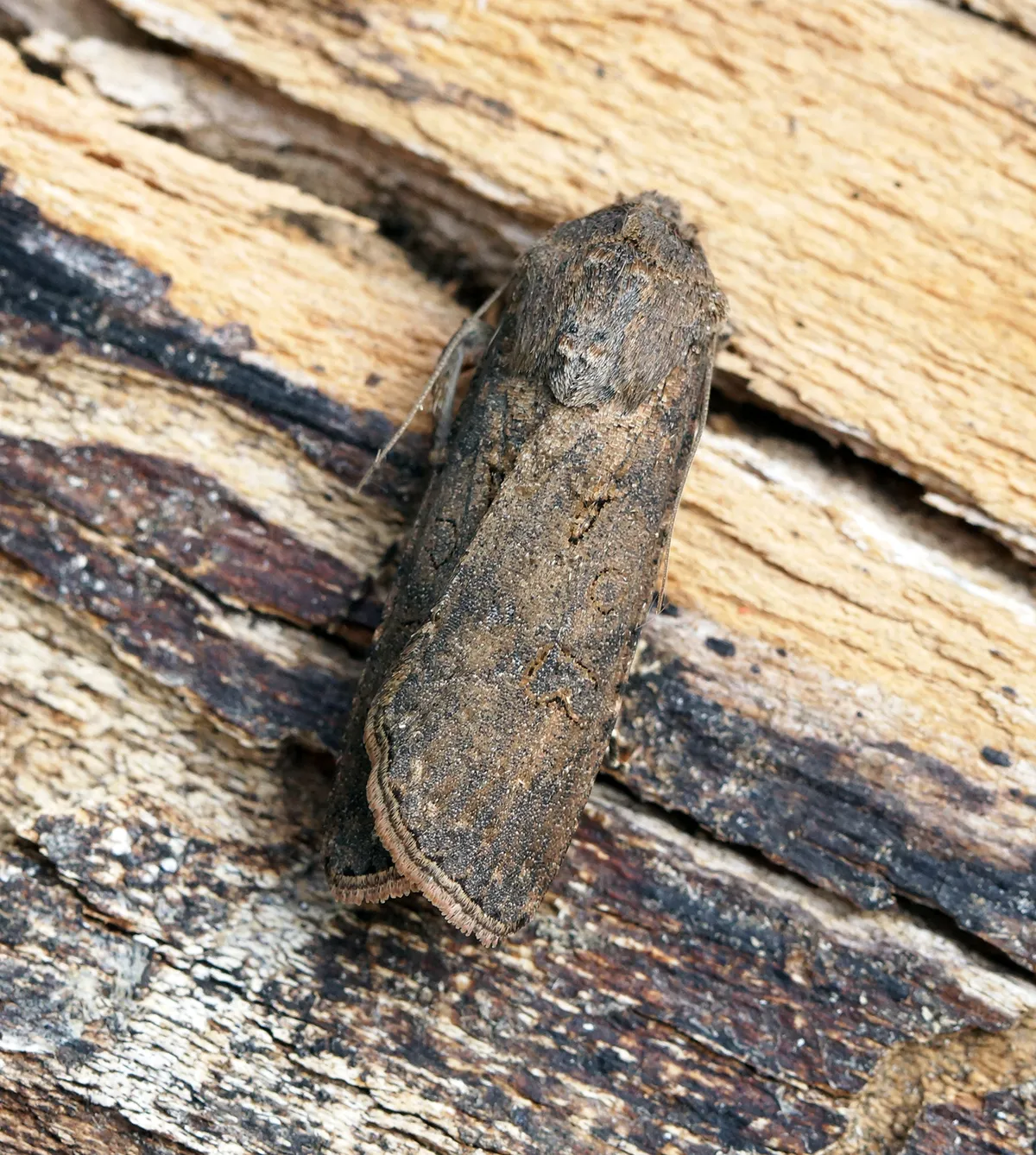
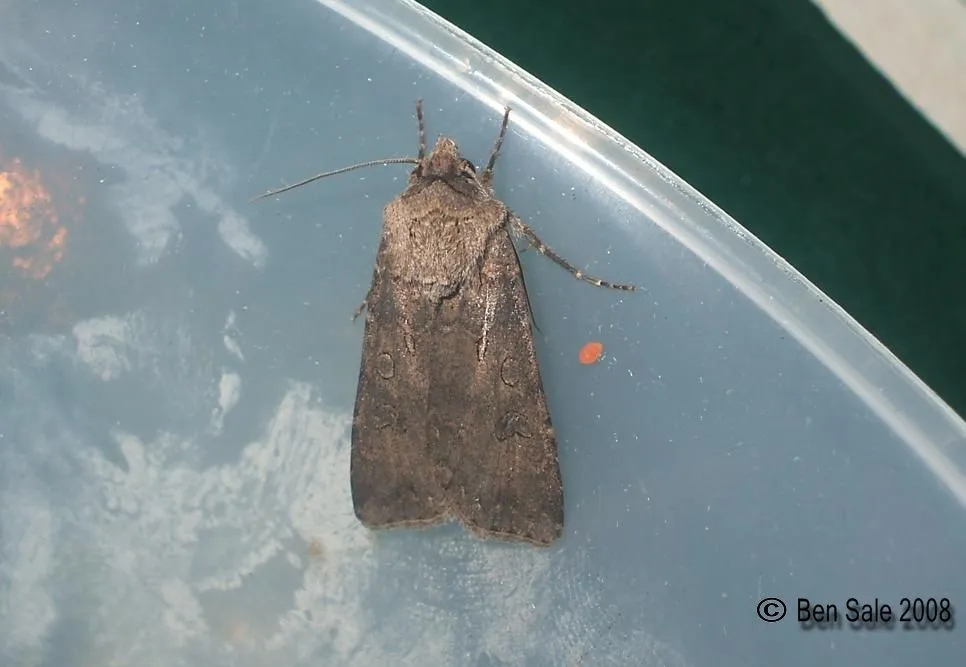
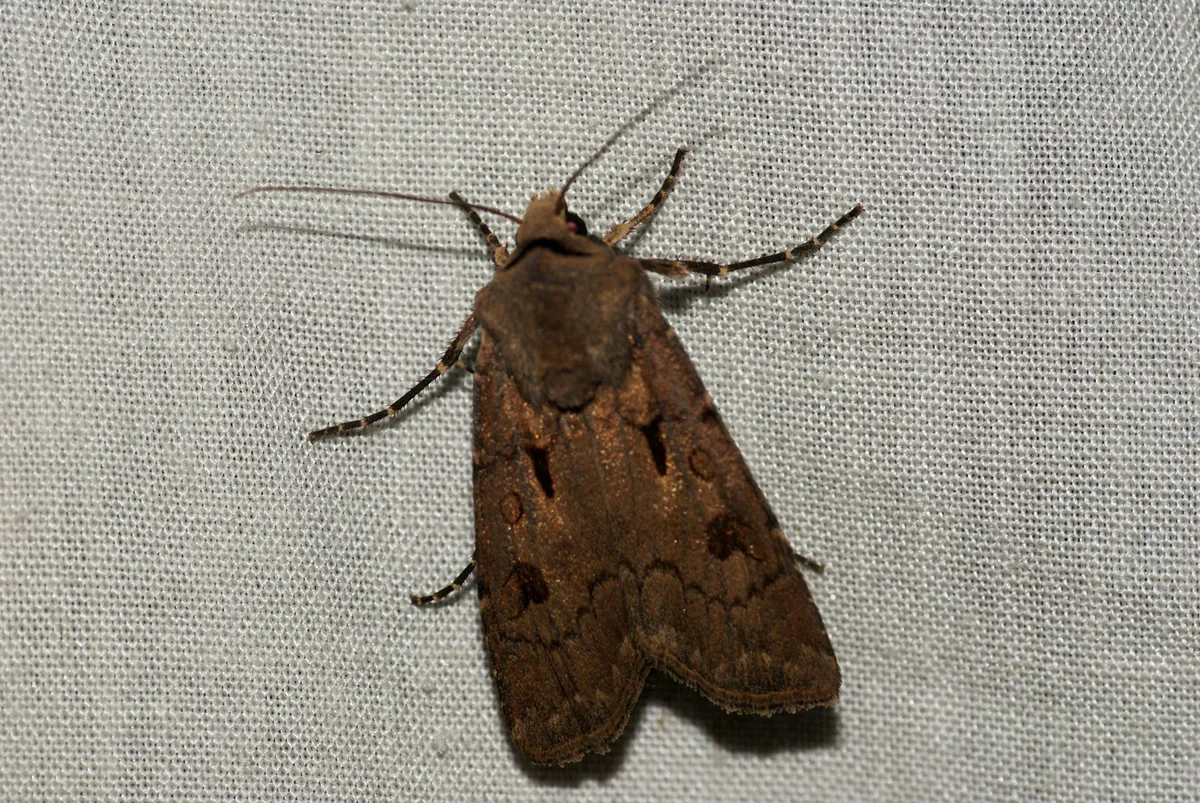
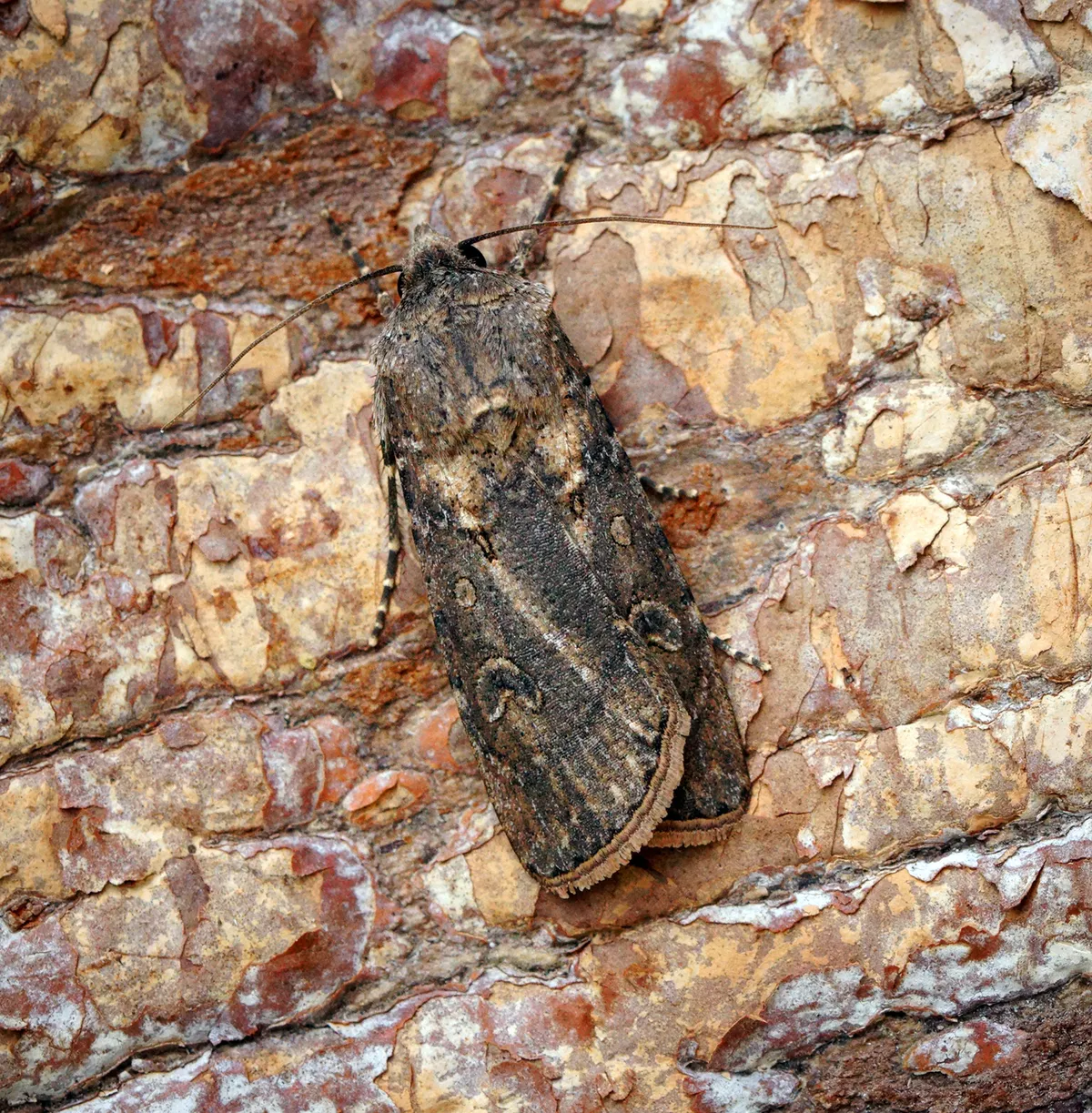
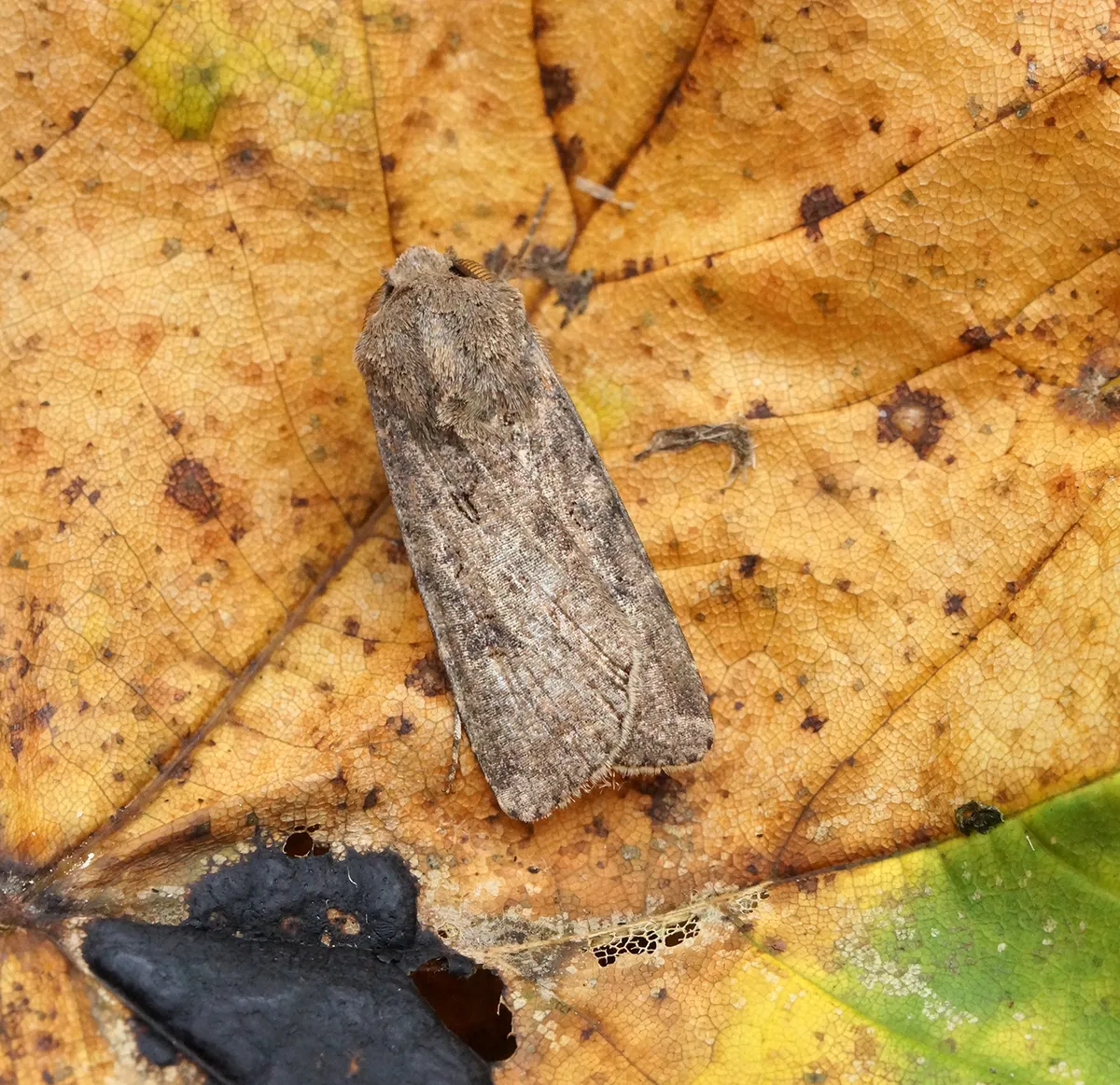
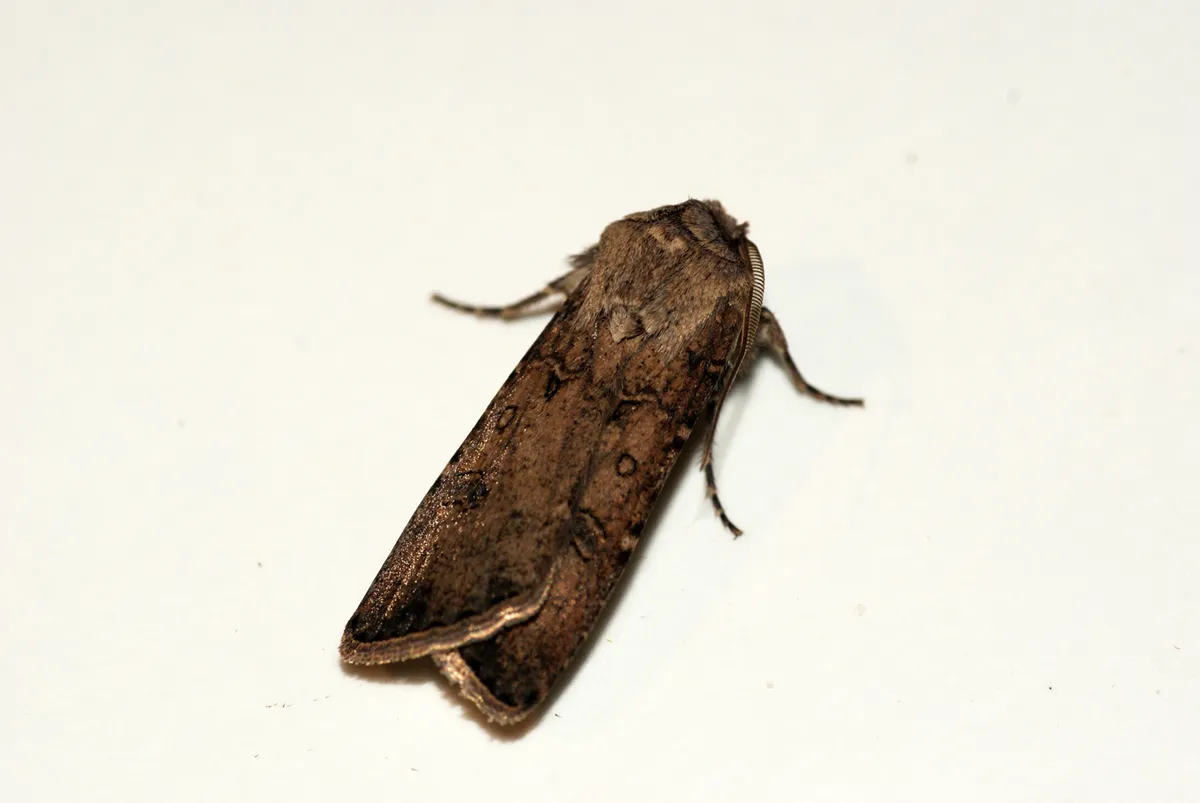
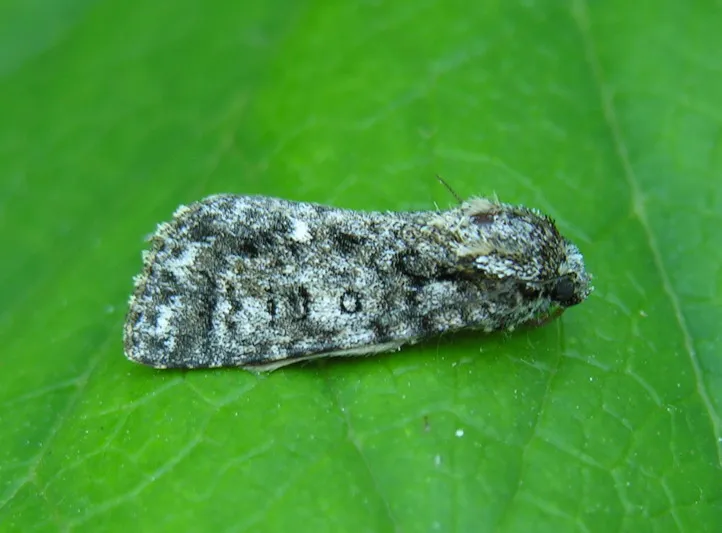
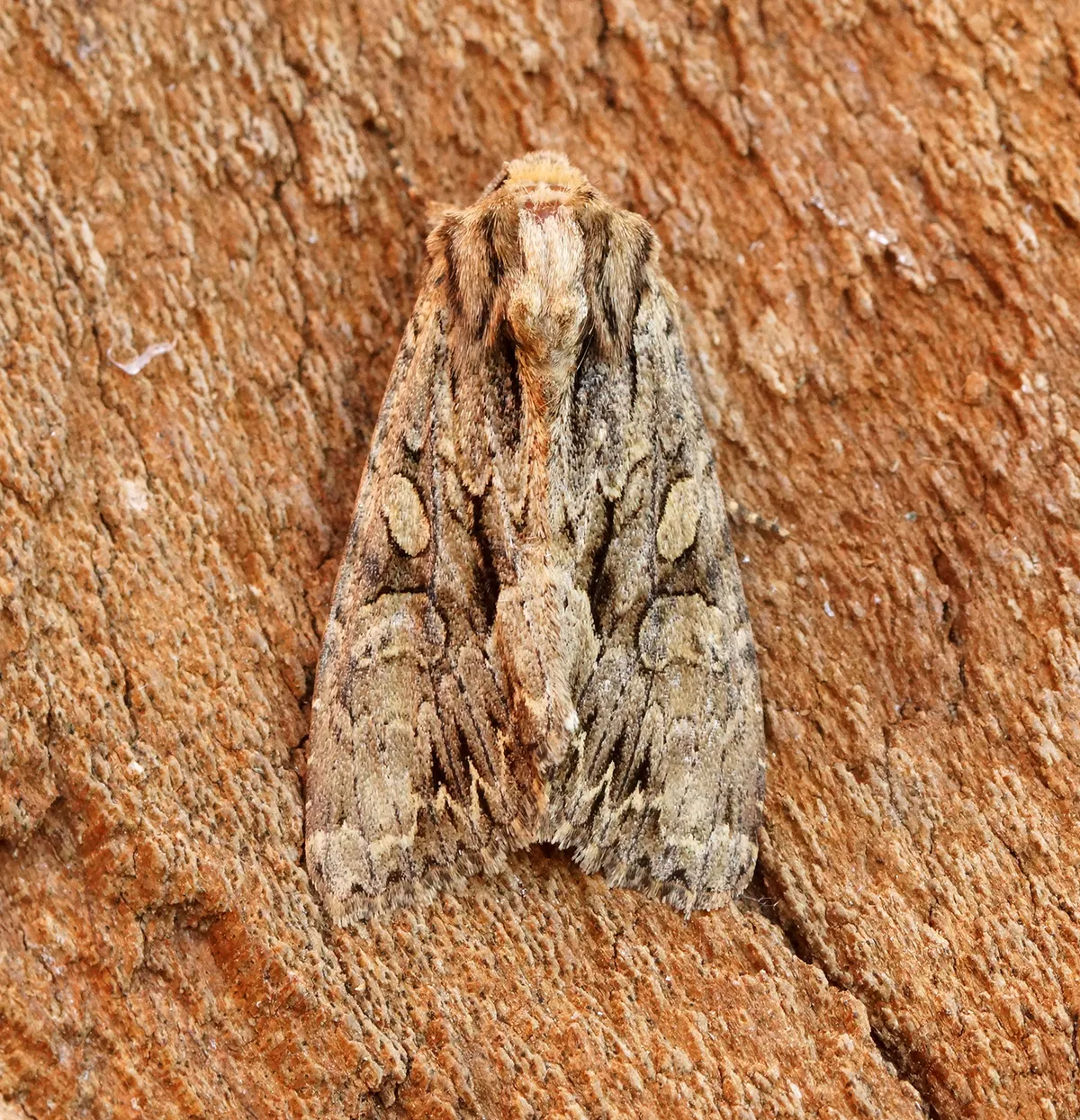
A nocturnal moth species belonging to the Noctuidae family, widely distributed in agricultural landscapes across Europe and parts of Asia. Known for its agricultural pest status due to larval feeding behavior.
Image Gallery
ADSENSE SLOT
Ecology & Habitat
Habitat
Agricultural fields, grasslands, and cultivated areas with herbaceous vegetation, typically found at elevations ranging from sea level to 2,000 meters
Ecological Role
Significant agricultural pest that causes substantial crop damage, particularly in root vegetable and cereal crop production. Larvae feed on roots and stems of various crops, impacting agricultural yields.
Morphology
SKIN COATScaled integument typical of Lepidoptera, providing thermal regulation and protection
LIMBS WINGSBroad, mottled forewings with cryptic coloration for camouflage; hindwings are lighter and less patterned
HEAD SENSORYCompound eyes, well-developed antennae for chemical and environmental sensing
BODY STRUCTUREMedium-sized moth with wingspan of 40-45 mm, ground coloration typically grayish-brown with intricate wing patterns
Data Source: TaxonHub Database
Image Credit: Ben Sale from UK