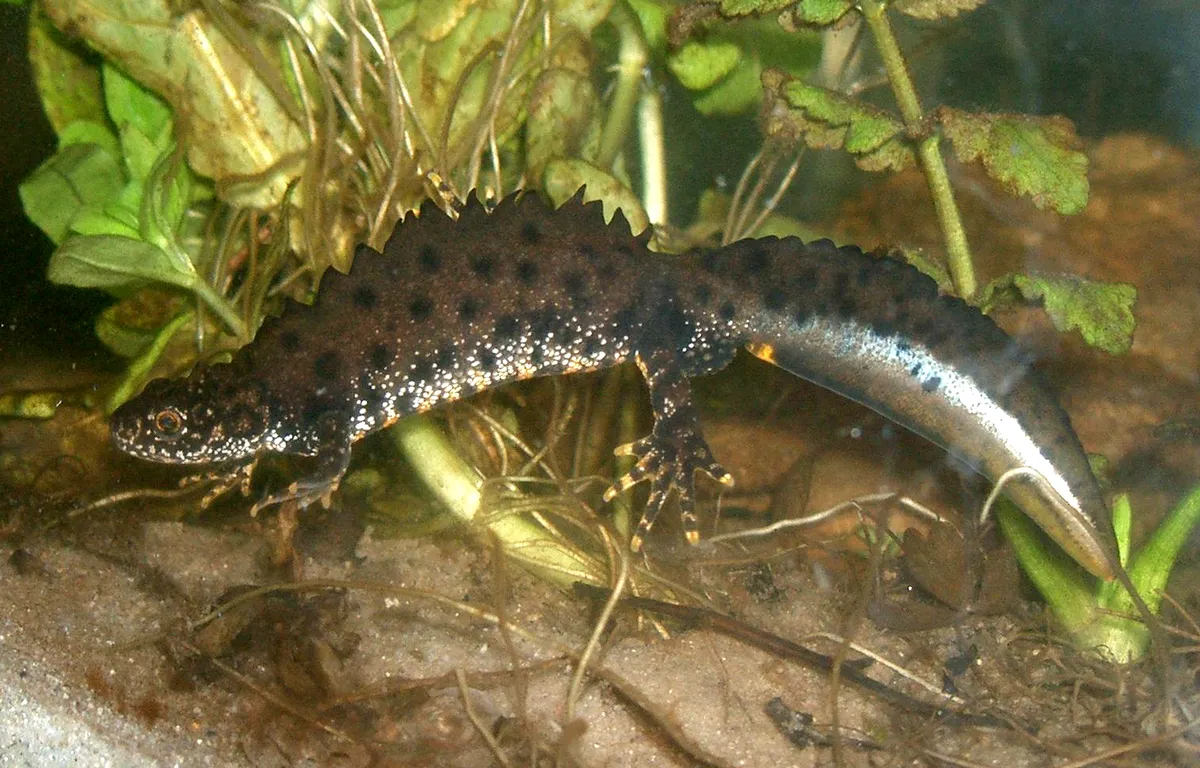
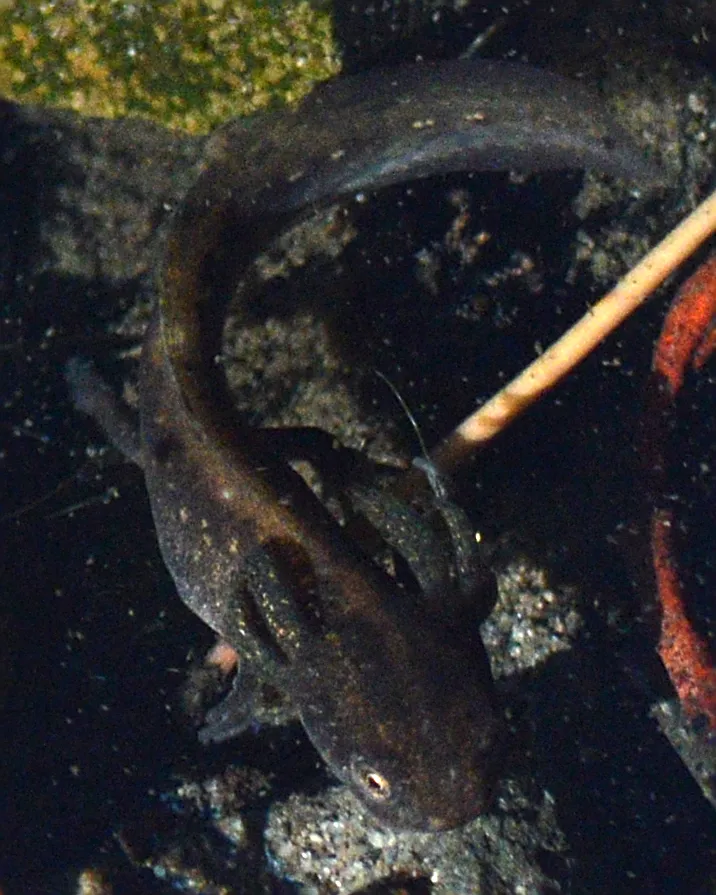
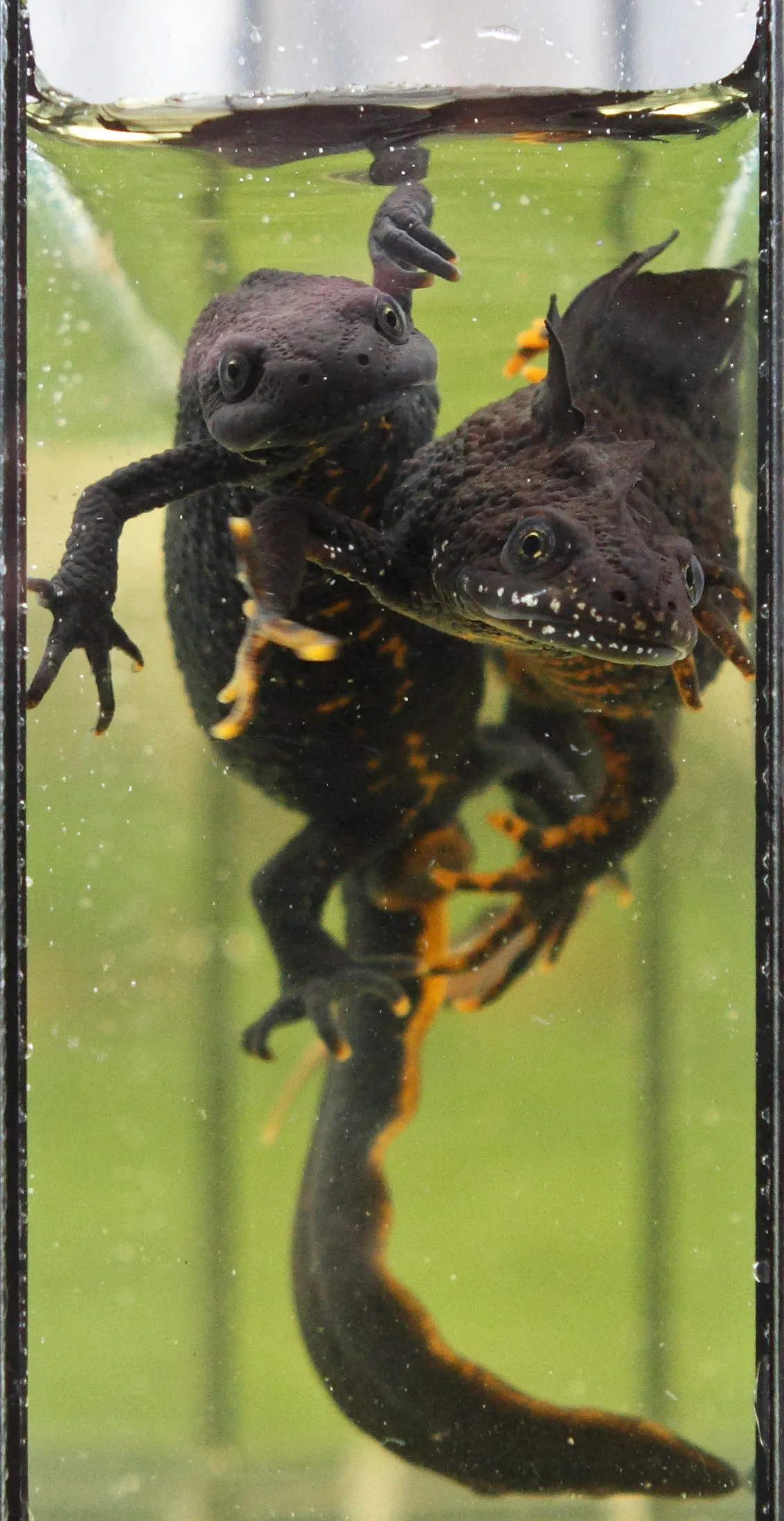
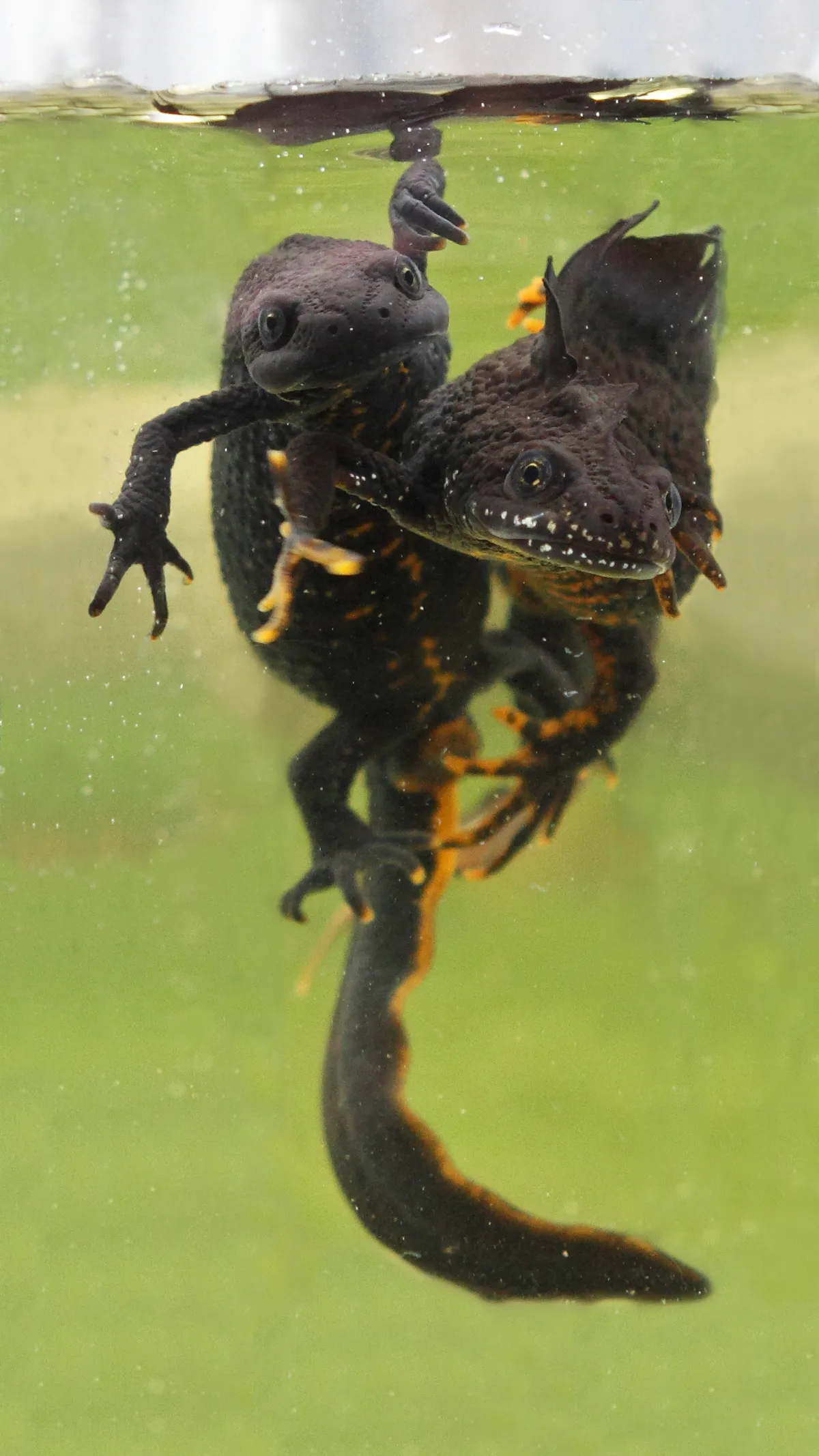
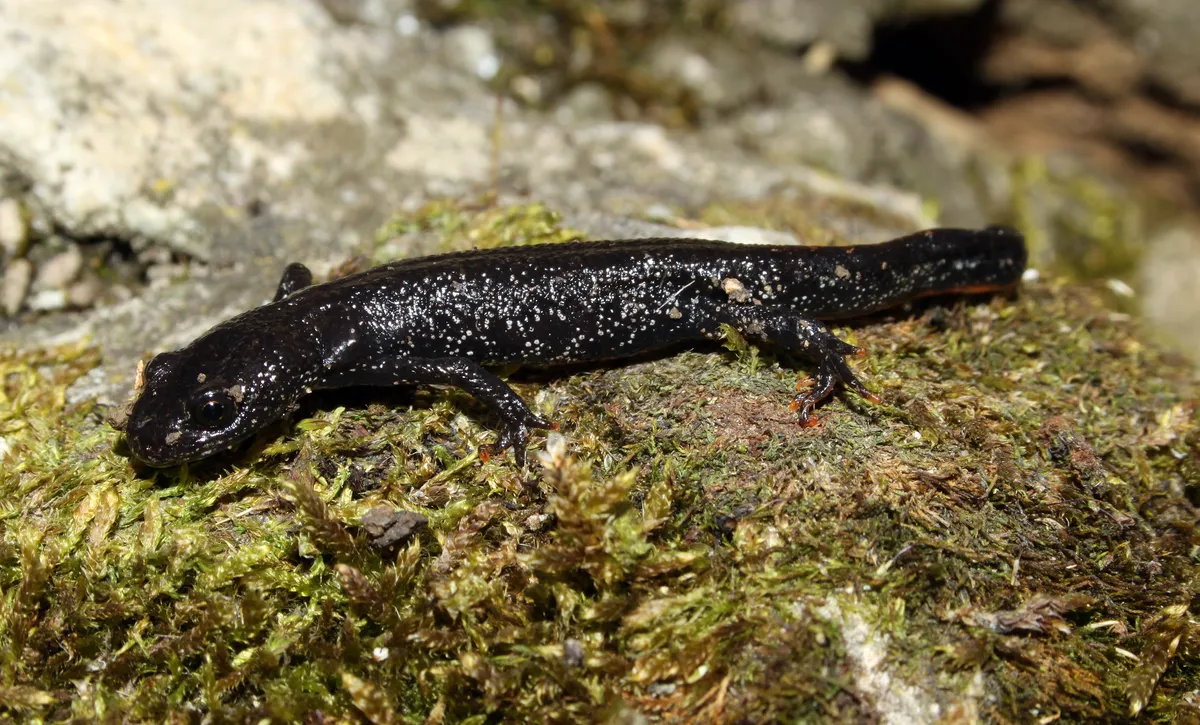
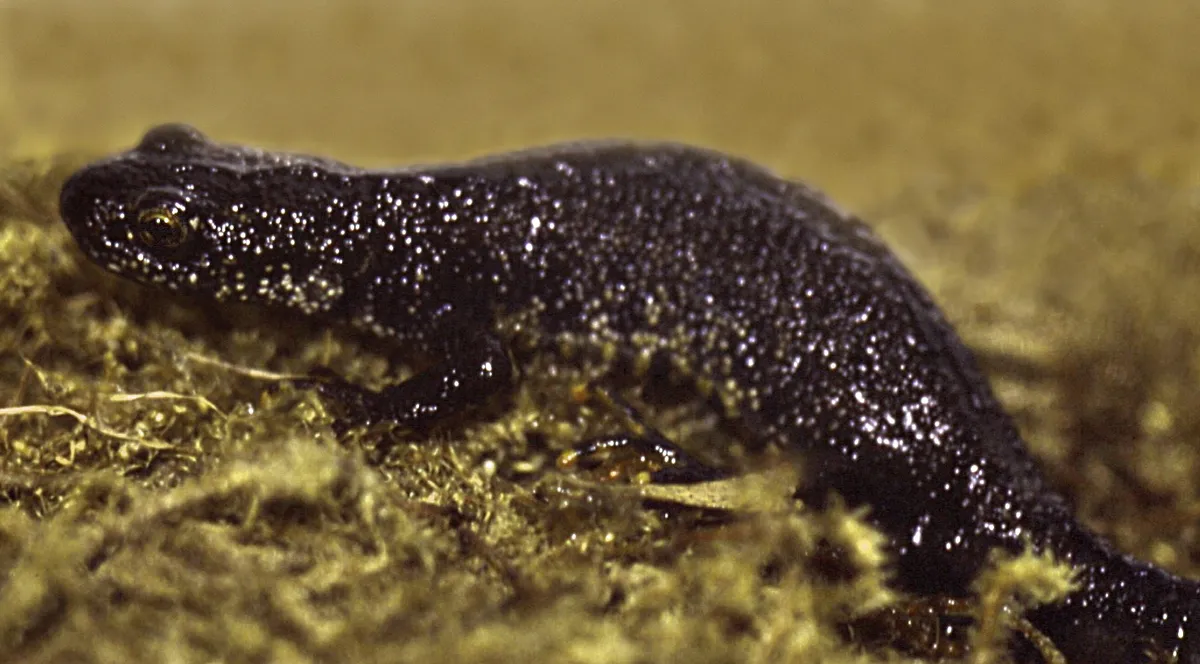
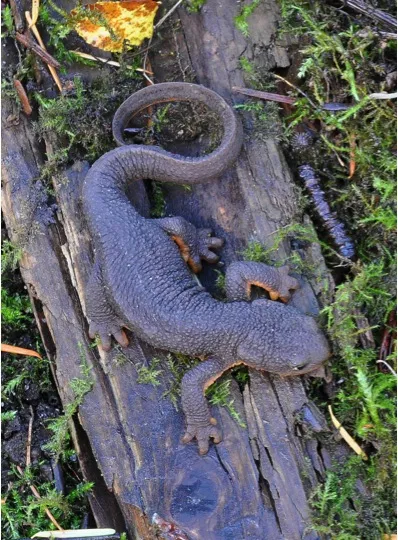
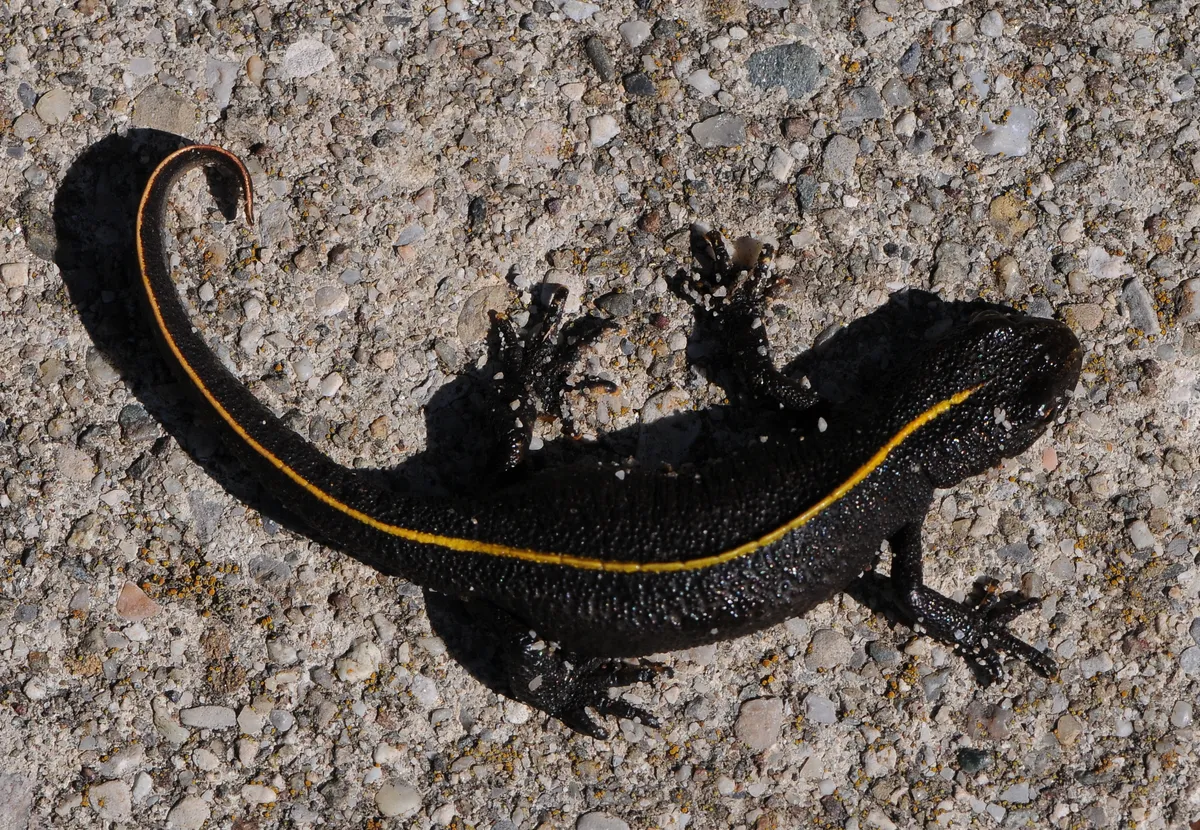
A large salamander species native to Europe, characterized by a distinctive dorsal crest and warty skin texture. Triturus cristatus is a globally important amphibian with complex ecological interactions.
Image Gallery
ADSENSE SLOT
Ecology & Habitat
Habitat
Freshwater ecosystems including ponds, slow-moving streams, wetlands, and temporary water bodies across temperate European landscapes. Prefers areas with dense vegetation and minimal predation risk.
Ecological Role
Critical indicator species for wetland ecosystem health. Plays significant roles in controlling invertebrate populations and serving as prey for larger predators. Sensitive to environmental changes, making them valuable bioindicators.
Morphology
SKIN COATGranular, warty skin with dark coloration (black to dark brown) and lighter ventral surface. Skin contains protective mucous layer.
LIMBS WINGSFour robust limbs with five digits each. Hindlimbs slightly more developed for swimming and terrestrial movement.
HEAD SENSORYBroad, flattened head with well-developed eyes and chemosensory capabilities. Lateral line system enables detection of water movement and prey.
BODY STRUCTURELarge salamander, body length 13-16 cm, with robust build and prominent dorsal crest. Mass ranges 15-35 g, with females typically larger than males.
Data Source: TaxonHub Database
Image Credit: Rainer Theuer.