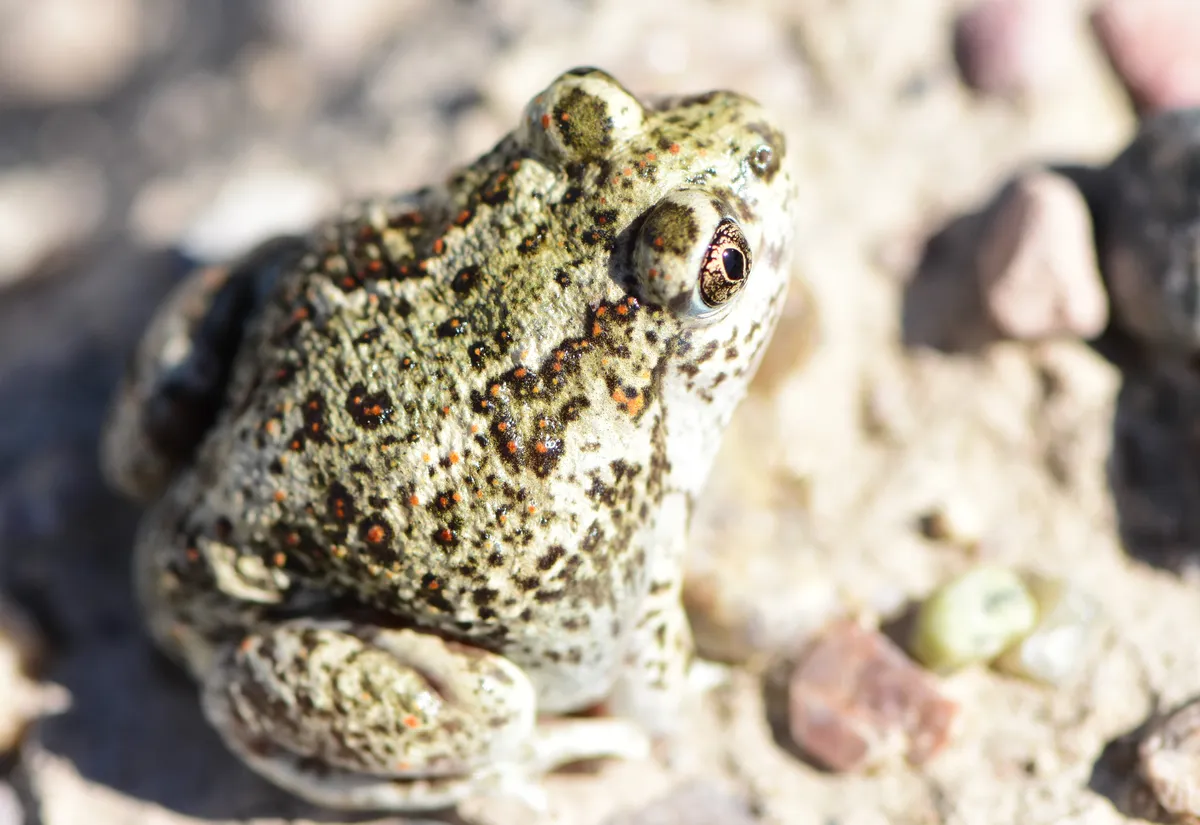
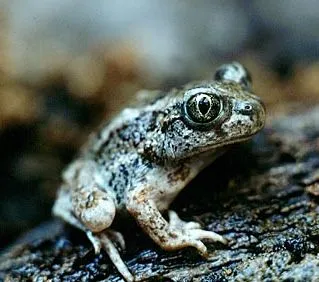
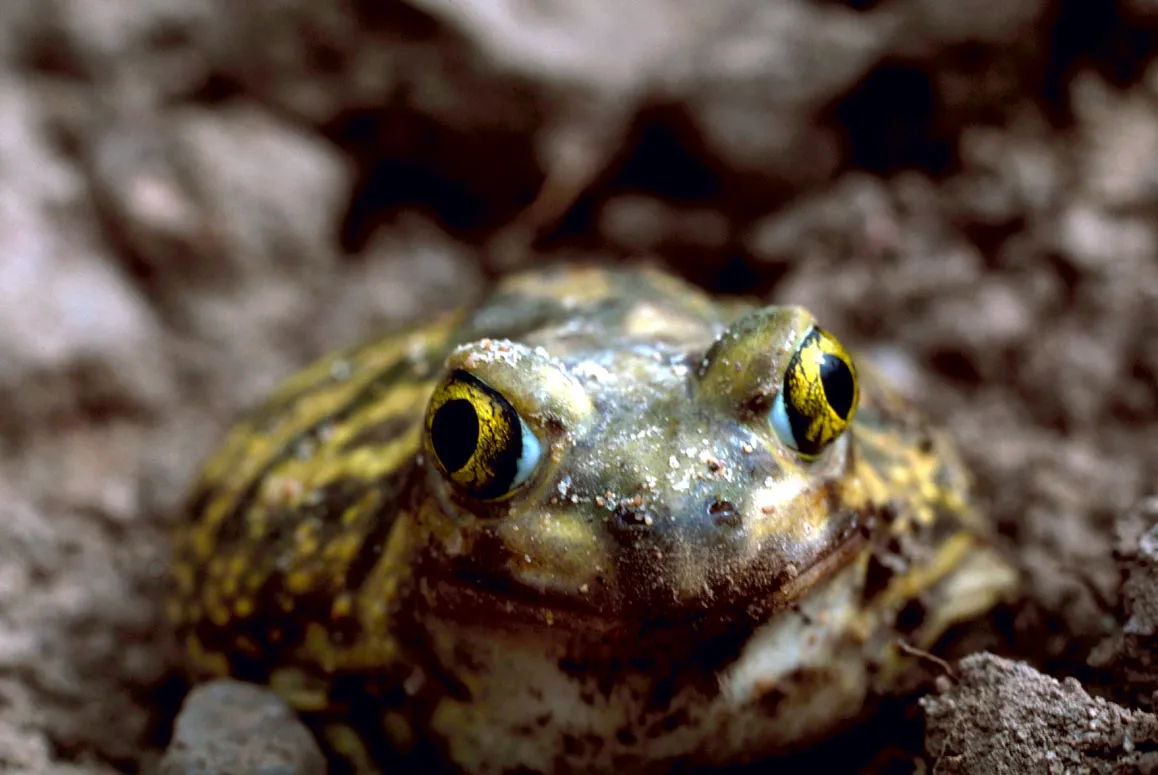
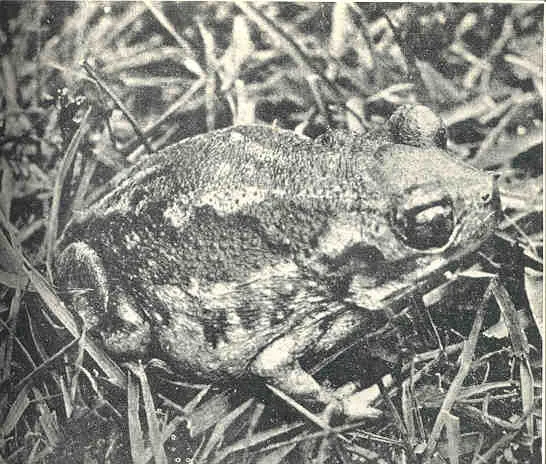
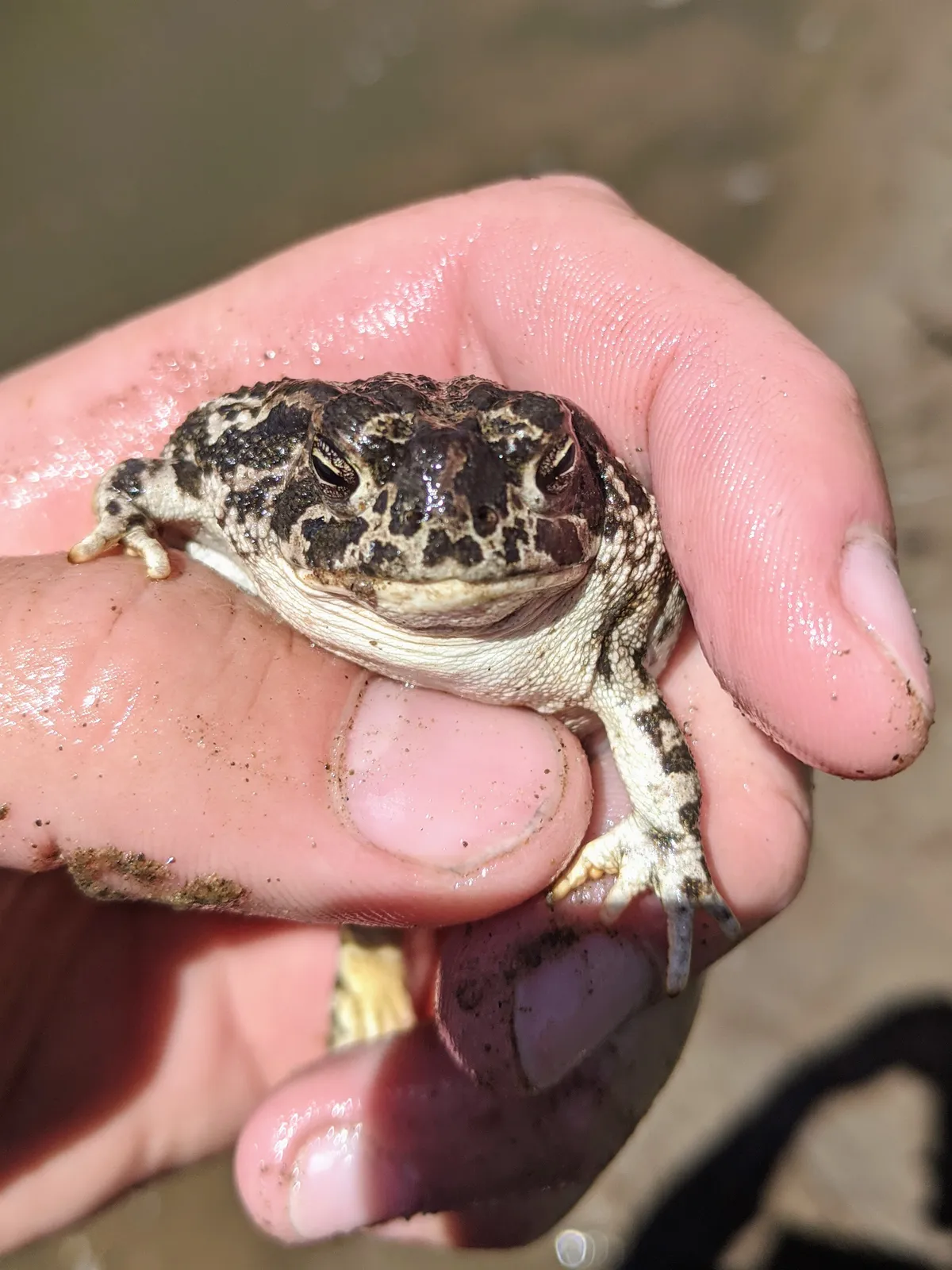
A small, robust amphibian endemic to western North America, characterized by its distinctive spade-like hind feet used for burrowing in arid and semi-arid environments.
Image Gallery
ADSENSE SLOT
Ecology & Habitat
Habitat
Inhabits desert and semi-desert regions of the Great Basin, including Nevada, Utah, Oregon, and parts of California and Idaho. Prefers temporary water bodies like ephemeral ponds and shallow pools for breeding.
Ecological Role
Critical in desert ecosystem food webs, serving as both predator of small invertebrates and prey for larger animals. Plays significant role in controlling insect populations and indicating environmental health of arid landscapes.
Morphology
SKIN COATDry, warty skin with gray, brown, or olive-green coloration, providing excellent camouflage in desert environments
LIMBS WINGSPowerful, spade-like hind feet with keratinized tubercles for digging; four toes on front limbs, five on hind limbs