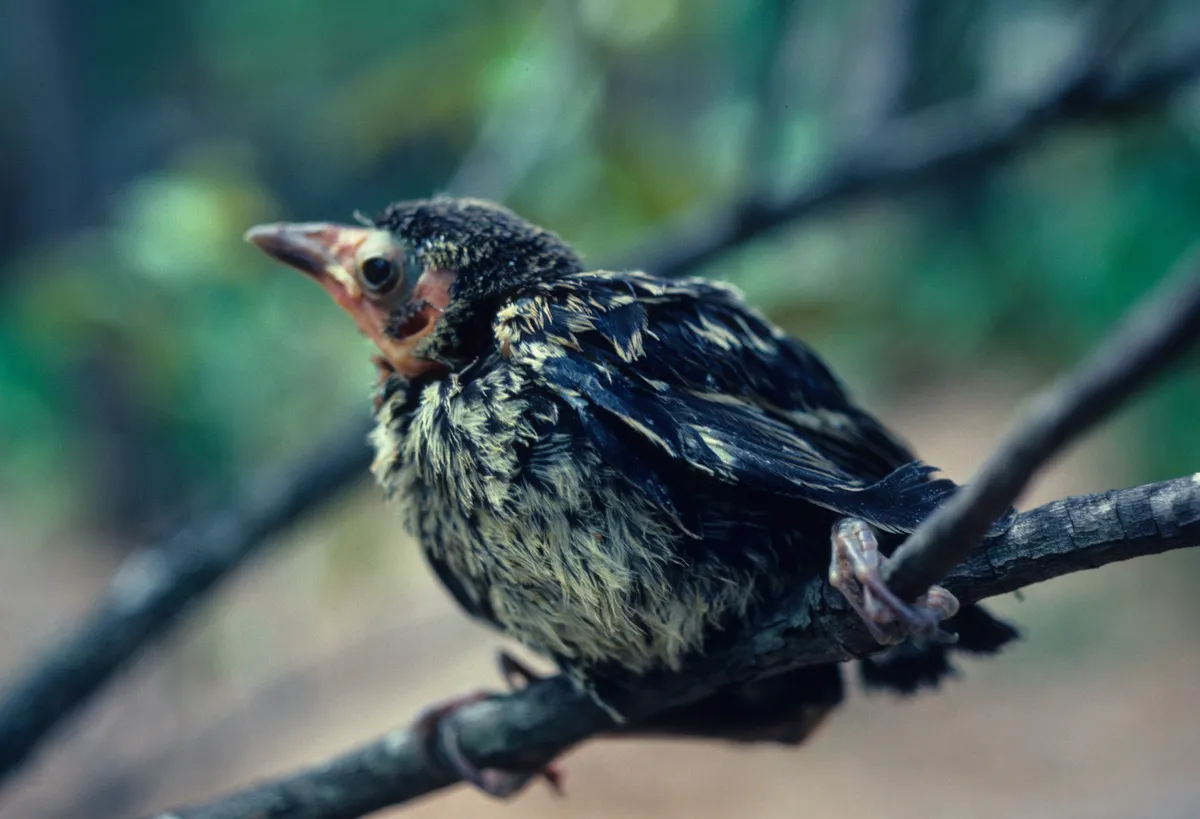
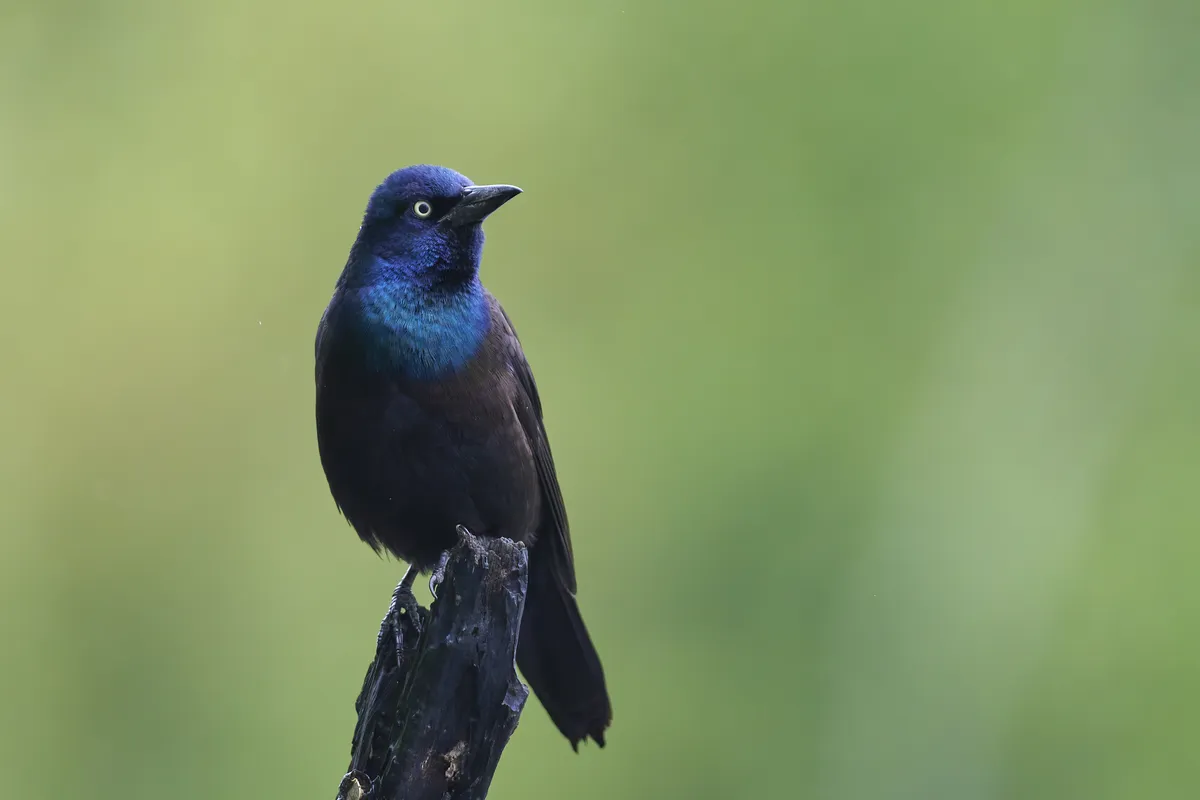
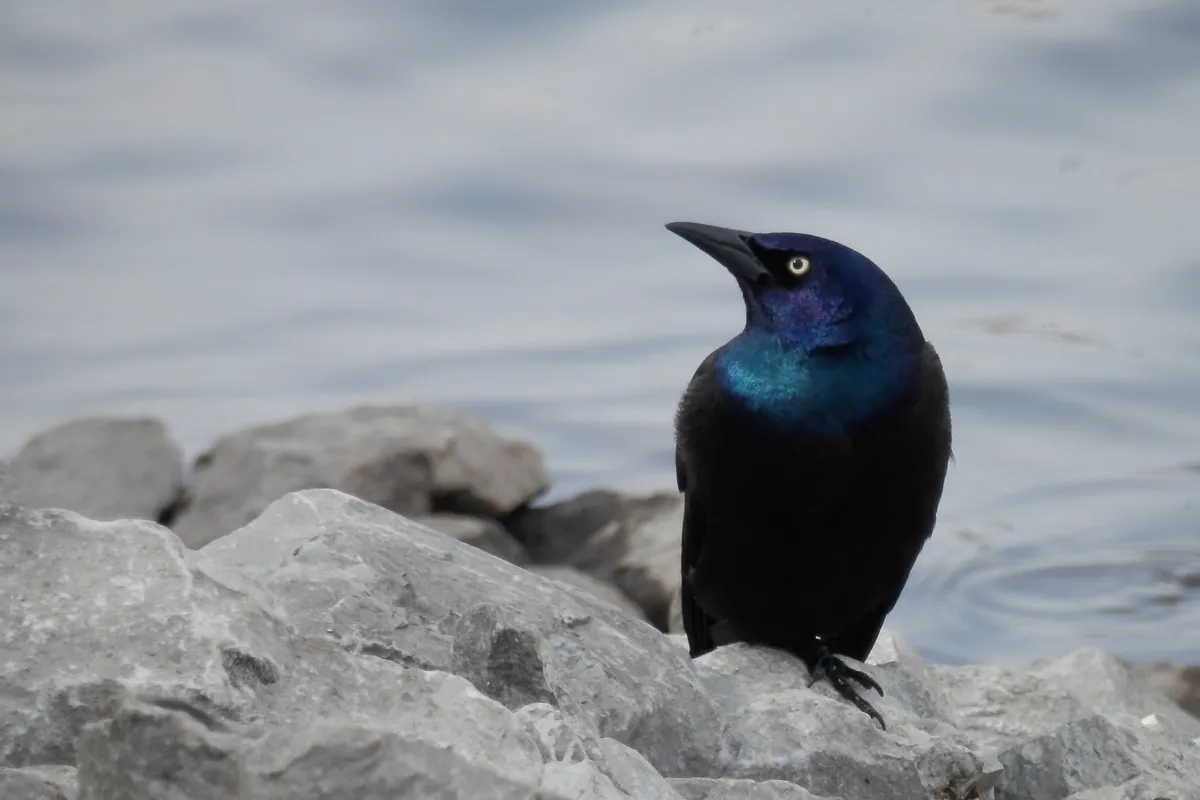
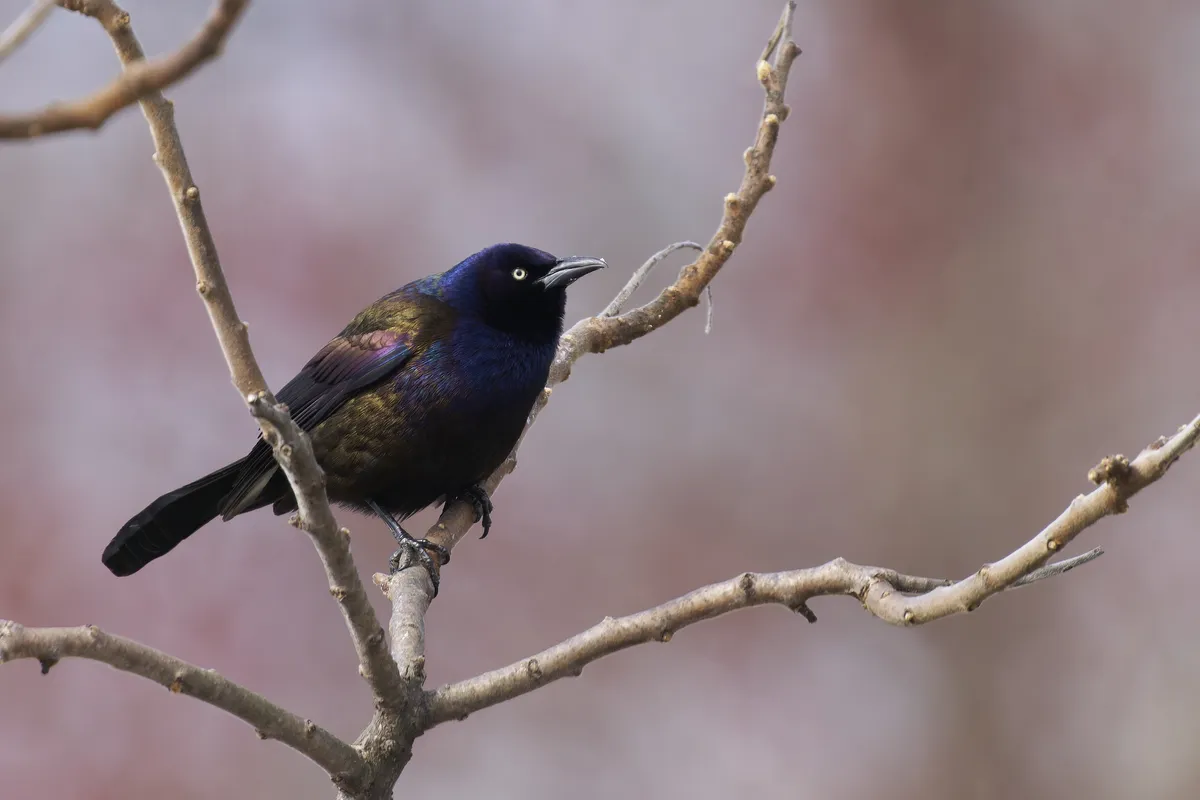
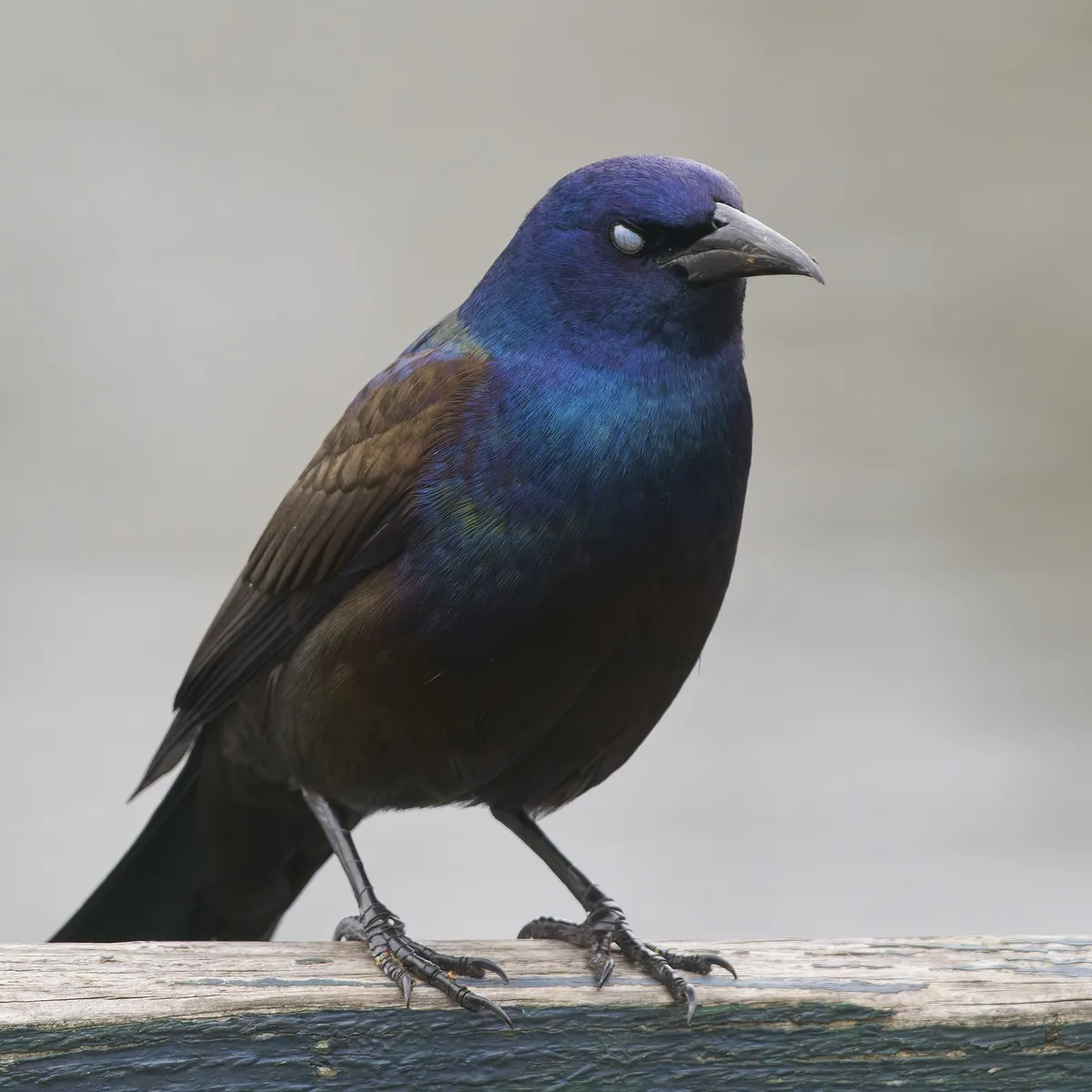
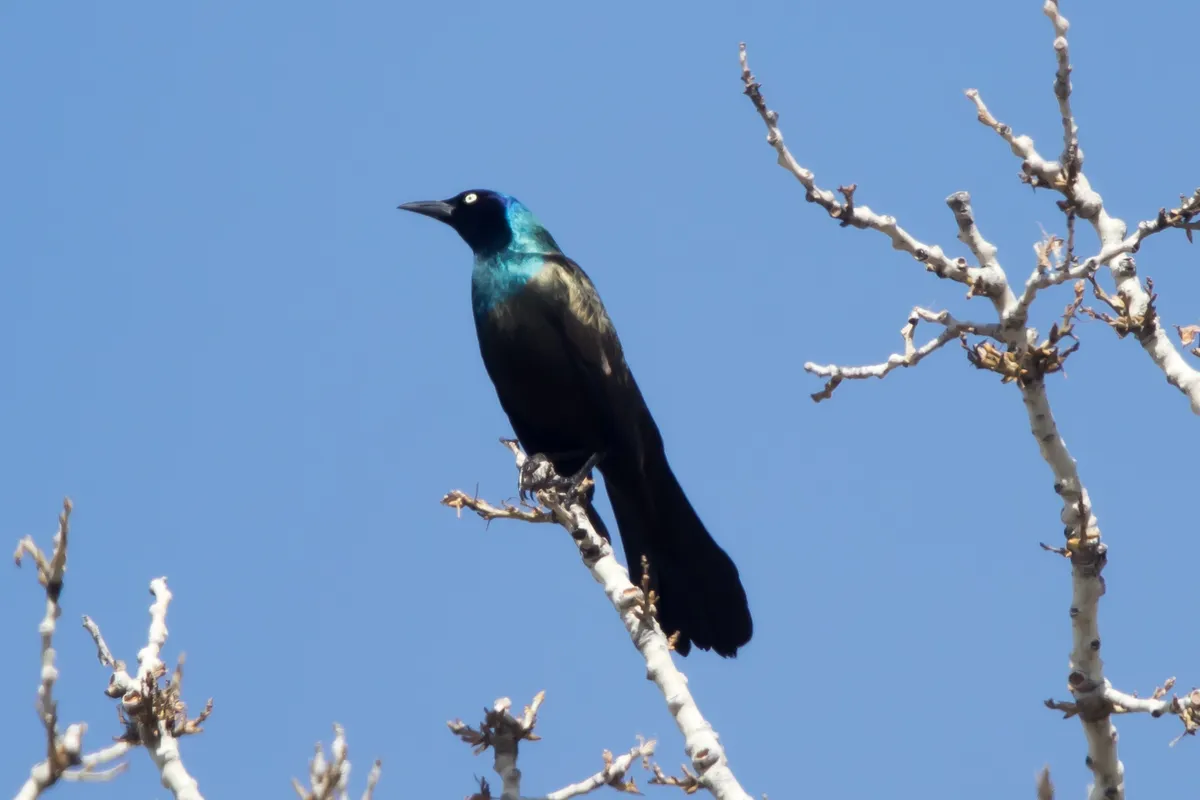
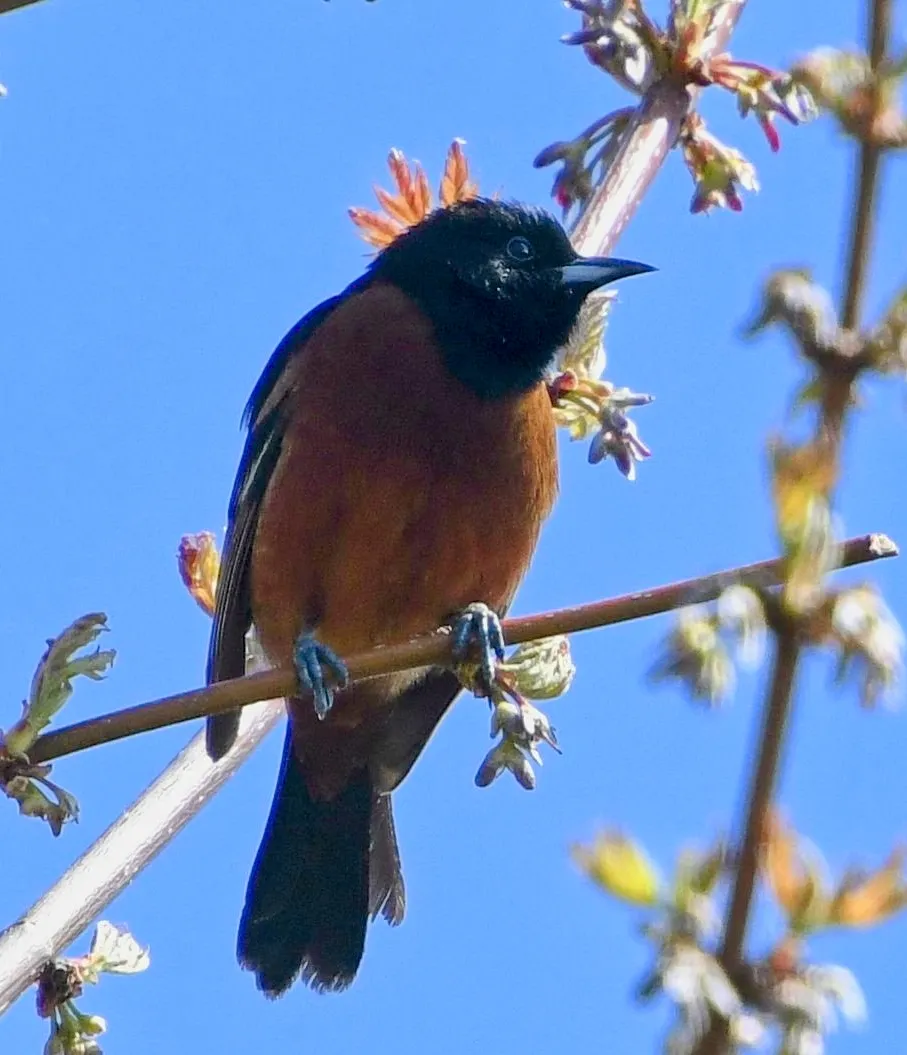
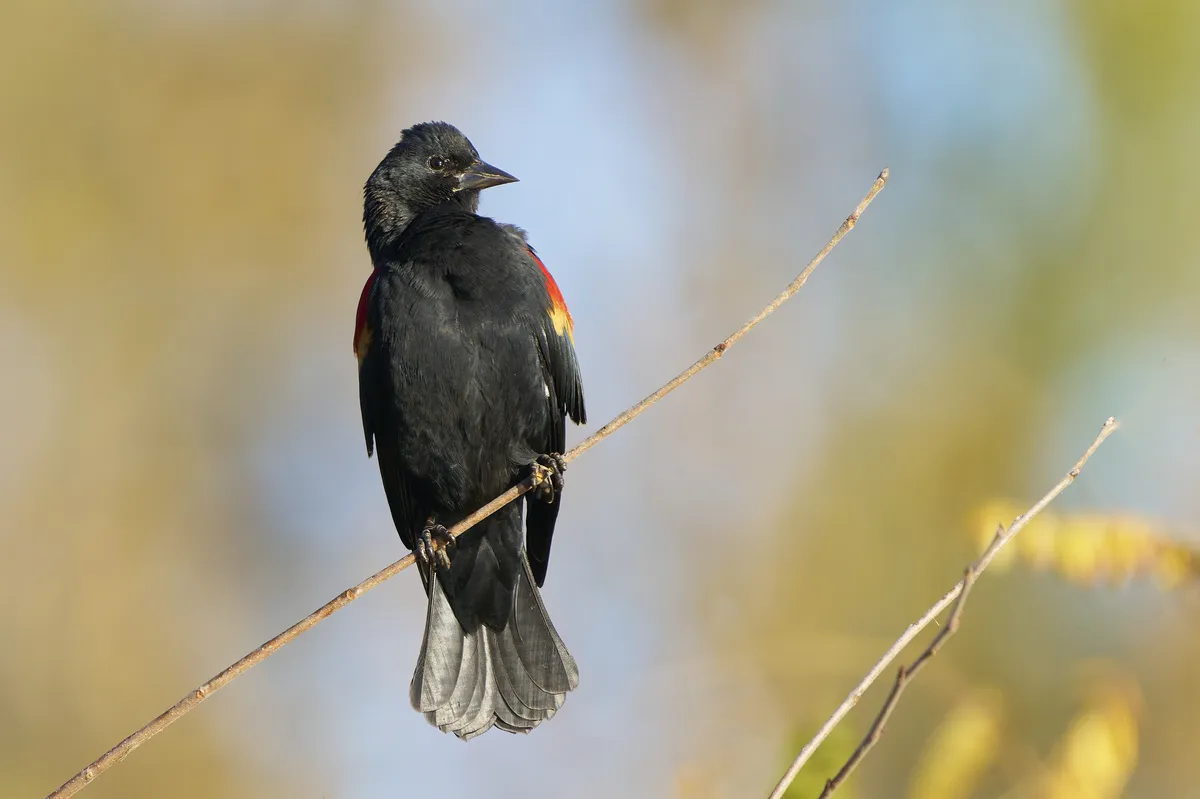
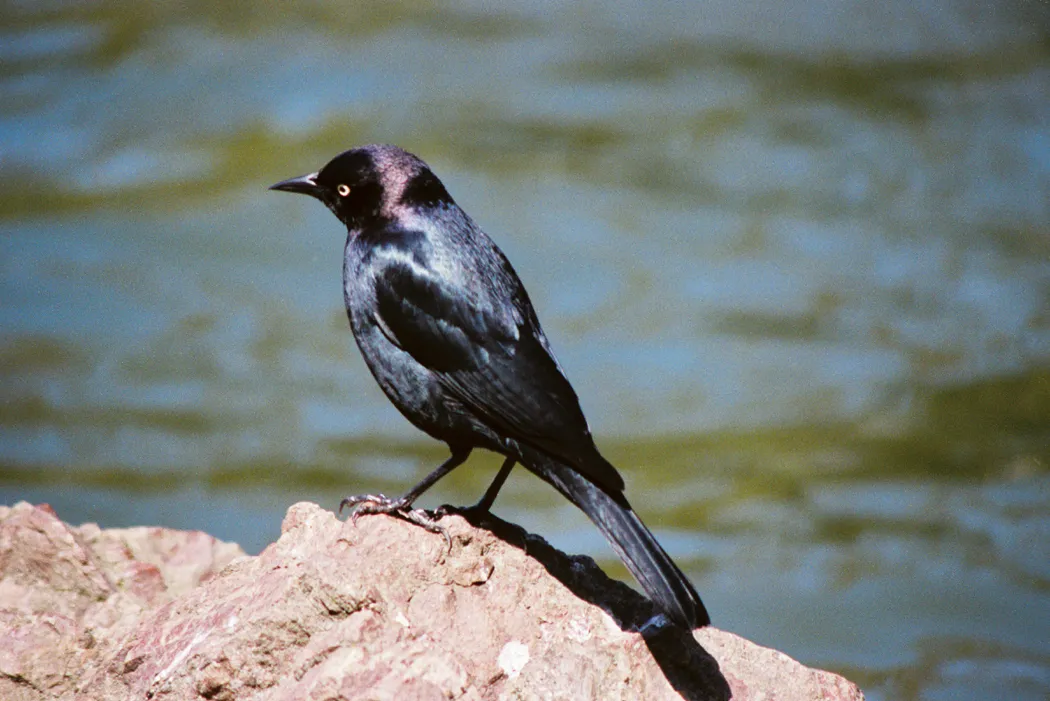
A medium-sized blackbird native to North America, characterized by its iridescent plumage and distinctive vocalizations. Highly social and adaptable species found in diverse habitats across eastern and central United States and southern Canada.
Image Gallery
ADSENSE SLOT
Ecology & Habitat
Habitat
Widespread in woodland edges, agricultural landscapes, suburban areas, parks, and urban environments. Thrives in diverse ecosystems including deciduous forests, grasslands, and human-modified landscapes.
Ecological Role
Key seed disperser and insect population regulator. Plays crucial role in ecosystem balance by controlling agricultural pest populations and contributing to seed distribution.
Morphology
SKIN COATGlossy, iridescent black plumage with purple-bronze metallic sheen. Males display more intense coloration compared to females.
LIMBS WINGSStrong, scaled legs enabling ground foraging. Wingspan of 36-46 cm. Powerful flight muscles allowing complex aerial maneuvers.
HEAD SENSORYPointed, sharp beak adapted for diverse feeding strategies. Keen visual and auditory perception. Bright yellow eyes with excellent depth perception.
BODY STRUCTUREMedium-sized passerine bird, approximately 28-34 cm in length, weighing 74-122 grams. Elongated body with long, keel-shaped tail.
Data Source: TaxonHub Database
Image Credit: Donna Dewhurst/U.S. Fish and Wildlife Service