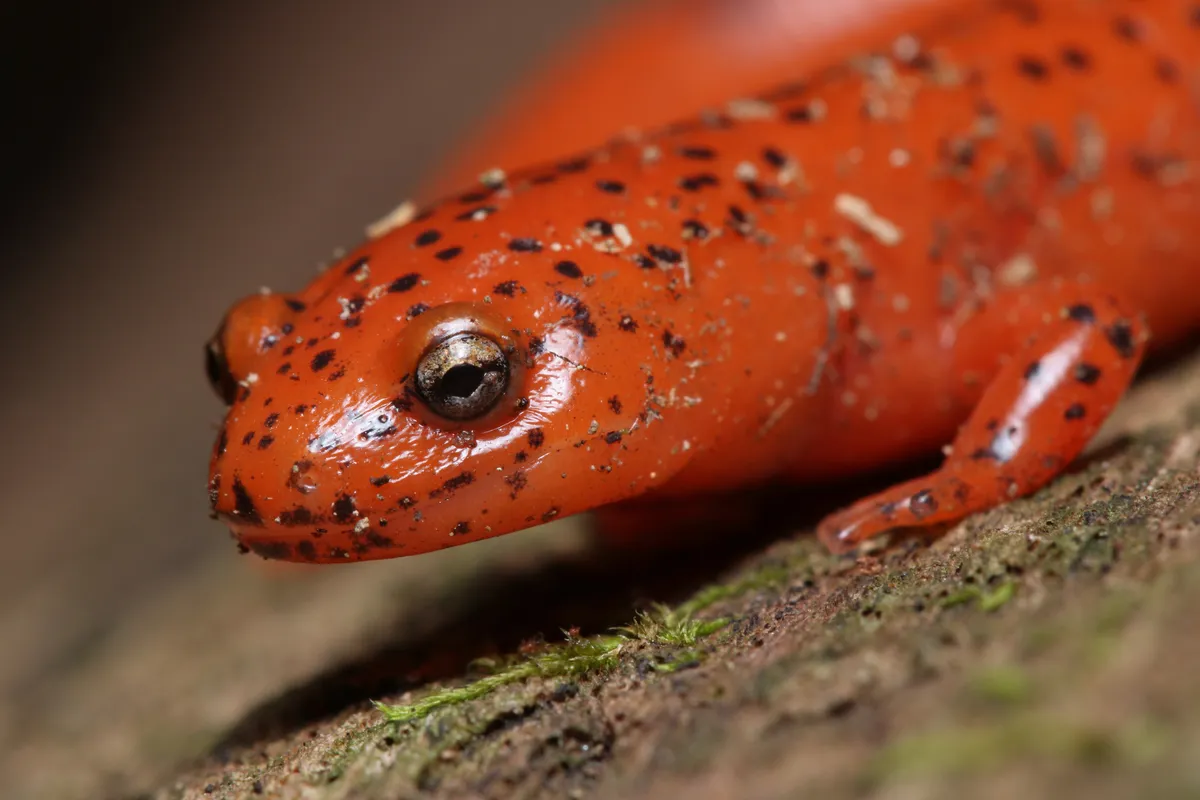
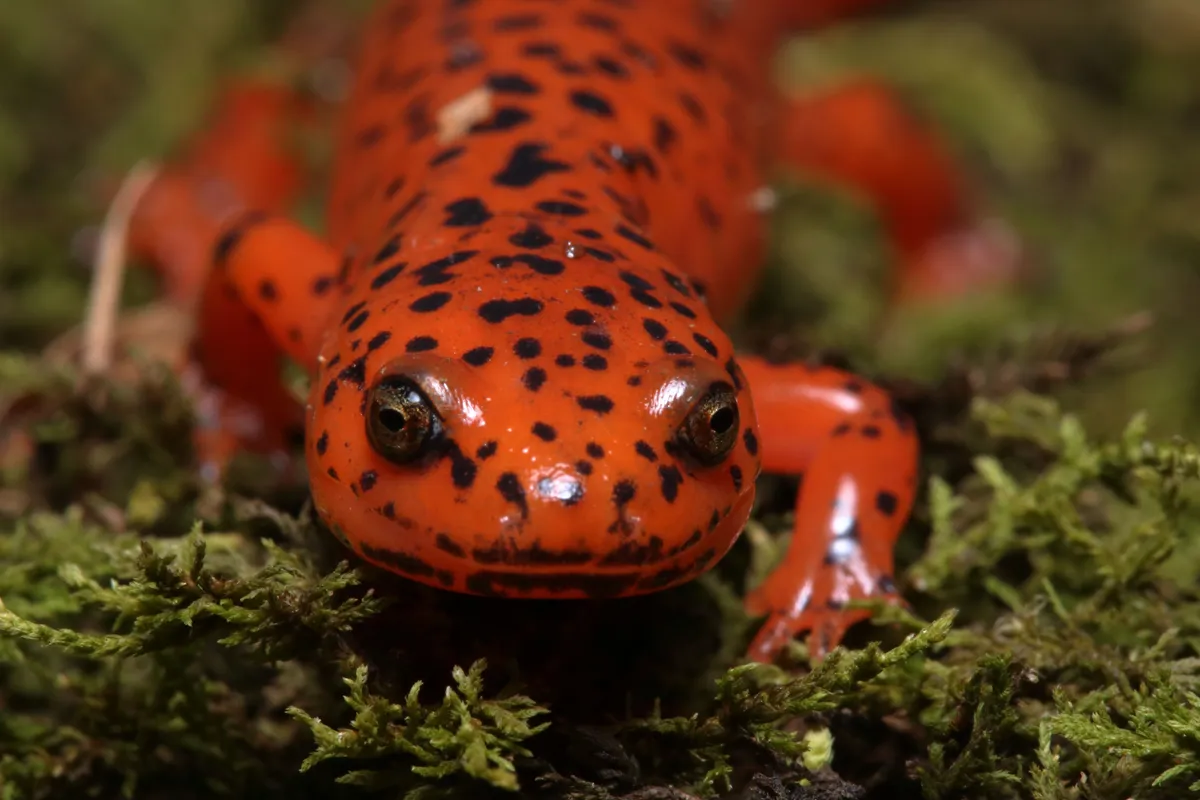
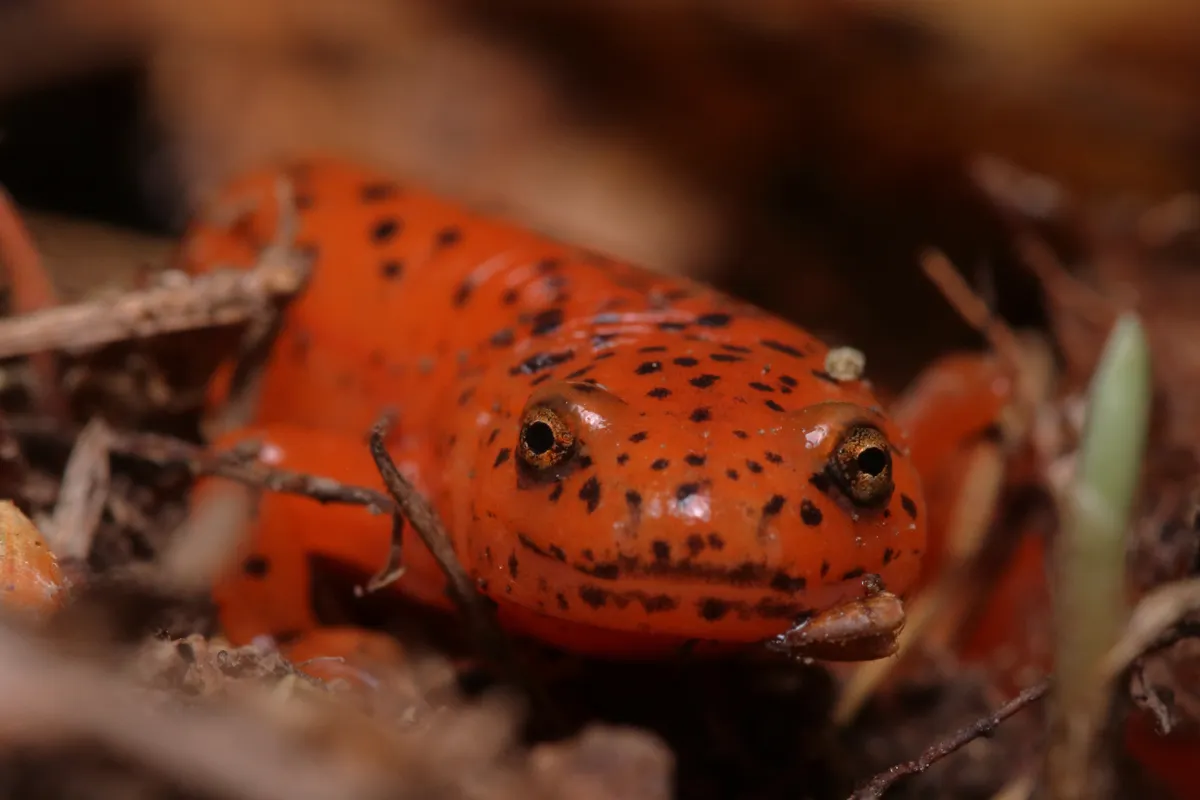
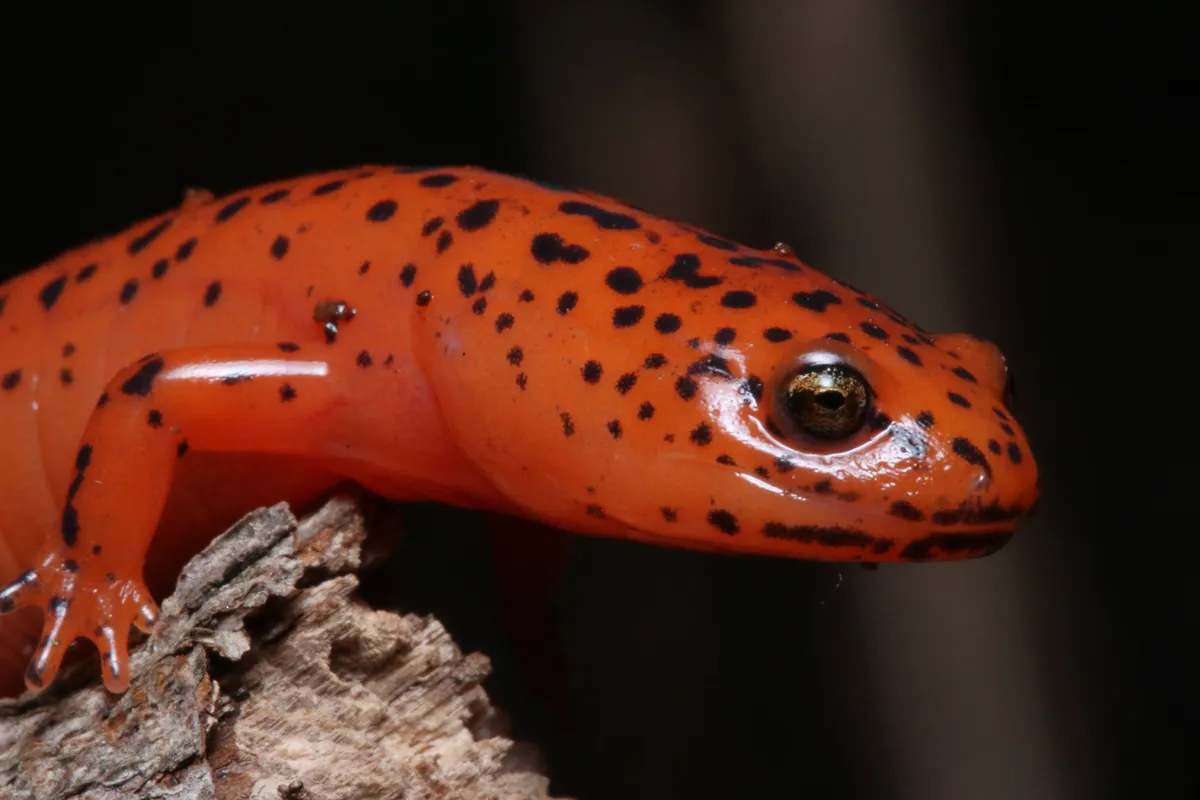
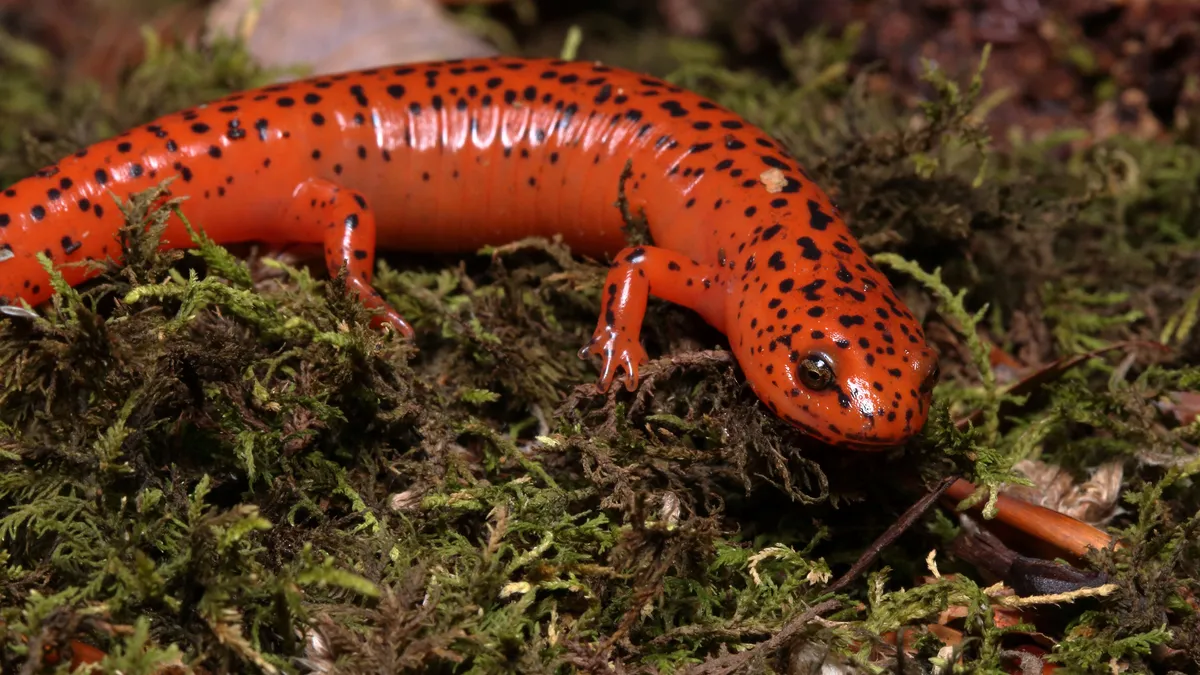
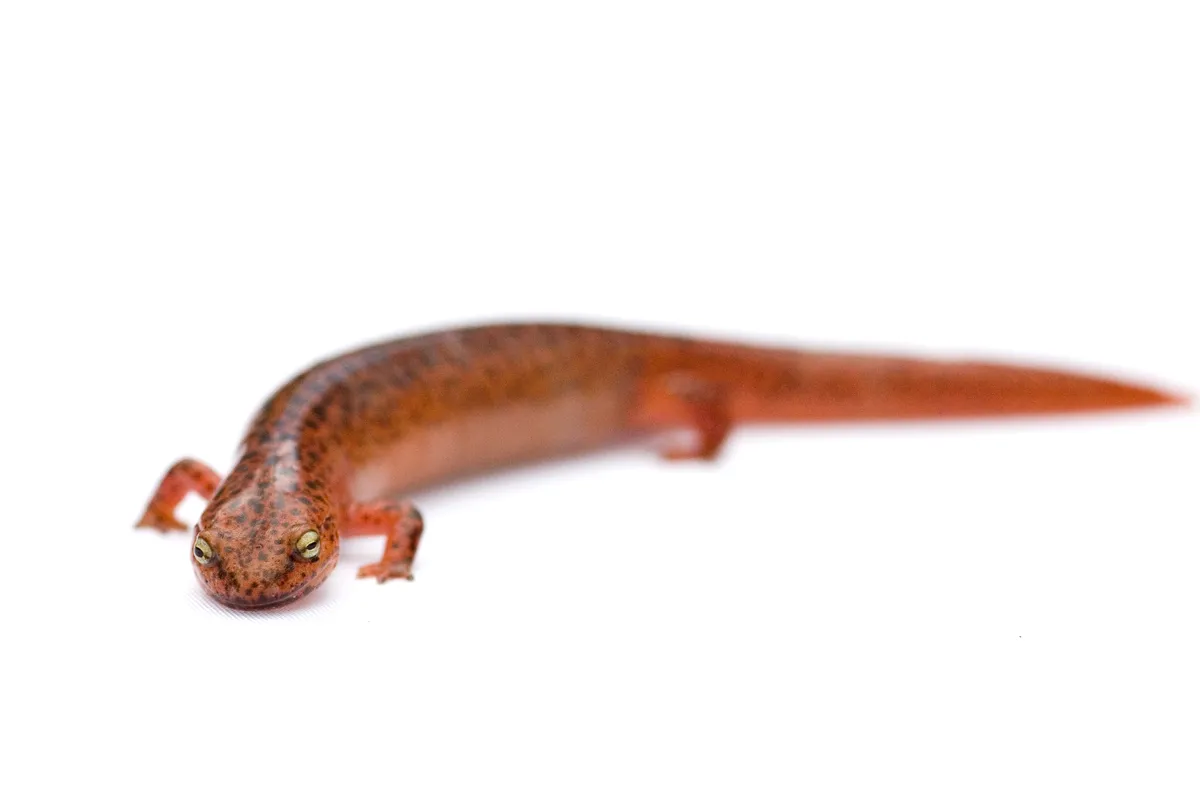
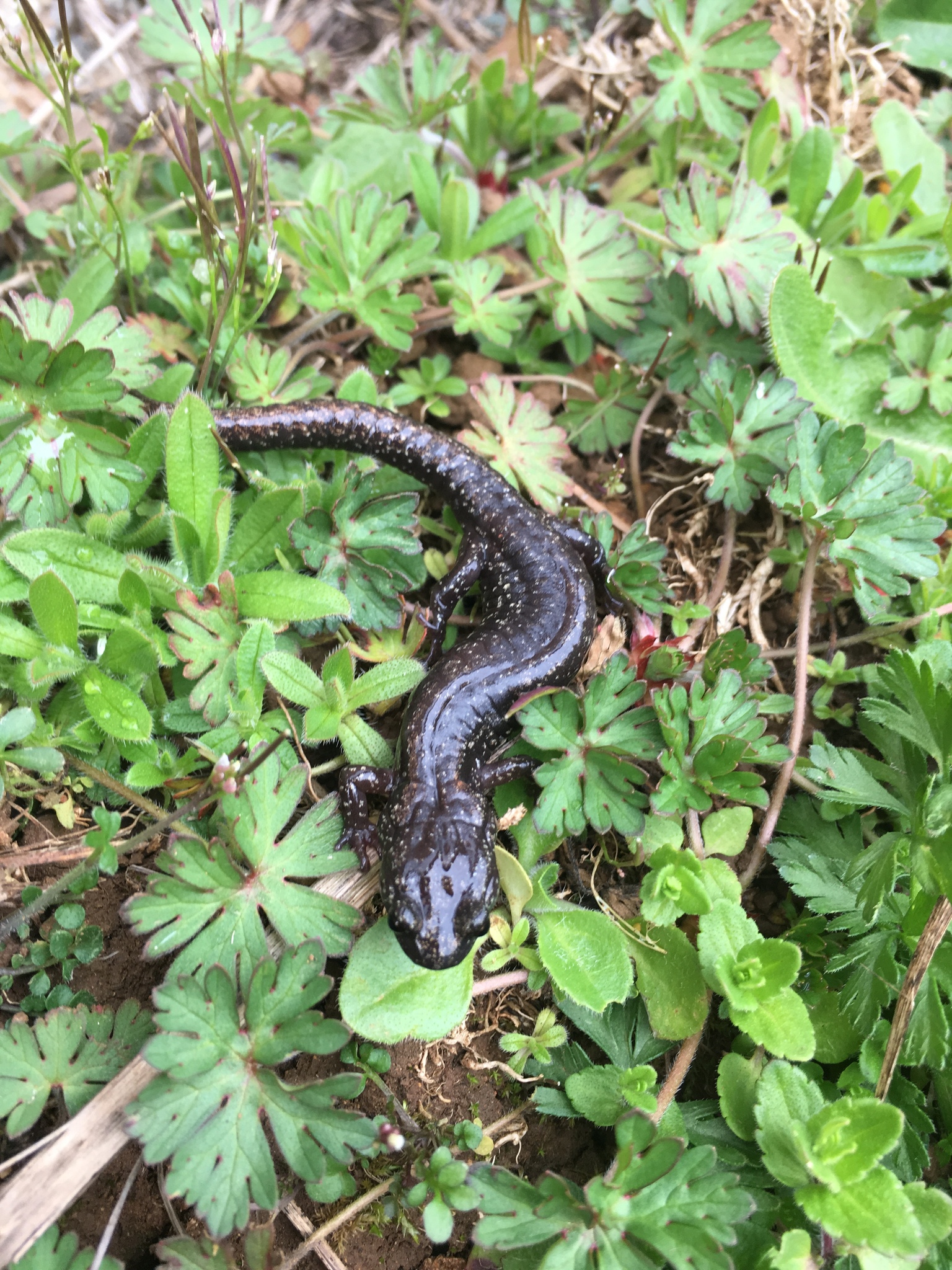
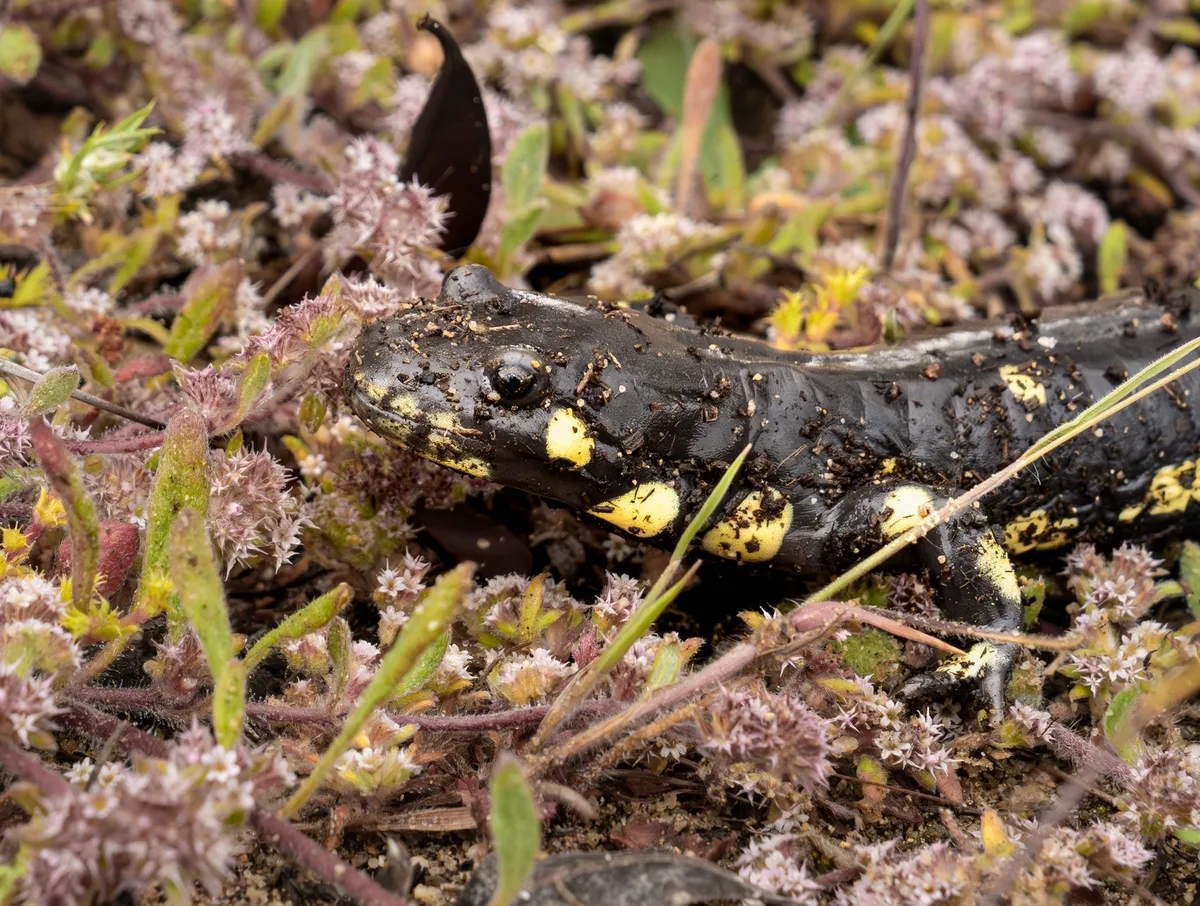
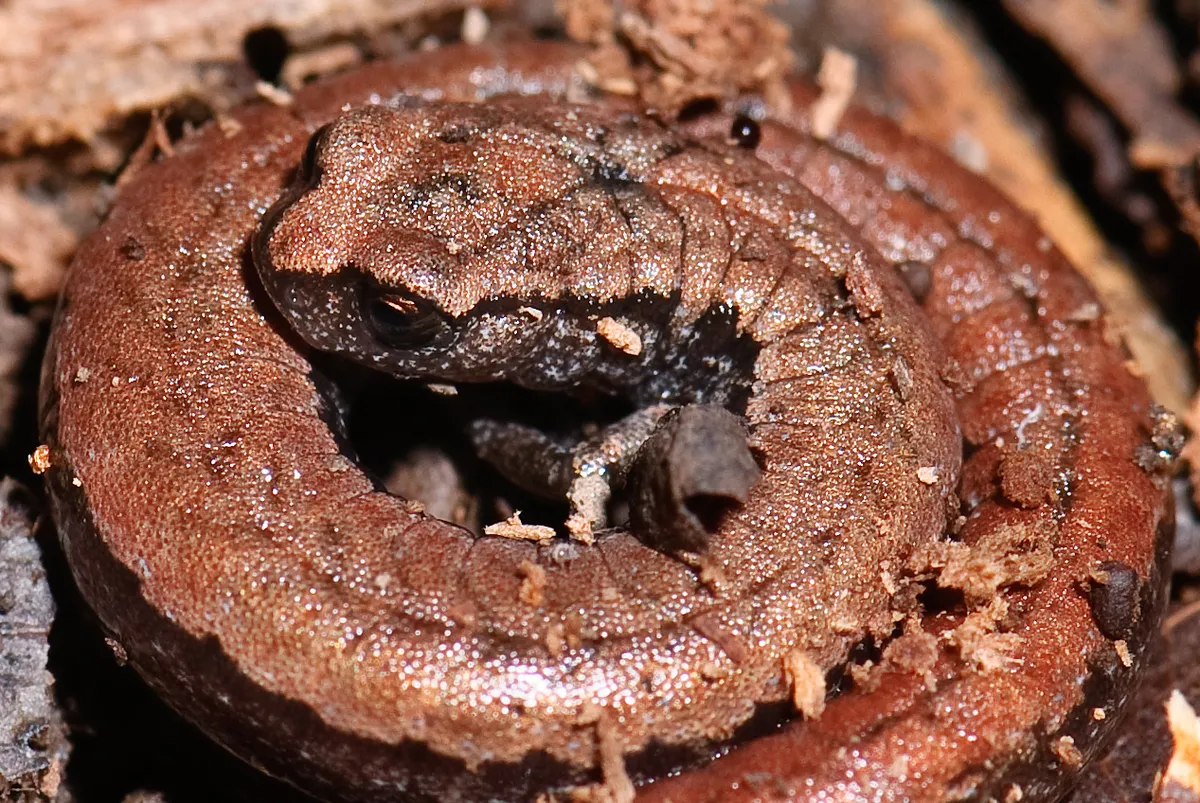
A terrestrial salamander species native to eastern United States forests, characterized by its vibrant red coloration and lungless respiratory system
Image Gallery
ADSENSE SLOT
Ecology & Habitat
Habitat
Moist woodland environments, forest floors with abundant leaf litter, rocky areas near streams, and humid forest ecosystems in the Appalachian mountain range from southern New York to northern Georgia
Ecological Role
Critical component of forest floor ecosystem, controlling invertebrate populations, serving as prey for larger predators, and indicating environmental health through sensitive skin membrane
Morphology
SKIN COATSmooth, moist skin with bright red to reddish-orange coloration featuring black spot patterns
LIMBS WINGSFour sturdy limbs with five distinct toes, adapted for terrestrial and subsurface movement
HEAD SENSORYBroad, flattened head with prominent eyes, well-developed chemosensory capabilities through nasolabial grooves
BODY STRUCTURERobust salamander, typically 11-18 cm in total length, with a stout body and relatively short limbs
Data Source: TaxonHub Database
Image Credit: Riley Stanton