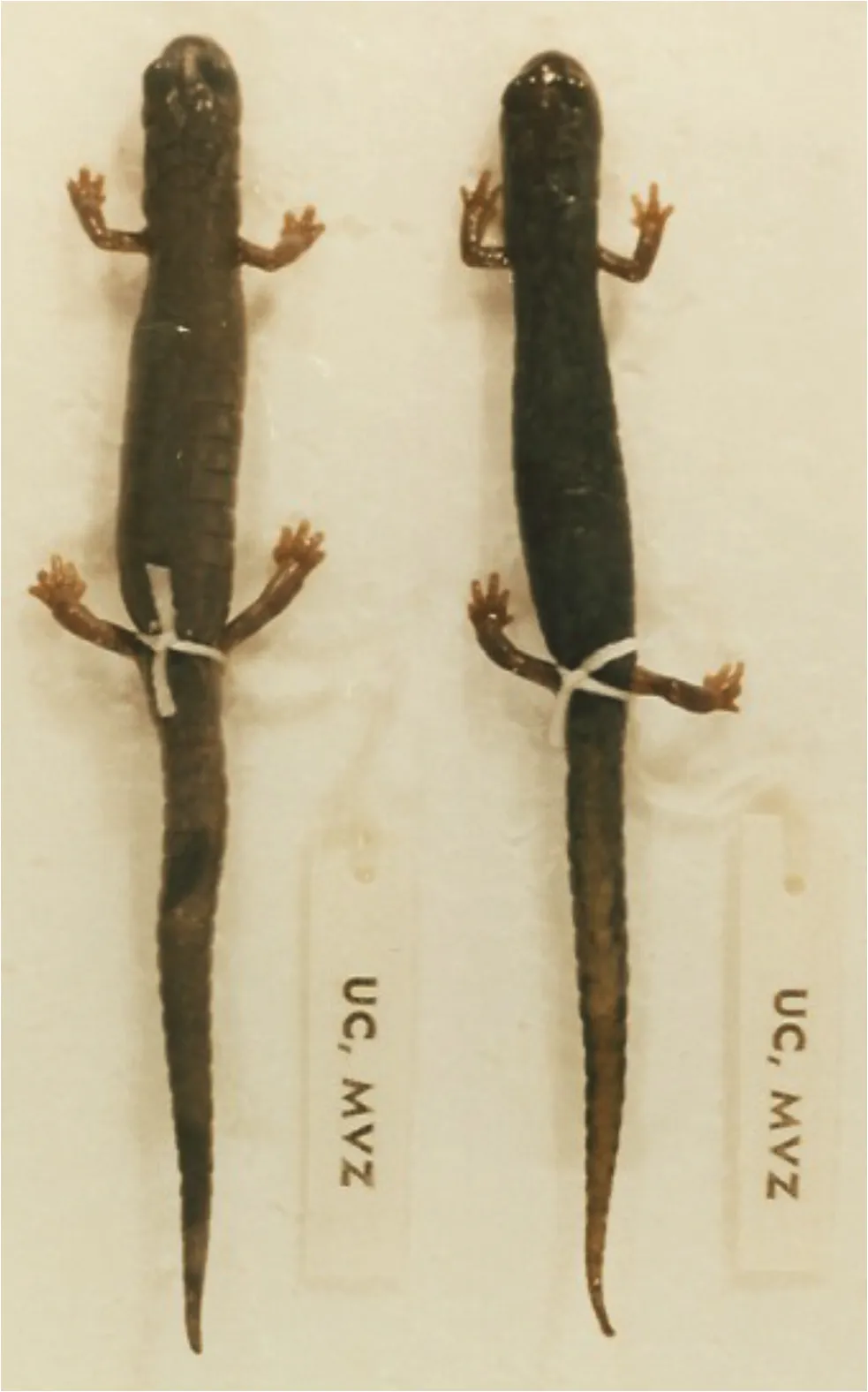
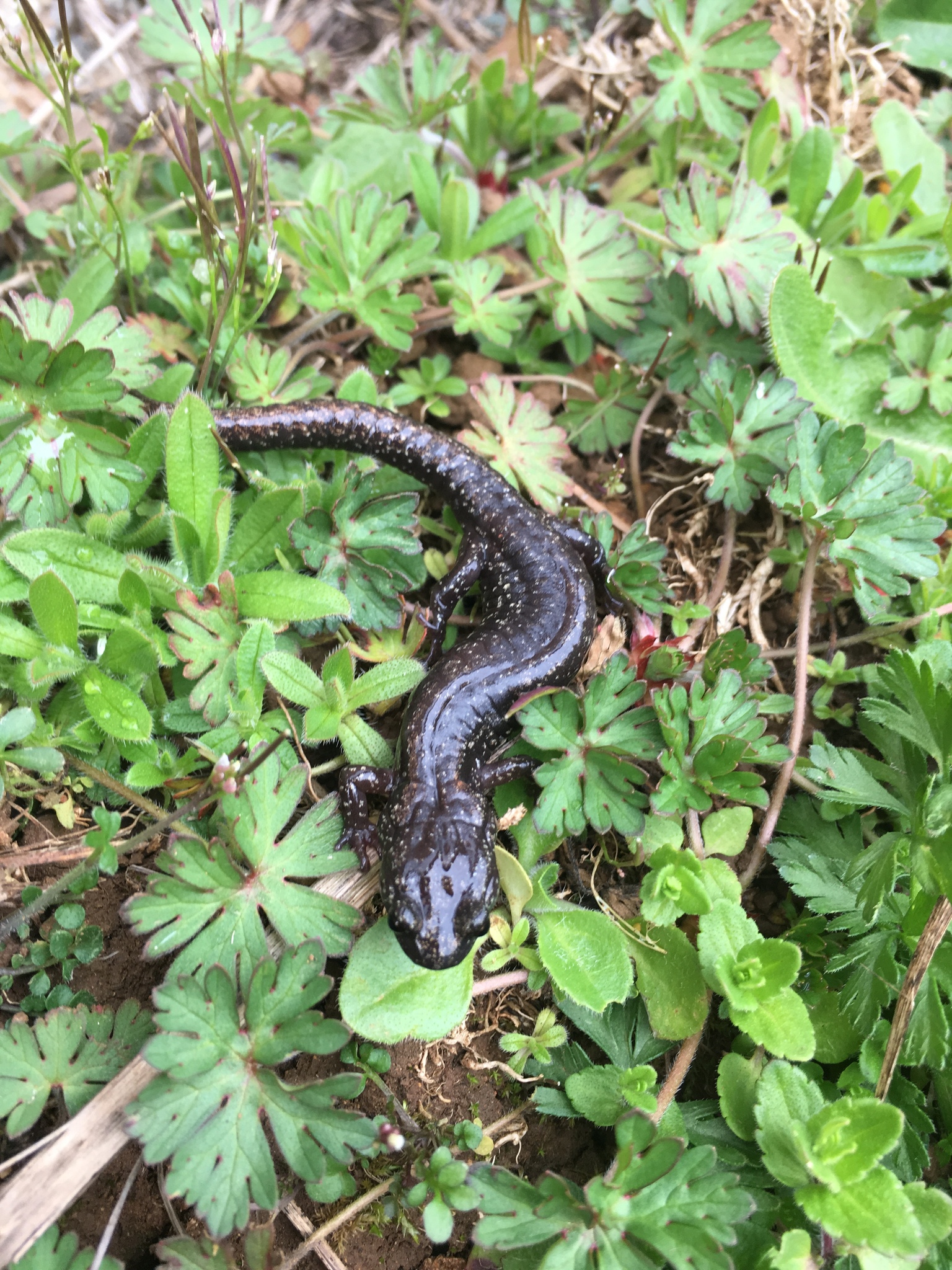
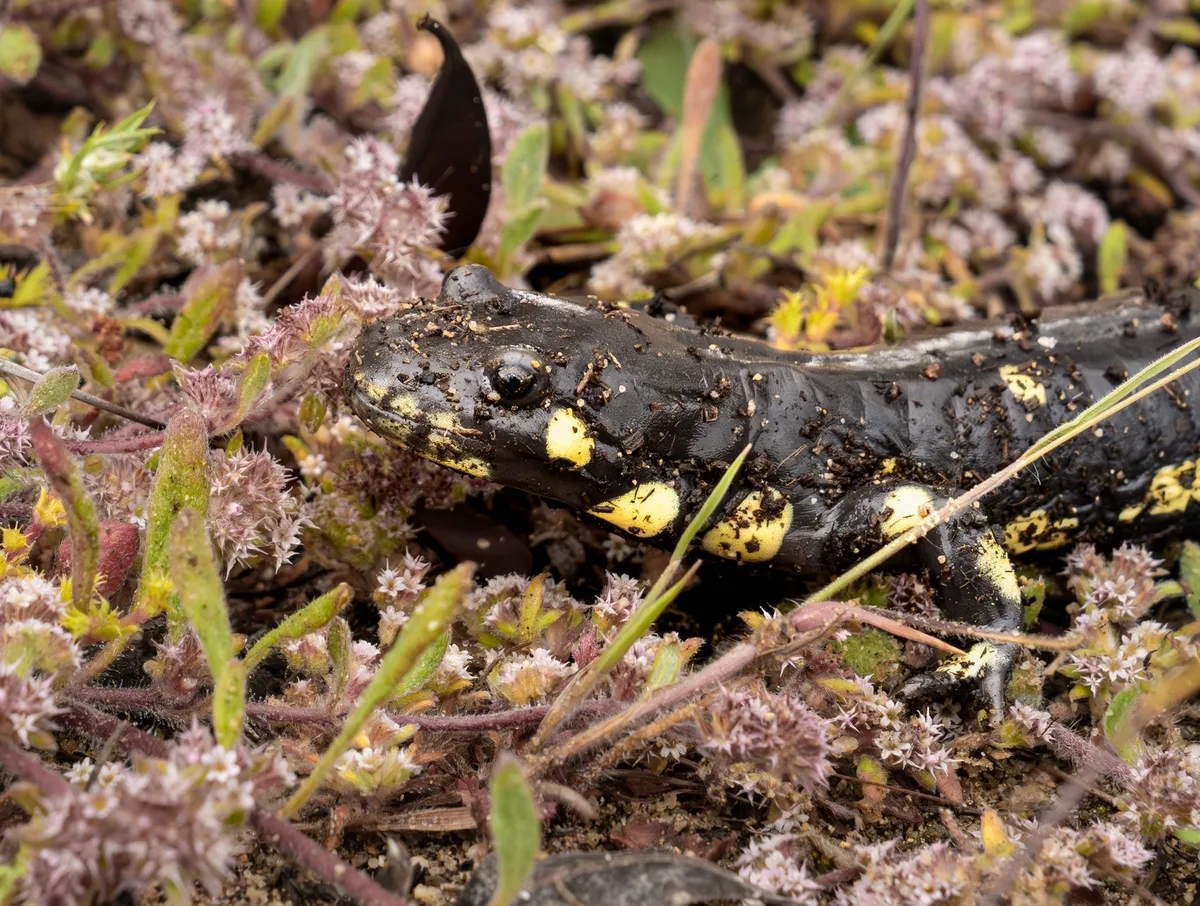
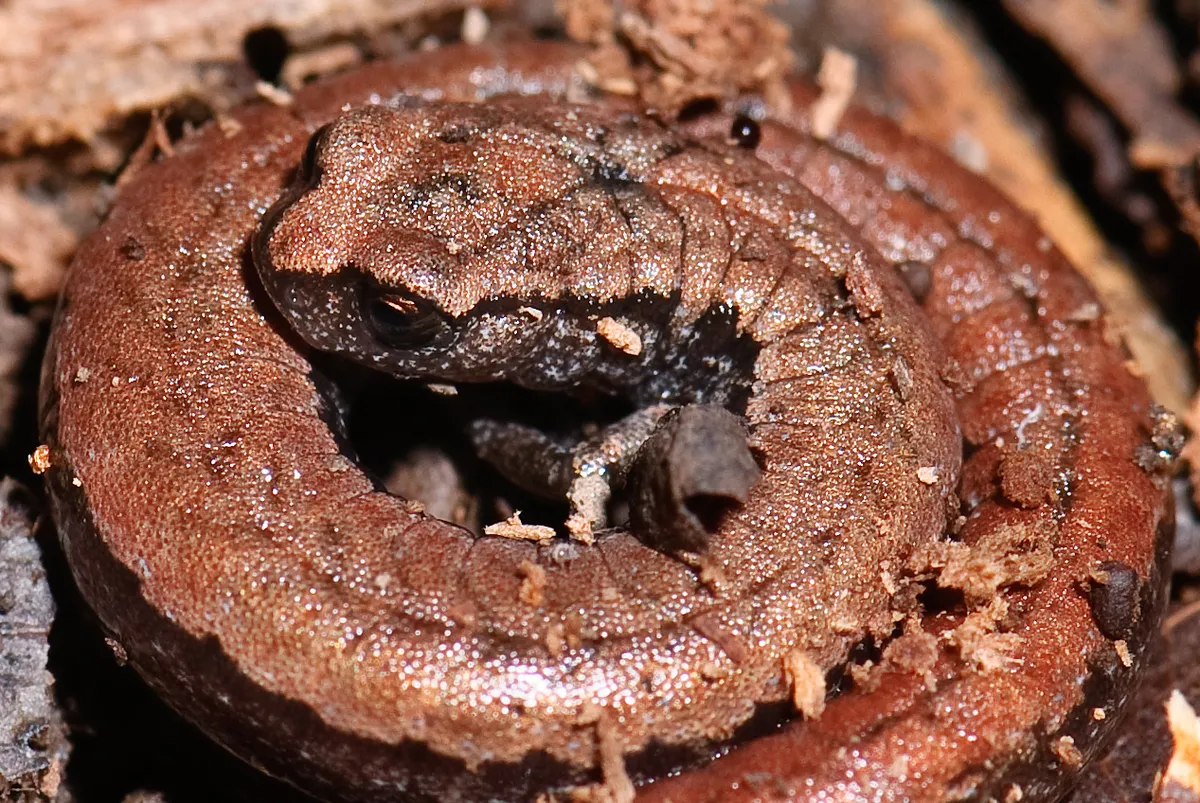
A plethodontid salamander endemic to Mexico, characterized by its slender body and lungless respiratory system, belonging to the genus Pseudoeurycea in the family Plethodontidae.
Image Gallery
ADSENSE SLOT
Ecology & Habitat
Habitat
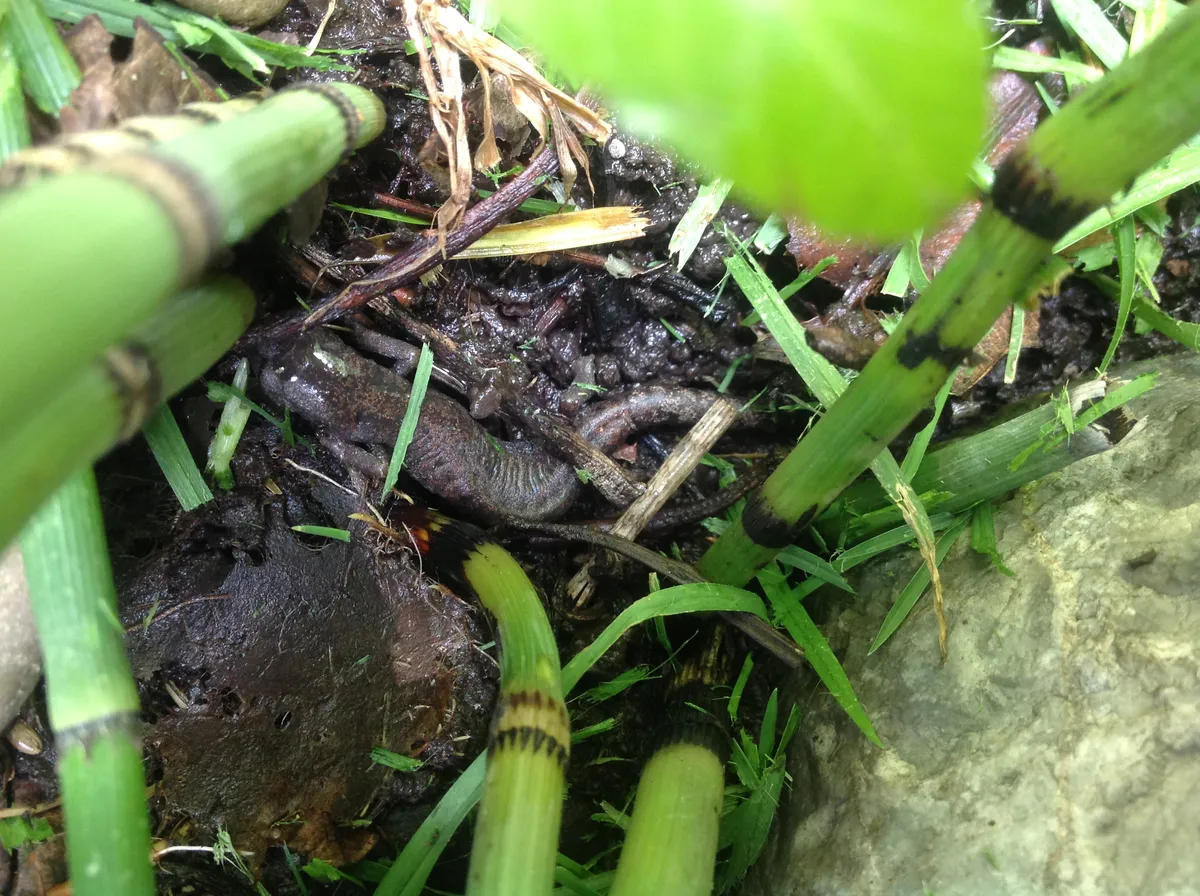
Montane and cloud forest regions of Mexico, typically found in humid environments at elevations between 1,500-2,500 meters, inhabiting rocky areas with dense vegetation and forest floor microhabitats.
Ecological Role
Key indicator species for forest ecosystem health, plays crucial role in controlling insect populations and serving as prey for other forest predators.
Morphology
SKIN COATMoist, permeable skin for cutaneous respiration, typically brownish-gray coloration with potential mottled patterns
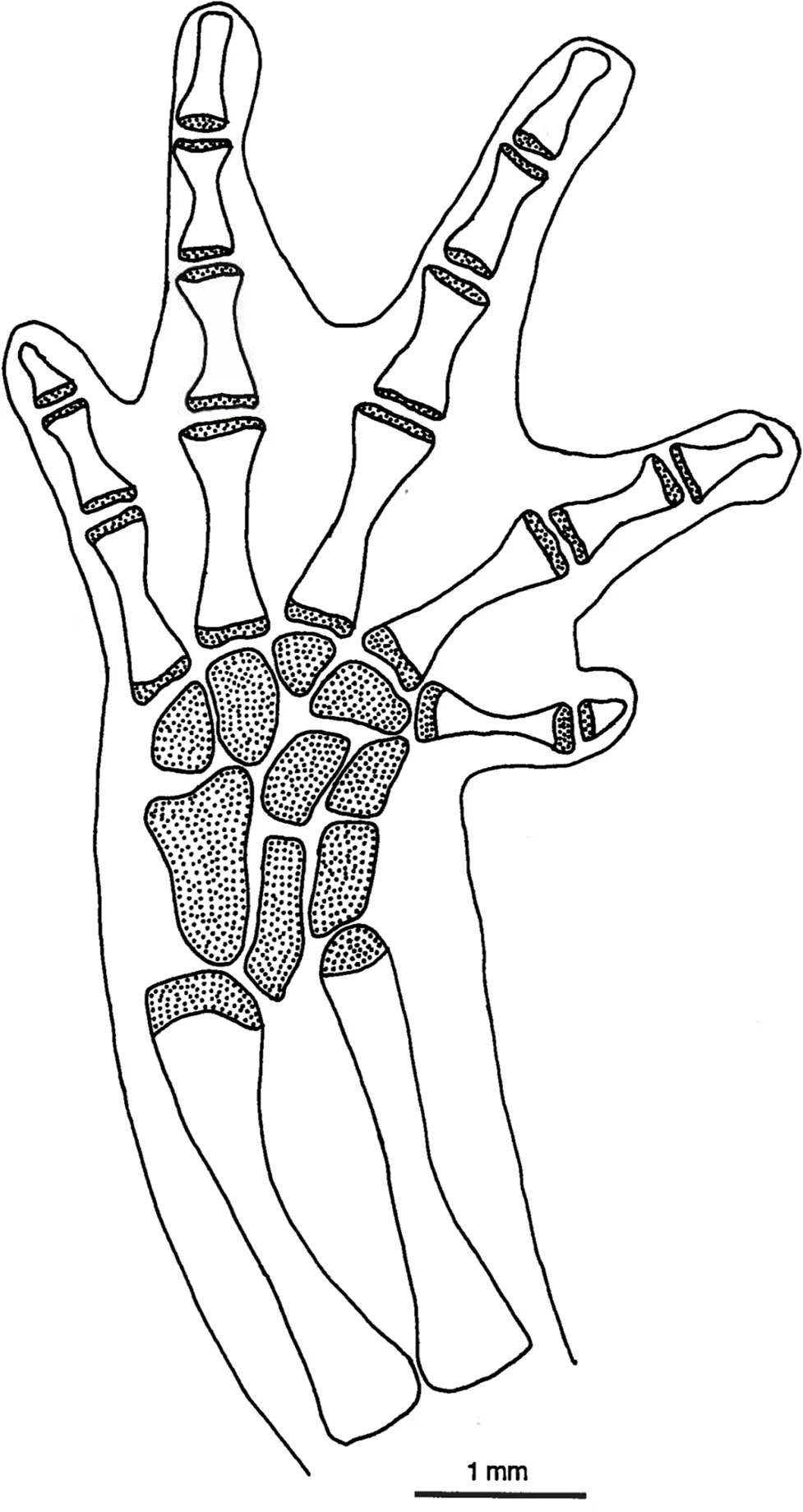
LIMBS WINGSFour well-developed limbs with five digits on each, adapted for terrestrial and arboreal locomotion
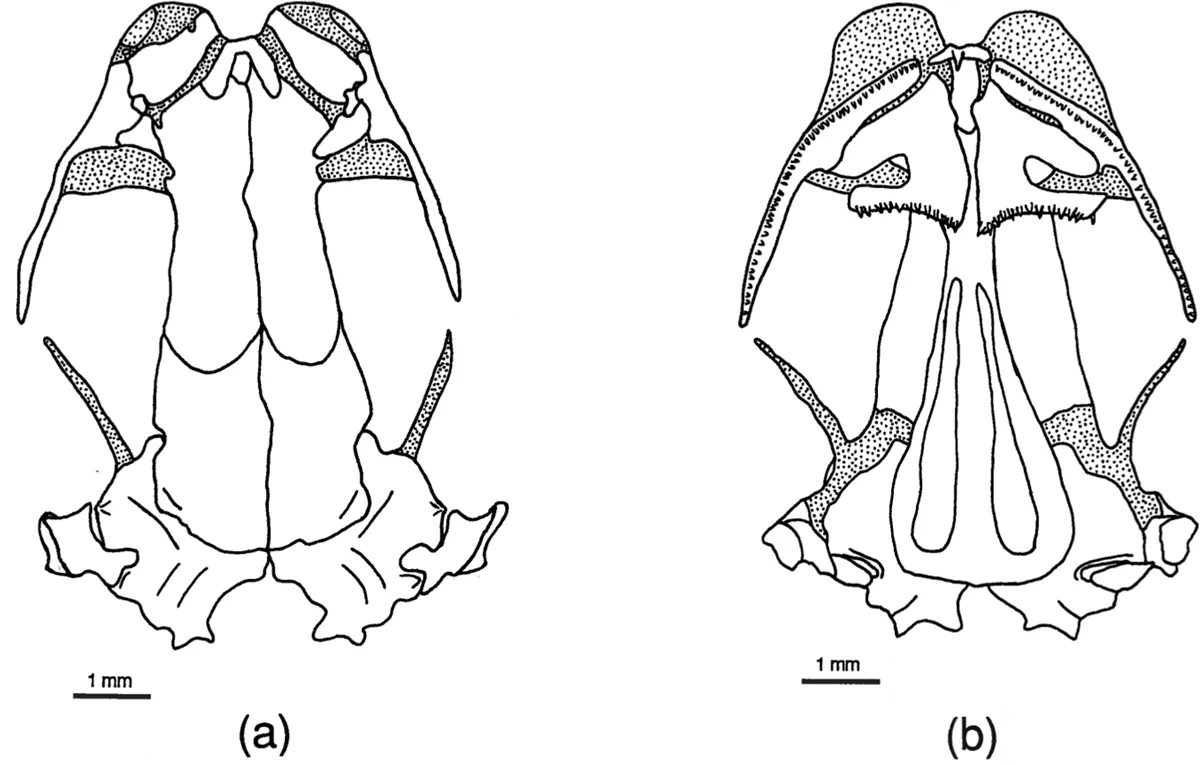
HEAD SENSORYRelatively large eyes, sensitive chemosensory abilities, prominent nasolabial grooves for chemical detection
BODY STRUCTUREElongated, slender salamander with average body length of 10-15 cm, cylindrical trunk with smooth skin texture
Data Source: TaxonHub Database
Image Credit: David M. Darda and David B. Wake