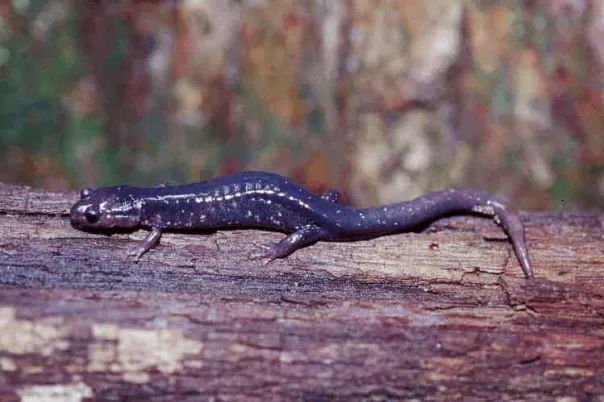
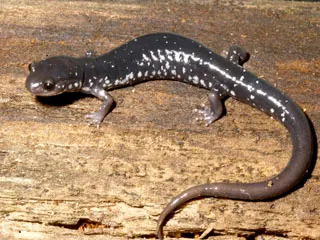
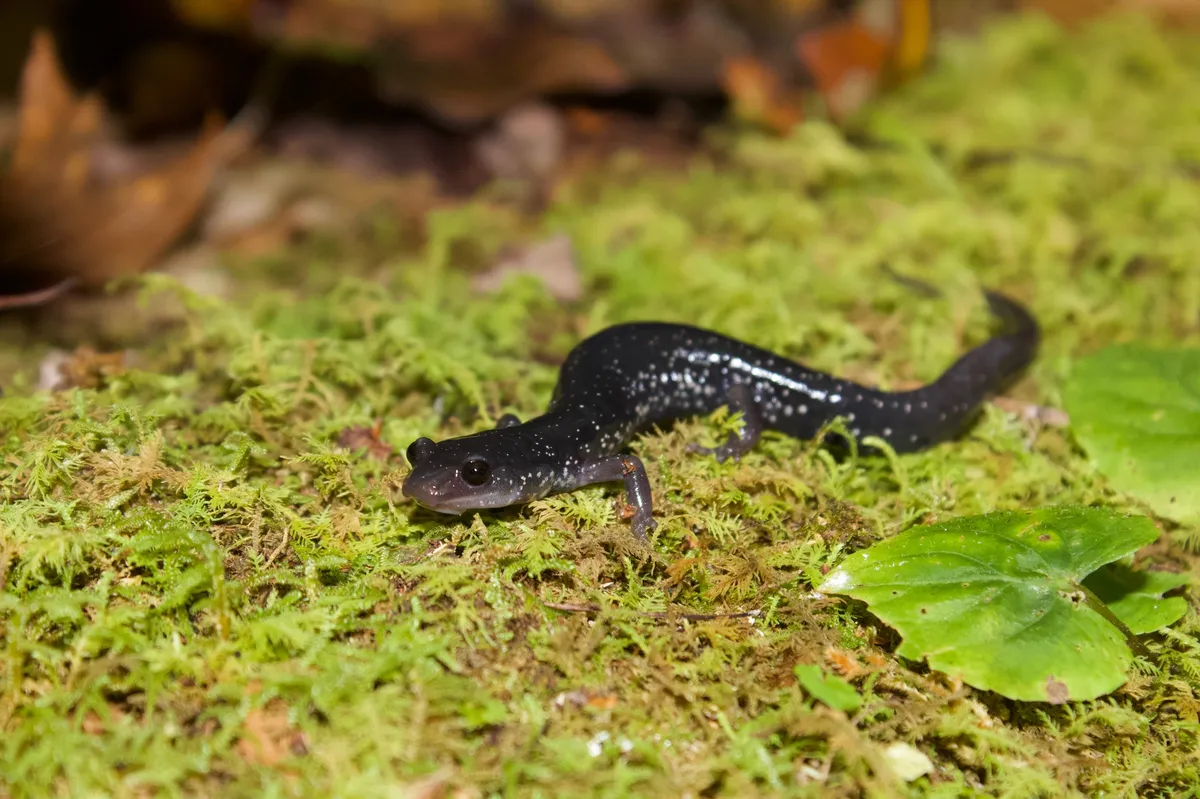
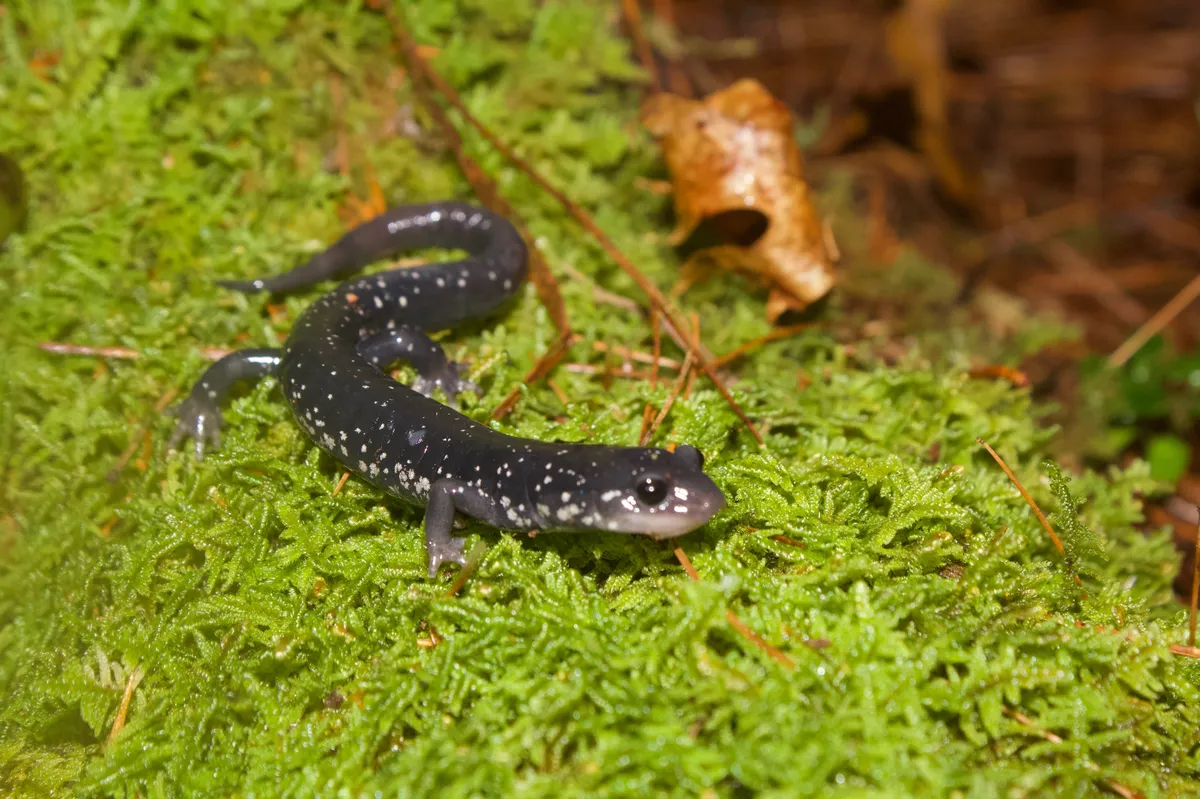
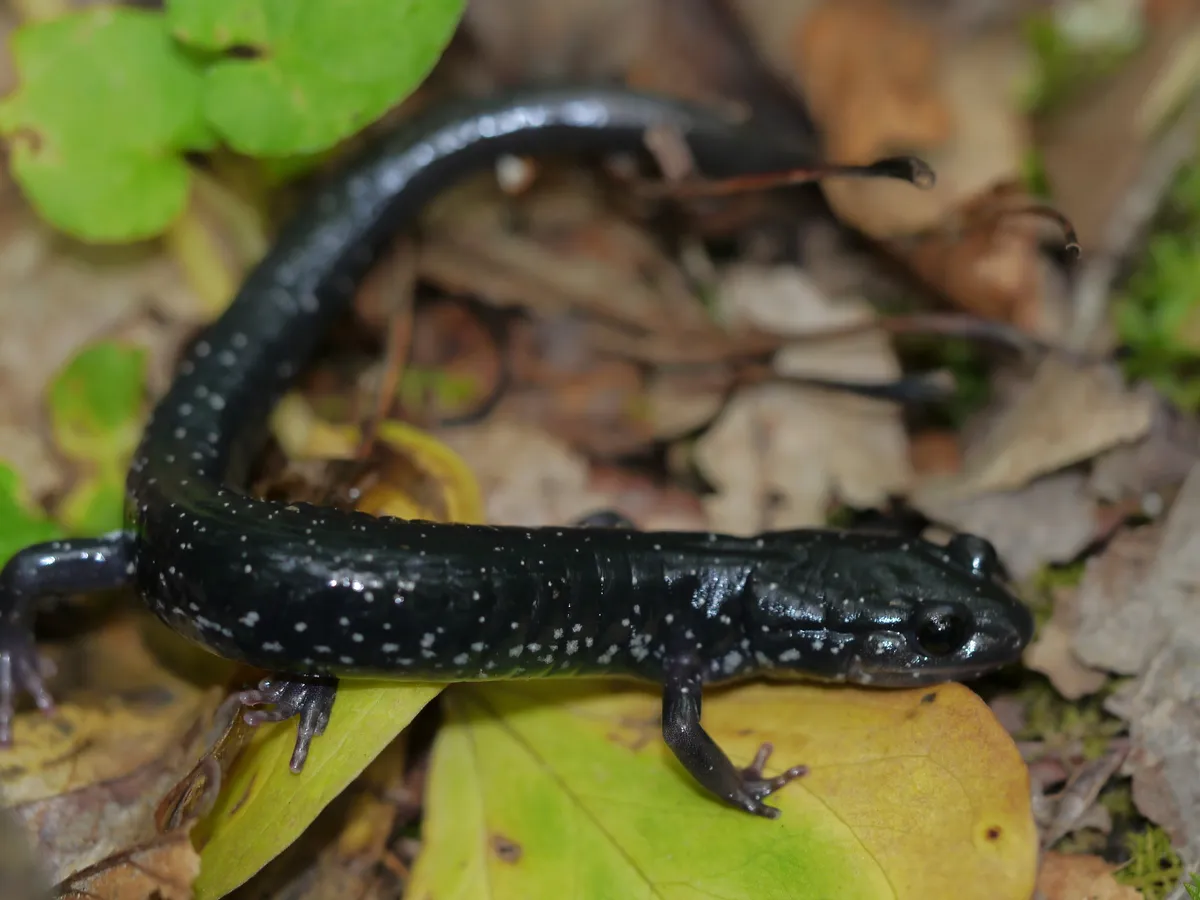
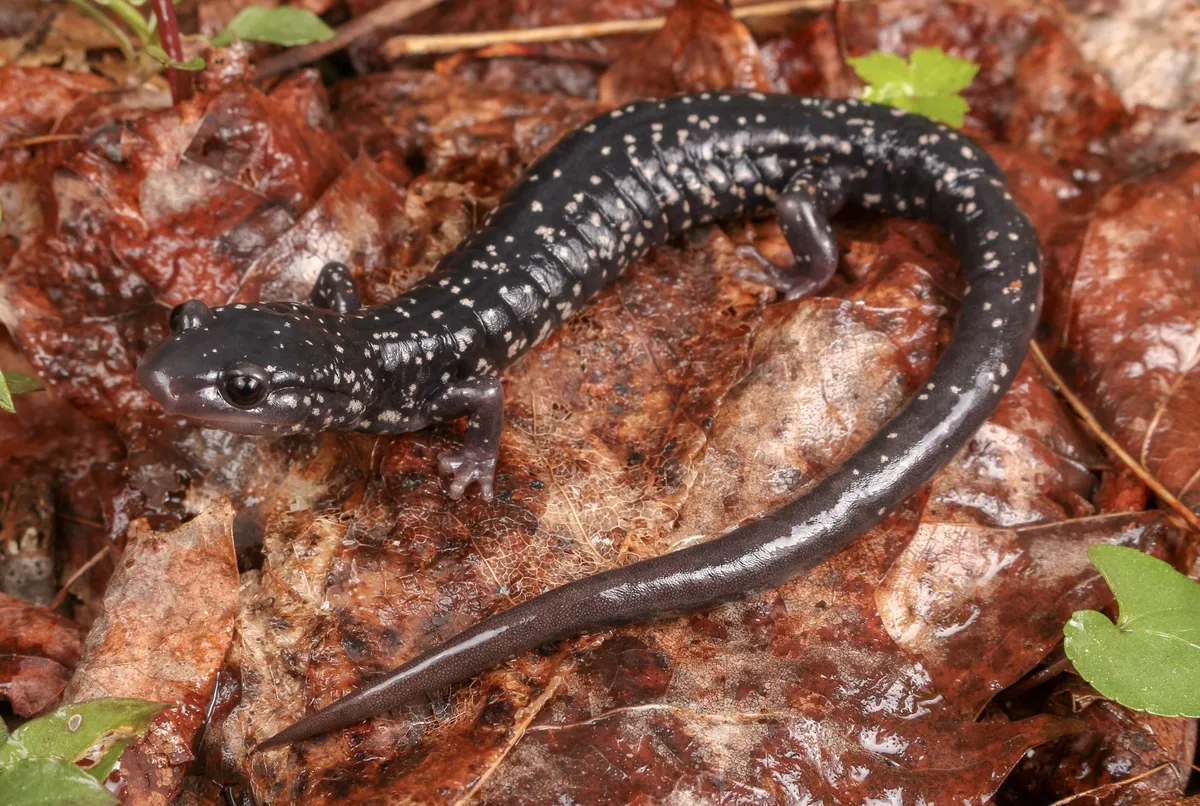
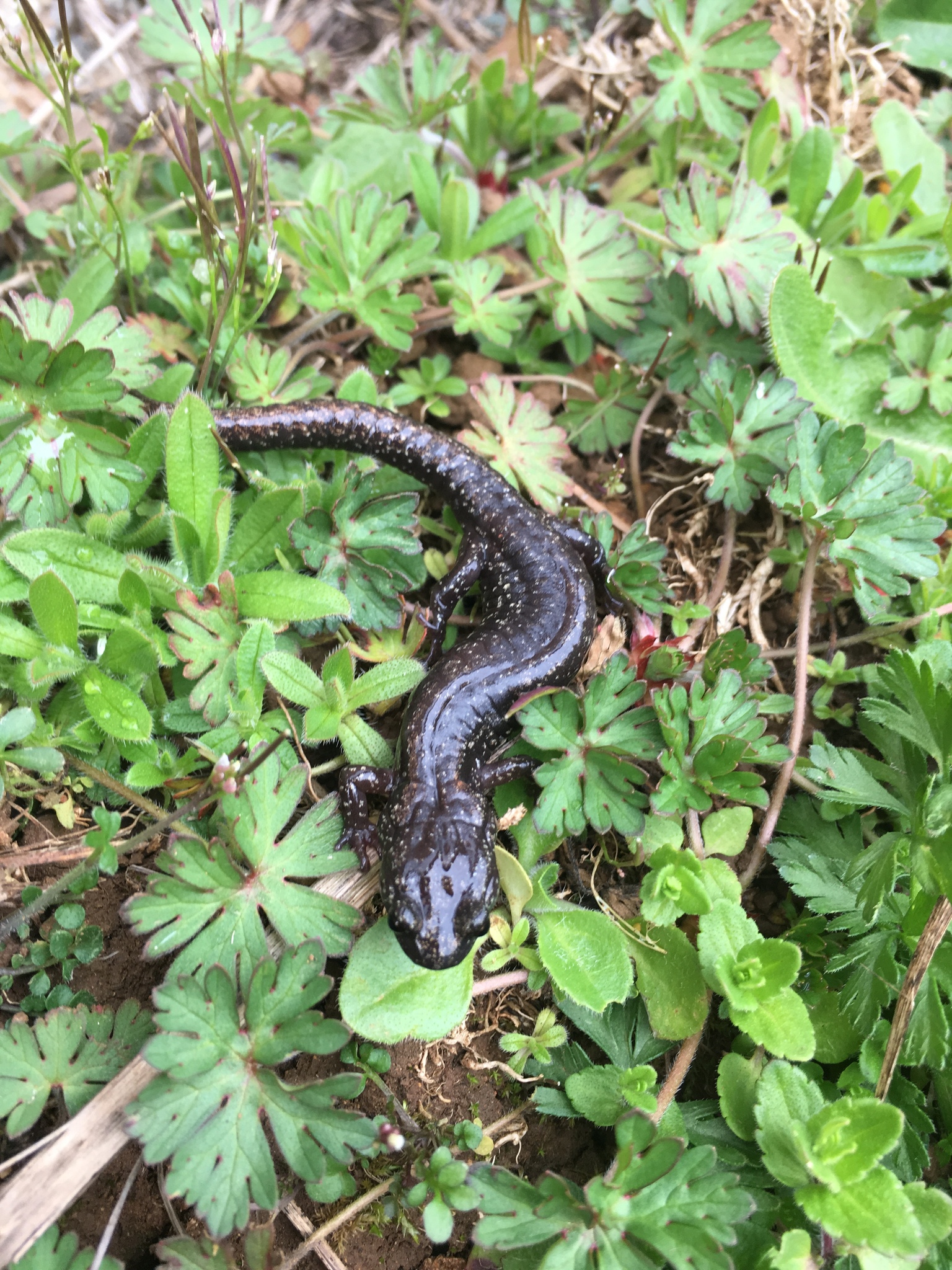
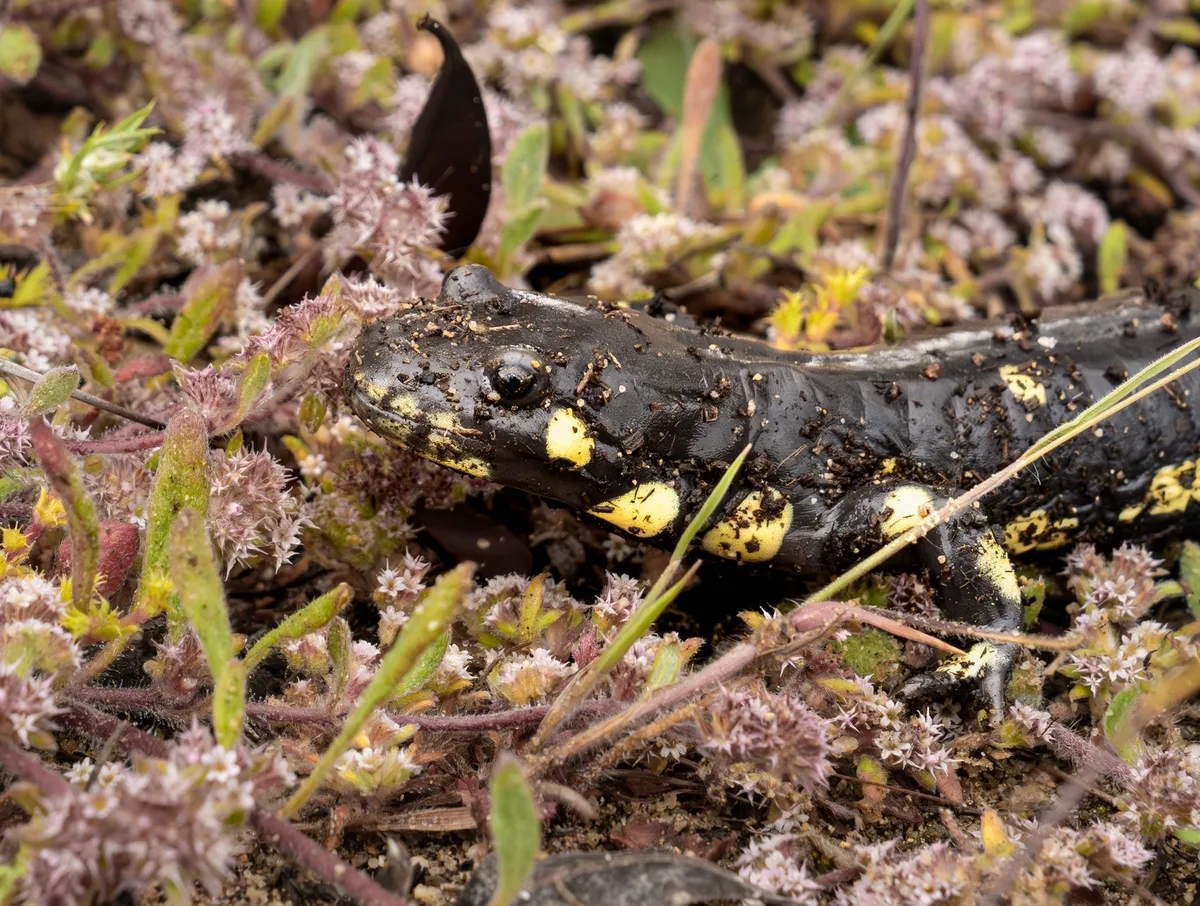
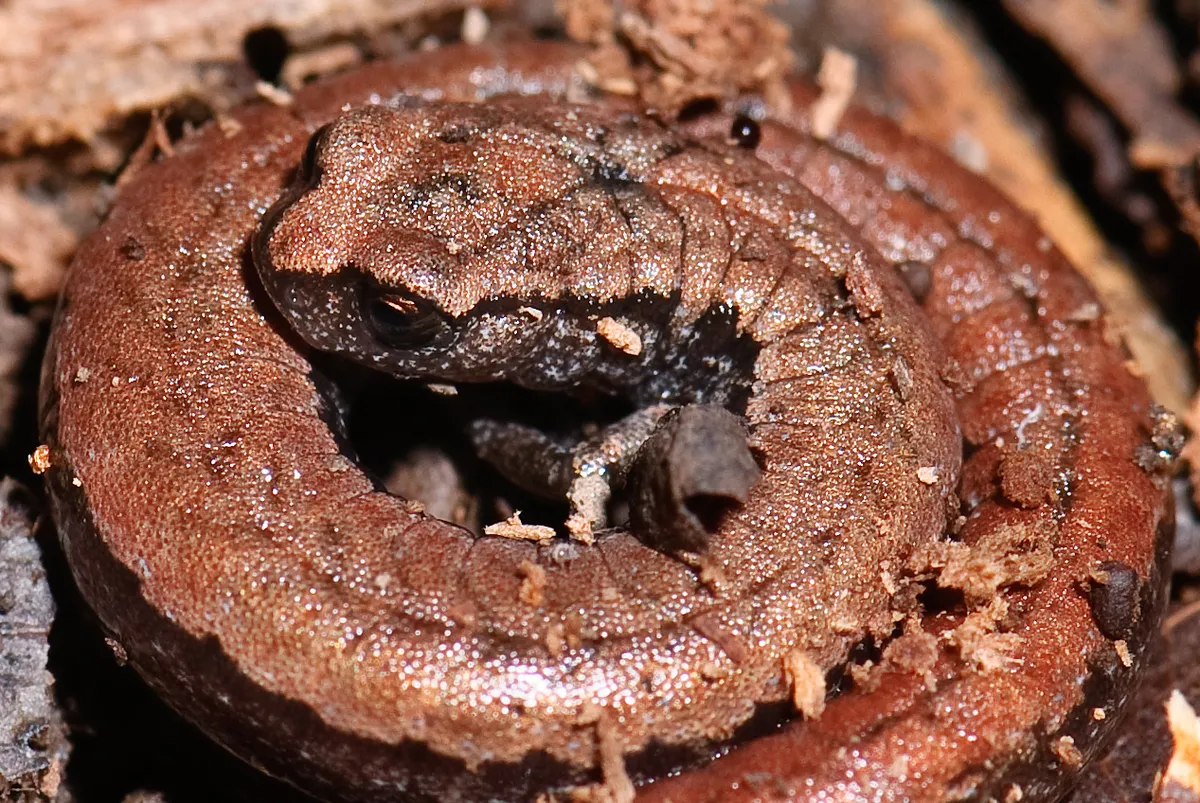
A terrestrial salamander species endemic to the Southern Appalachian mountain range, characterized by its lungless respiratory system and direct development reproduction strategy.
Image Gallery
ADSENSE SLOT
Ecology & Habitat
Habitat
Moist forest floors, rocky woodland areas, and leaf litter in high-elevation forests of the Appalachian Mountains, ranging from 900 to 1,800 meters above sea level
Ecological Role
Critical role in forest ecosystem dynamics as a predator of small invertebrates and prey for larger predators; contributes to nutrient cycling and serves as a bioindicator of forest ecosystem health
Morphology
SKIN COATSmooth, moist skin with dark gray to black base coloration and variable dorsal pattern of white, gray, or blue flecks
LIMBS WINGSFour short limbs with five digits, adapted for terrestrial locomotion and burrowing
HEAD SENSORYLarge eyes, well-developed chemosensory abilities, nasolabial grooves for chemical detection
BODY STRUCTURESlender, elongated body with smooth skin, typically 7-13 cm in total length