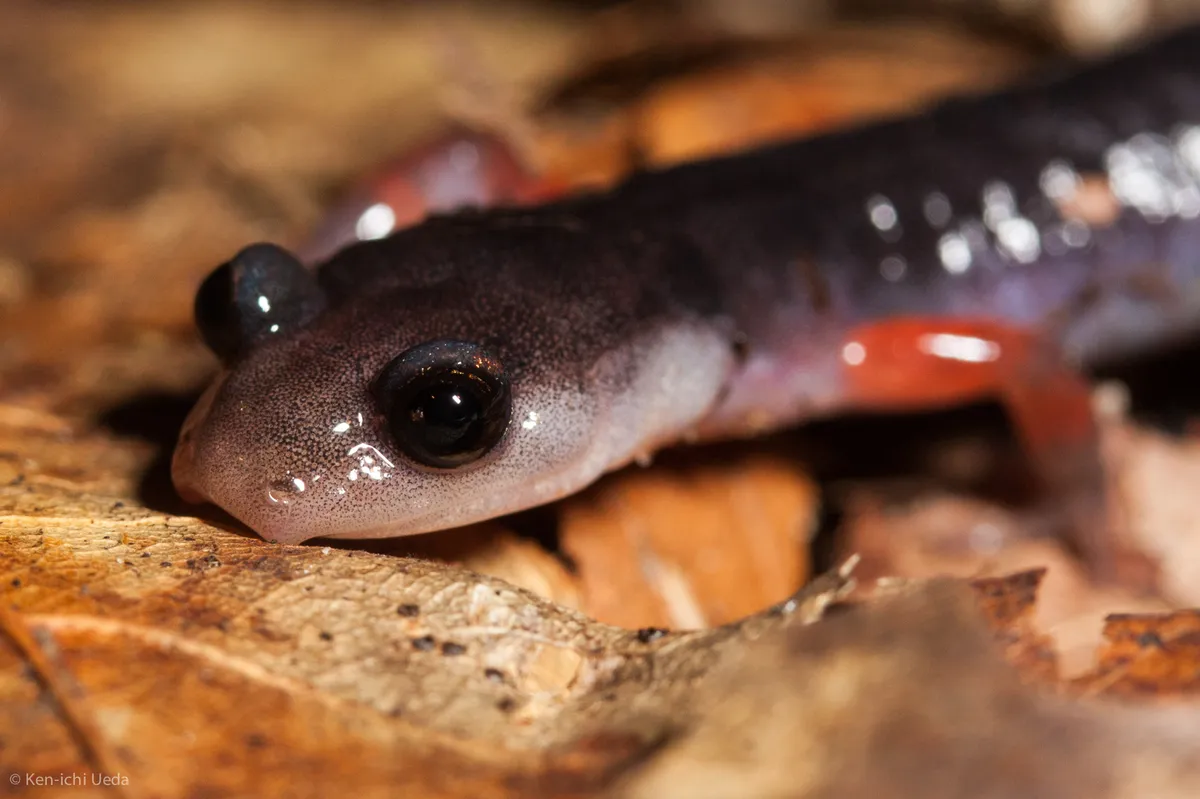
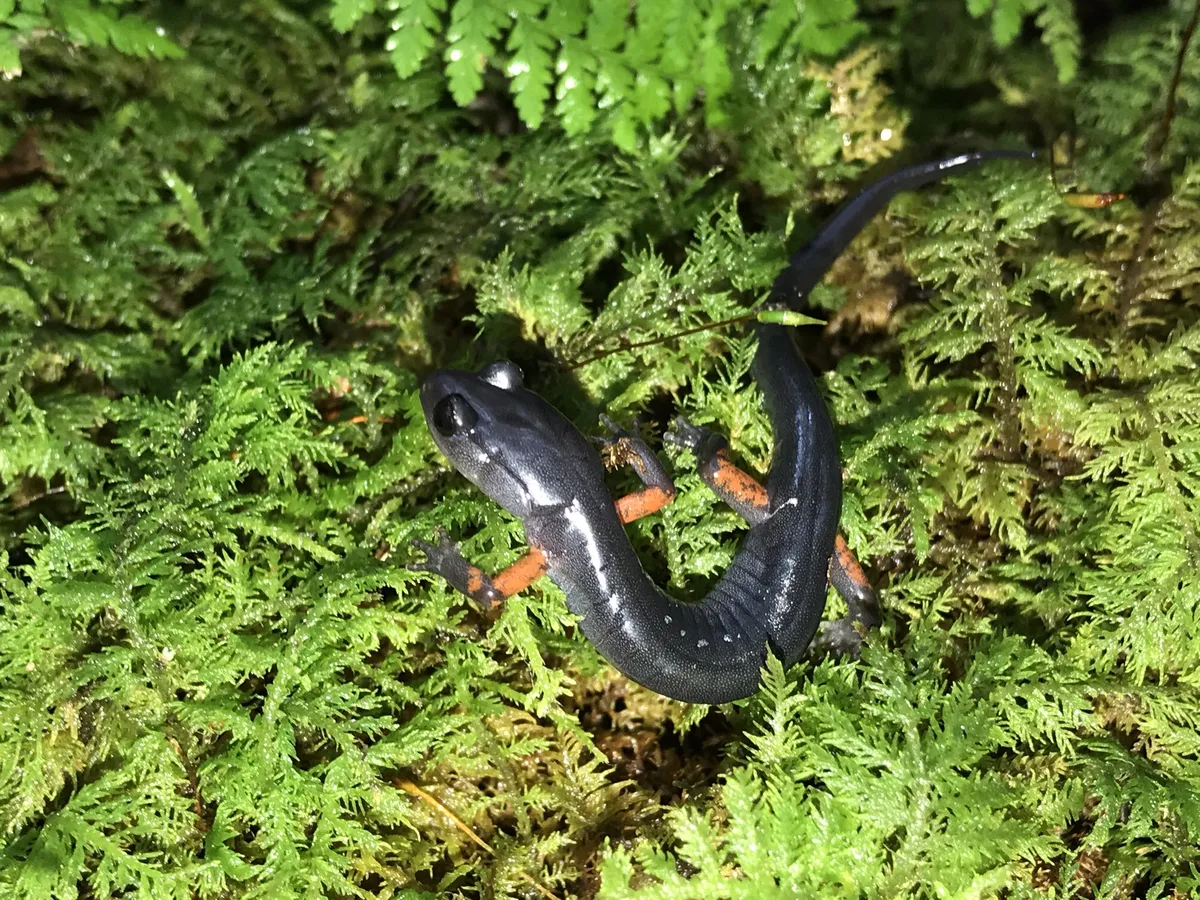
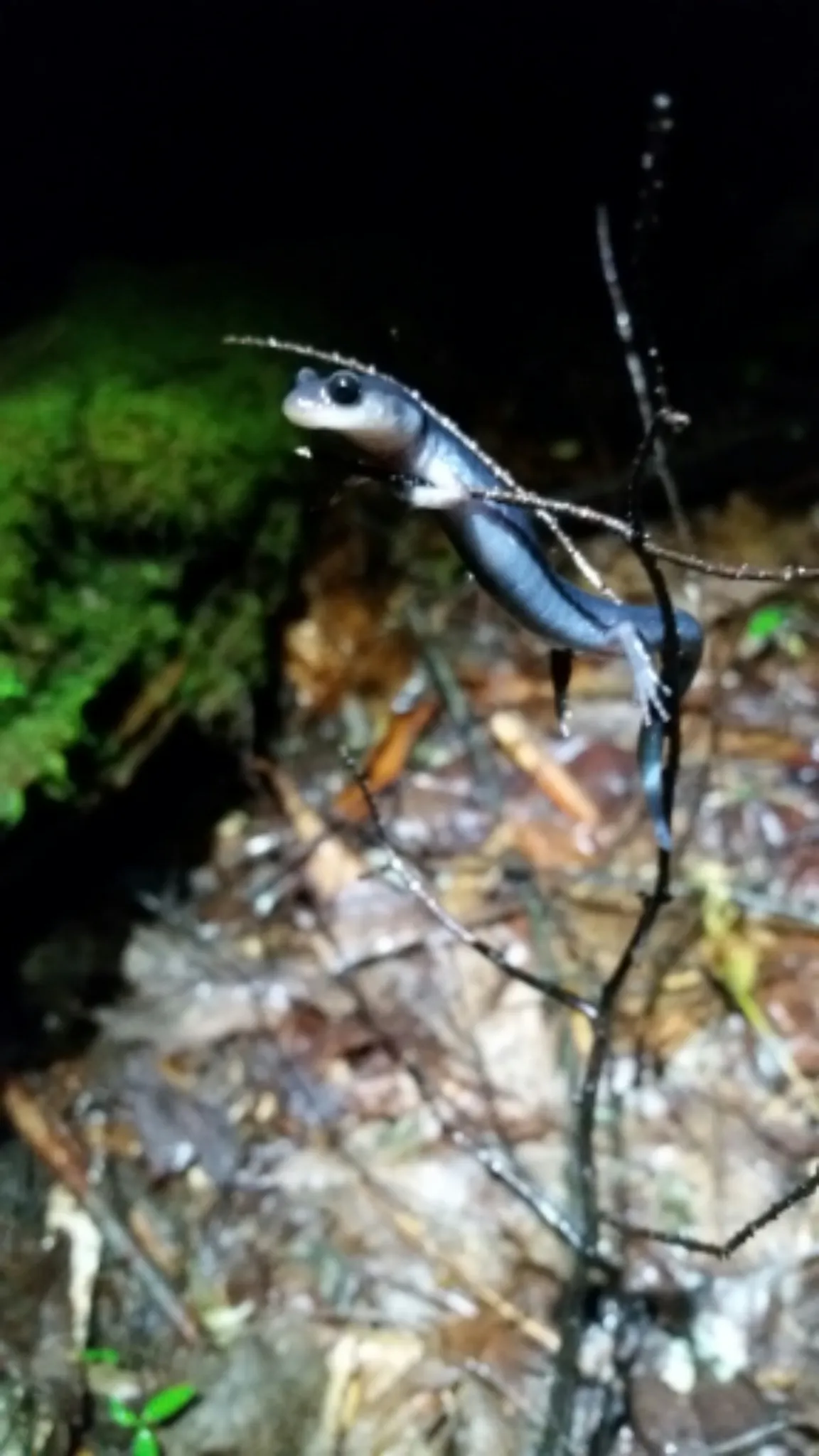
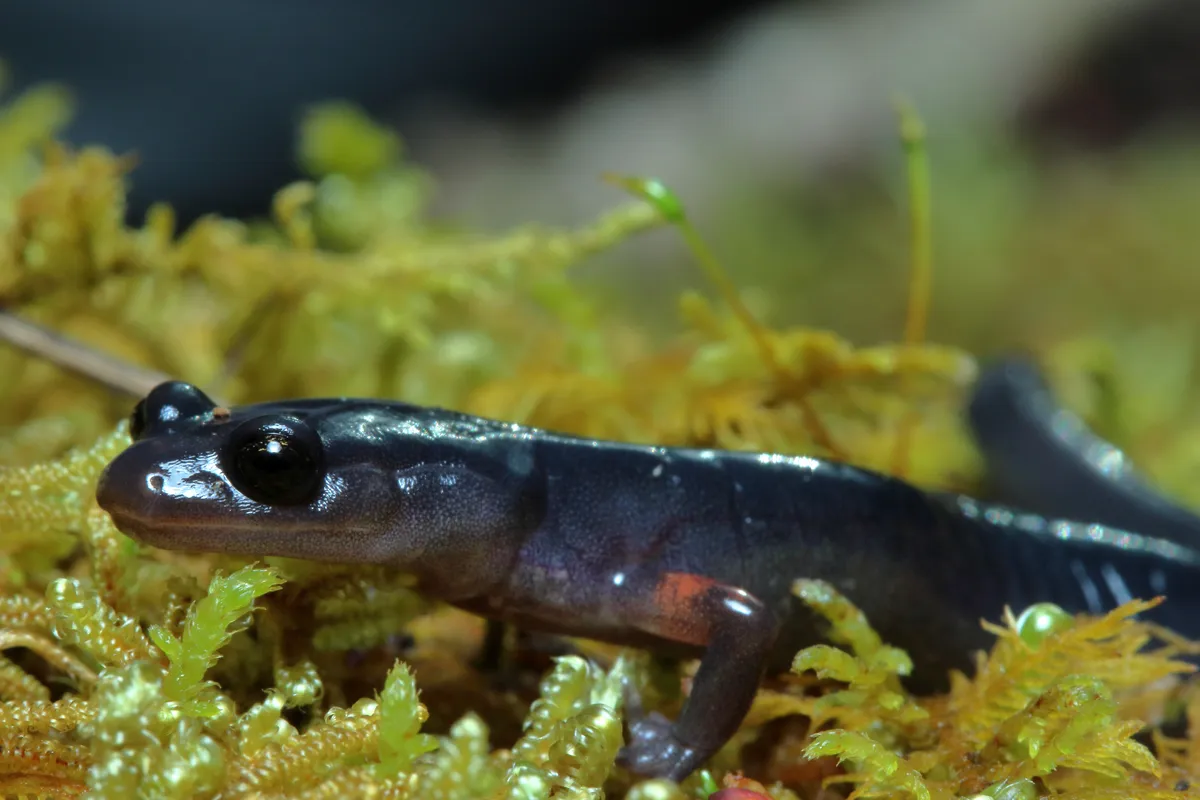
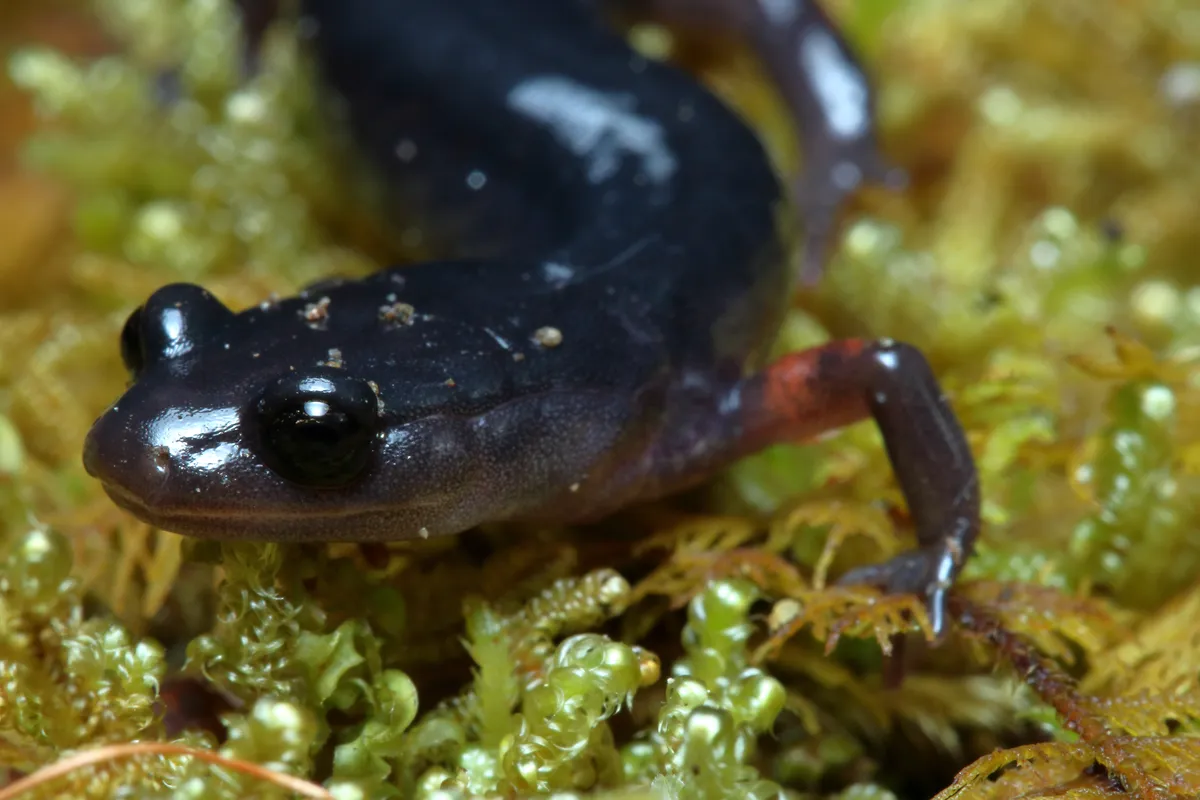
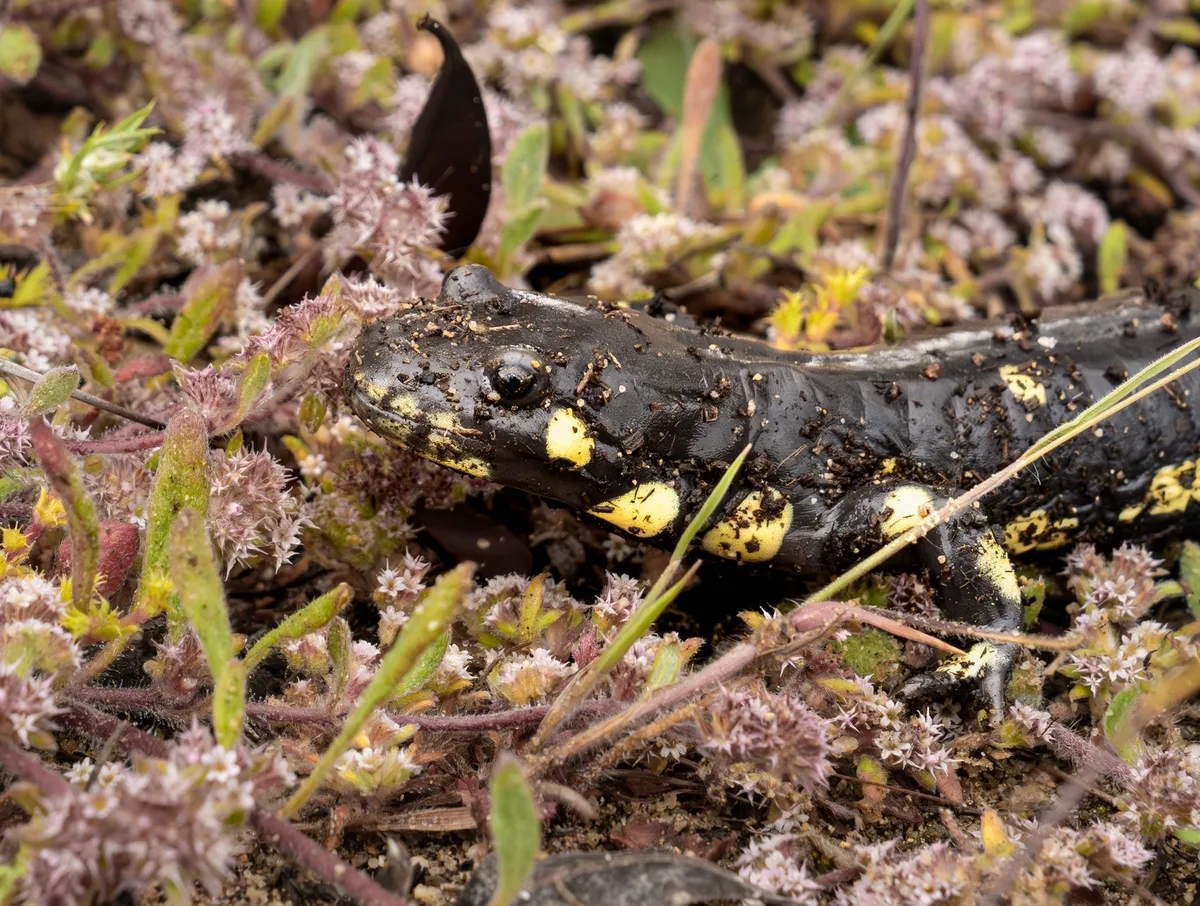
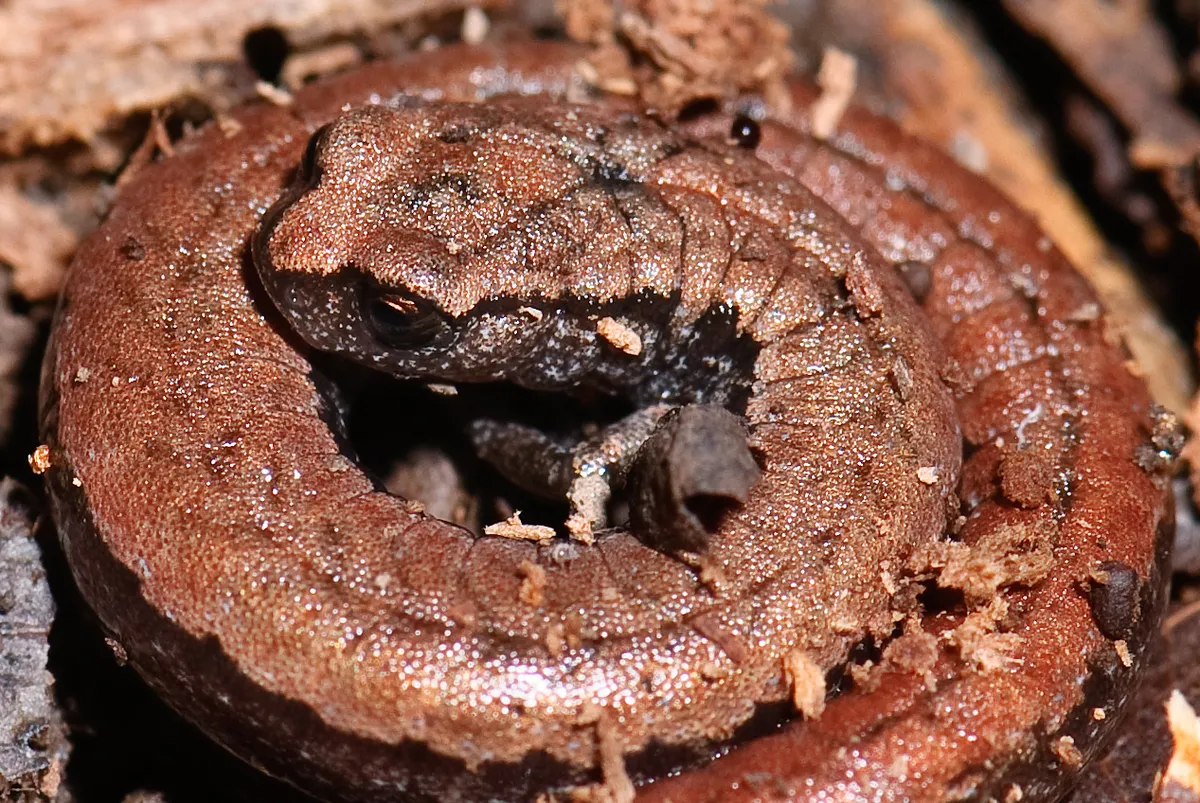
A terrestrial woodland salamander endemic to the southern Appalachian Mountains of the United States, characterized by distinctive red or orange-red legs and a dark body coloration.
Image Gallery
ADSENSE SLOT
Ecology & Habitat
Habitat
Inhabits moist, deciduous forest floors in mountainous regions of North Carolina, Tennessee, and adjacent areas, typically at elevations between 900-1,800 meters, preferring cool, humid microenvironments with abundant leaf litter and decaying logs.
Ecological Role
Critical component of forest ecosystem dynamics, serving as both predator and prey, controlling invertebrate populations and representing a significant biomass transfer in mountain forest food webs.
Morphology
SKIN COATSmooth, permeable skin allowing cutaneous respiration, dark dorsal coloration with bright leg pigmentation
LIMBS WINGSFour well-developed limbs with 5 digits per limb, distinctive bright red or orange-red leg coloration
HEAD SENSORYRelatively large eyes, pronounced nasolabial grooves for chemical detection, sensitive to environmental moisture
BODY STRUCTURESlender, elongated salamander body with average length of 7-12 cm, cylindrical trunk with smooth, moist skin
Data Source: TaxonHub Database
Image Credit: Internet Archive Book Images