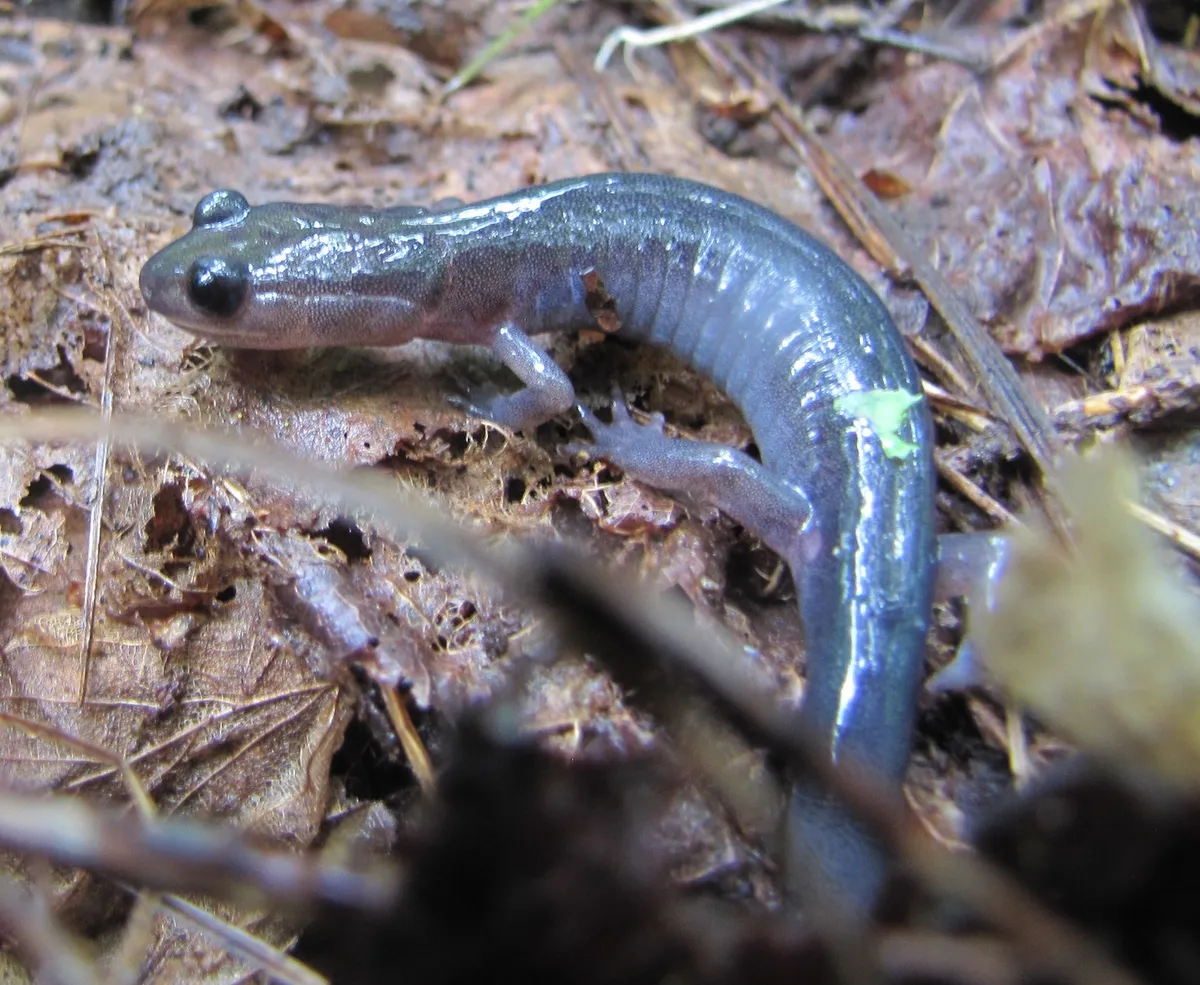
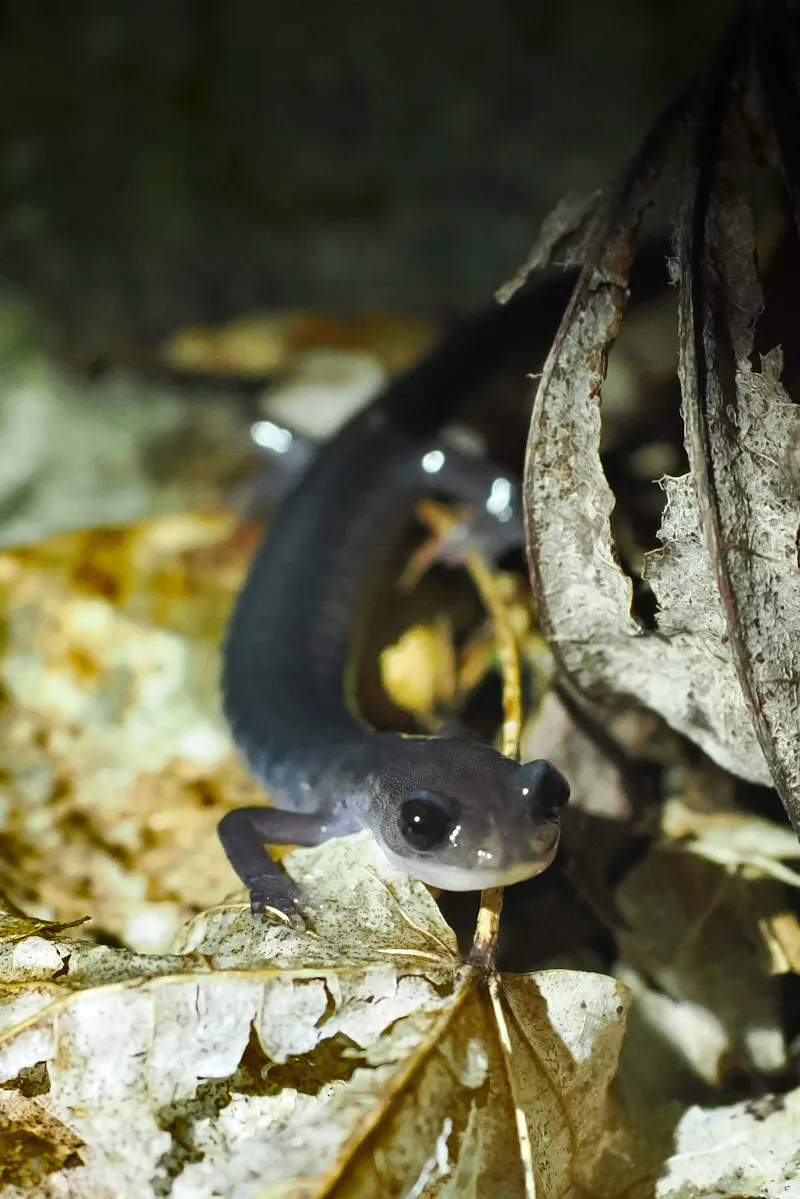
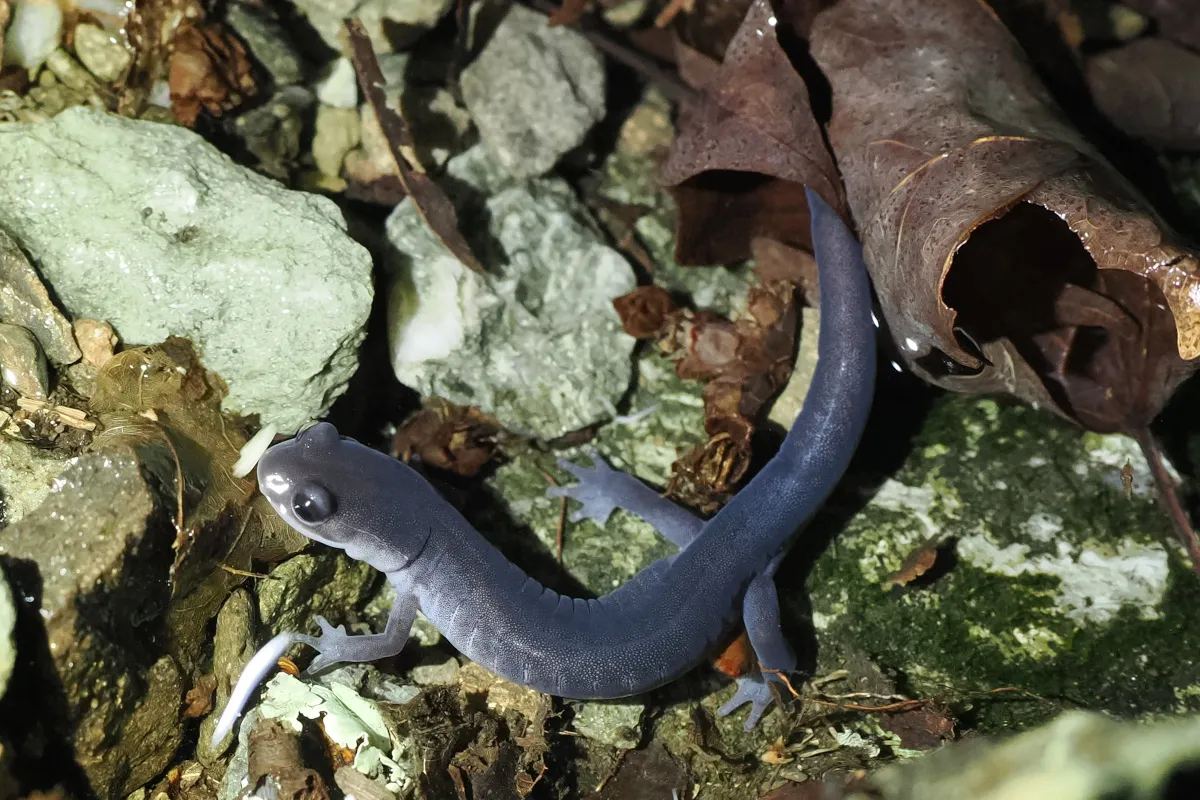
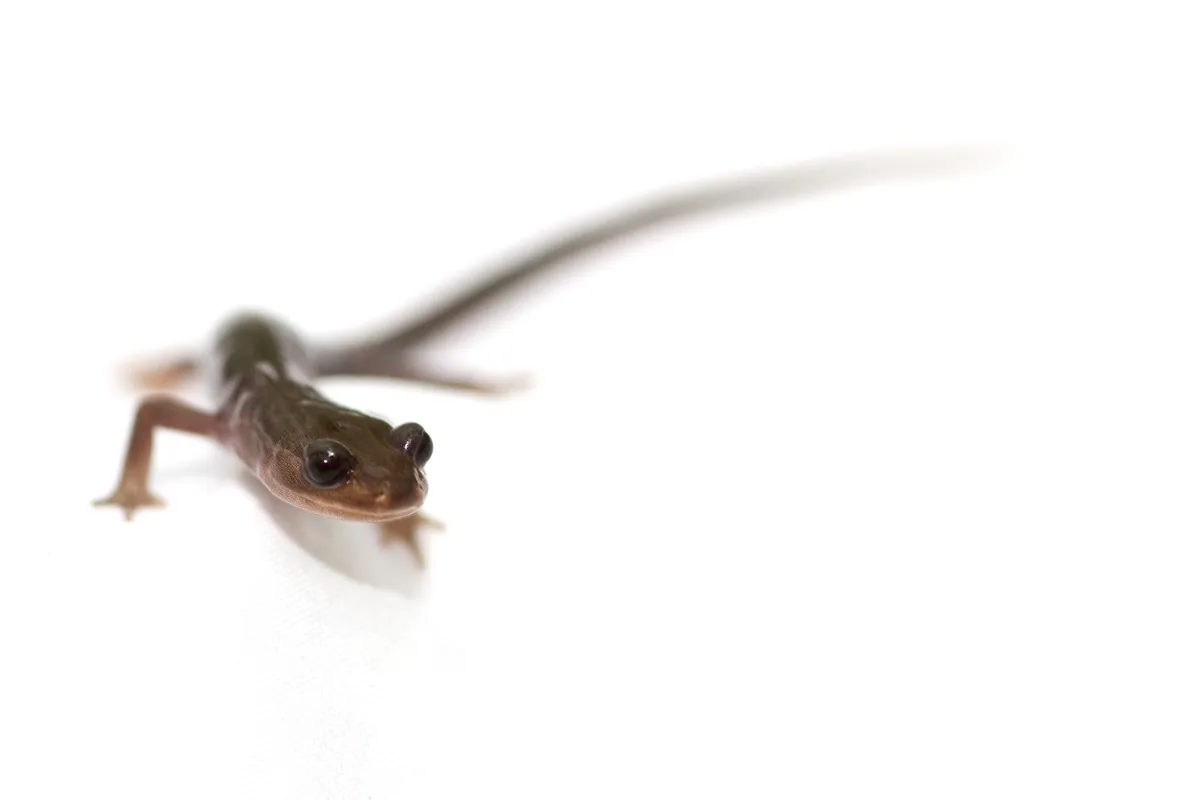
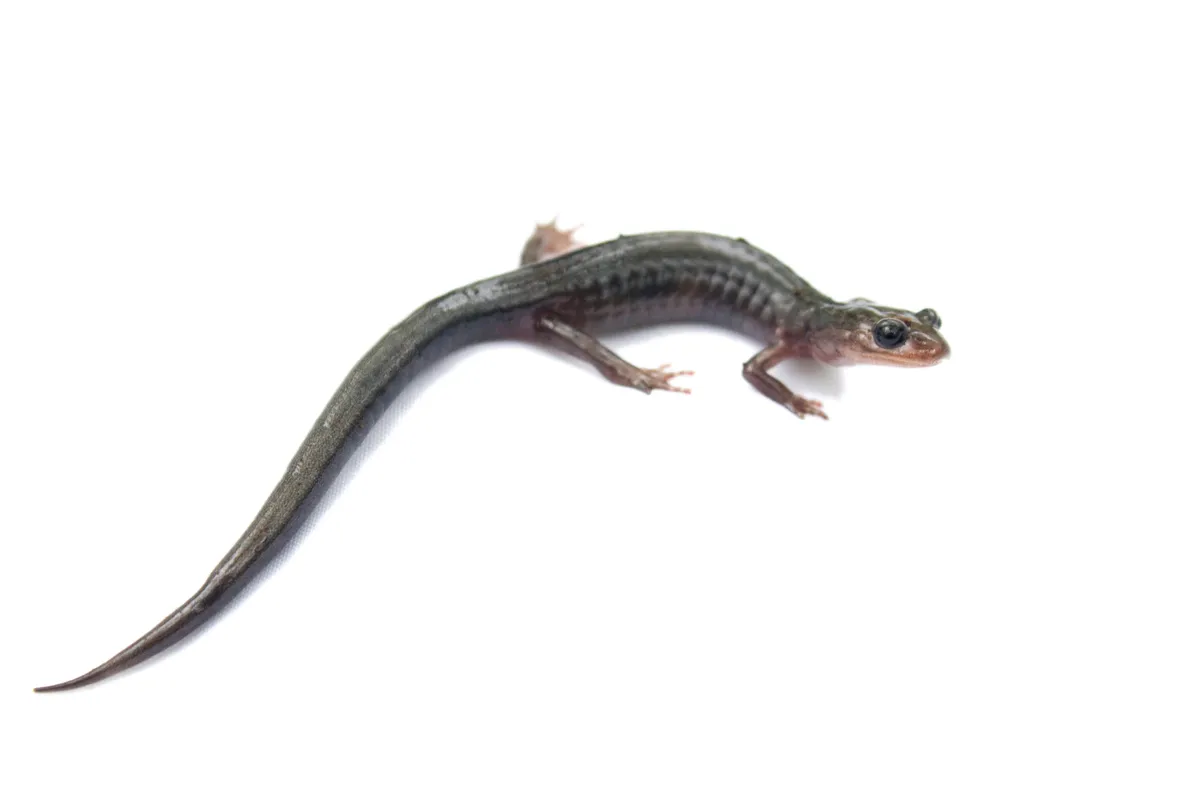
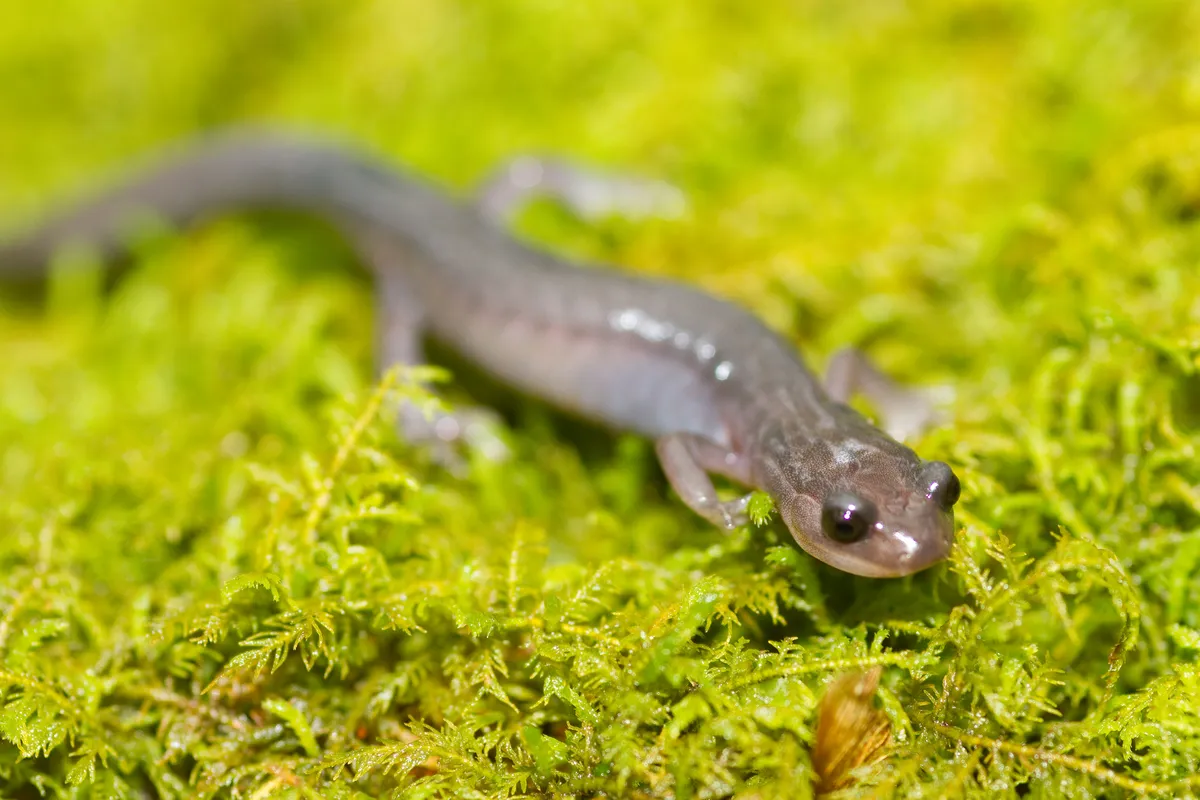
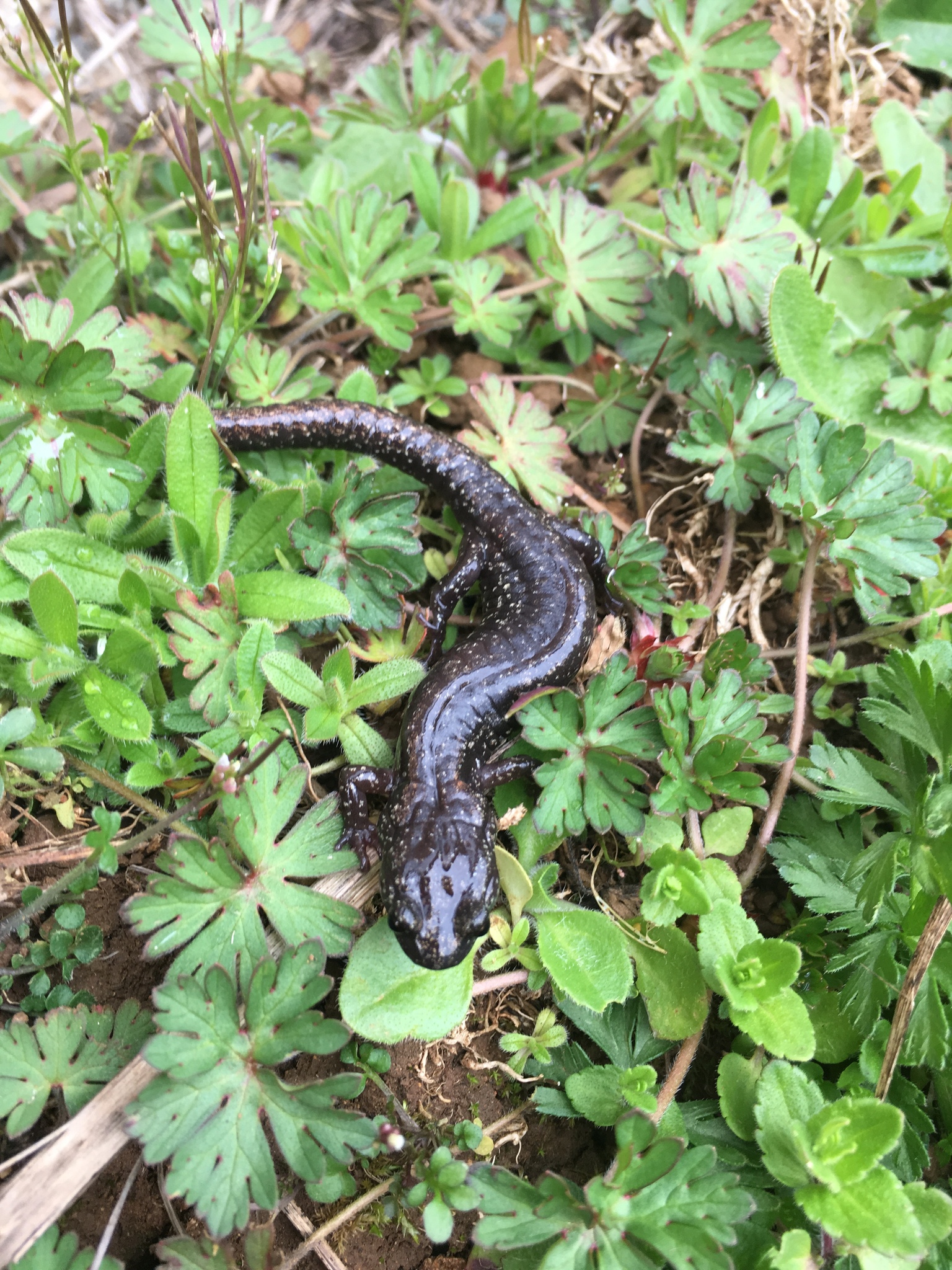
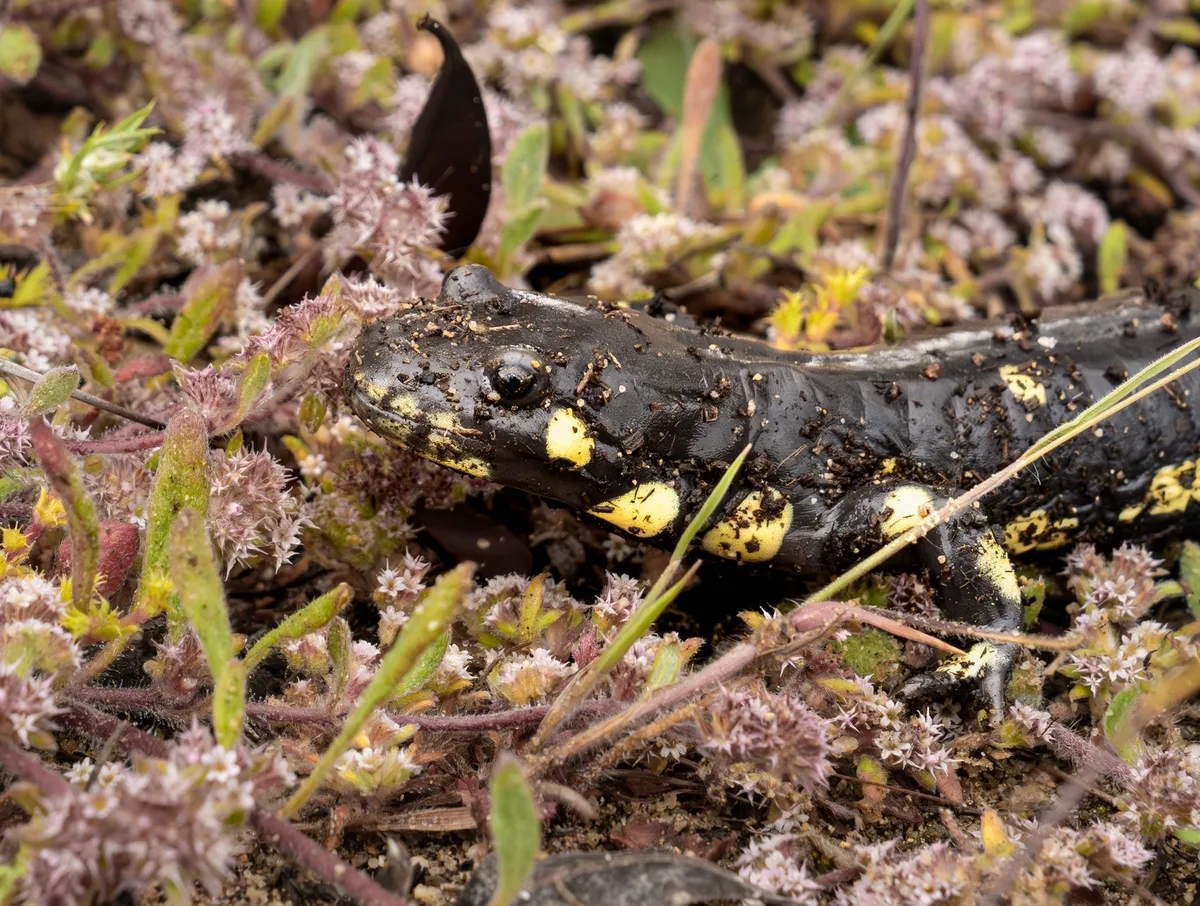
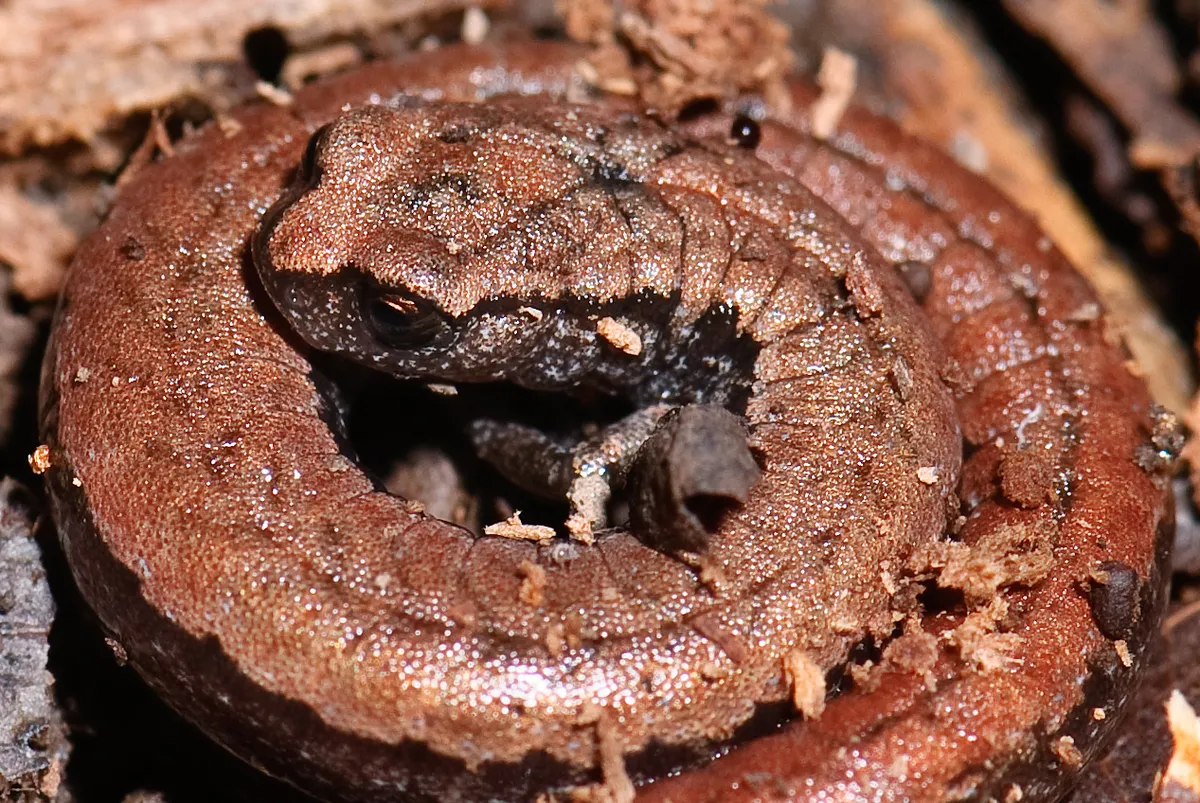
A terrestrial salamander species endemic to the Appalachian mountain regions of the eastern United States, characterized by its distinctive gray-cheeked coloration and lungless respiration.
Image Gallery
ADSENSE SLOT
Ecology & Habitat
Habitat
Temperate forest ecosystems in mountainous regions, typically found under logs, rocks, and leaf litter in cool, moist environments at elevations between 900-1,800 meters in the Appalachian mountain range.
Ecological Role
Critical role in forest ecosystem dynamics as a predator of small invertebrates and prey for larger predators, contributing to nutrient cycling and maintaining ecological balance in forest floor food webs.
Morphology
SKIN COATSmooth, moist skin with permeable membrane for cutaneous respiration, dark gray to black base coloration with gray cheek markings
LIMBS WINGSFour short, sturdy limbs with five digits each, enabling efficient movement through forest floor substrate
HEAD SENSORYRelatively large eyes, distinct gray cheek patches, short snout with well-developed chemosensory capabilities
BODY STRUCTURESmall, slender salamander with elongated body, typically 7-12 cm in total length, adapted for terrestrial locomotion
Data Source: TaxonHub Database
Image Credit: Ken Kneidel