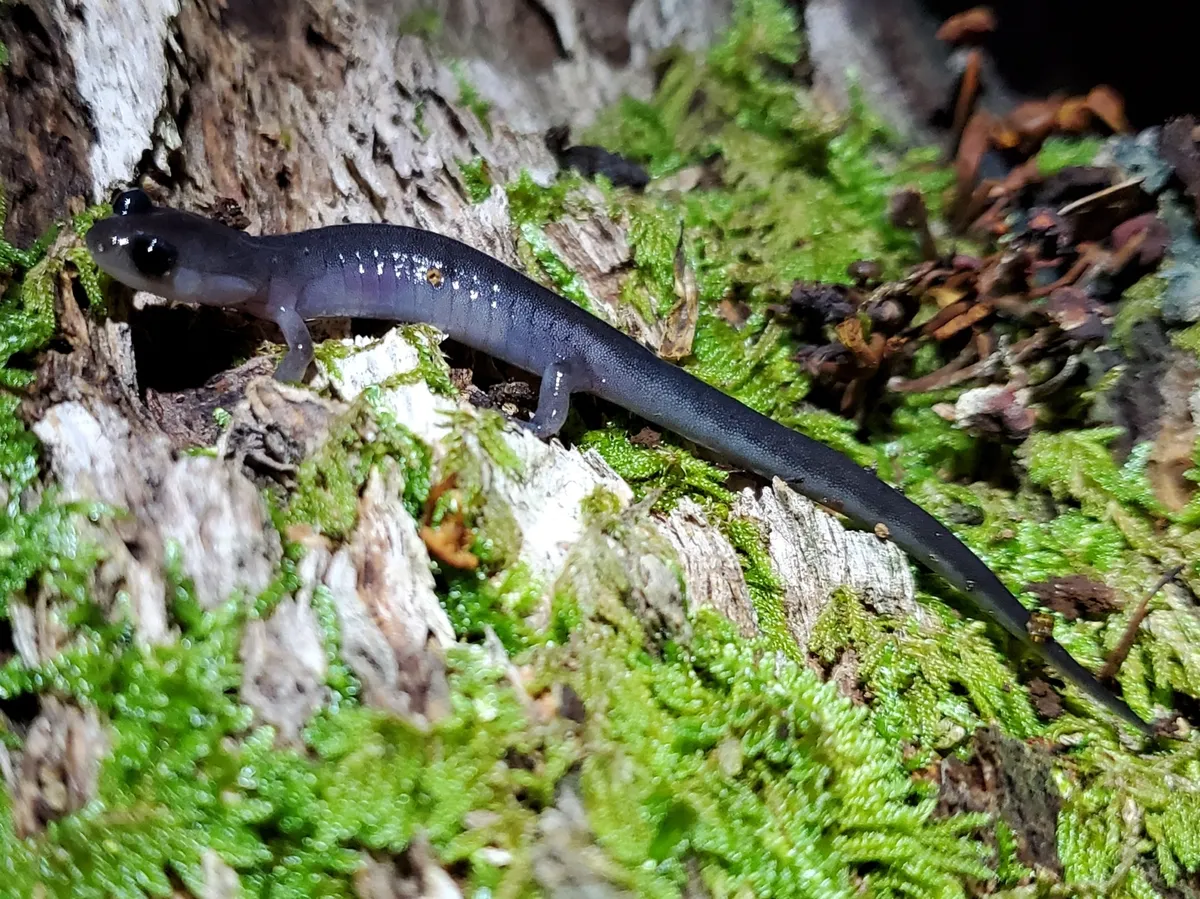
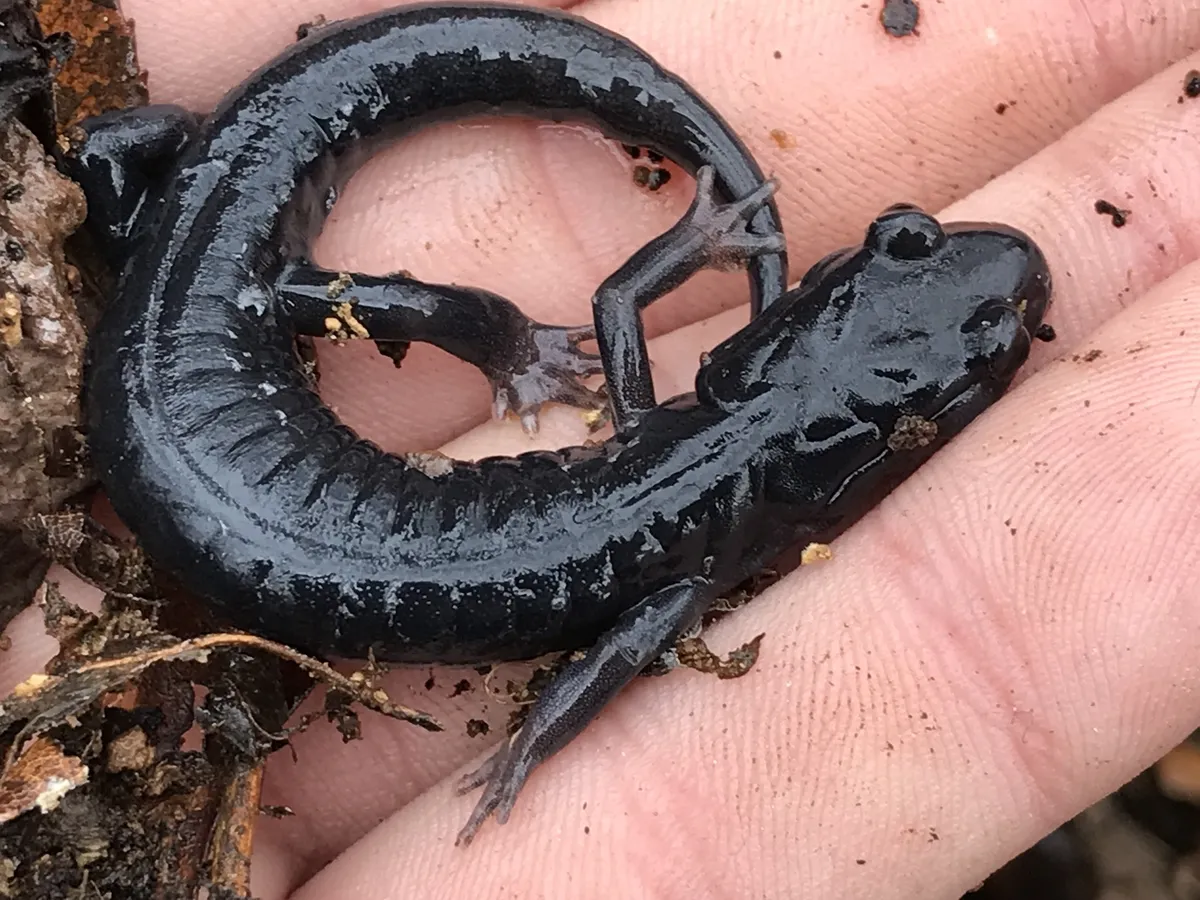
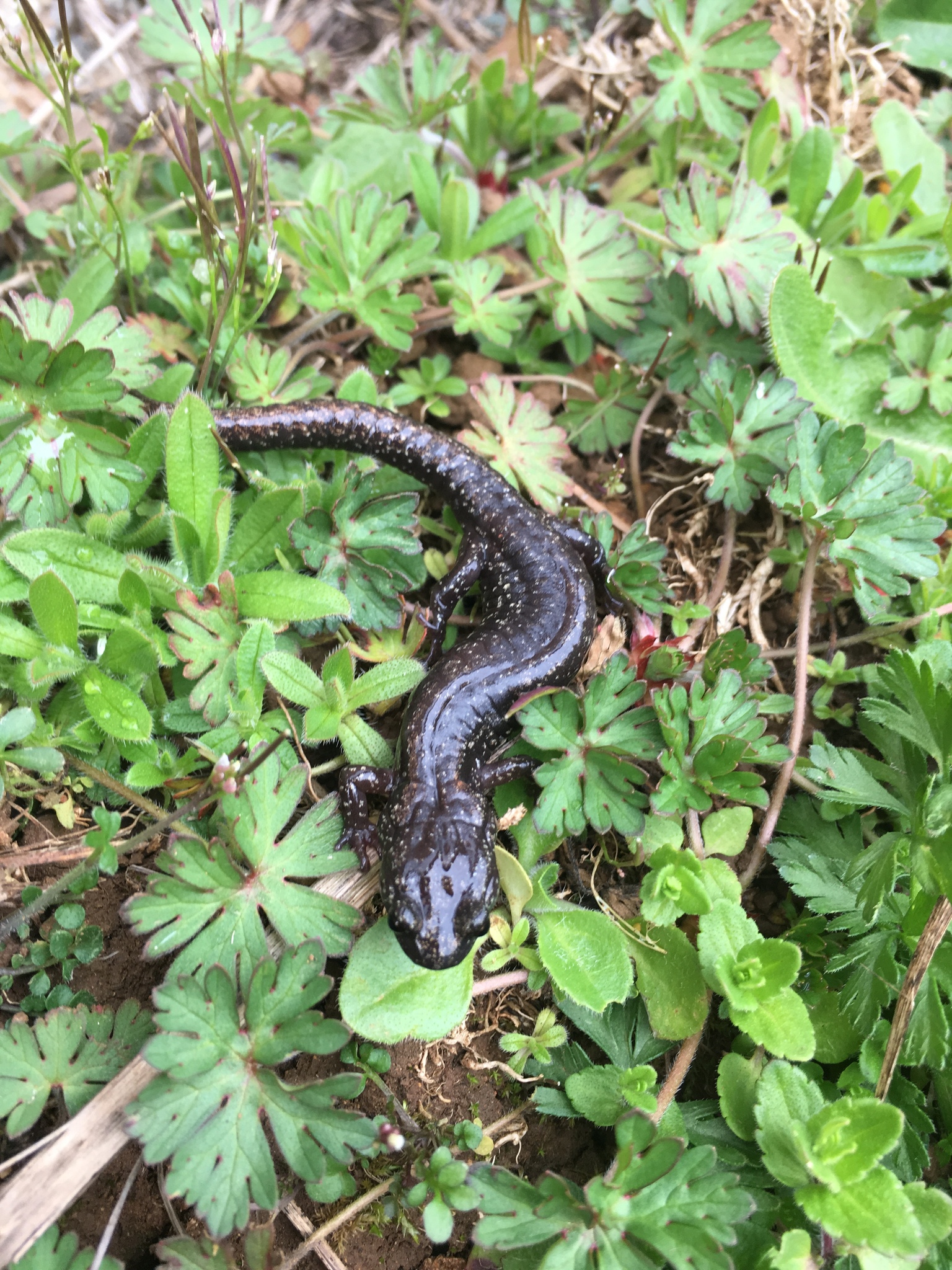
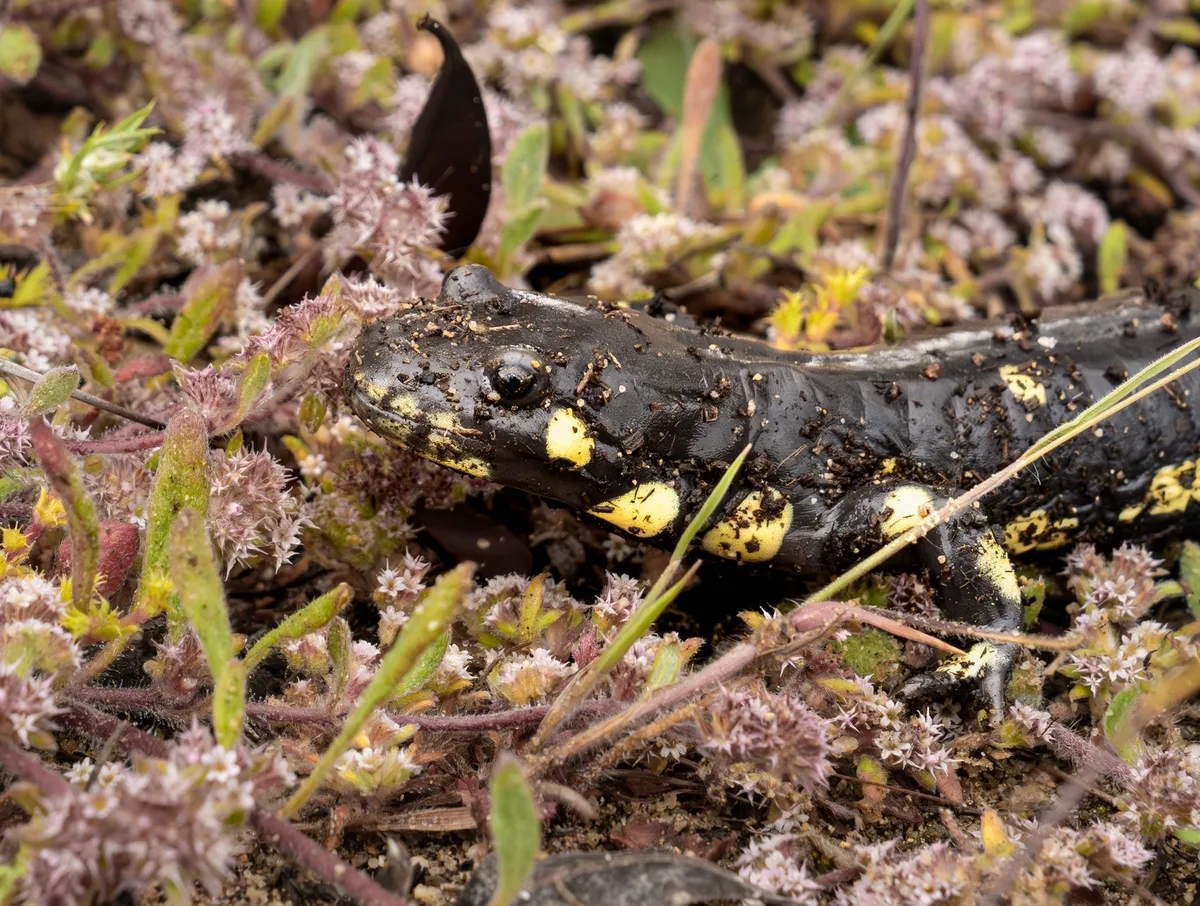
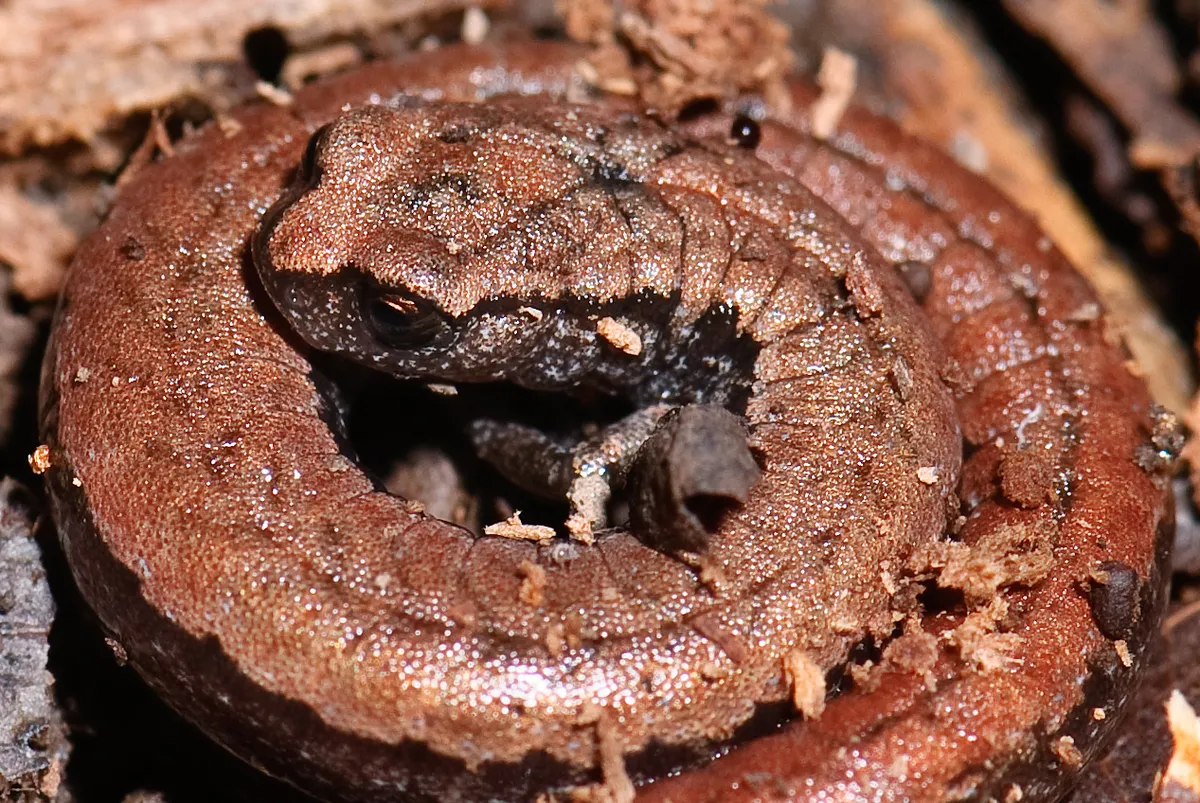
A terrestrial salamander species endemic to the Appalachian mountain ranges of western North Carolina and eastern Tennessee, characterized by its distinctive gray cheeks and lungless respiration.
Image Gallery
ADSENSE SLOT
Ecology & Habitat
Habitat
Temperate montane forests at elevations between 900-1,800 meters, preferring moist microhabitats under rocks, logs, leaf litter, and within rocky forest floors with high humidity and dense vegetation
Ecological Role
Critical component of forest understory ecosystem, controlling invertebrate populations, serving as prey for small predators, and indicating forest ecosystem health through sensitivity to environmental changes
Morphology
SKIN COATDark gray to black base coloration with distinctive gray patches on cheeks, thin permeable skin used for cutaneous respiration
LIMBS WINGSFour well-developed limbs with 5 digits each, adapted for terrestrial locomotion and climbing
HEAD SENSORYLarge eyes, pronounced nasolabial grooves, sensitive chemosensory capabilities for navigation and communication
BODY STRUCTURESlender, elongated body typically 7-12 cm in length, with smooth, moist skin and cryptic coloration for camouflage
Data Source: TaxonHub Database
Image Credit: Internet Archive Book Images