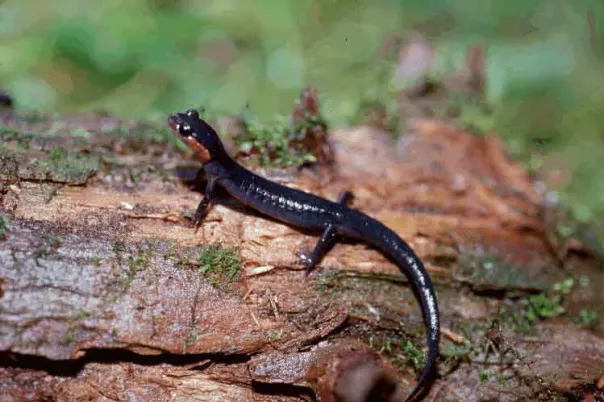
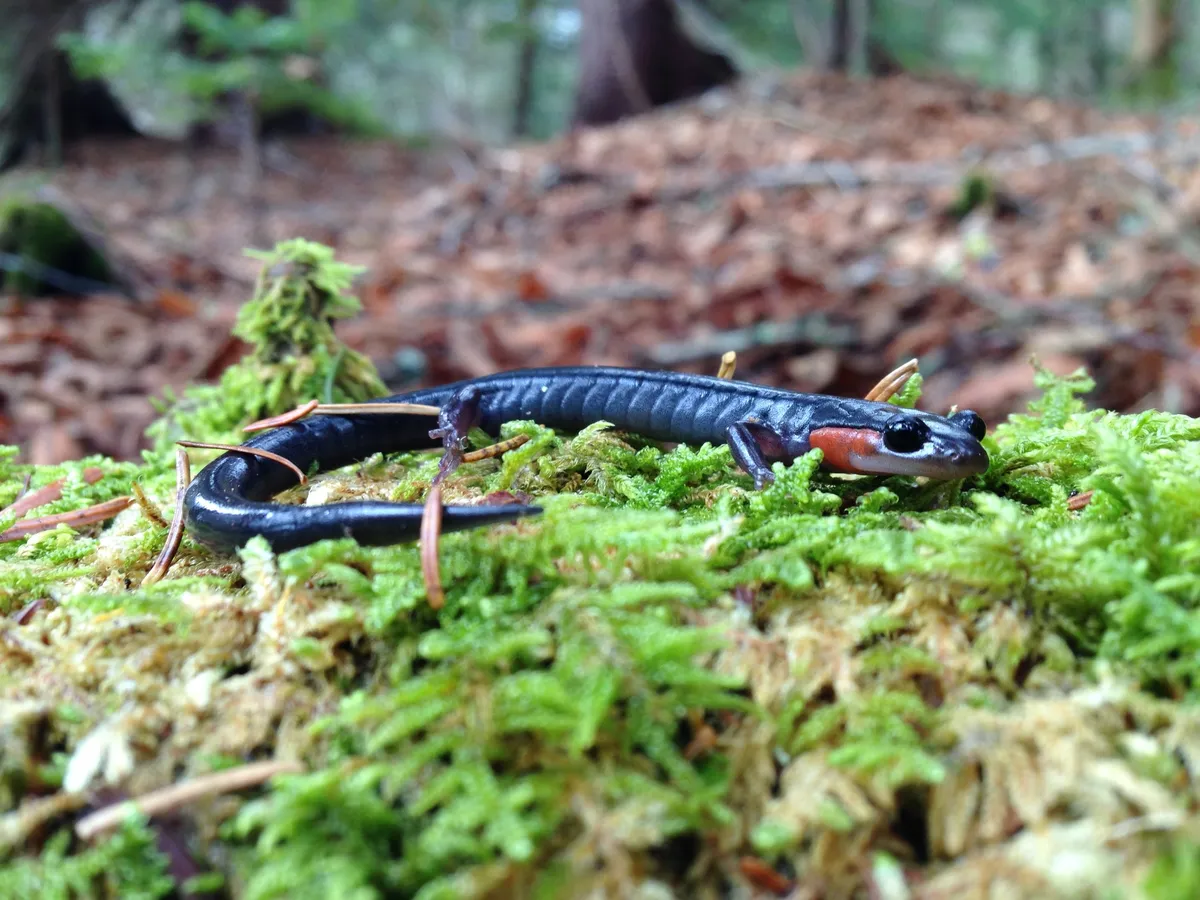
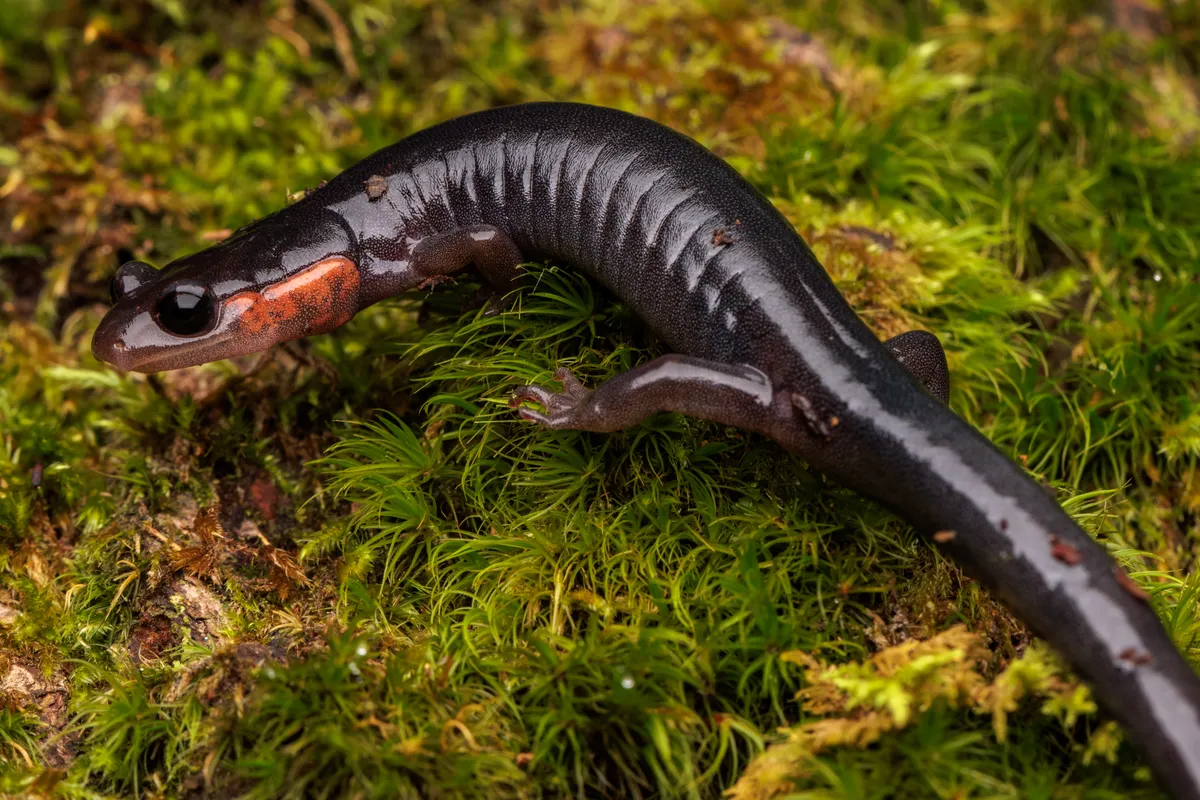
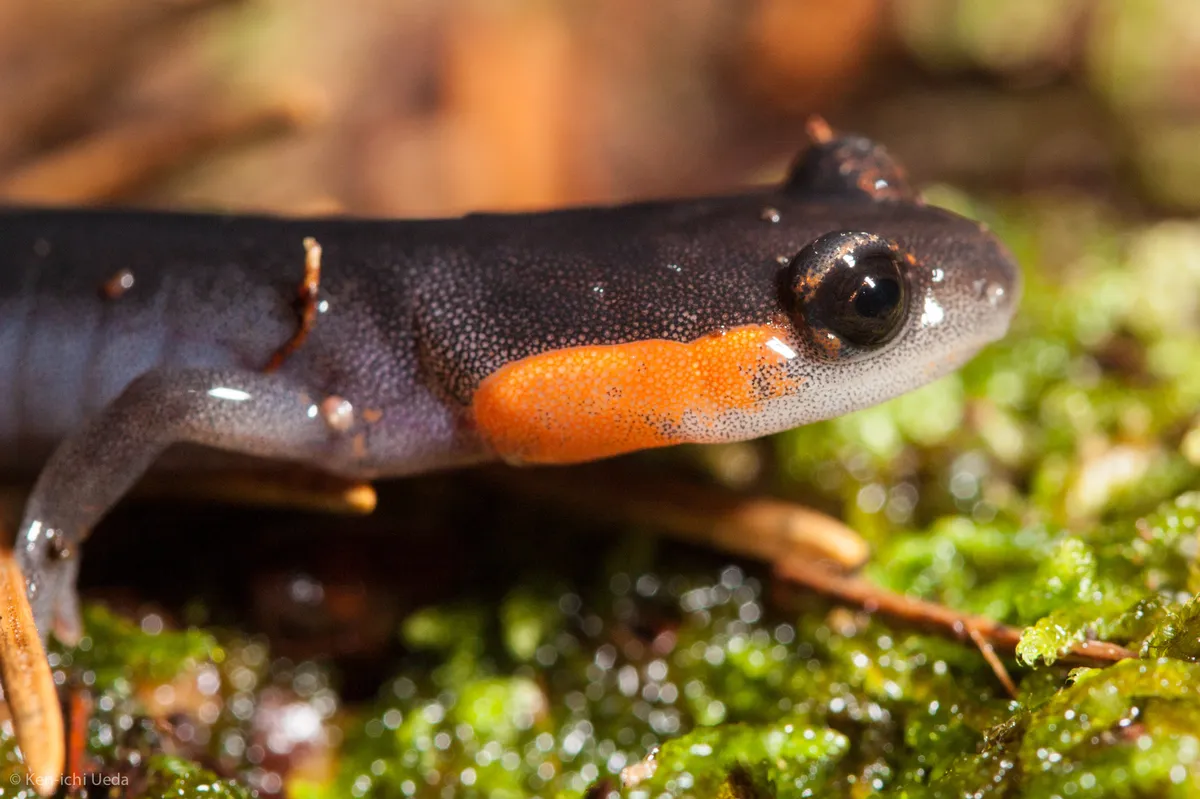
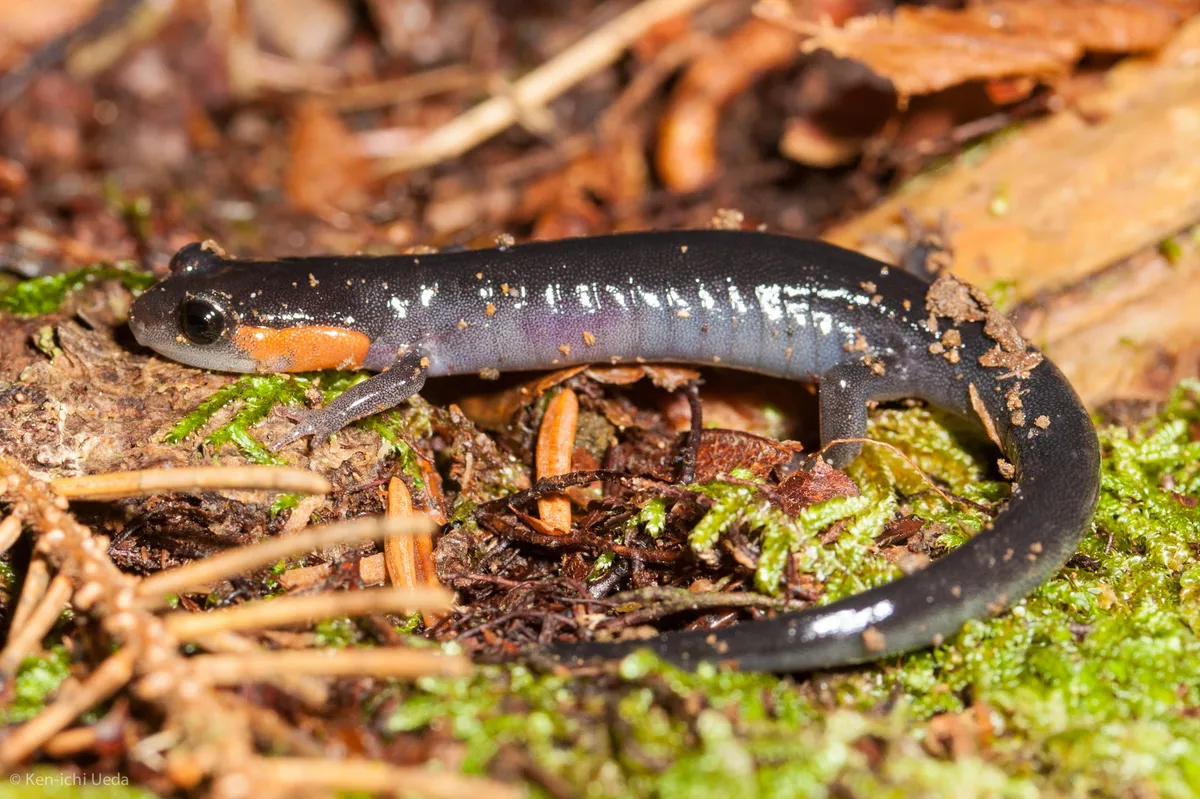
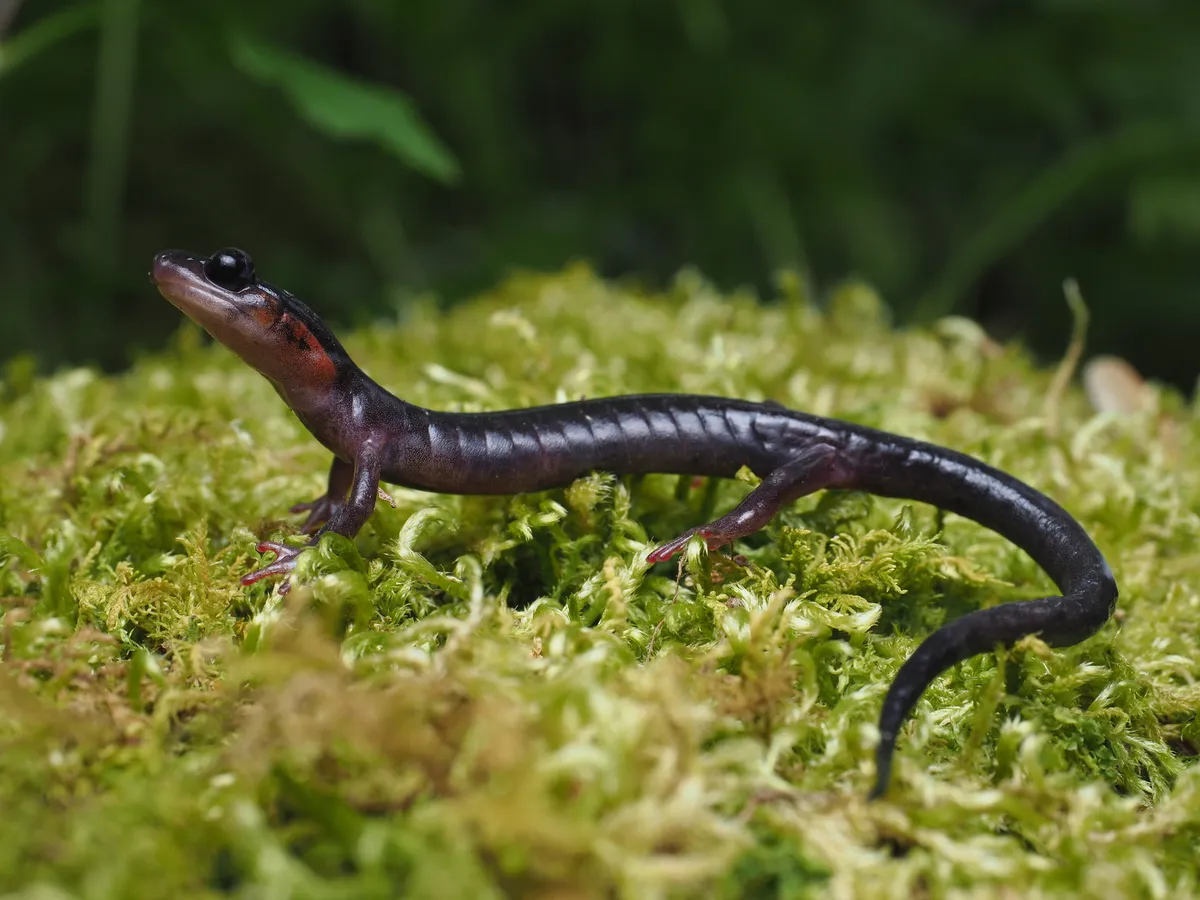
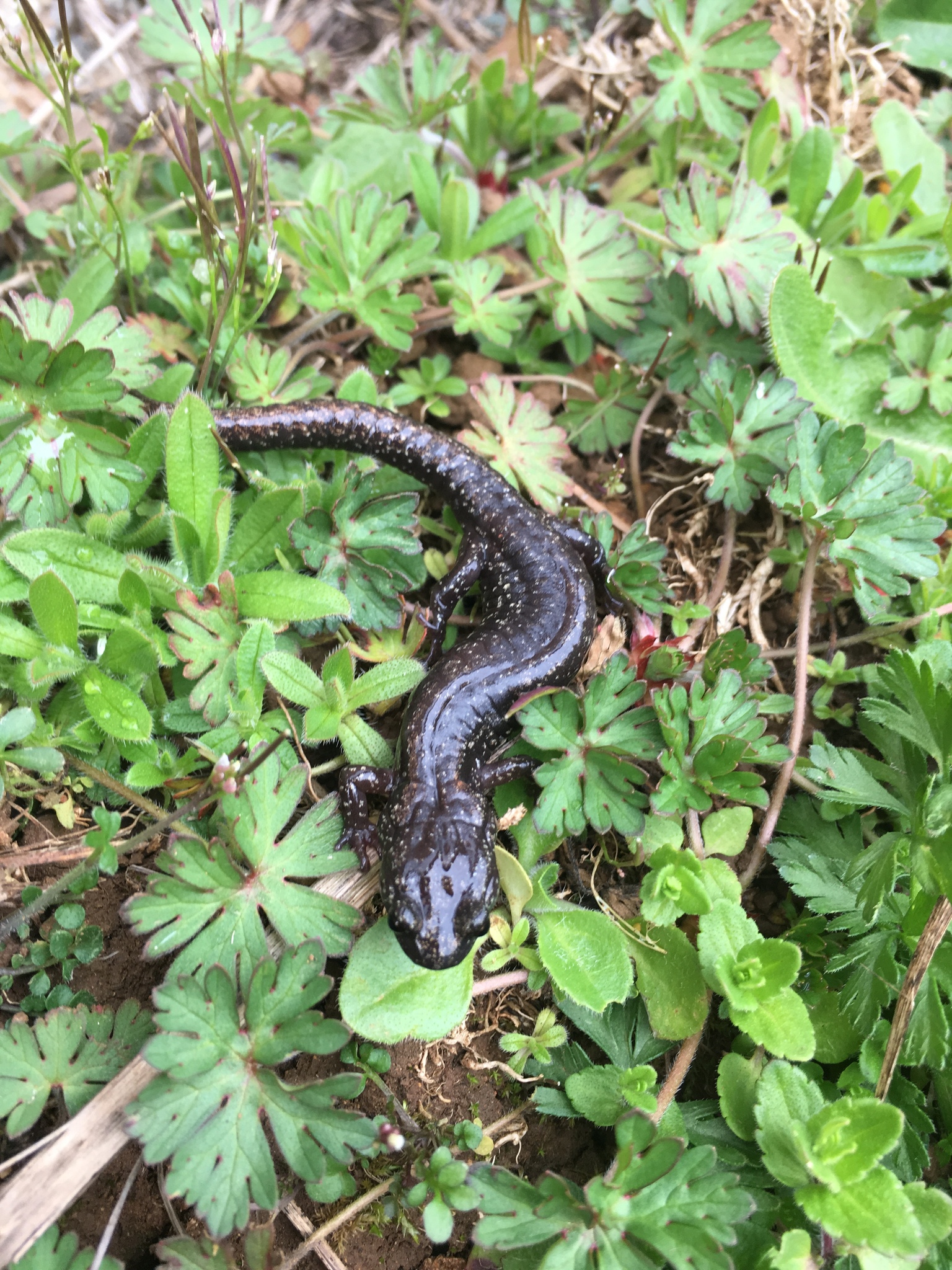
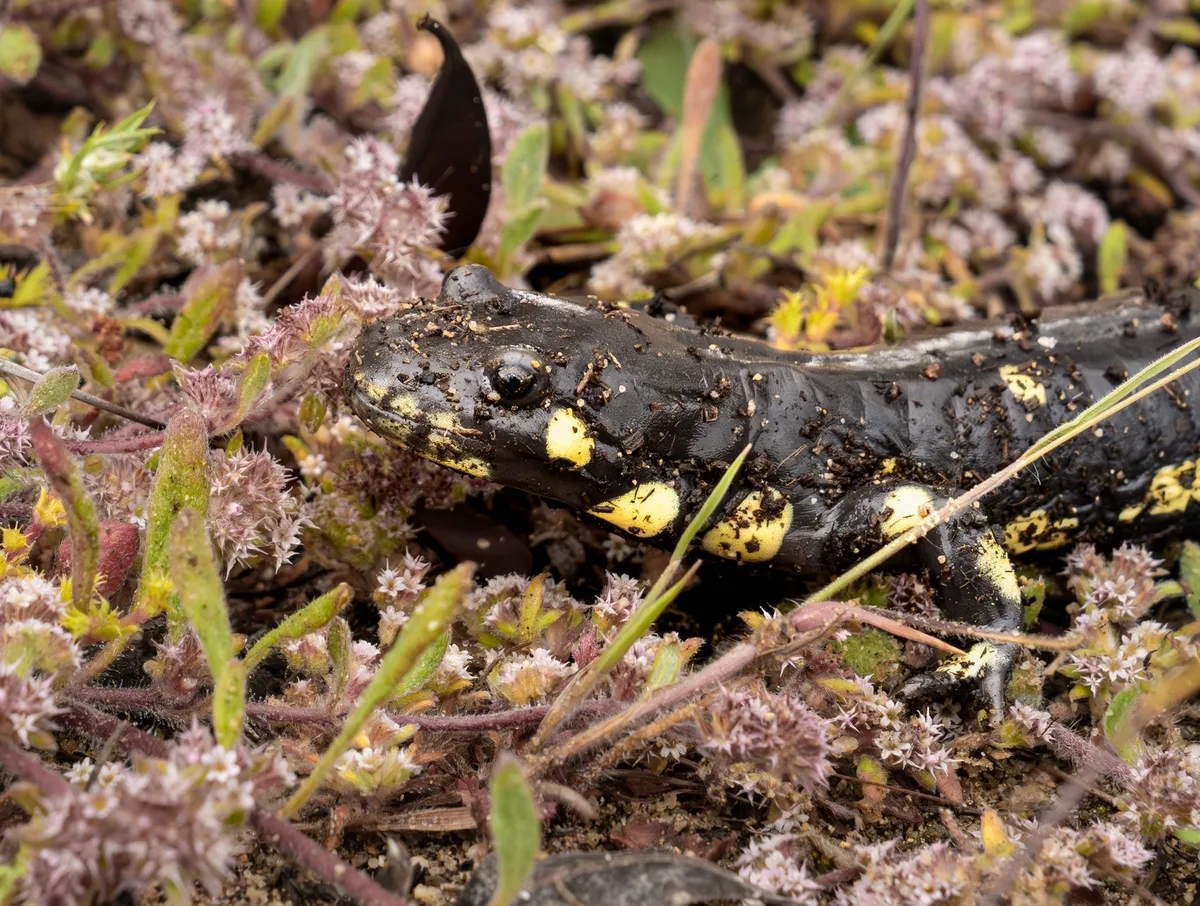
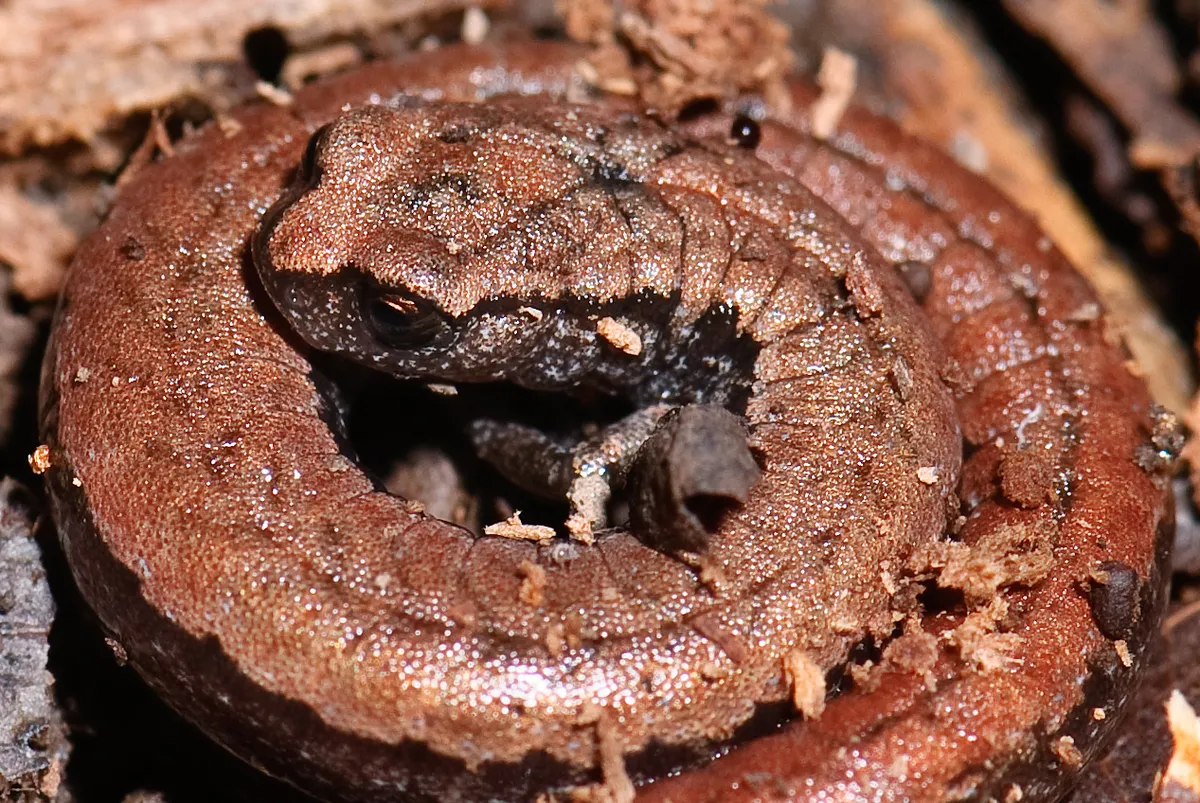
A terrestrial plethodontid salamander endemic to the high elevation forests of the Appalachian Mountains in eastern United States, characterized by its lungless respiration and direct skin gas exchange.
Image Gallery
ADSENSE SLOT
Ecology & Habitat
Habitat
Montane forests of the Southern Appalachian Mountains, predominantly in areas with dense forest floor vegetation, rocky environments, and high humidity at elevations between 900-2,100 meters above sea level.
Ecological Role
Critical indicator species for forest ecosystem health, controlling invertebrate populations and serving as prey for small predators, while being sensitive to environmental changes and habitat fragmentation.
Morphology
SKIN COATSmooth, moist skin with dark coloration, often with red or blue speckling, facilitating cutaneous respiration
LIMBS WINGSFour relatively short limbs with five digits, adapted for terrestrial locomotion and climbing
HEAD SENSORYSmall head with prominent eyes, specialized chemosensory mechanisms for navigation and communication
BODY STRUCTURESlender salamander, typically 7-12 cm in total length, with elongated body and relatively short limbs