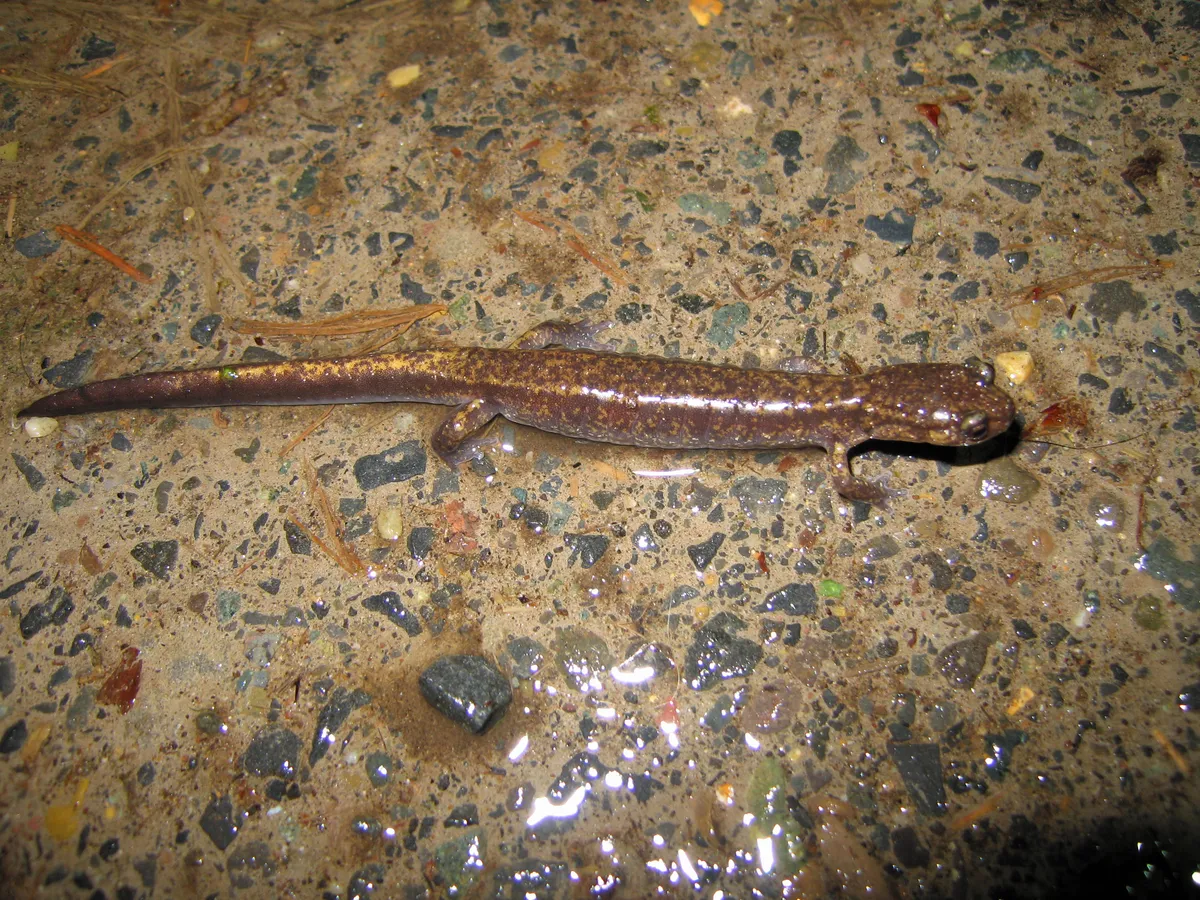
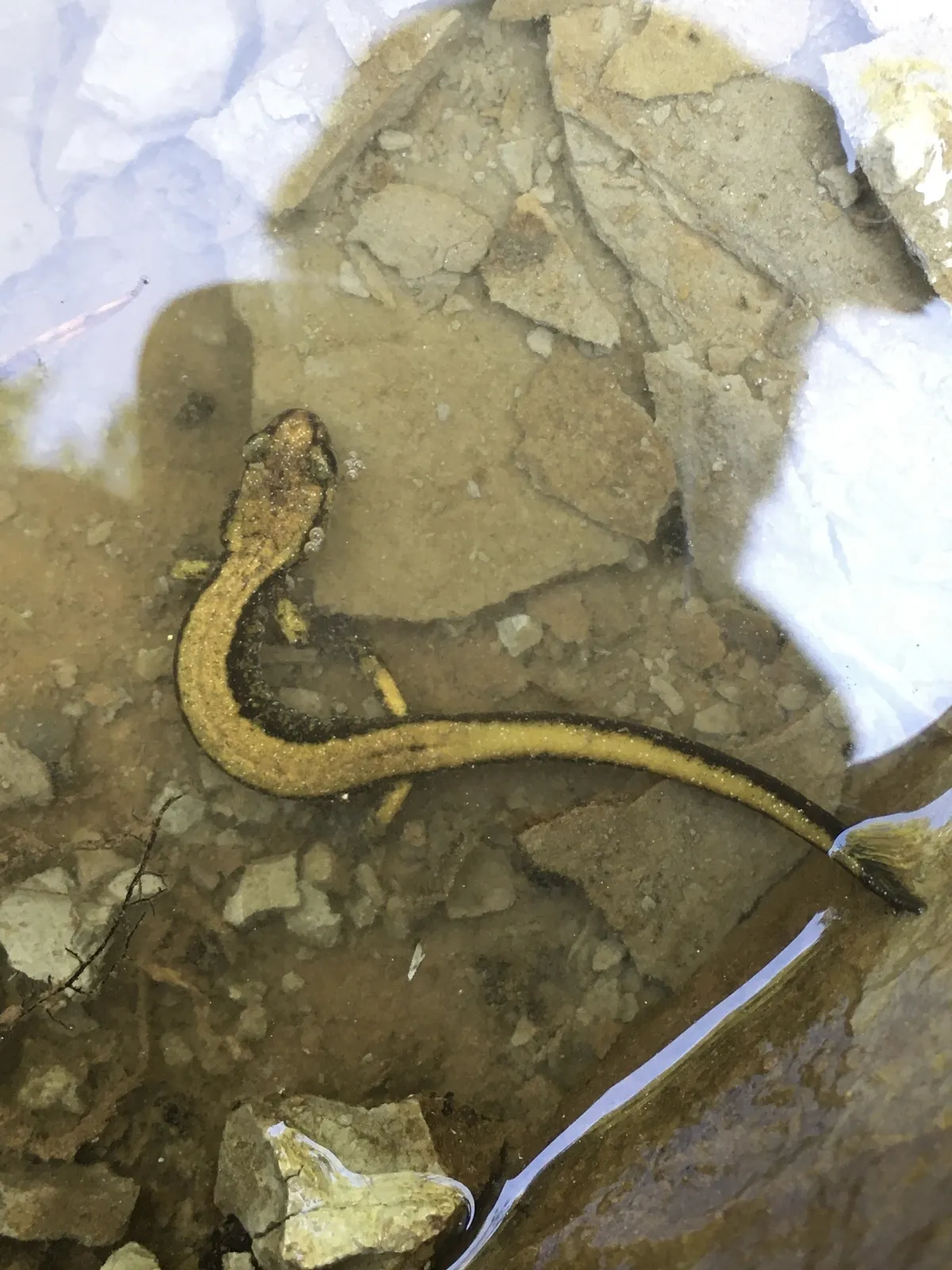
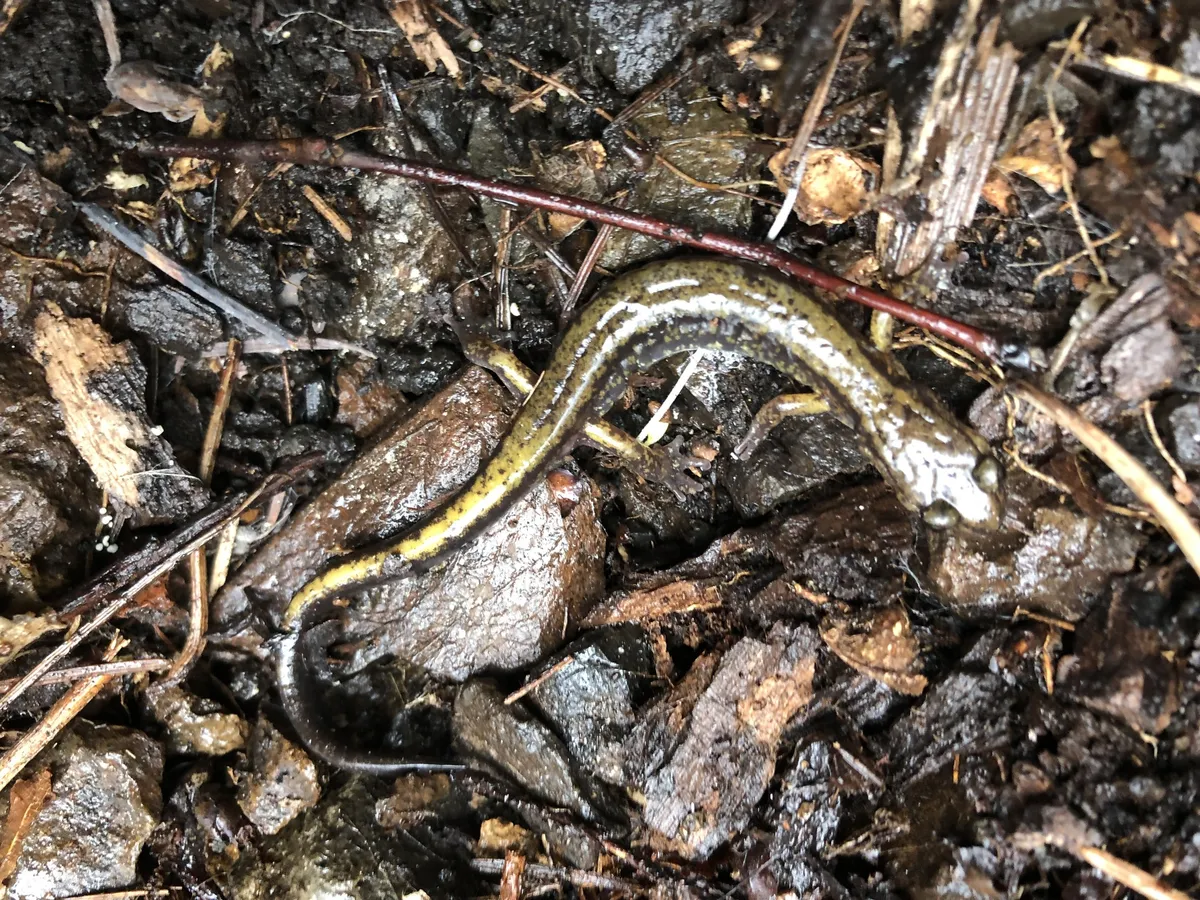
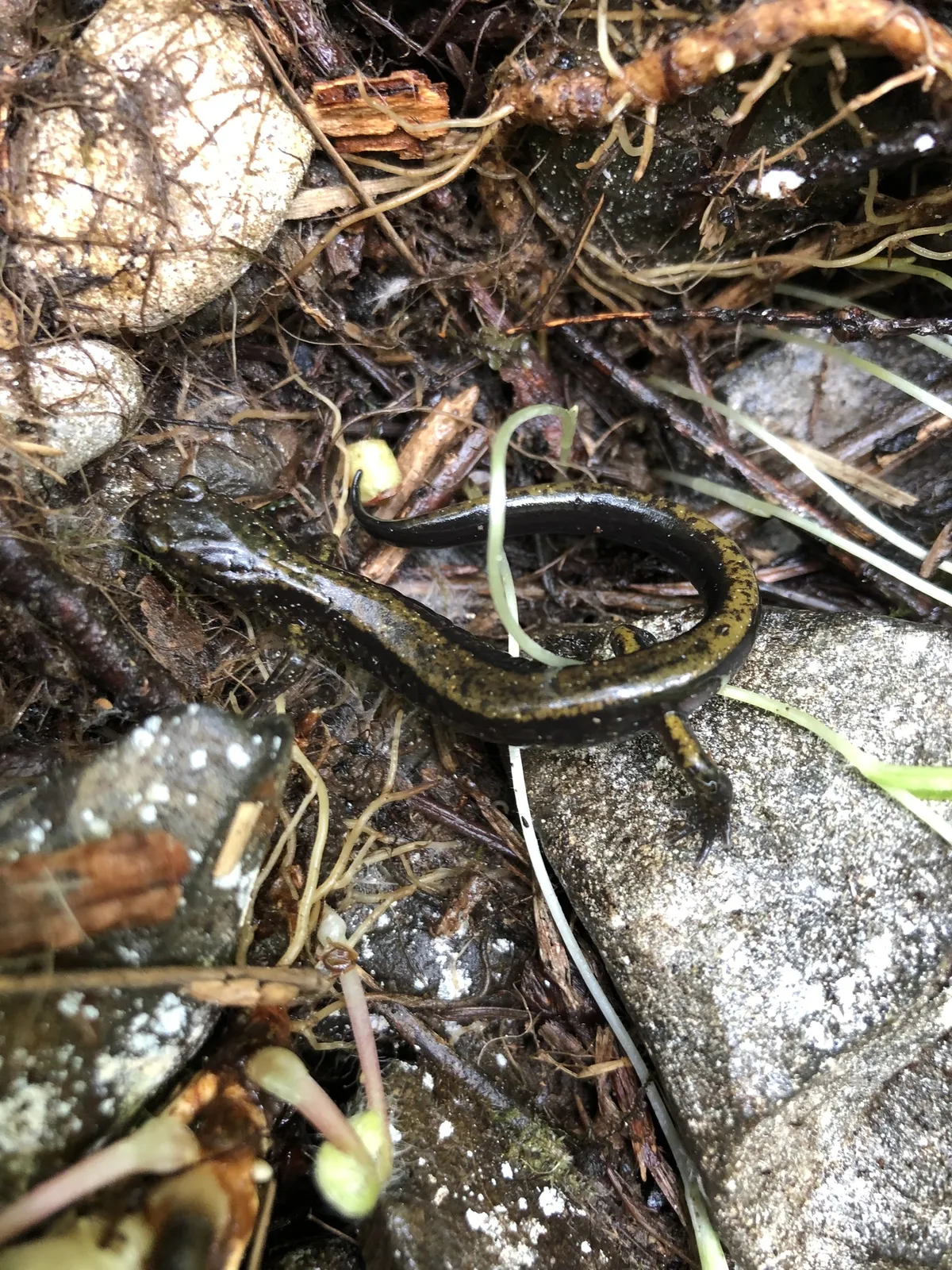
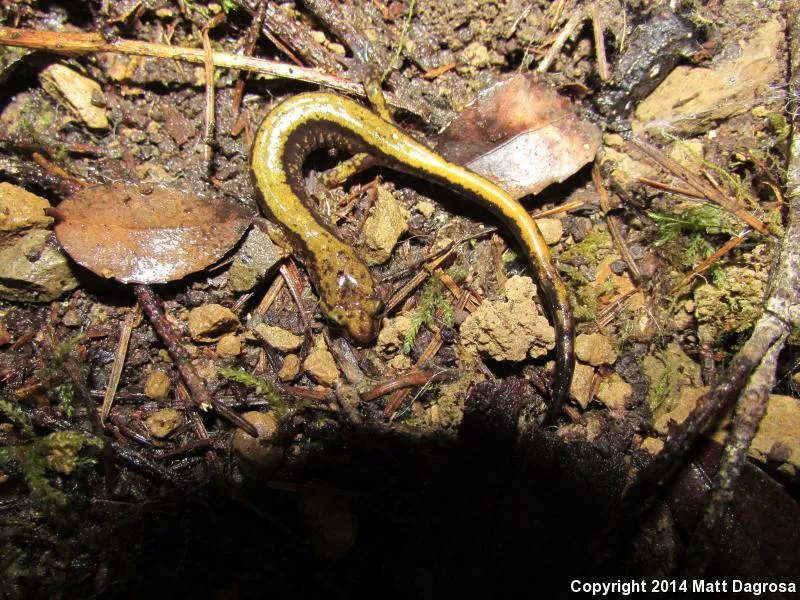
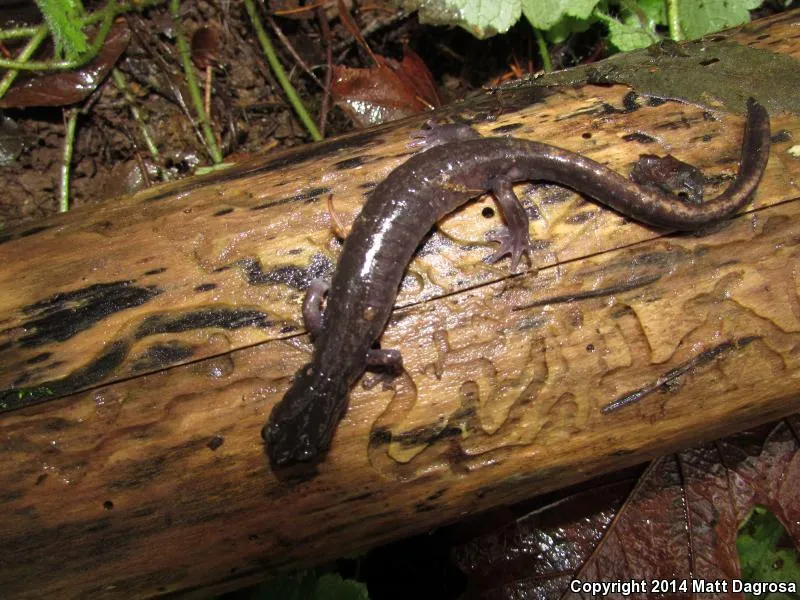
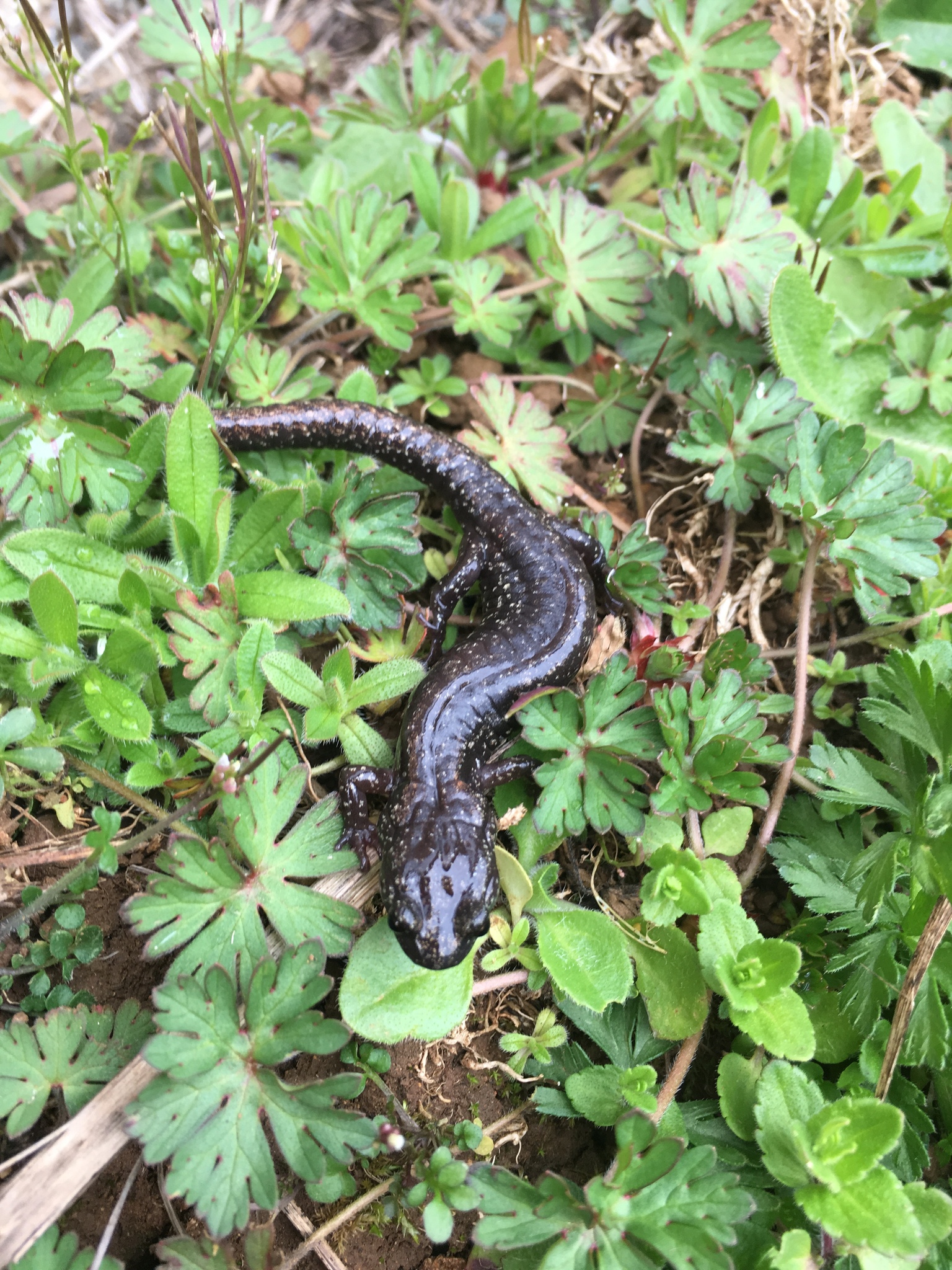
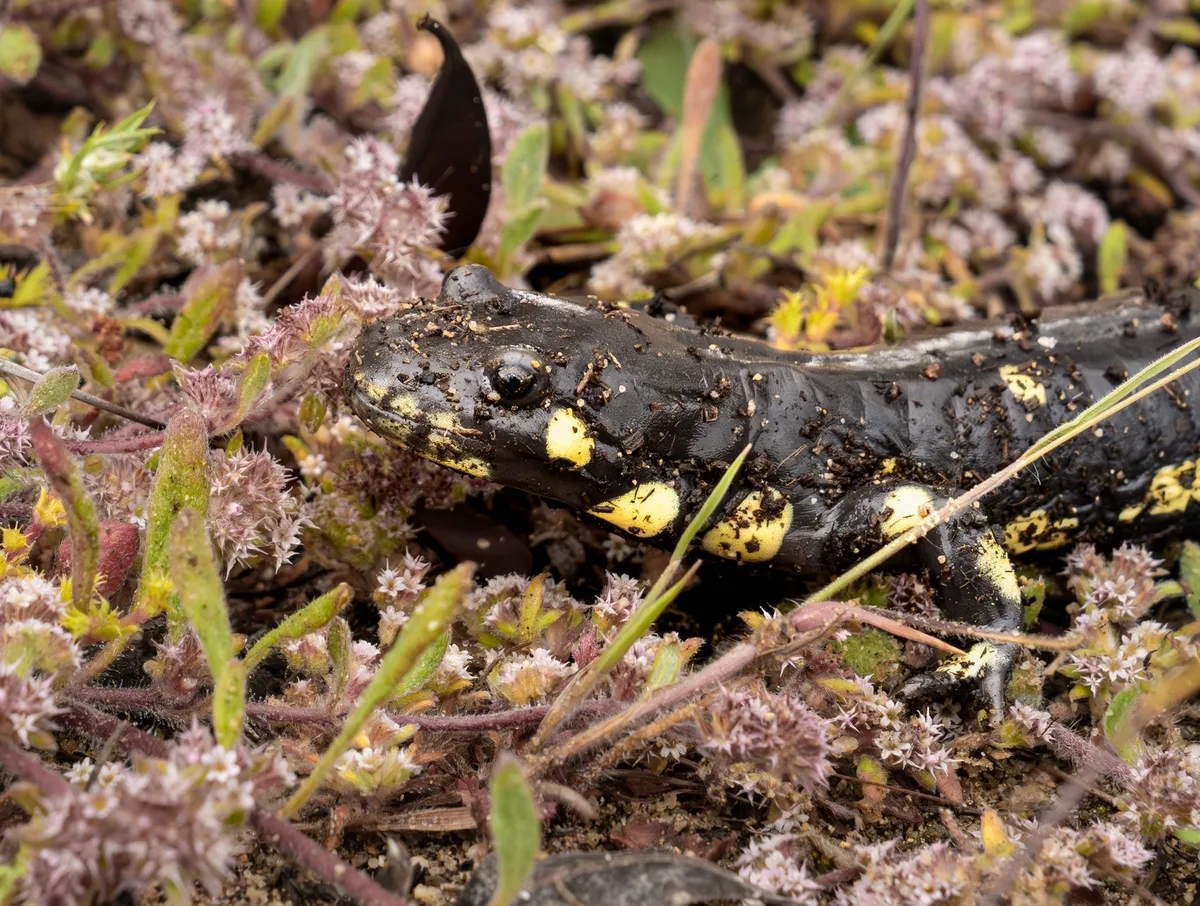
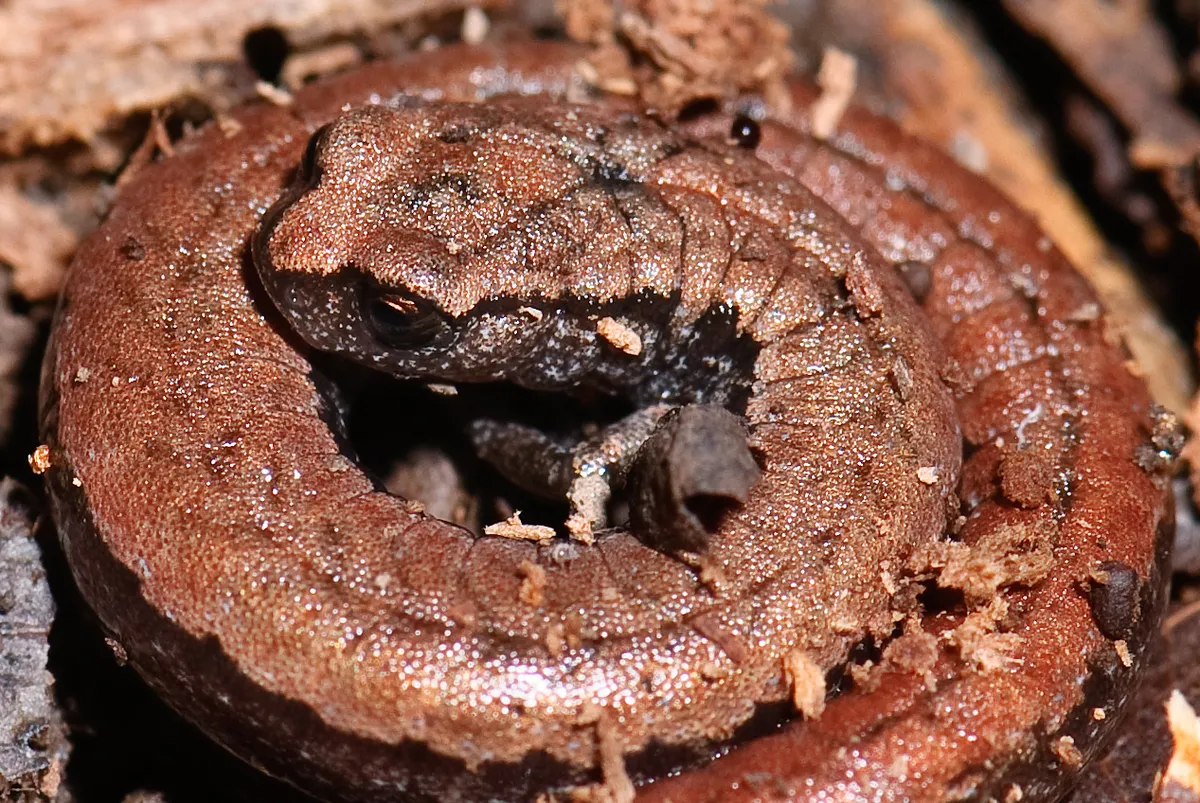
A terrestrial plethodontid salamander endemic to the Pacific Northwest region of North America, characterized by its lungless respiration and direct development reproductive strategy.
Image Gallery
ADSENSE SLOT
Ecology & Habitat
Habitat
Moist coniferous and mixed forest environments in Oregon and northwestern California, typically found under logs, rocks, and leaf litter in humid, cool microhabitats at elevations between 100-1,500 meters.
Ecological Role
Critical component of forest floor ecosystem, controlling invertebrate populations and serving as prey for small predators, contributing to forest nutrient cycling and biodiversity.
Morphology
SKIN COATSmooth, permeable skin that enables cutaneous respiration, dark gray to black with variable pale spotting or marbling
LIMBS WINGSFour relatively short limbs with five digits on each hand and foot, adapted for terrestrial locomotion
HEAD SENSORYProminent eyes, well-developed nasolabial grooves for chemical sensing, small narrow head
BODY STRUCTURESlender body, approximately 7-13 cm in total length, with a relatively long tail and smooth, moist skin
Data Source: TaxonHub Database
Image Credit: Greg Schechter