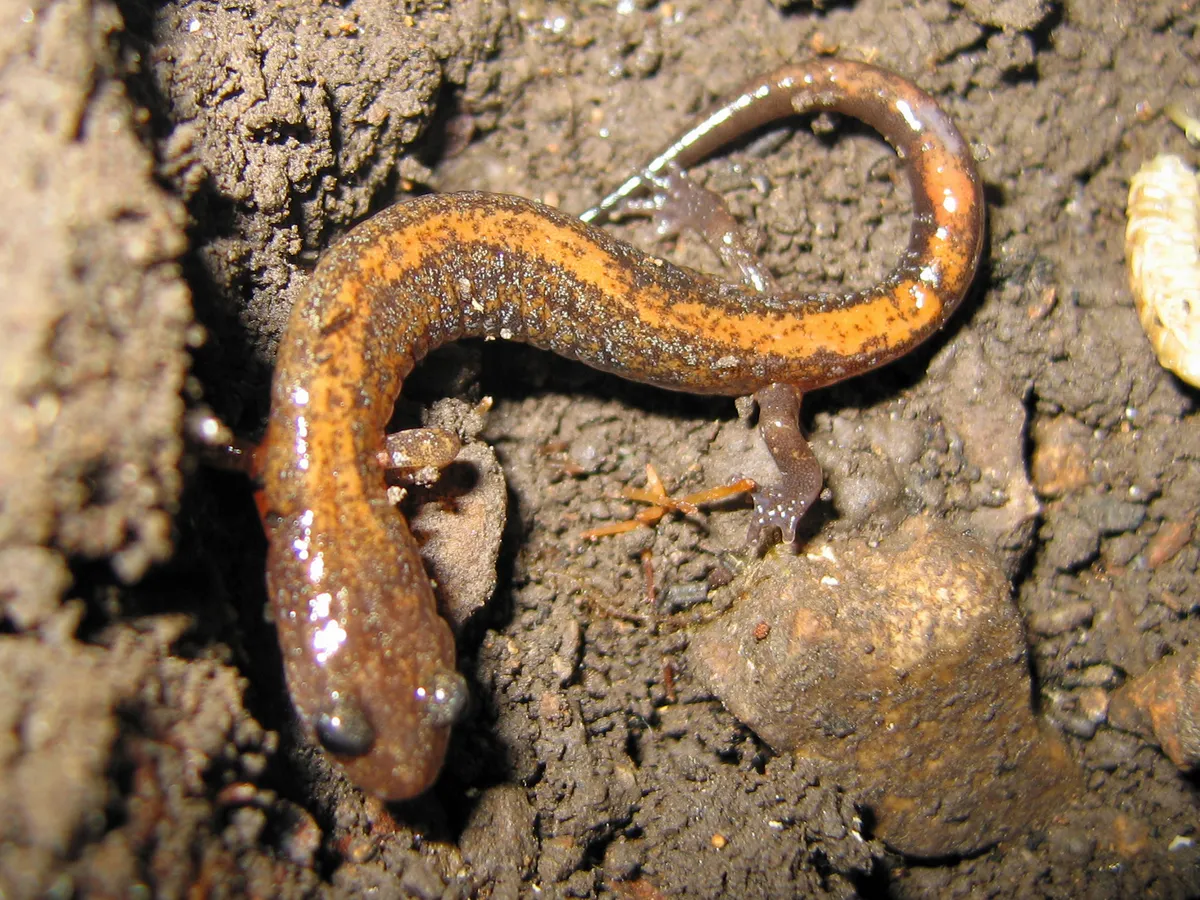
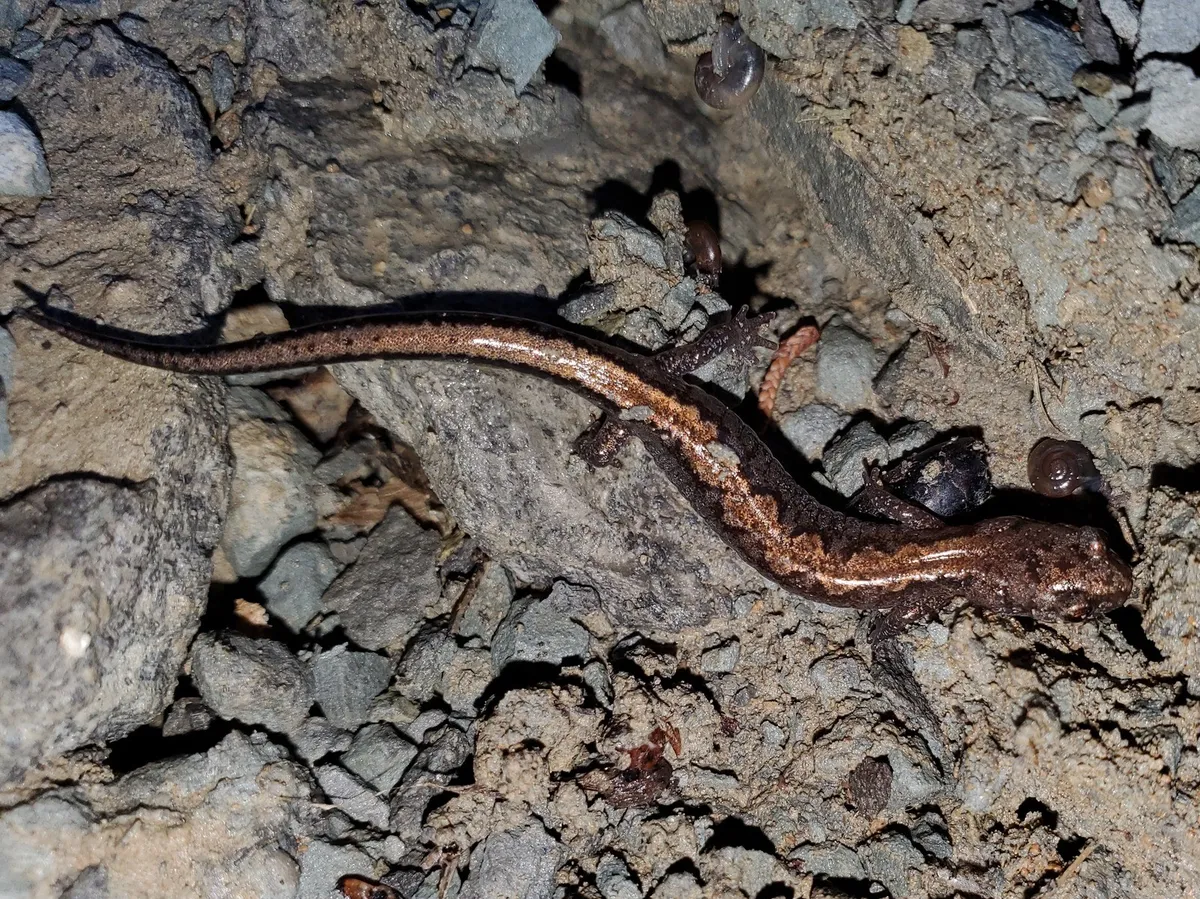
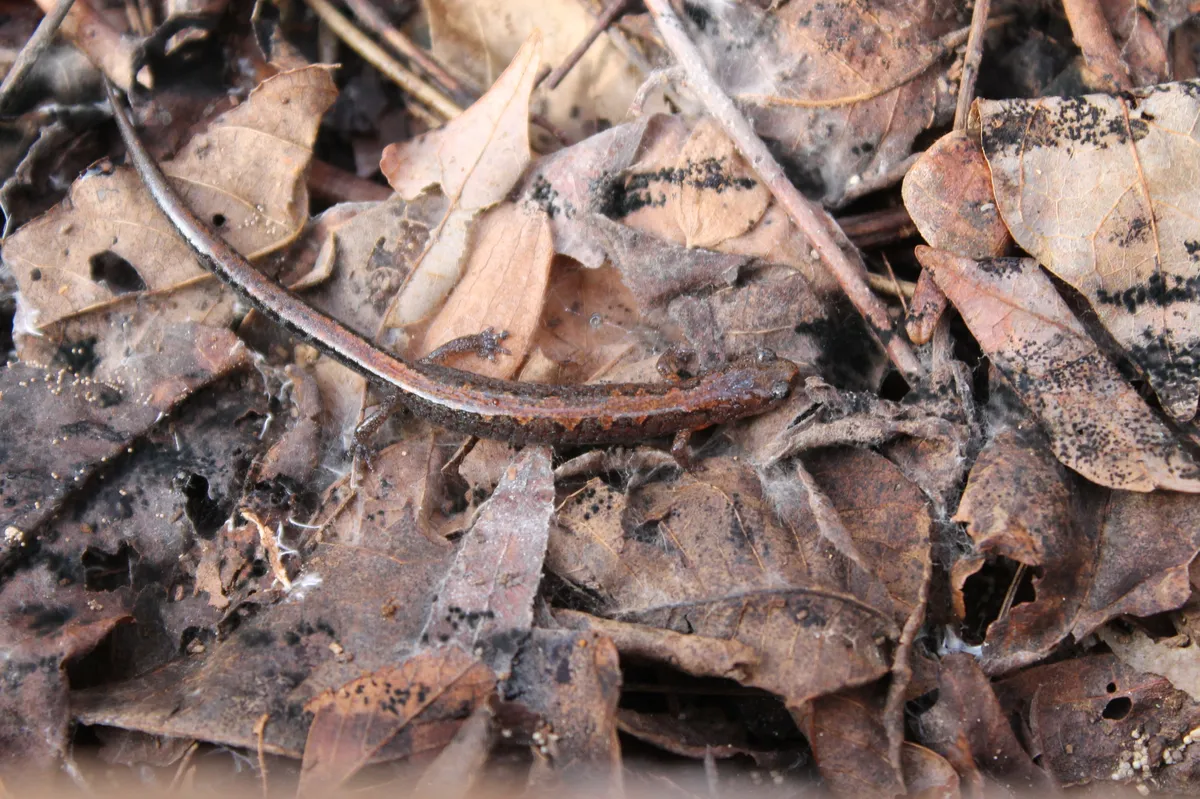
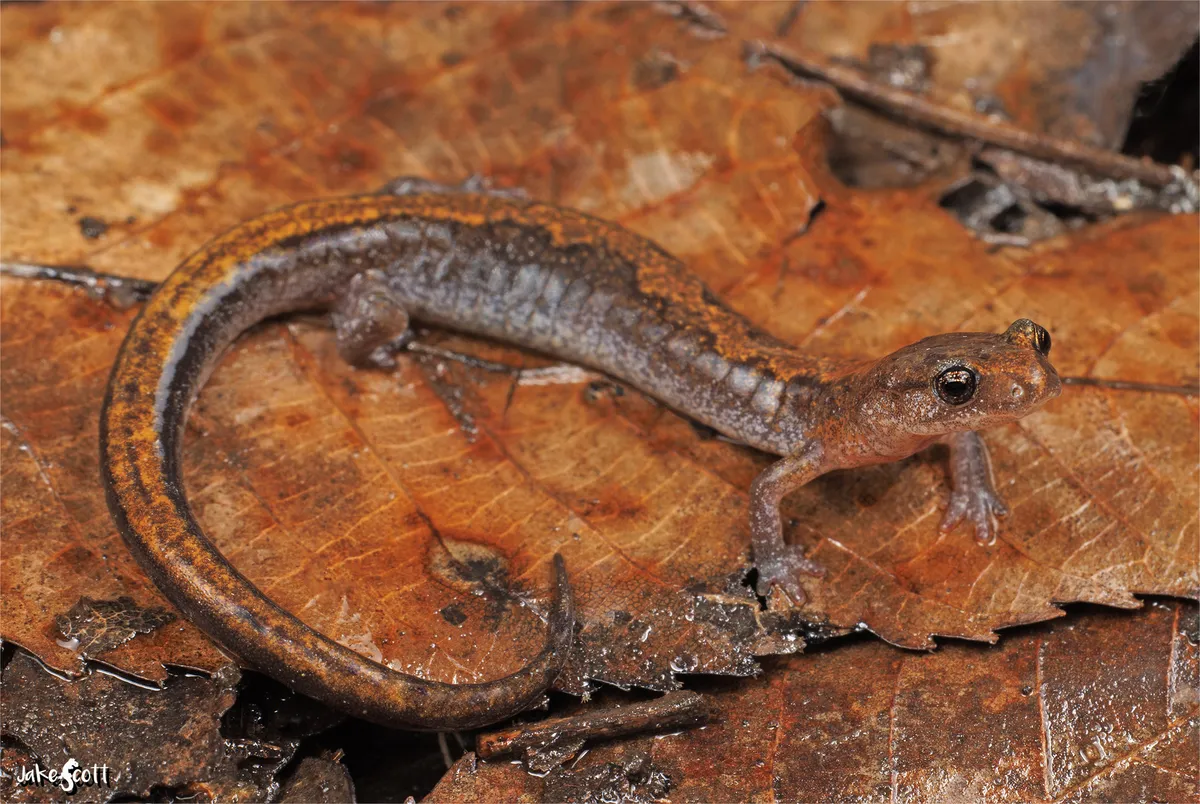
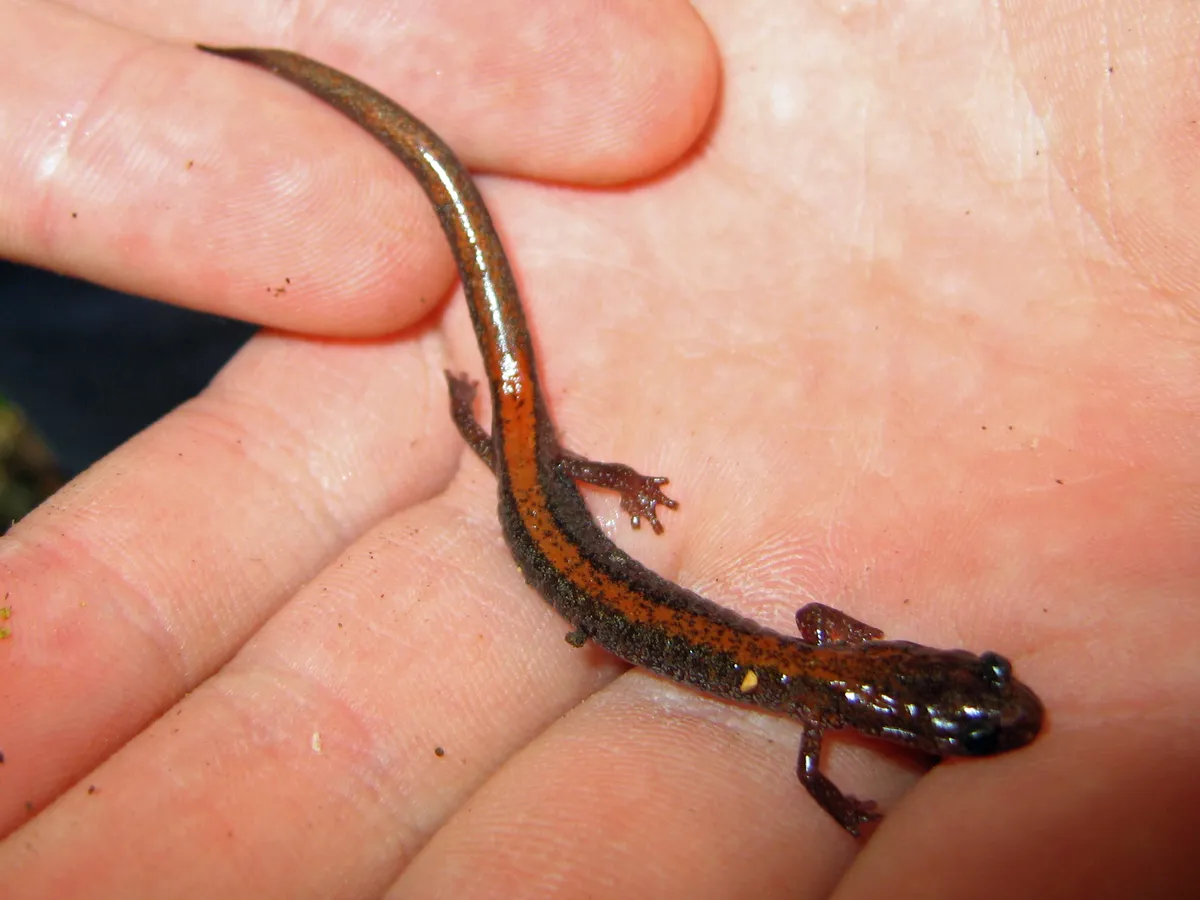
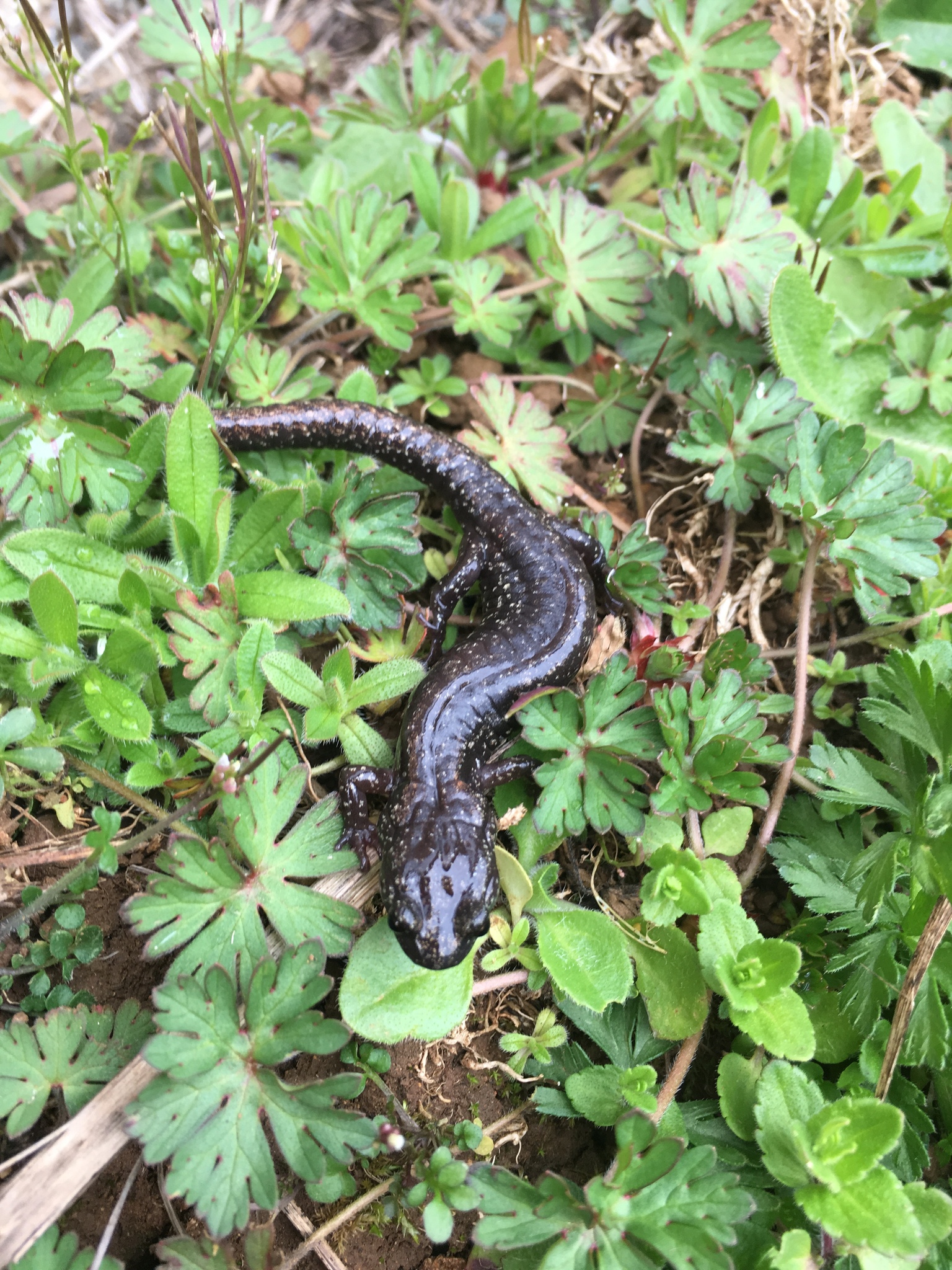
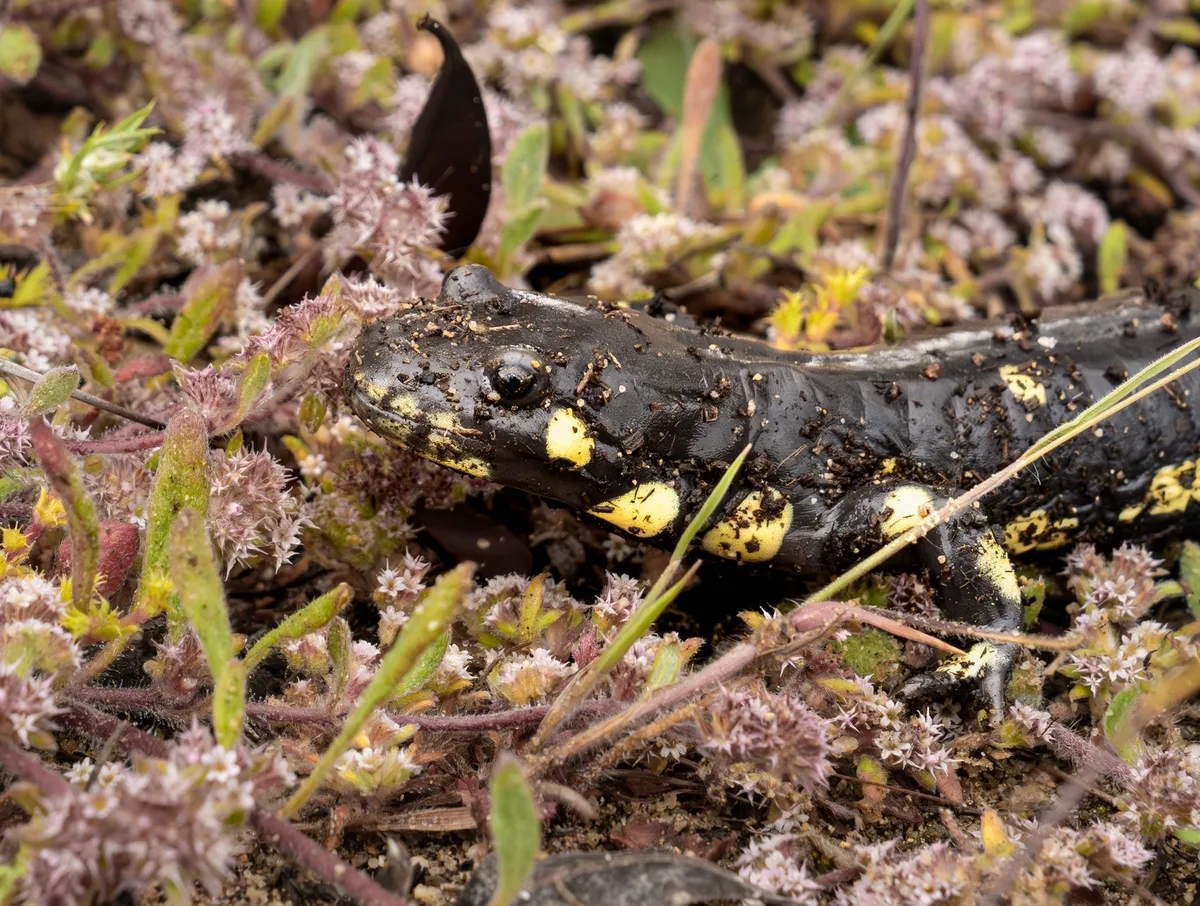
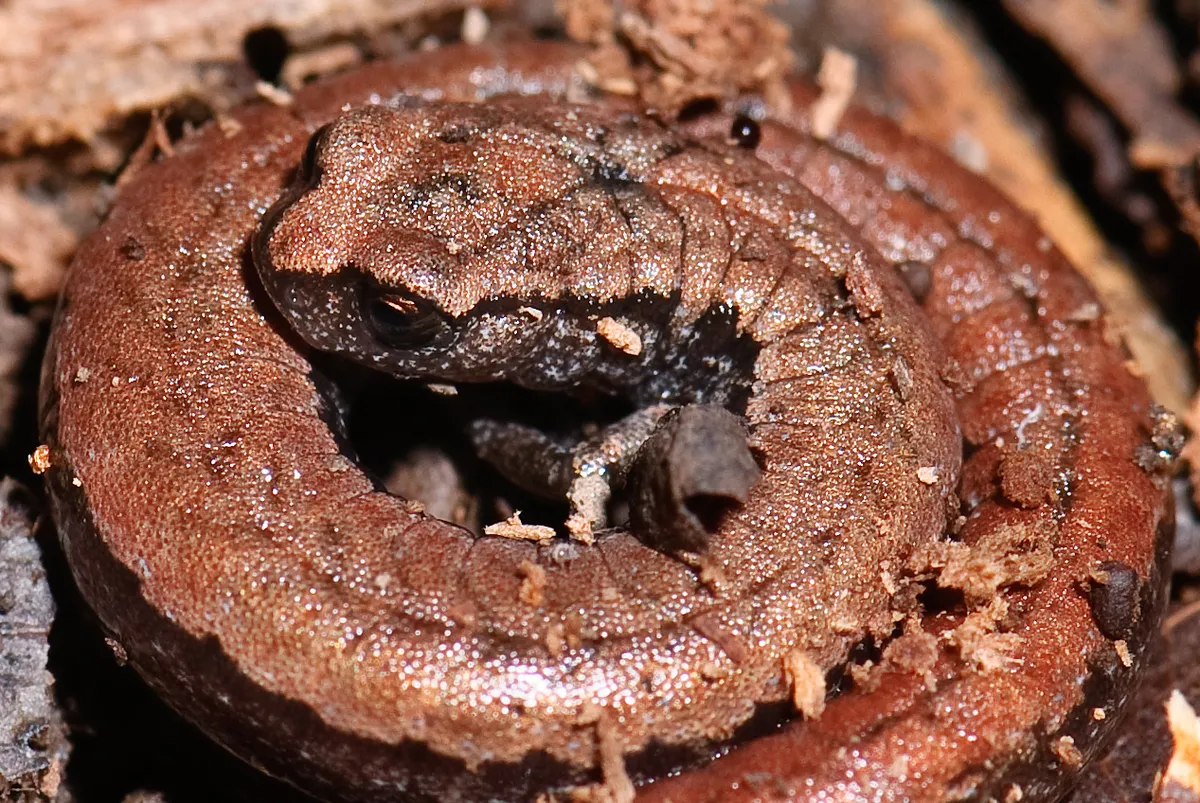
A small terrestrial salamander species endemic to the eastern United States, characterized by distinctive dorsal zigzag patterning and adapted to forest floor ecosystems.
Image Gallery
ADSENSE SLOT
Ecology & Habitat
Habitat
Deciduous and mixed forests in eastern United States, primarily in woodland leaf litter, under logs, rocks, and in moist microenvironments with high humidity and moderate temperatures between 10-25°C.
Ecological Role
Critical component of forest floor food webs, consuming small invertebrates and serving as prey for larger predators, contributing to ecosystem nutrient cycling and invertebrate population control.
Morphology
SKIN COATSmooth, moist skin permeable to oxygen, dark pigmentation with zigzag pattern for camouflage
LIMBS WINGSFour relatively short limbs with five digits, adapted for terrestrial locomotion and burrowing
HEAD SENSORYSmall head with prominent eyes, well-developed chemosensory capabilities, using nasolabial grooves for chemical detection
BODY STRUCTURESmall salamander, typically 7-12 cm in total length, slender body with distinctive dorsal zigzag pattern in dark brown or black with lighter lateral markings
Data Source: TaxonHub Database
Image Credit: GregTheBusker