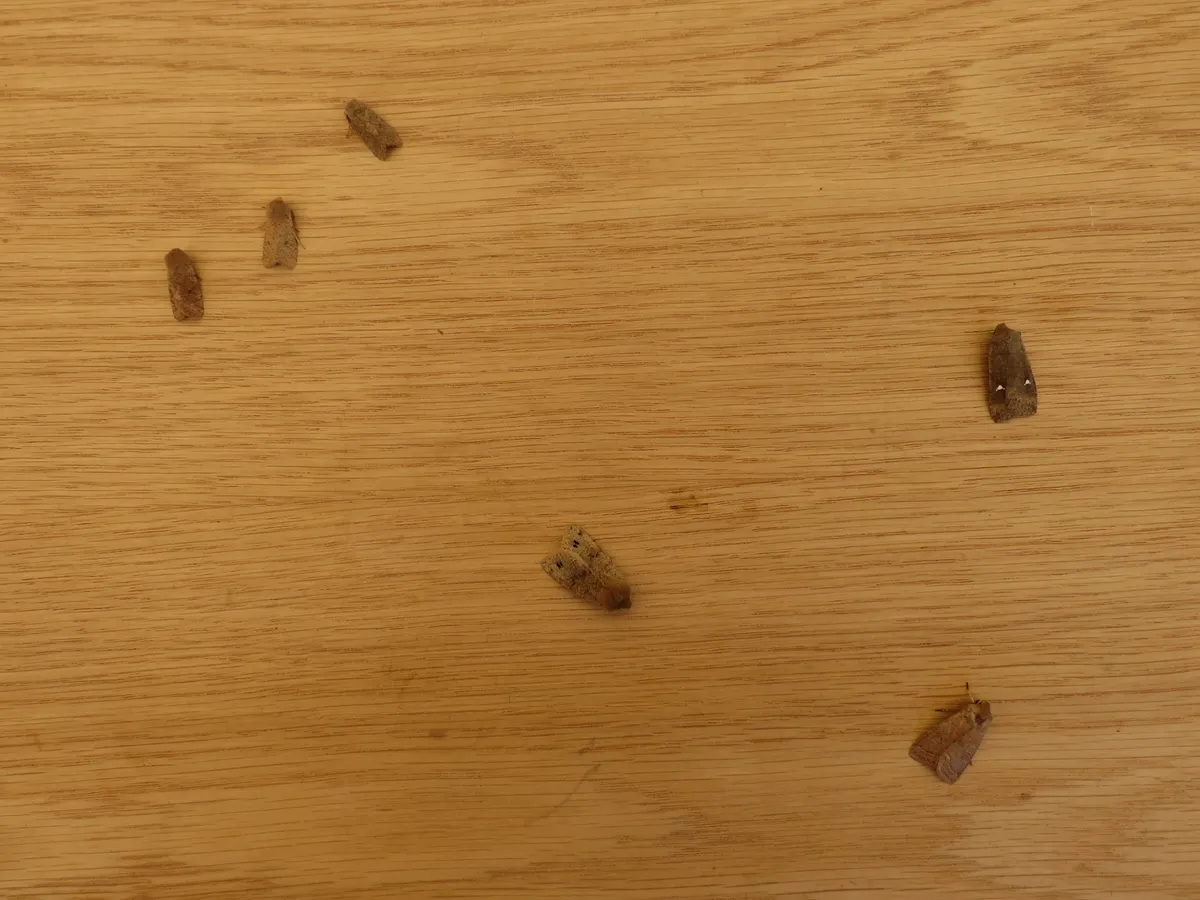
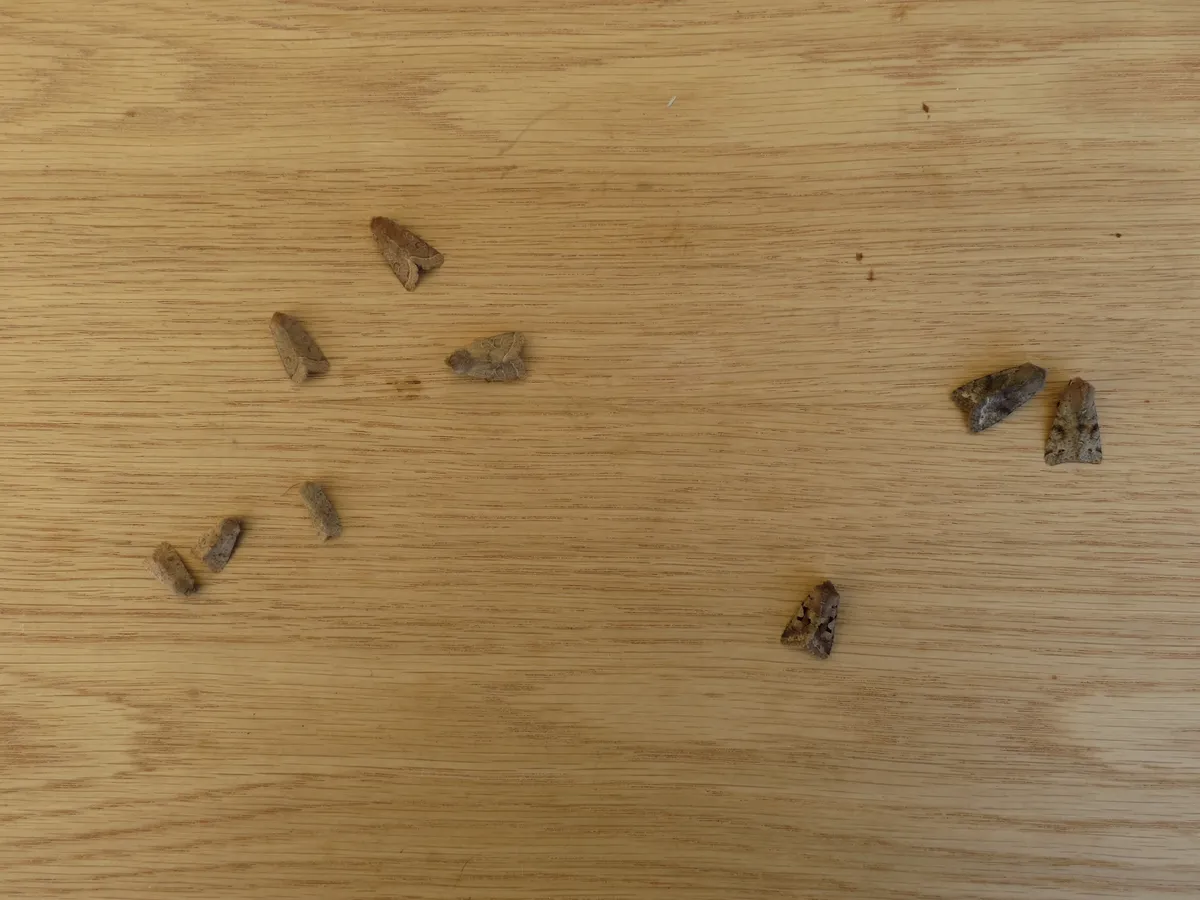
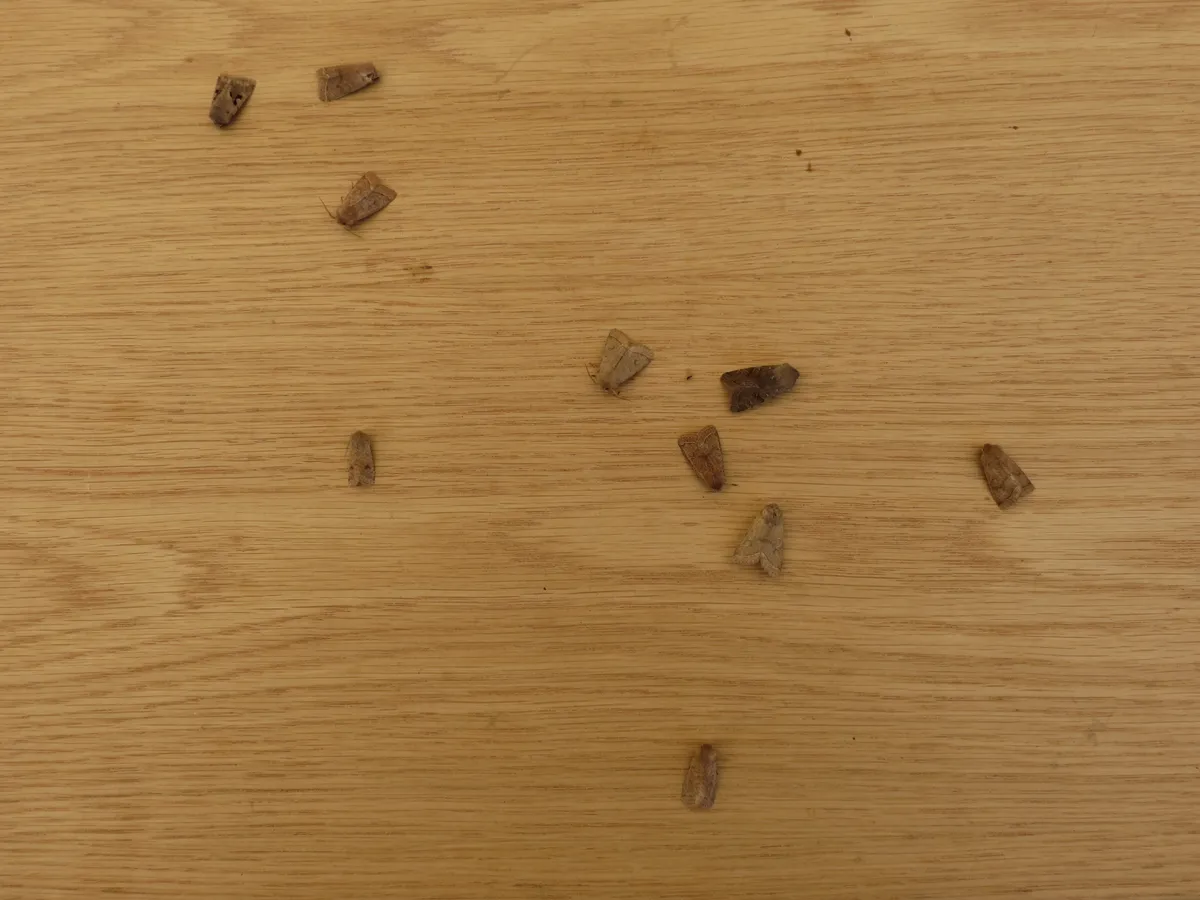
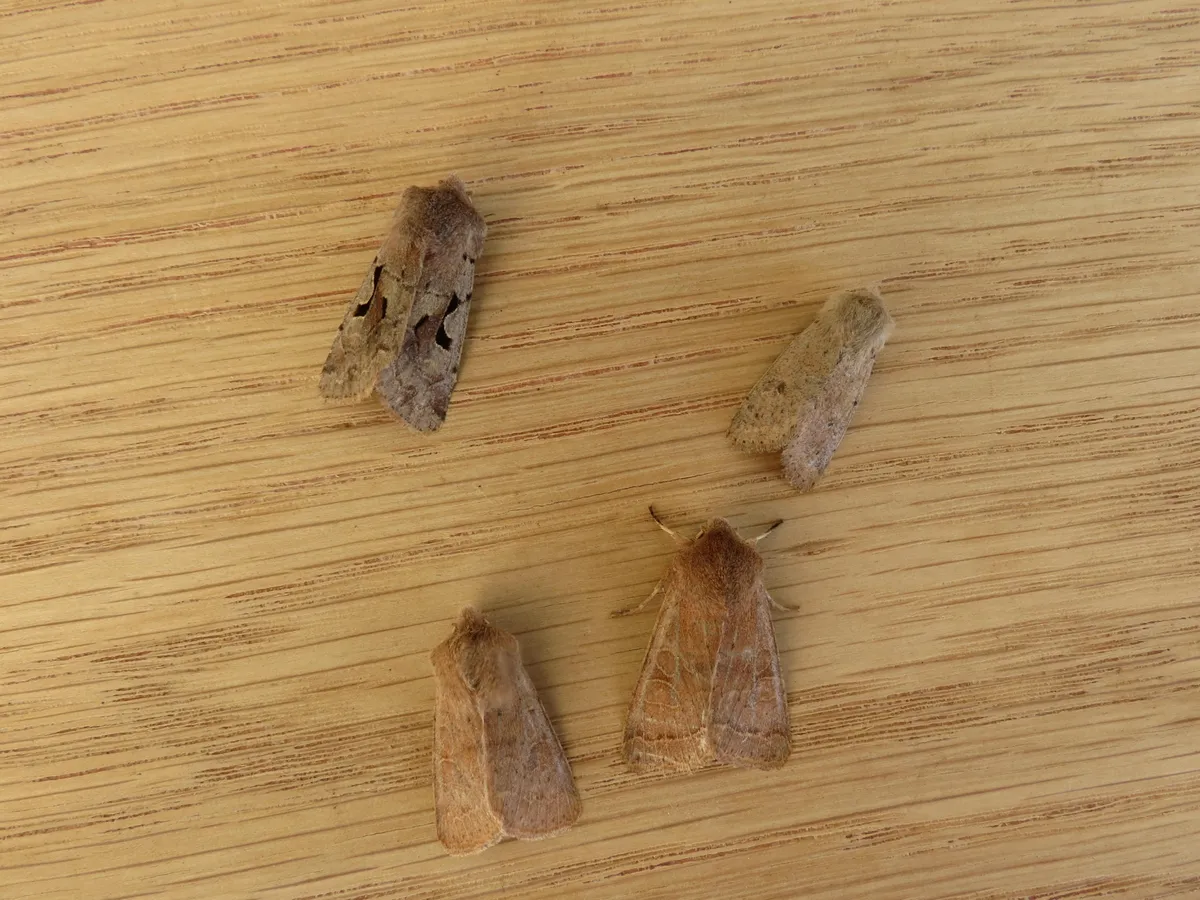
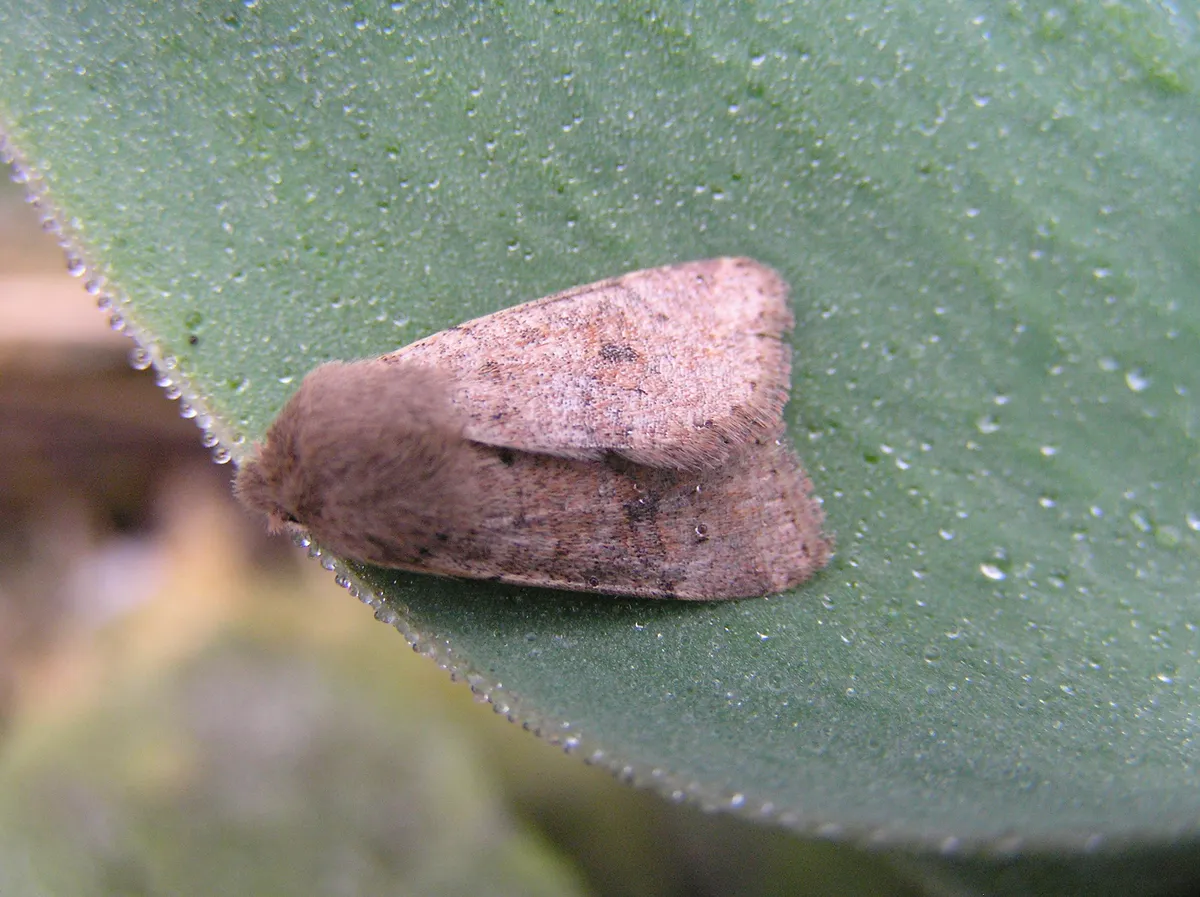
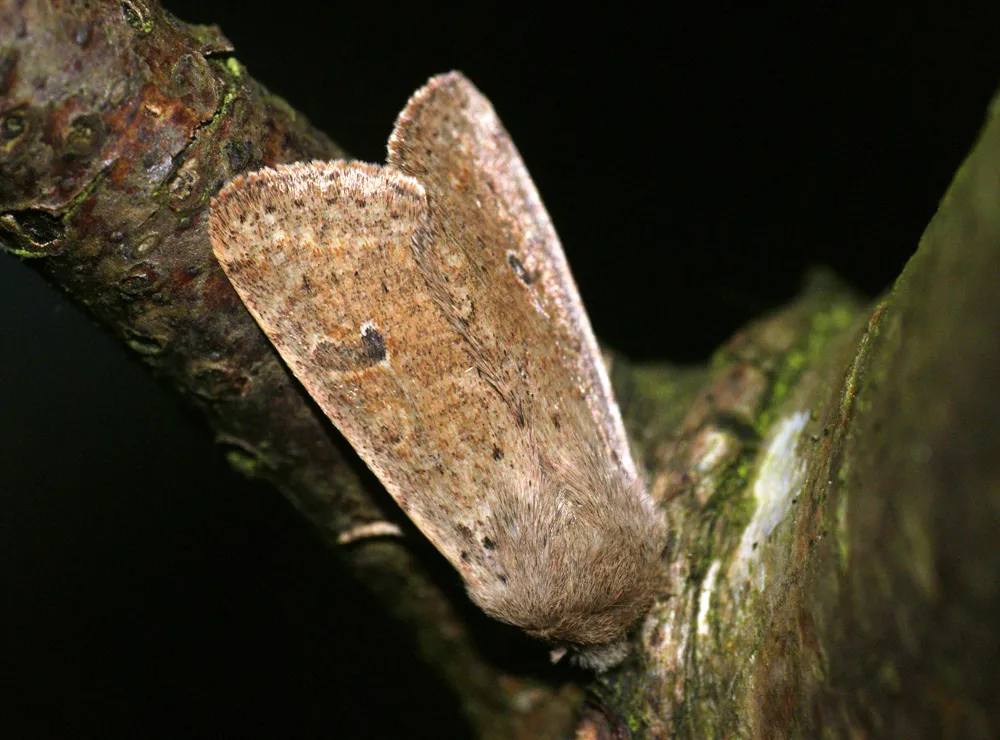
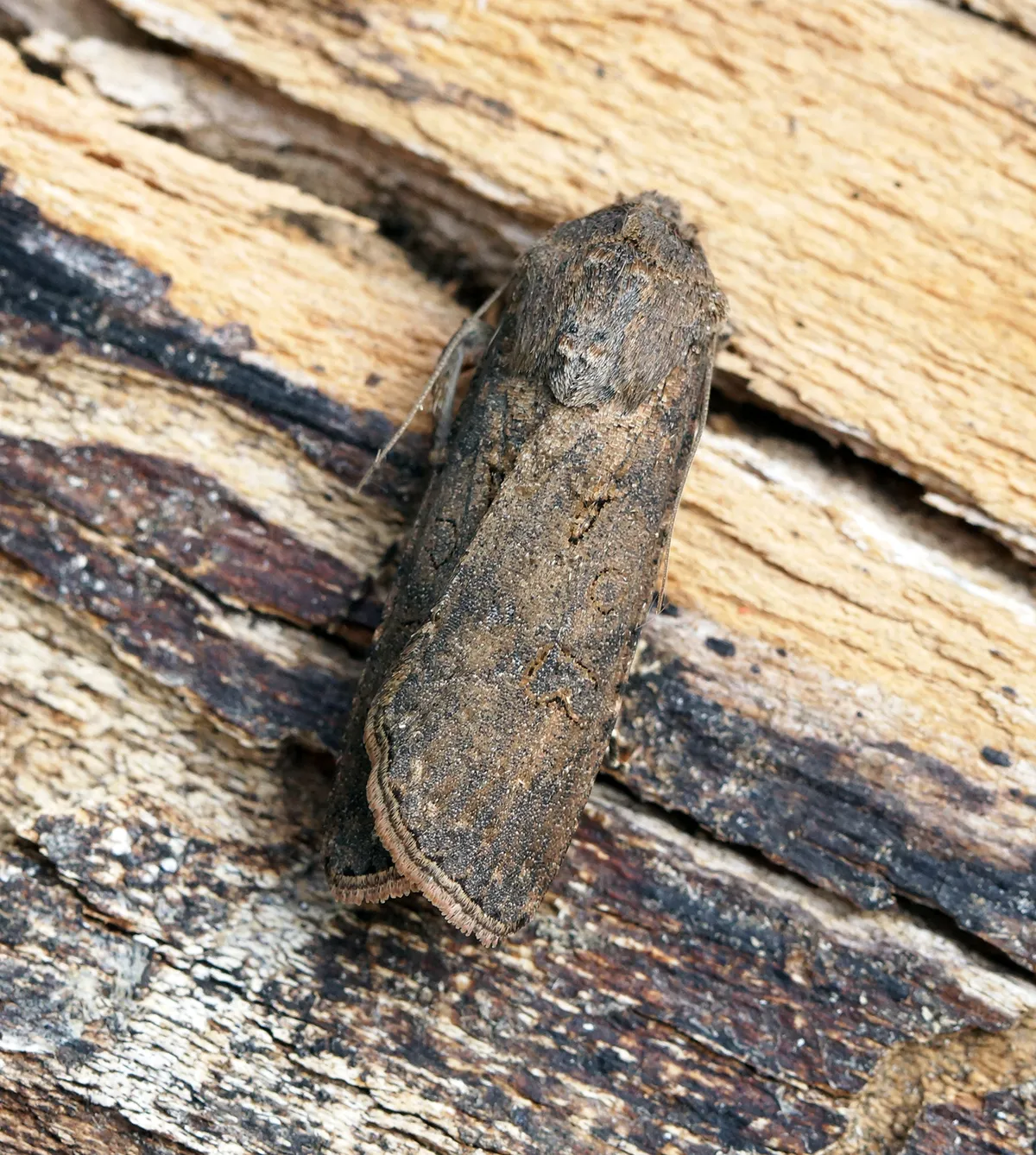
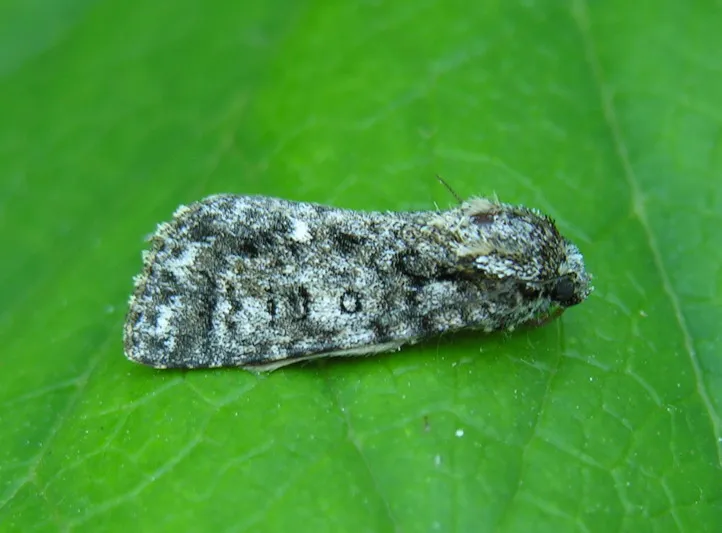
A nocturnal moth species belonging to the Noctuidae family, characterized by its muted brown and gray coloration that provides excellent camouflage in woodland habitats.
Image Gallery
ADSENSE SLOT
Ecology & Habitat
Habitat
Temperate deciduous and mixed forests across Europe, particularly prevalent in woodland edges, forest clearings, and mature tree-rich landscapes.
Ecological Role
Important pollinator and prey species within forest ecosystems, contributing to food webs and supporting biodiversity by serving as a food source for birds, bats, and small predatory mammals.
Morphology
SKIN COATScaled wing surfaces with microscopic overlapping keratin-based scales
LIMBS WINGSTwo pairs of lepidopteran wings, forewings with mottled brown-gray camouflage pattern
HEAD SENSORYCompound eyes, sensitive antennae for detecting pheromones and environmental cues
BODY STRUCTURESmall moth with wingspan of 35-45 mm, compact body with triangular wing configuration
Data Source: TaxonHub Database
Image Credit: Donald Hobern from Copenhagen, Denmark