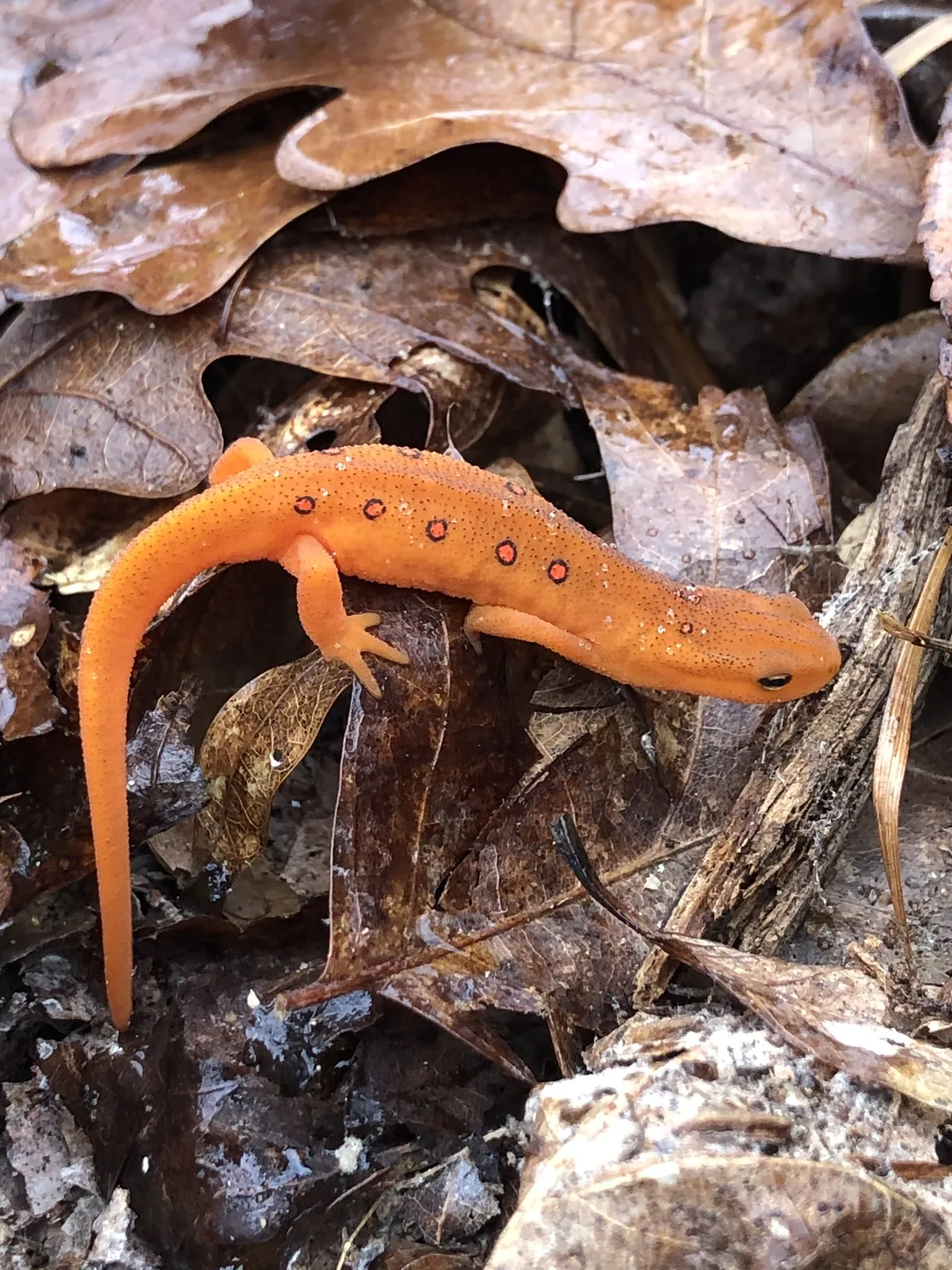
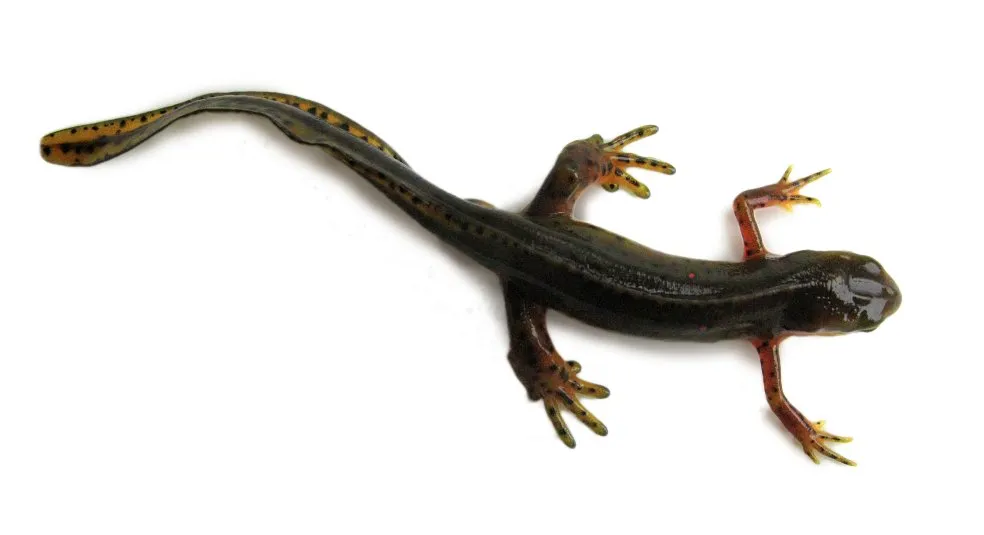
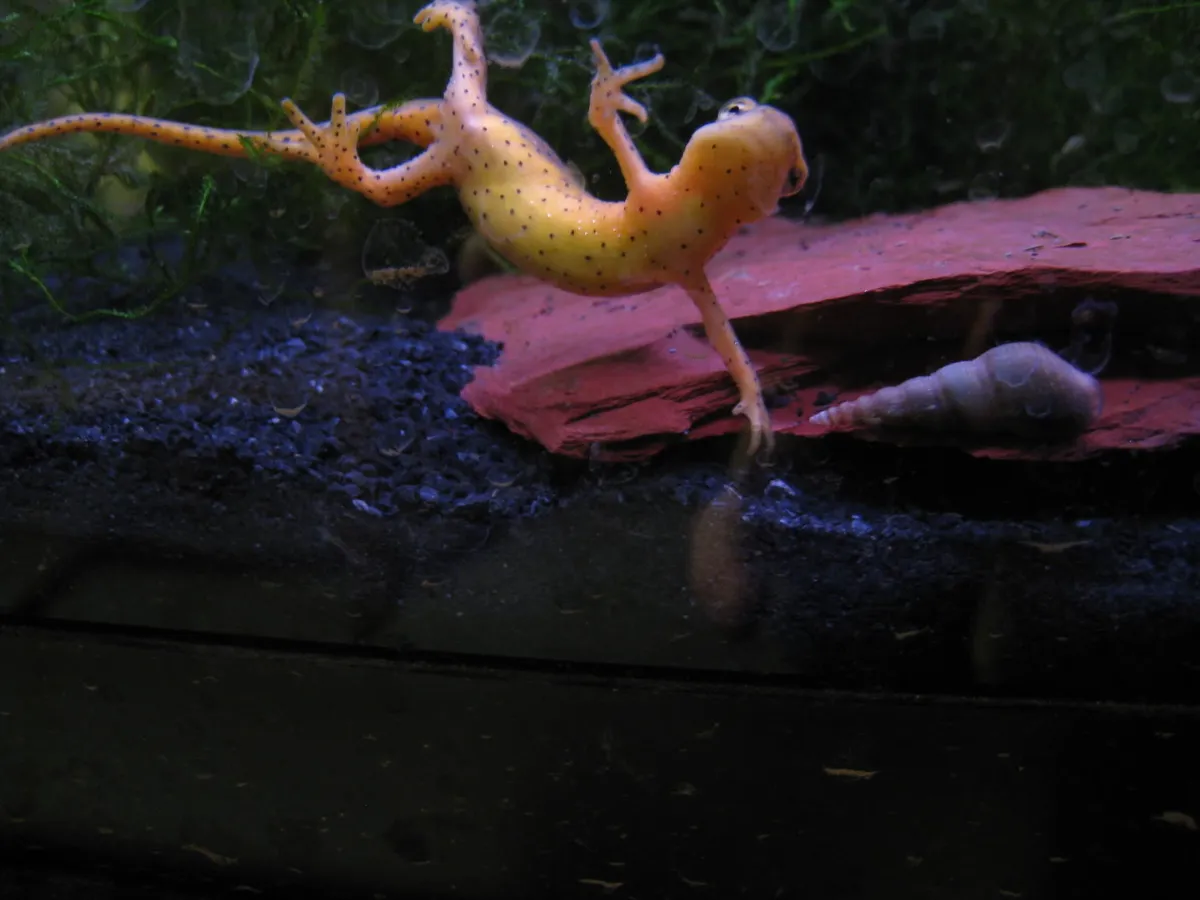
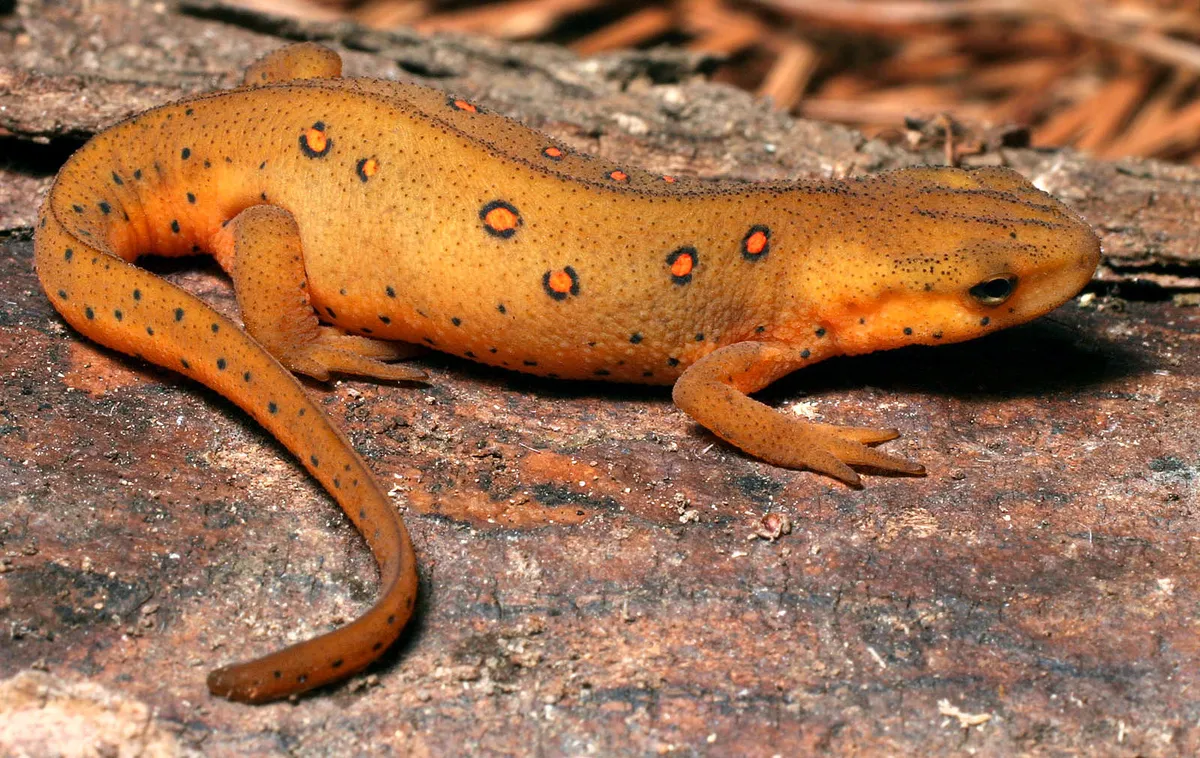
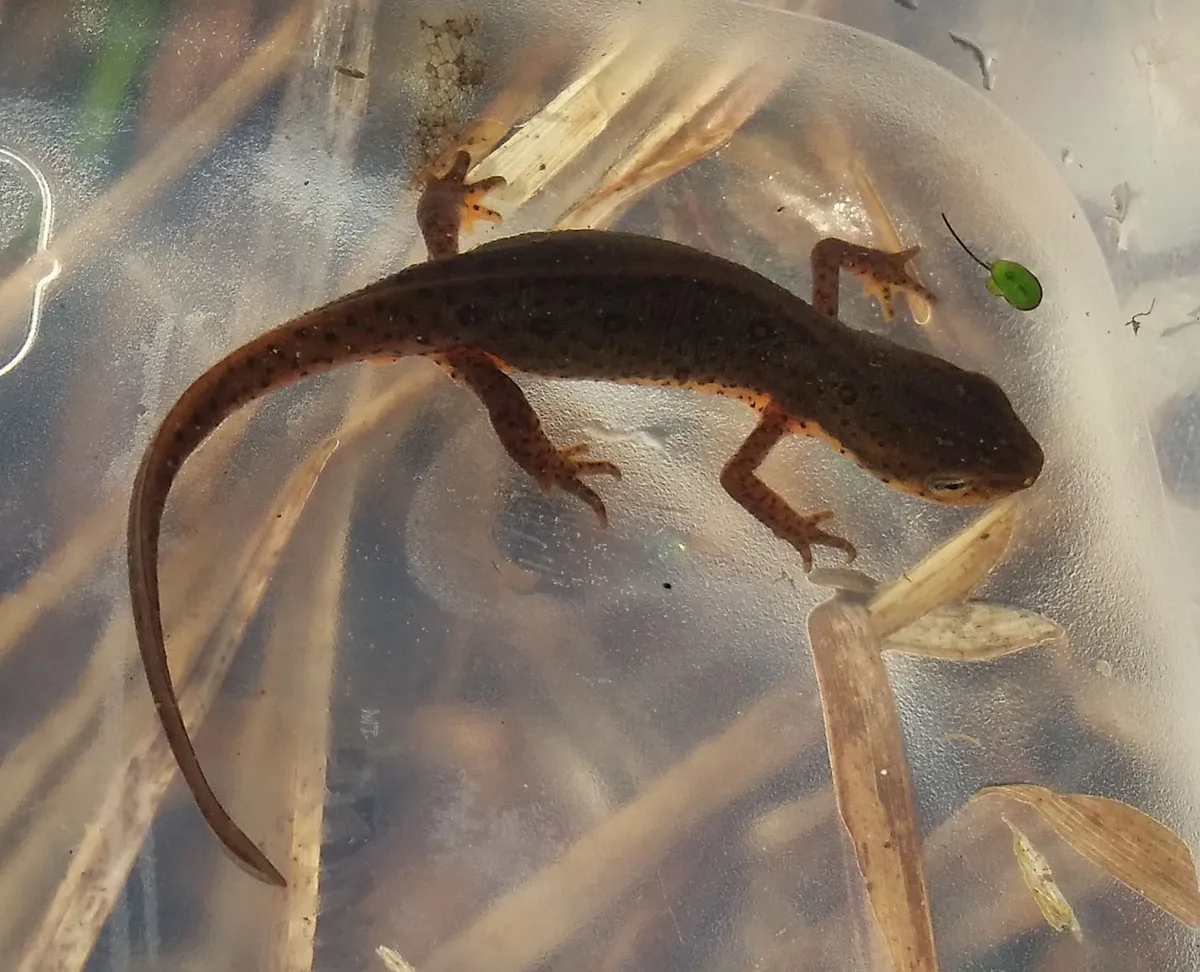
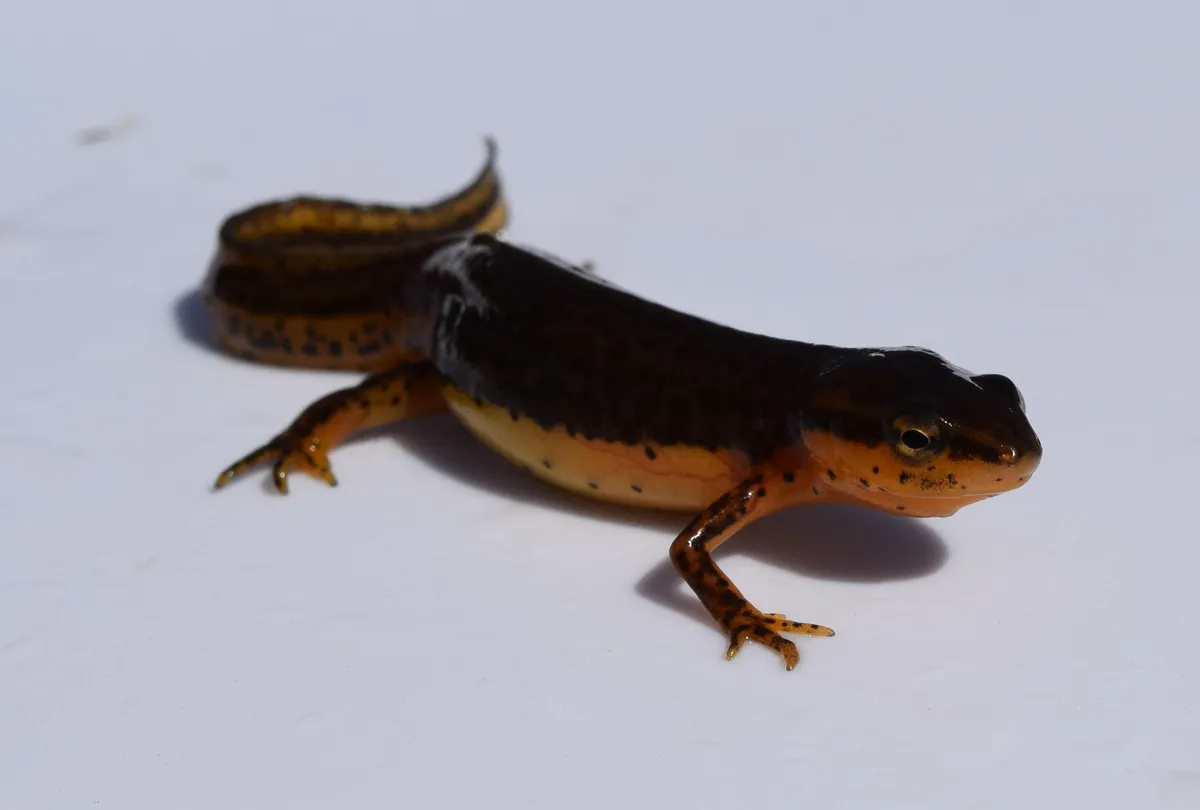
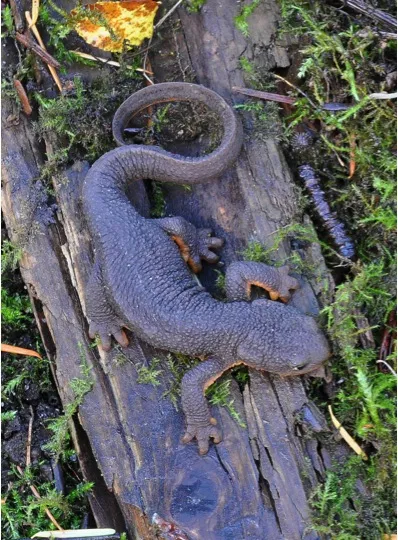
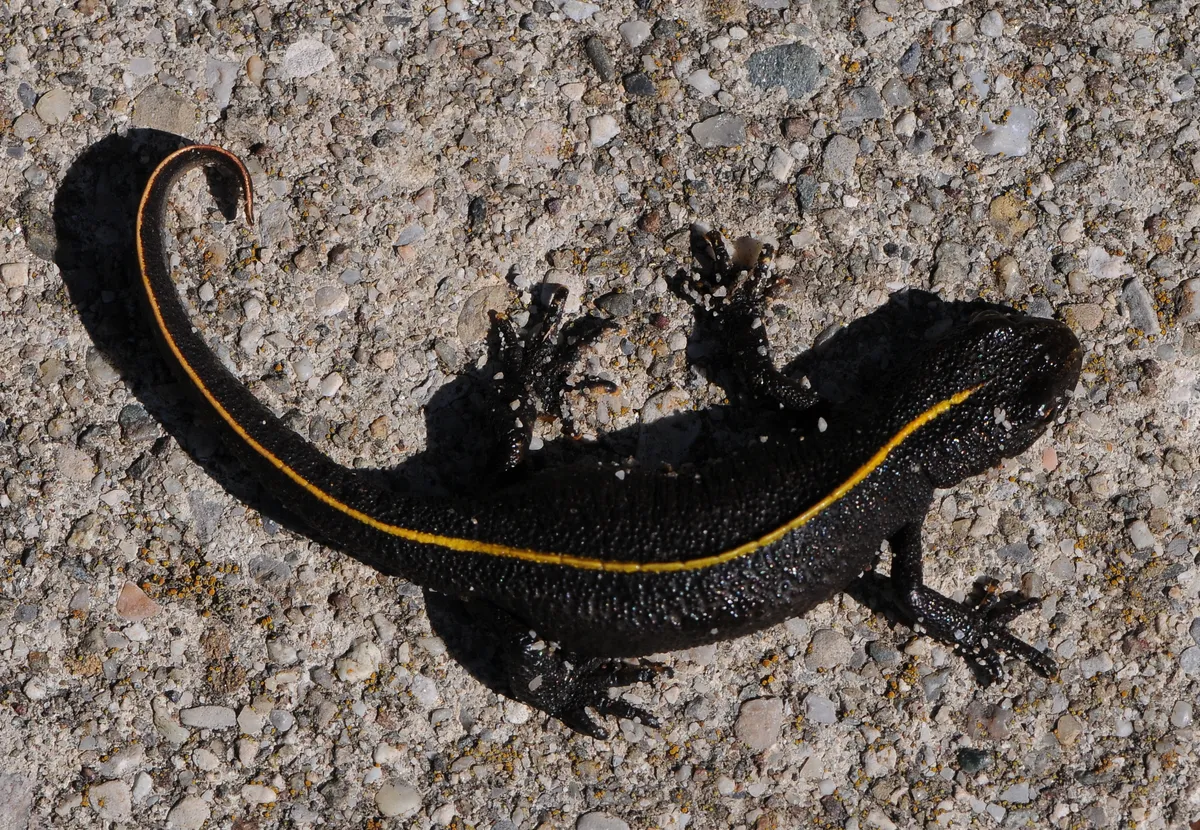
A small salamander species native to eastern North America, characterized by three distinct life stages with unique morphological adaptations
Image Gallery
ADSENSE SLOT
Ecology & Habitat
Habitat
Freshwater environments including ponds, lakes, streams, and woodland pools across northeastern and southeastern United States; prefers areas with dense vegetation and moderate humidity
Ecological Role
Critical component of aquatic and terrestrial food webs; controls insect populations and serves as prey for larger predators; indicators of ecosystem health and water quality
Morphology
SKIN COATSmooth, permeable skin with bright coloration during red eft stage; olive-green to brown during adult aquatic phase
LIMBS WINGSFour limbs with four digits on front and rear feet; robust limb musculature for swimming and terrestrial locomotion
HEAD SENSORYBroad, flattened head with prominent eyes; well-developed olfactory and chemosensory capabilities for navigation and predator/prey detection
BODY STRUCTURESmall salamander, typically 7-12 cm in total length; slender body with smooth, moist skin; three distinct life stages (aquatic larva, terrestrial juvenile 'red eft', aquatic adult)
Data Source: TaxonHub Database
Image Credit: granolapunk