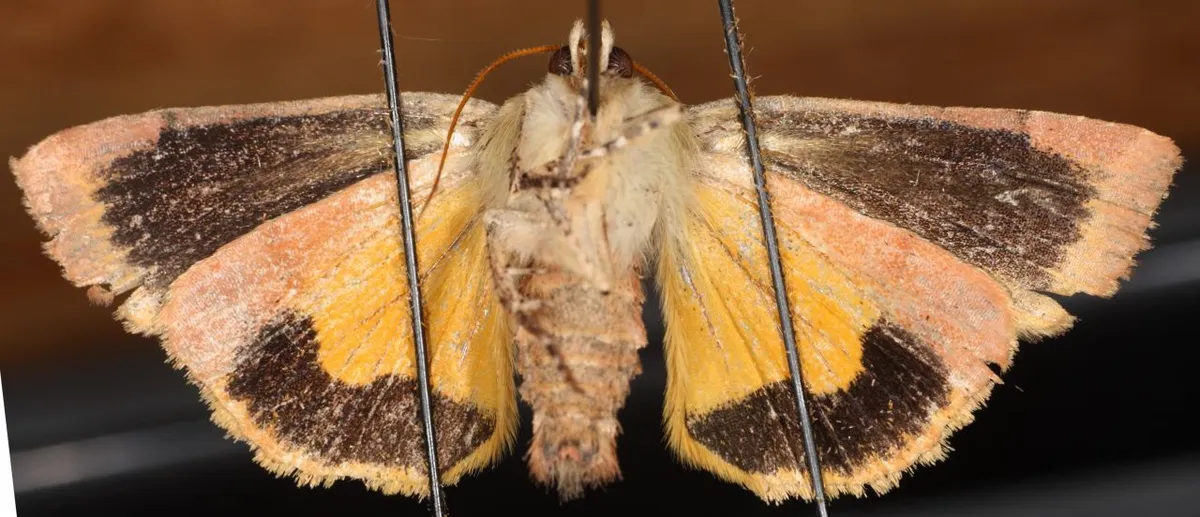
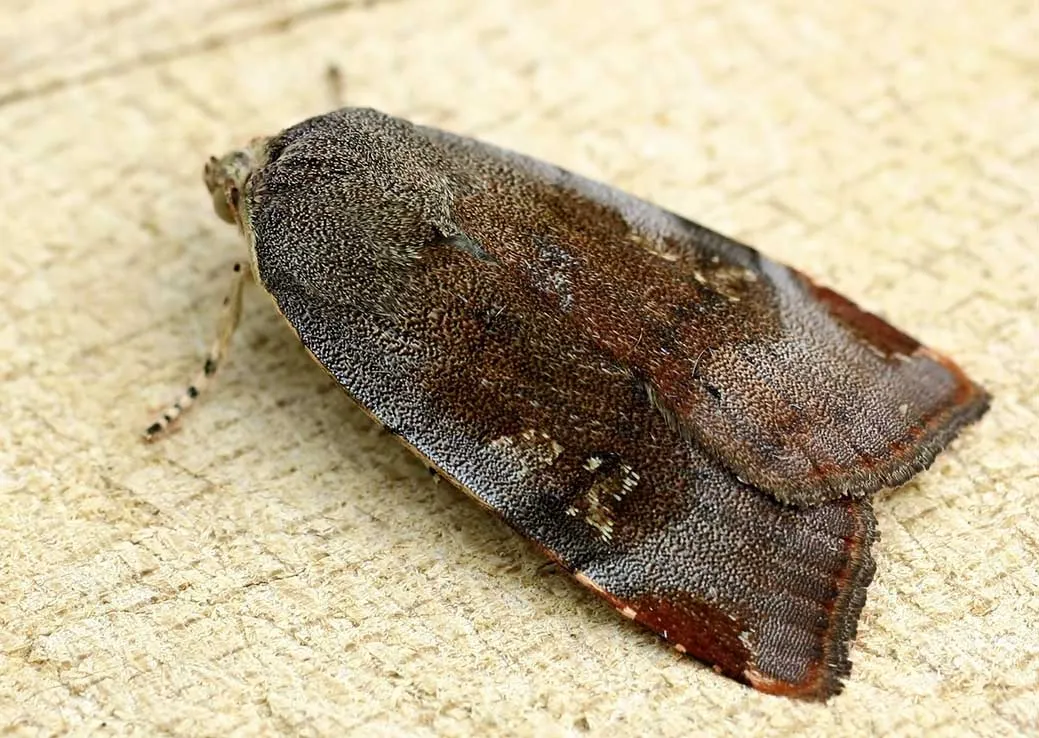
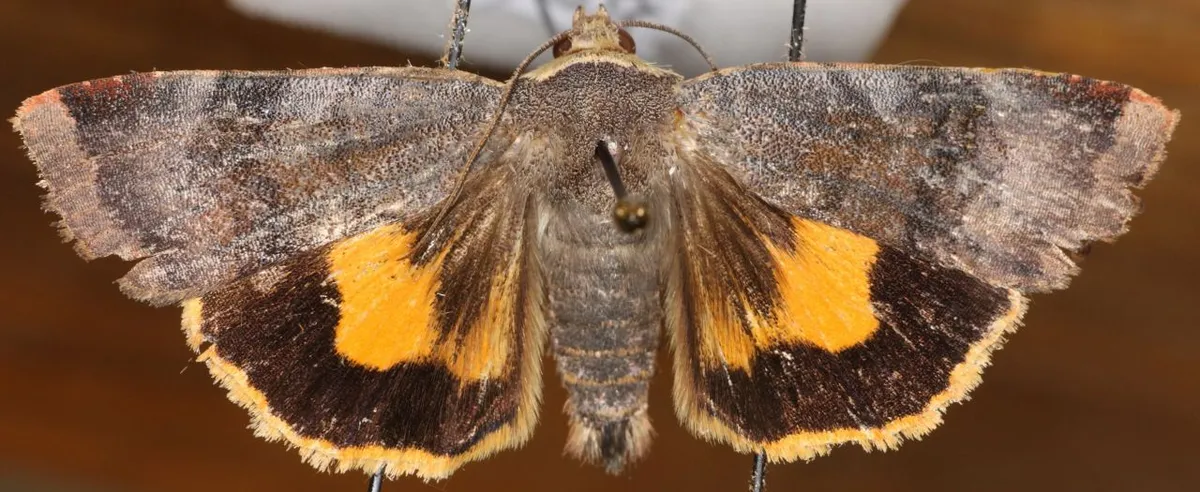
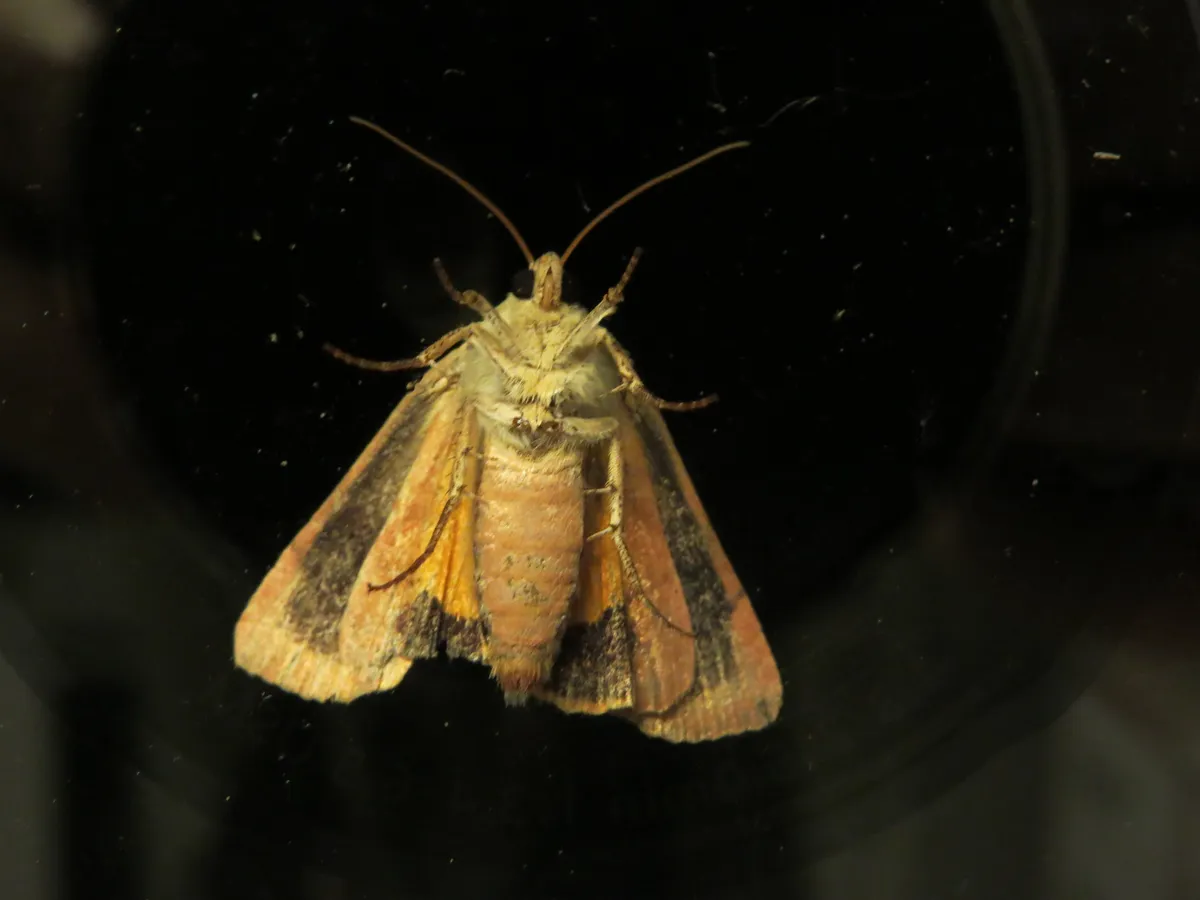
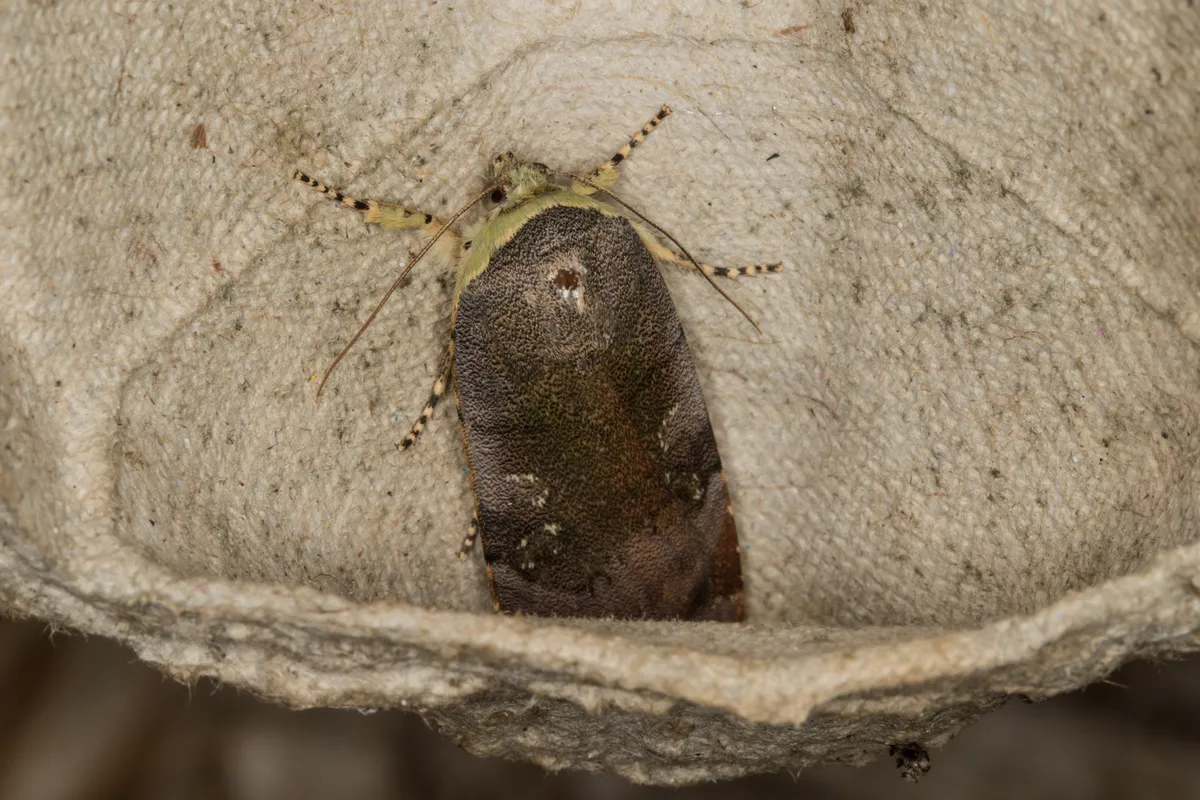
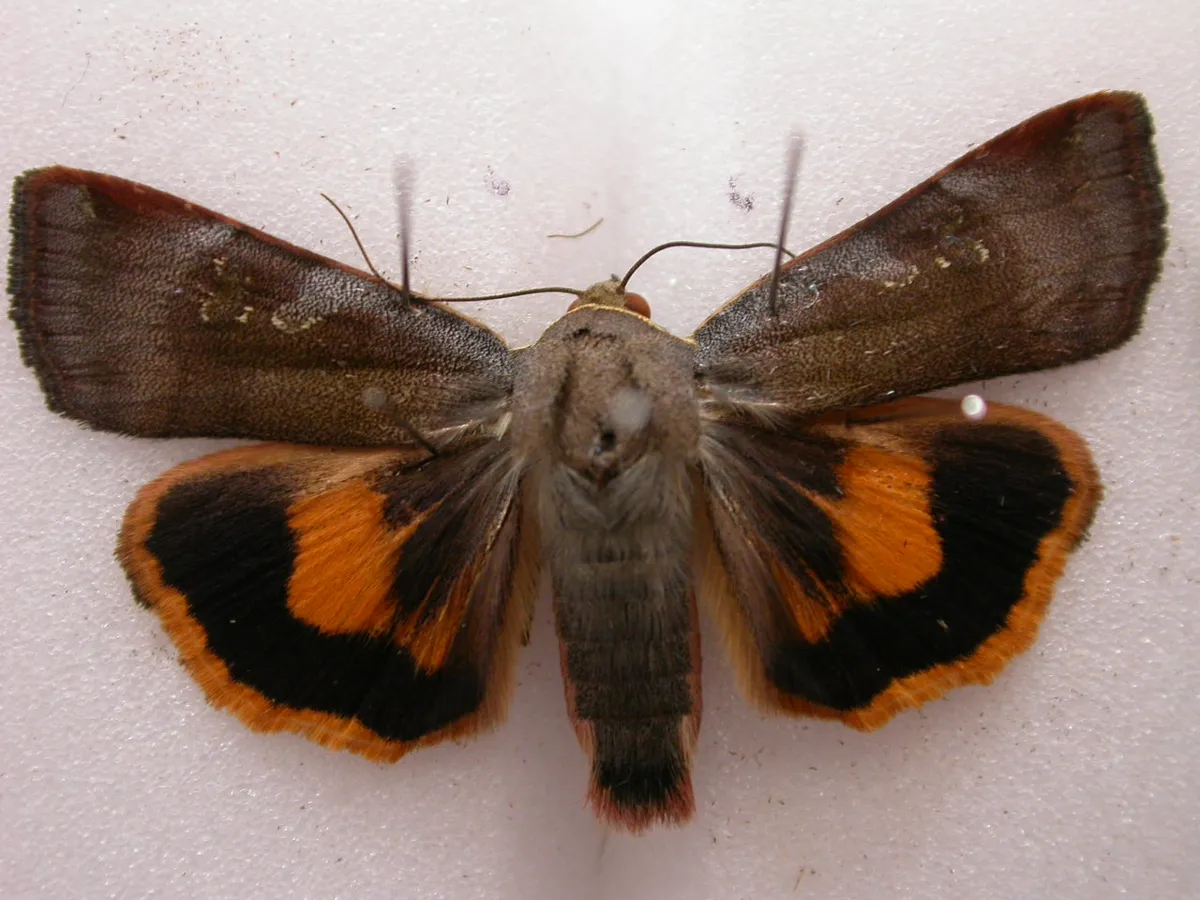
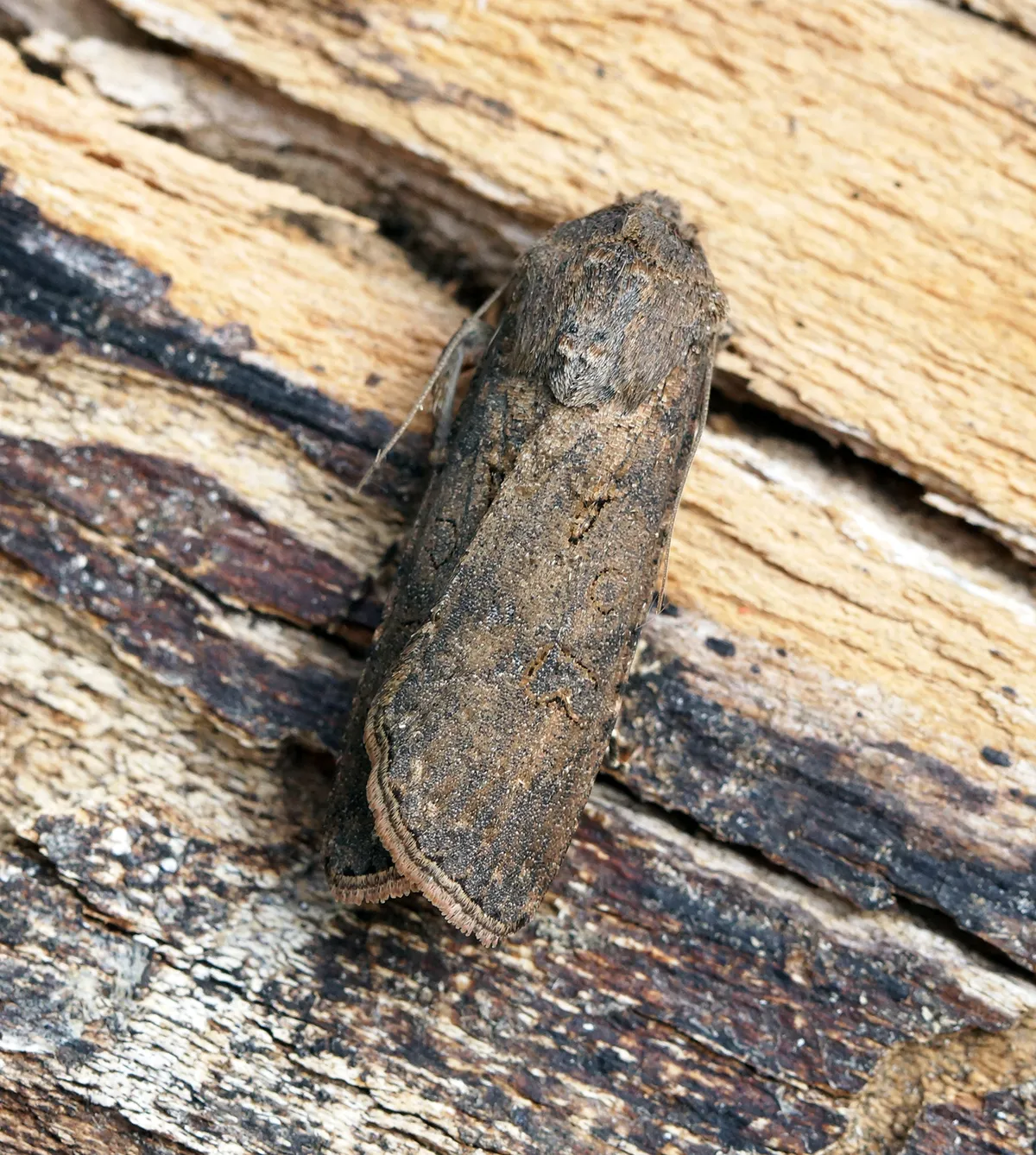
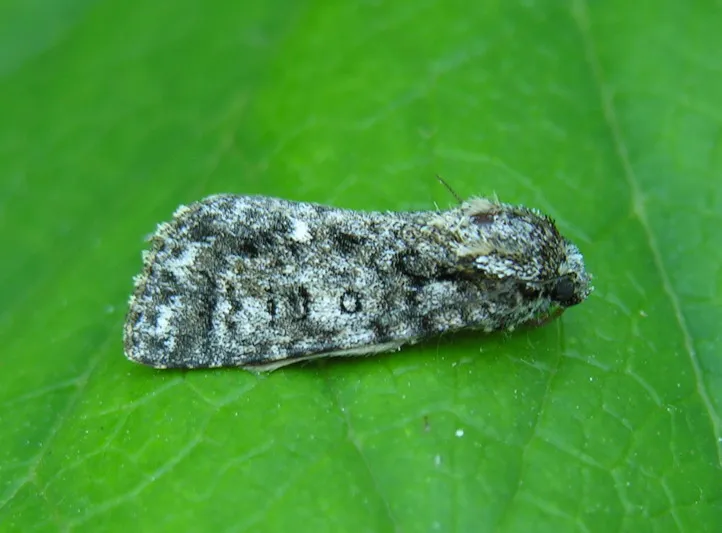
A nocturnal moth species belonging to the family Noctuidae, characterized by distinctive yellow underwings and brown-gray forewings. Native to Europe, this moth is commonly found in temperate woodland and grassland ecosystems.
Image Gallery
ADSENSE SLOT
Ecology & Habitat
Habitat
Widespread across European temperate regions, including forests, meadows, grasslands, and suburban gardens. Prefers areas with diverse vegetation and moderate climate conditions.
Ecological Role
Important pollinator and prey species in ecosystem food webs. Larvae serve as food for birds, bats, and small mammals, while adults contribute to plant pollination and nutrient cycling.
Morphology
SKIN COATScales covering body and wings, providing thermal regulation and camouflage
LIMBS WINGSBroad wings with distinctive yellow hindwings, camouflaged brown-gray forewings
HEAD SENSORYCompound eyes, spiraling proboscis, sensitive antennae for chemical and environmental detection
BODY STRUCTUREMedium-sized moth with wingspan of 40-50 mm, robust body with dense scales
Data Source: TaxonHub Database
Image Credit: Magne Flåten