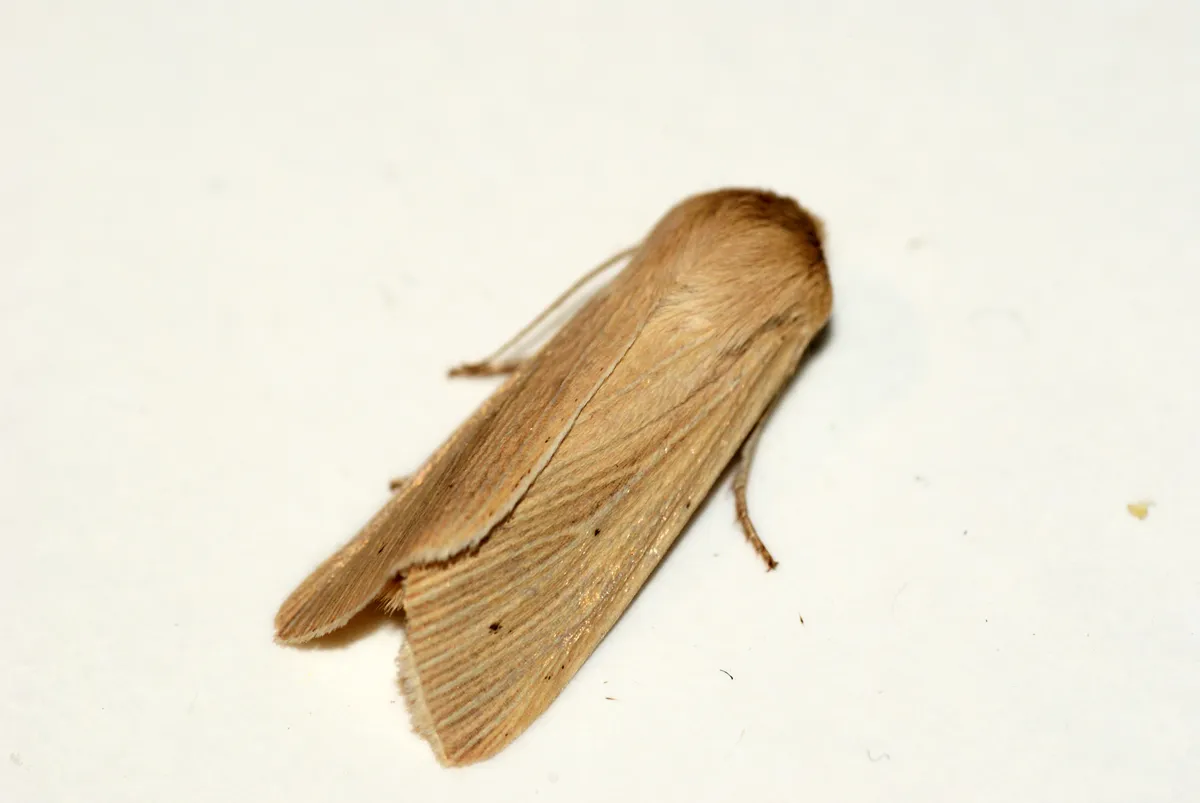
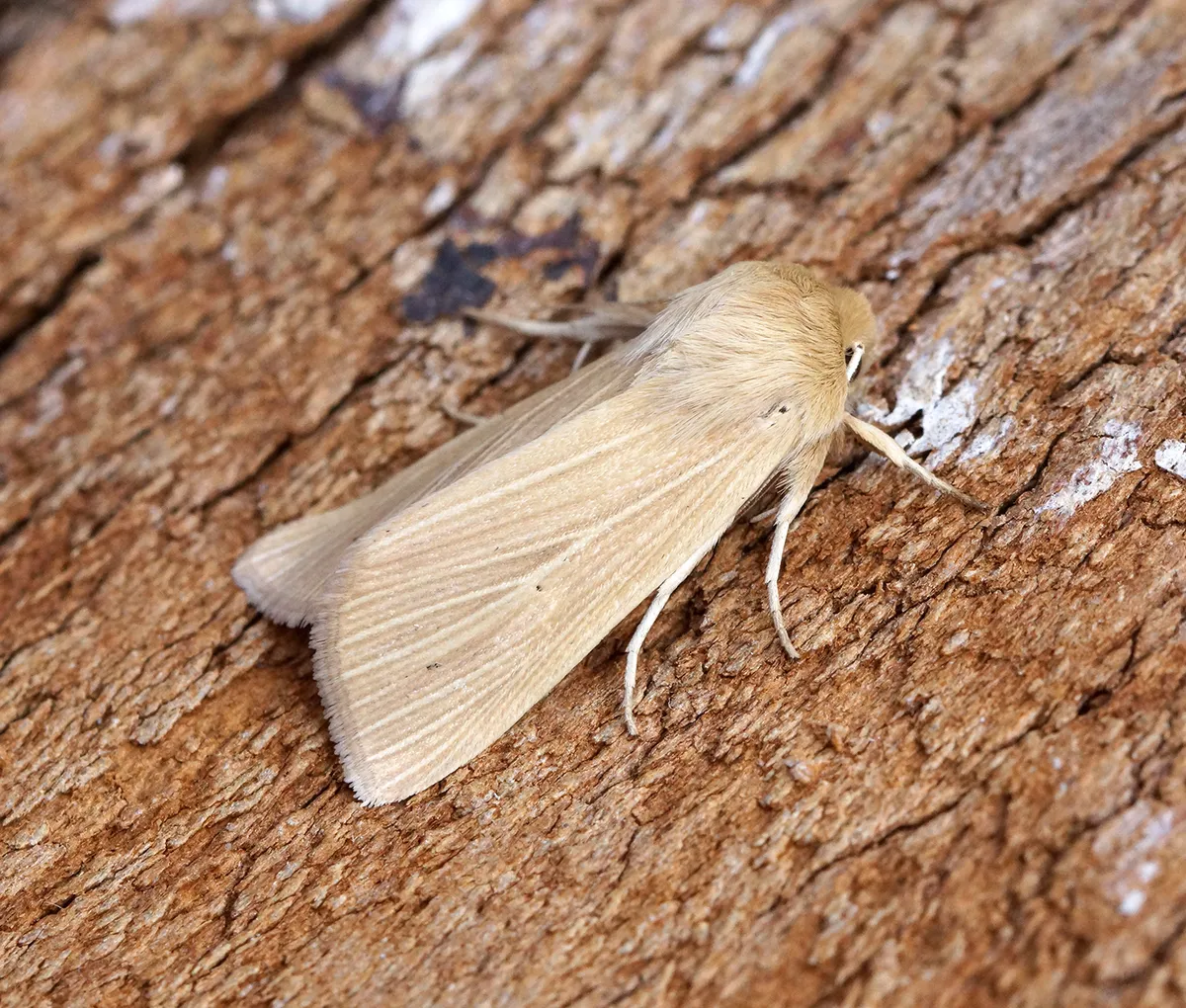
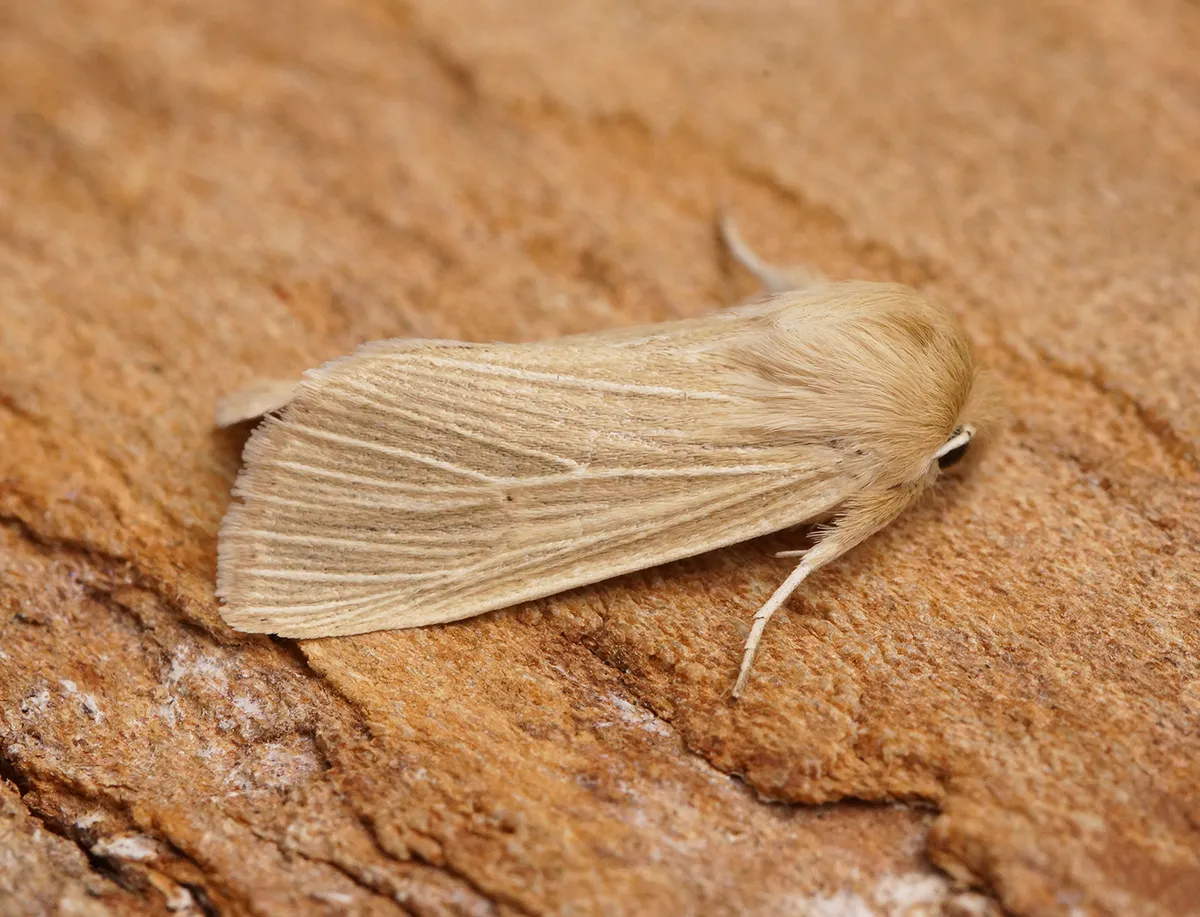
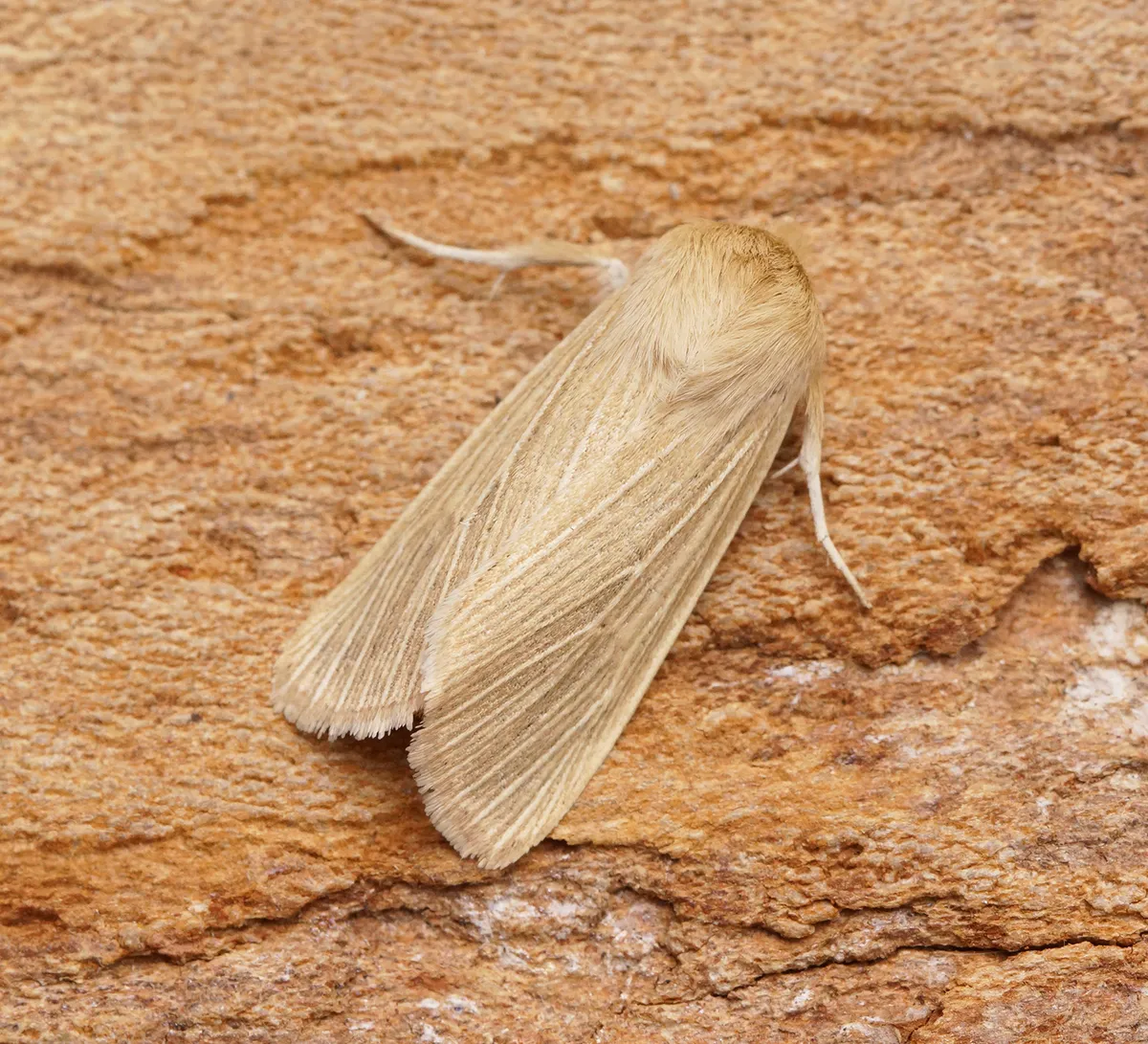
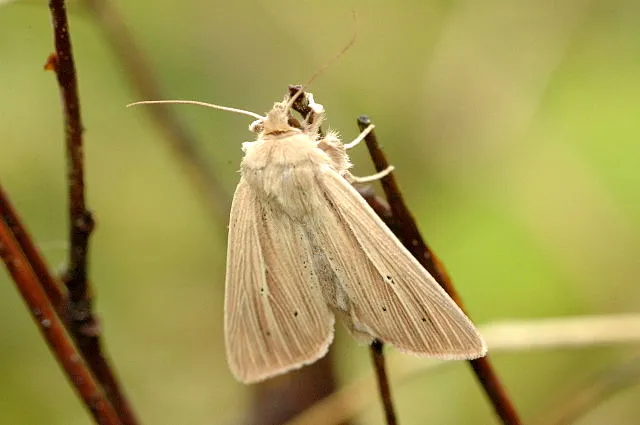
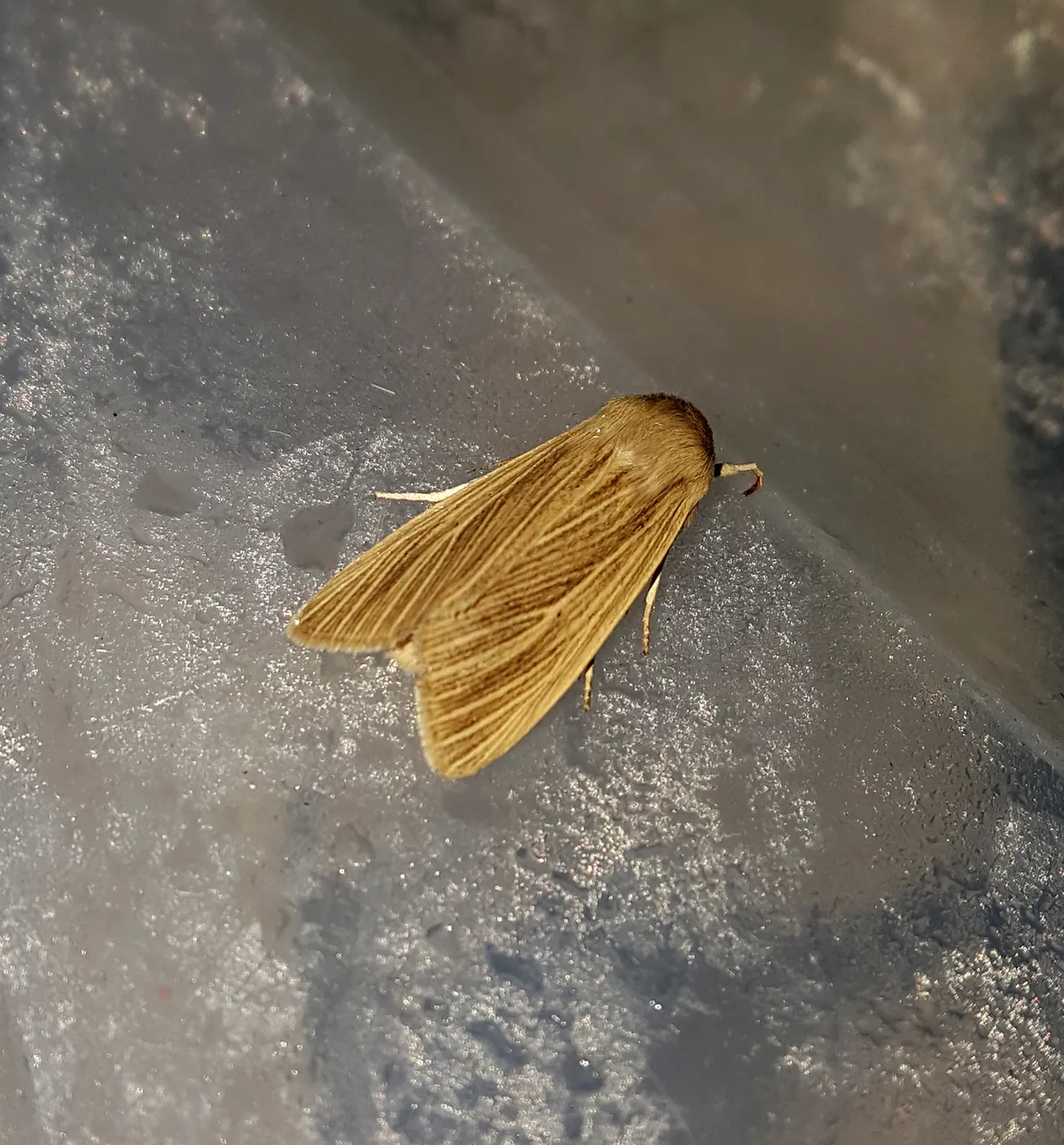
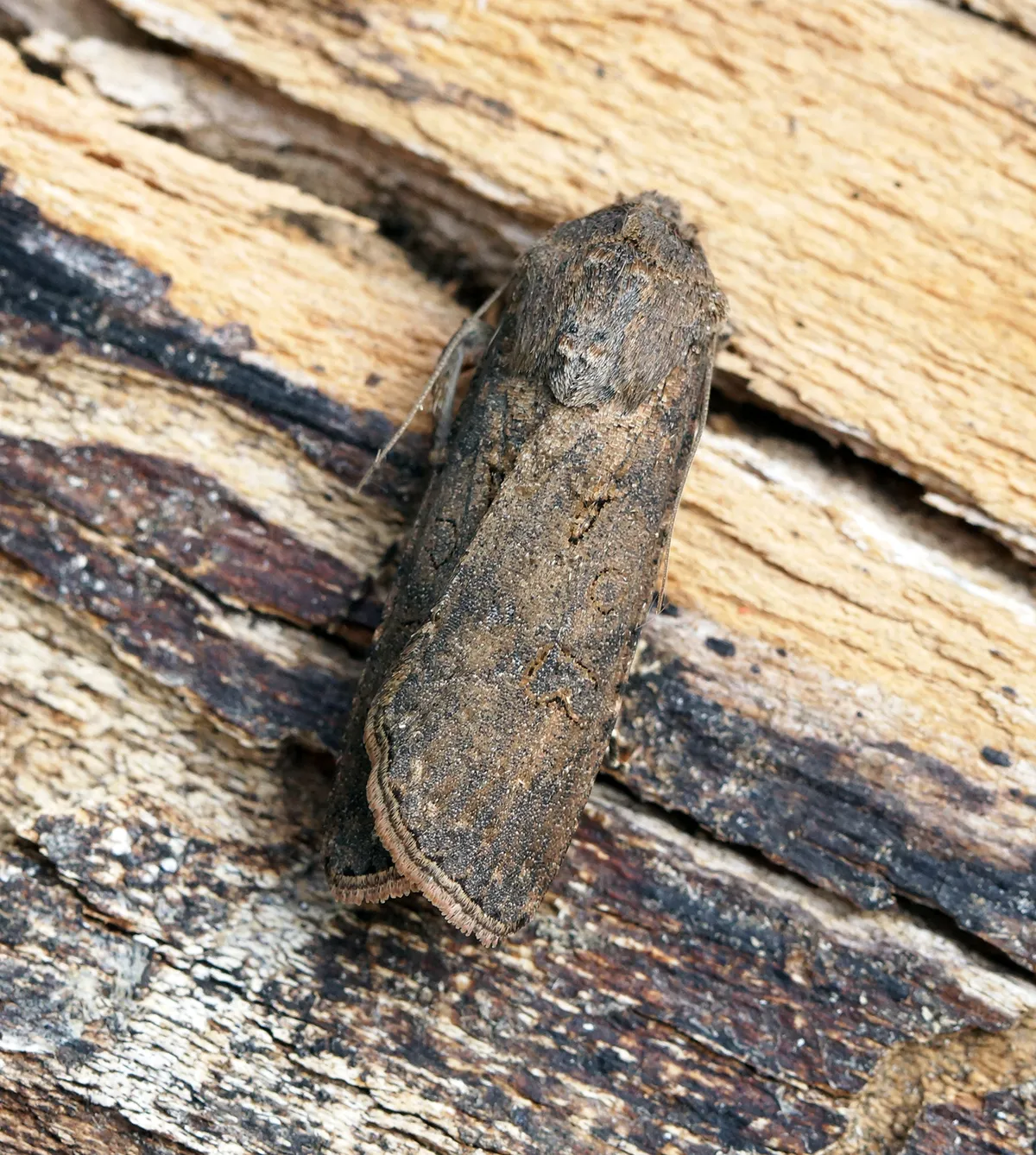
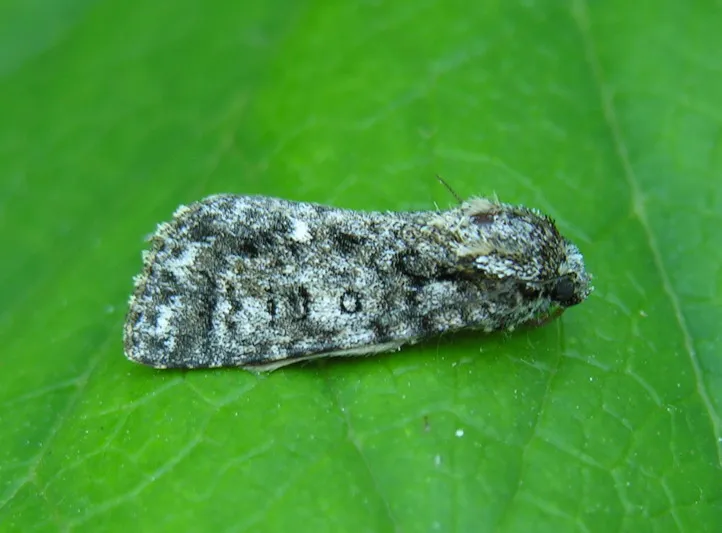
A nocturnal moth species belonging to the family Noctuidae, characterized by pale coloration and widespread distribution across European grassland and agricultural ecosystems.
Image Gallery
ADSENSE SLOT
Ecology & Habitat
Habitat
Open grasslands, agricultural fields, meadows, and woodland edges with moderate humidity and abundant gramineous vegetation, typically at elevations ranging from 0-1,200 meters above sea level.
Ecological Role
Plays a crucial role in ecosystem food webs as prey for birds, bats, and small mammals; larvae contribute to nutrient cycling through herbivorous feeding on grass species.
Morphology
SKIN COATScaled integument typical of Lepidoptera, providing thermal regulation and protective coloration
LIMBS WINGSForewings with cryptic camouflage patterns, hindwings lighter in coloration; legs adapted for perching with tarsal claws
HEAD SENSORYWell-developed compound eyes, short antennae with sensory receptors, typical lepidopteran proboscis for nectar feeding
BODY STRUCTURESmall moth with wingspan of 32-42 mm, pale straw to light brown ground coloration with subtle gray-brown mottling and intricate wing venation
Data Source: TaxonHub Database
Image Credit: Ben Sale from UK