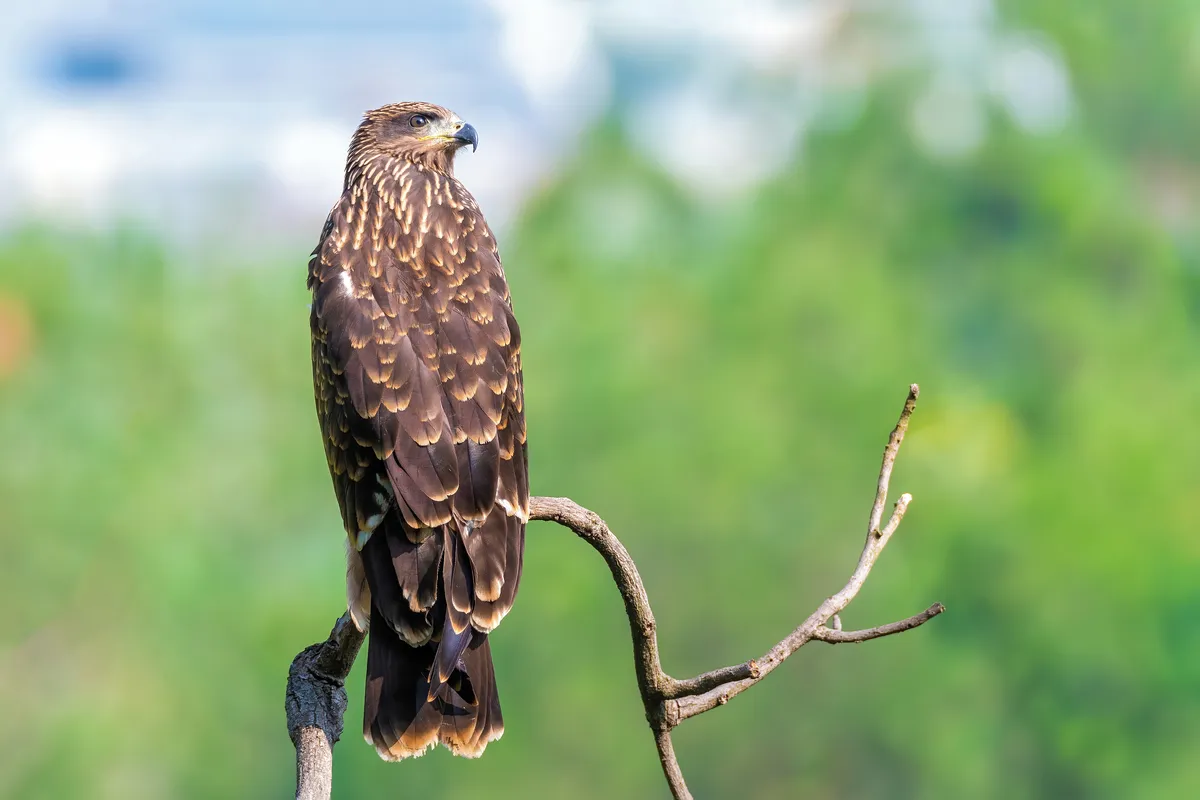
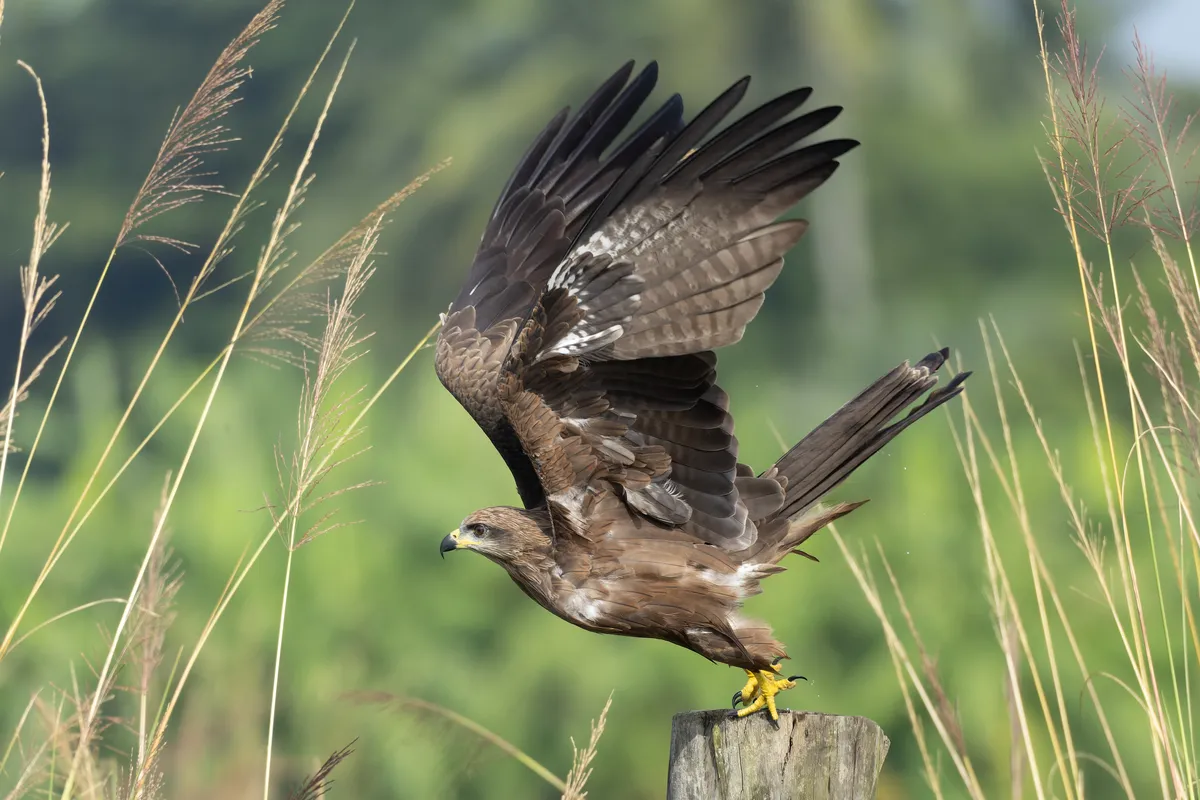
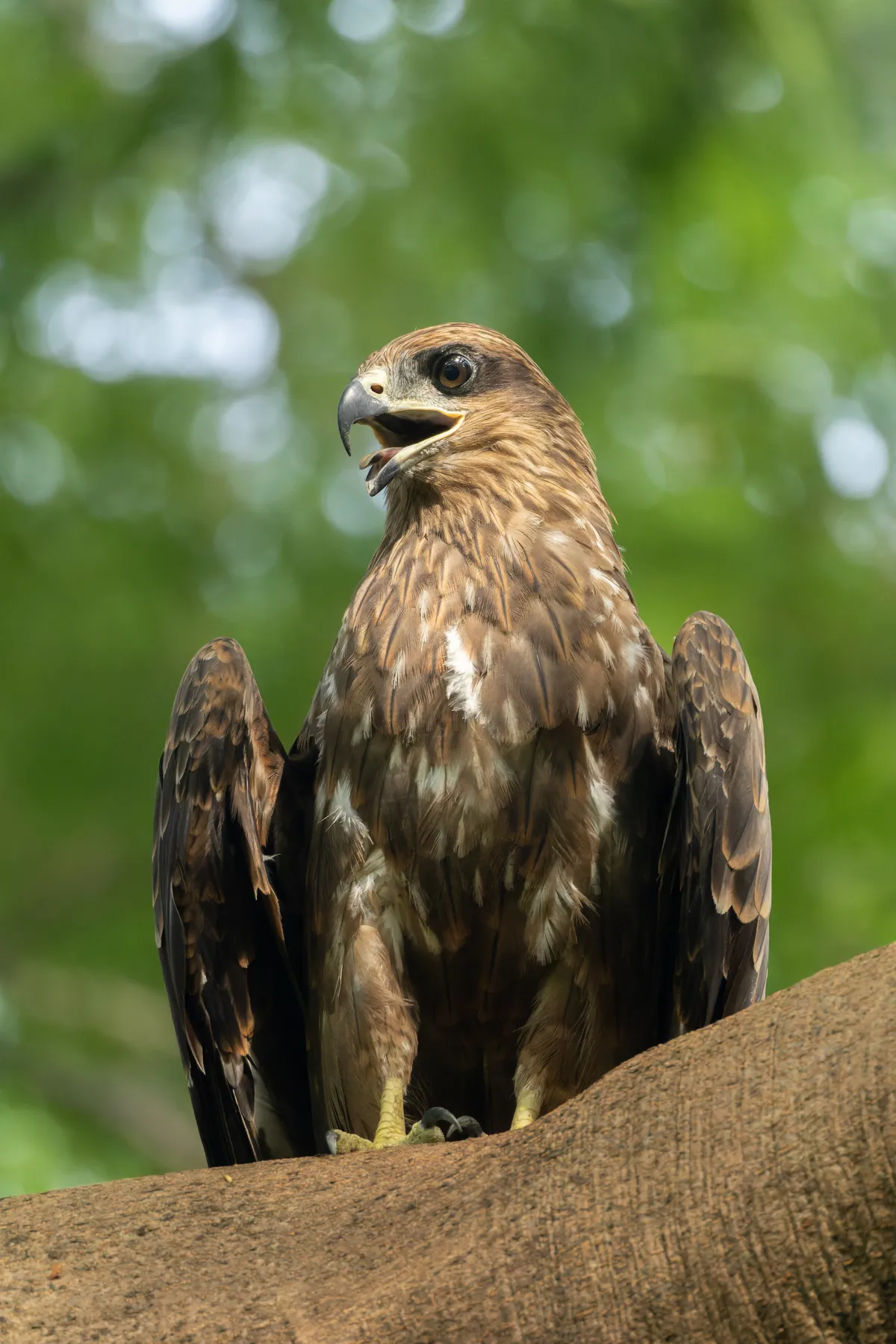
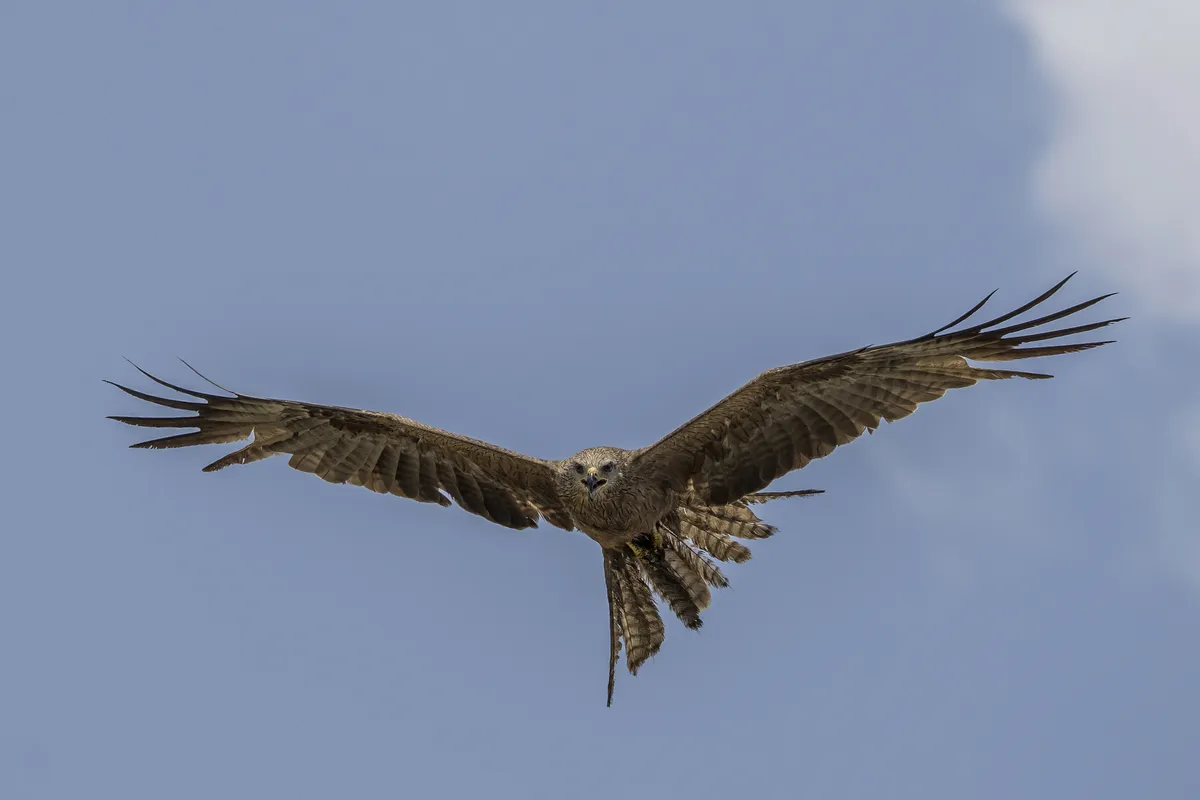
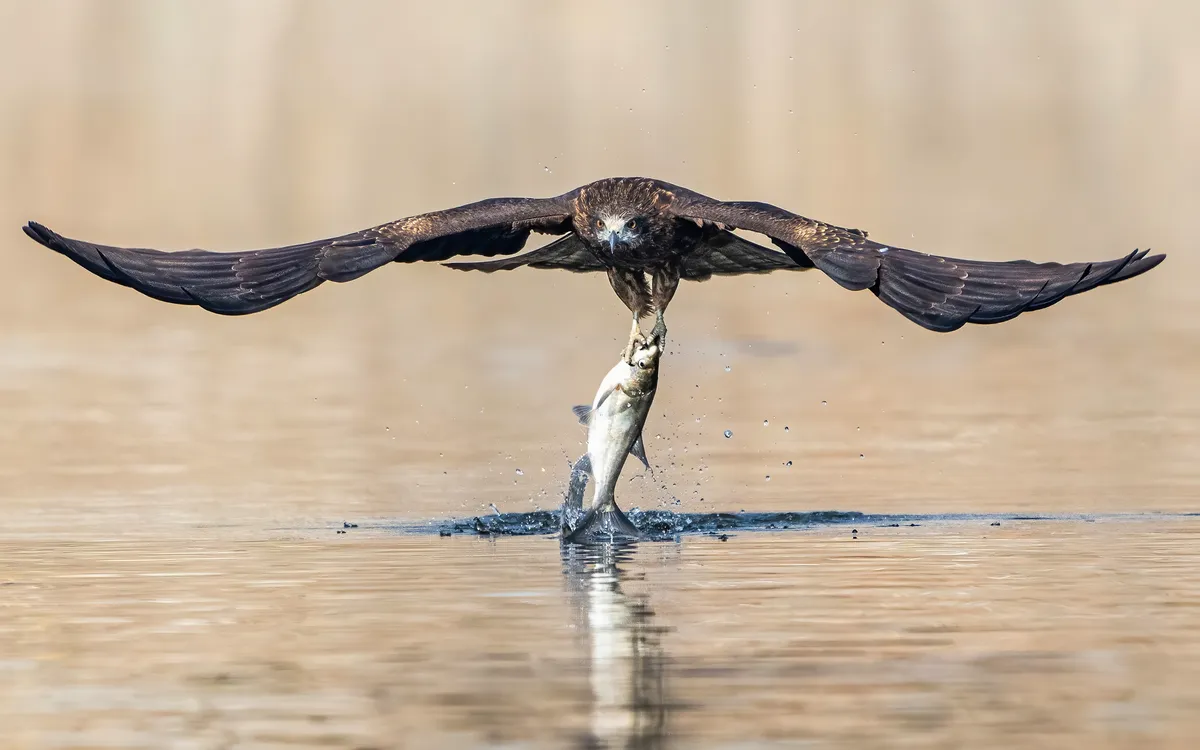
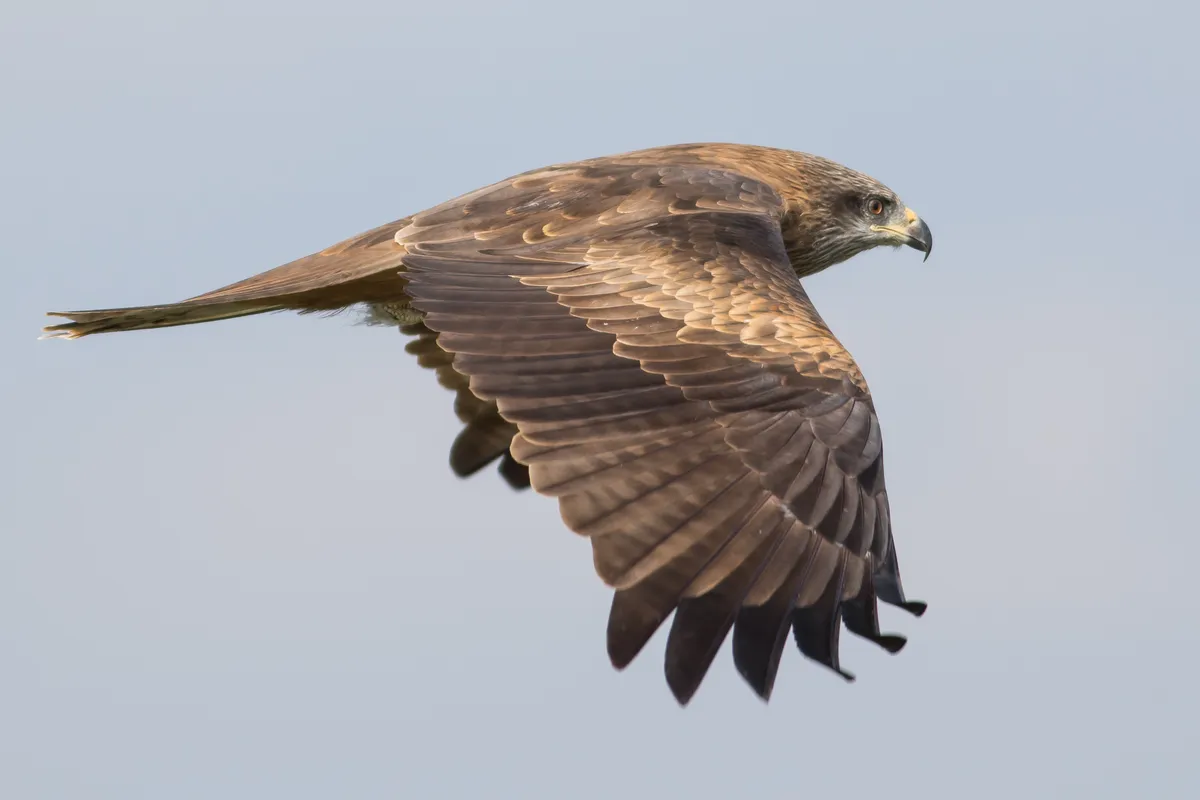
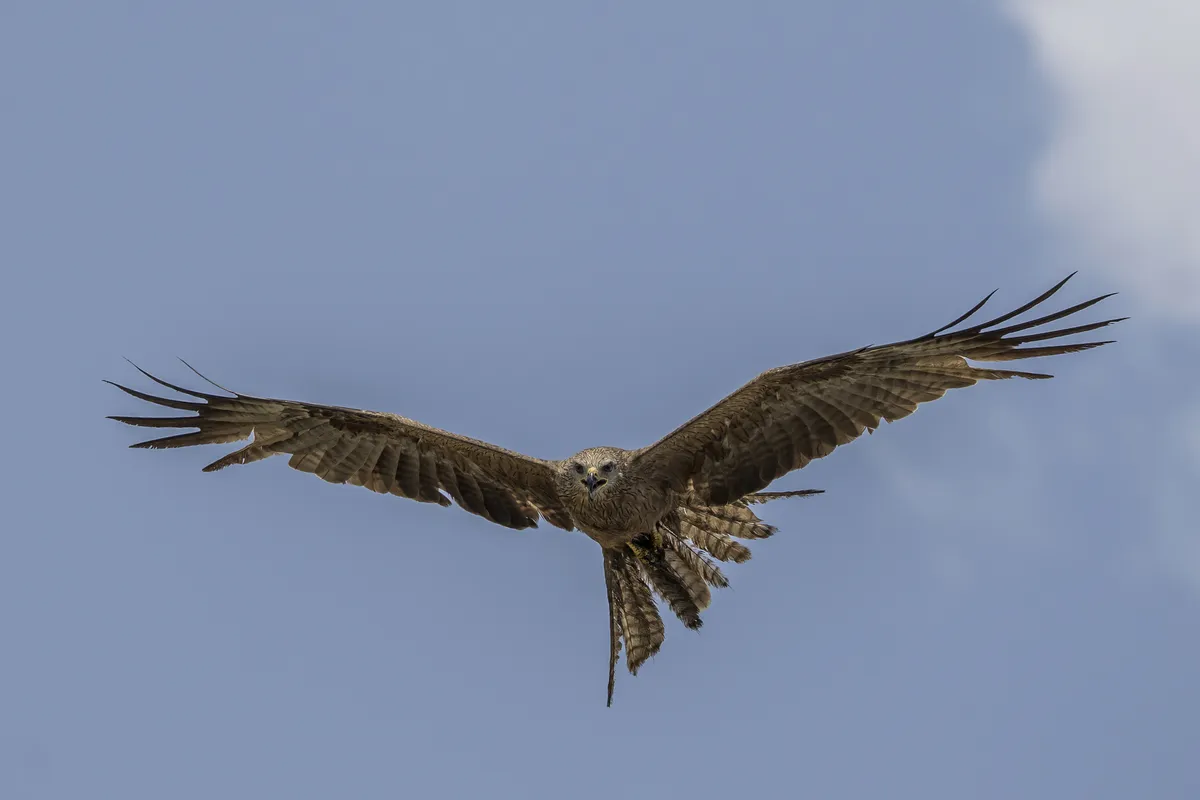
A medium-sized raptor widely distributed across multiple continents, known for its distinctive forked tail and opportunistic feeding behavior. Black Kites are agile aerial predators with remarkable adaptability to diverse environments.
Image Gallery
ADSENSE SLOT
Ecology & Habitat
Habitat
Widespread across Africa, Europe, Asia, and Australia; inhabits diverse ecosystems including urban areas, grasslands, coastal regions, wetlands, and agricultural landscapes. Tolerant of human-modified environments.
Ecological Role
Critical for ecosystem balance by controlling rodent and small vertebrate populations. Acts as a scavenger in many regions, helping to maintain ecological cleanliness and nutrient cycling.
Morphology
SKIN COATPredominantly dark brown to black plumage. Lighter underneath with subtle variations in color and pattern.
LIMBS WINGSLong, broad wings with distinctive forked tail. Powerful talons for grasping prey. Capable of exceptional aerial maneuverability.
HEAD SENSORYSharp, hooked beak adapted for tearing prey. Excellent vision with wide field of view. Large, forward-facing eyes for precise hunting.
BODY STRUCTUREMedium-sized raptor, approximately 50-60 cm in length, with wingspan of 120-150 cm. Weight ranges between 0.6-1.0 kg.
Data Source: TaxonHub Database
Image Credit: Mildeep