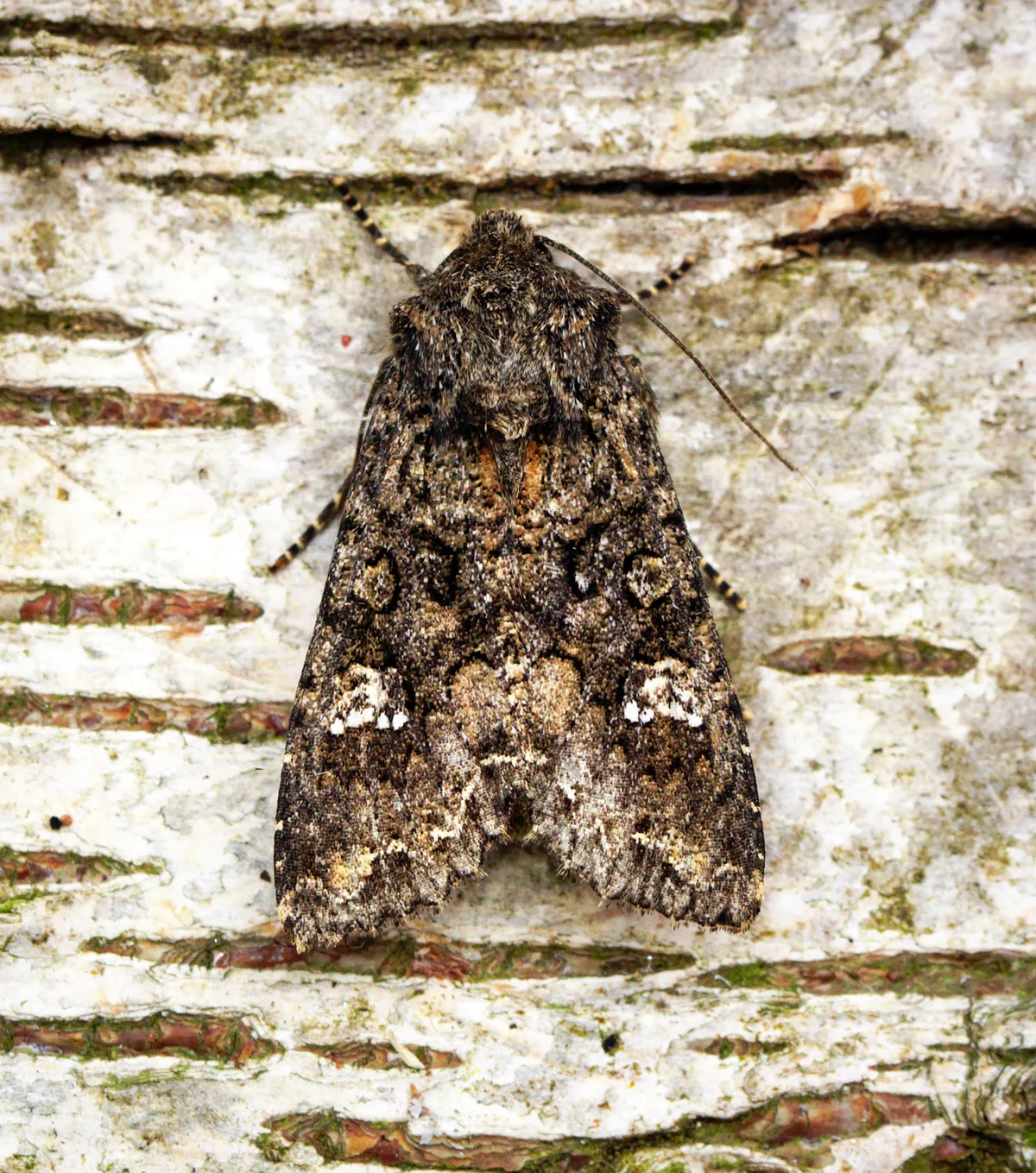
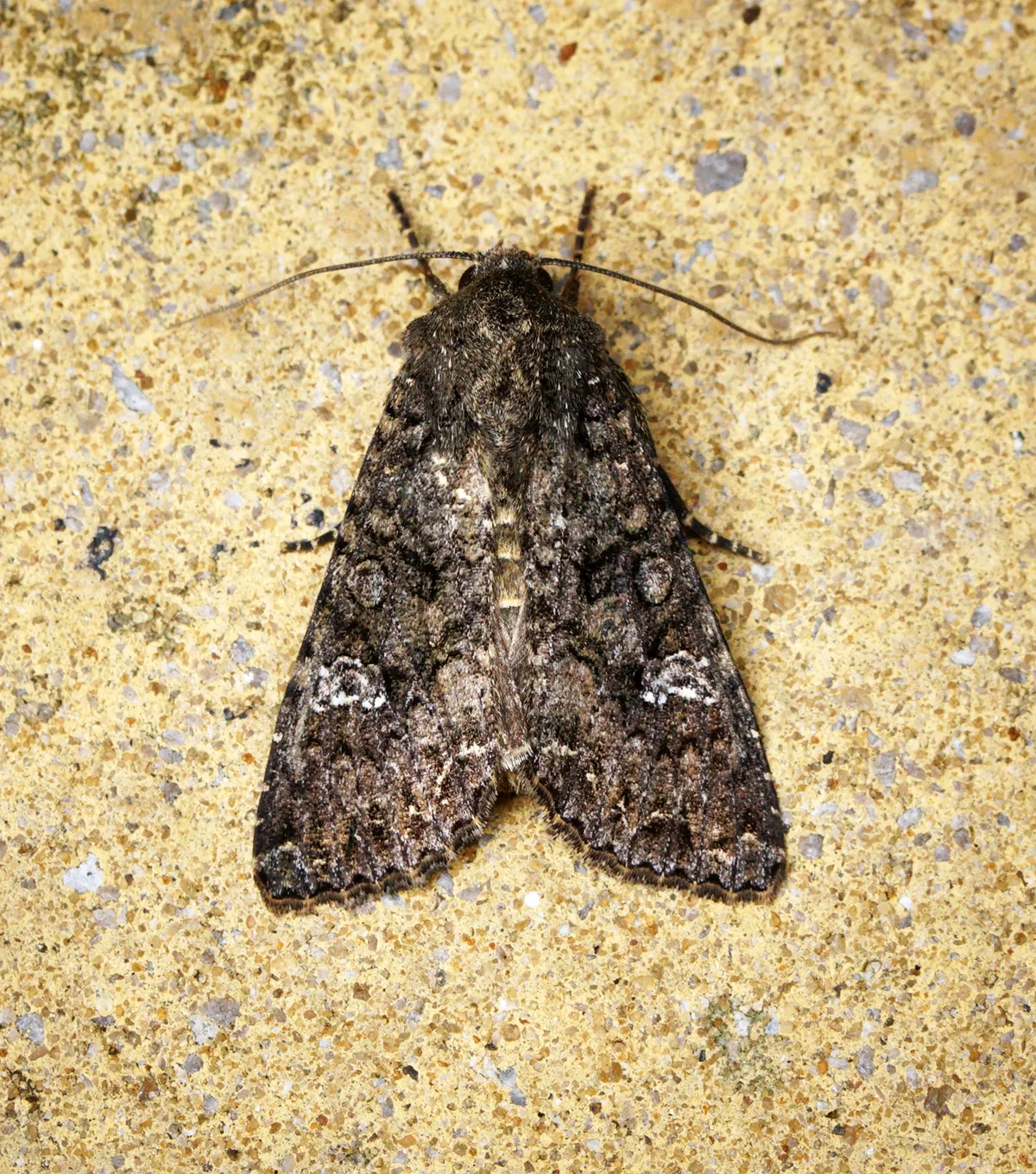
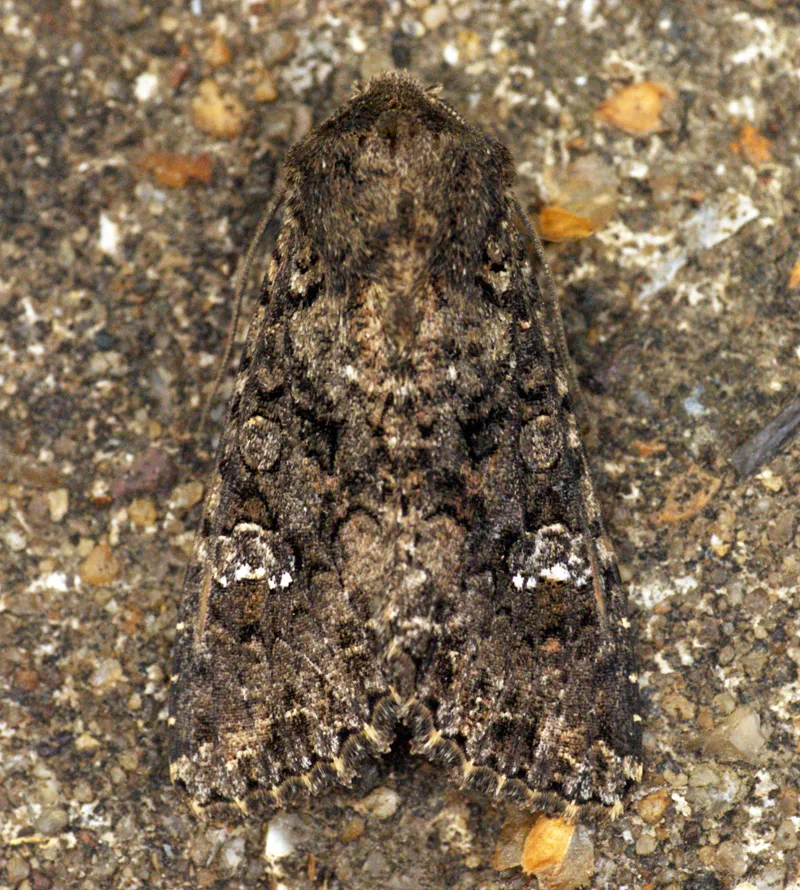
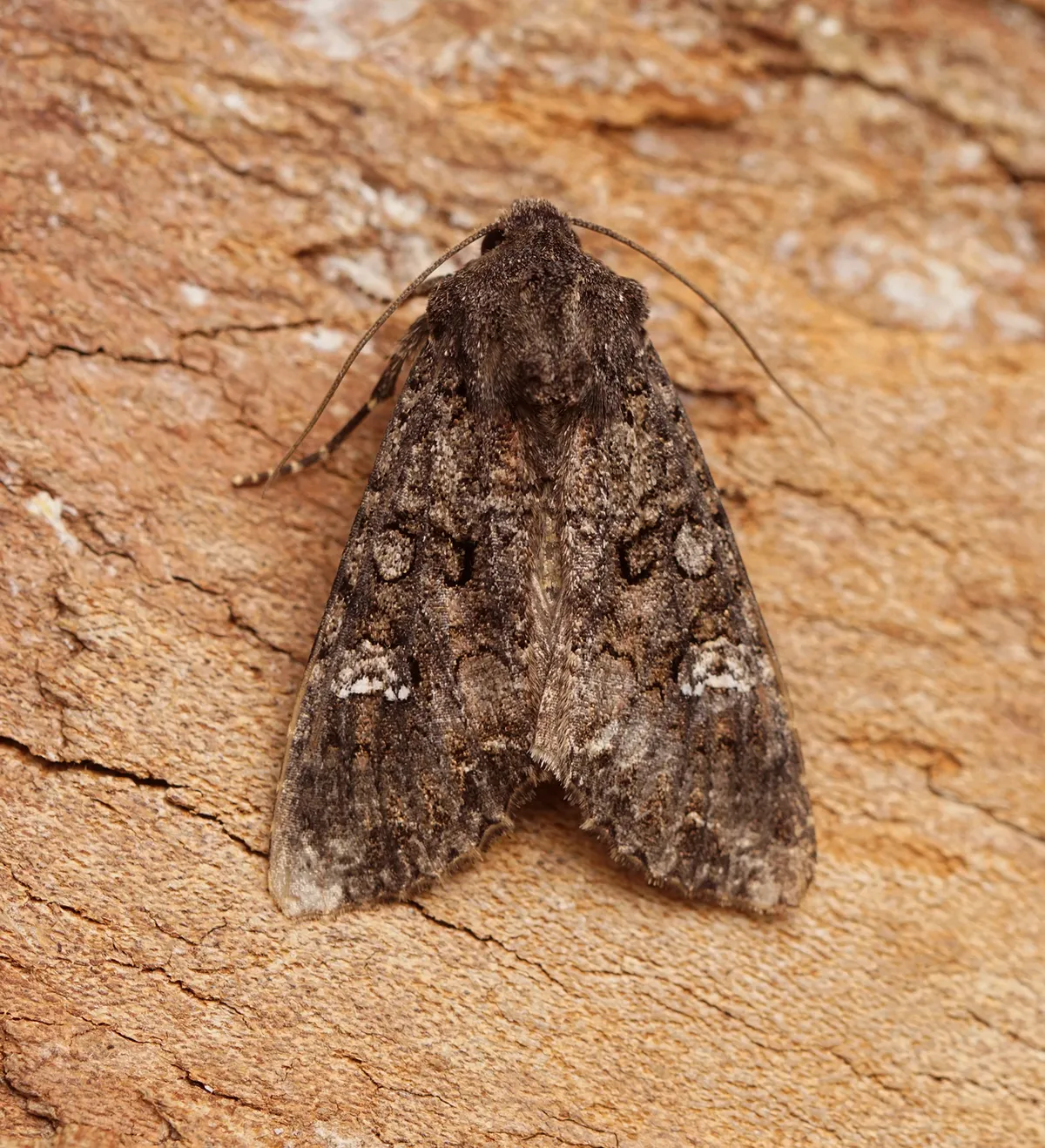
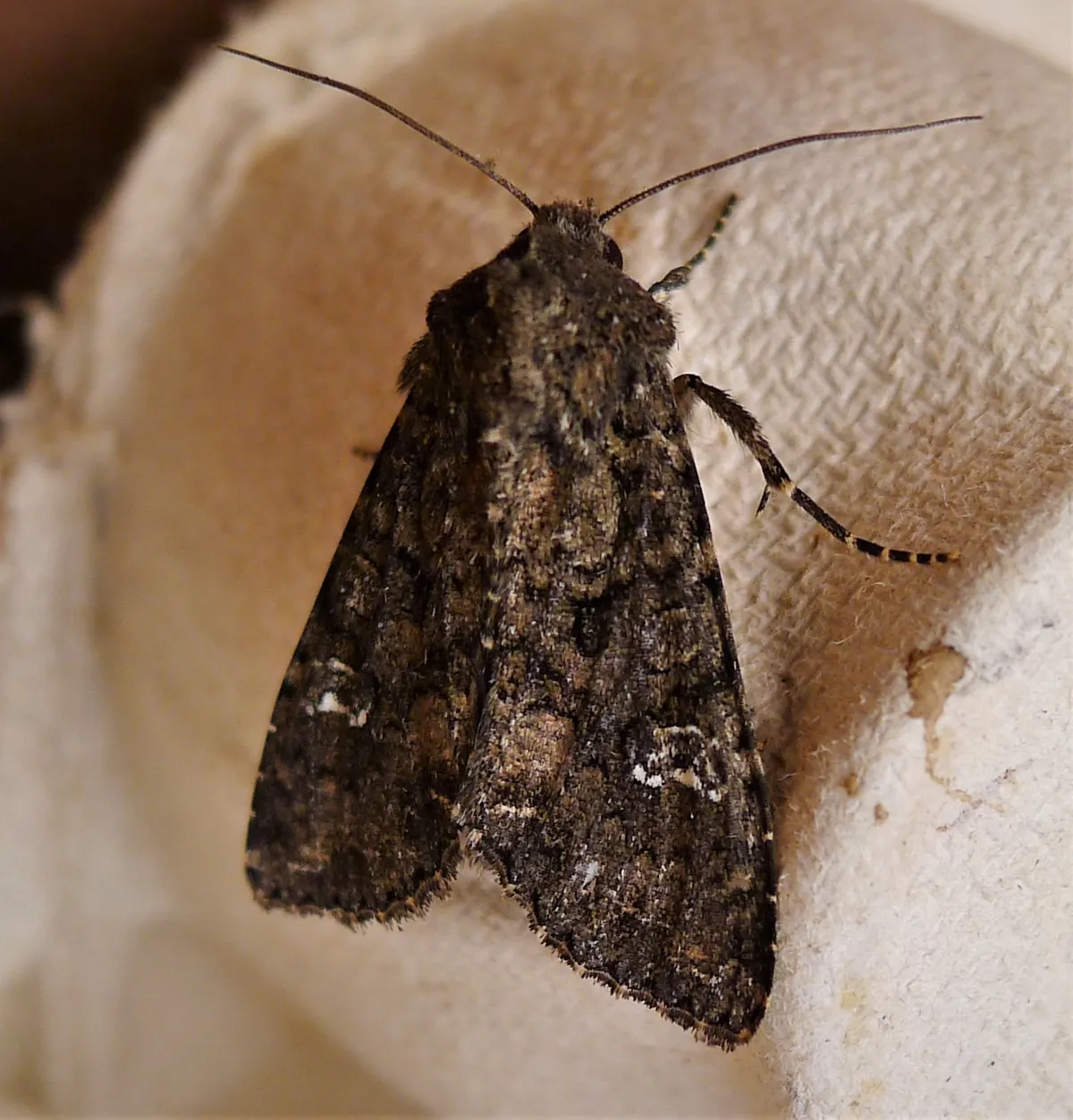
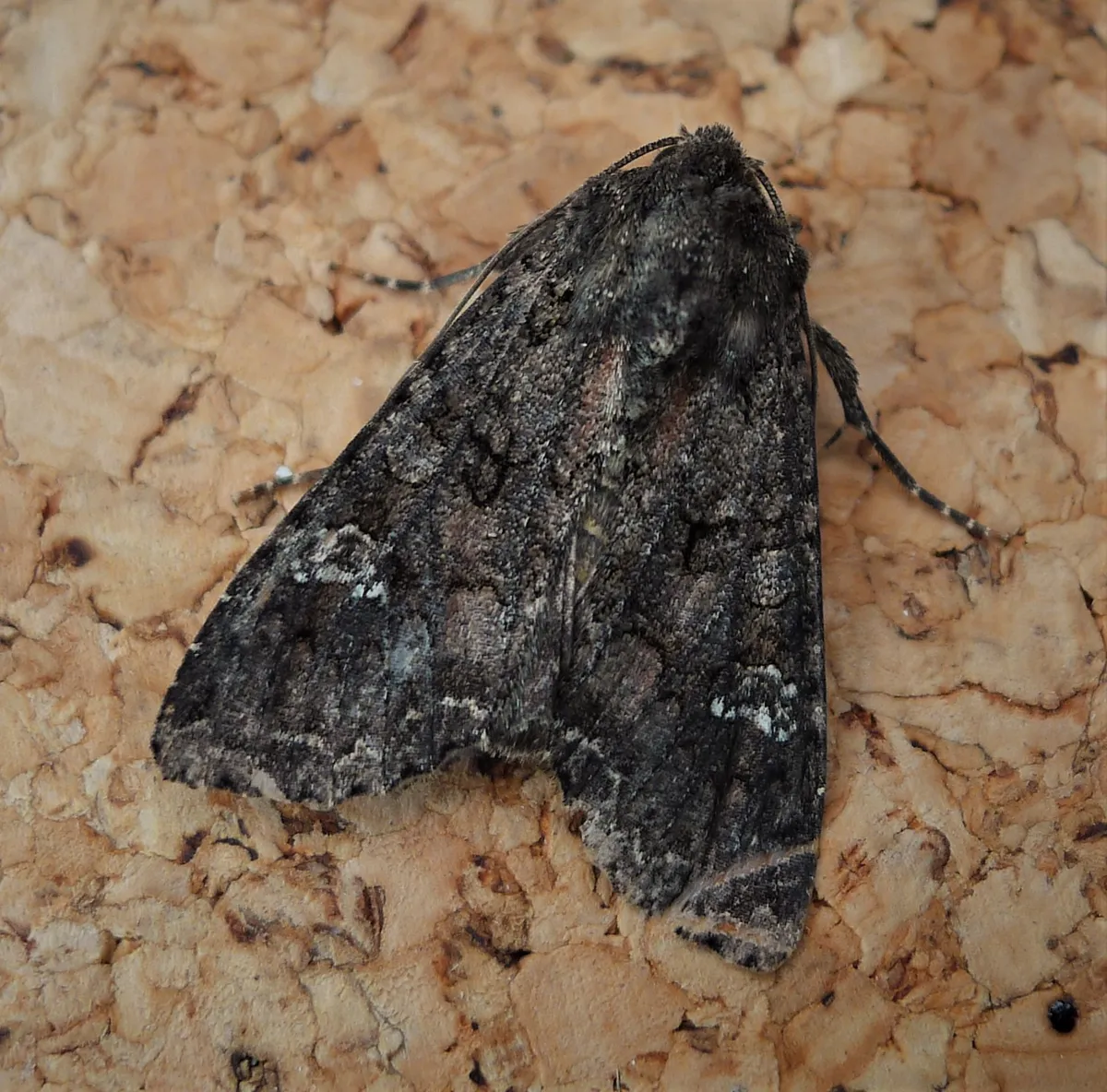
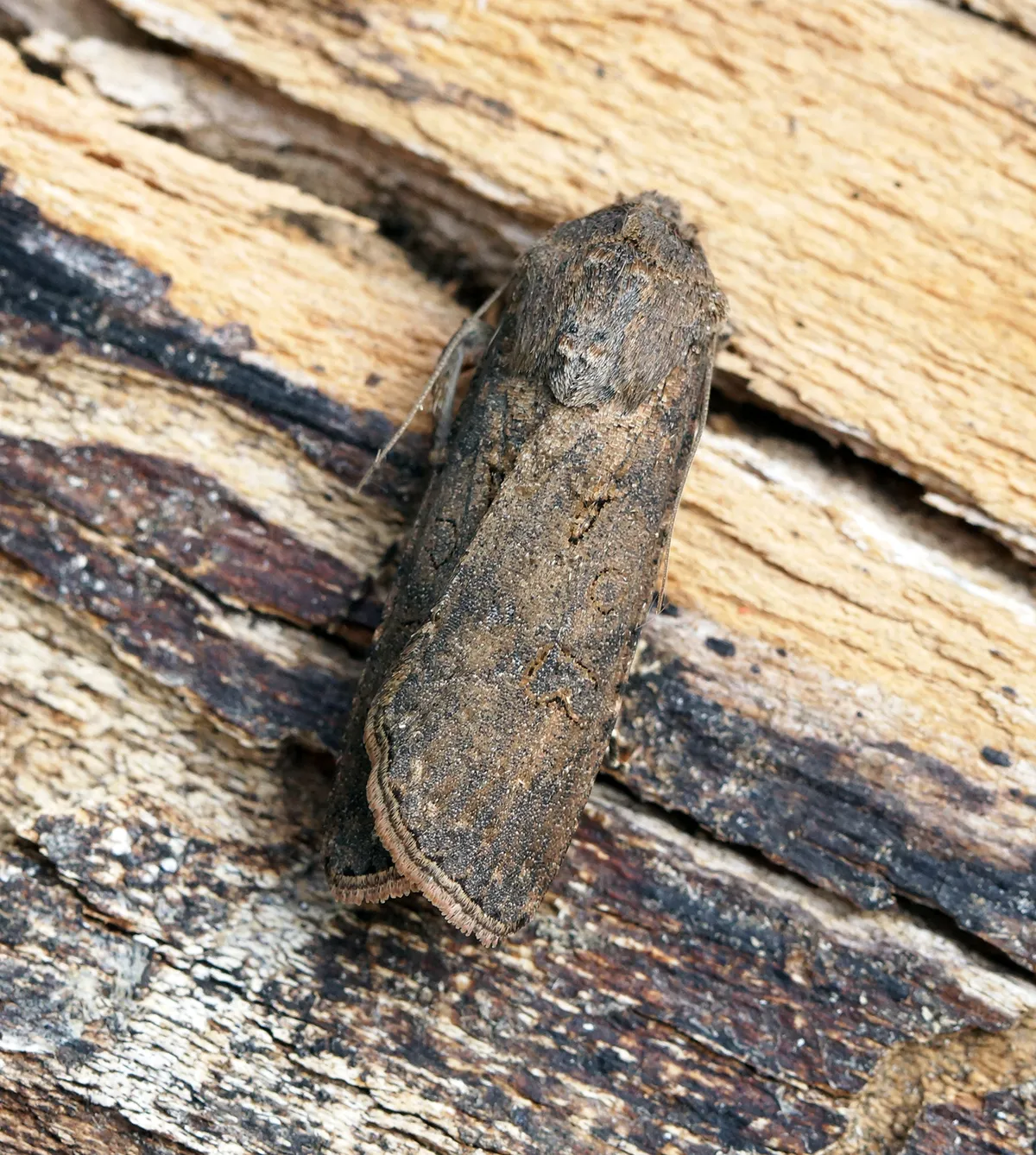
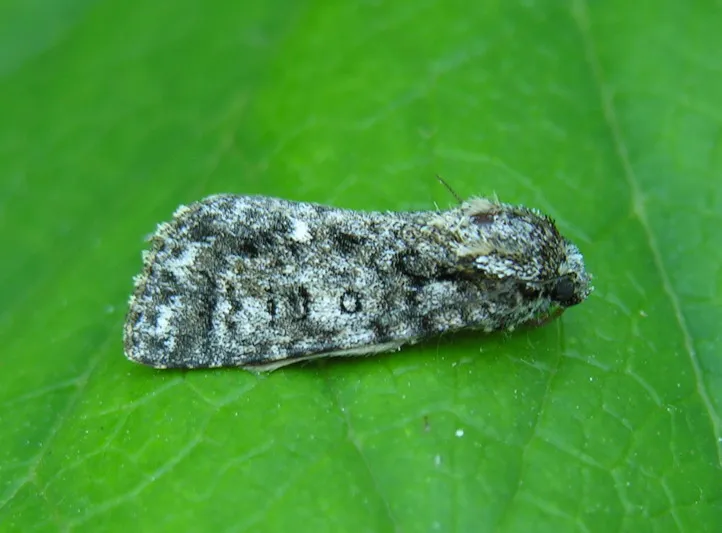
A nocturnal moth species belonging to the Noctuidae family, widely distributed across Europe and parts of Asia. Known for its significant agricultural impact as a crop pest, particularly in brassica vegetable cultivation.
Image Gallery
ADSENSE SLOT
Ecology & Habitat
Habitat
Agricultural landscapes, gardens, vegetable fields, temperate and subtropical regions with moderate climate conditions. Larvae predominantly found on cruciferous plants like cabbage, broccoli, and Brussels sprouts.
Ecological Role
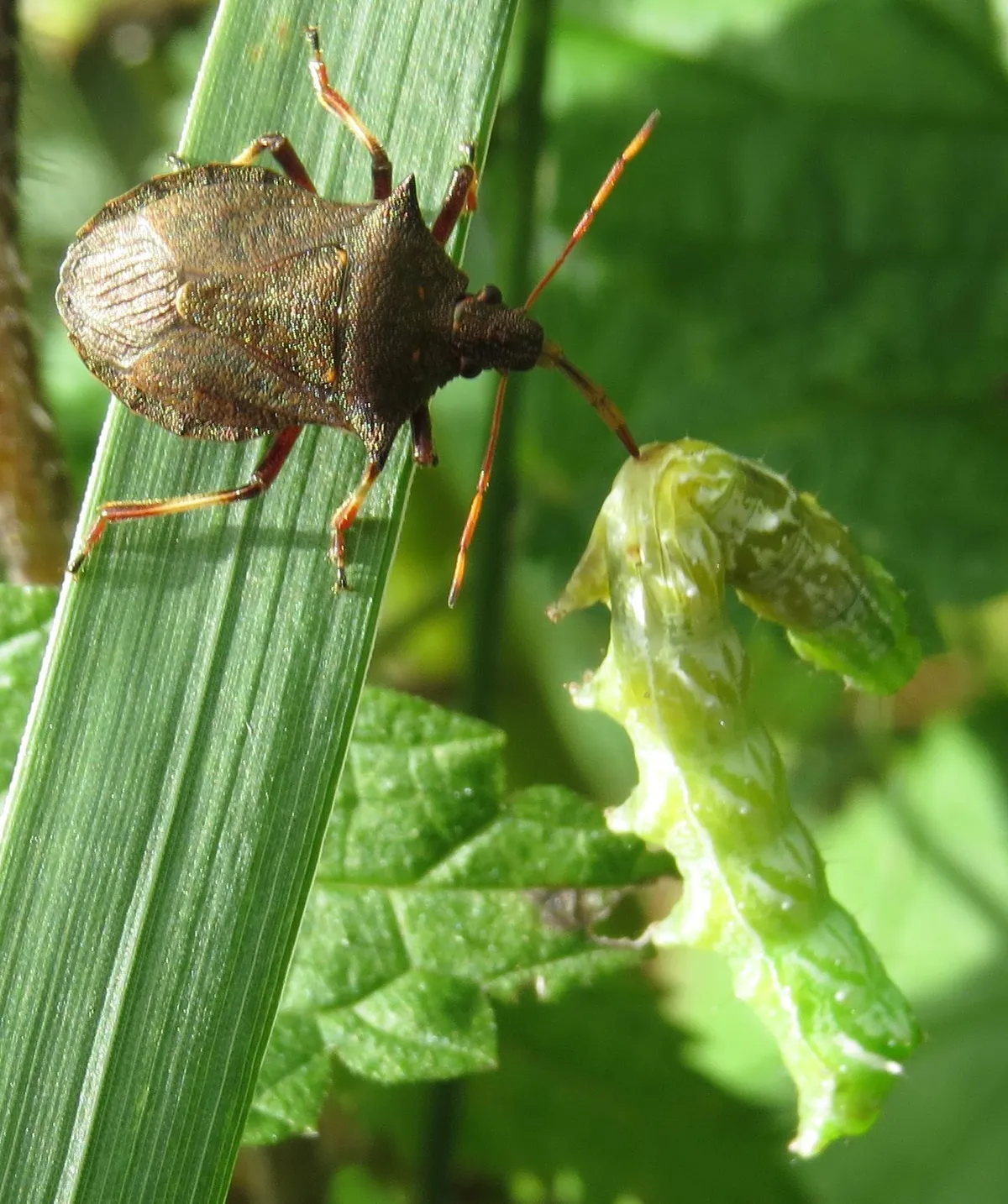
Important herbivorous insect in agricultural ecosystems. Larvae can cause substantial crop damage, acting as a key pest in vegetable production. Serves as a food source for predatory birds, bats, and insectivorous species.
Morphology
SKIN COATScaled wing surface with protective chitin exoskeleton, predominantly earth-toned for environmental blending
LIMBS WINGSTwo pairs of wings, forewings larger and more complex, hindwings smaller and lighter colored. Six segmented legs for locomotion
HEAD SENSORYCompound eyes, prominent antennae for chemical and environmental sensing, chewing mouthparts adapted for plant material consumption
BODY STRUCTUREMedium-sized moth, wingspan approximately 40-45 mm, grayish-brown wing coloration with complex mottled pattern for camouflage
Data Source: TaxonHub Database
Image Credit: Ben Sale from UK