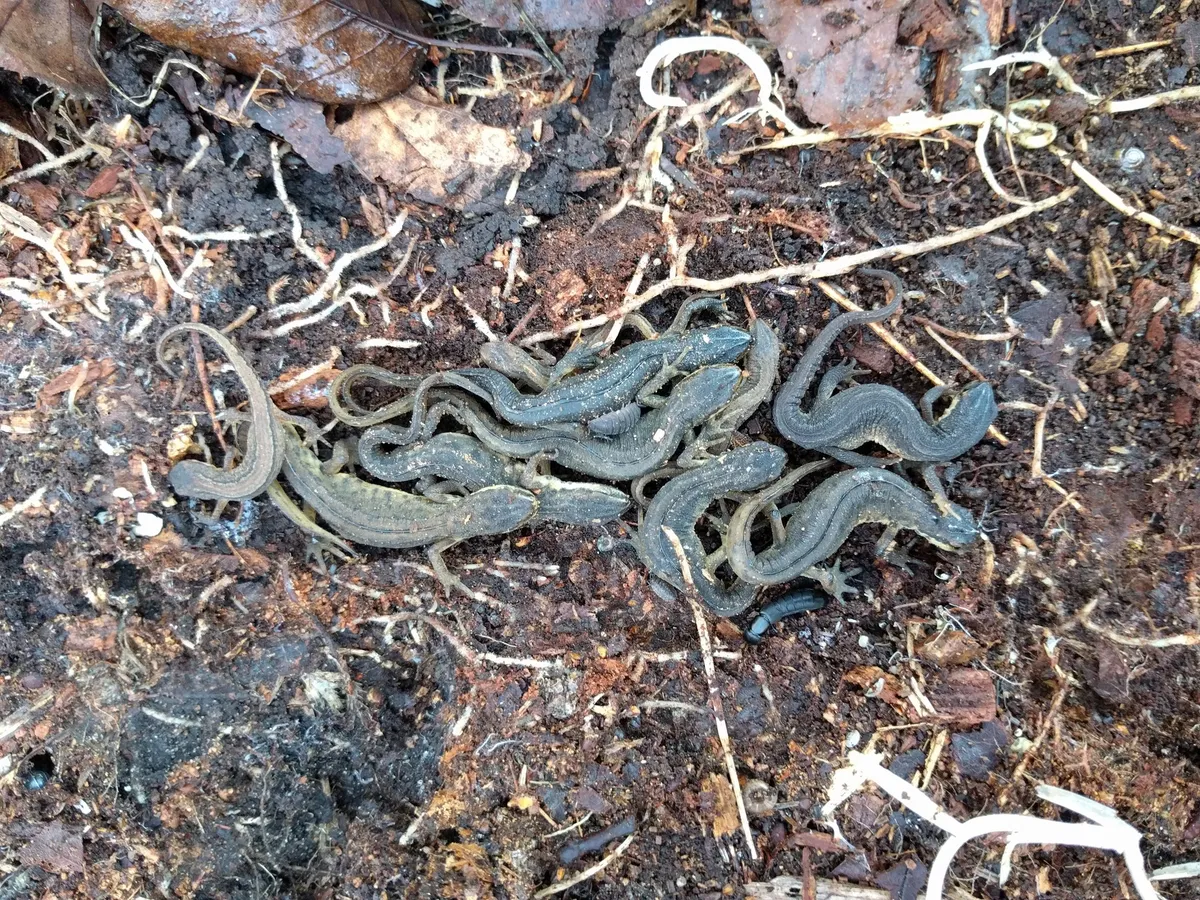
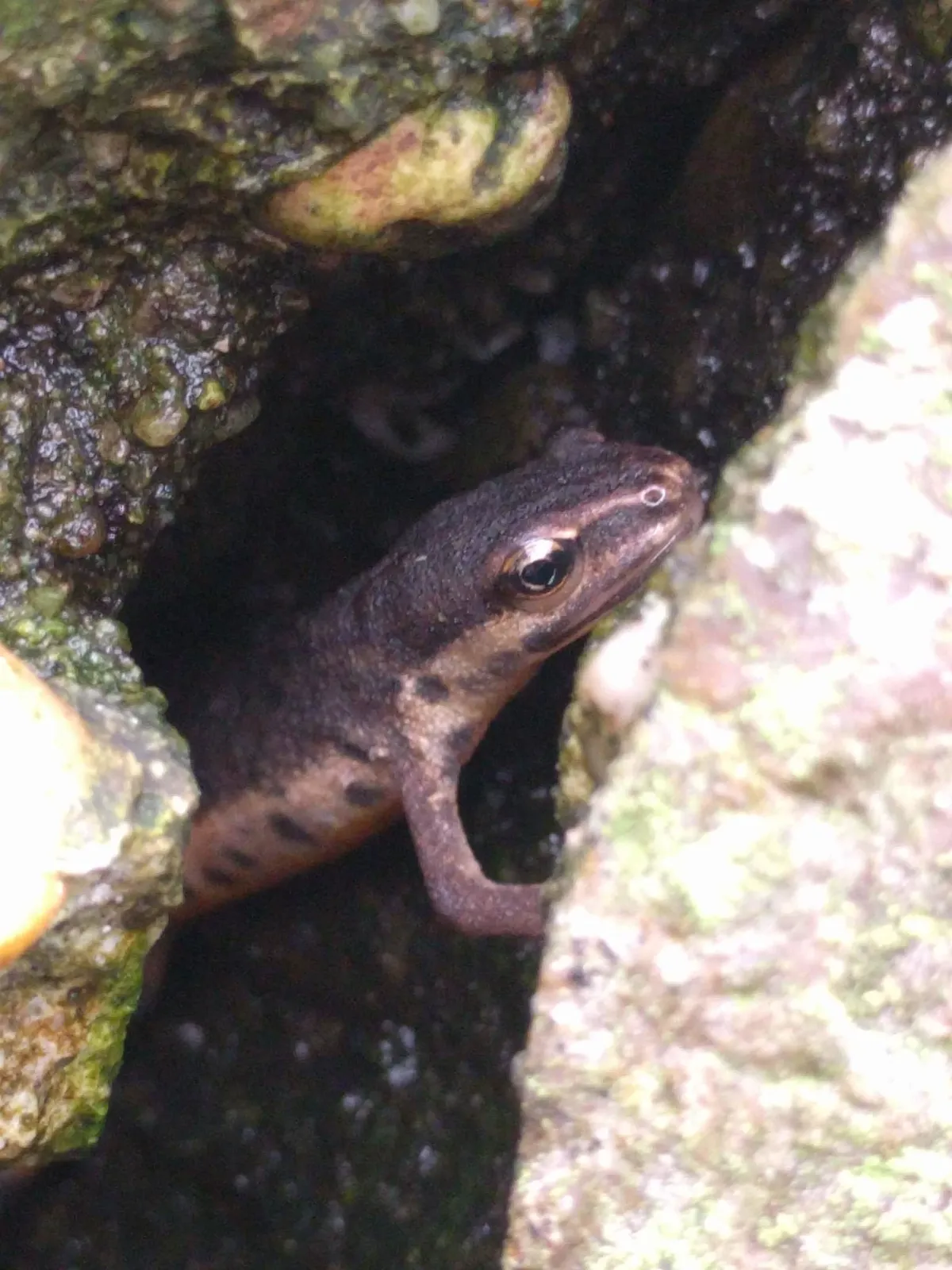
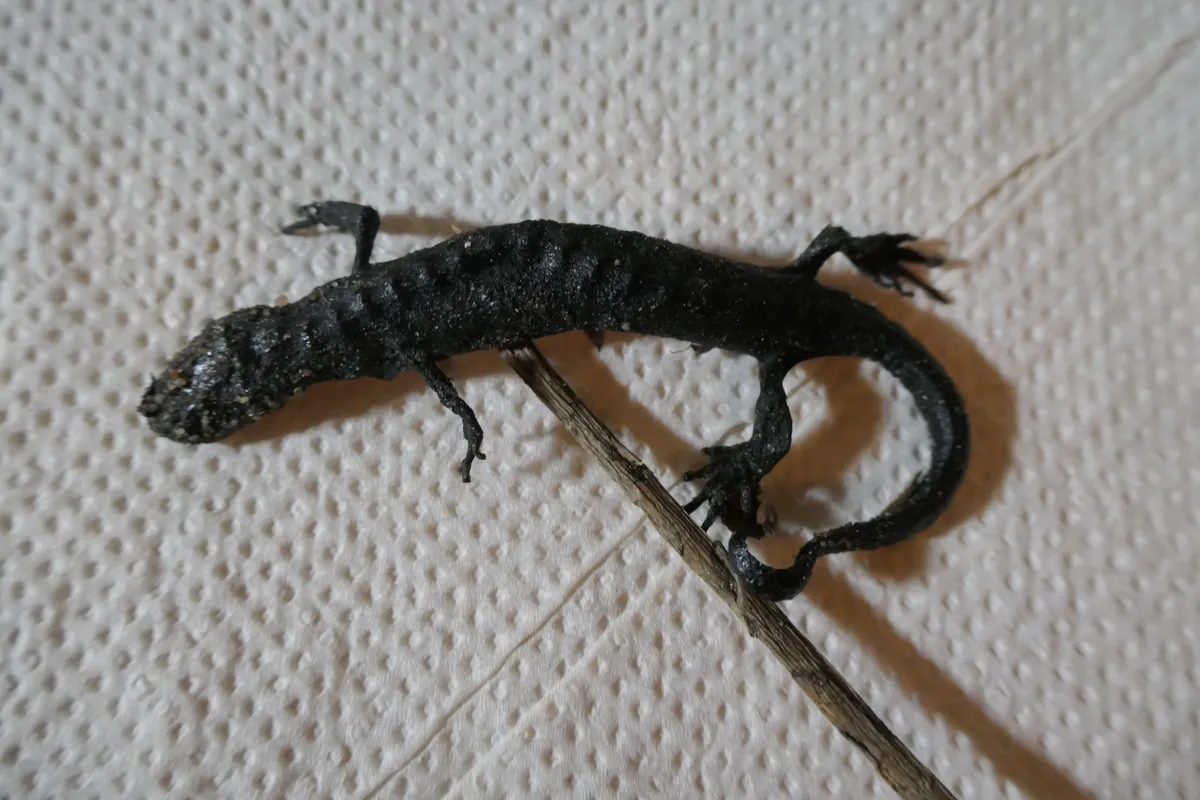
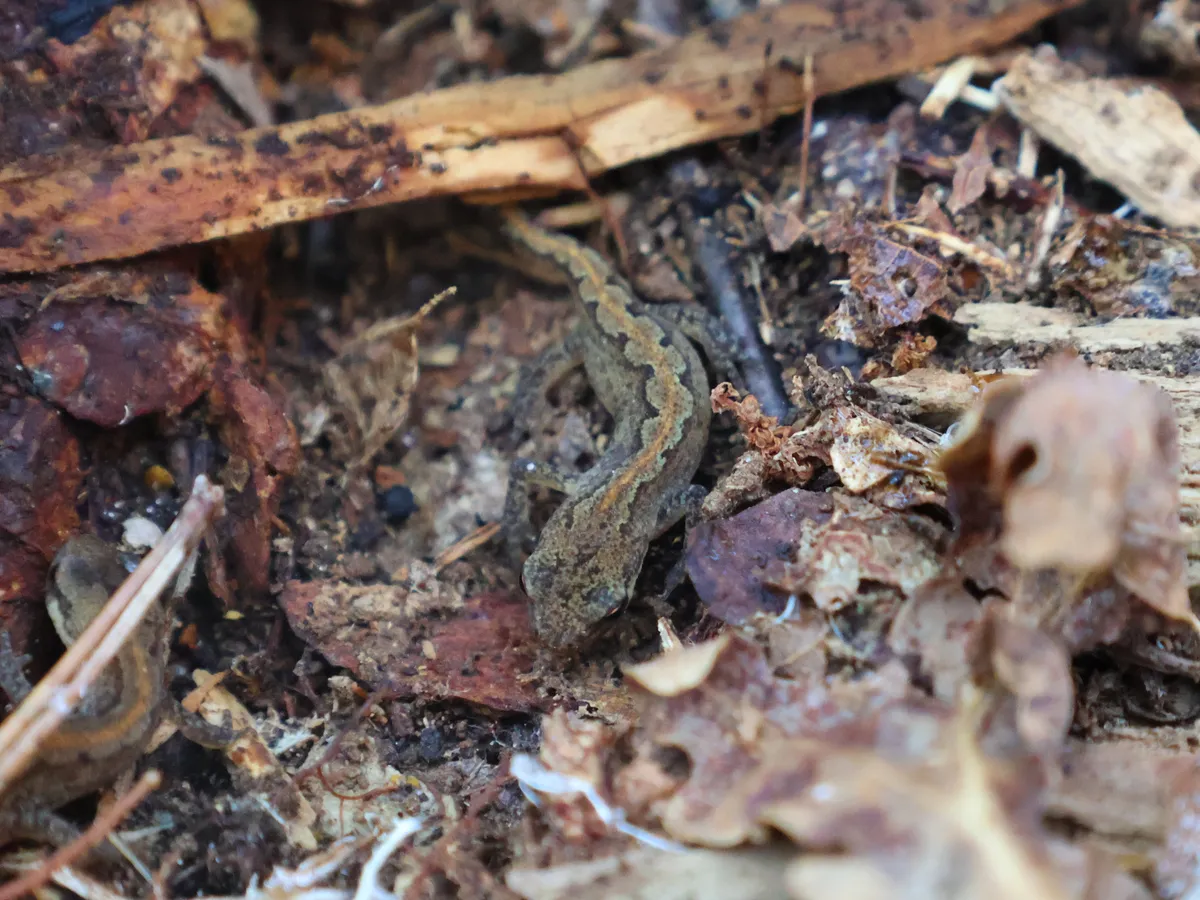
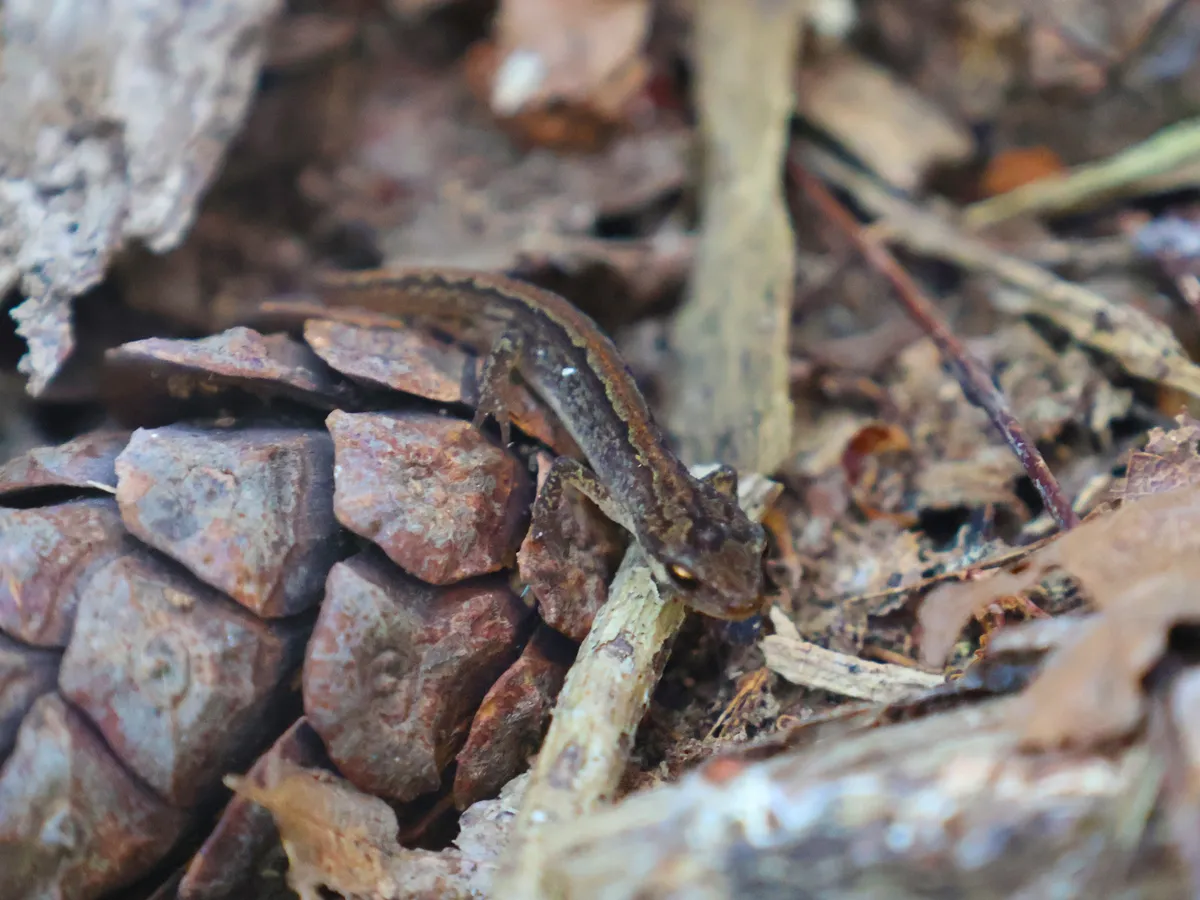
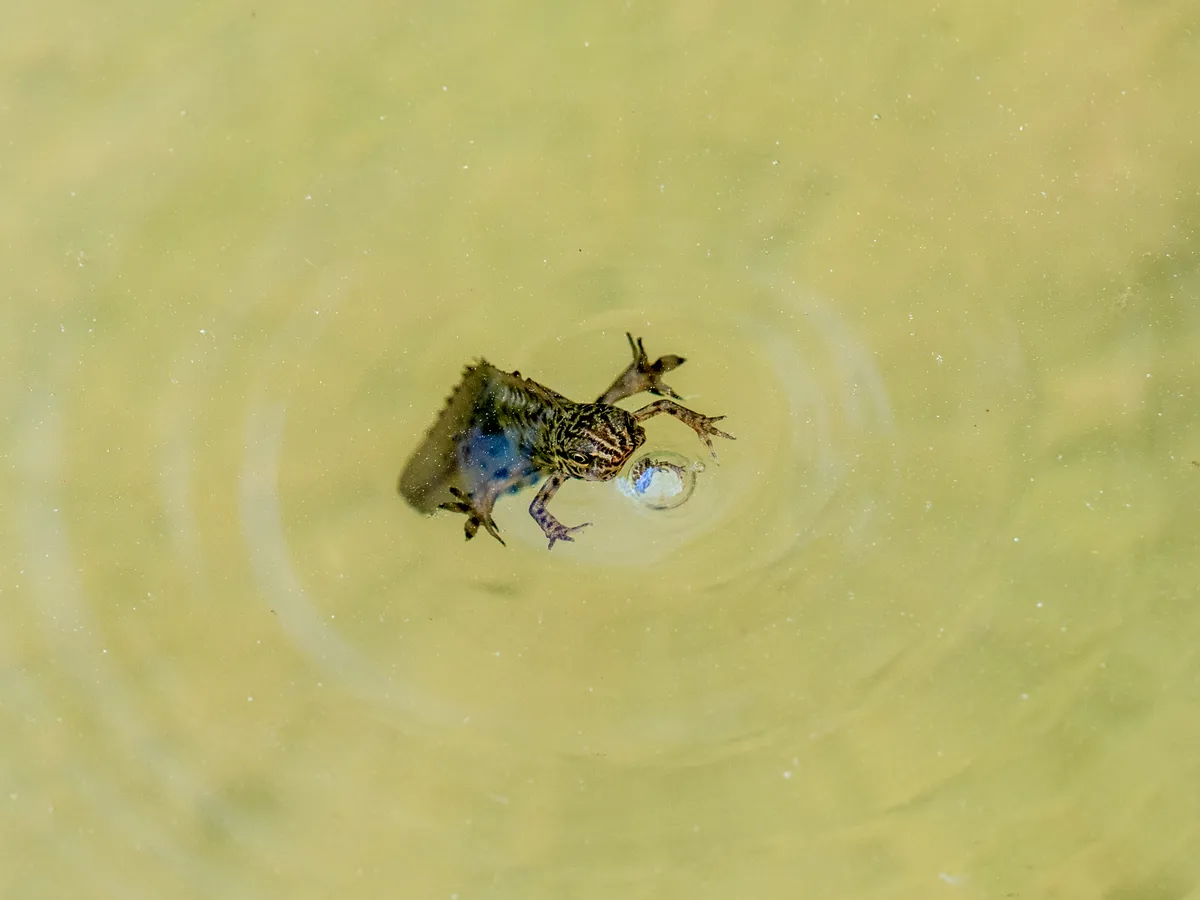
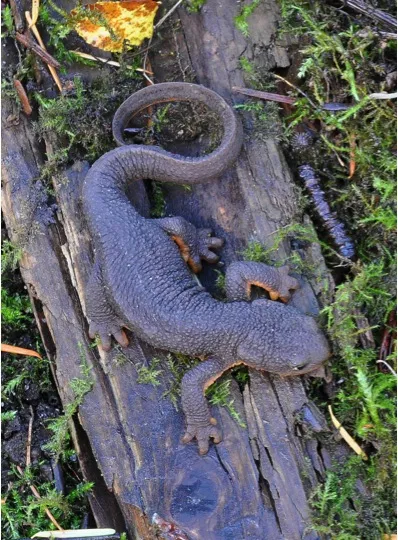
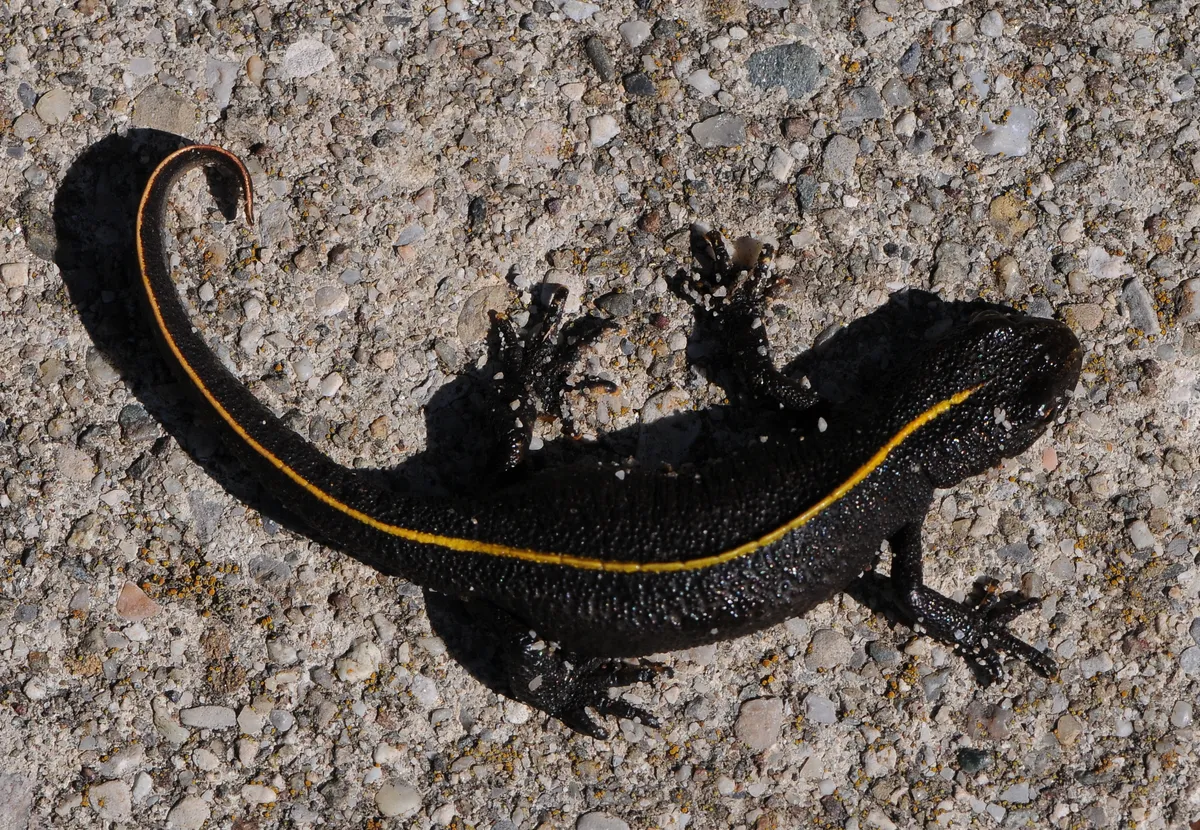
A small salamander species native to Europe, characterized by smooth skin and aquatic-terrestrial lifecycle. Belongs to the Salamandridae family, widespread across temperate regions.
Image Gallery
ADSENSE SLOT
Ecology & Habitat
Habitat
Freshwater ecosystems including ponds, slow-moving streams, woodland areas, and moist terrestrial environments. Prefers habitats with dense vegetation and moderate humidity levels.
Ecological Role
Critical ecosystem role as insectivore, controlling invertebrate populations. Serves as bioindicator for environmental health and provides food for predators like birds and small mammals.
Morphology
SKIN COATSmooth, moist skin with variable coloration. Males develop distinctive nuptial tubercles during breeding season.
LIMBS WINGSFour short, delicate limbs with four digits on front and back feet. Enables terrestrial and aquatic locomotion.
HEAD SENSORYRelatively large eyes, smooth rounded snout. Acute sensory perception for detecting prey and environmental changes.
BODY STRUCTURESlender body, typically 7-11 cm in length. Elongated tail, approximately 3-5 cm. Weight ranges between 3-10 grams.
Data Source: TaxonHub Database
Image Credit: Michel Langeveld