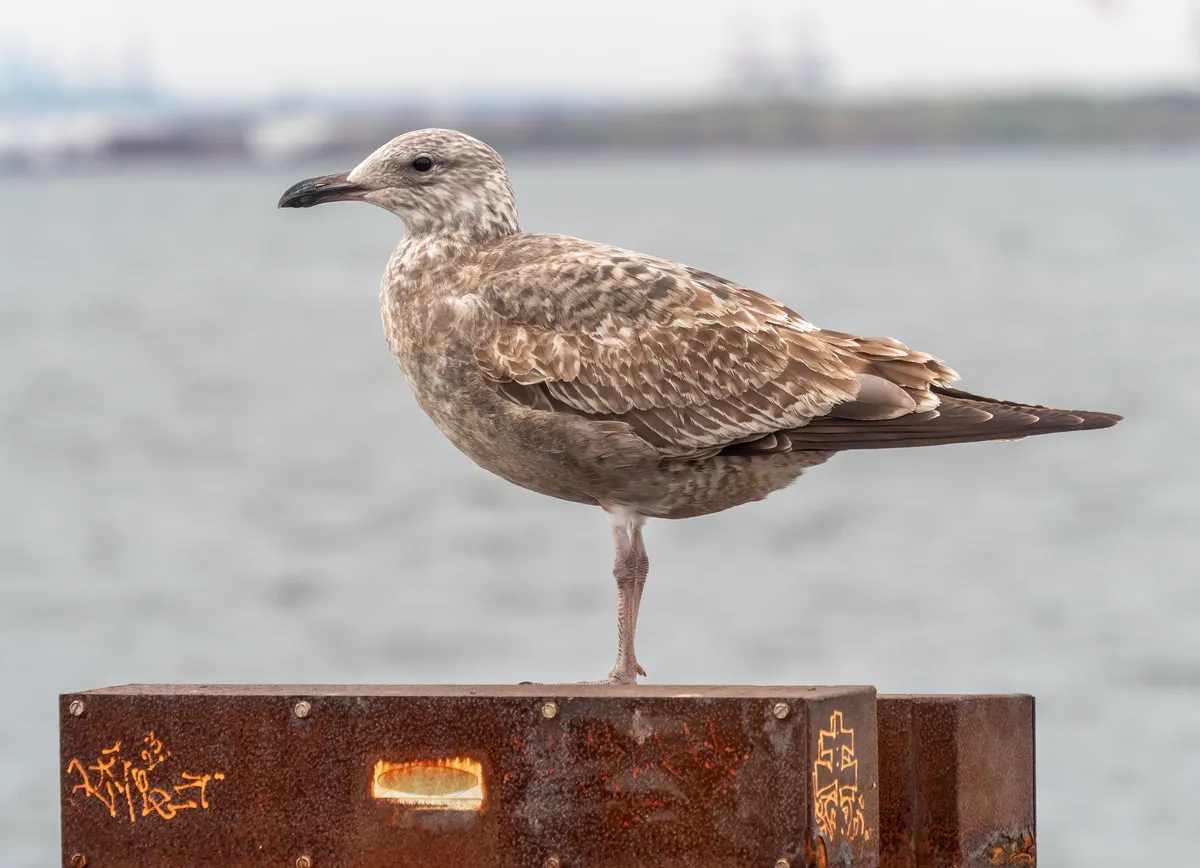
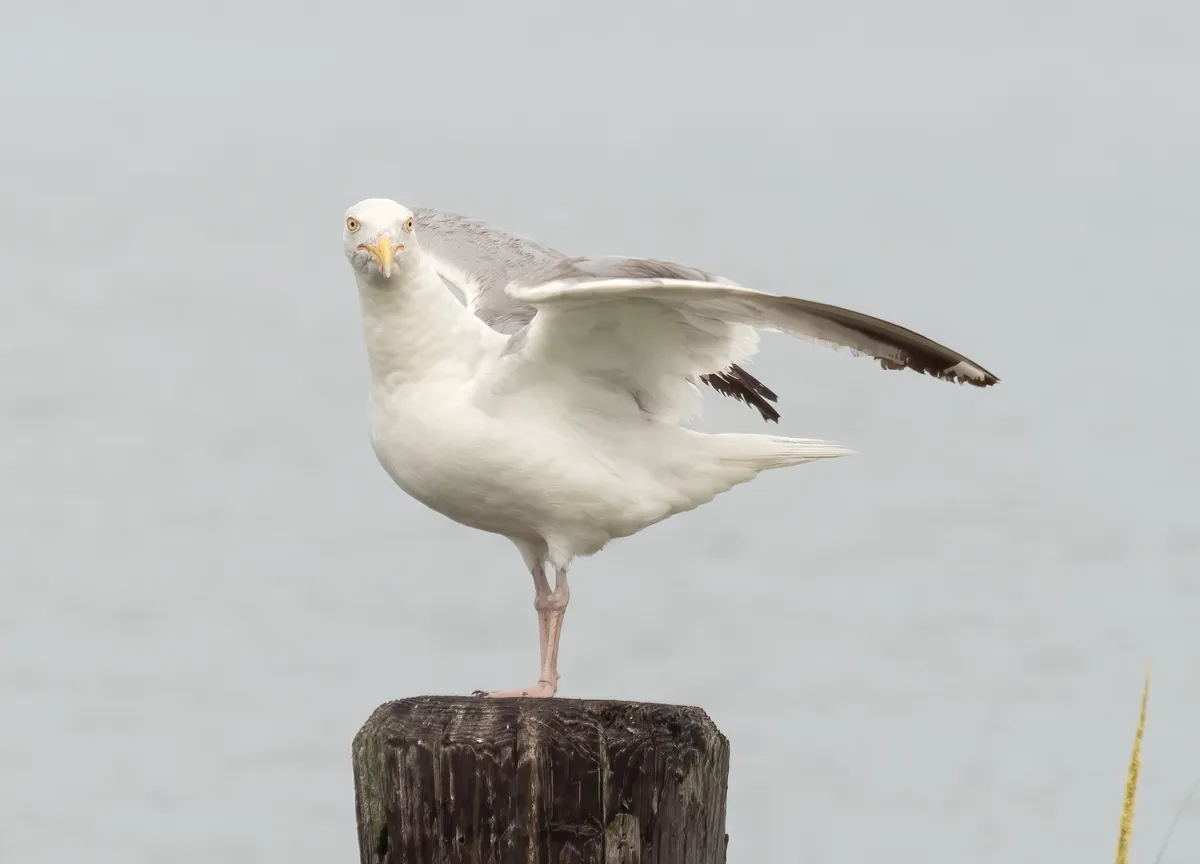
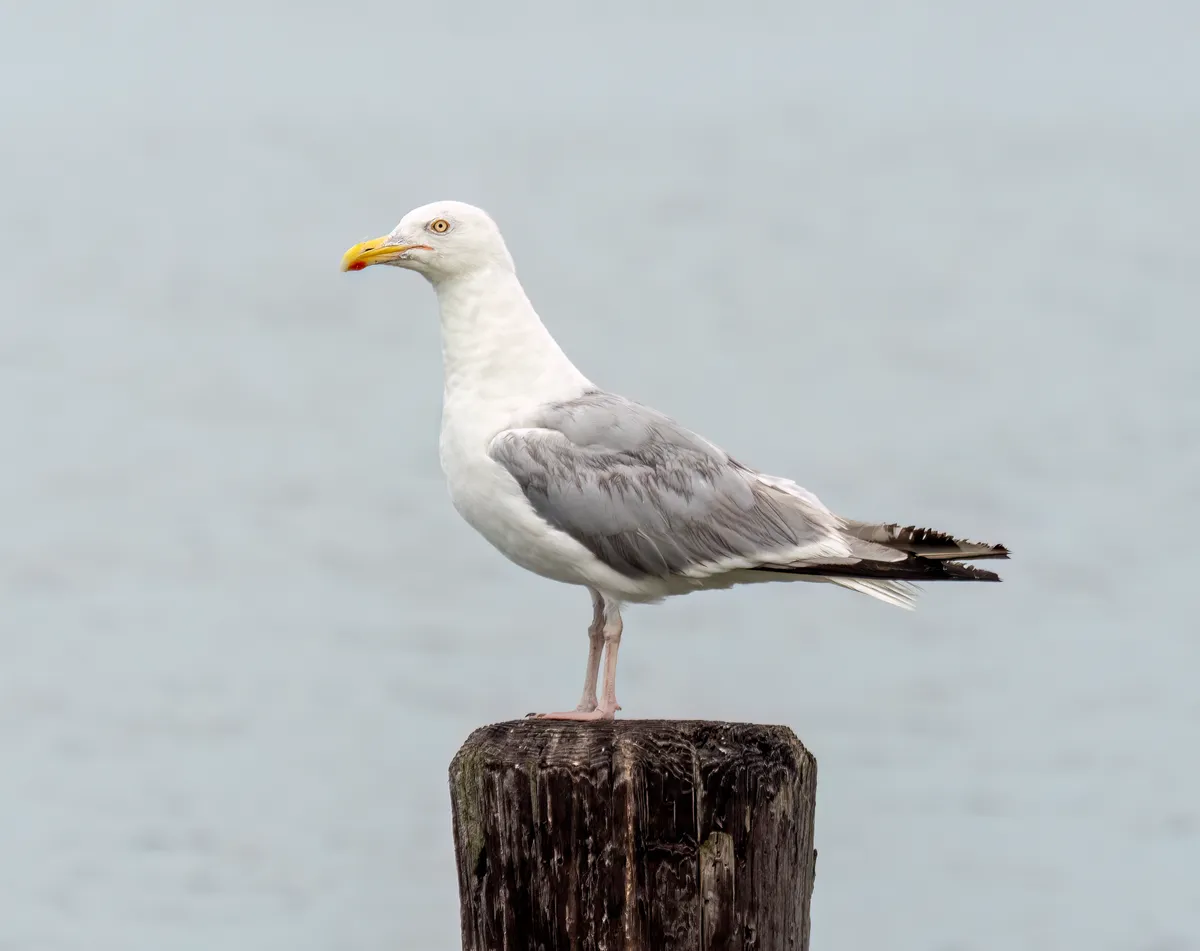
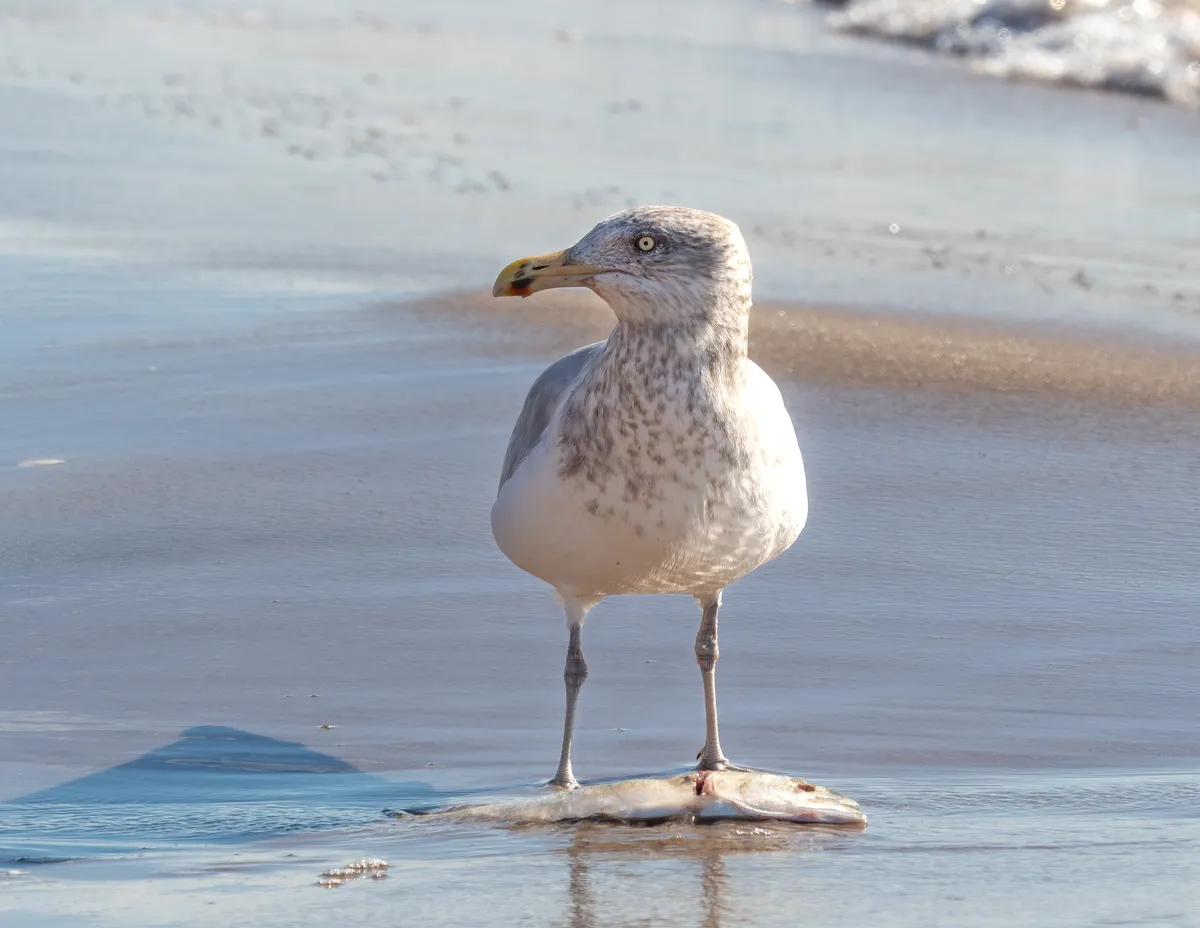
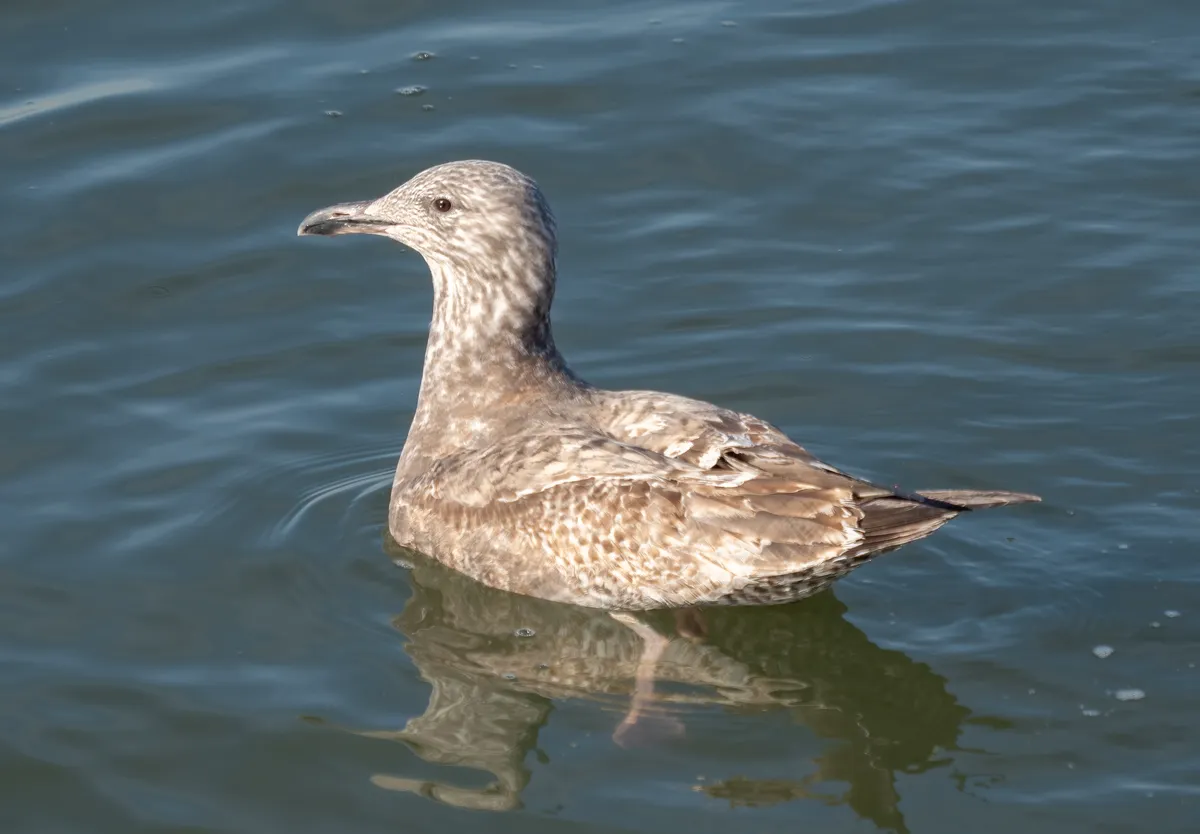
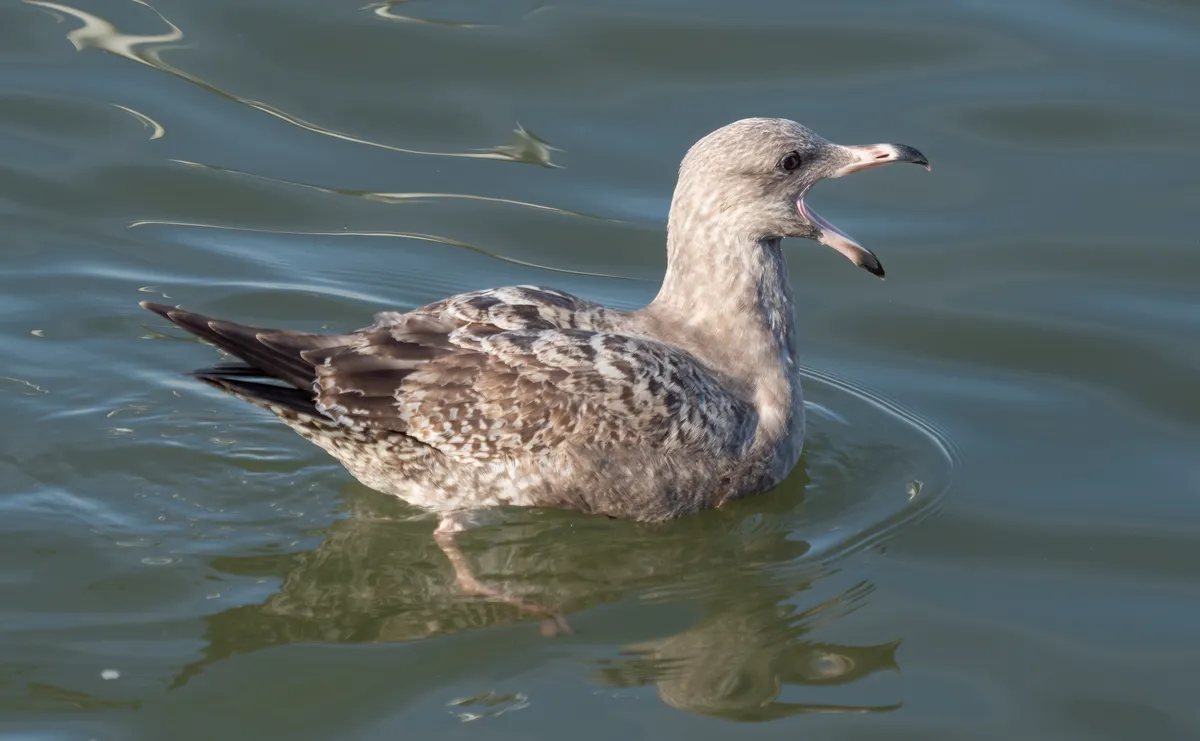
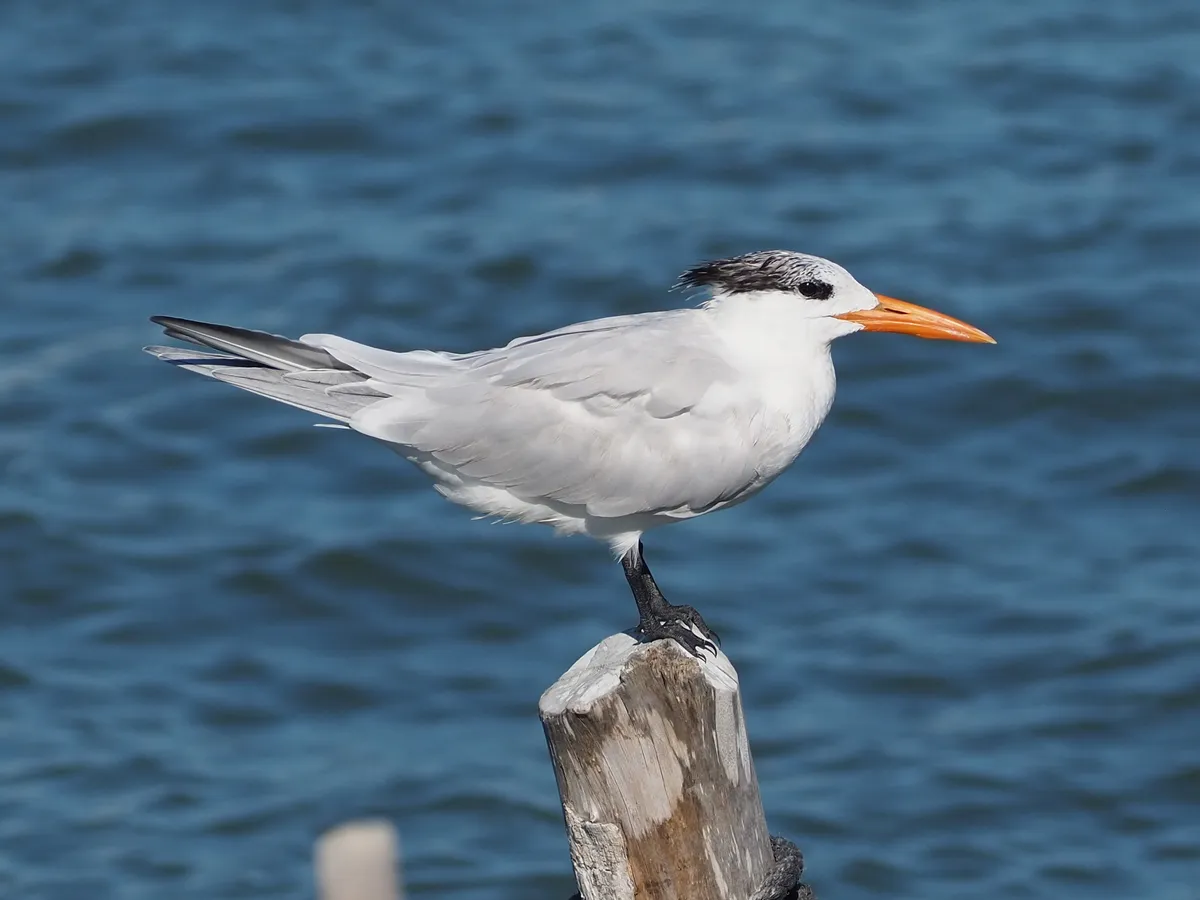
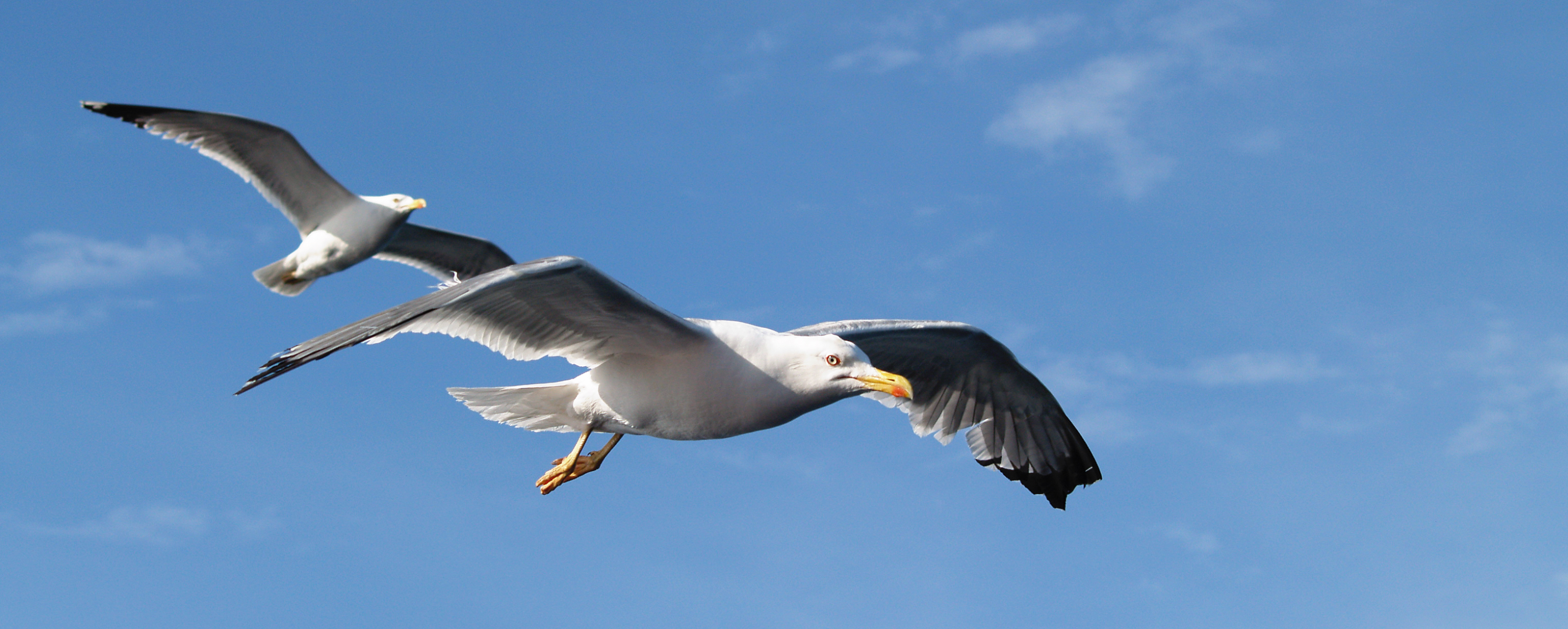
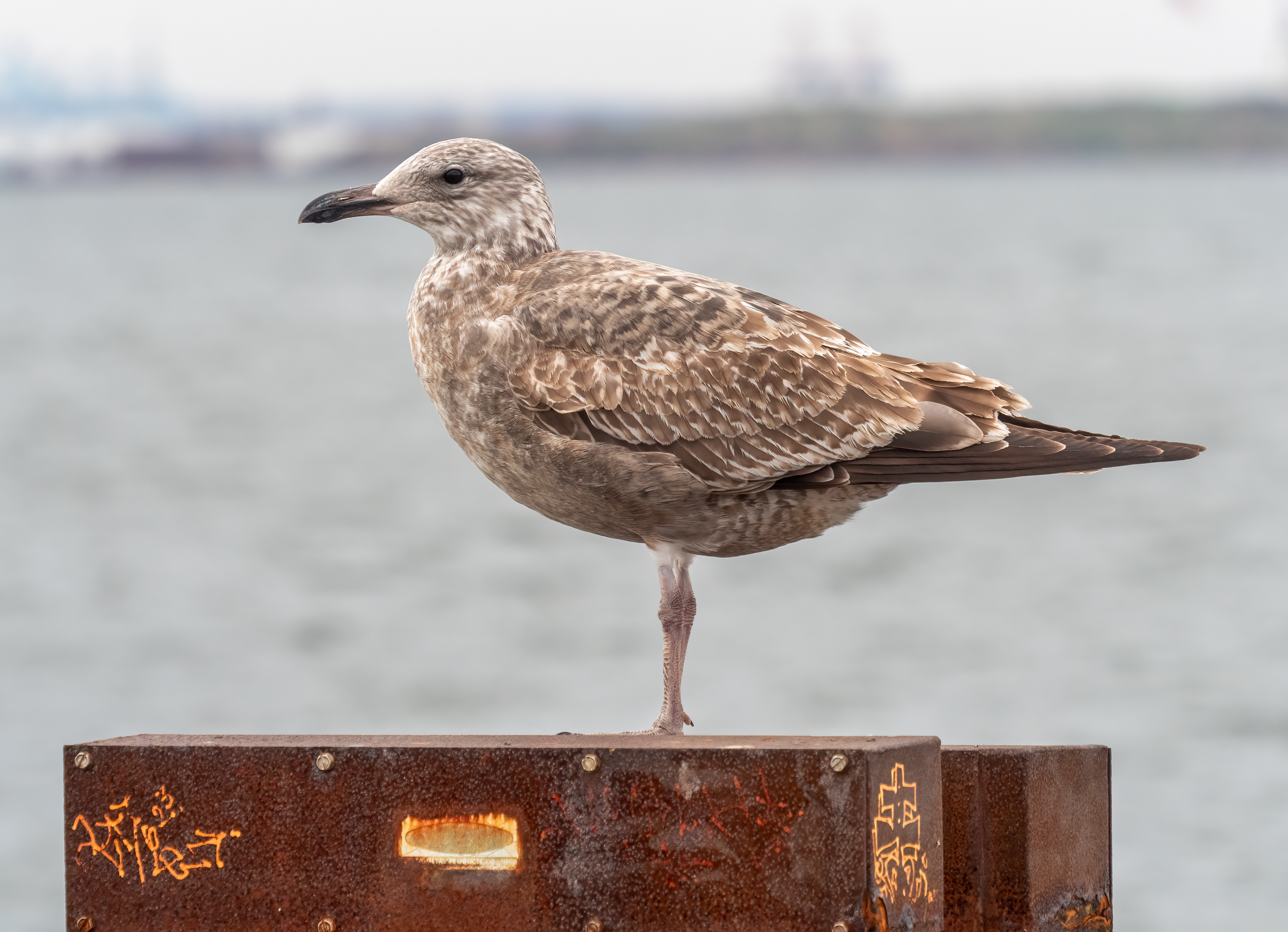
Large seabird native to North America, widely distributed along coastal and inland water environments, characterized by robust physical adaptations for marine and freshwater ecosystems.
Image Gallery
ADSENSE SLOT
Ecology & Habitat
Habitat
Coastal shorelines, large lakes, rivers, marine environments across North America, ranging from Alaska to the Gulf of Mexico, including Great Lakes region
Ecological Role
Key marine and coastal ecosystem predator and scavenger, controlling fish populations, dispersing nutrients, and serving as indicator species for environmental health
Morphology
SKIN COATWhite and gray feather coloration, providing camouflage and thermal regulation
LIMBS WINGSLong, powerful wings with gray and white plumage, webbed feet for swimming and aquatic navigation
HEAD SENSORYLarge white head, yellow bill with red spot, keen binocular vision adapted for hunting marine prey
BODY STRUCTURELarge gull, typically 54-66 cm in length, wingspan of 120-144 cm, body mass 800-1400 g
Data Source: TaxonHub Database
Image Credit: Rhododendrites