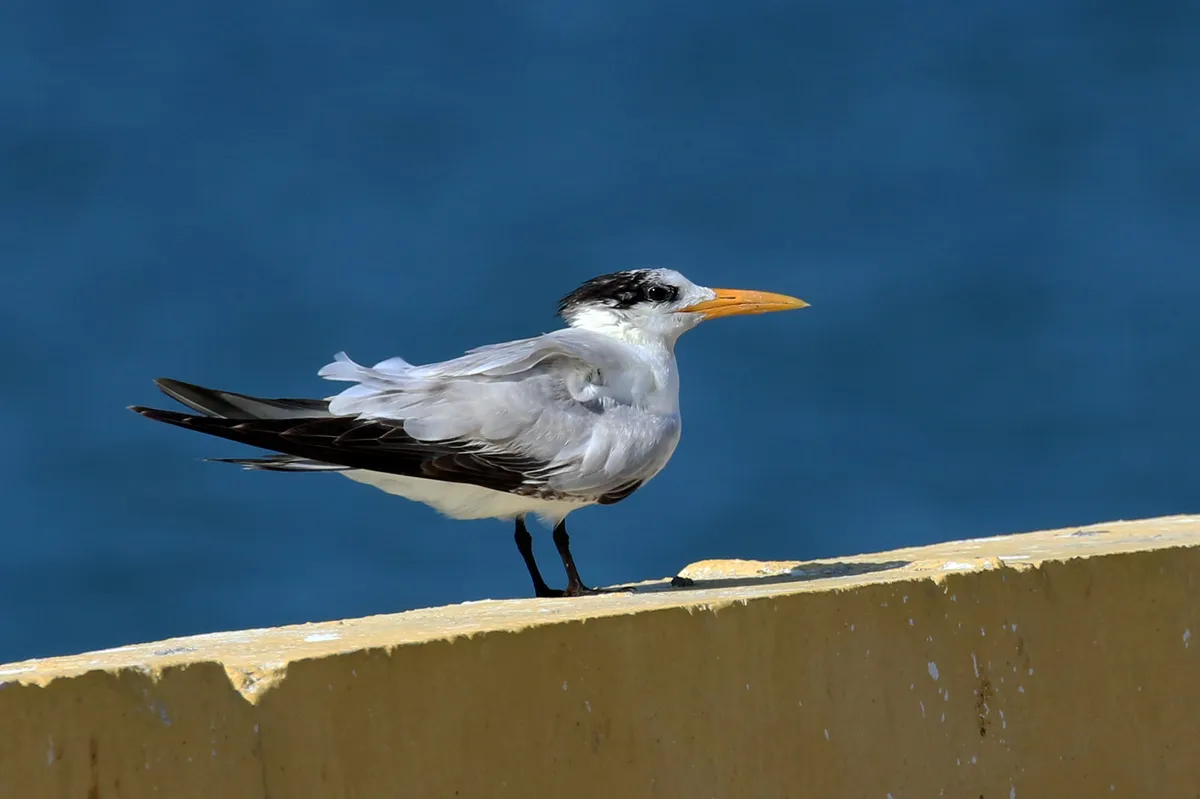
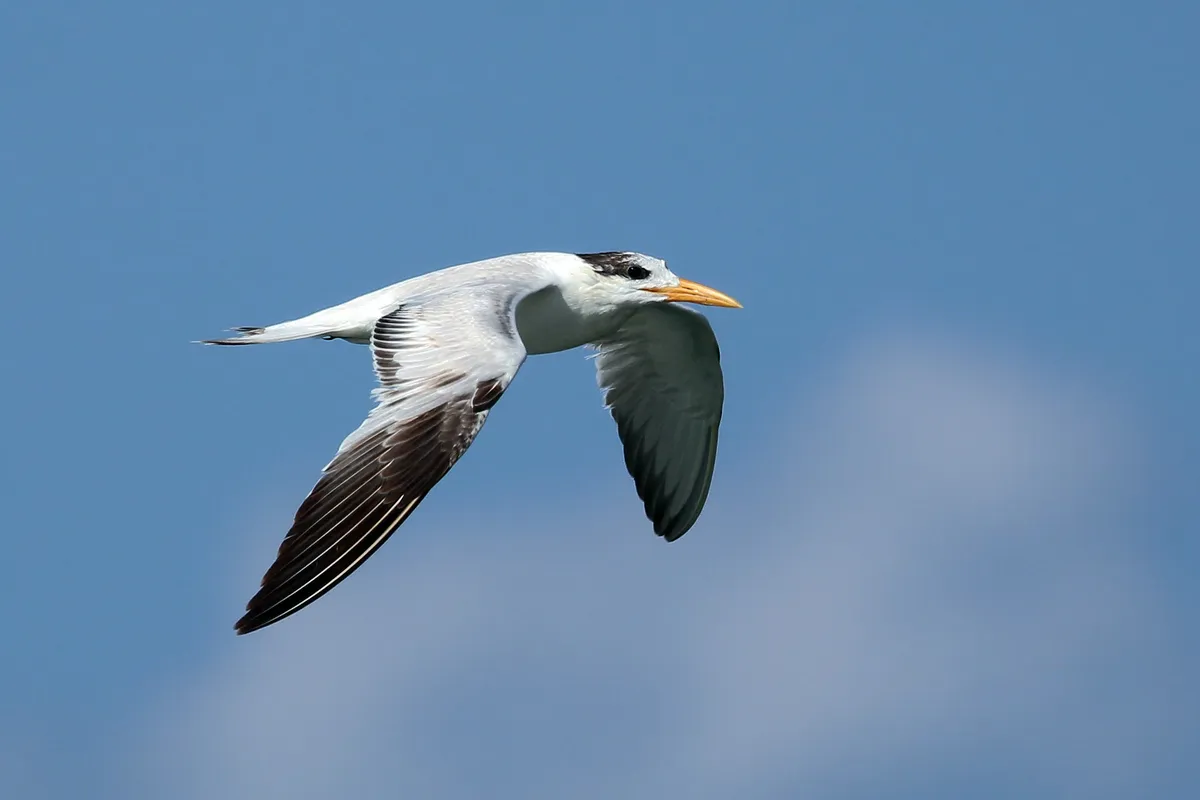
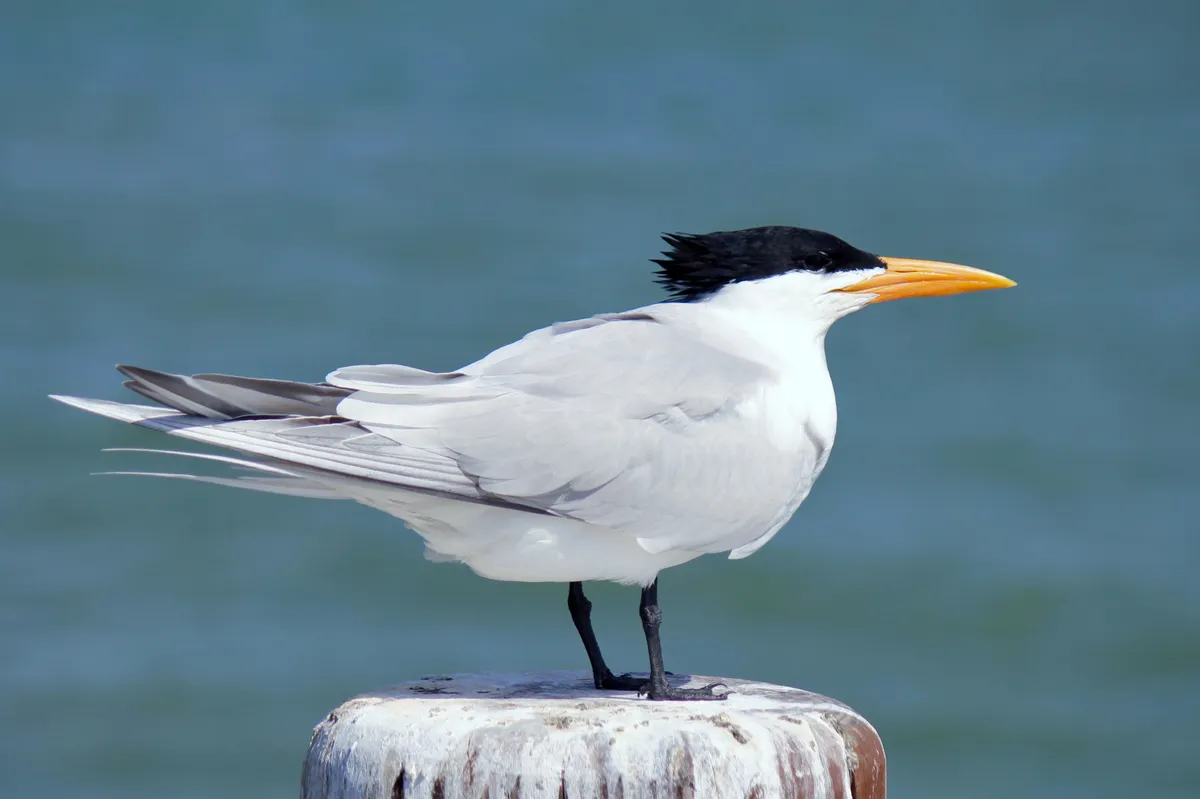
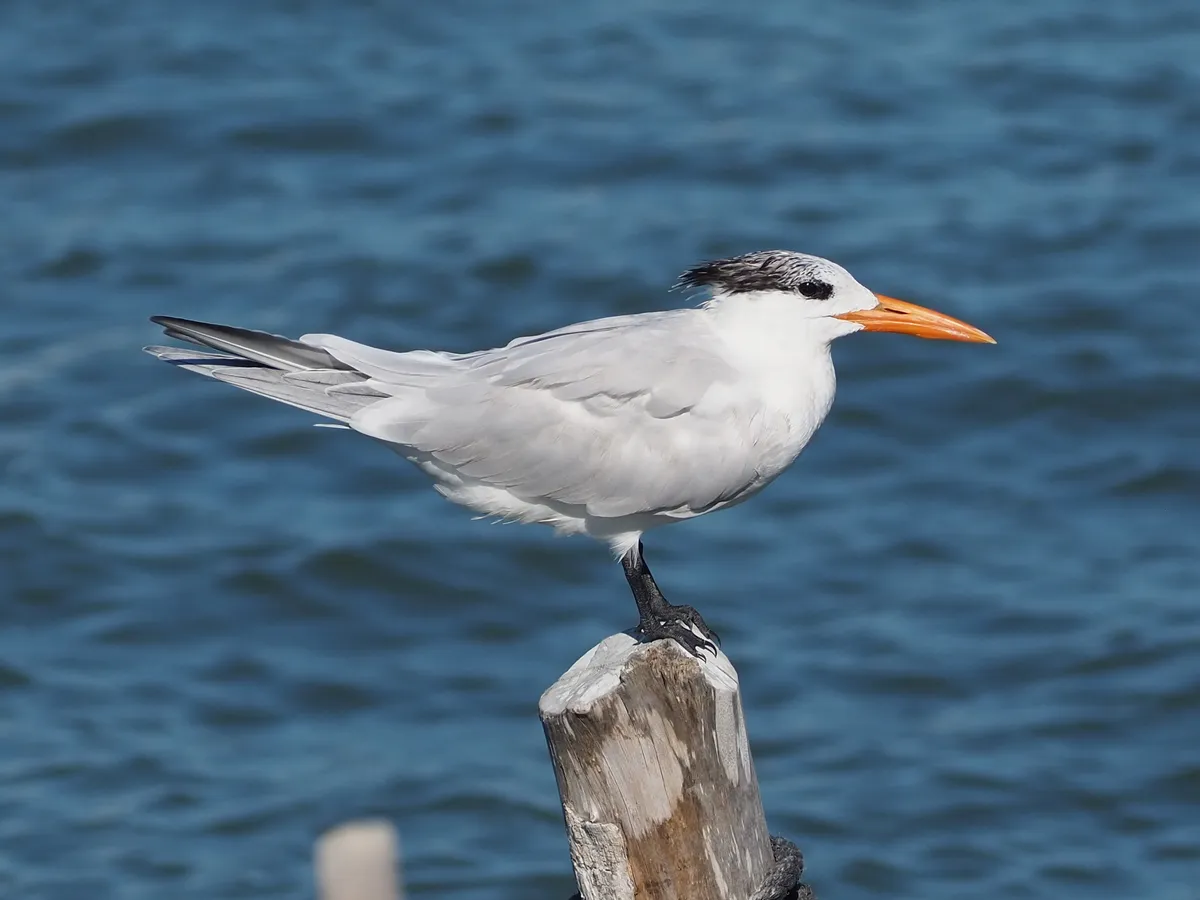
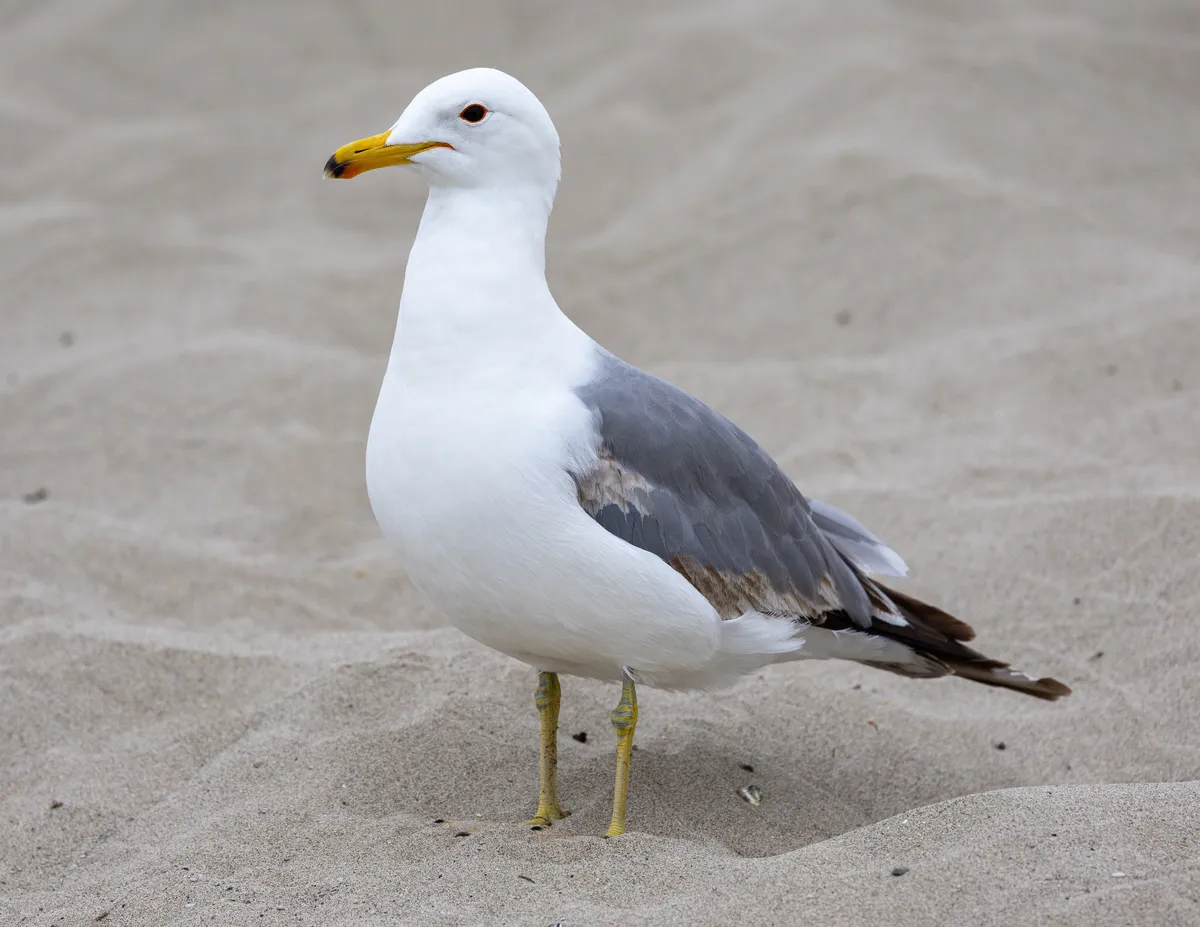
A large seabird species within the Laridae family, characterized by its distinctive orange-red bill and black crest during breeding season. Native to coastal regions of the Americas, ranging from the southeastern United States to Brazil.
Image Gallery
ADSENSE SLOT
Ecology & Habitat
Habitat
Coastal marine environments, including sandy beaches, rocky shorelines, estuaries, and offshore islands. Predominantly found along Atlantic and Gulf Coast regions, with significant populations in the Caribbean.
Ecological Role
Critical marine predator that helps regulate fish populations, serves as an indicator species for coastal ecosystem health, and contributes to nutrient cycling in marine food webs.
Morphology
SKIN COATPrimarily white plumage with light gray back and wings, breeding adults exhibit more distinct coloration patterns.
LIMBS WINGSLong, pointed wings enabling exceptional aerial maneuverability, webbed feet for swimming and diving, capable of deep-water fishing.
HEAD SENSORYAcute vision, sharp pointed bill for precise fish capture, black cap during breeding season, white plumage with gray dorsal surfaces.
BODY STRUCTURELarge tern with body length 45-50 cm, wingspan 100-110 cm, body mass 350-450 g. Streamlined body adapted for efficient aerial and marine locomotion.
Data Source: TaxonHub Database
Image Credit: Mike Baird from Morro Bay, USA