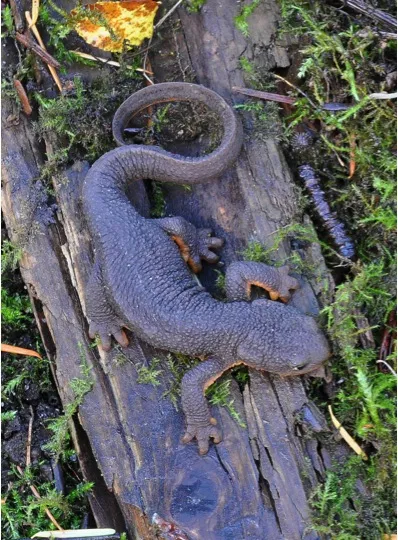
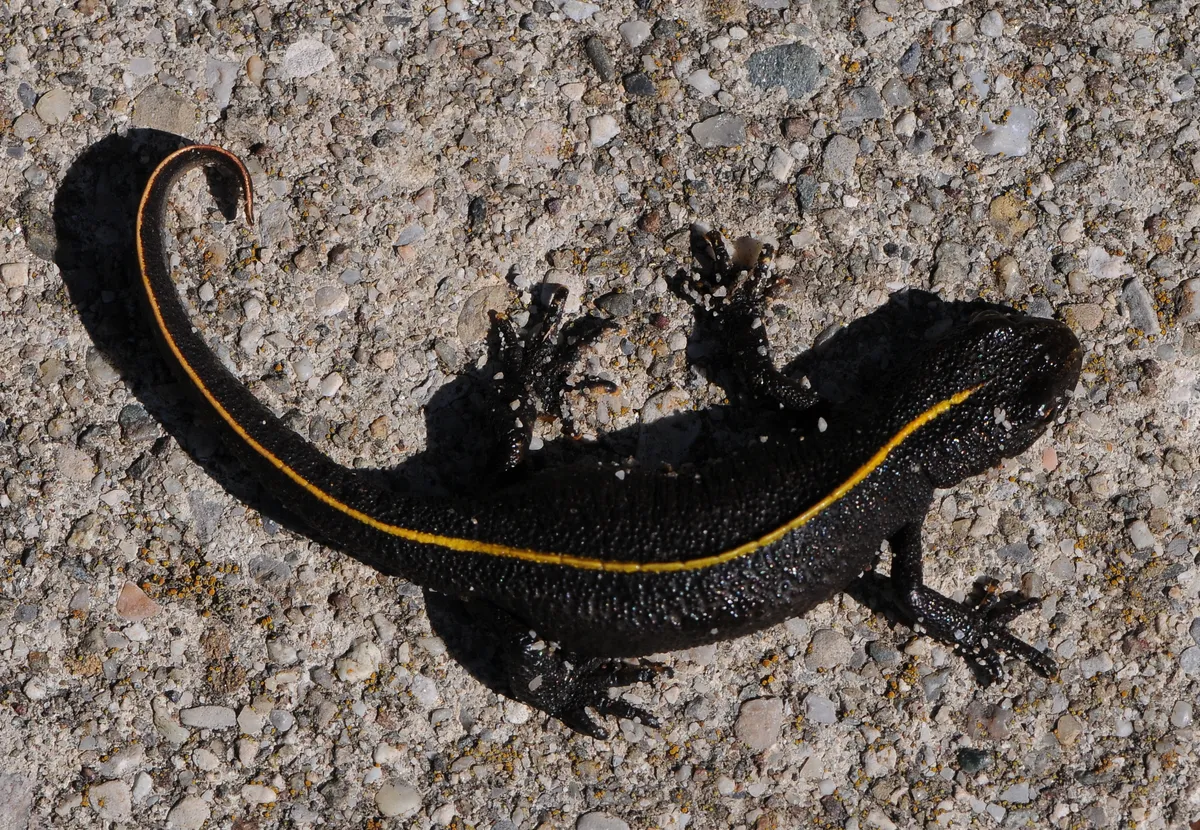
A small aquatic salamander endemic to mountainous regions of Europe, characterized by its vibrant coloration and complex life cycle involving both aquatic and terrestrial phases.
ADSENSE SLOT
Ecology & Habitat
Habitat
Inhabits mountainous and sub-alpine regions across central and southern Europe, including alpine meadows, forest streams, ponds, and temporary water bodies at elevations between 300-2,500 meters above sea level.
Ecological Role
Key indicator species for freshwater ecosystem health, plays crucial role in controlling insect populations and serving as prey for larger predators in aquatic and terrestrial food webs.
Morphology
- SKIN COAT Smooth, moist skin with distinctive breeding season coloration; males develop a conspicuous jagged dorsal crest during mating period
- LIMBS WINGS Four relatively short limbs with four toes on front feet and five toes on hind feet, adapted for swimming and terrestrial locomotion
- HEAD SENSORY Broad, flattened head with well-developed external gills during larval stage, prominent eyes, and sensitive chemosensory capabilities
- BODY STRUCTURE Slender, elongated body with typical salamander form, typically 7-12 cm in total length, with males slightly smaller than females
Data Source: TaxonHub Database
Image Credit: Wikimedia Commons
Image Credit: Wikimedia Commons
ADSENSE VERTICAL