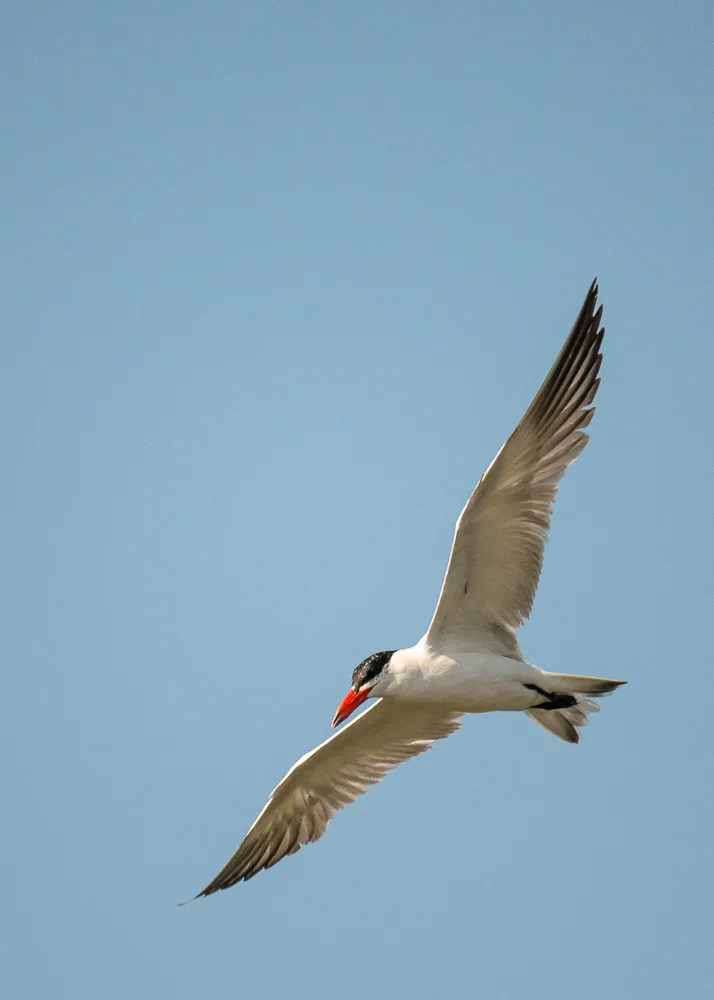
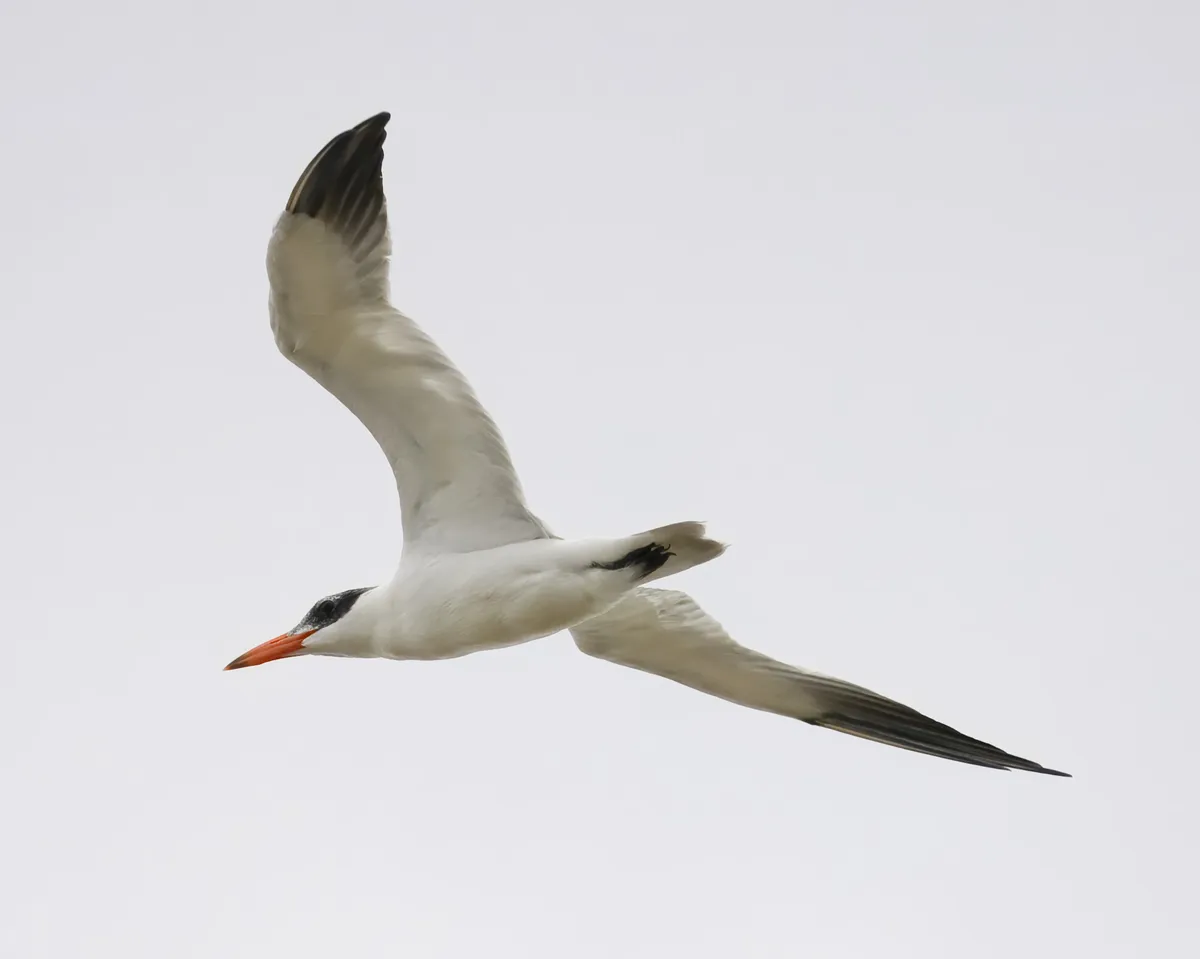
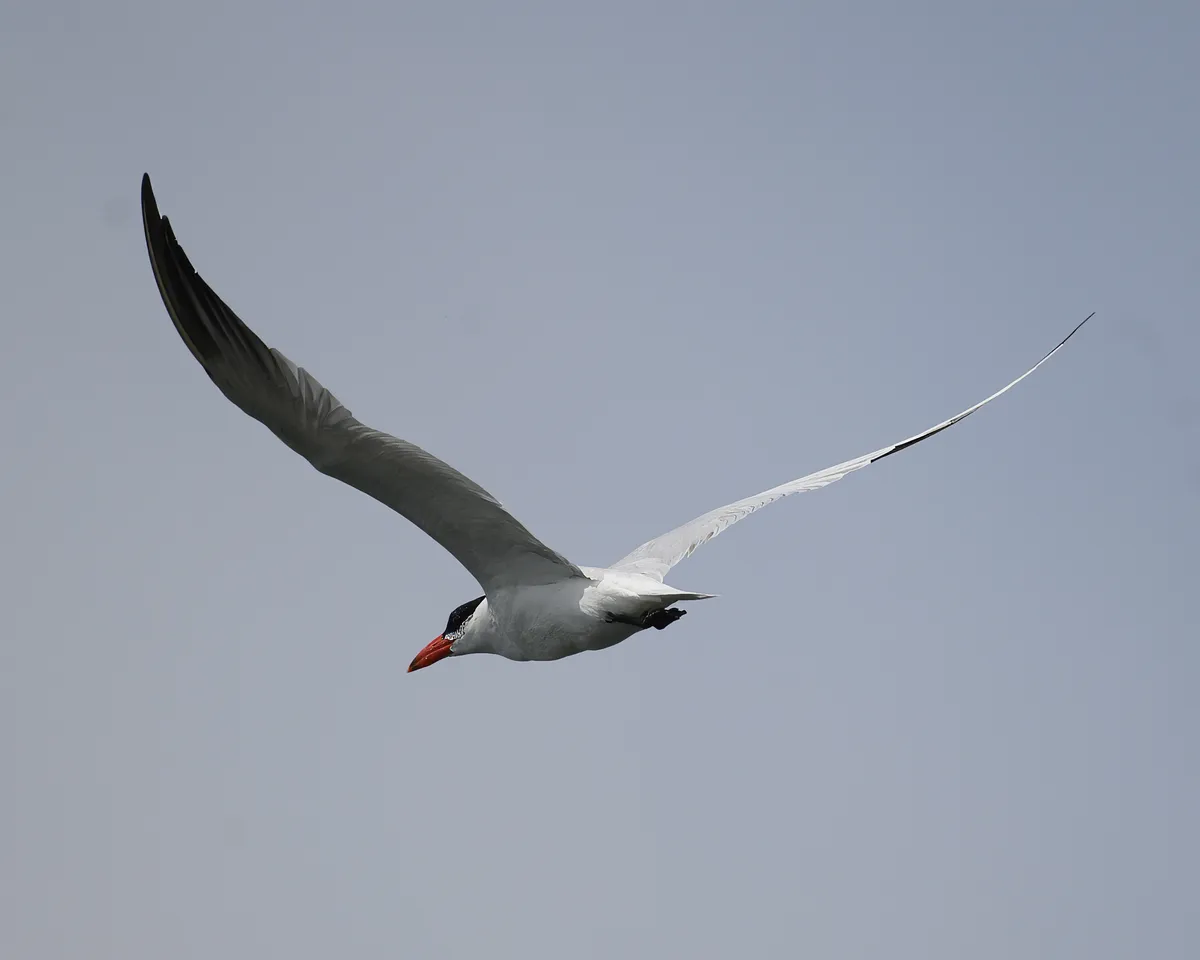
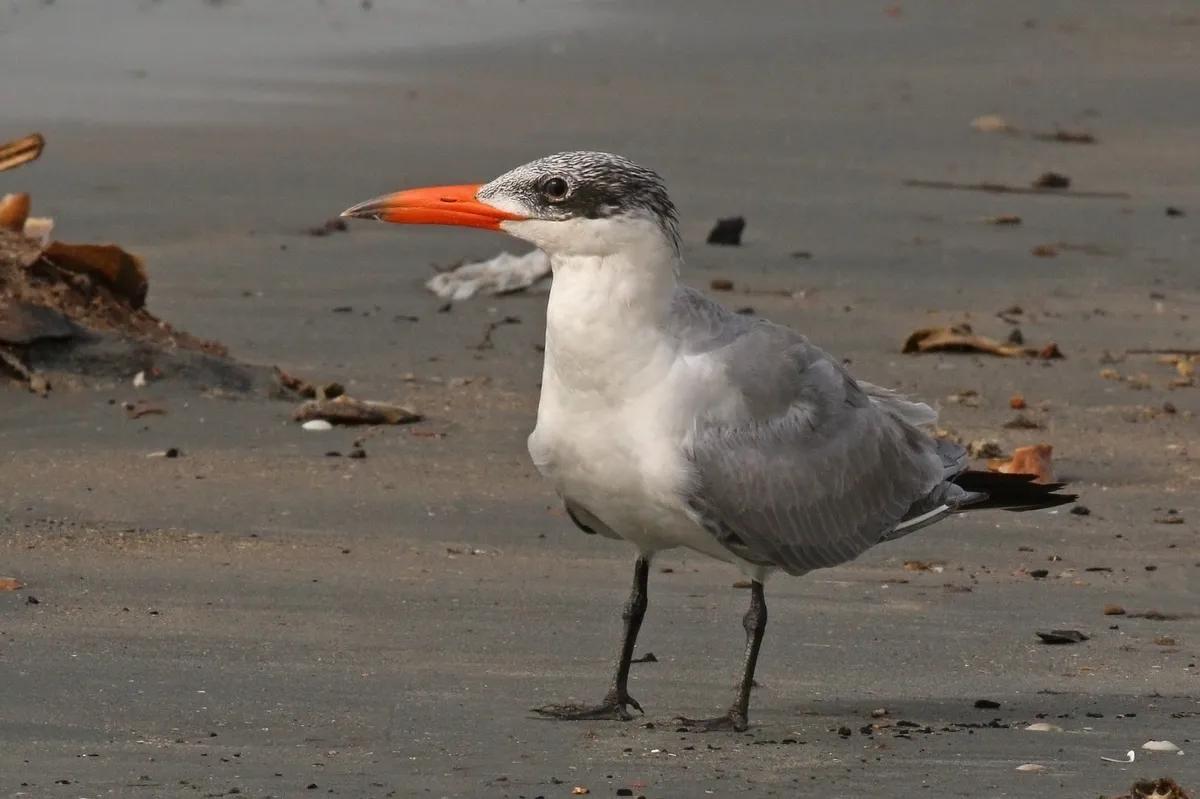
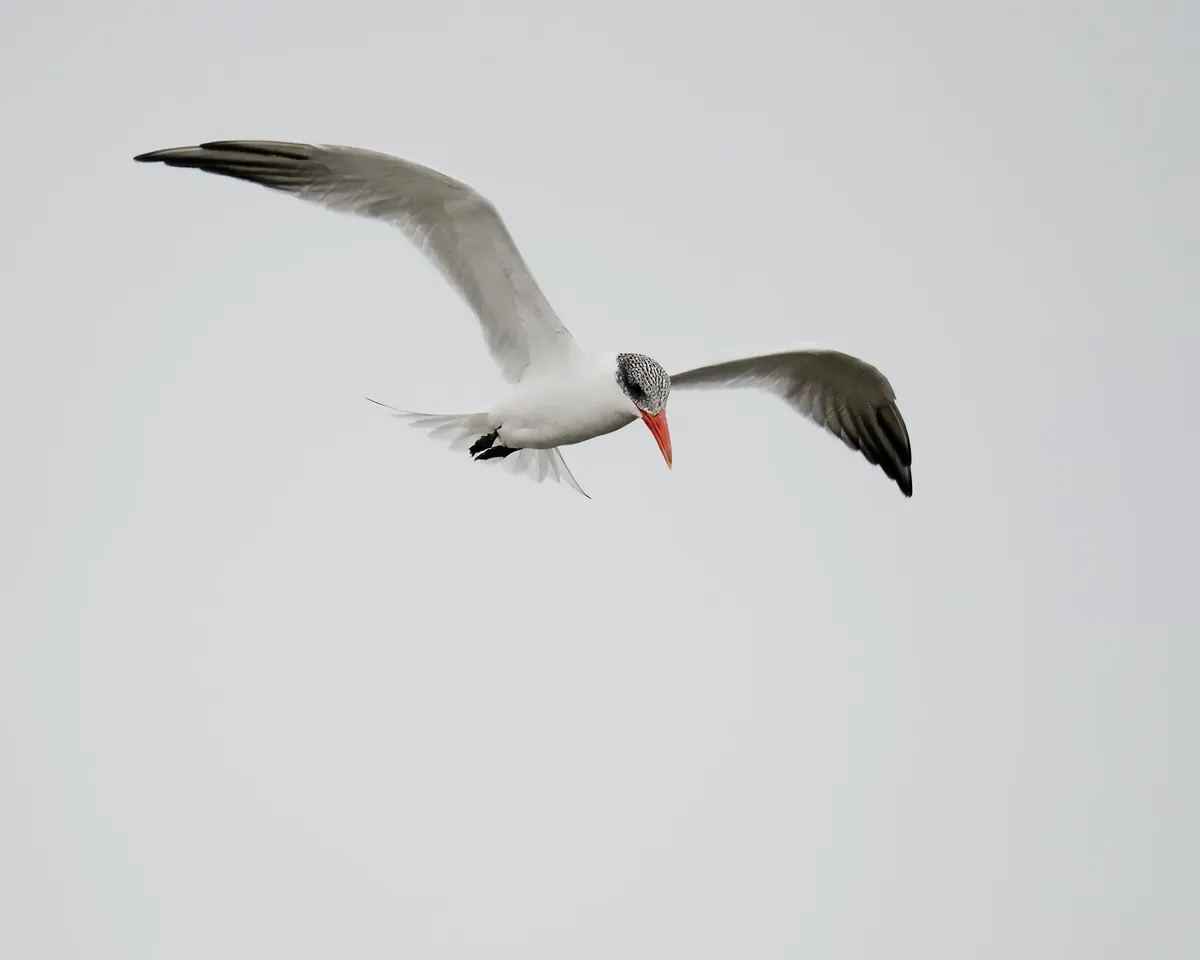
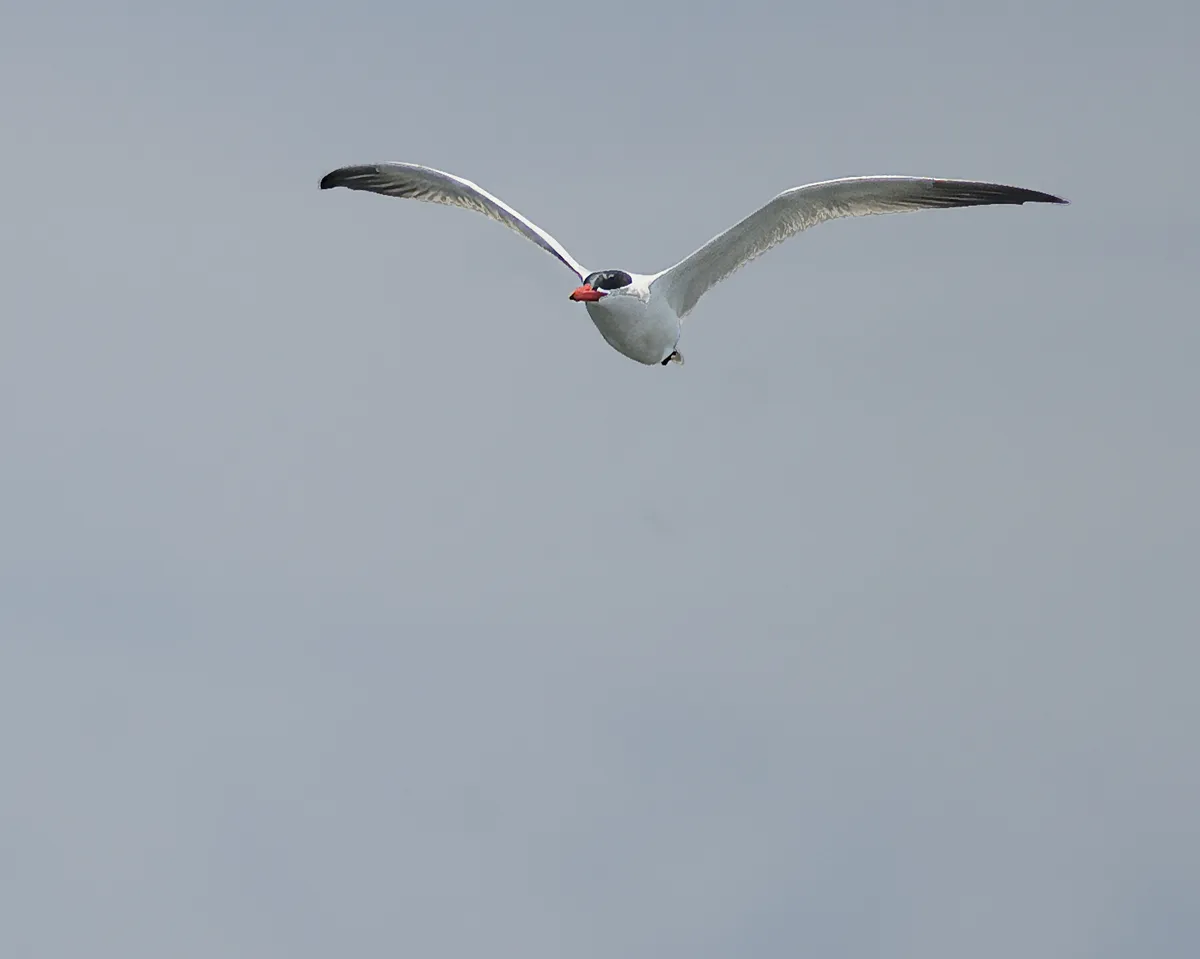
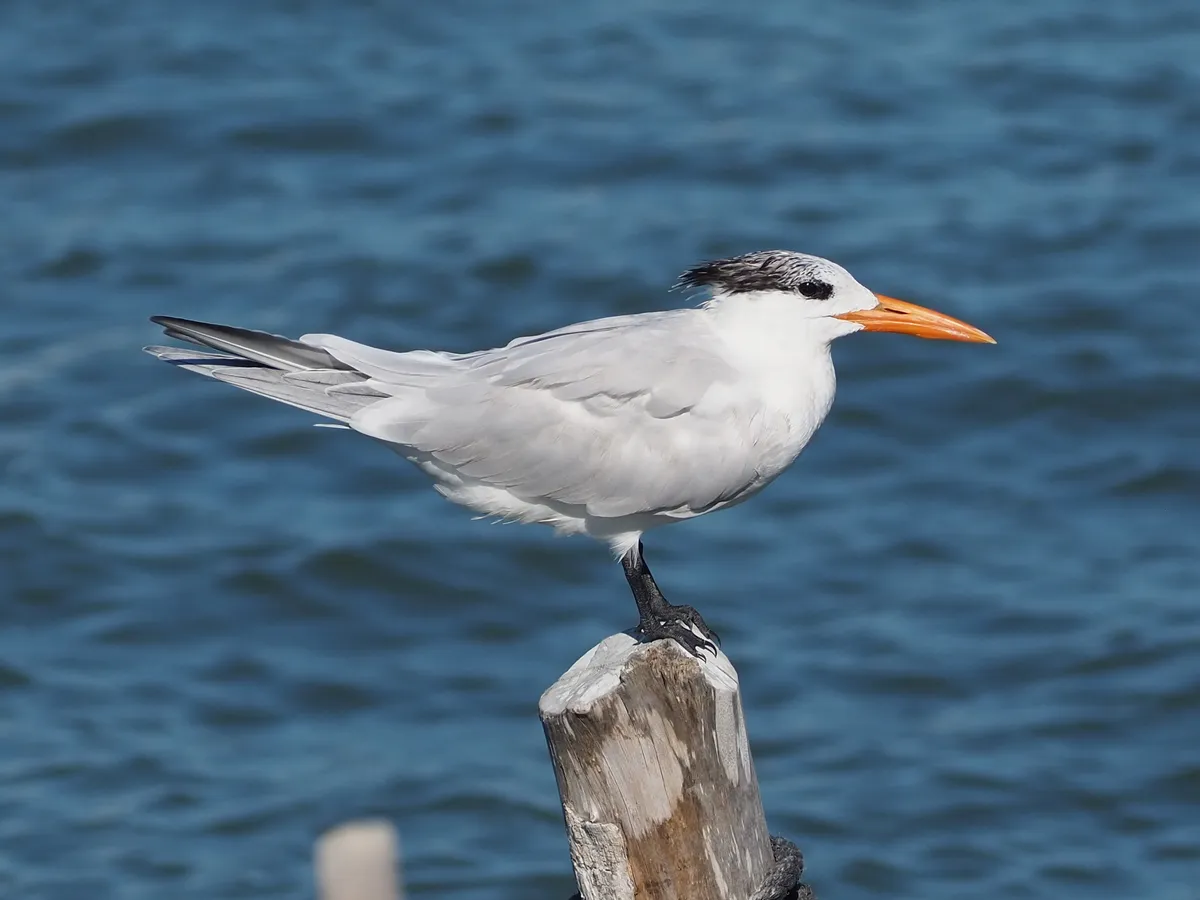
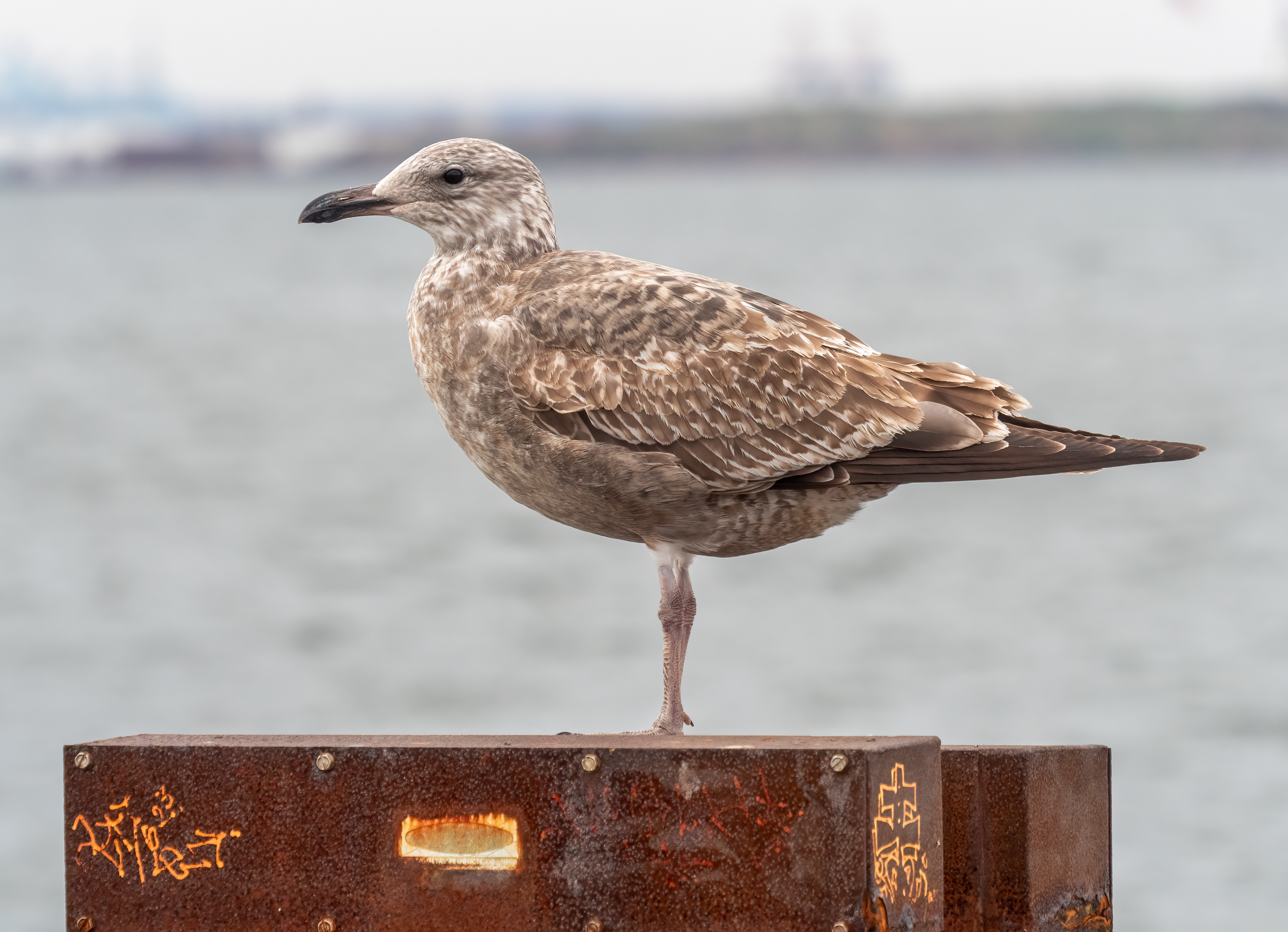
Large seabird with a distinctive red bill, belonging to the Laridae family, found across multiple global coastal and inland water regions.
Image Gallery
ADSENSE SLOT
Ecology & Habitat
Habitat
Coastal marine environments, large lakes, rivers, and estuaries across North America, Europe, Asia, Africa, and Australia, preferring open water and shoreline regions with abundant fish populations.
Ecological Role
Key predatory seabird species controlling fish populations, serving as bioindicator for marine ecosystem health, and contributing to coastal food web dynamics.
Morphology
SKIN COATPredominantly white plumage with light gray wing tips, waterproof feathers with high thermal insulation
LIMBS WINGSLong, pointed wings for efficient aerial hunting, webbed feet for swimming and landing on water surfaces
HEAD SENSORYLarge red-orange pointed bill, excellent binocular vision, white head with black cap during breeding season
BODY STRUCTURELarge tern, body length 48-60 cm, wingspan 120-145 cm, weight 500-750 g, robust and streamlined body adapted for marine flight and fishing
Data Source: TaxonHub Database
Image Credit: TRinaud