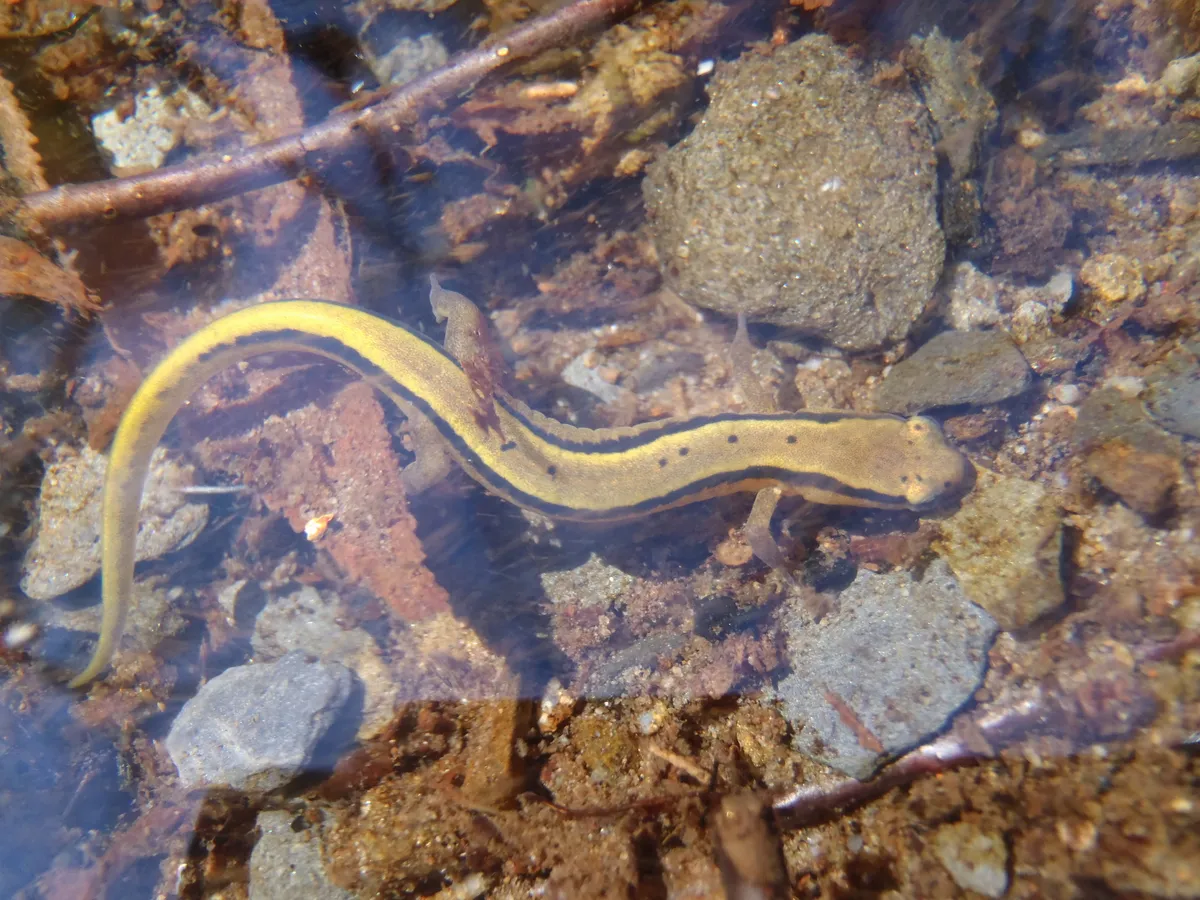
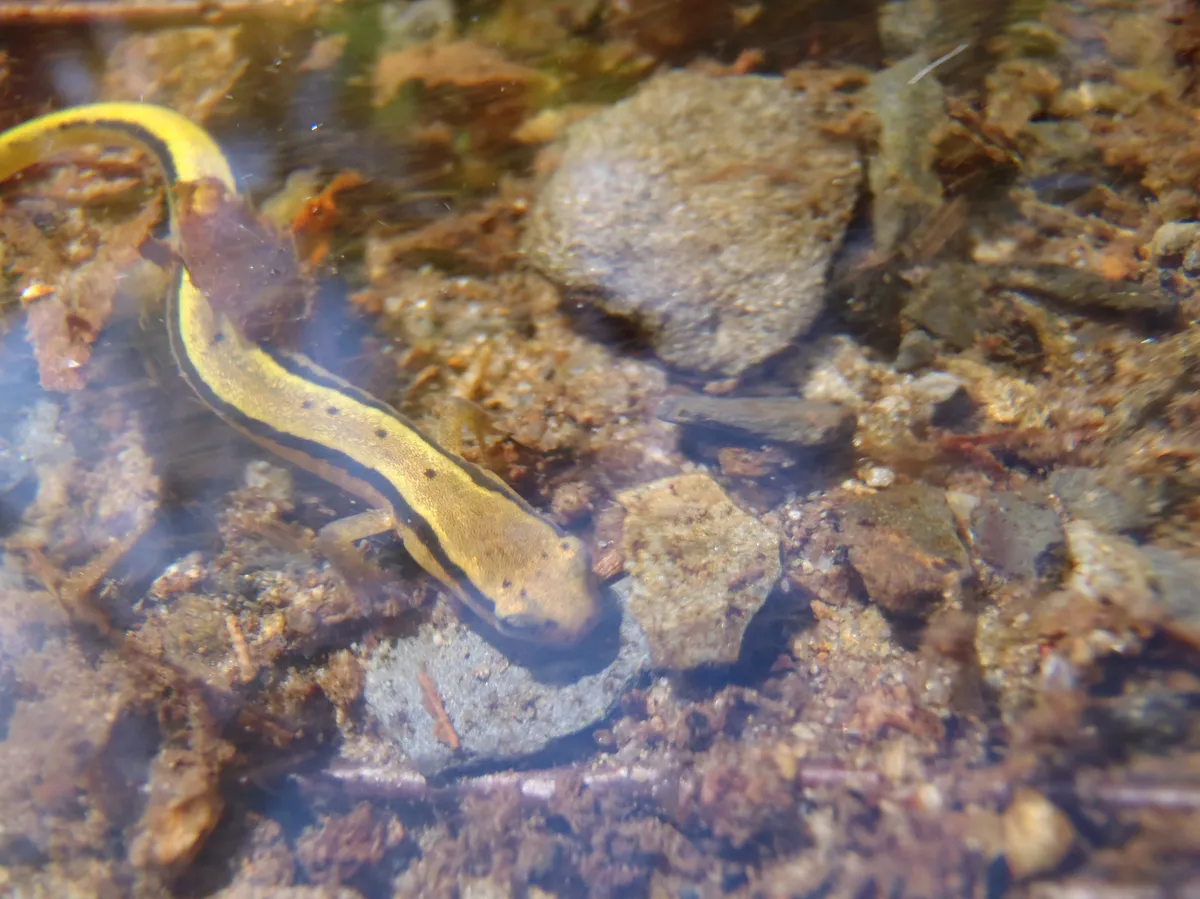
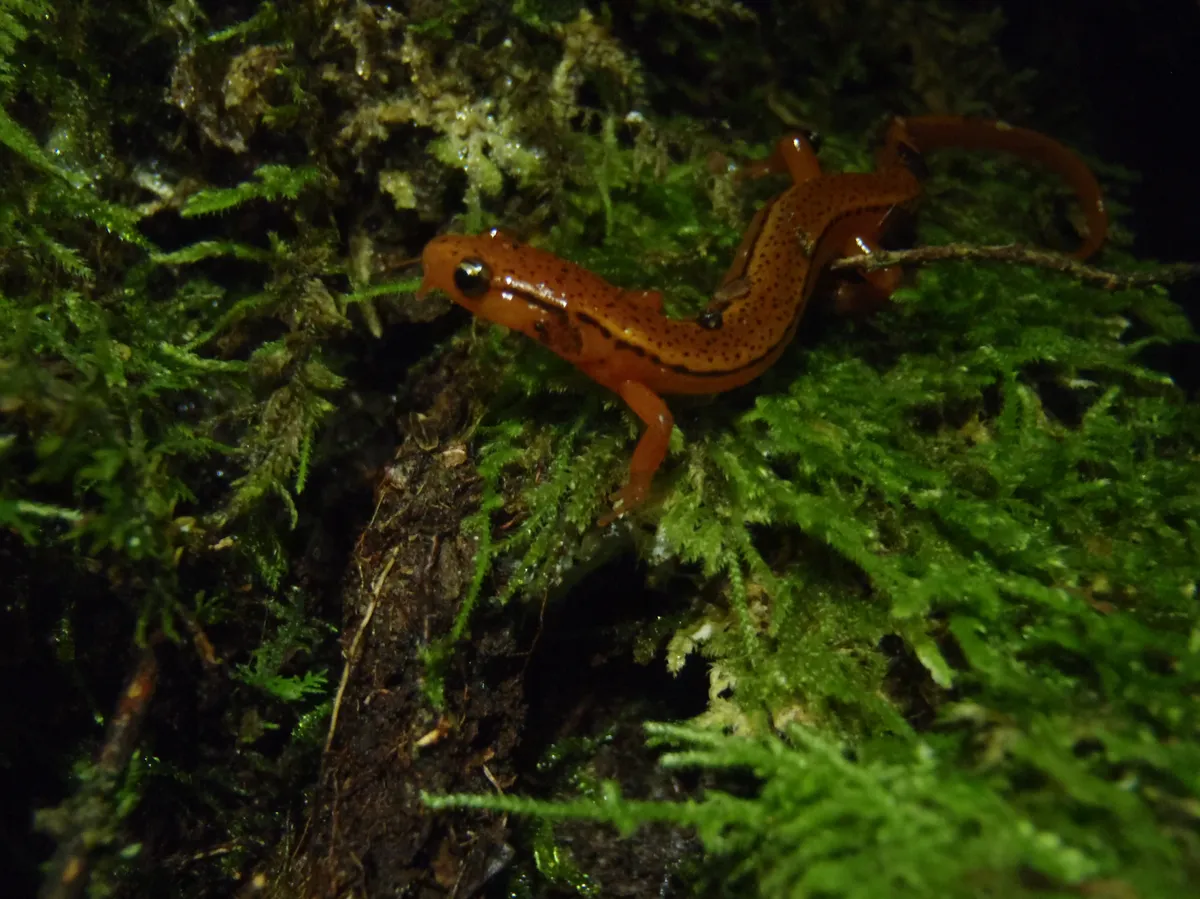
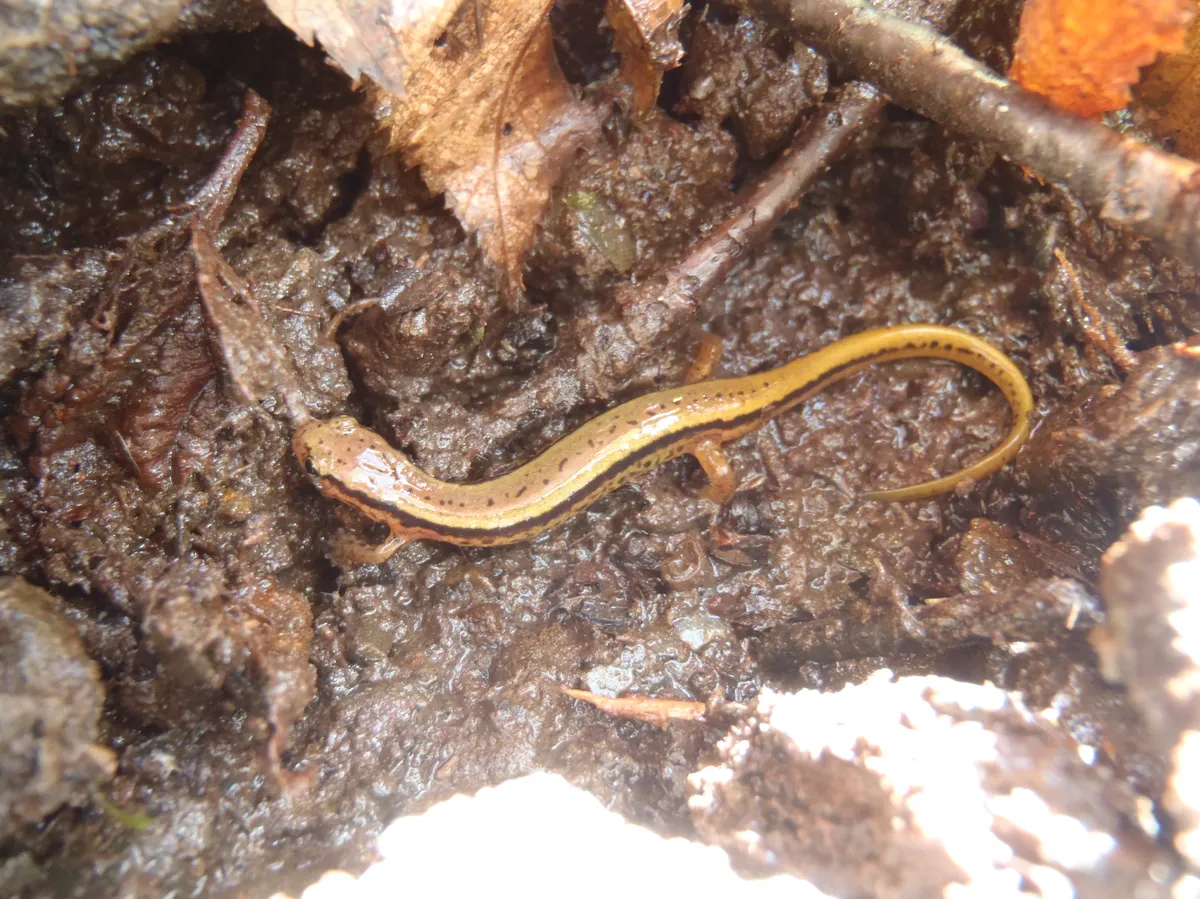
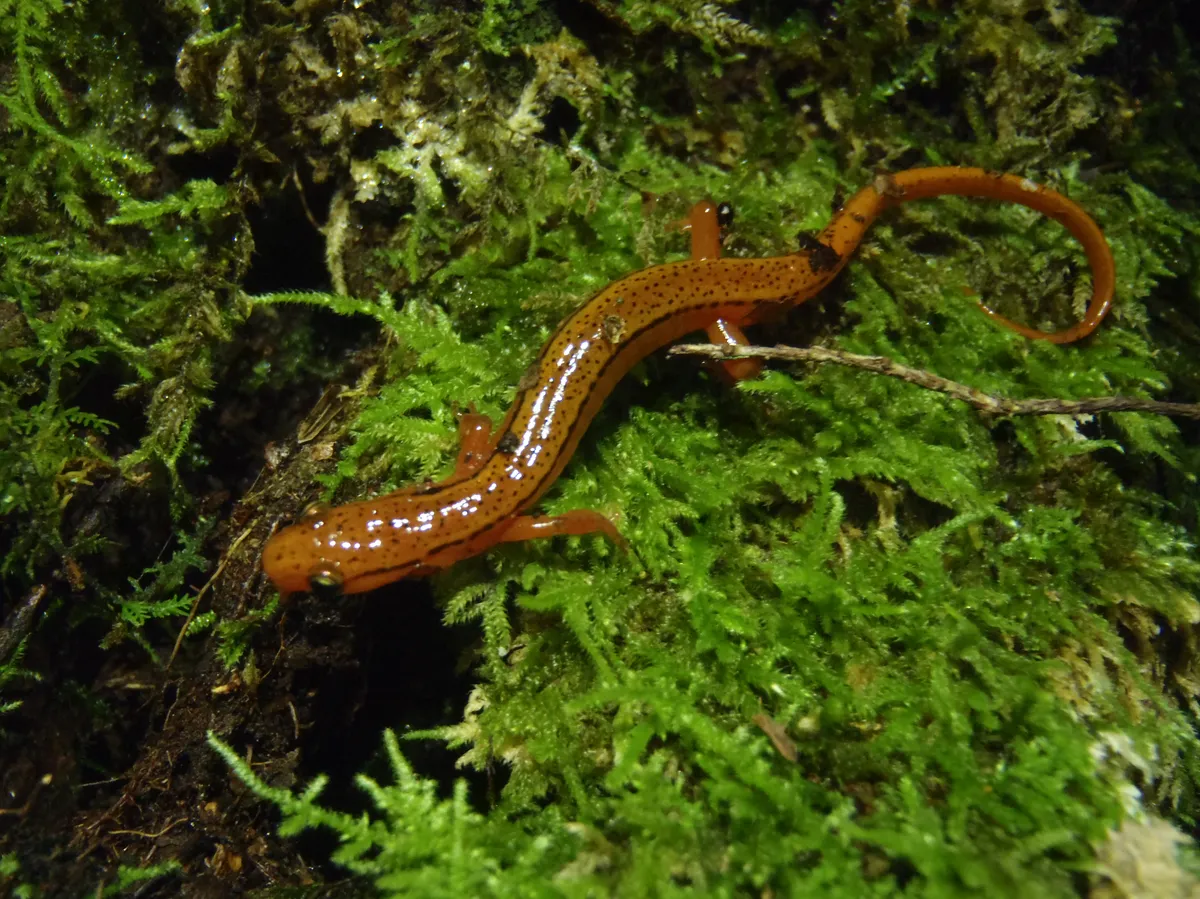
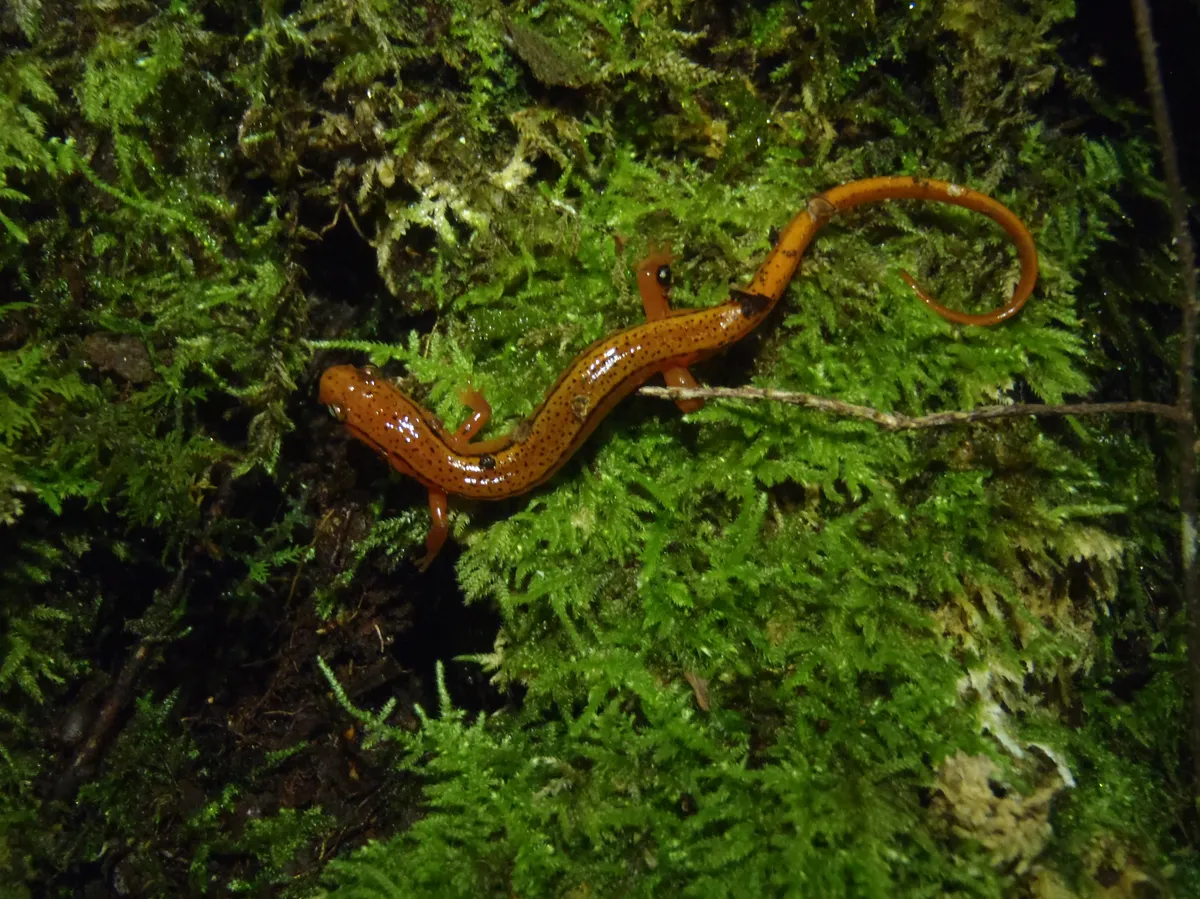
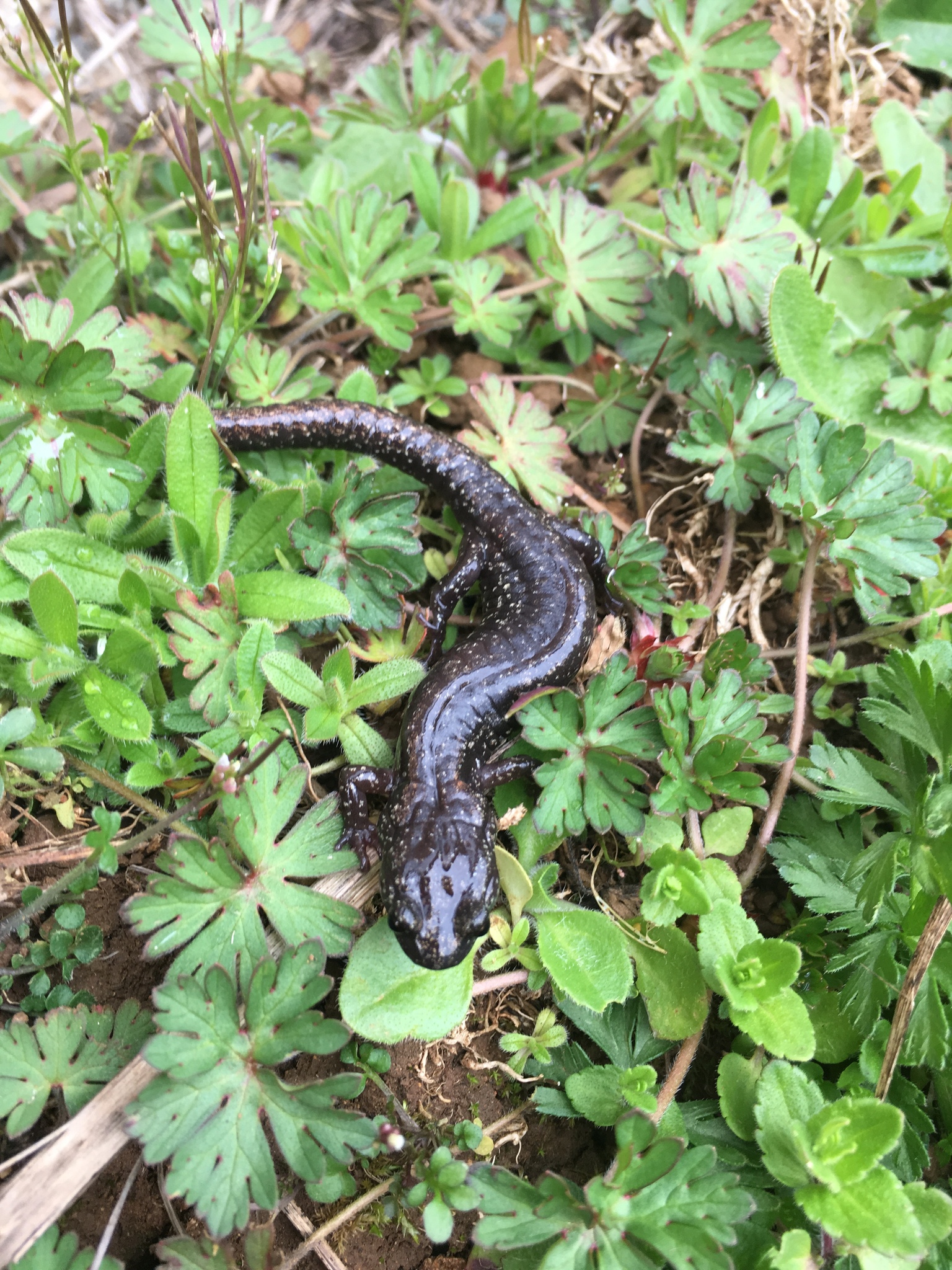
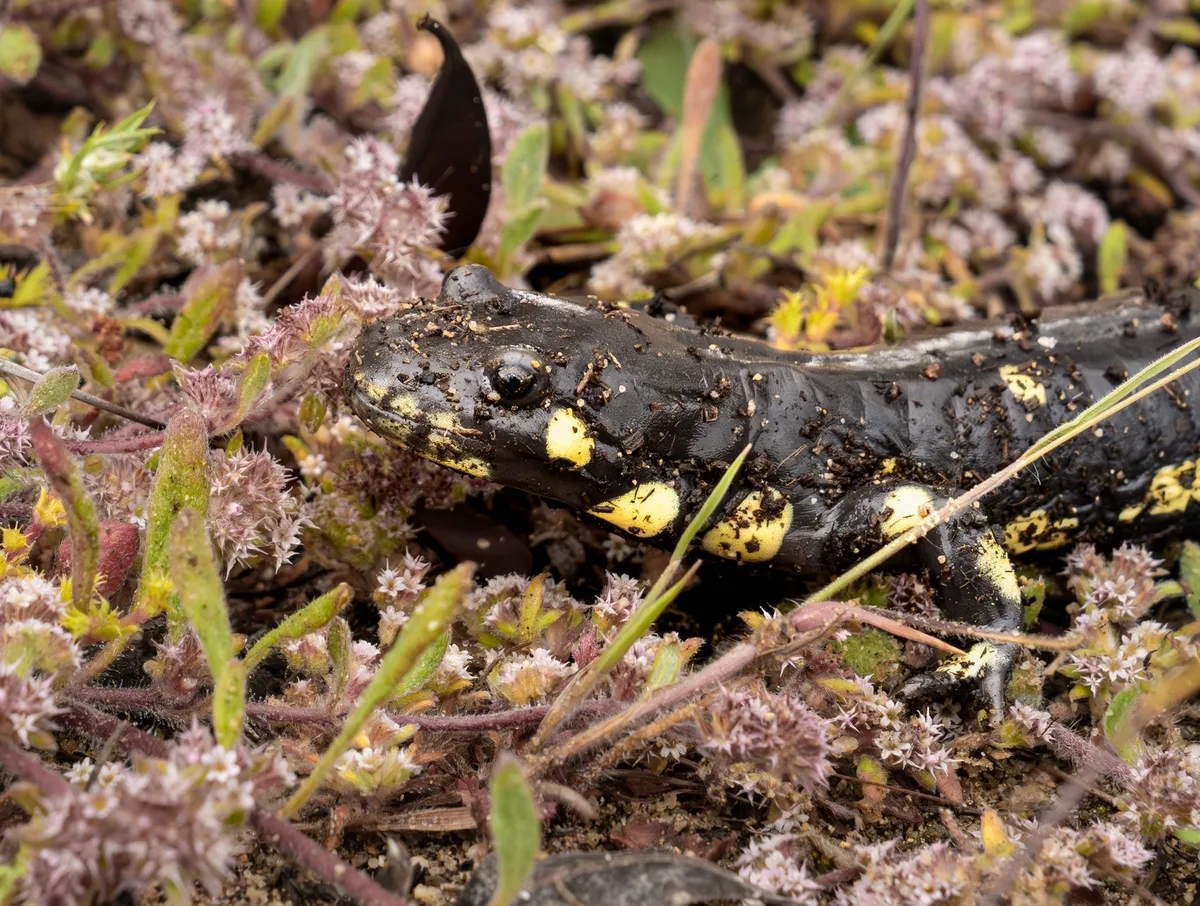
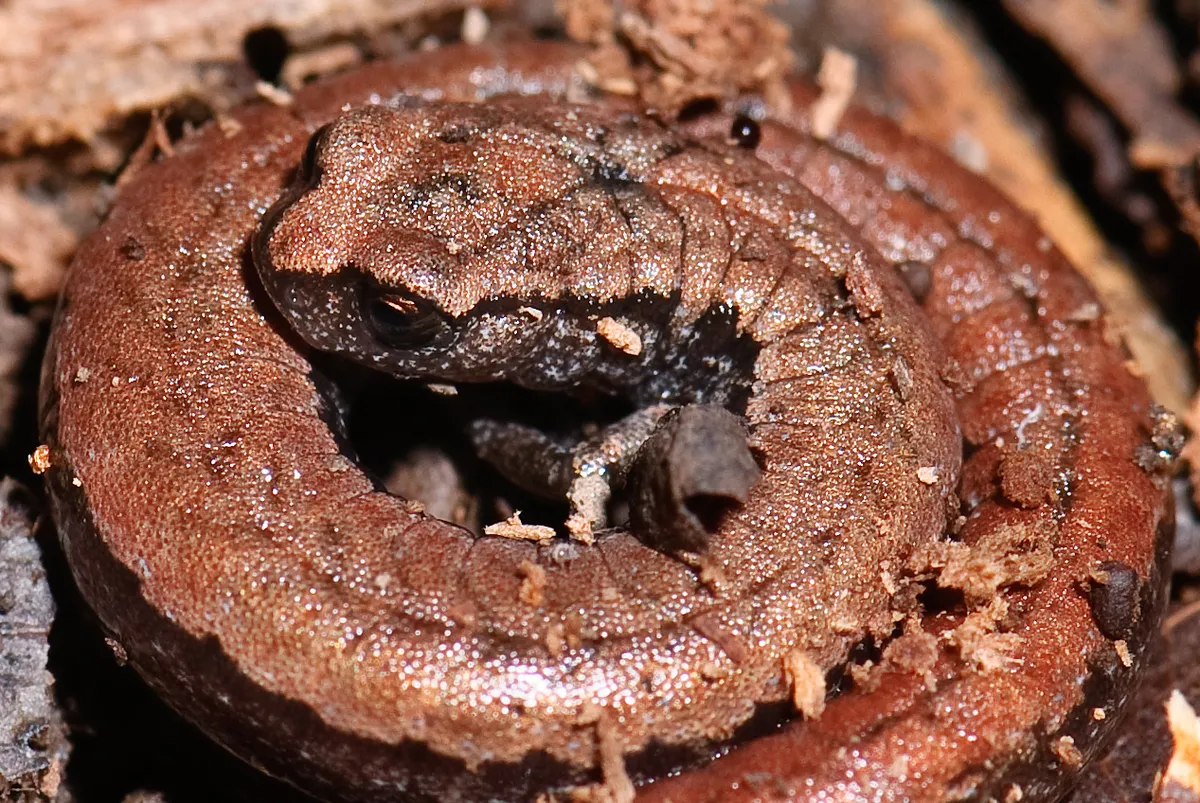
A small plethodontid salamander endemic to the Blue Ridge Mountains of eastern North America, characterized by its slender body and distinctive two-lined color pattern.
Image Gallery
ADSENSE SLOT
Ecology & Habitat
Habitat
Inhabits cool, moist forest environments near streams, seeps, and rocky areas within mountainous regions of the Appalachian highlands, typically at elevations between 600-1,500 meters.
Ecological Role
Critical as a bioindicator species, helping monitor environmental health in forest ecosystems; serves as a key predator of small invertebrates and plays a significant role in forest floor food webs.
Morphology
SKIN COATSmooth, moist skin with two distinct longitudinal lines along body; coloration typically ranges from light brown to reddish-brown with darker markings
LIMBS WINGSFour relatively short limbs with four toes on front feet, five toes on hind feet; adapted for ground and substrate movement
HEAD SENSORYProminent eyes, sensitive nasolabial grooves for chemical detection, well-developed olfactory capabilities
BODY STRUCTURESlender, elongated body measuring 7-12 cm in total length; lightweight and flexible salamander adapted to cryptic forest floor environments
Data Source: TaxonHub Database
Image Credit: Mark Spangler