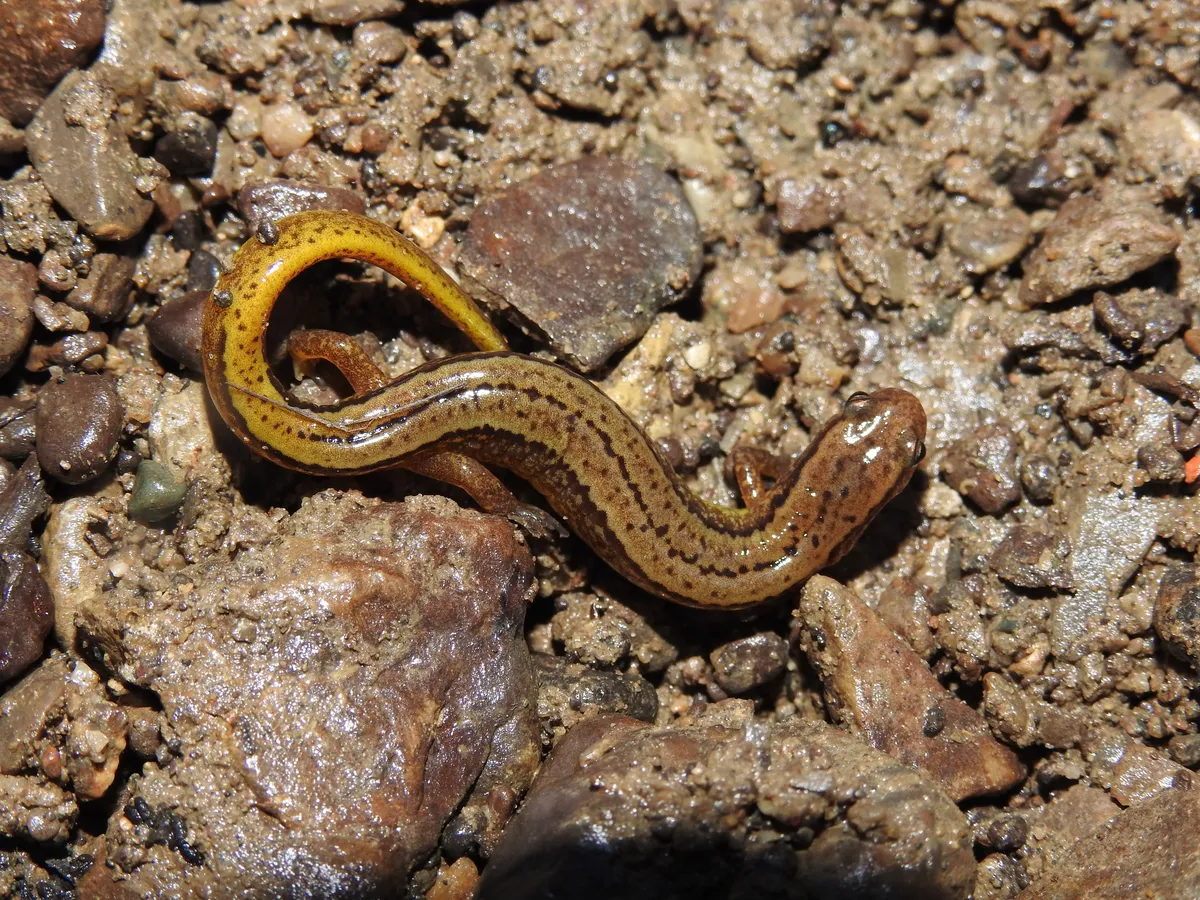
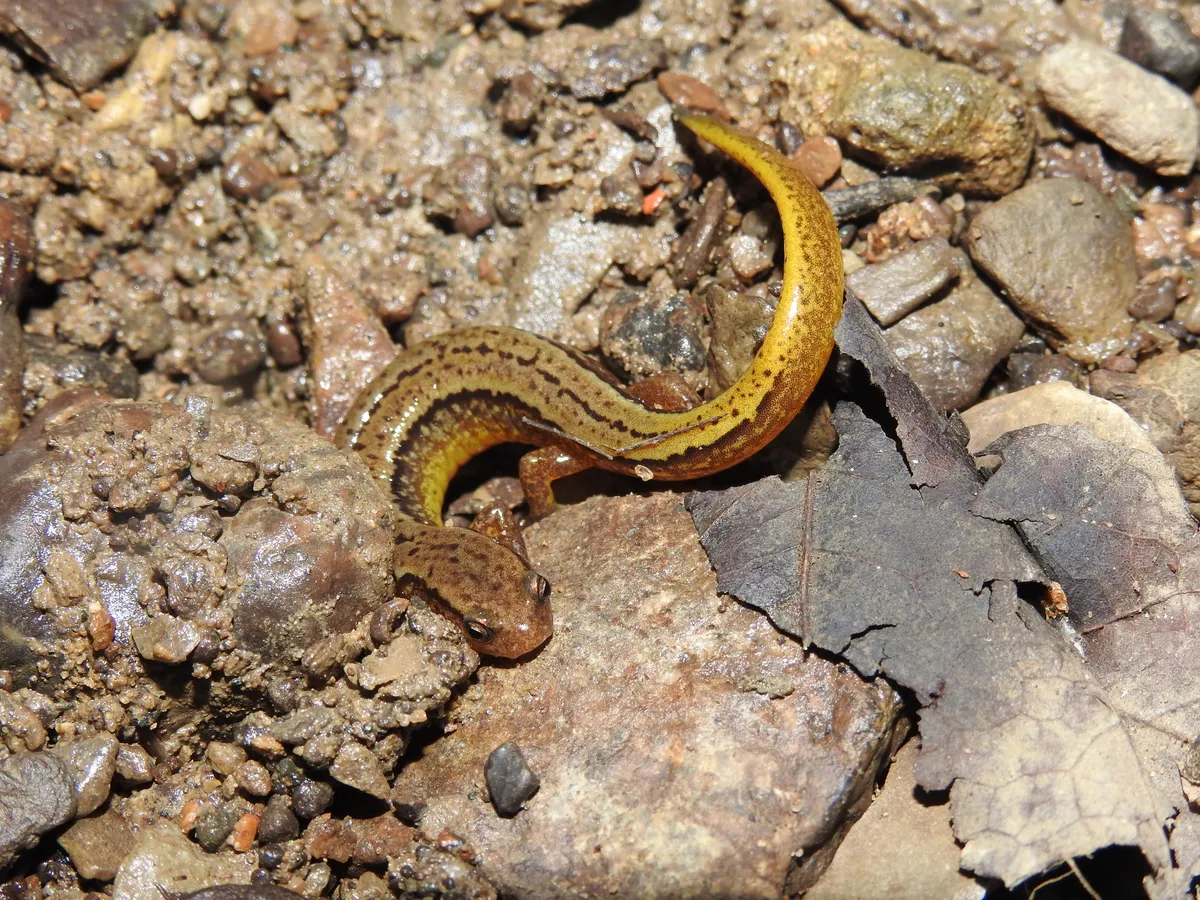
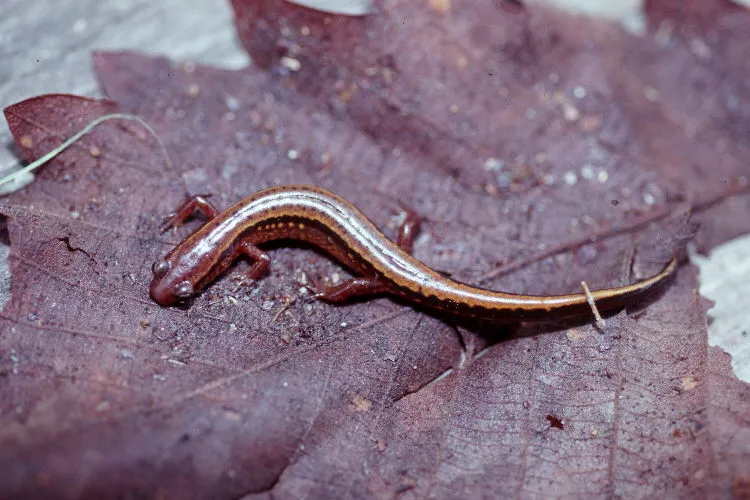
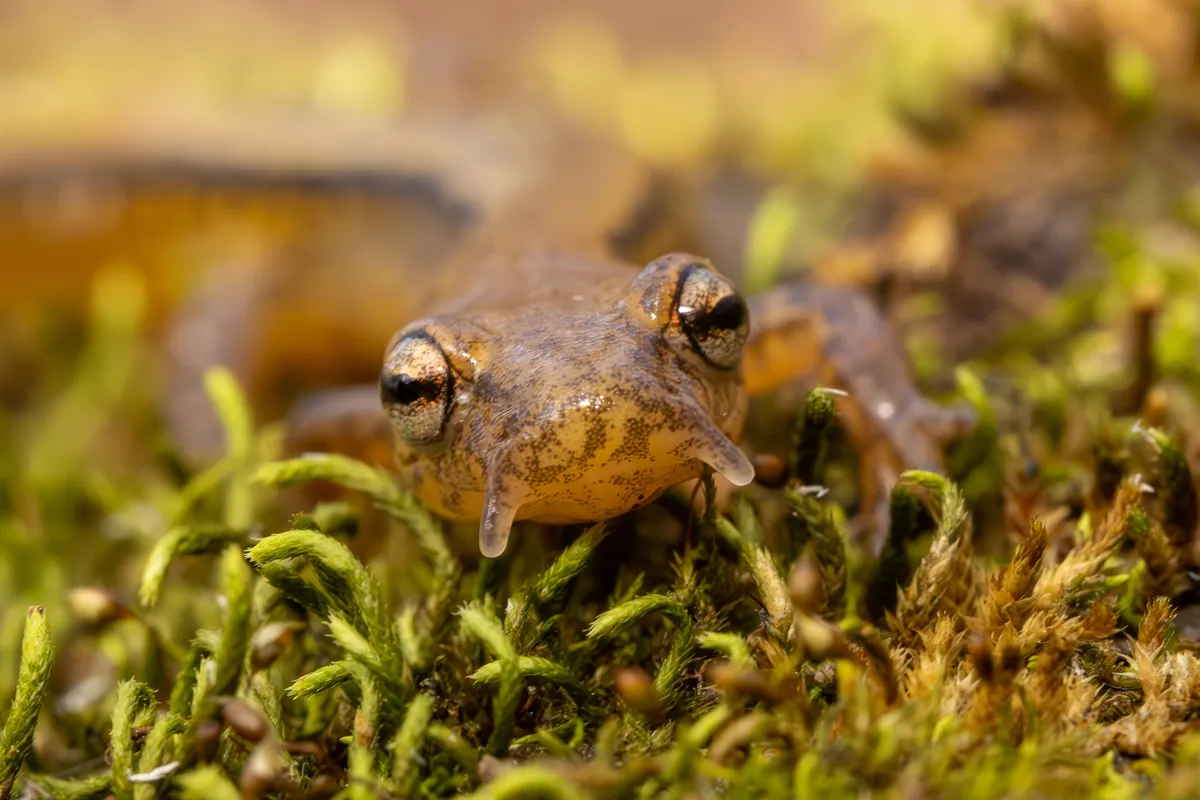
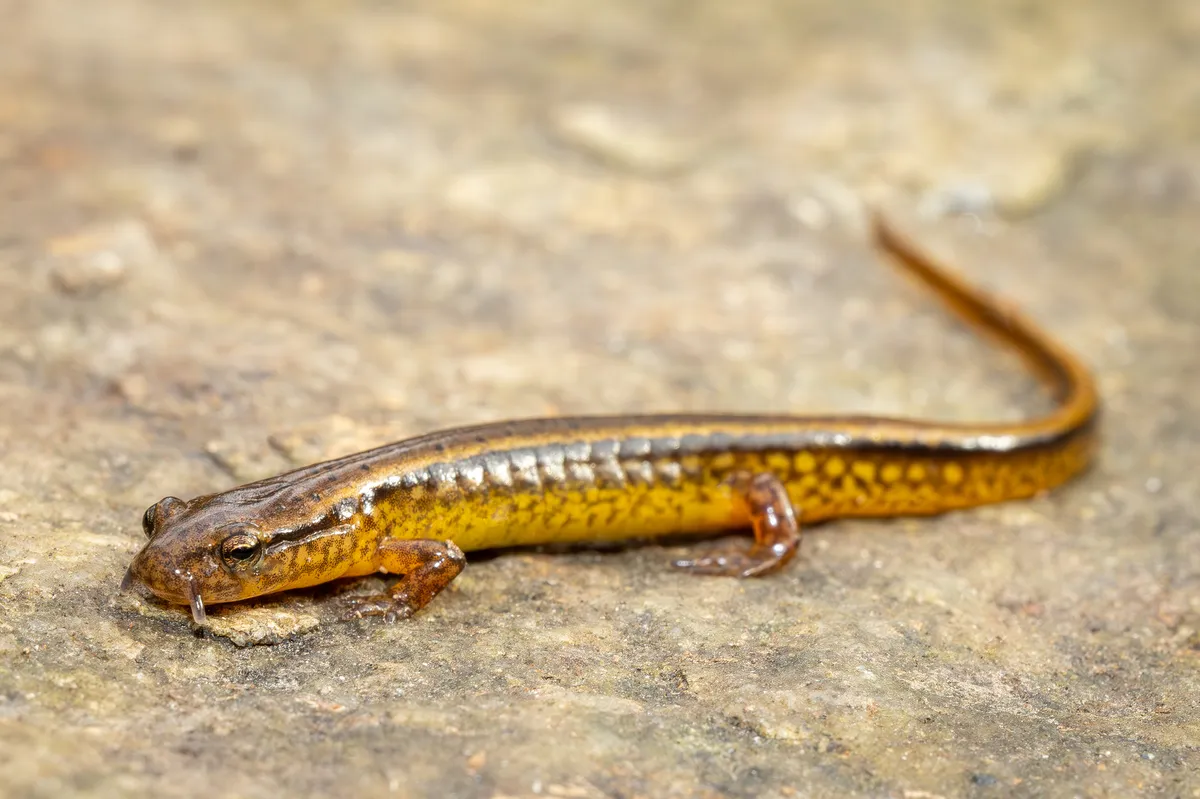
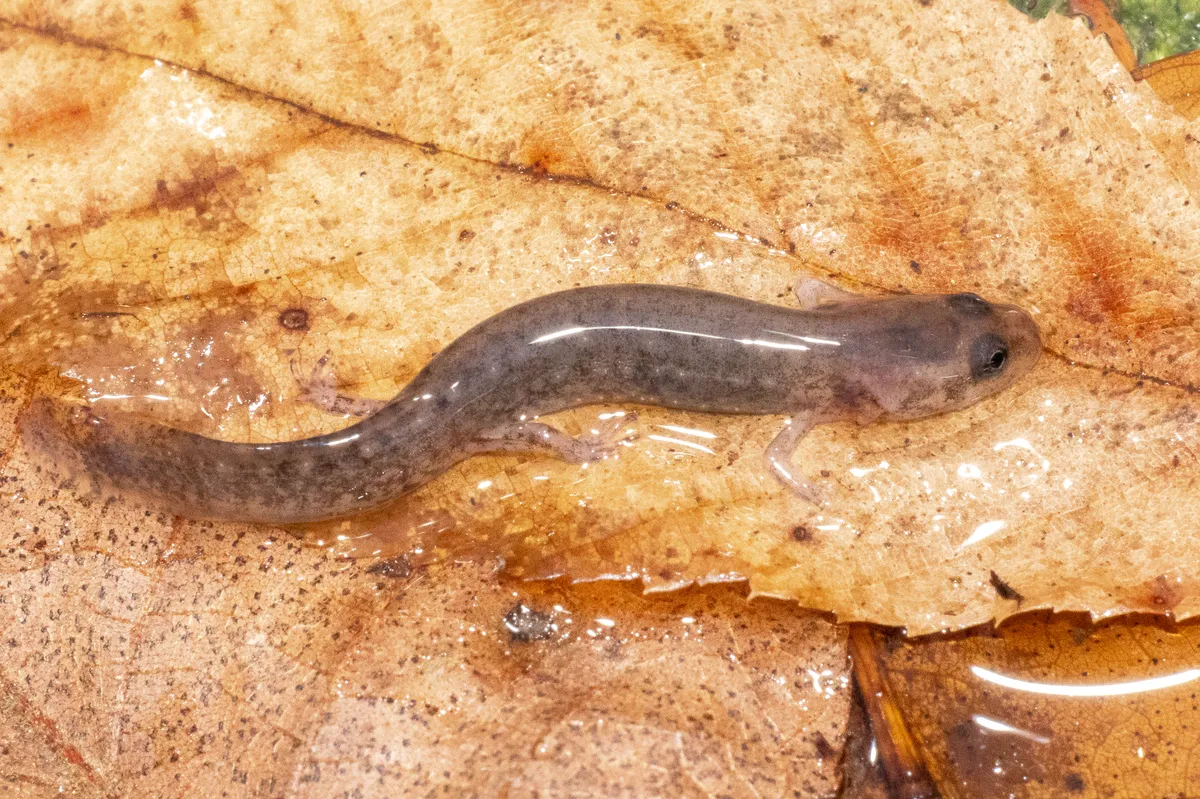
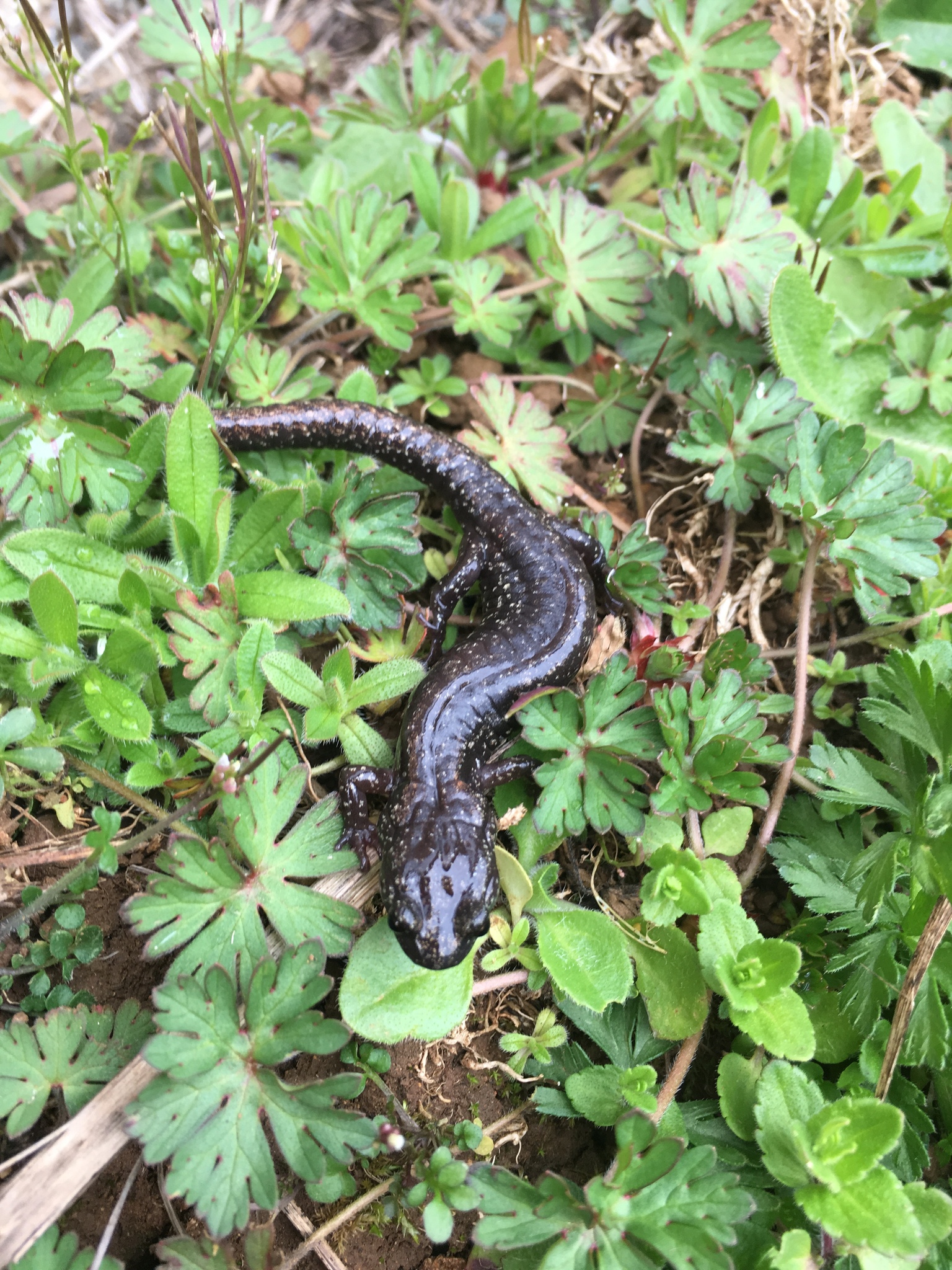
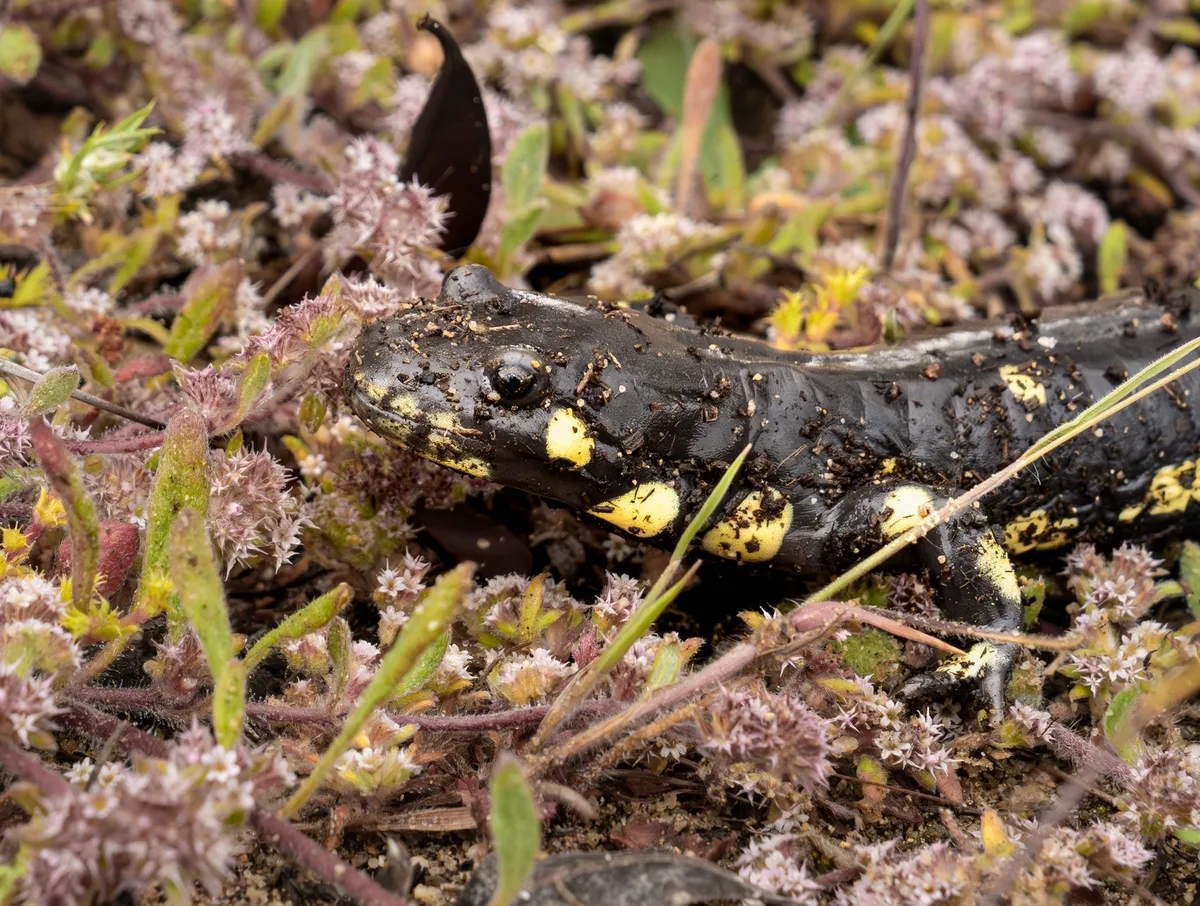
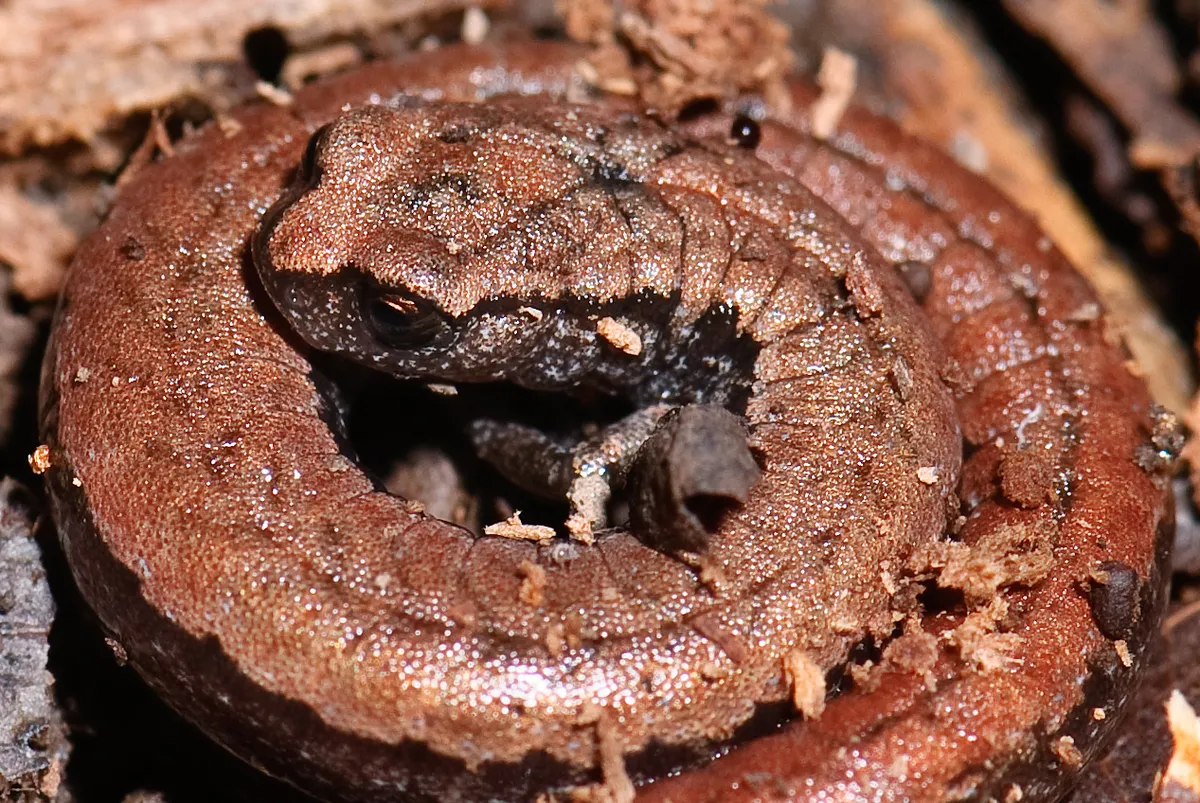
A small, terrestrial salamander endemic to southeastern United States, characterized by distinctive longitudinal lines along its body and adaptations for woodland and riparian habitats.
Image Gallery
ADSENSE SLOT
Ecology & Habitat
Habitat
Deciduous and mixed forest environments, particularly near streams, seeps, and moist woodland areas in regions of Georgia, Tennessee, North Carolina, South Carolina, and adjacent southeastern states
Ecological Role
Critical role in forest floor ecosystem as insectivore and prey species, helping control invertebrate populations and serving as indicator species for forest and stream ecosystem health
Morphology
SKIN COATSmooth, permeable skin with dorsal coloration of light brown to yellow with two dark longitudinal stripes
LIMBS WINGSFour small, delicate limbs with four toes on each foot, adapted for ground movement and climbing in forest understory
HEAD SENSORYRelatively large eyes, well-developed nasolabial grooves for chemical sensing, sensitive to environmental moisture and prey detection
BODY STRUCTURESlender, elongated body with typical salamander form, measuring 7-13 cm in total length, lightweight with smooth, moist skin
Data Source: TaxonHub Database
Image Credit: Yann Kemper