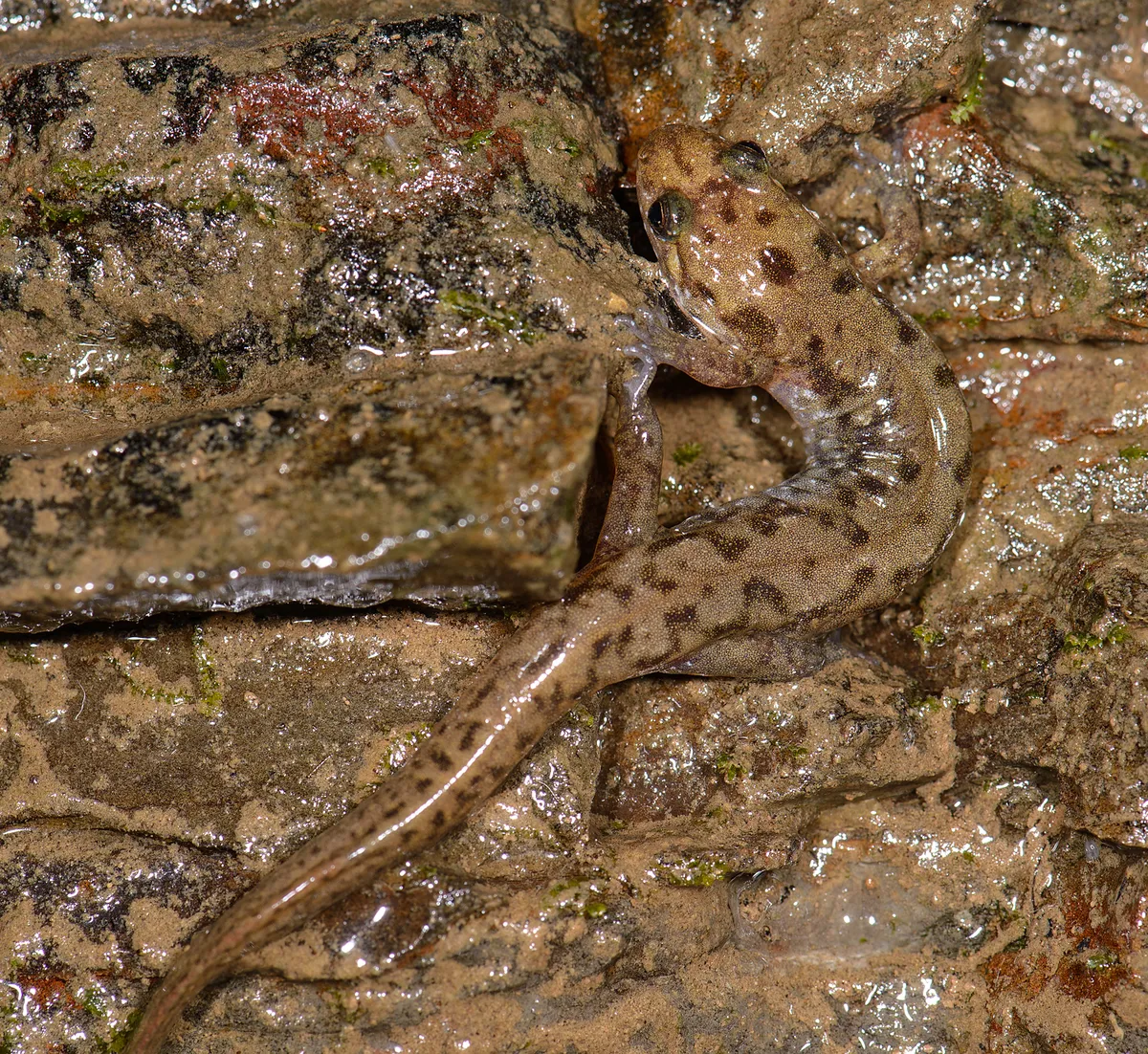
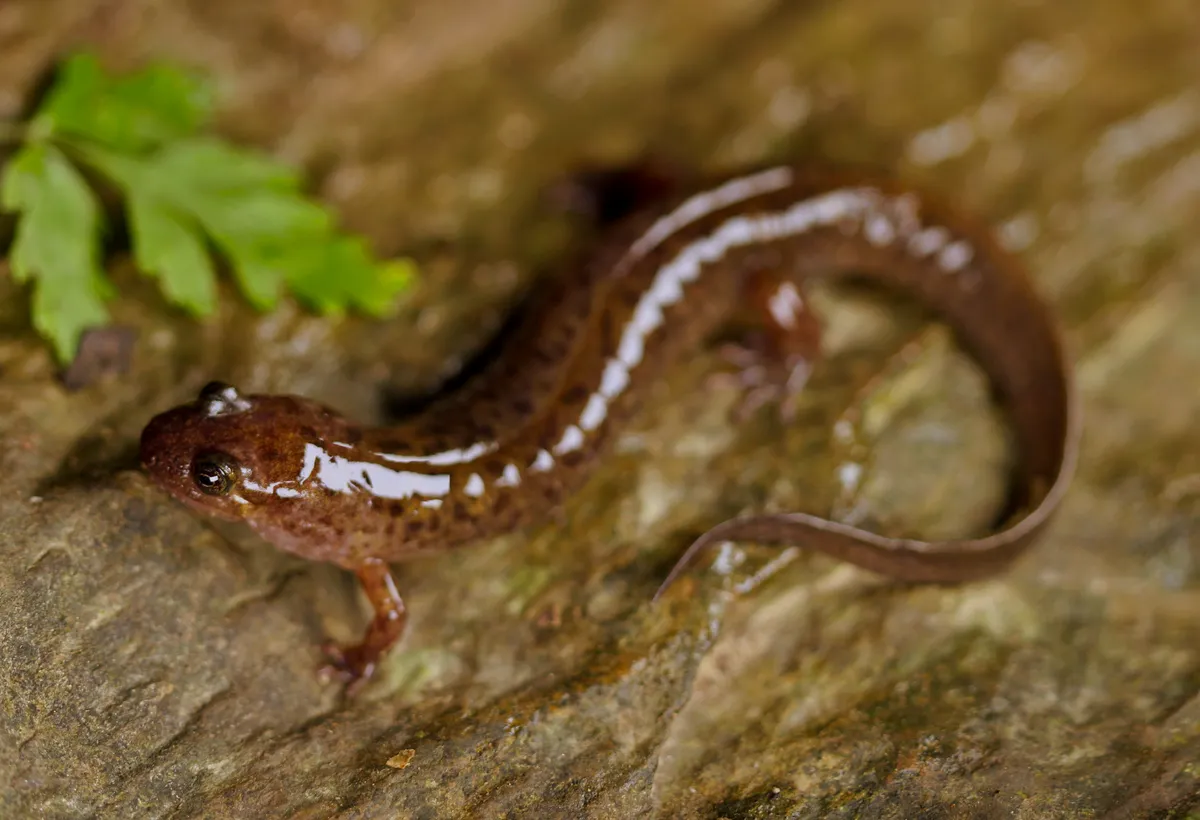
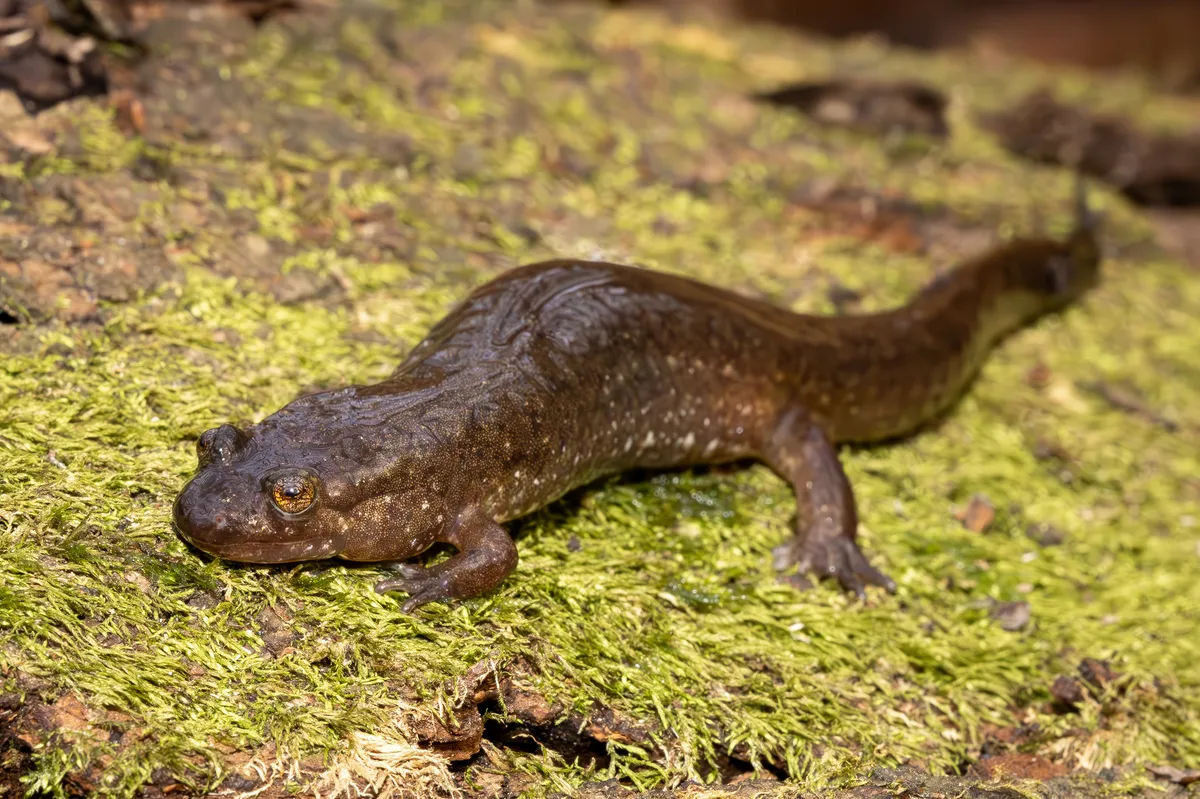
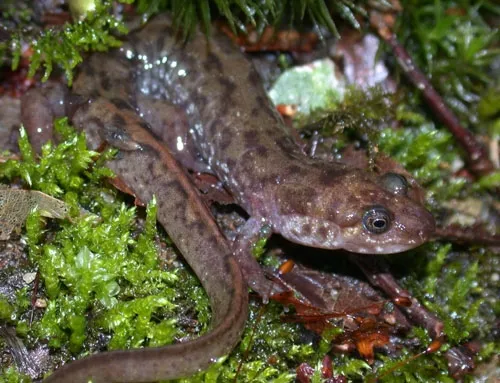
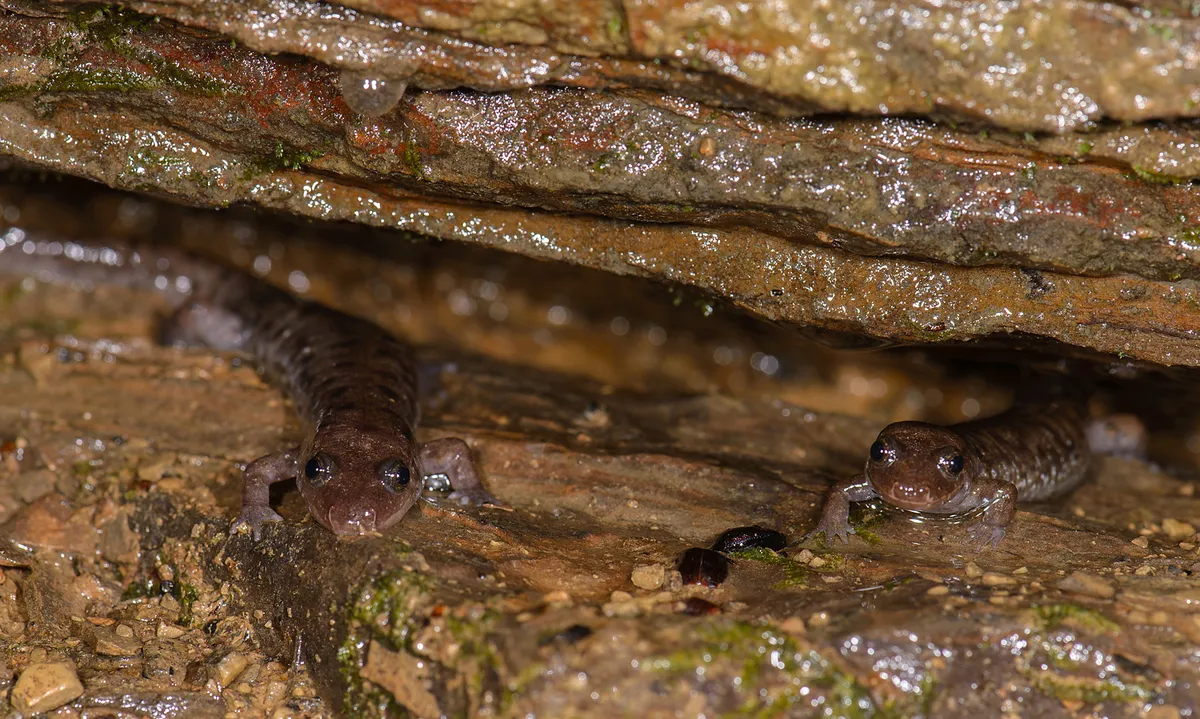
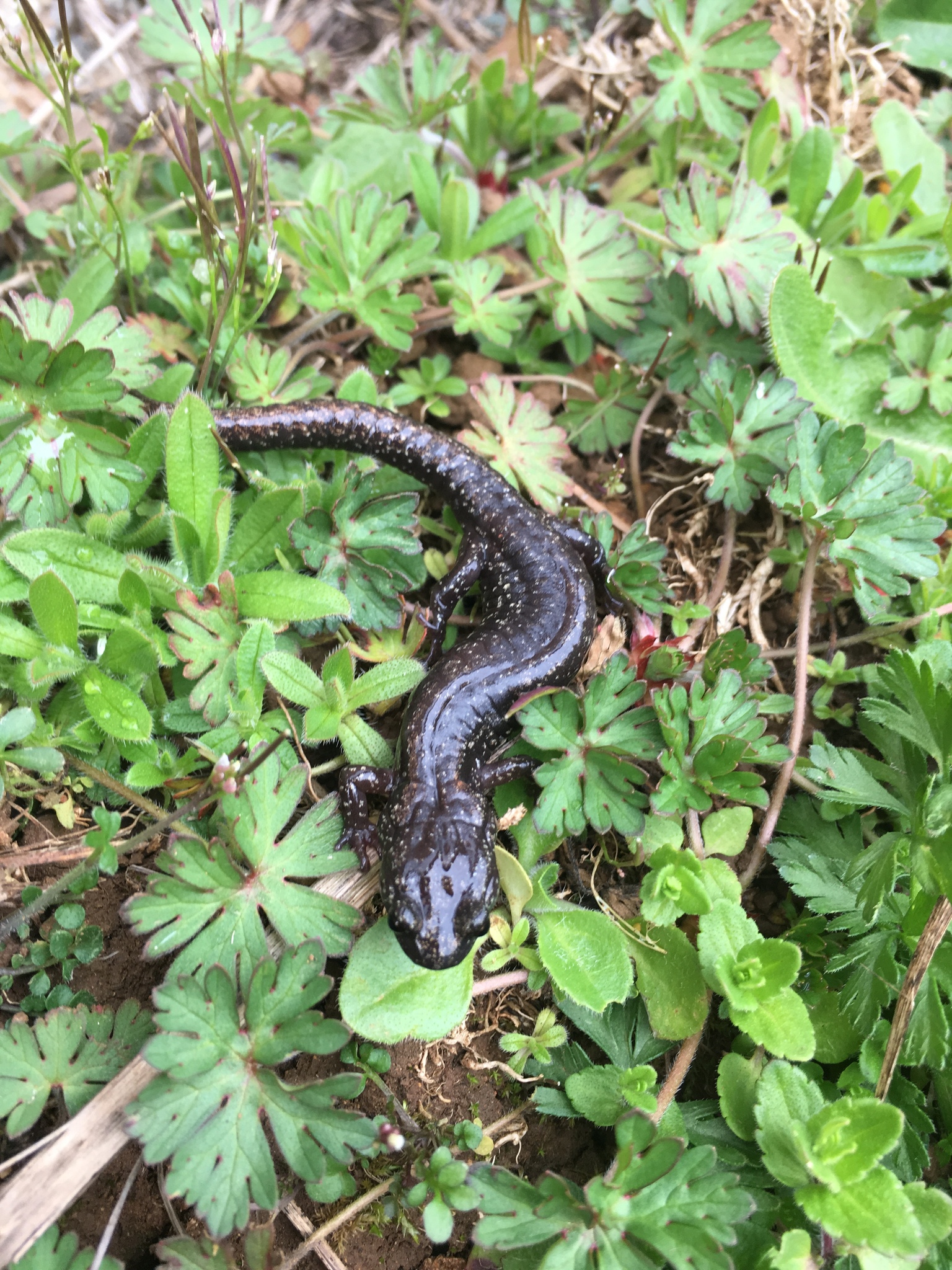
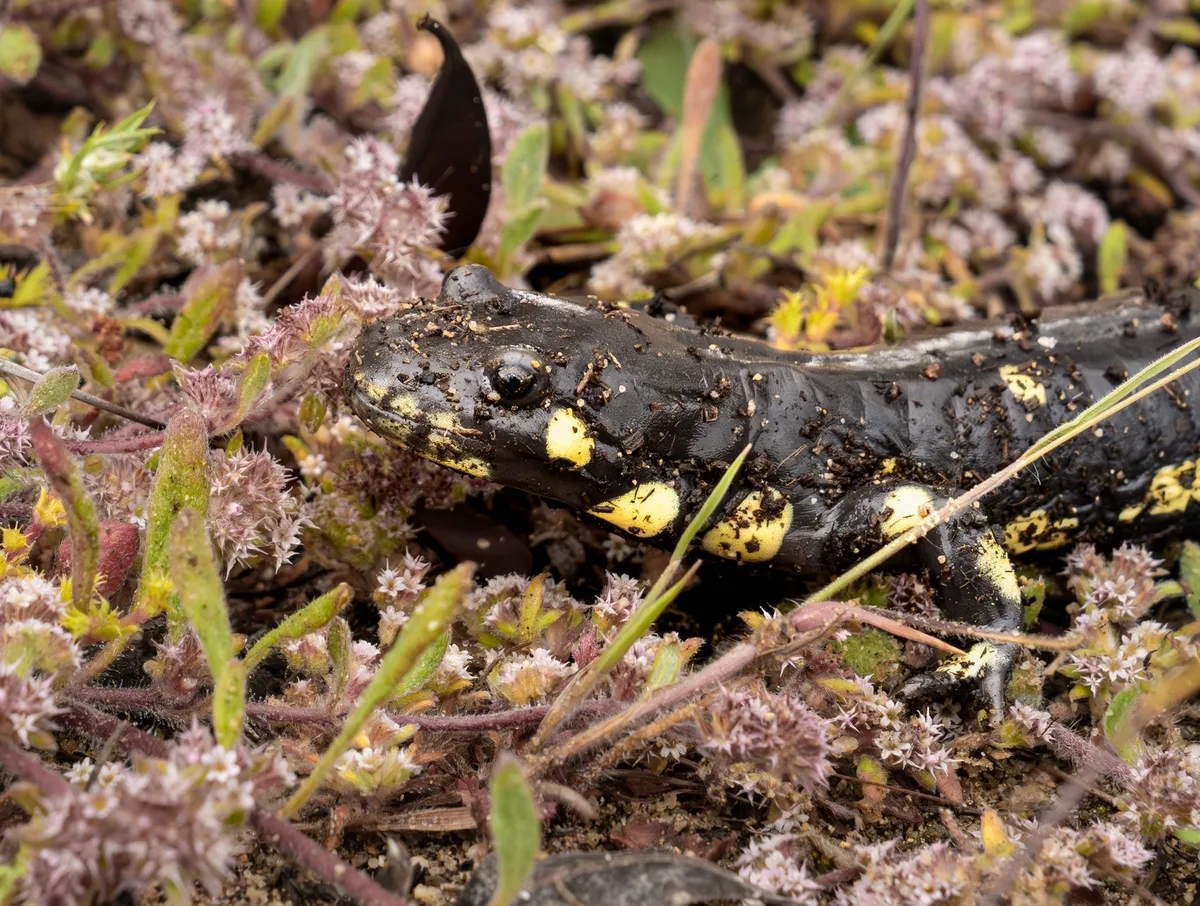
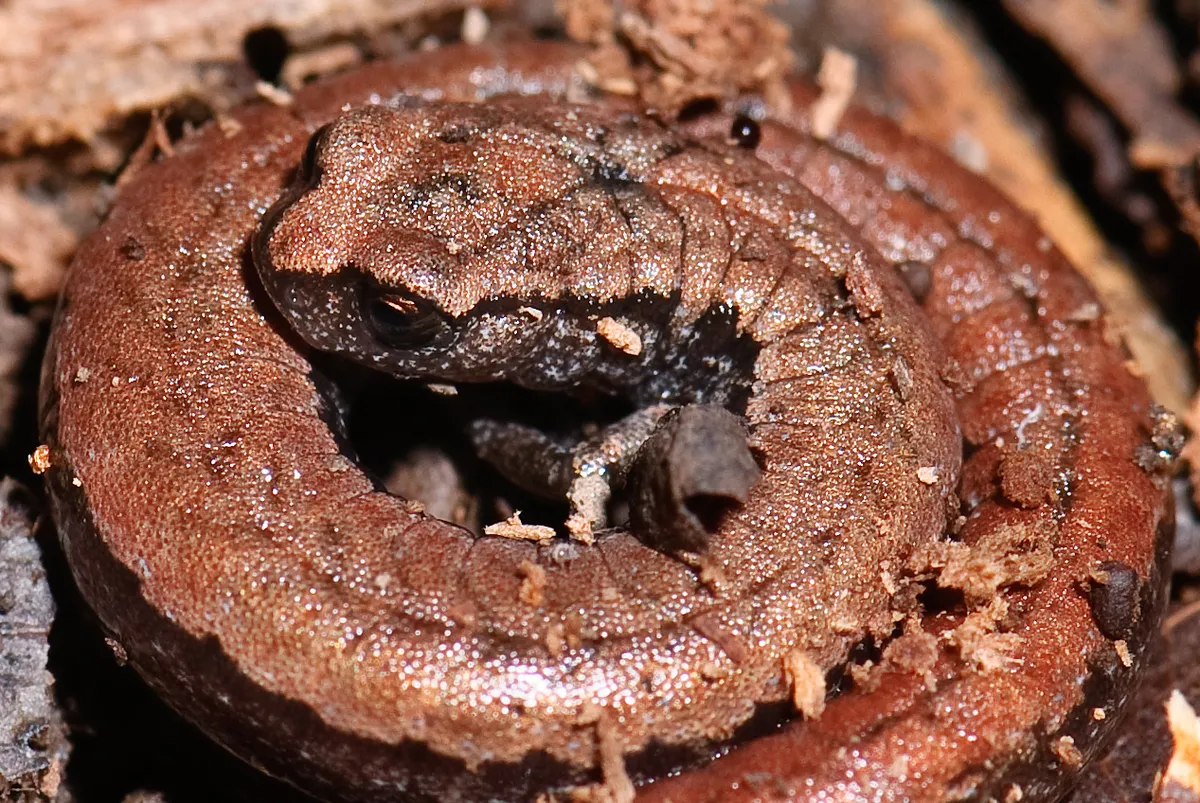
A terrestrial salamander species endemic to mountainous regions of eastern United States, characterized by its robust body and unique ecological adaptation to forest floor habitats.
Image Gallery
ADSENSE SLOT
Ecology & Habitat
Habitat
Mountain forests, deciduous woodlands, and rocky areas in the Appalachian Mountain range from Pennsylvania to Georgia, typically found in humid environments with leaf litter and rocky substrates.
Ecological Role
Key predator of small invertebrates, contributes to forest floor ecosystem balance, serves as bioindicator for forest health and environmental quality
Morphology
SKIN COATSmooth, moist skin with variable coloration including dark brown, grayish, or black base with lighter mottling or spots
LIMBS WINGSFour short, sturdy limbs with five toes, adapted for terrestrial and occasionally aquatic movement
HEAD SENSORYRelatively large head with prominent eyes, well-developed olfactory capabilities
BODY STRUCTURECylindrical body, typically 7.5-12.5 cm in total length, robust and muscular build
Data Source: TaxonHub Database
Image Credit: Marshal Hedin