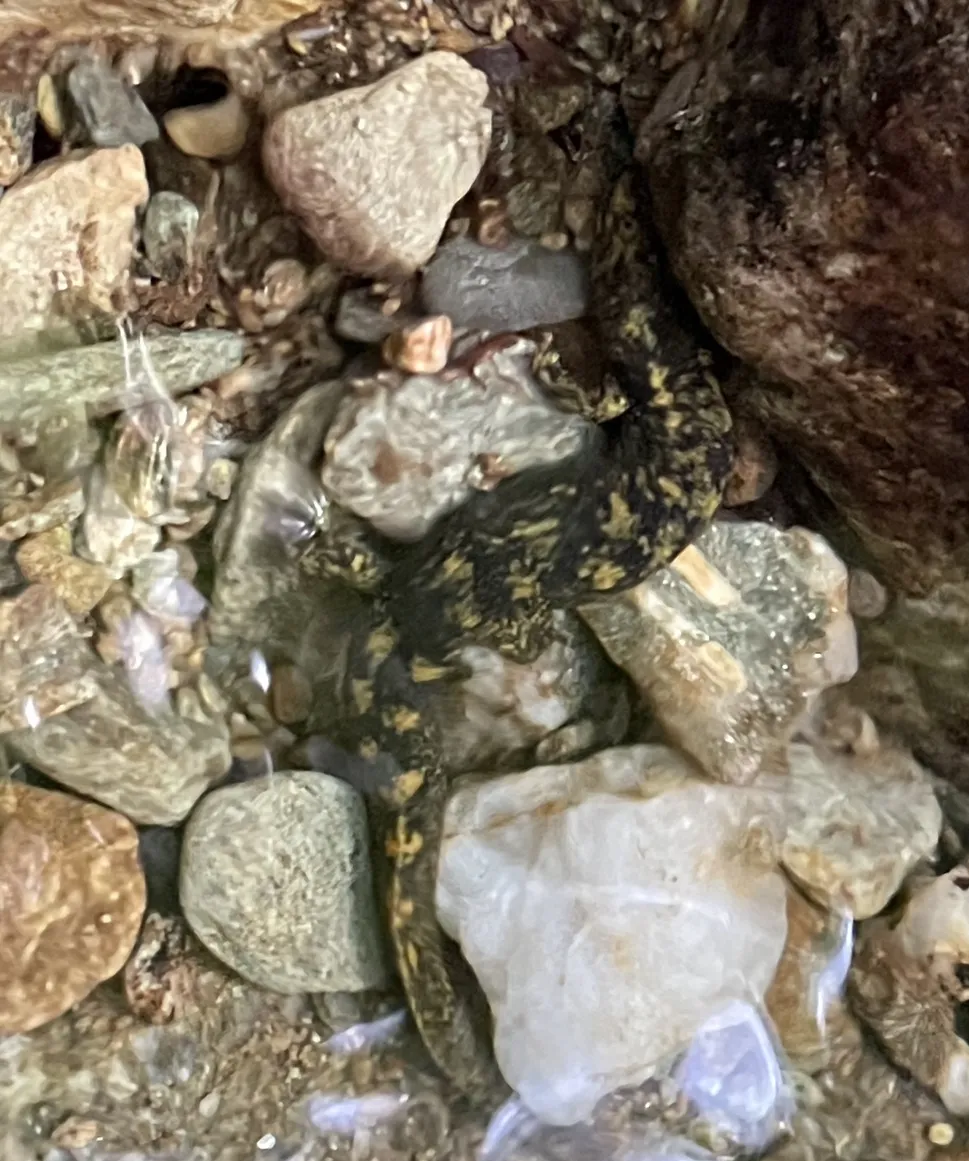
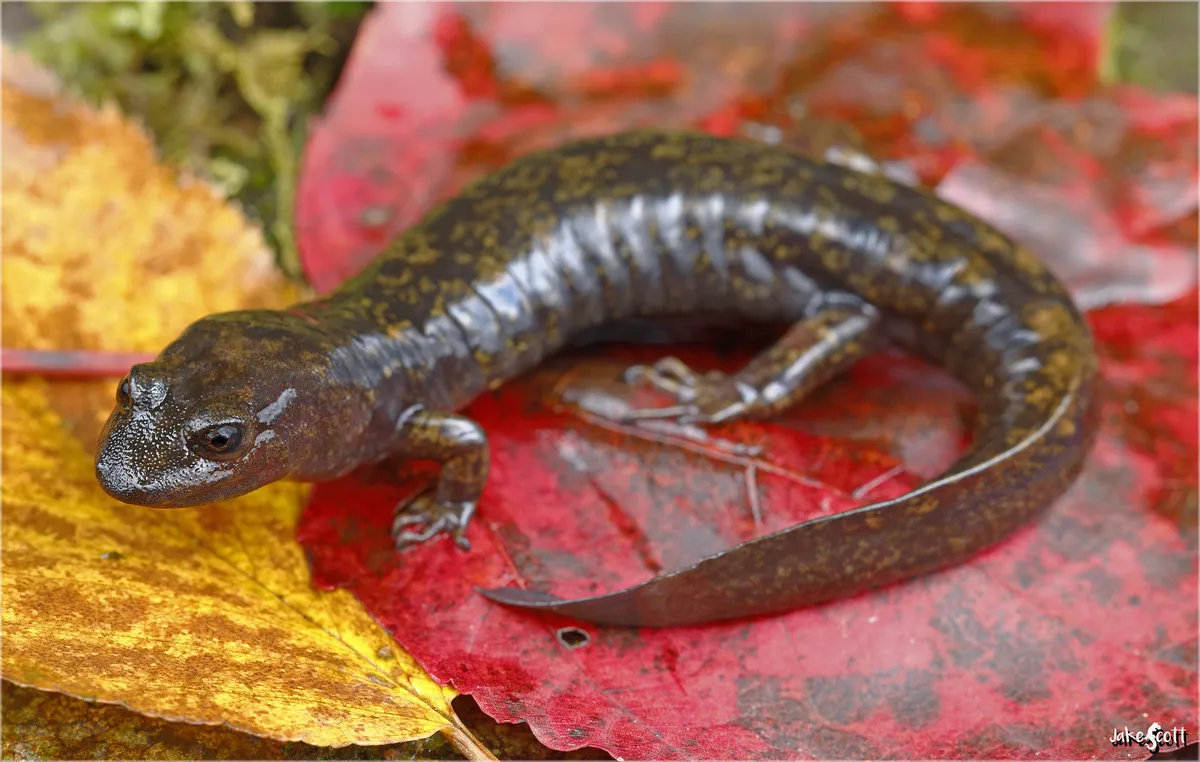
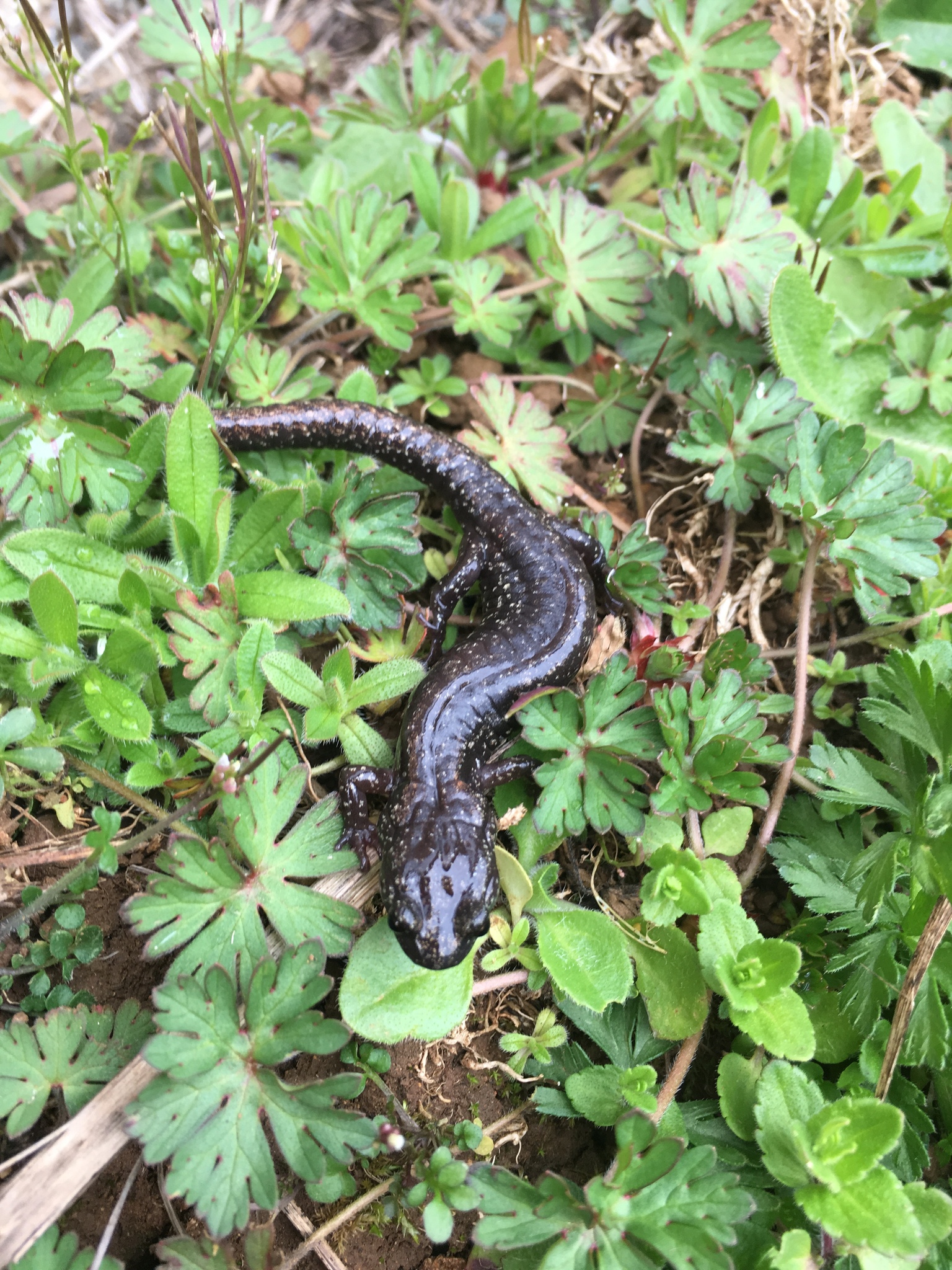
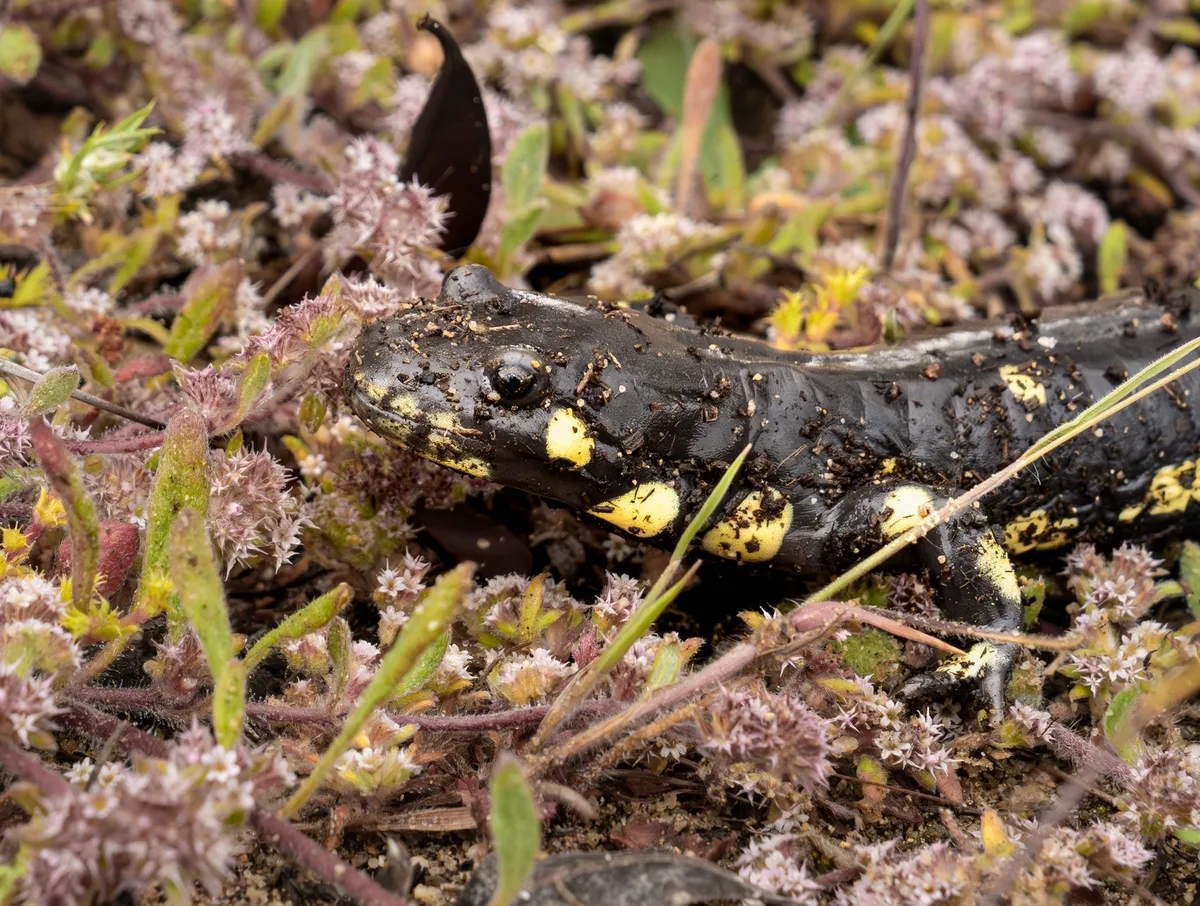
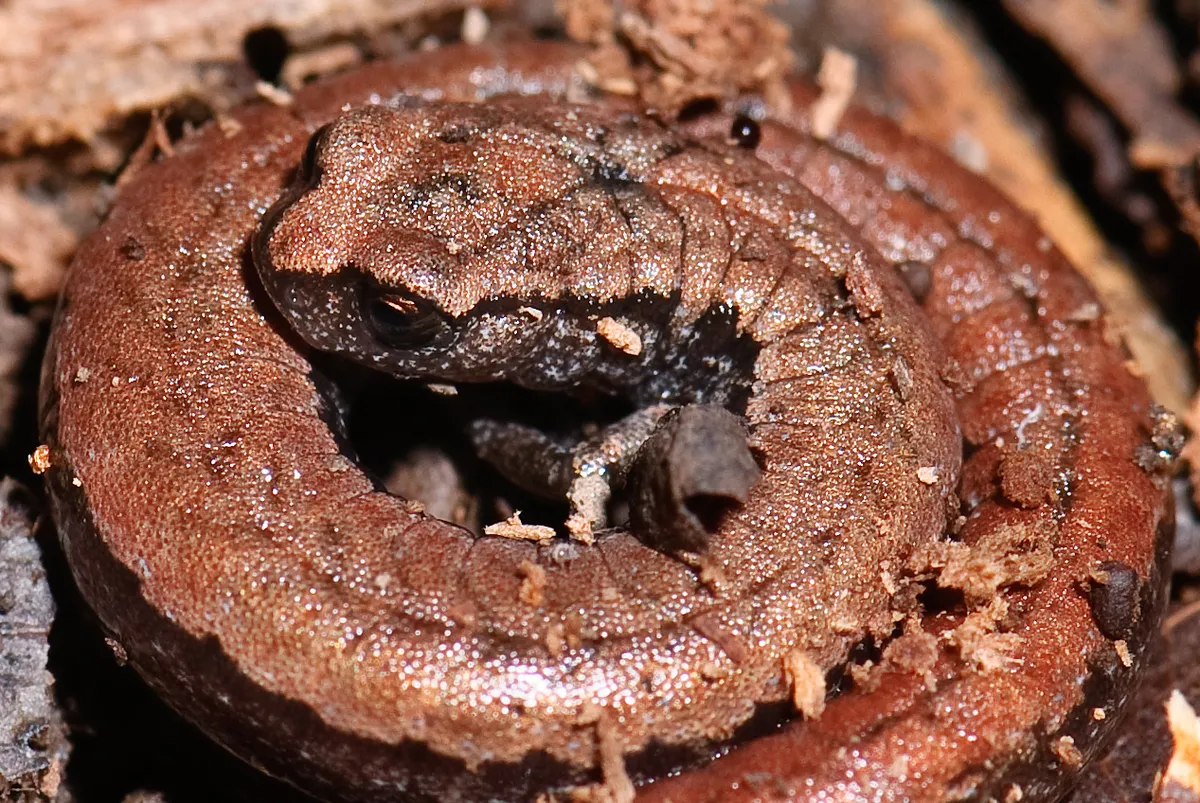
A plethodontid salamander species endemic to the Appalachian mountain regions of eastern North America, characterized by its distinctive flattened, shovel-like head morphology and marbled coloration pattern.
Image Gallery
ADSENSE SLOT
Ecology & Habitat
Habitat
Inhabits cool, moist forest environments with abundant rocky streams, seeps, and forest floor microhabitats in mountainous regions of the Appalachian mountain range, typically at elevations between 500-1,500 meters.
Ecological Role
Plays a critical role in forest ecosystem dynamics as a predator of small invertebrates and serves as a bioindicator of environmental health in mountain stream ecosystems, contributing to nutrient cycling and food web interactions.
Morphology
SKIN COATSmooth, moist skin with distinctive marbled or mottled coloration in shades of brown, gray, and black, providing effective camouflage in forest substrates
LIMBS WINGSShort, muscular limbs with five distinct toes, adapted for terrestrial and aquatic locomotion in forest environments
HEAD SENSORYBroad, shovel-like snout with well-developed sensory papillae for detecting prey, large eyes with good low-light adaptation
BODY STRUCTURESmall salamander, typically 7-12 cm in total length, with a robust, stocky body and a distinctively flattened, triangular head adapted for foraging under rocks and leaf litter
Data Source: TaxonHub Database
Image Credit: Ron Boling