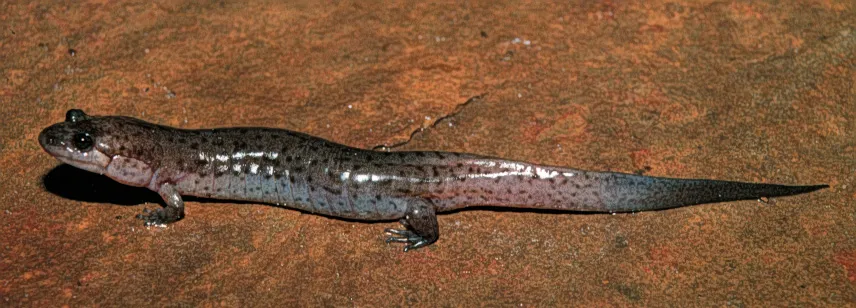
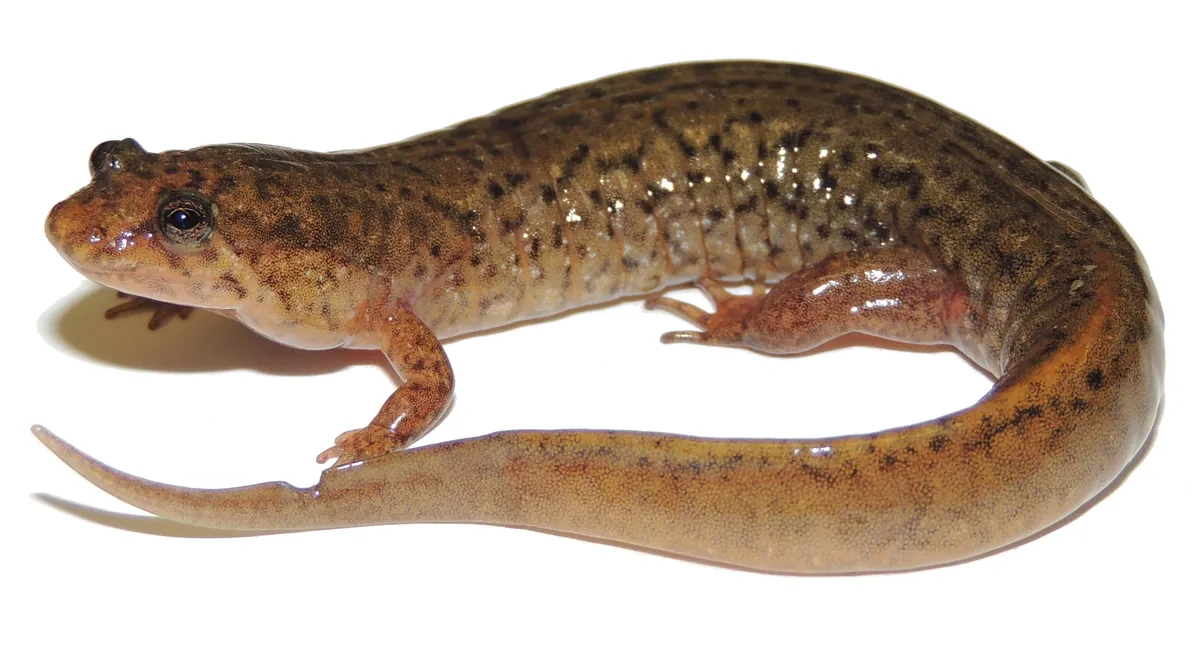
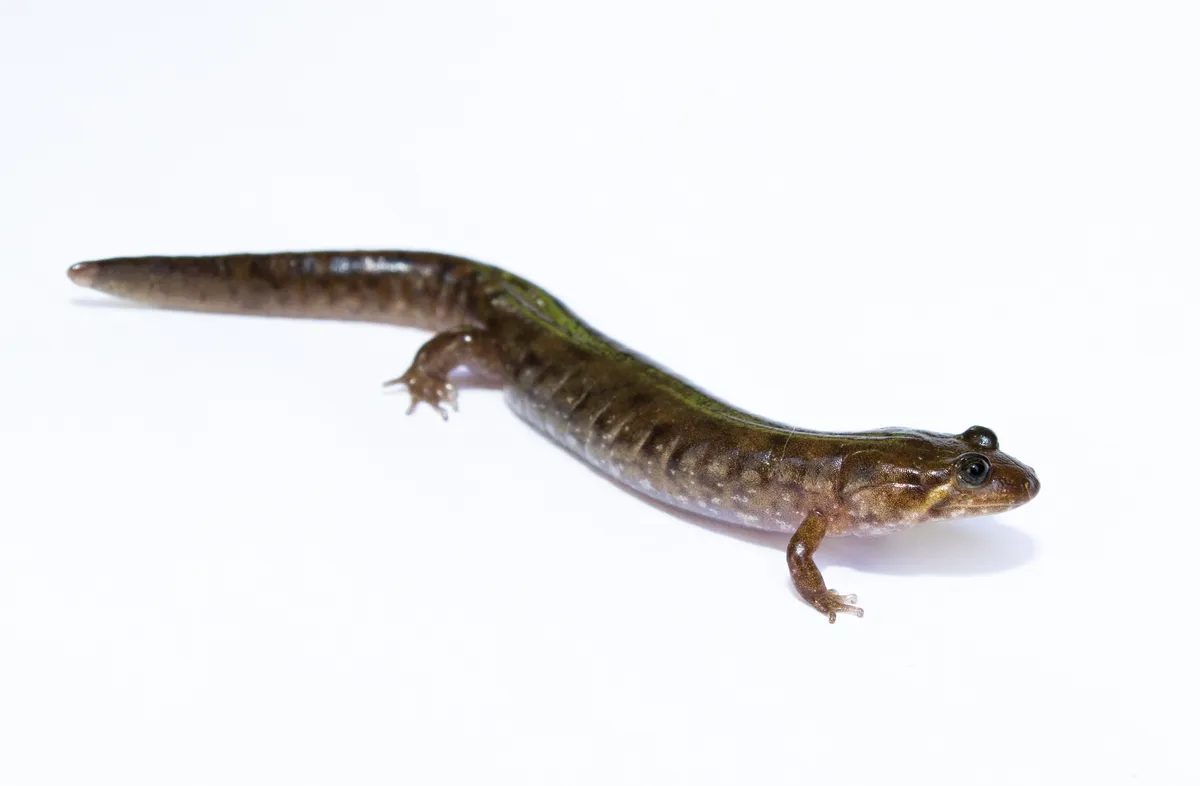
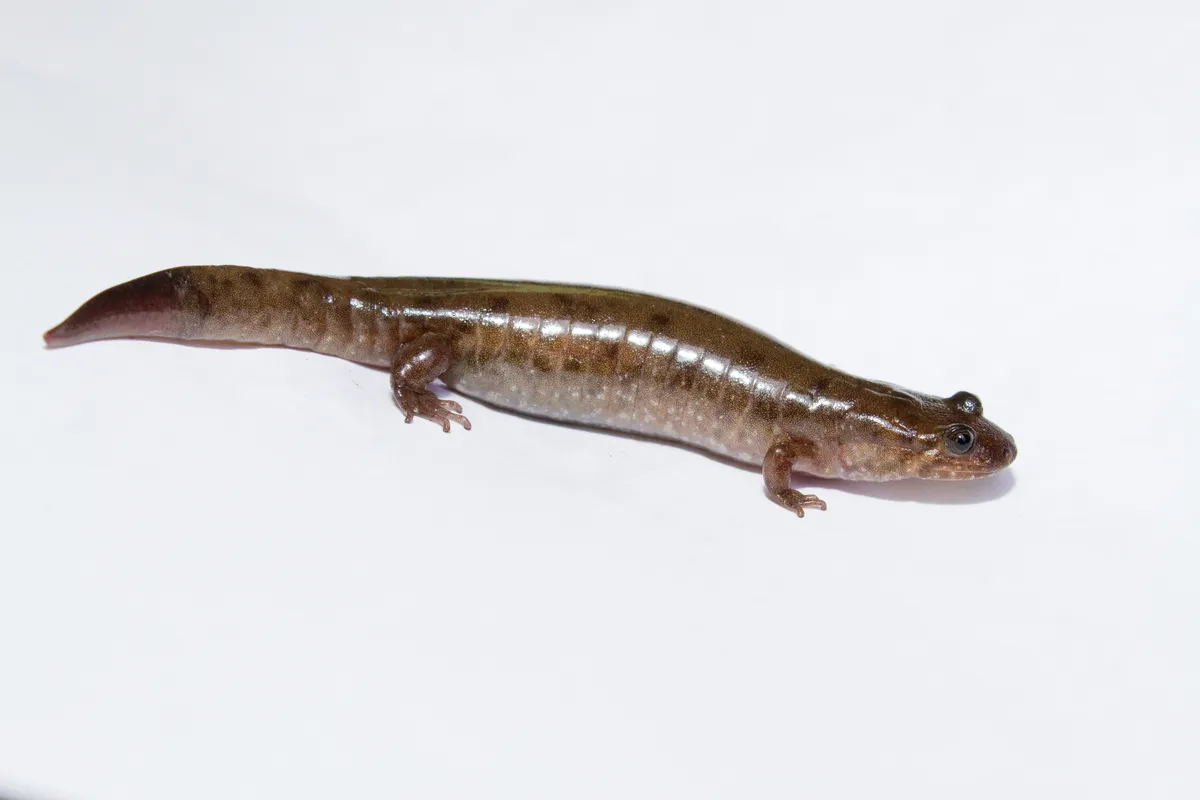
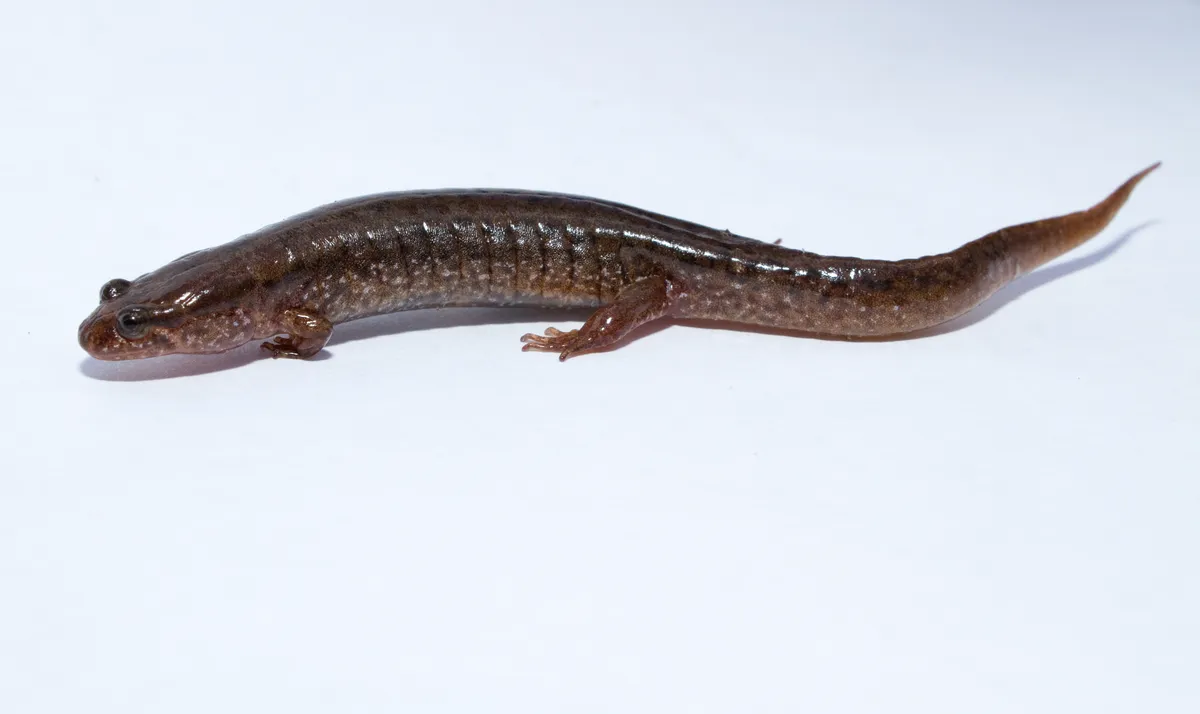
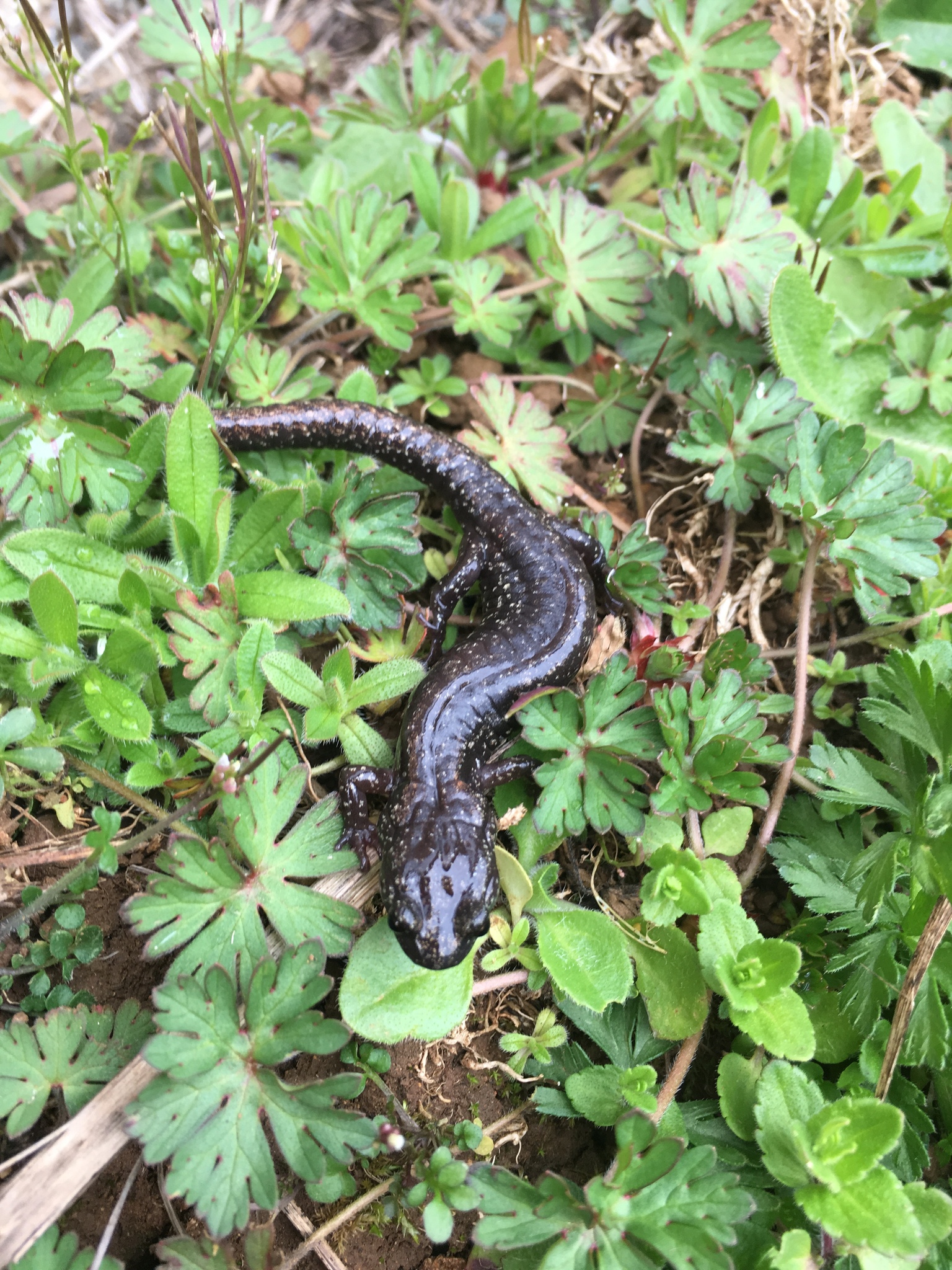
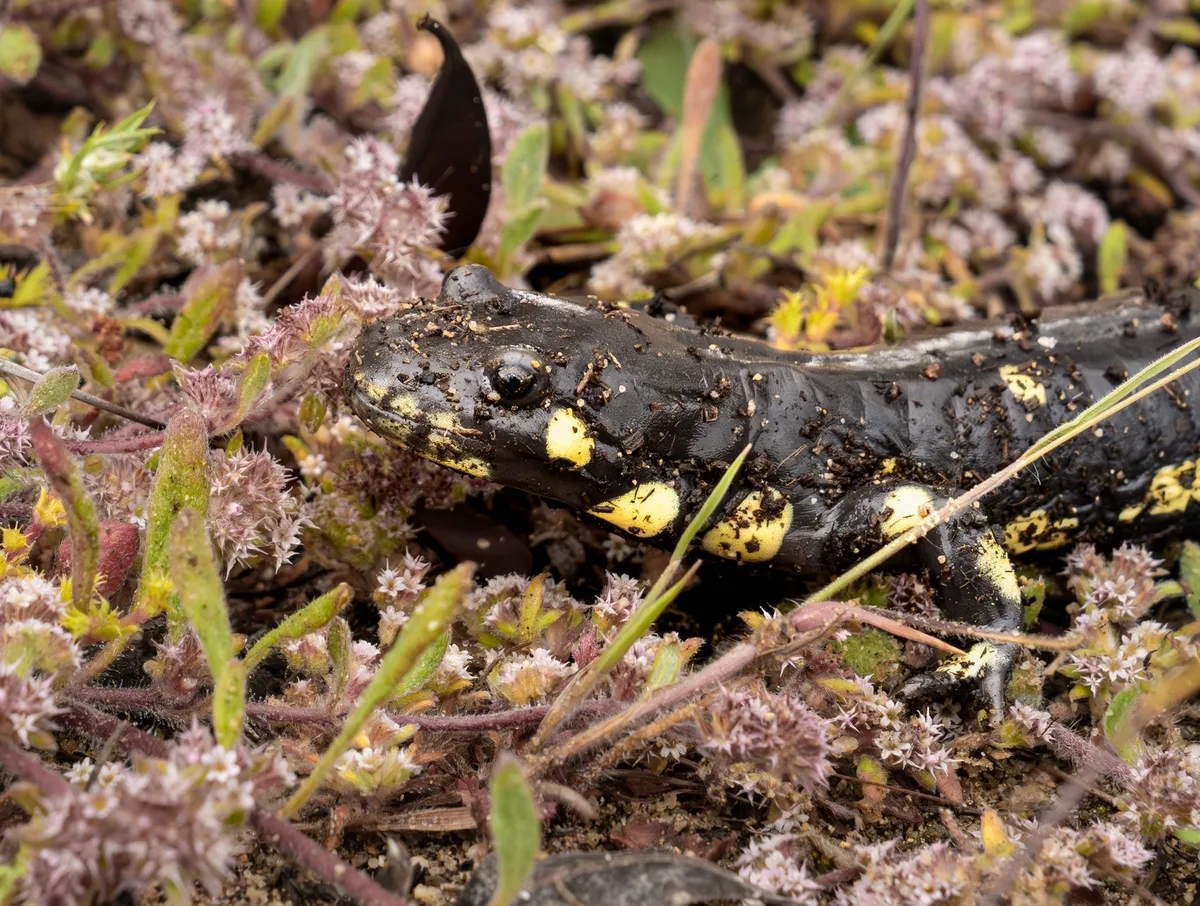
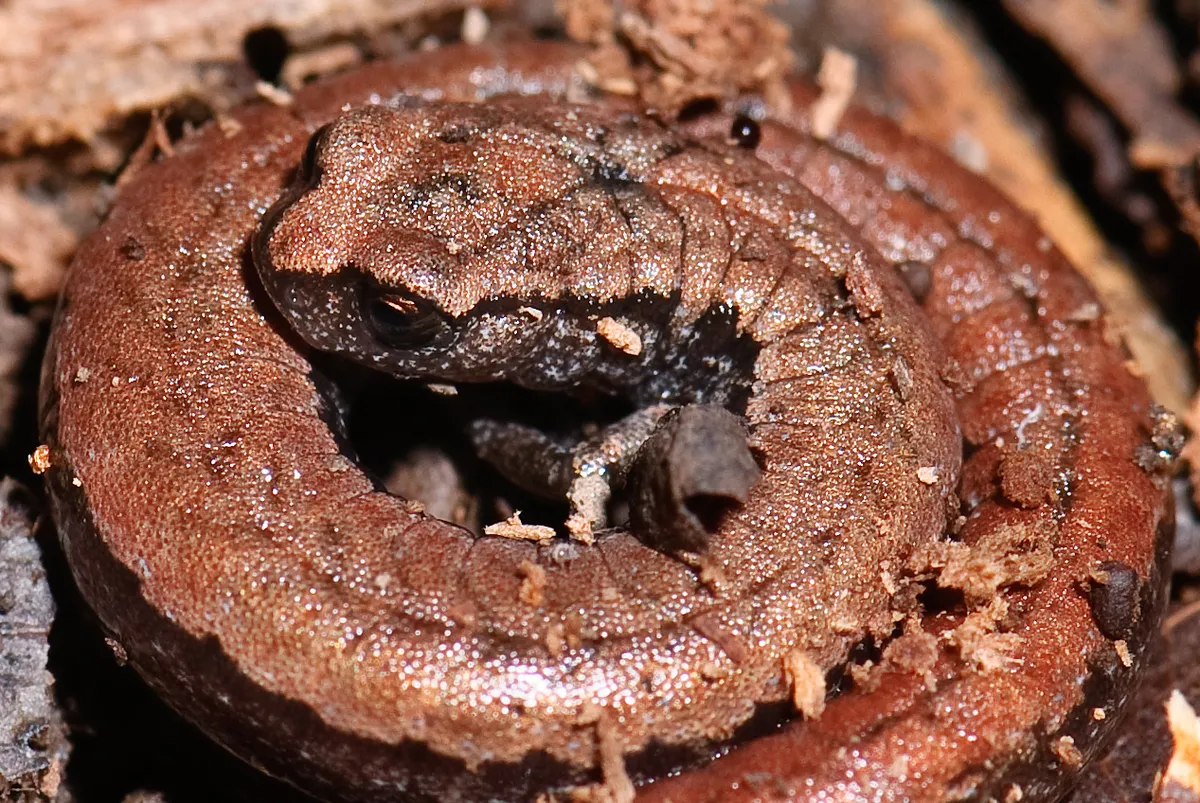
A medium-sized terrestrial salamander native to eastern North America, characterized by its dark brown to black coloration with lighter markings and a distinctive body structure adapted for life in moist forest environments.
Image Gallery
ADSENSE SLOT
Ecology & Habitat
Habitat
Primarily found in cool, humid forest streams, seeps, and rocky areas in the eastern United States, ranging from southern Maine to northern Georgia, preferring areas with high moisture and dense forest cover
Ecological Role
Critical component of forest ecosystems, serving as both predator and prey, controlling insect populations and acting as a bioindicator for environmental health and stream ecosystem conditions
Morphology
SKIN COATSmooth, moist skin with dark brown to black base coloration and irregular lighter spots or streaks
LIMBS WINGSFour sturdy limbs with four toes on each foot, adapted for terrestrial and semi-aquatic locomotion
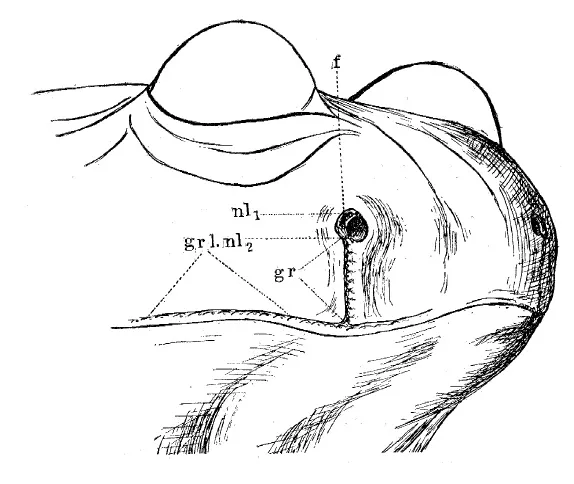
HEAD SENSORYBroad, triangular head with prominent eyes and well-developed nasolabial grooves for enhanced chemosensory perception
BODY STRUCTURERobust, elongated body typically 7-13 cm in length, with a relatively long tail that is slightly compressed laterally
Data Source: TaxonHub Database
Image Credit: Inez Whipple Wilder (1871–1929)