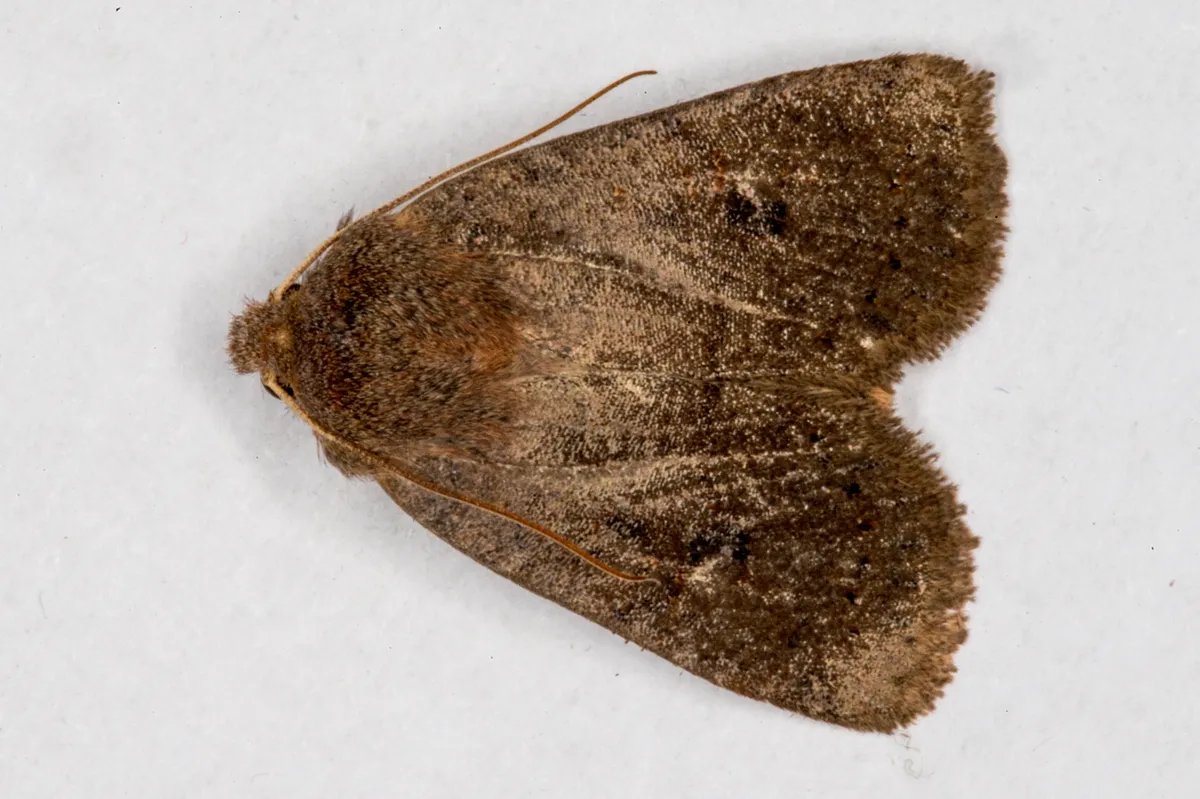
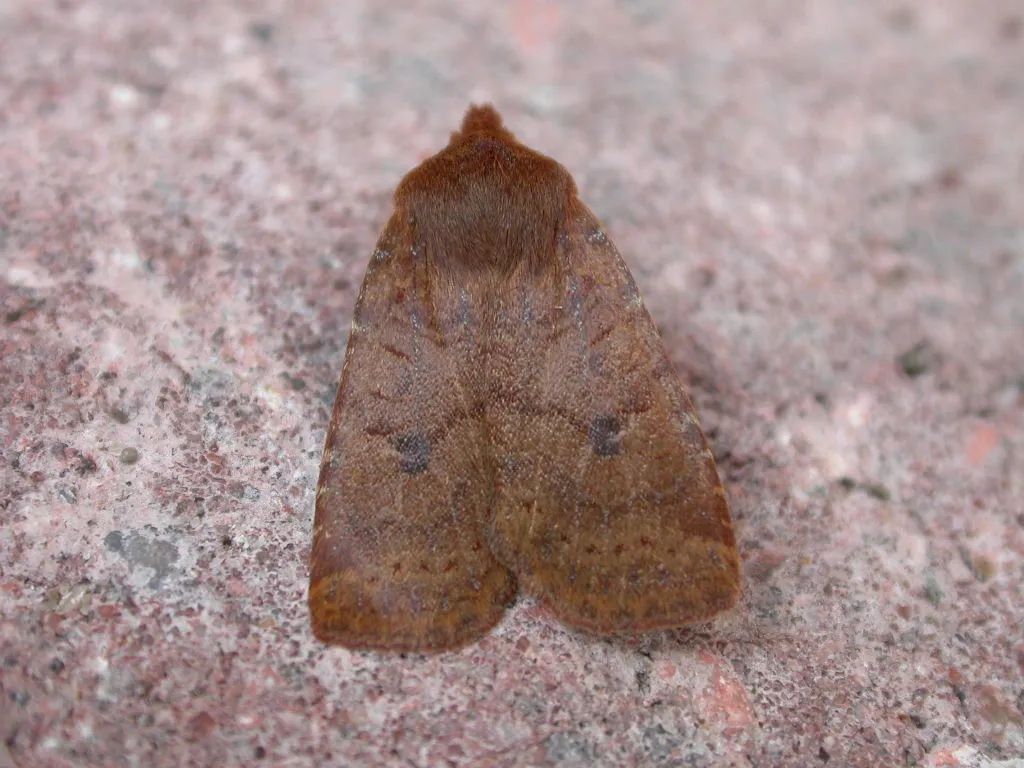
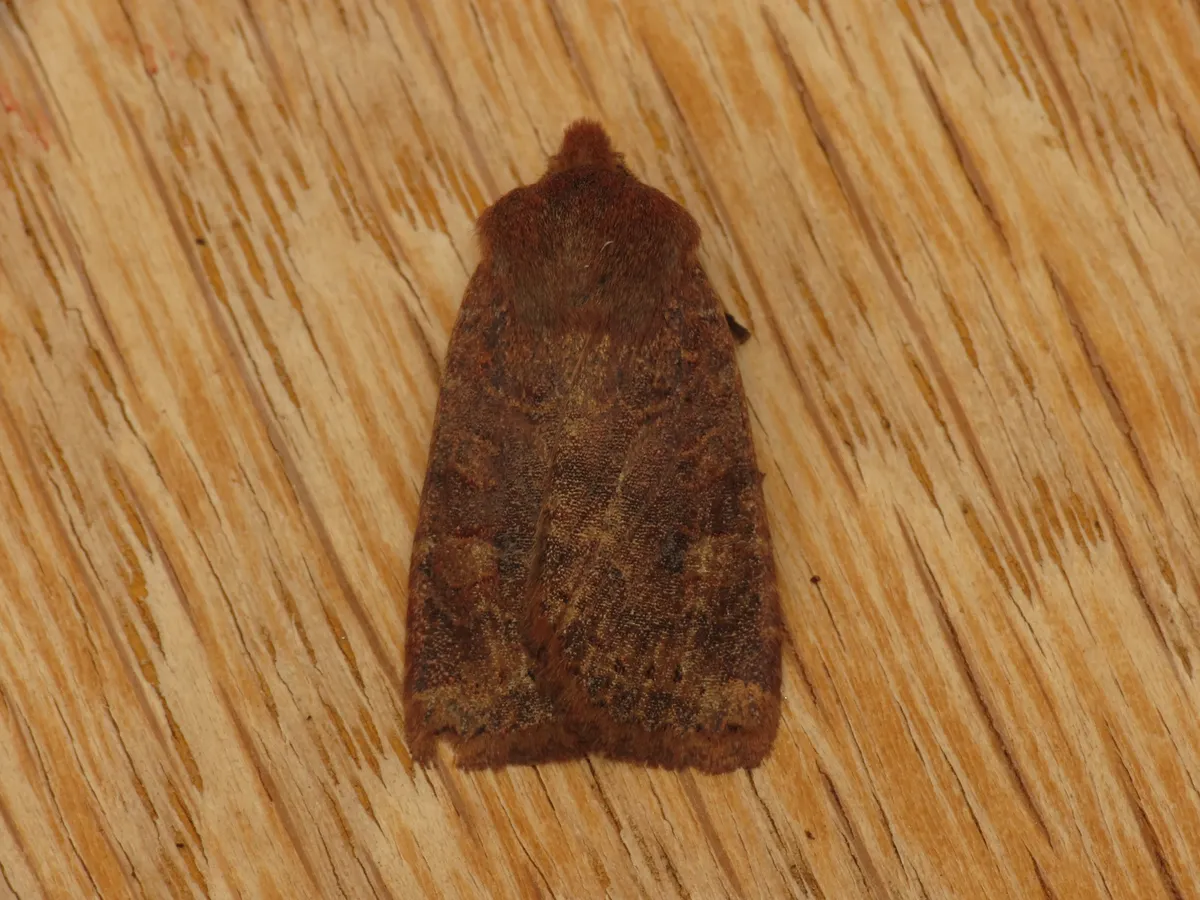
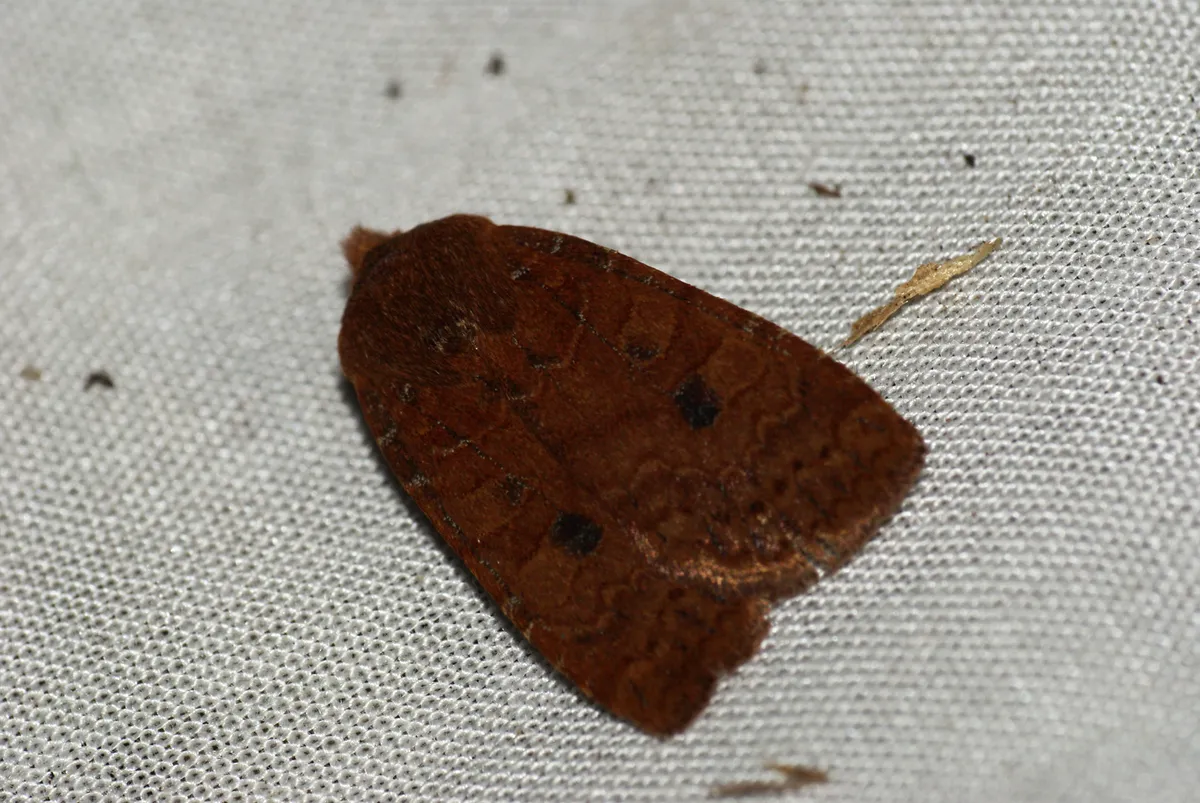
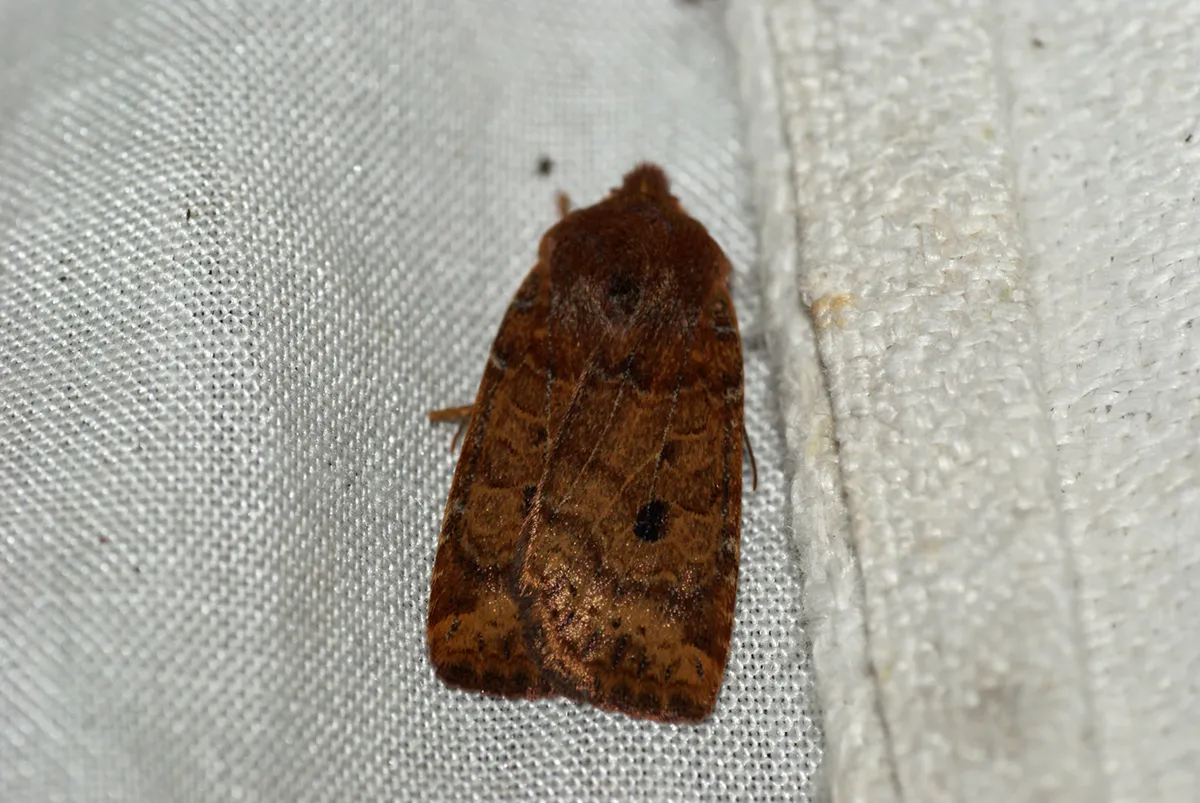
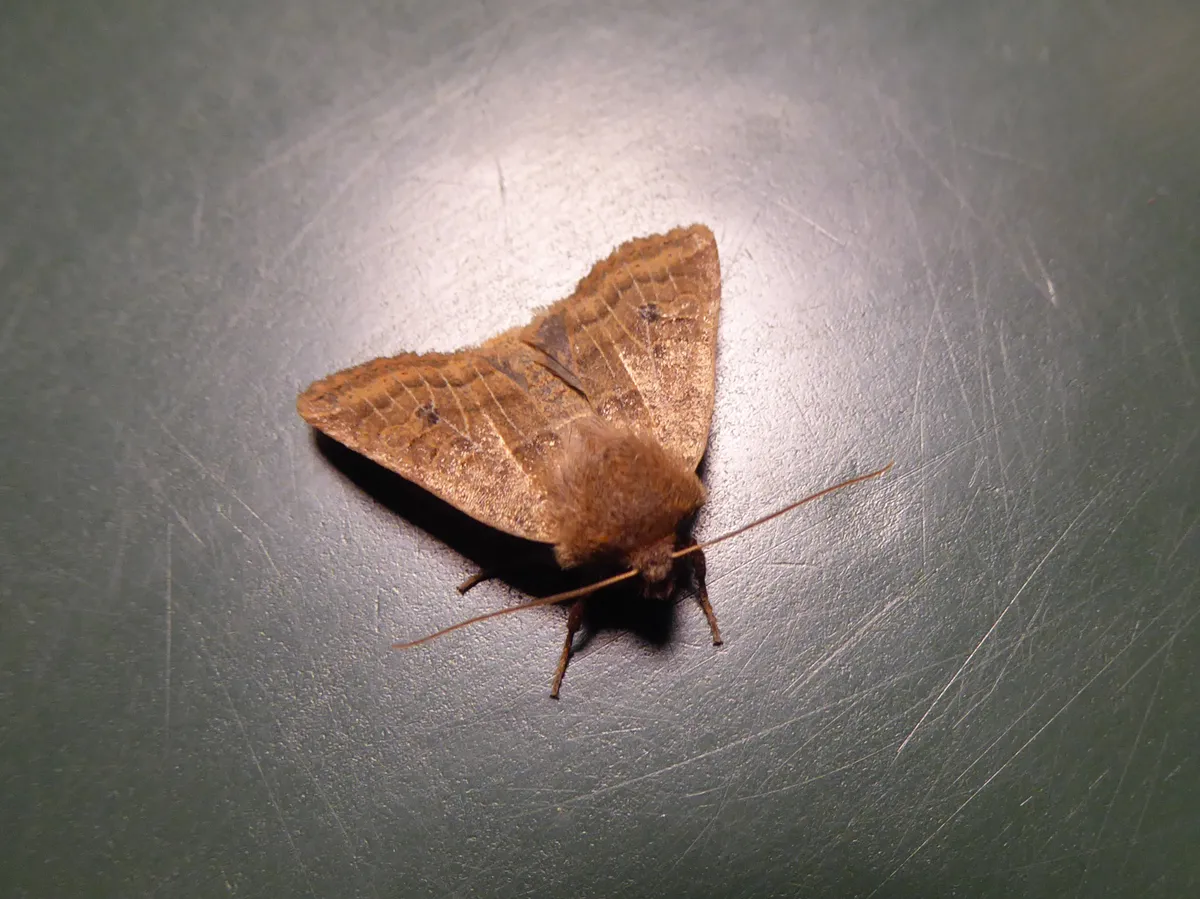
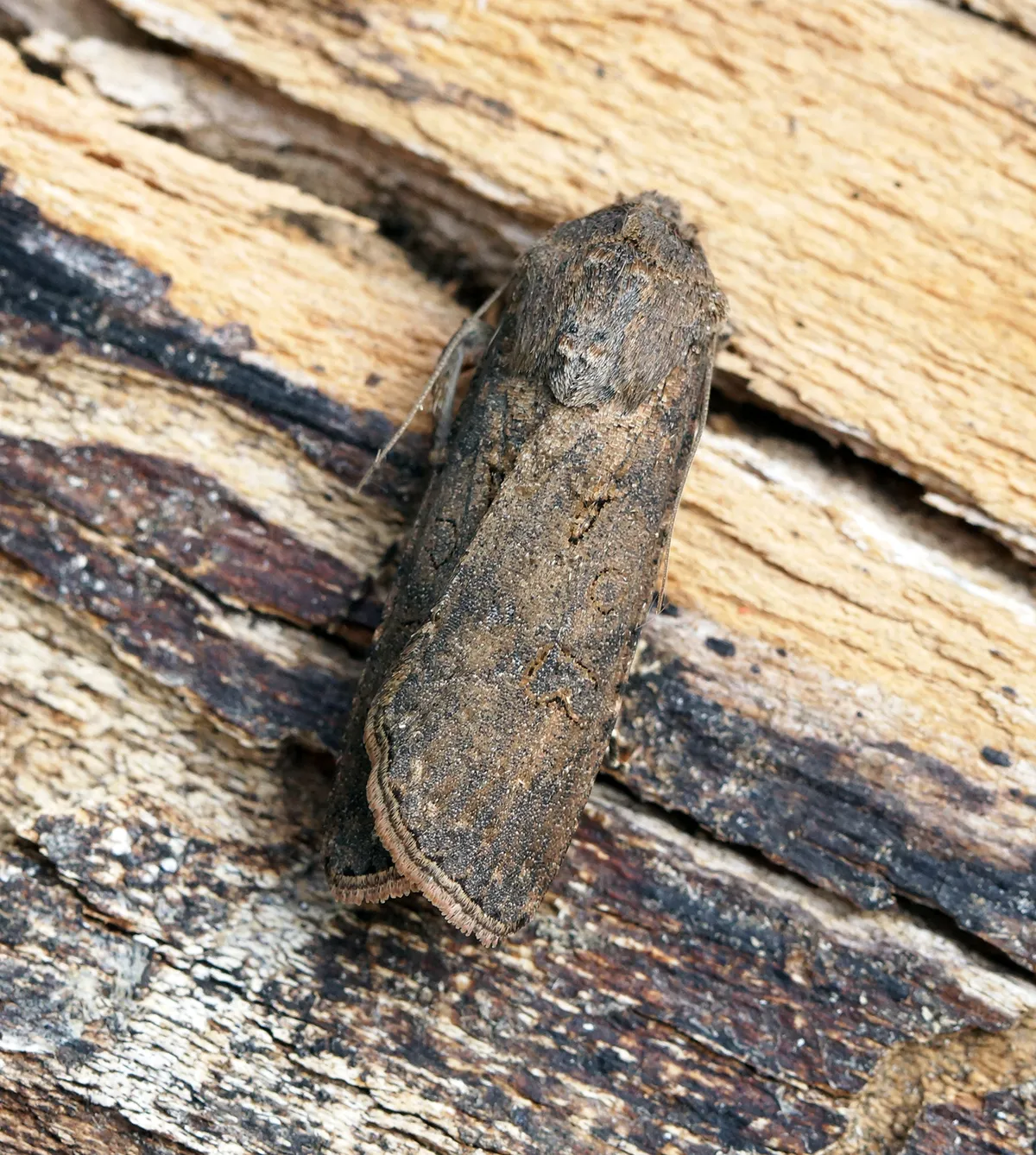
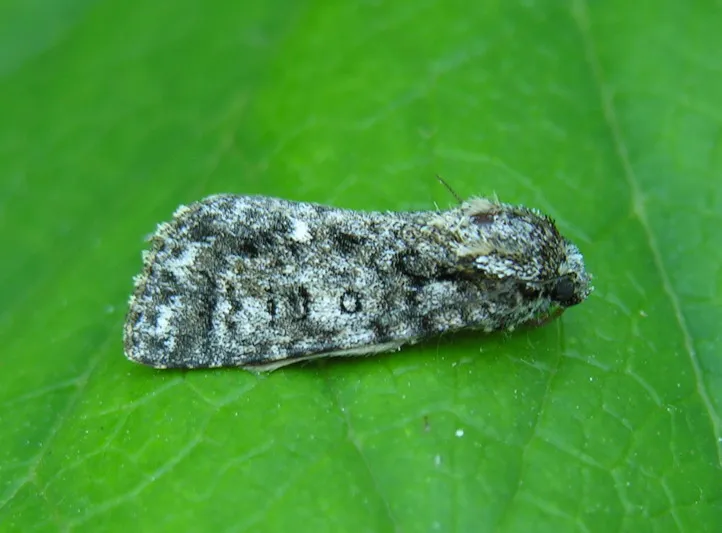
A nocturnal moth species belonging to the family Noctuidae, native to European regions. Named after its chestnut-like coloration and pattern, this species is typically found in woodland and forest edge habitats.
Image Gallery
ADSENSE SLOT
Ecology & Habitat
Habitat
Deciduous and mixed forests, woodland edges, forest clearings in temperate European regions, particularly prevalent in areas with berry-producing shrubs like vaccinium species
Ecological Role
Important pollinator and prey species in forest ecosystems, contributes to food web dynamics by serving as prey for birds, bats, and small mammals
Morphology
SKIN COATScaled wings and body covered in dense, overlapping lepidopteran scales providing thermal regulation and camouflage
LIMBS WINGSTwo pairs of scaled wings, forewings with intricate camouflage patterns resembling tree bark, hindwings lighter in coloration
HEAD SENSORYCompound eyes, short antennae typical of nocturnal Lepidoptera, capable of detecting pheromones and environmental cues
BODY STRUCTURESmall moth with wingspan of 40-50 mm, robust body with muted brown and chestnut color patterns
Data Source: TaxonHub Database
Image Credit: Jerzy Strzelecki