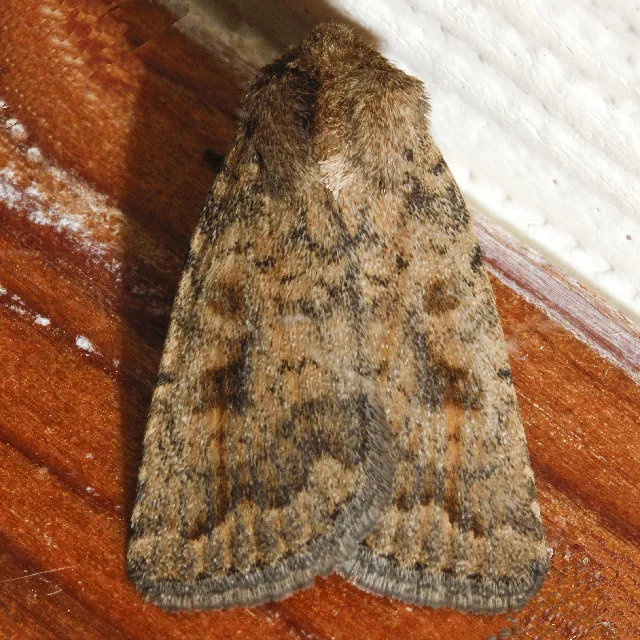
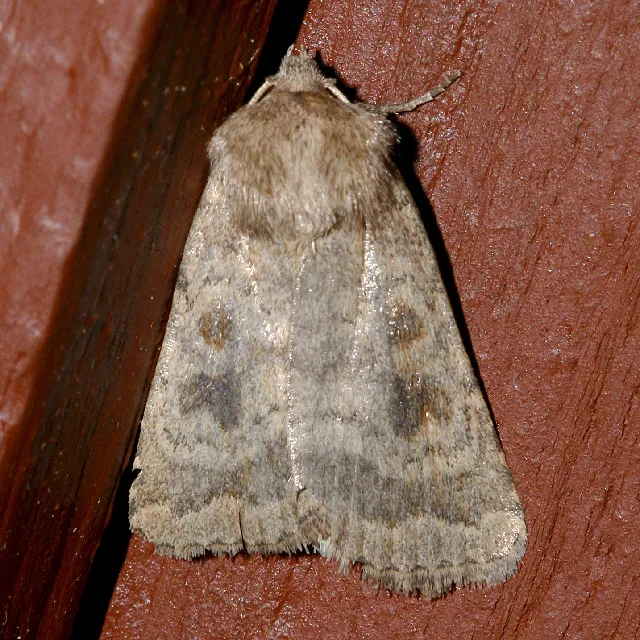
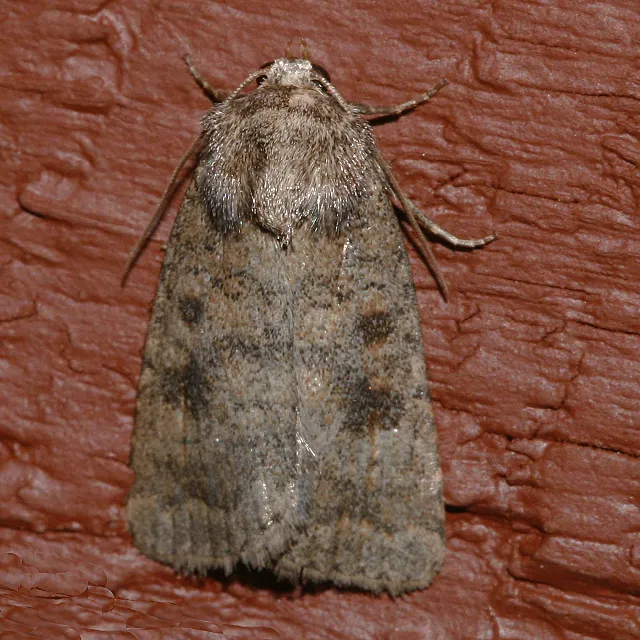
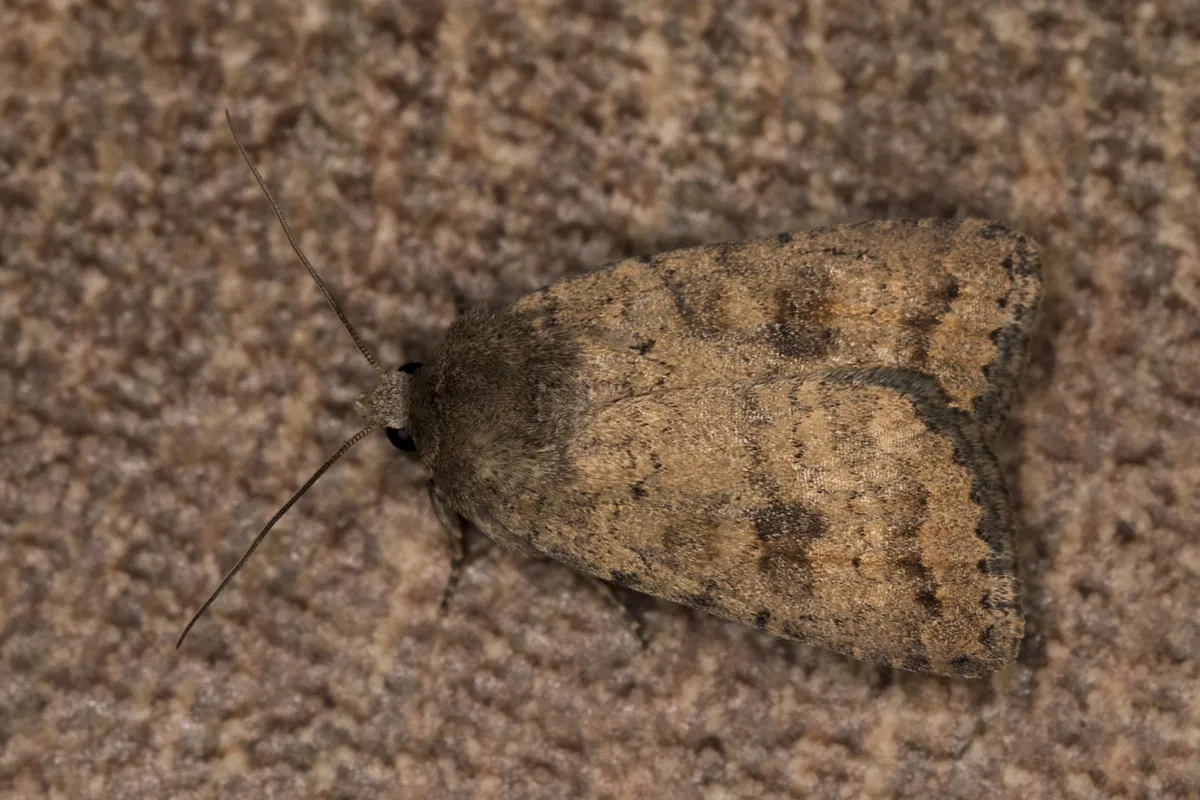
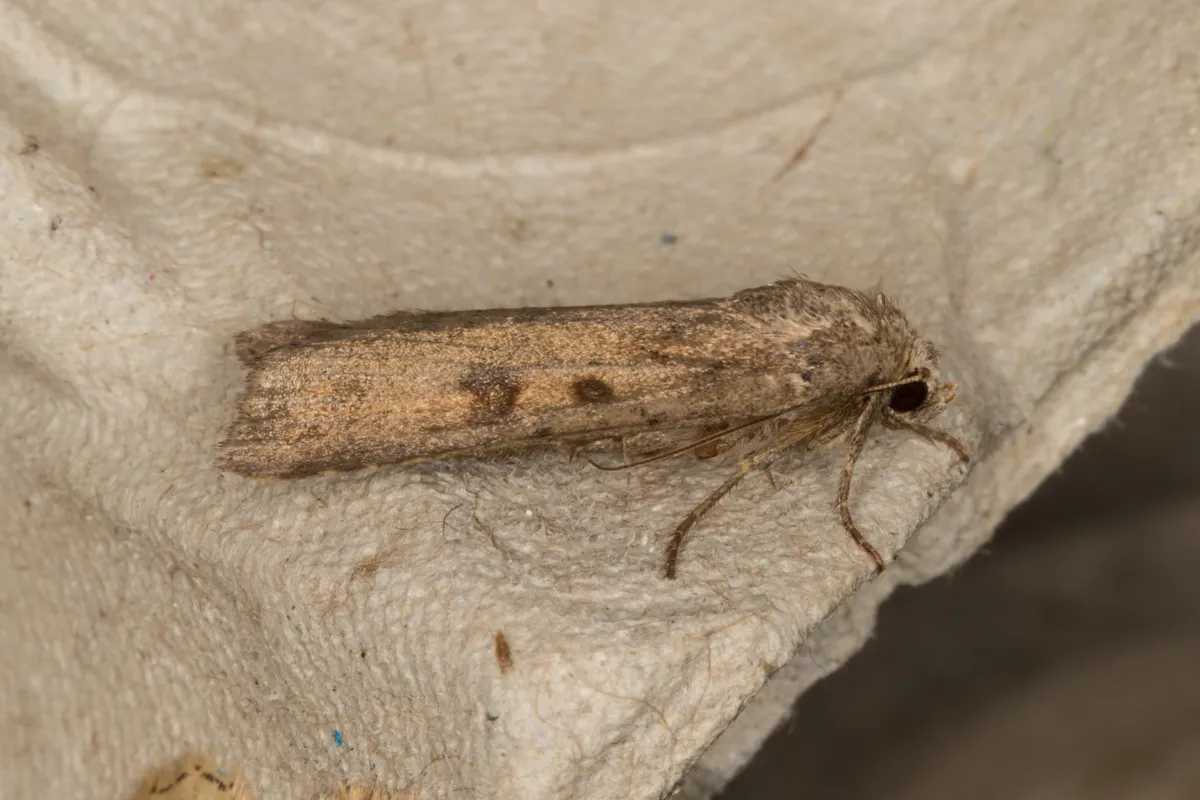
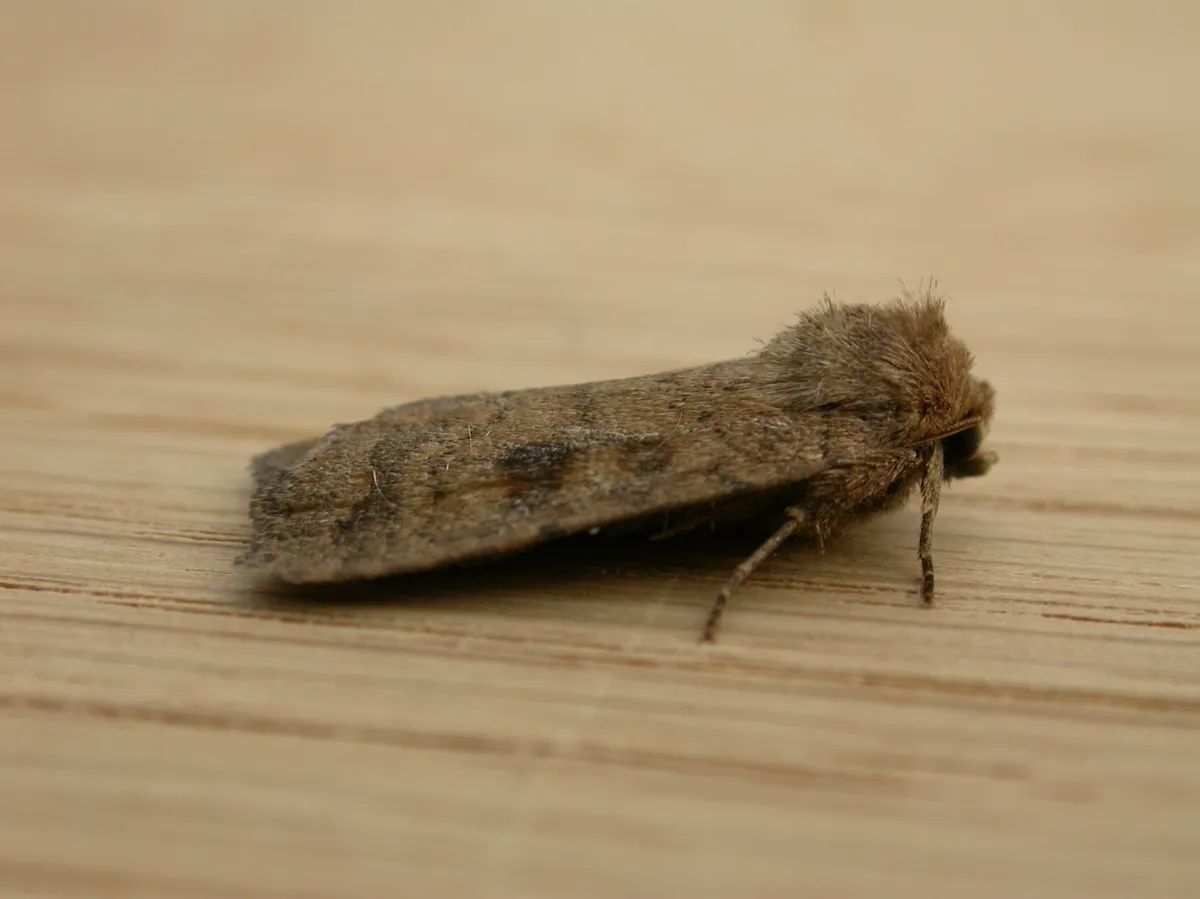
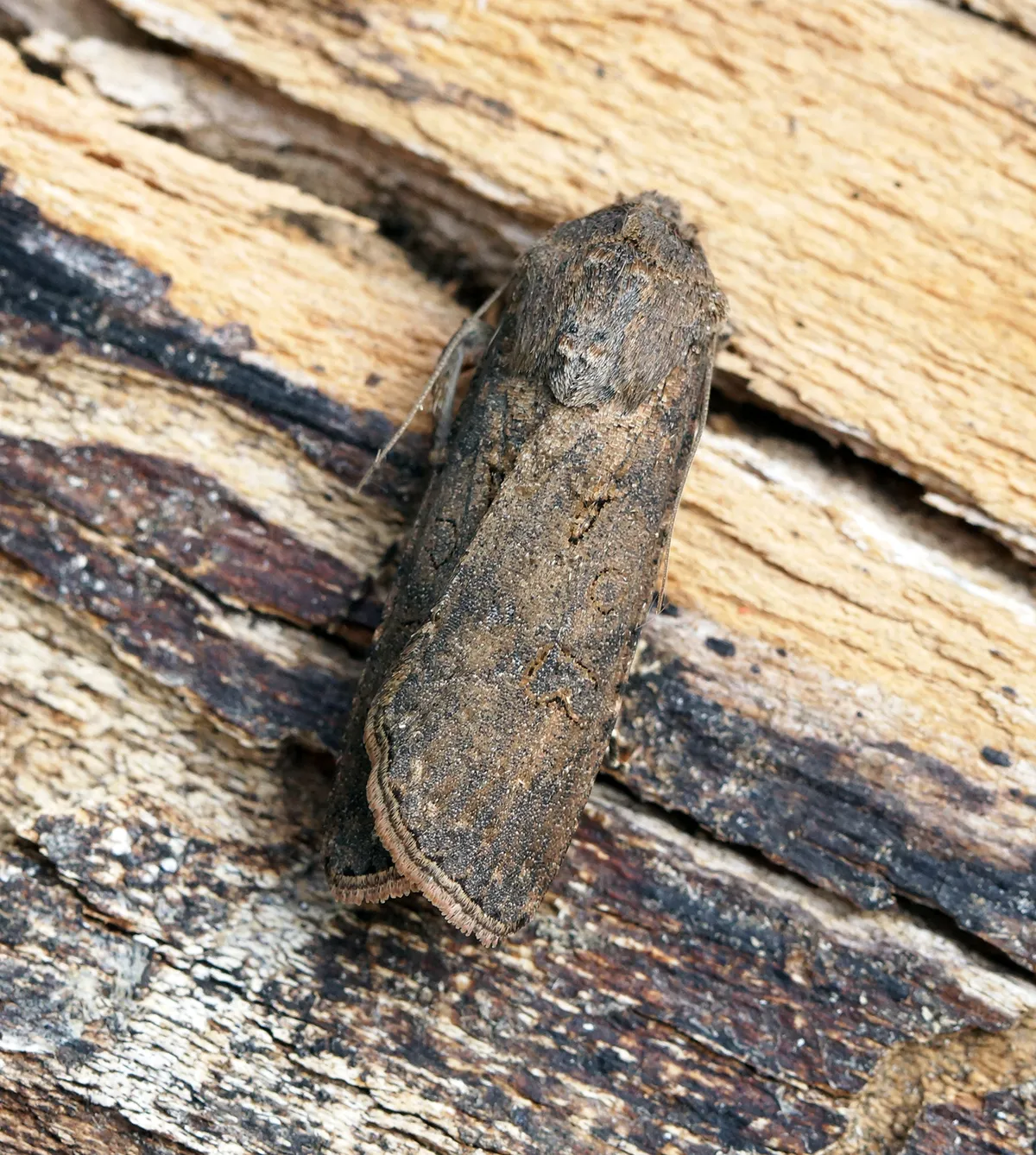
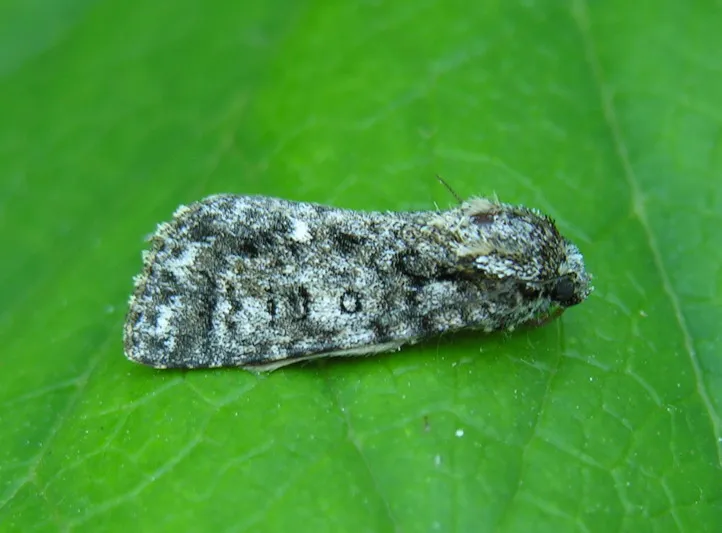
A nocturnal moth species belonging to the family Noctuidae, characterized by its mottled brown and grey wing coloration that provides excellent camouflage in woodland and grassland environments.
Image Gallery
ADSENSE SLOT
Ecology & Habitat
Habitat
Found across European temperate regions, including woodland edges, meadows, grasslands, and agricultural landscapes with moderate vegetation density. Typically inhabits areas at altitudes between 0-1000 meters above sea level.
Ecological Role
Important pollinator and prey species in temperate ecosystems, serving as a food source for bats, birds, and small insectivorous mammals. Larvae contribute to ecosystem nutrient cycling through herbivory.
Morphology
SKIN COATScaled wing surfaces with complex microstructures providing thermal regulation and water resistance
LIMBS WINGSTwo pairs of lepidopteran wings, forewings larger and more cryptically colored than hindwings
HEAD SENSORYCompound eyes, short antennae for detecting pheromones and environmental cues
BODY STRUCTURESmall moth with wingspan of 28-35 mm, characterized by mottled grey-brown forewings with intricate camouflage patterns
Data Source: TaxonHub Database
Image Credit: CBG Photography Group, Centre for Biodiversity Genomics