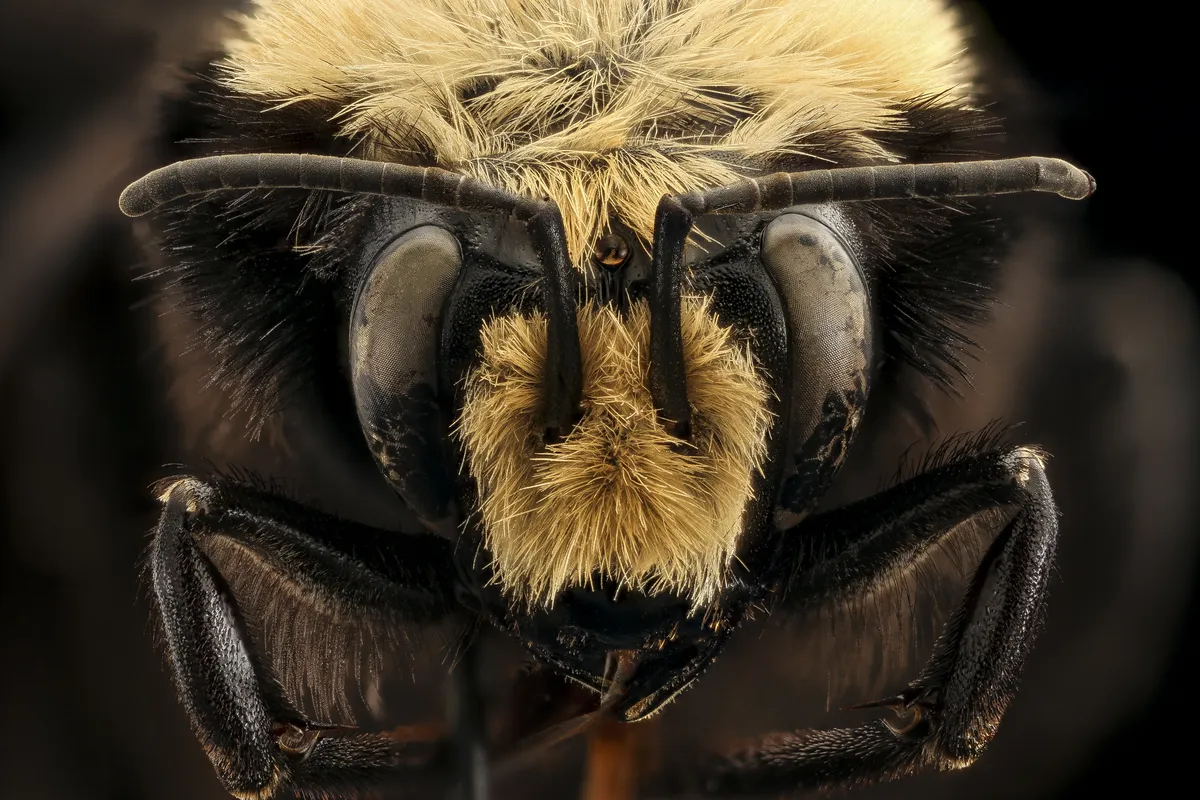
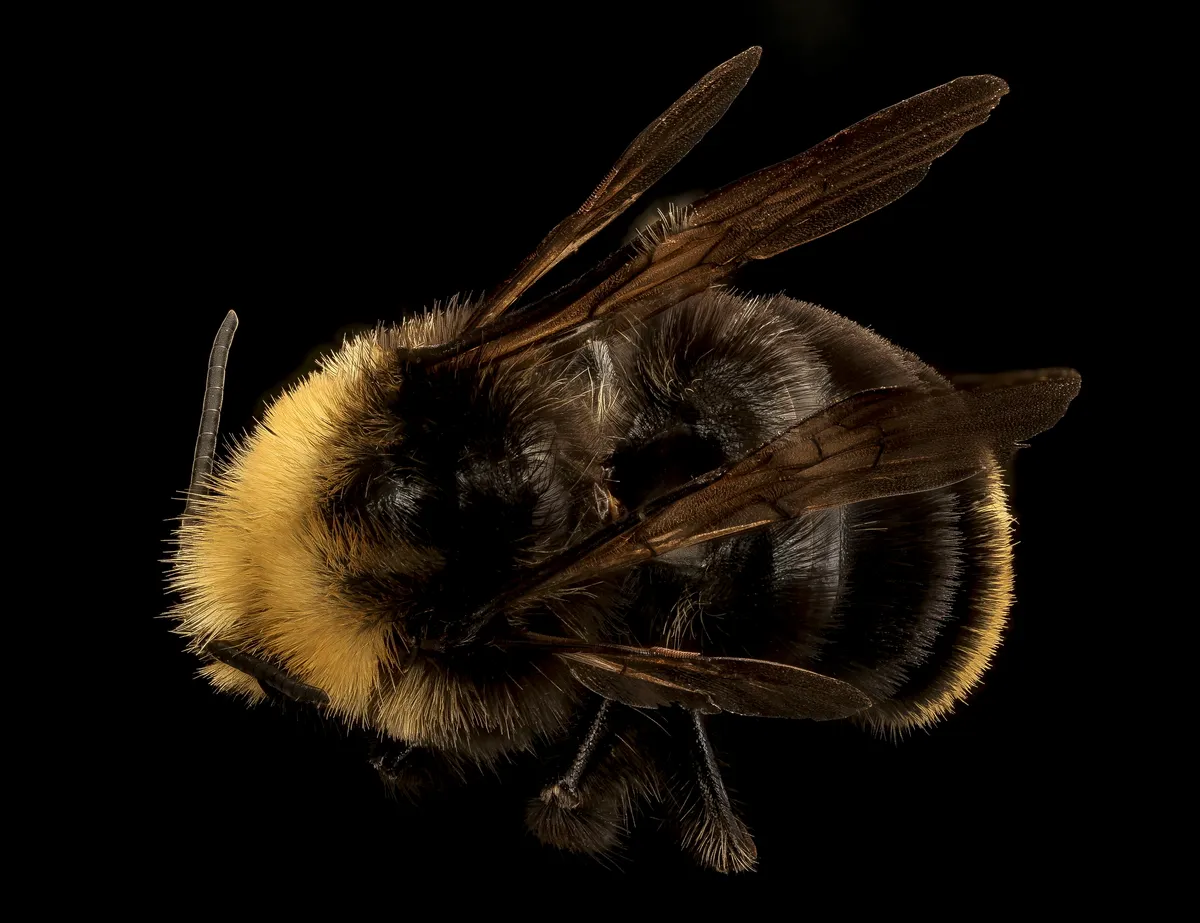
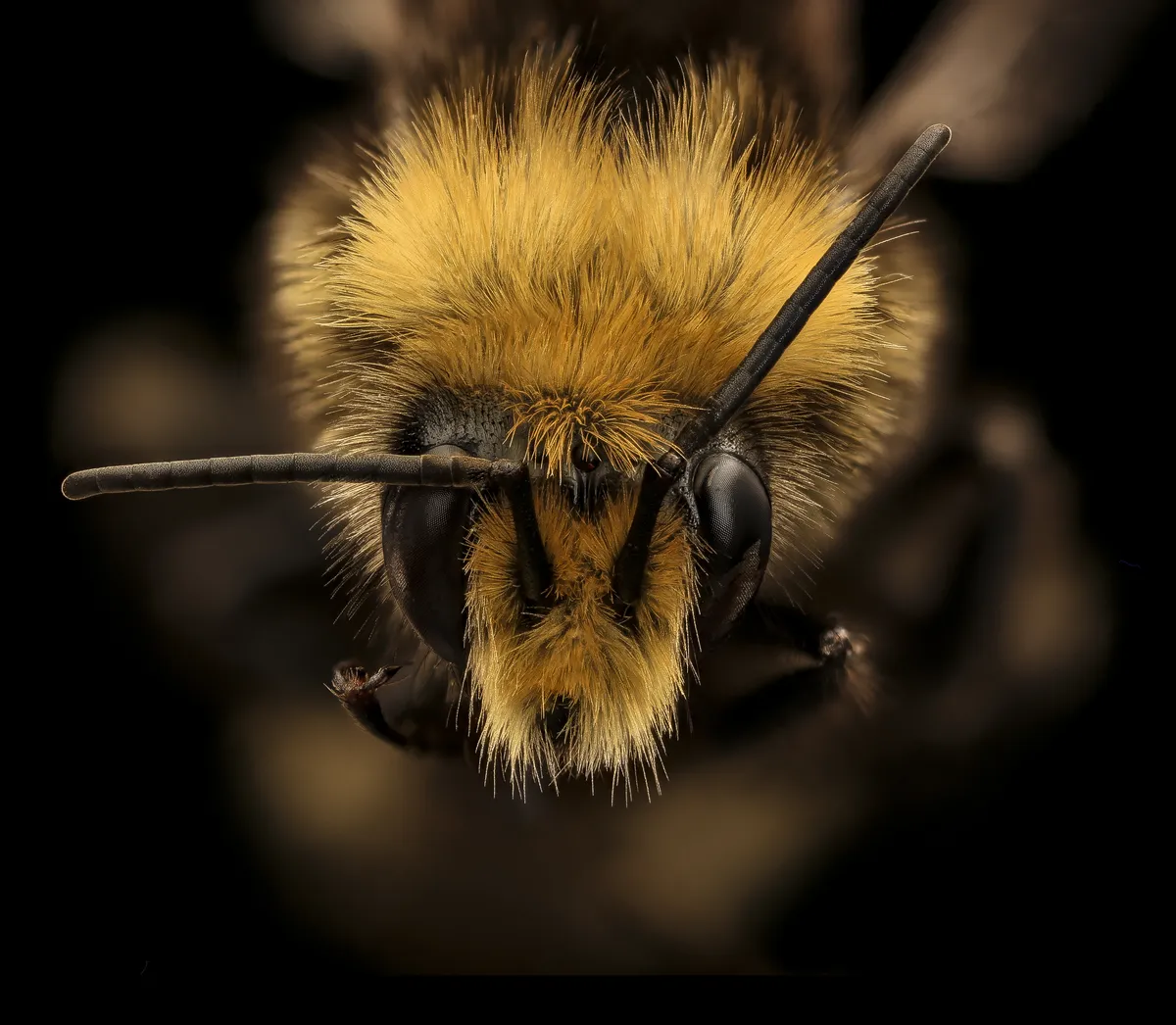
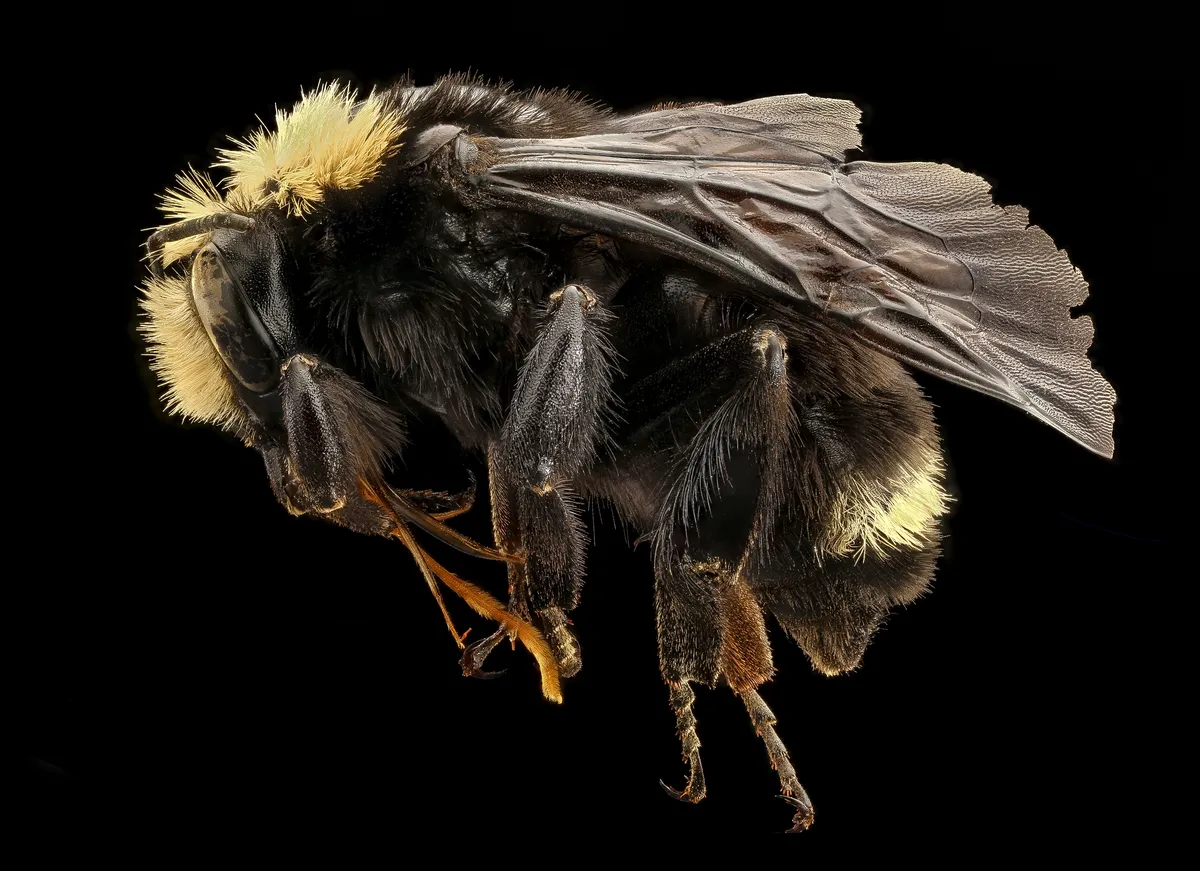
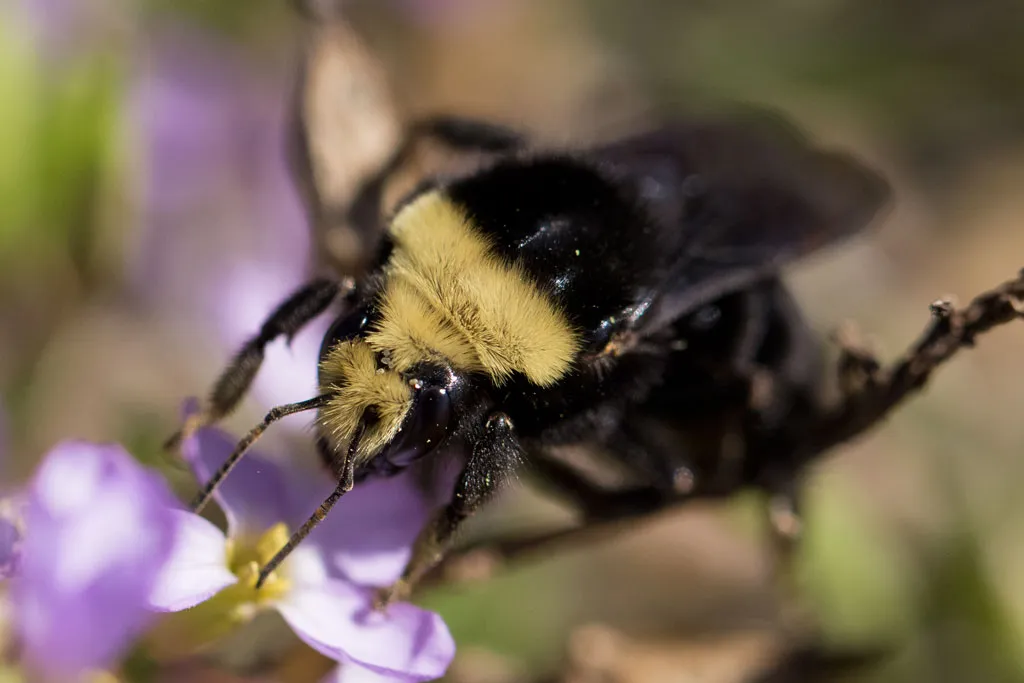
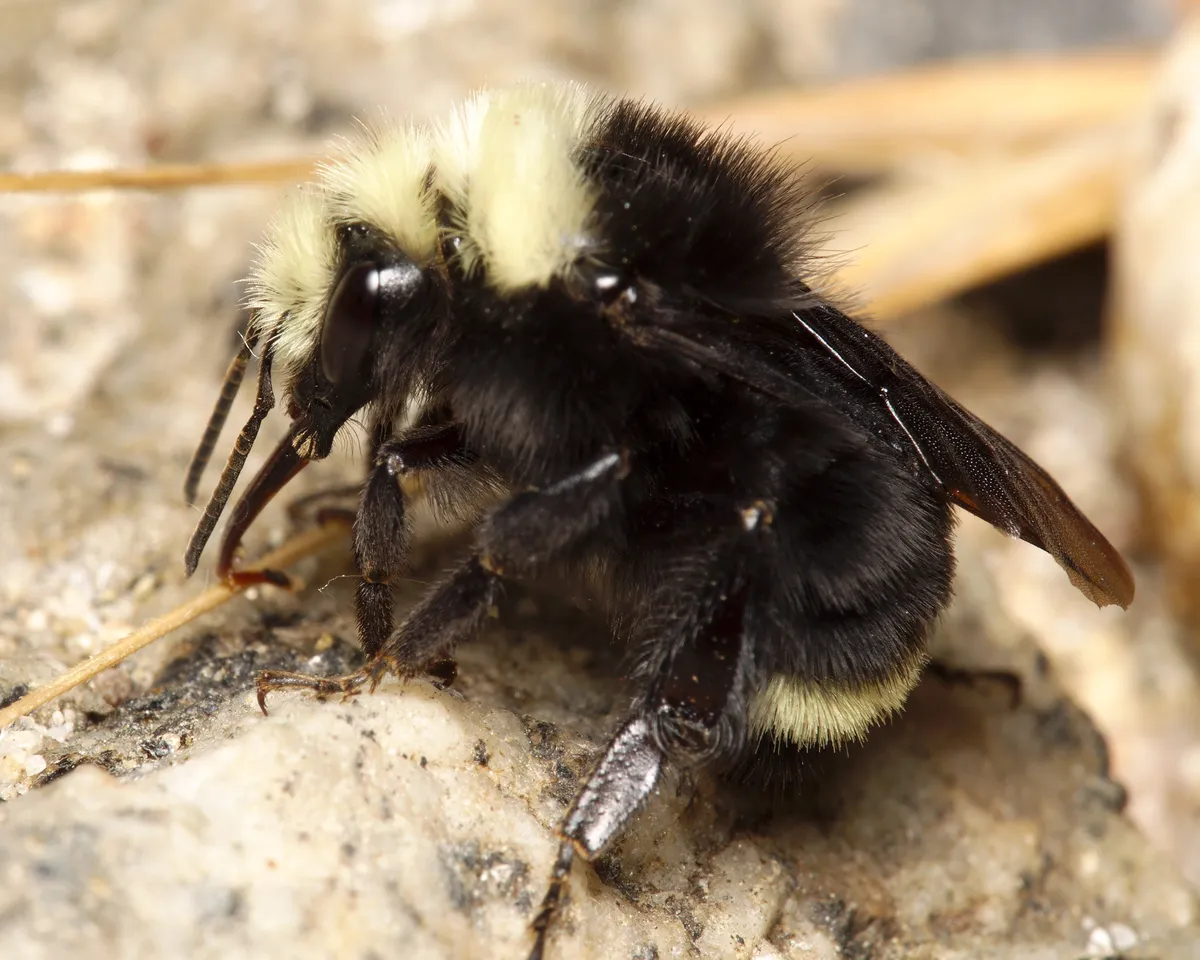
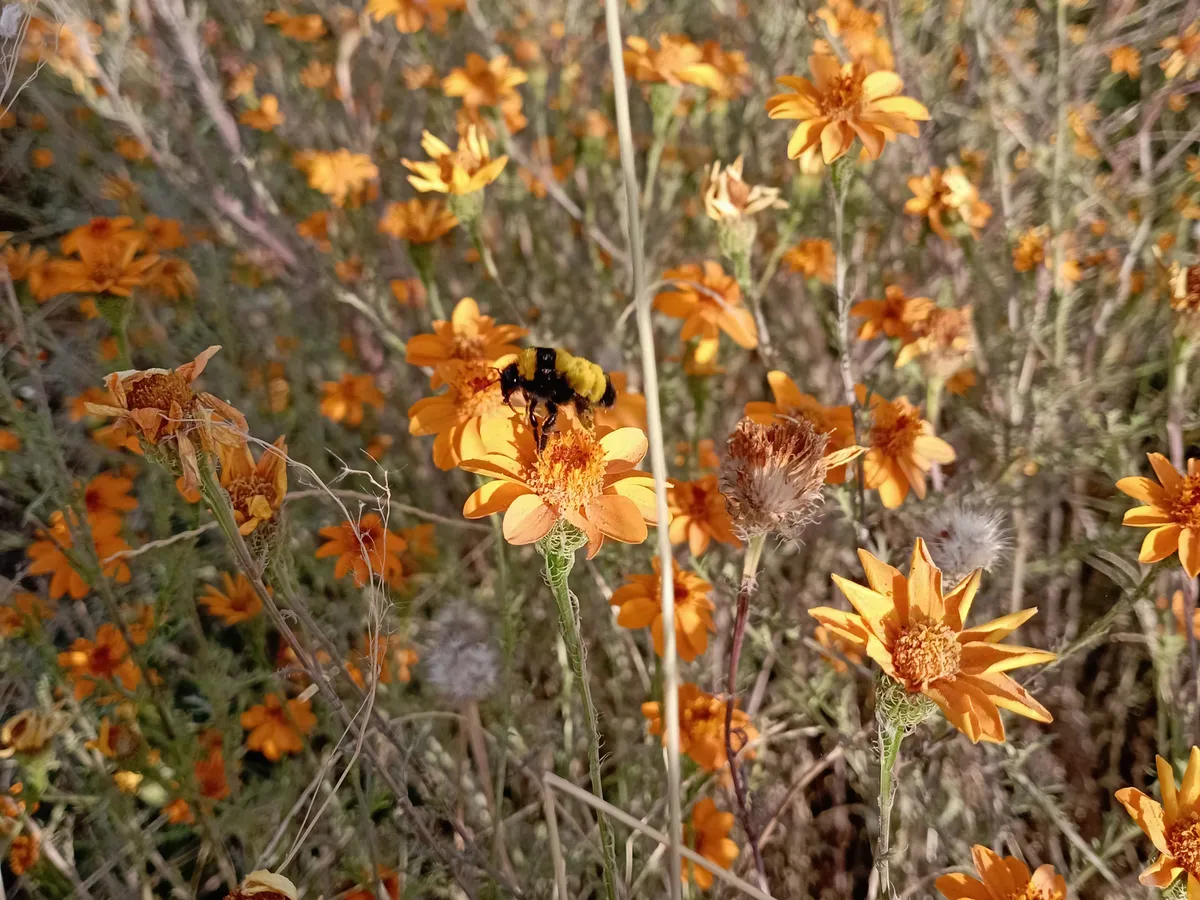
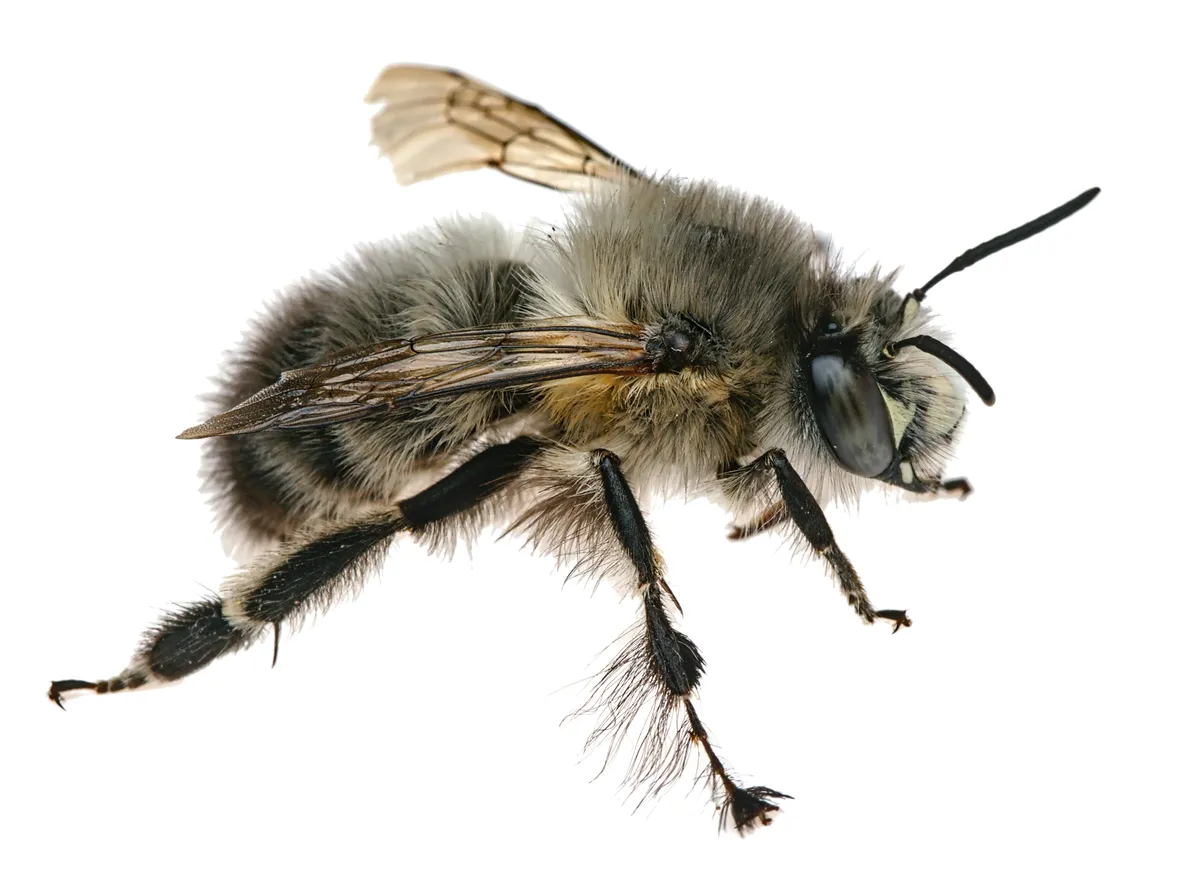
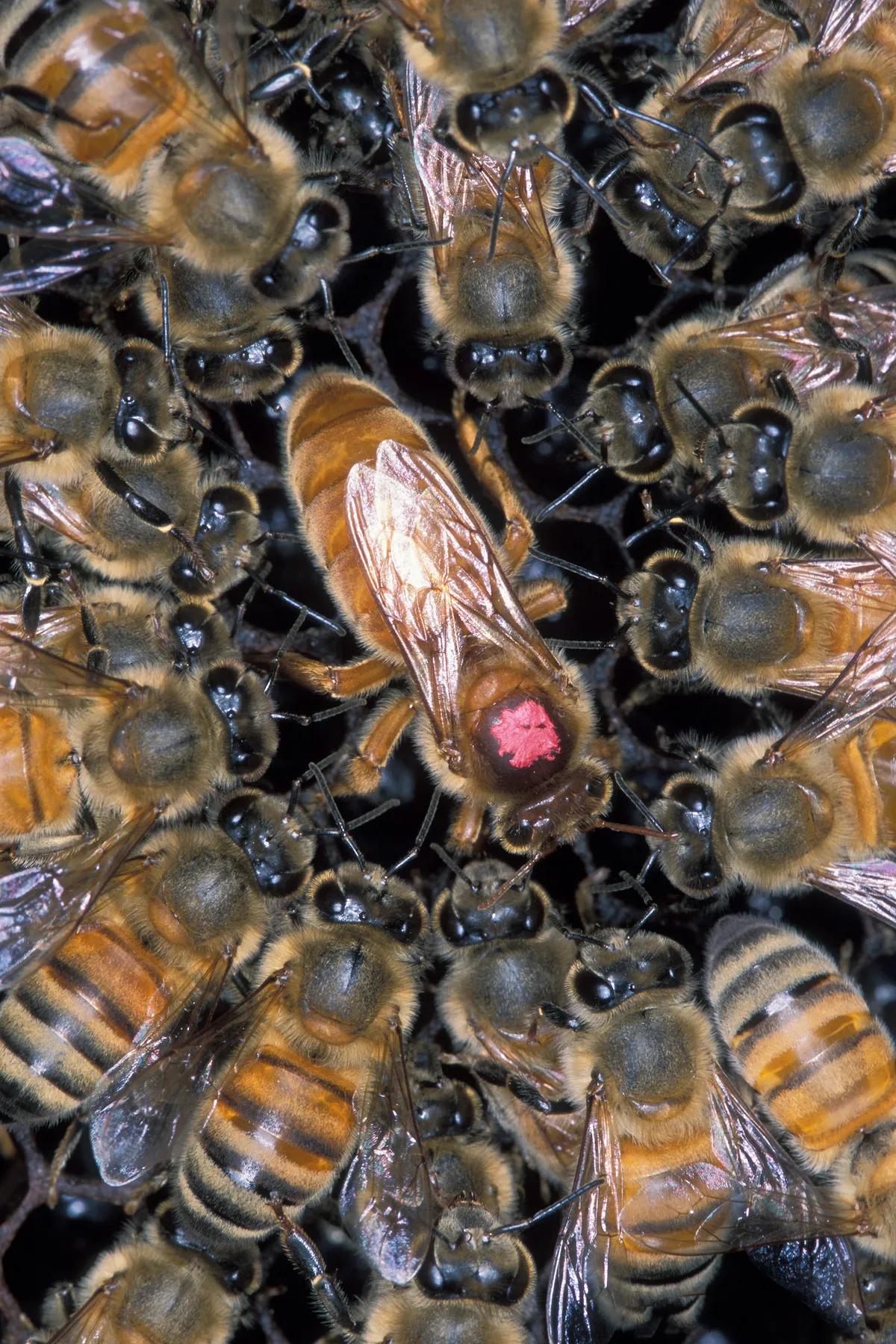
A native North American bumble bee species predominantly found in the western coastal regions of the United States, particularly California, Oregon, and Washington. Known for its critical role in pollination of native wildflowers and agricultural crops.
Image Gallery
ADSENSE SLOT
Ecology & Habitat
Habitat
Temperate coastal ecosystems, mountain meadows, urban gardens, and agricultural landscapes ranging from sea level to approximately 2,500 meters elevation. Prefers areas with diverse flowering plant communities.
Ecological Role
Essential pollinator for numerous plant species, contributing to biodiversity maintenance and agricultural productivity. Supports ecosystem health through cross-pollination of native and cultivated plants.
Morphology
SKIN COATThick, insulating hair cover providing temperature regulation and protection in varied environmental conditions.
LIMBS WINGSTwo pairs of membranous wings, with forewings larger than hindwings. Strong, specialized legs for pollen collection and transportation.
HEAD SENSORYLarge compound eyes, sensitive antennae for chemical and spatial perception. Complex mandibles adapted for nectar extraction and pollen handling.
BODY STRUCTUREMedium-sized bumble bee, approximately 15-25 mm in length. Robust, densely haired body with black and yellow coloration pattern.
Data Source: TaxonHub Database
Image Credit: USGS Bee Inventory and Monitoring Lab from Beltsville, Maryland, USA