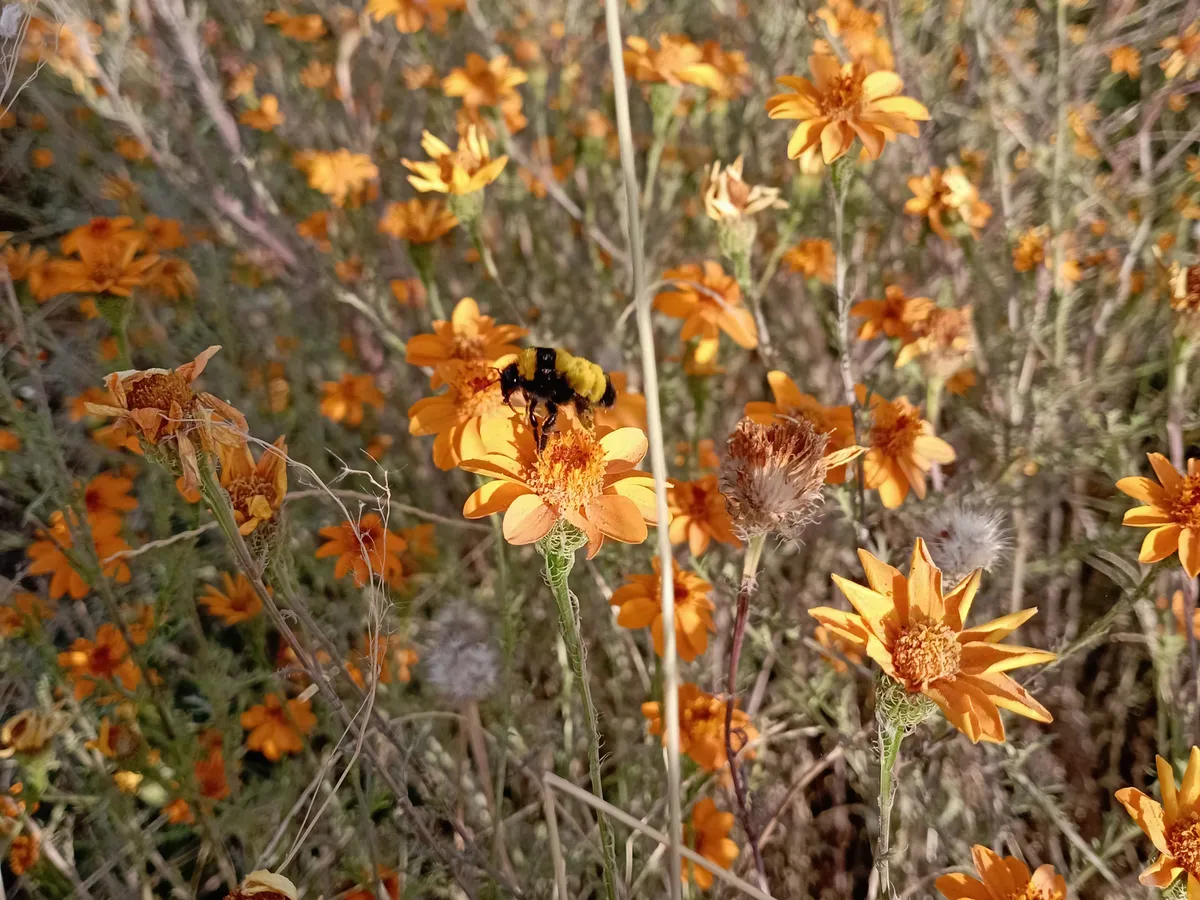
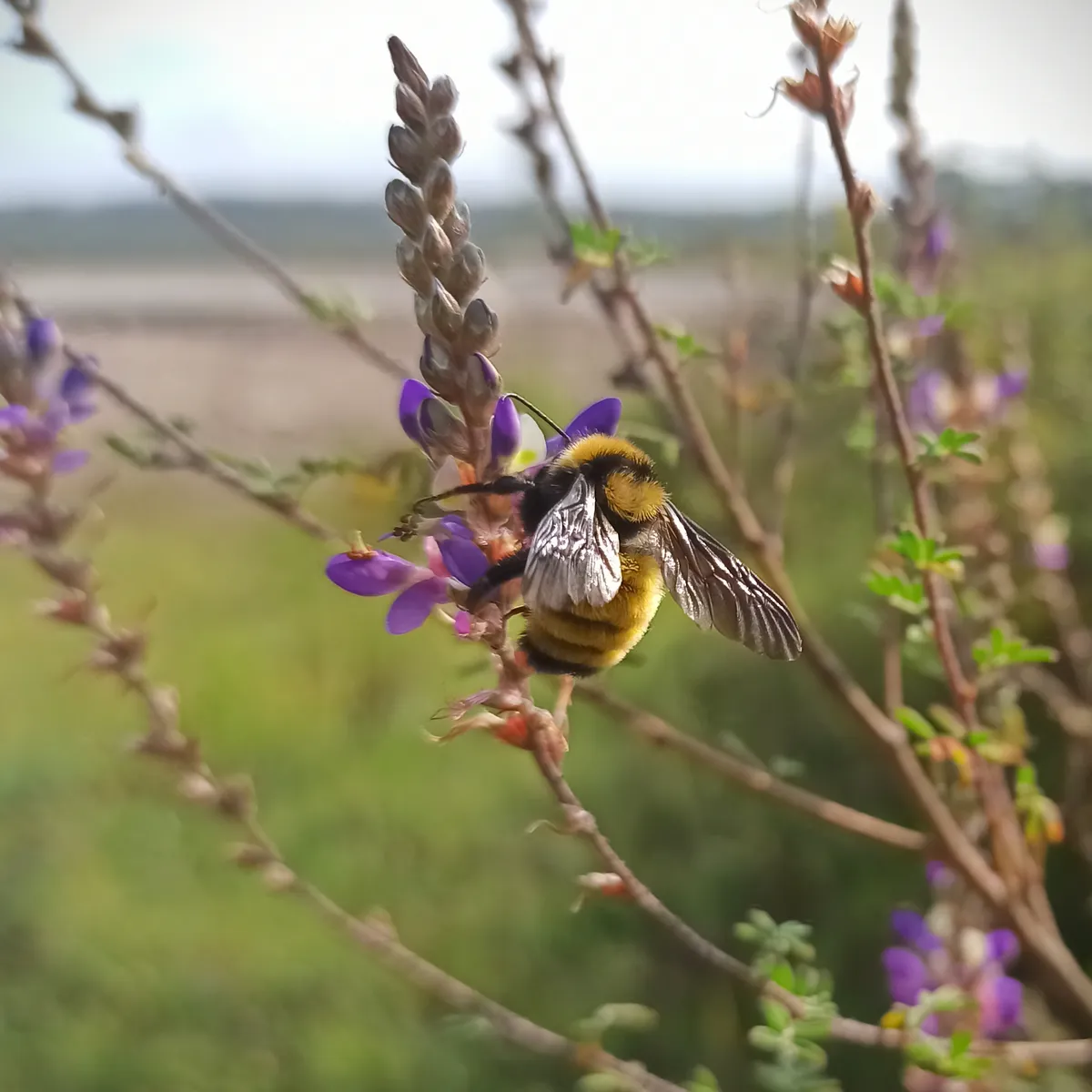
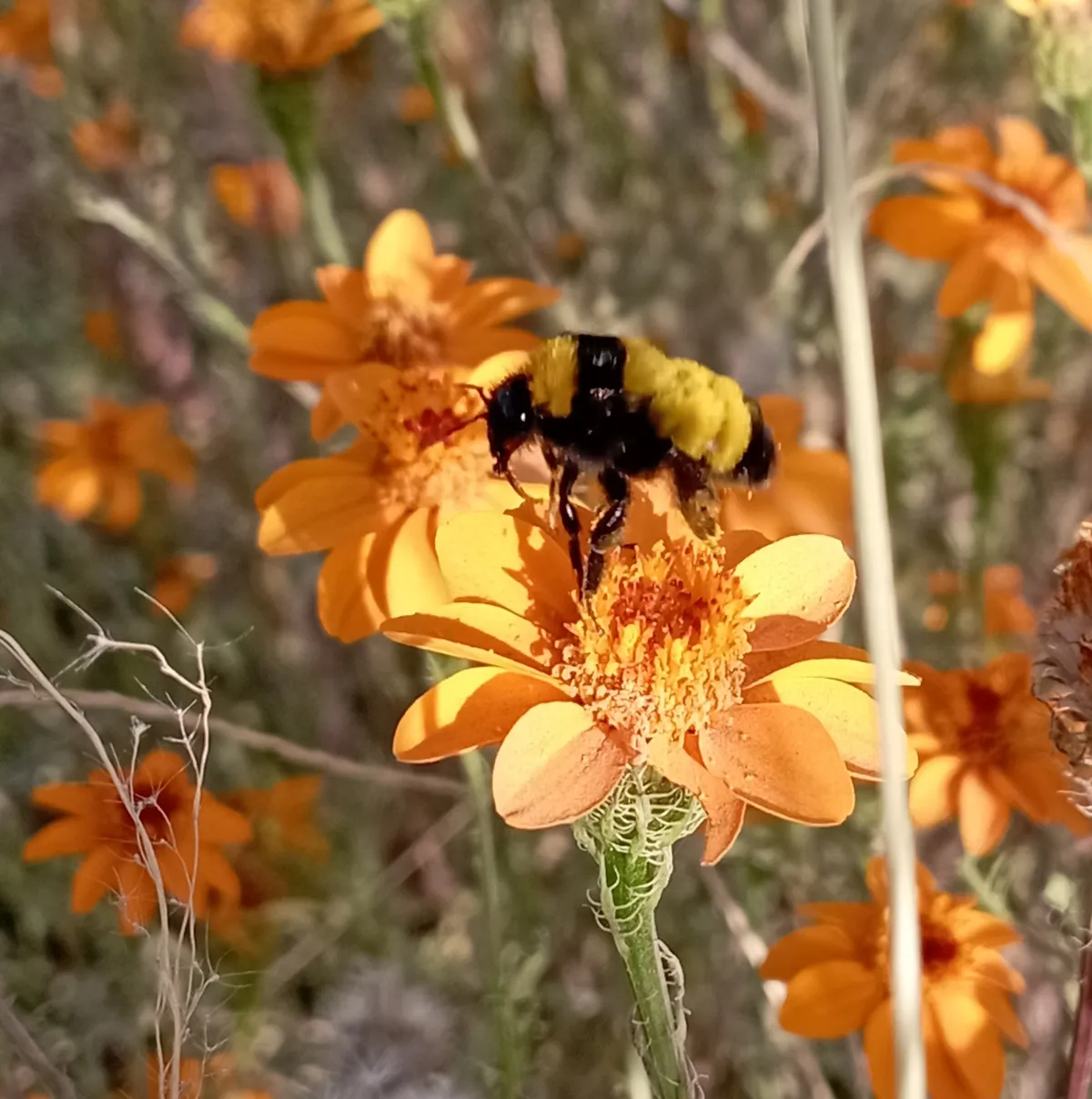
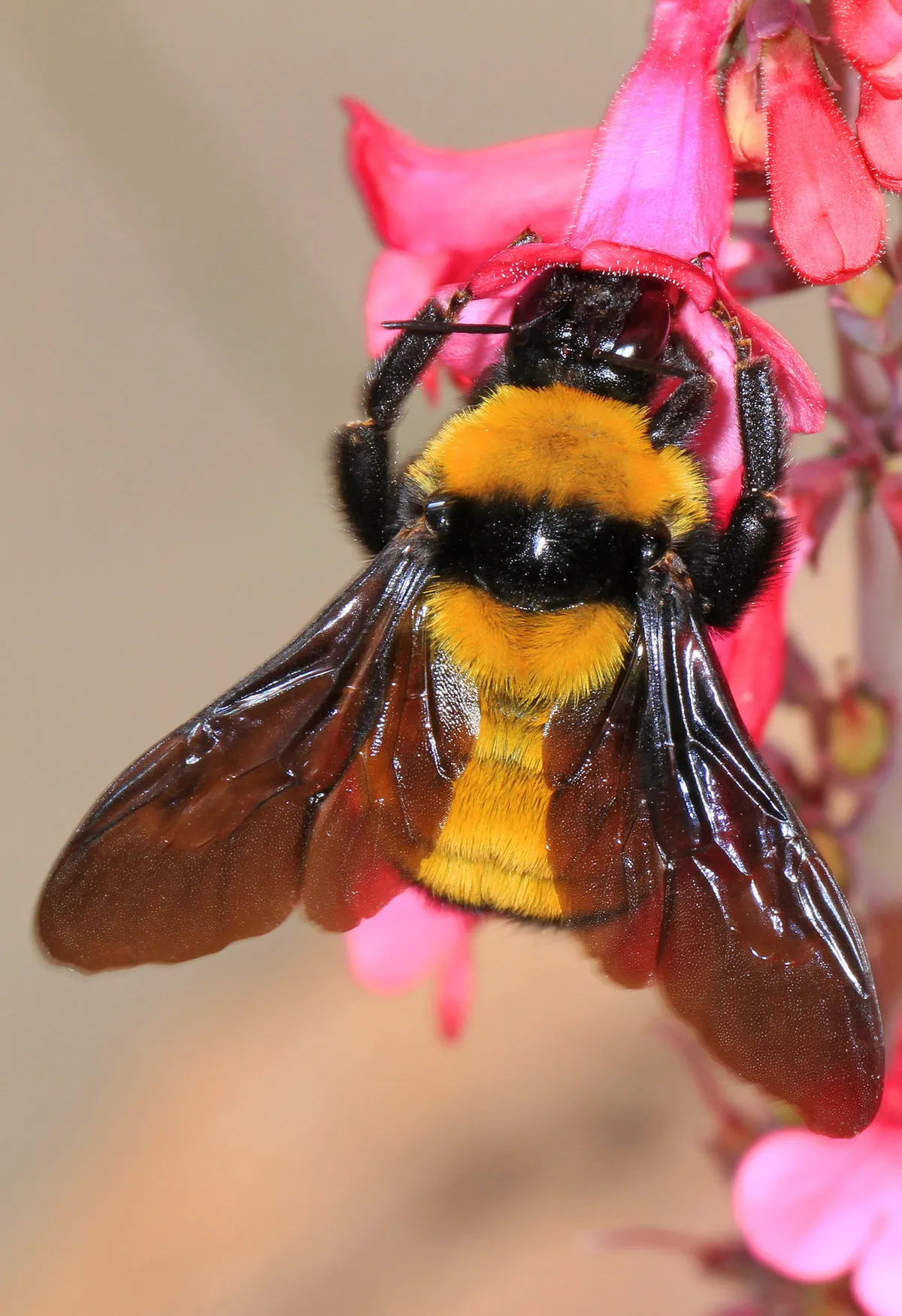
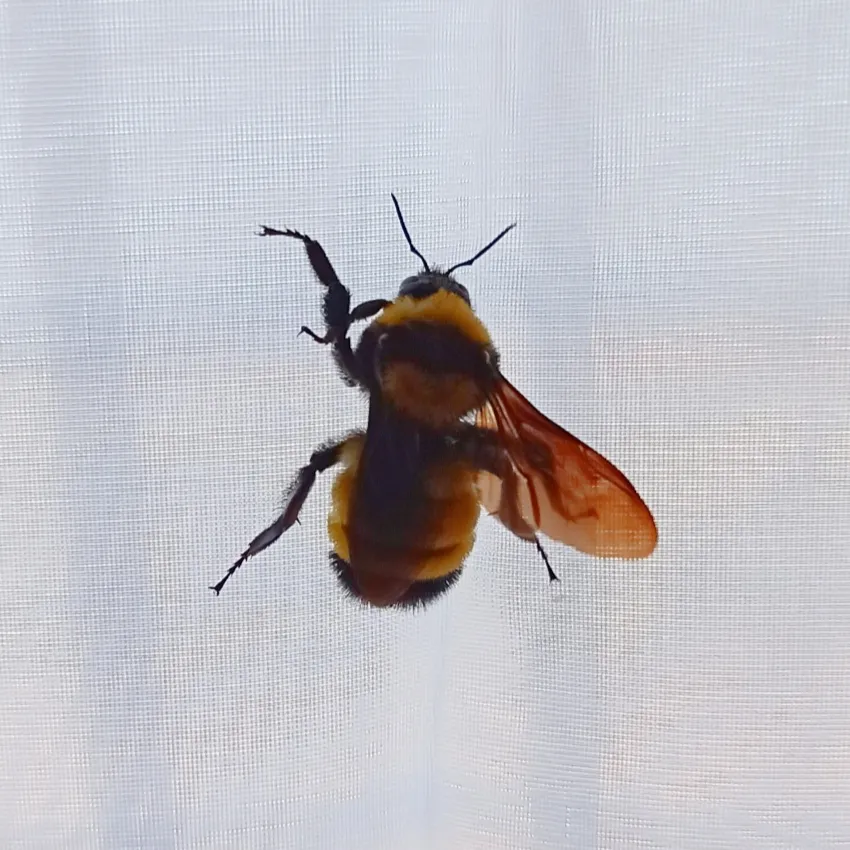
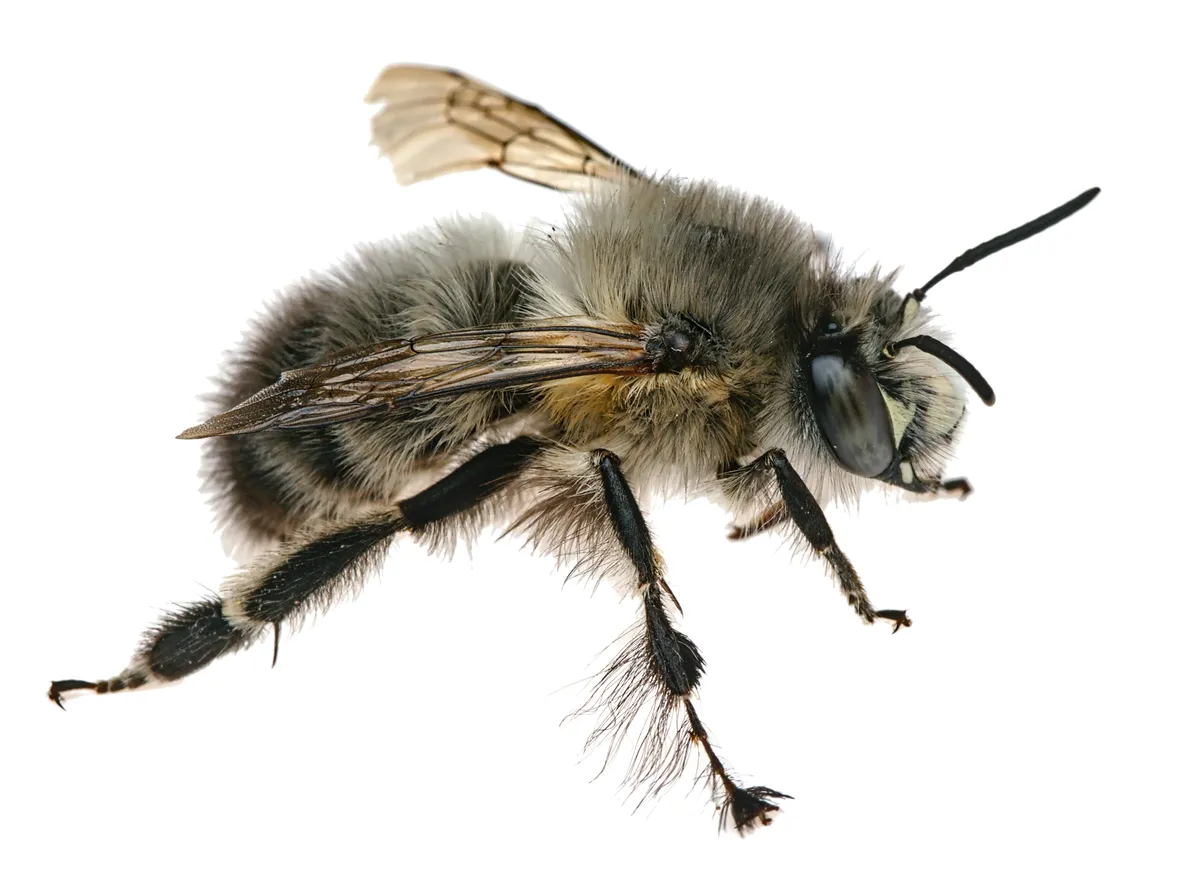
A native North American bumble bee species found in southwestern United States and Mexico, characterized by robust body structure and social colony behavior.
Image Gallery
ADSENSE SLOT
Ecology & Habitat
Habitat
Semi-arid and temperate regions of southwestern United States, including Arizona, New Mexico, and northern Mexico, typically inhabiting grasslands, desert margins, and mountain meadows at elevations between 600-2,500 meters.
Ecological Role
Critical pollinator for native wildflowers, agricultural crops, and ecosystem biodiversity; plays a significant role in maintaining plant reproductive cycles and supporting local food webs.
Morphology
SKIN COATDense, insulating hair covering providing thermal regulation and protection in variable desert environments
LIMBS WINGSTwo pairs of membranous wings, specialized pollen-collecting structures on hind legs called corbiculae, strong flight muscles enabling long-distance foraging
HEAD SENSORYLarge compound eyes, sophisticated antennae for chemical and spatial orientation, specialized mandibles for nectar and pollen collection
BODY STRUCTUREMedium-sized bee, body length 15-22 mm, robust with dense hair covering, predominantly black and yellow coloration patterns
Data Source: TaxonHub Database
Image Credit: Juan Carlos Fonseca Mata