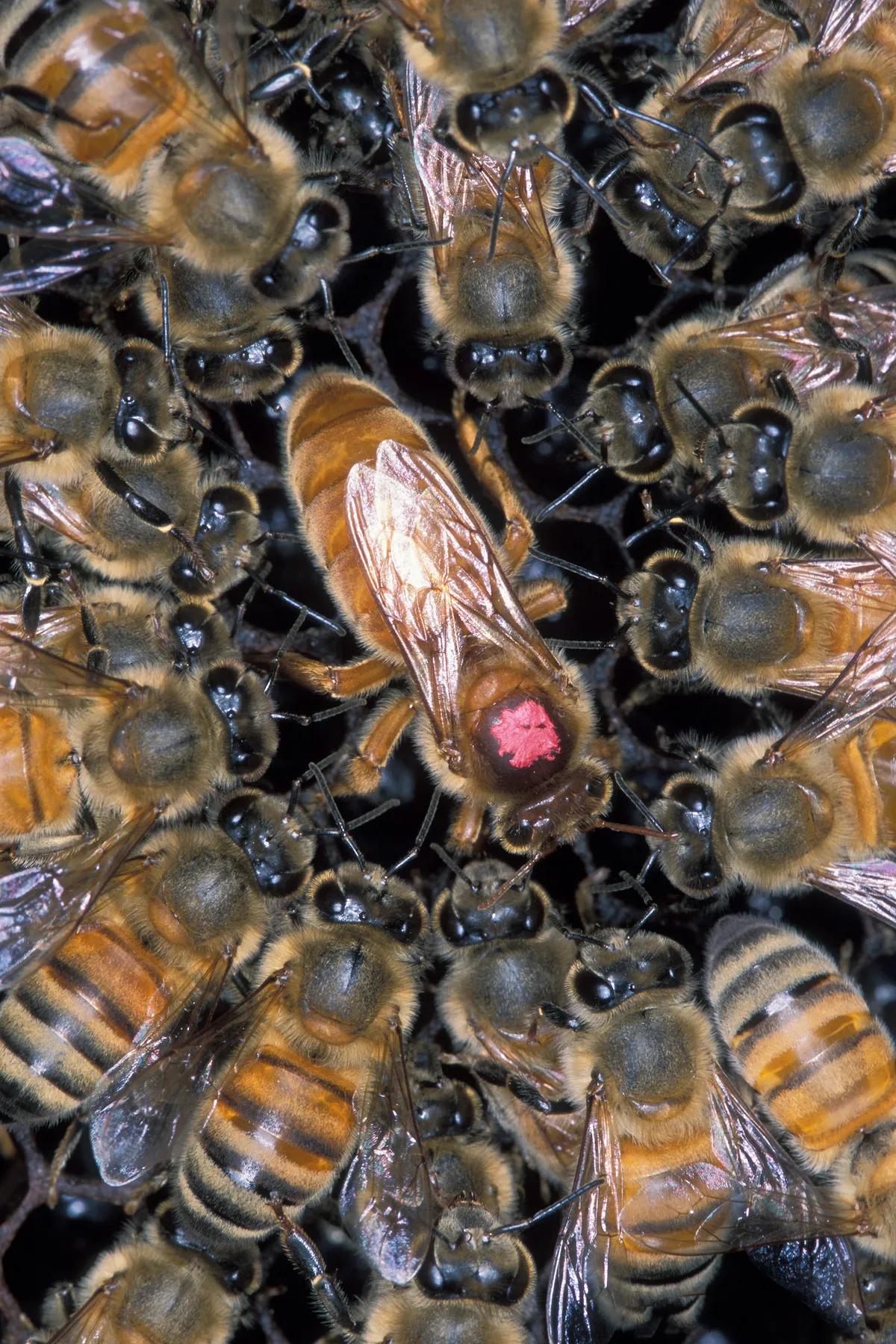
A parasitic species of bumblebee native to Europe, characterized by social parasitism within Bombus colonies, where females infiltrate and exploit host bee nests without contributing to colony labor.
Image Gallery
ADSENSE SLOT
Ecology & Habitat
Habitat
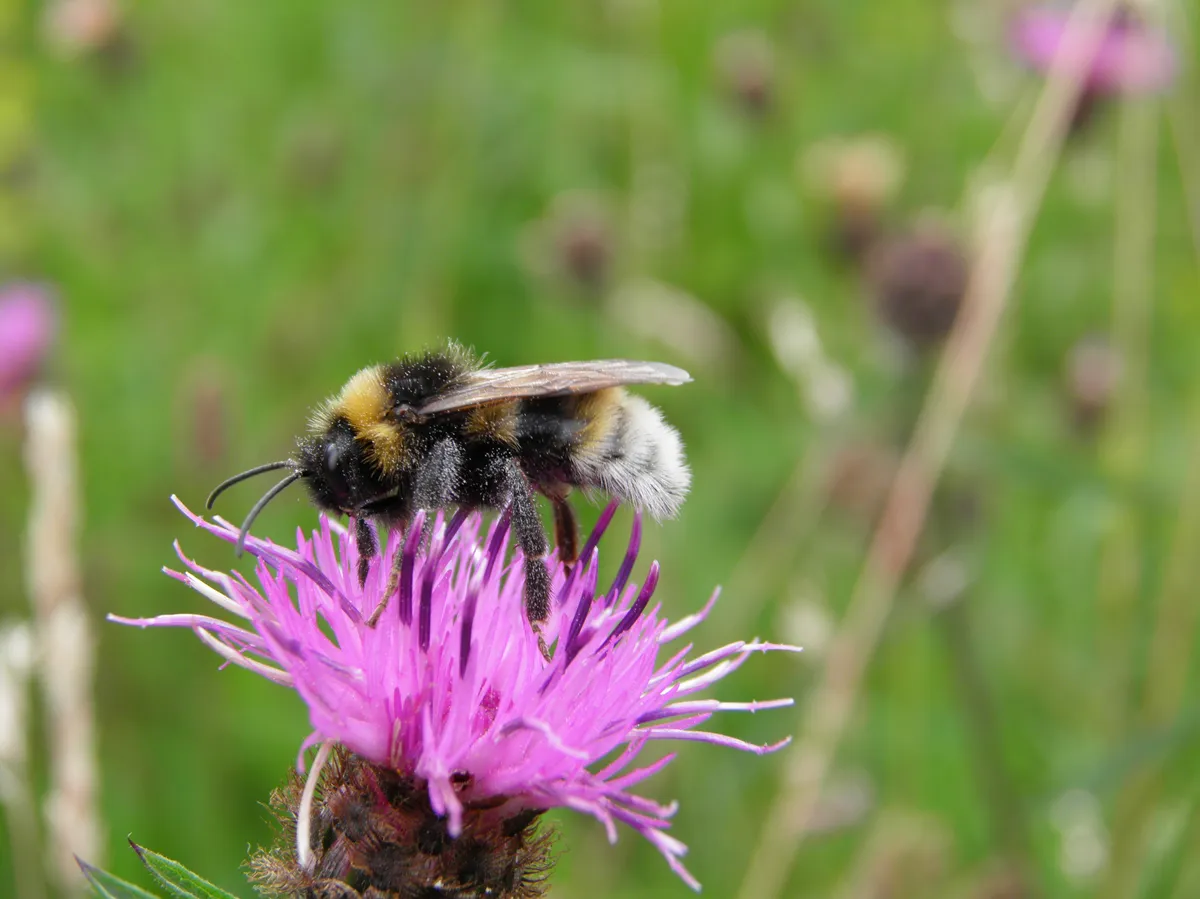
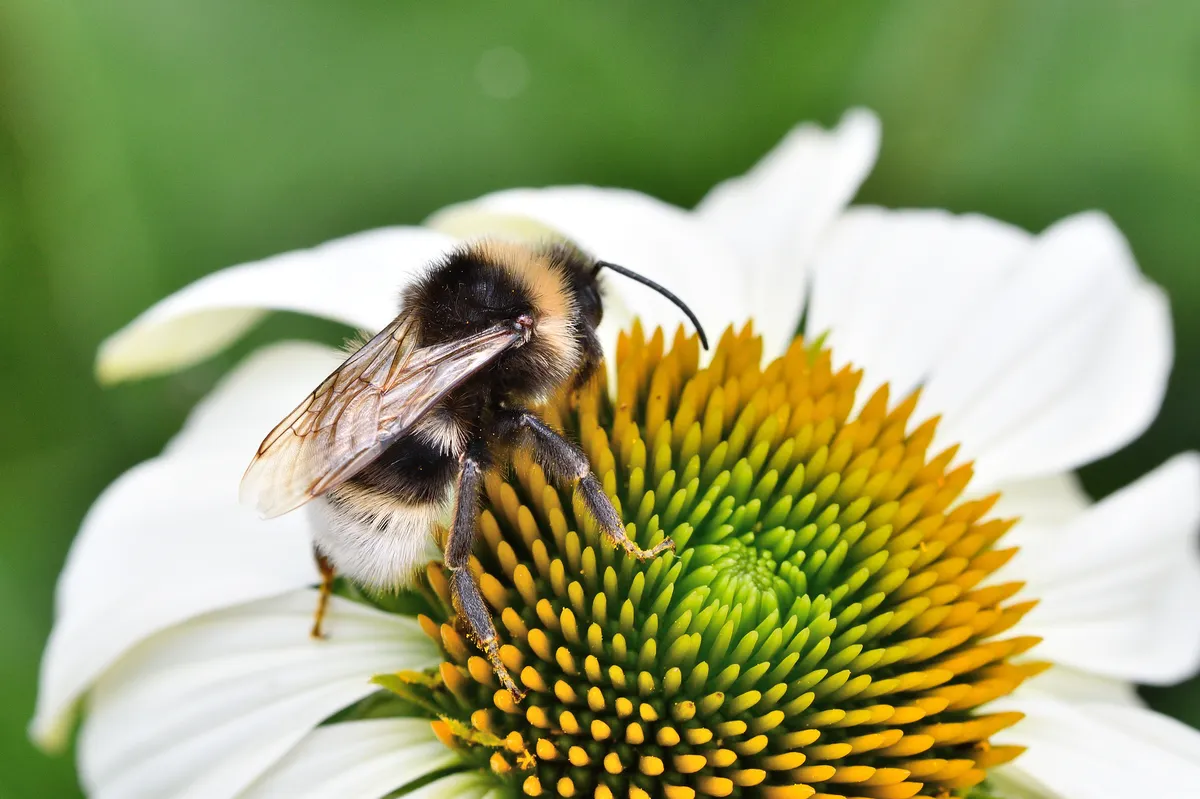
Temperate regions of Europe, predominantly found in meadows, grasslands, gardens, and woodland edges with diverse flowering plants
Ecological Role
Critical role in pollination networks and ecosystem dynamics through specialized parasitic reproductive strategies, maintaining genetic diversity in bumblebee populations
Morphology
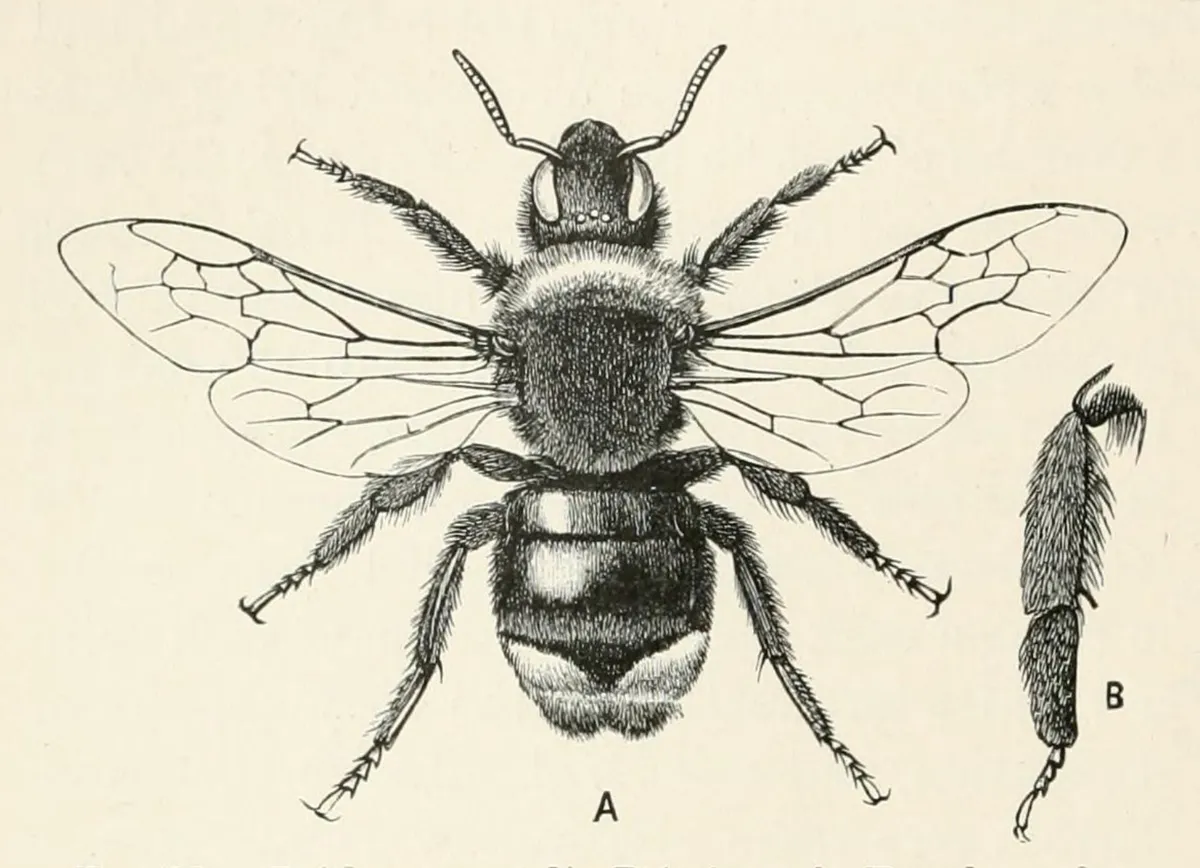
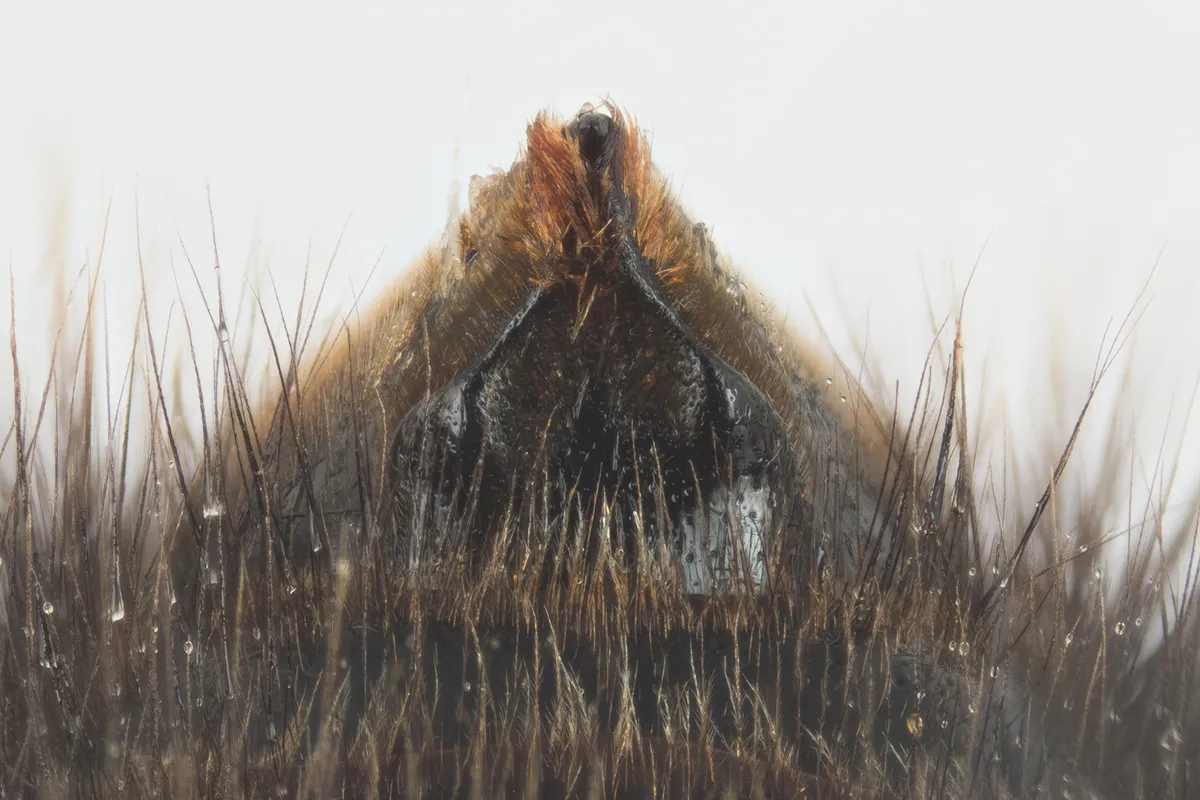
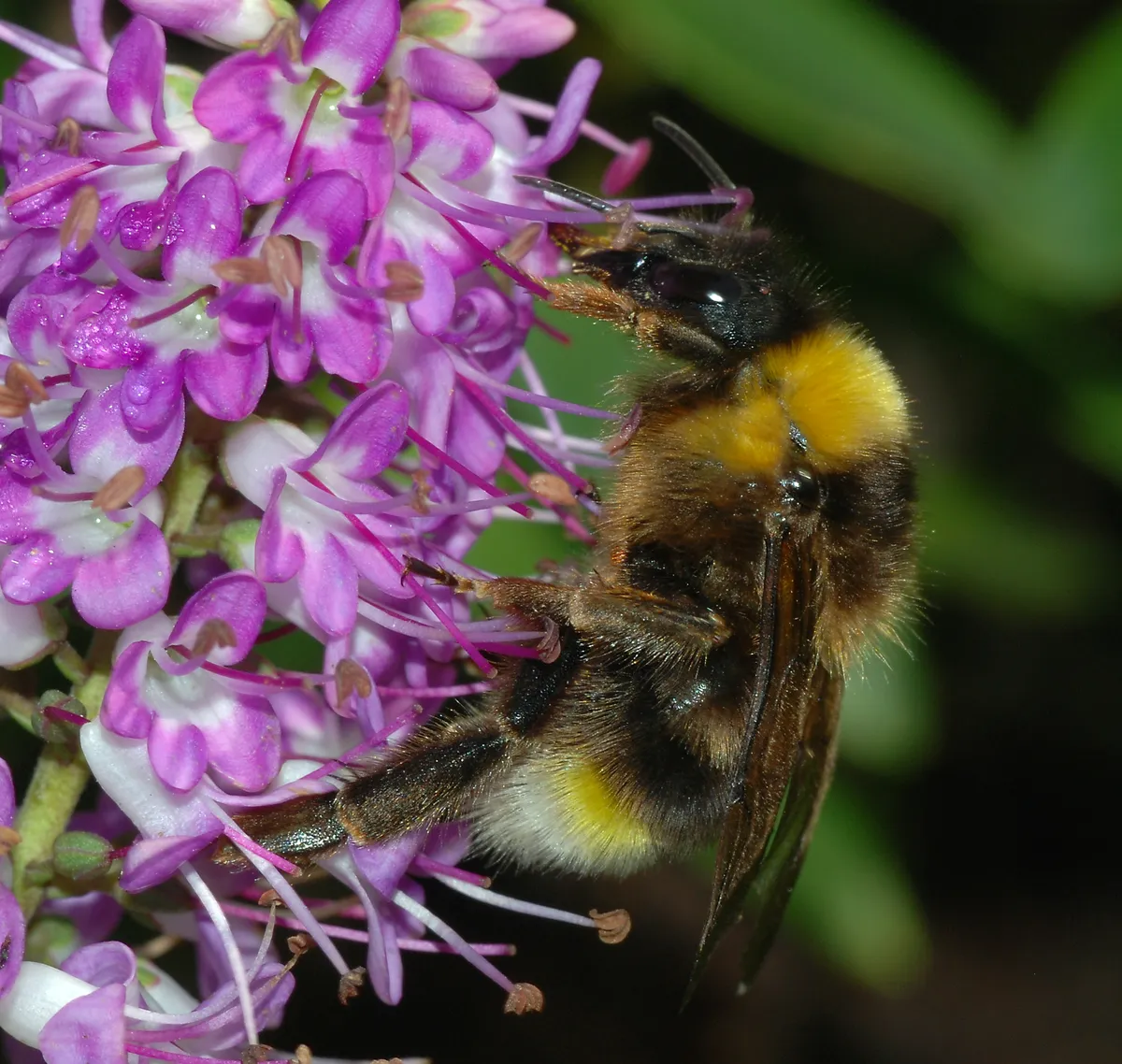
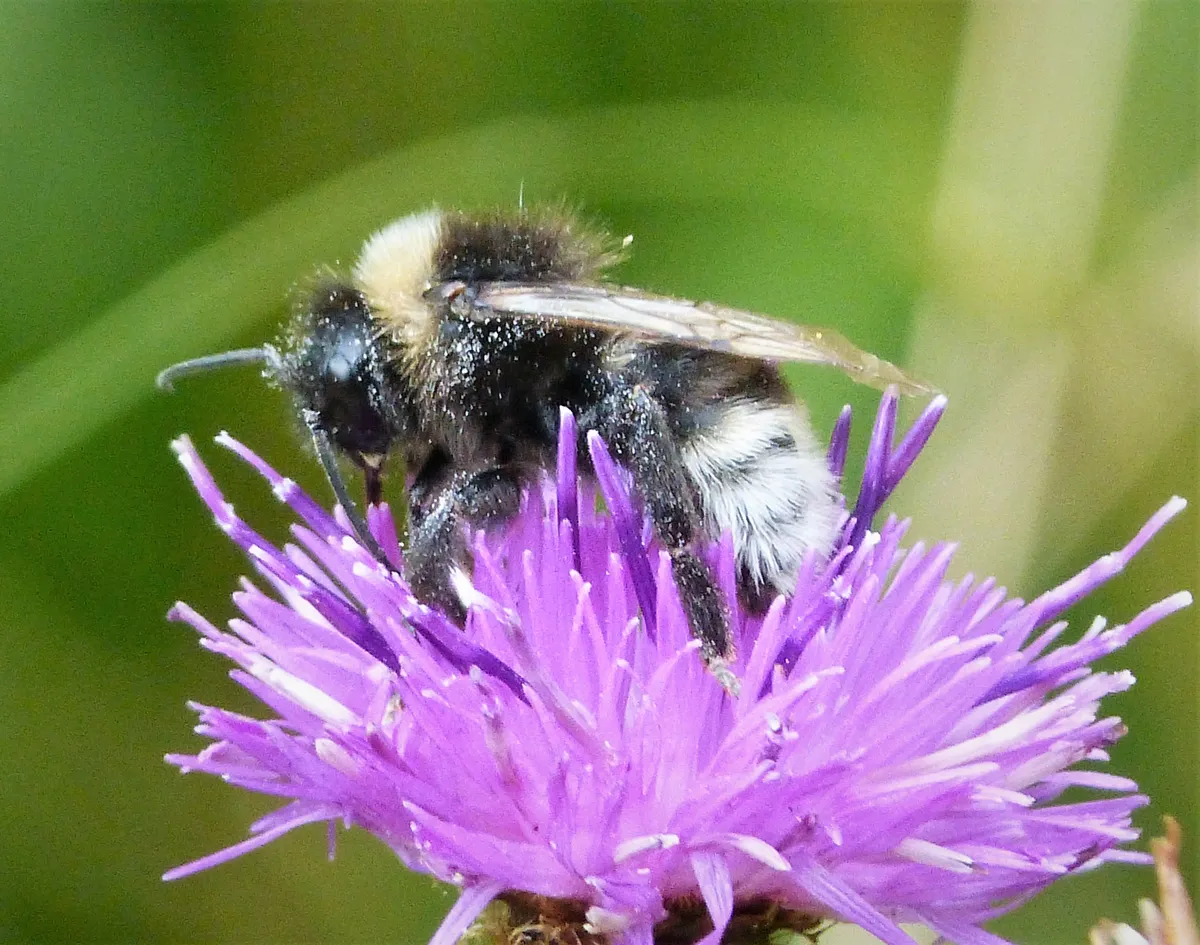
SKIN COATThick pelage with variations of black, white, and yellow coloration
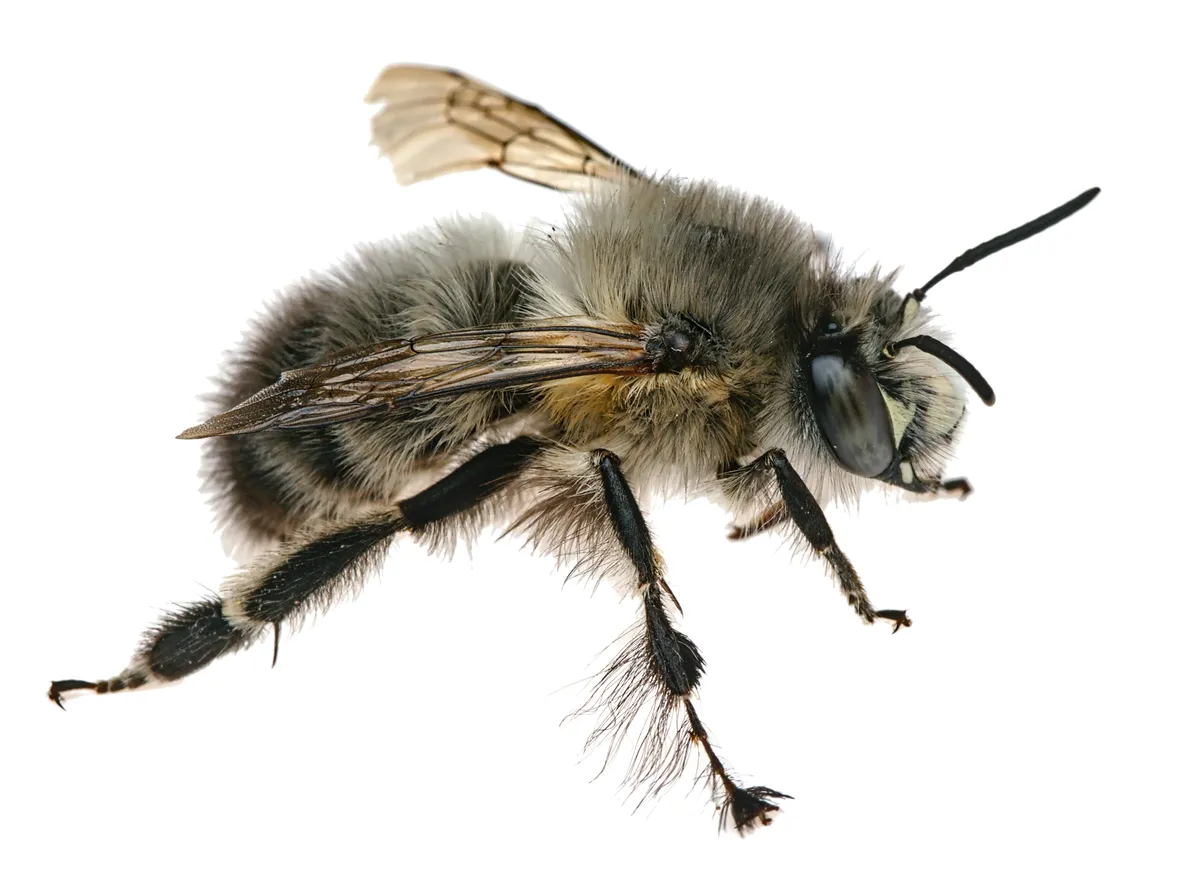
LIMBS WINGSTwo pairs of membranous wings, strong legs adapted for colony infiltration
HEAD SENSORYLarge compound eyes, sophisticated antennae for chemical and spatial recognition
BODY STRUCTUREMedium-sized bee, approximately 15-20 mm in length, with robust body and dense hair covering
Data Source: TaxonHub Database
Image Credit: David Sharp (1840 – 1922)