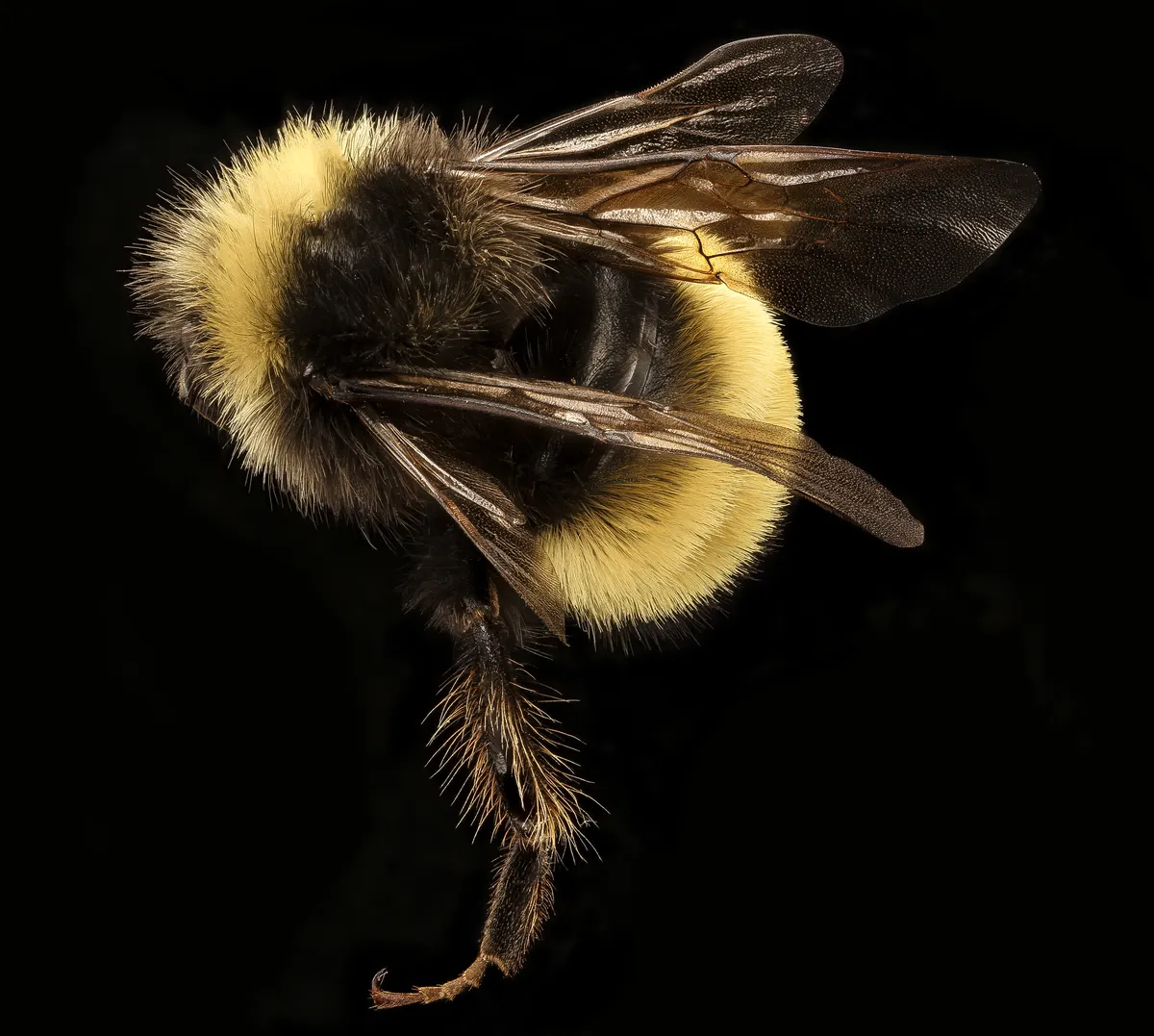
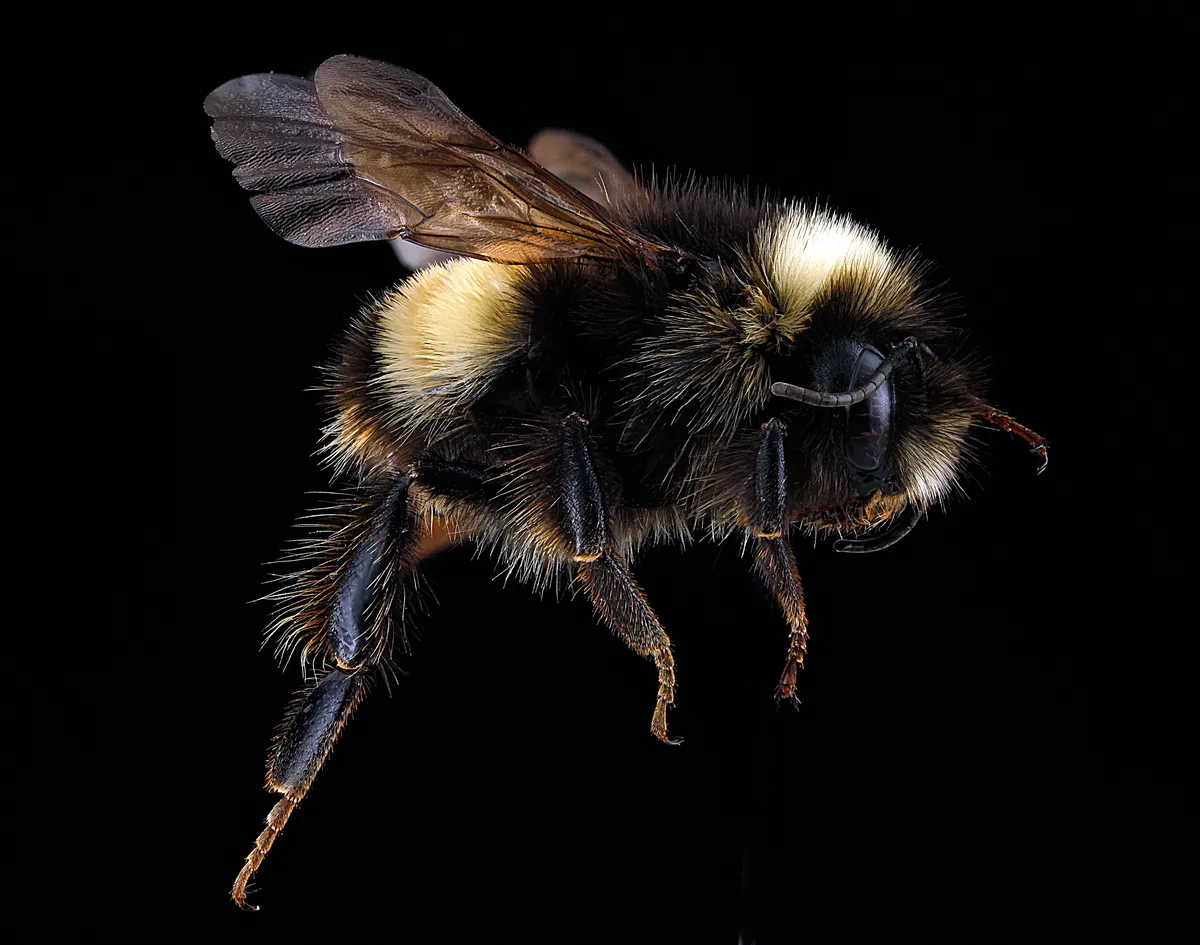
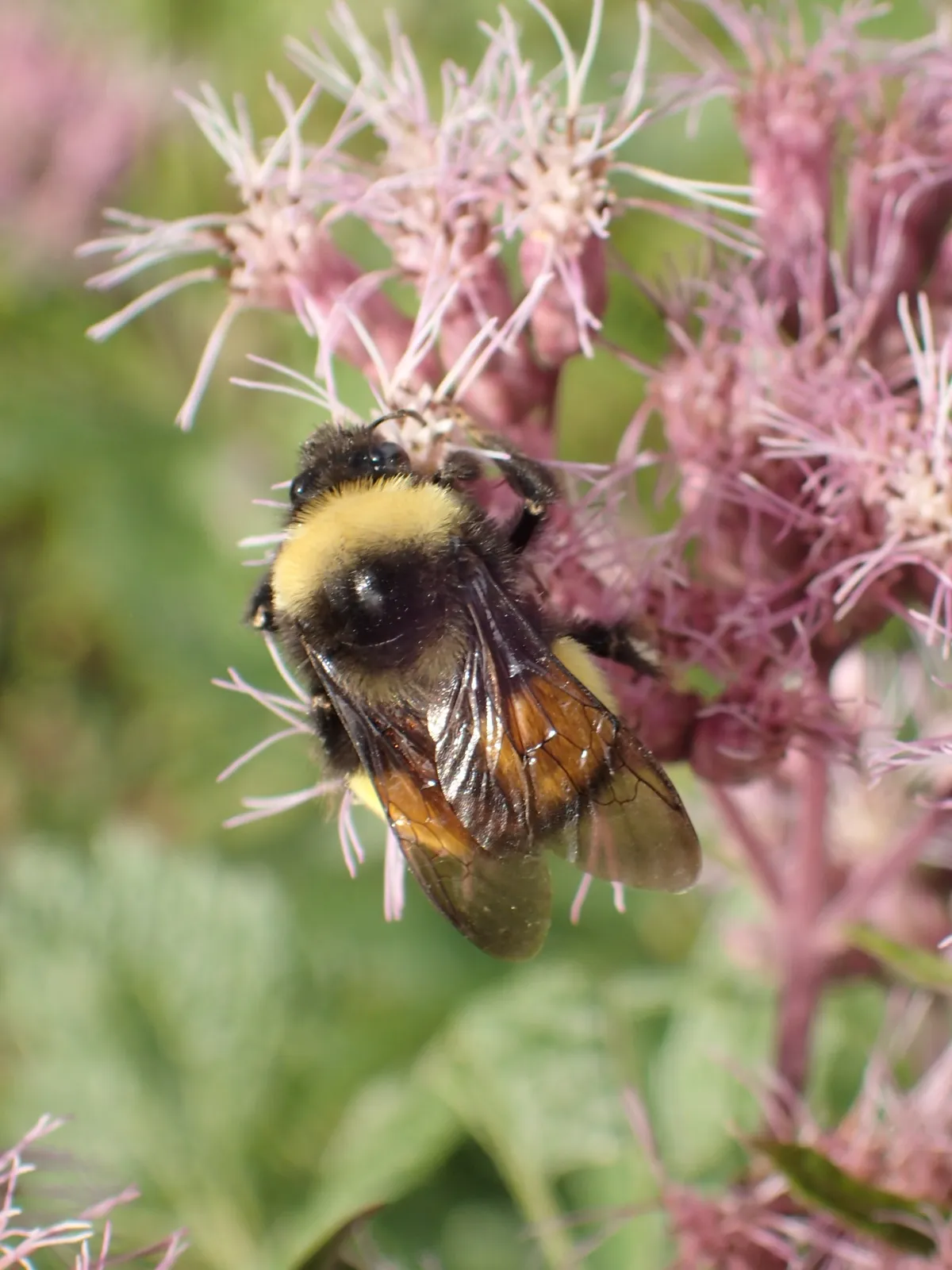
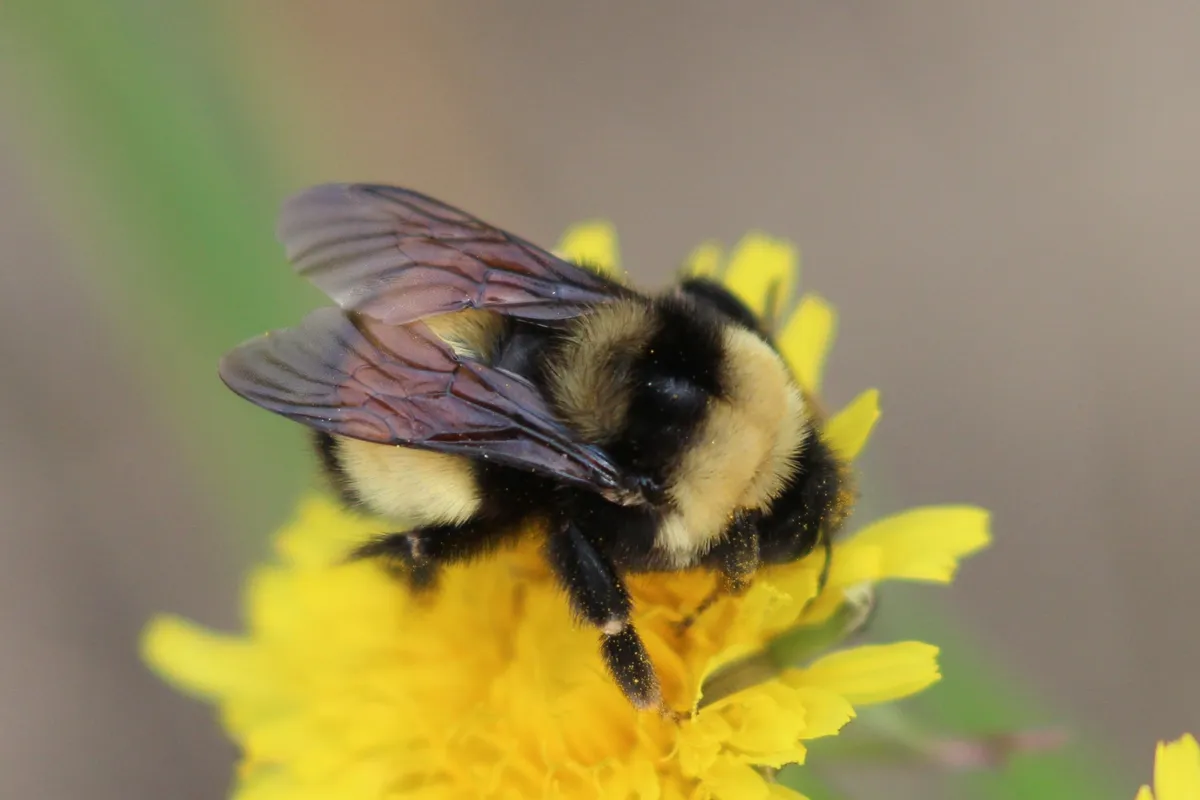
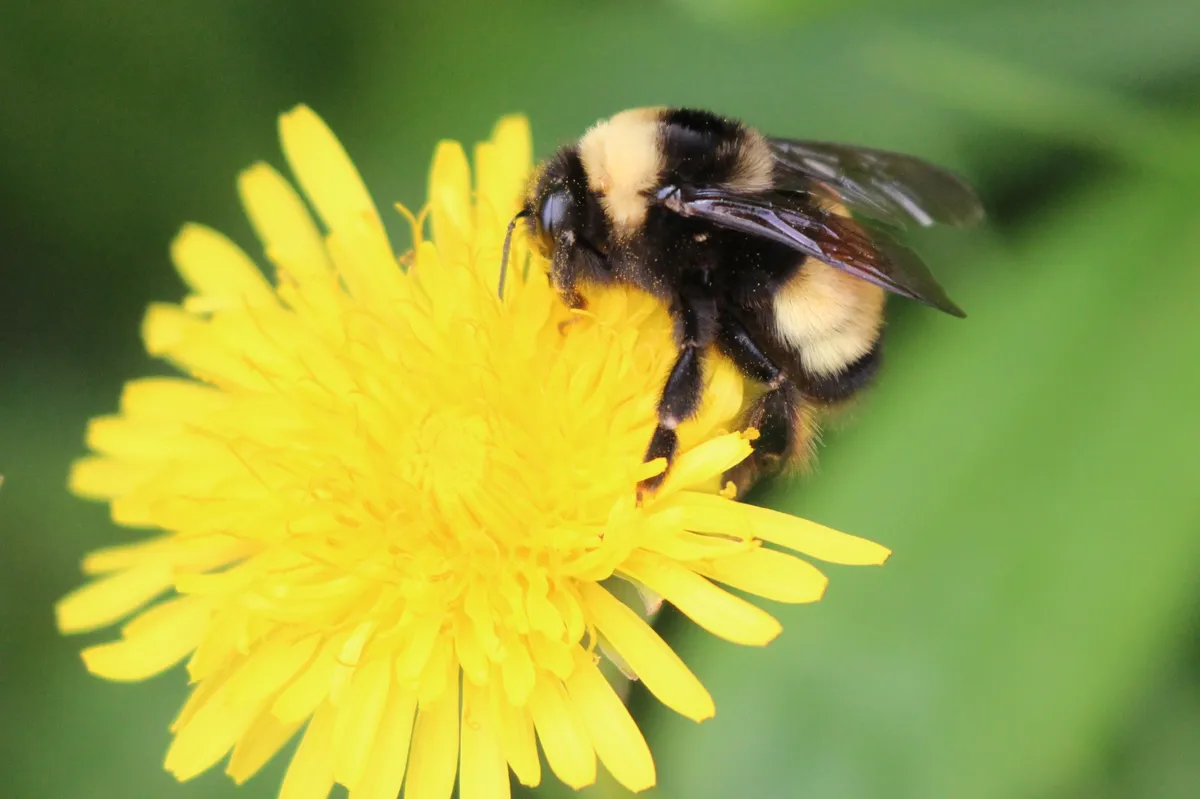
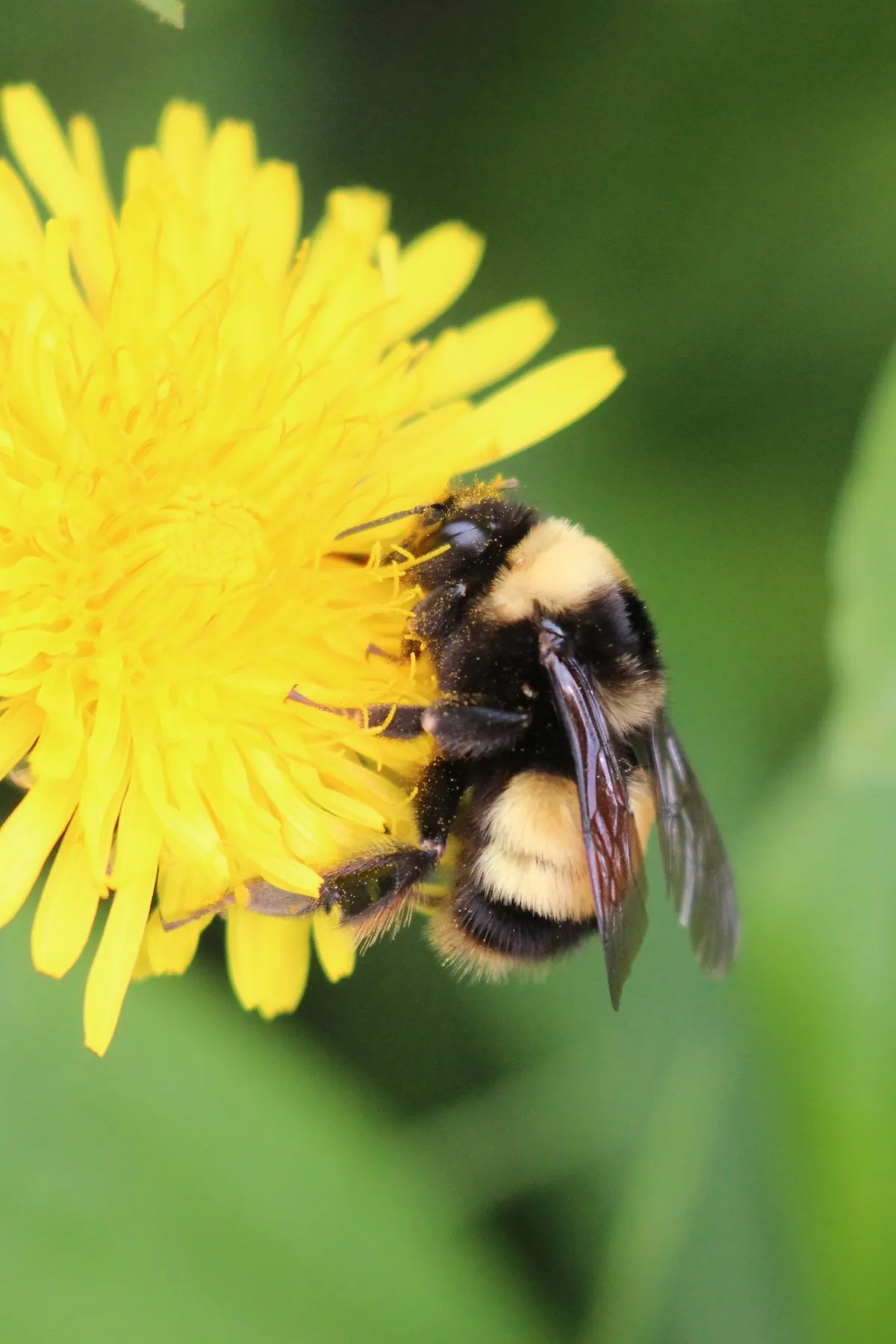
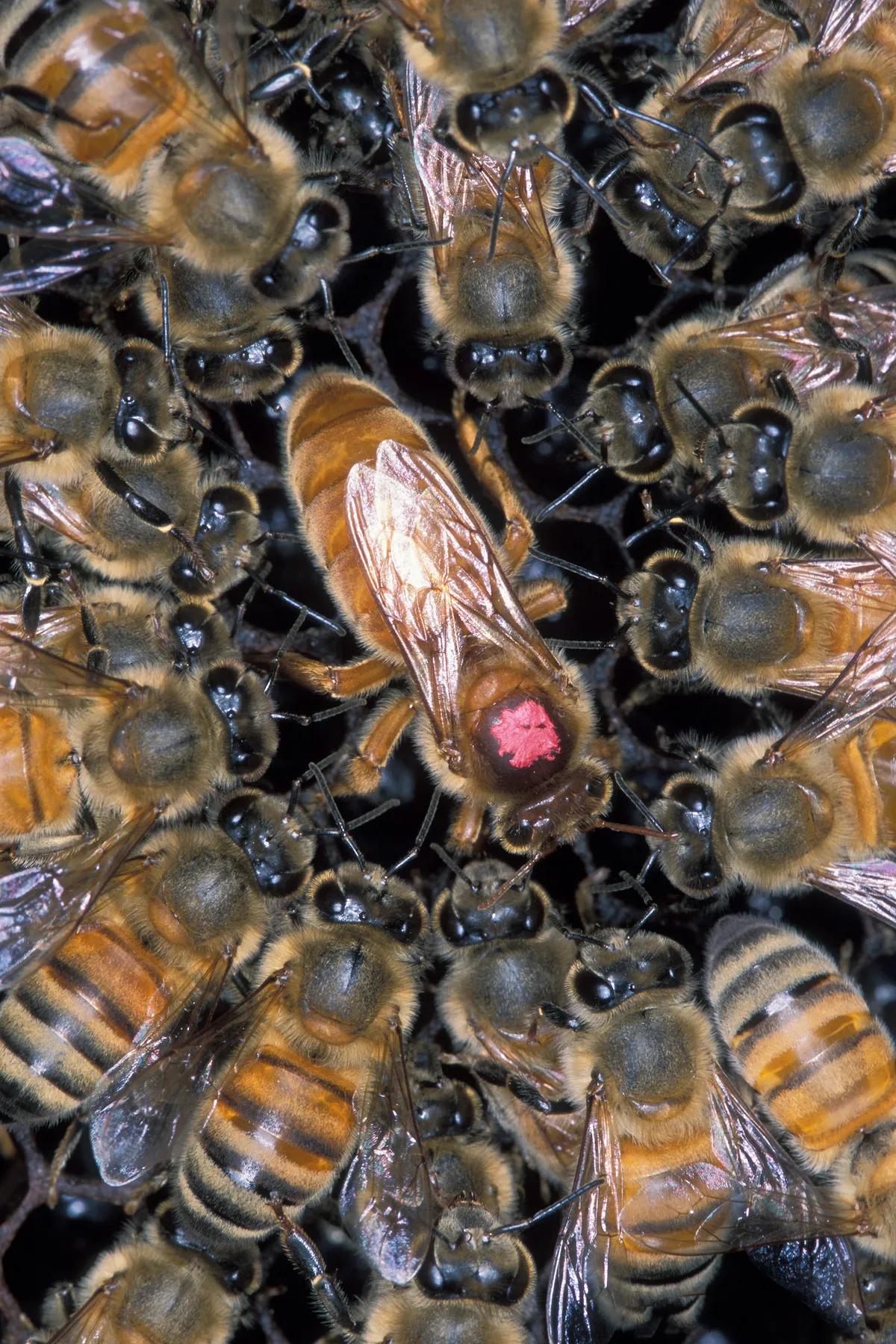
A native North American bumblebee species characterized by distinctive yellow and black banding patterns, experiencing significant population declines due to habitat loss and environmental stressors.
Image Gallery
ADSENSE SLOT
Ecology & Habitat
Habitat
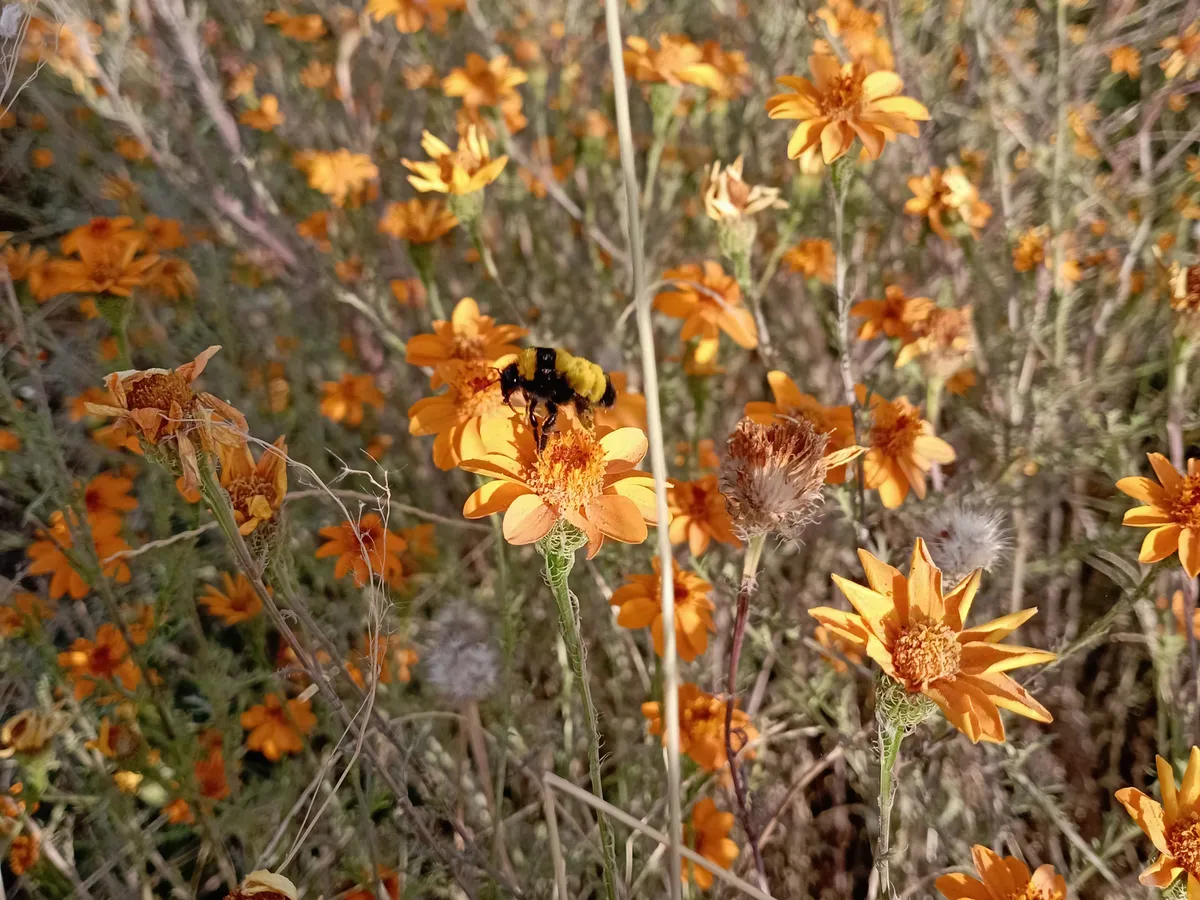
Temperate forest edges, meadows, agricultural landscapes, and urban gardens across eastern and central North America, preferring regions with diverse flowering plants
Ecological Role
Critical pollinator for wildflowers, agricultural crops, and ecosystem biodiversity; plays a significant role in maintaining plant reproduction and food web dynamics
Morphology
SKIN COATDense furry exoskeleton with alternating yellow and black bands, providing thermal regulation and predator warning
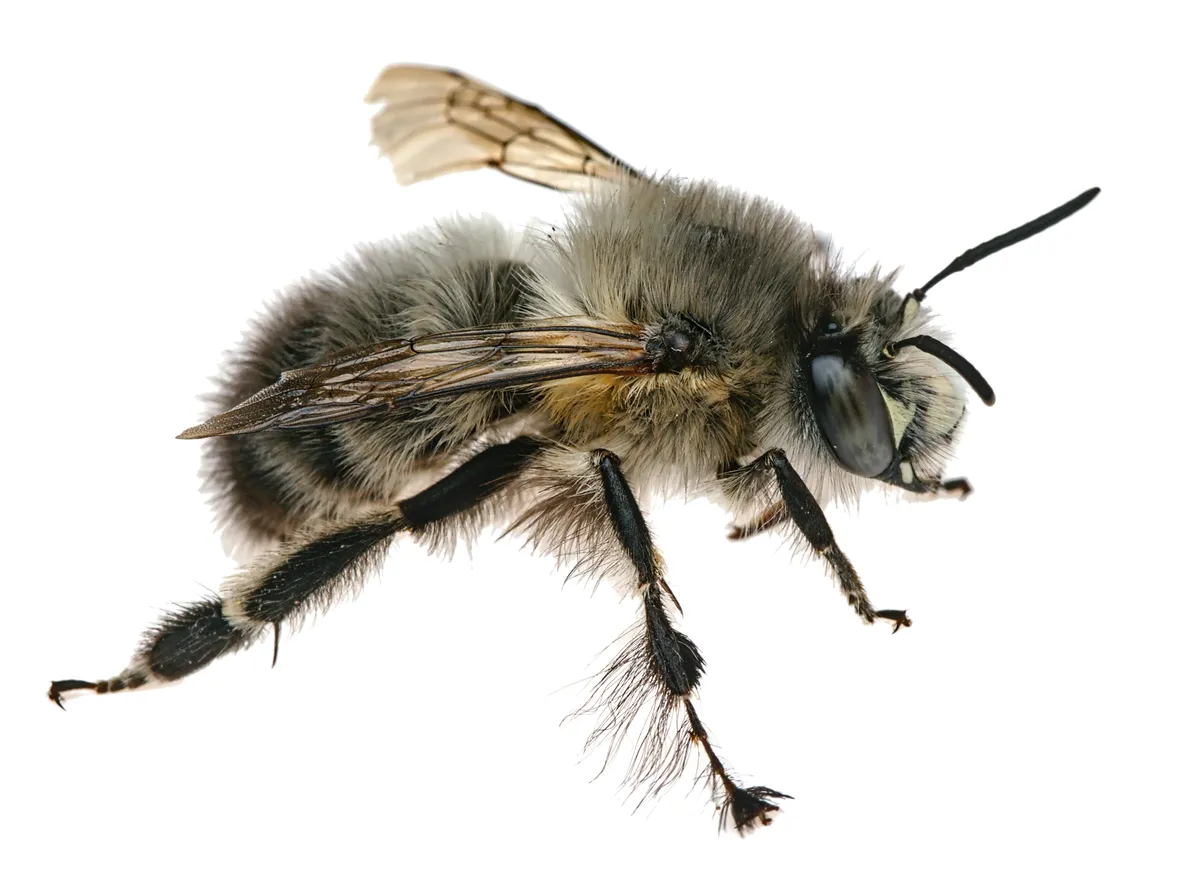
LIMBS WINGSTwo pairs of membranous wings, with forewing approximately 12-15 mm long; specialized pollen collection structures on hind legs
HEAD SENSORYLarge compound eyes, sensitive antennae for chemical and environmental detection, complex mandibular structure for nectar and pollen manipulation
BODY STRUCTUREMedium-sized bee, approximately 15-20 mm in length, with robust cylindrical body and dense hair covering
Data Source: TaxonHub Database
Image Credit: USGS Bee Inventory and Monitoring Lab from Beltsville, Maryland, USA