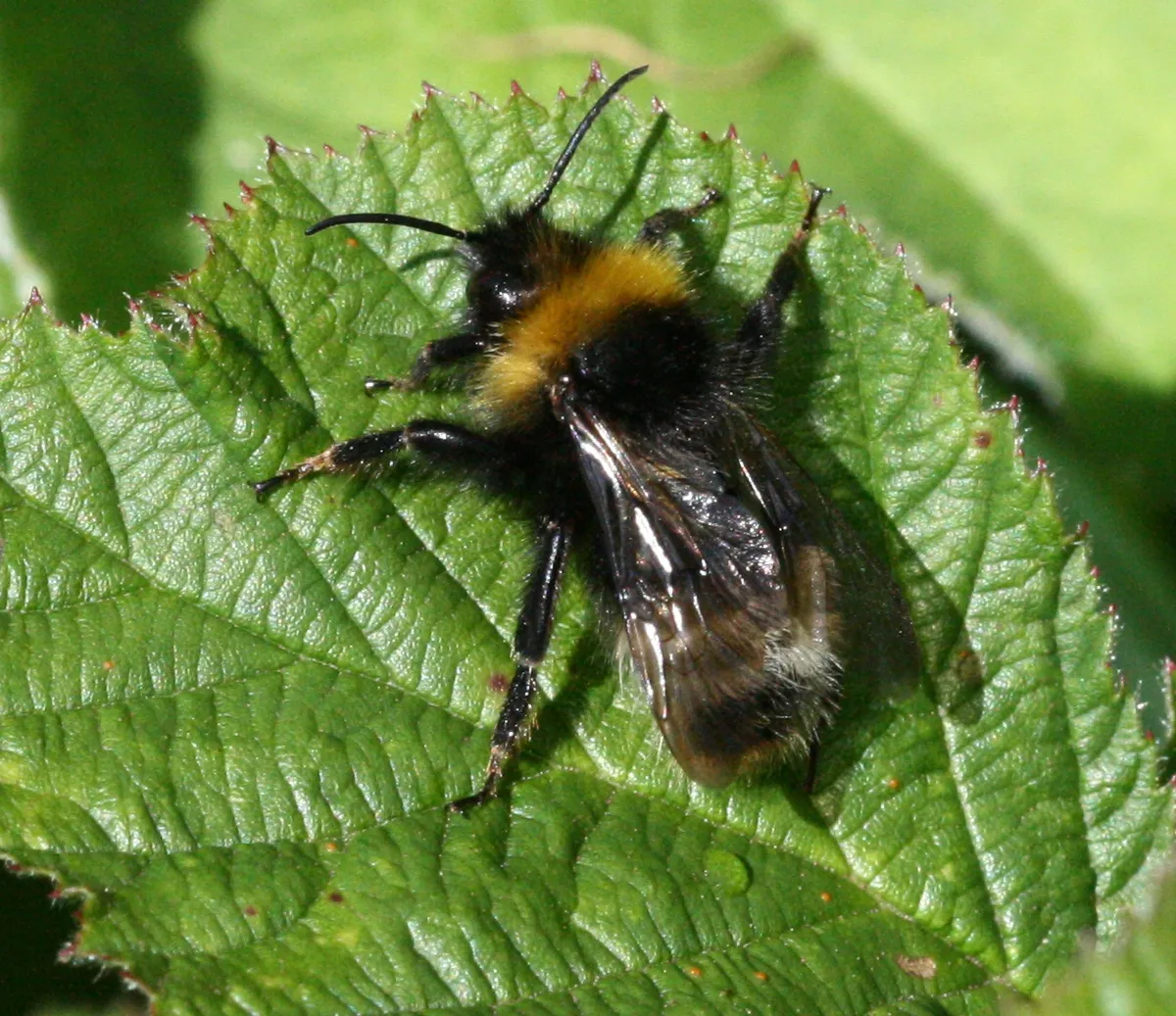
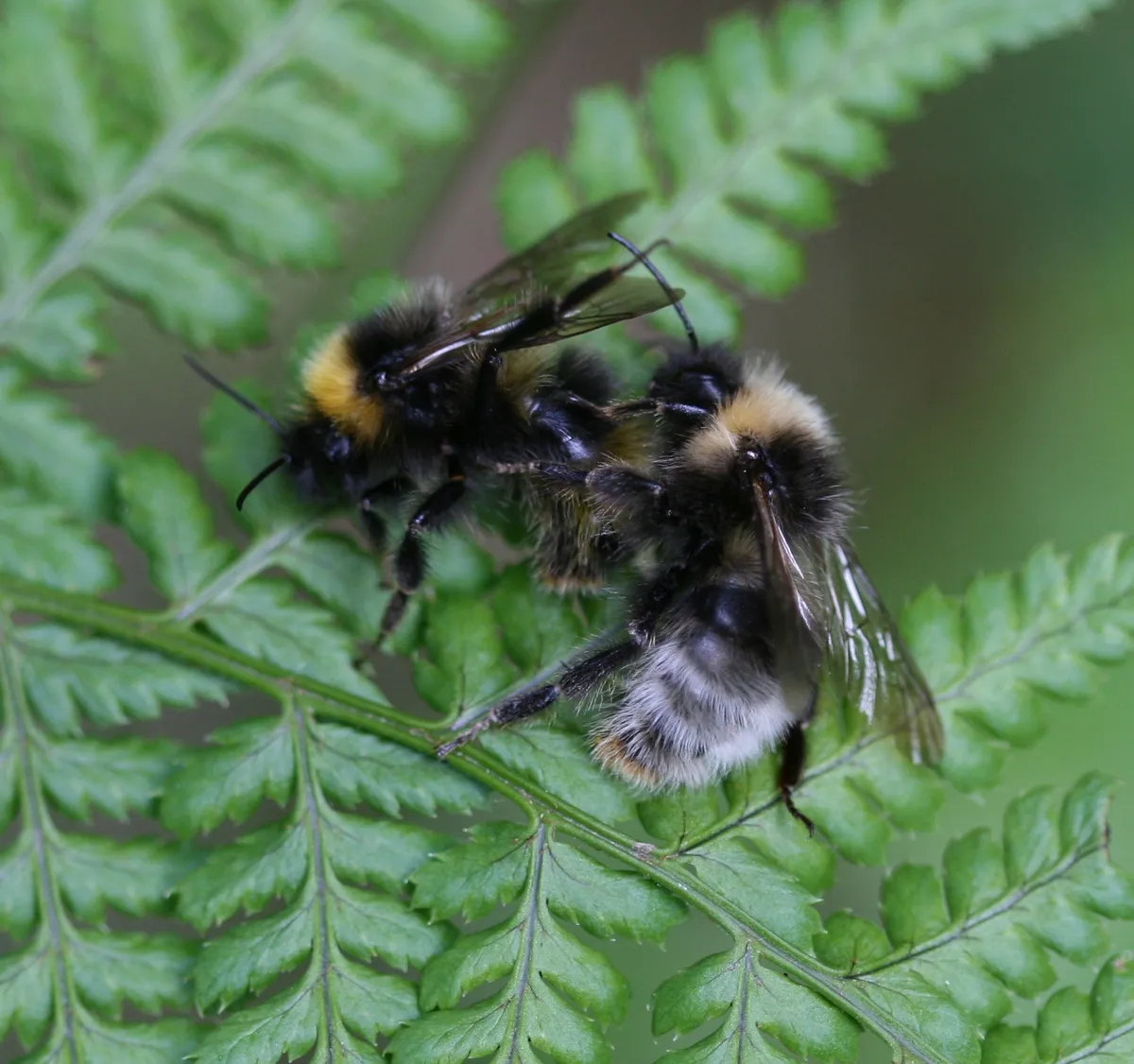
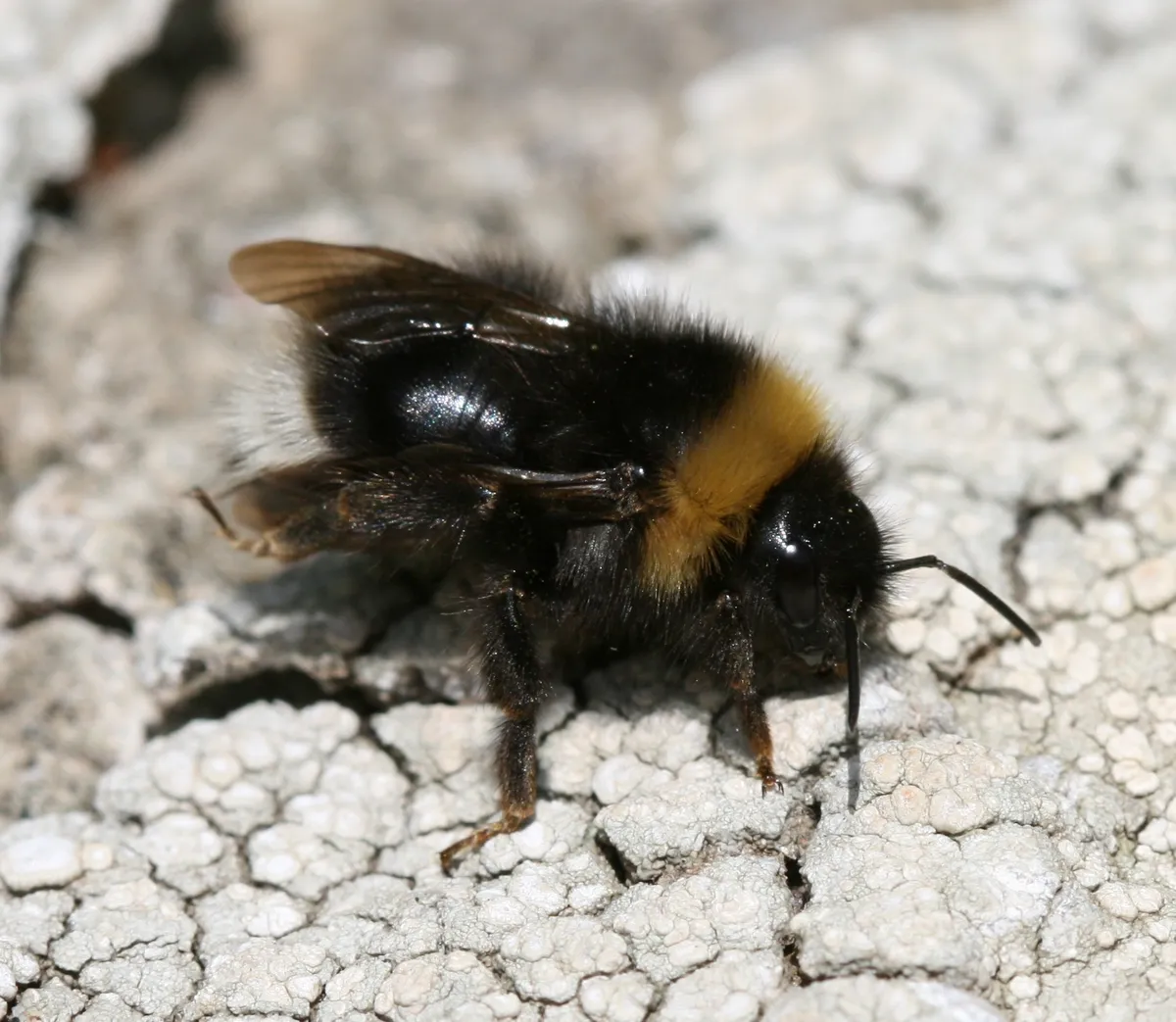
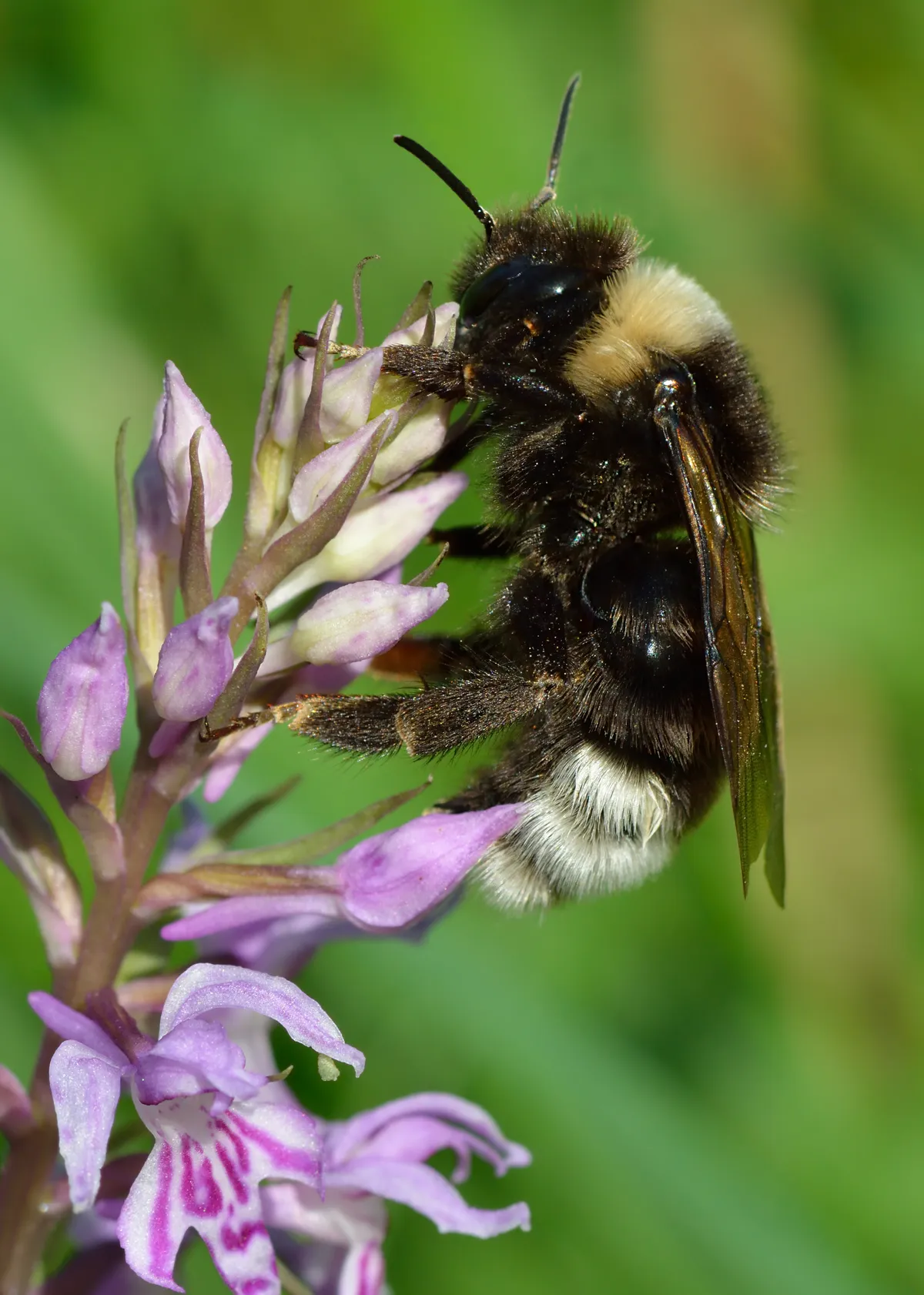
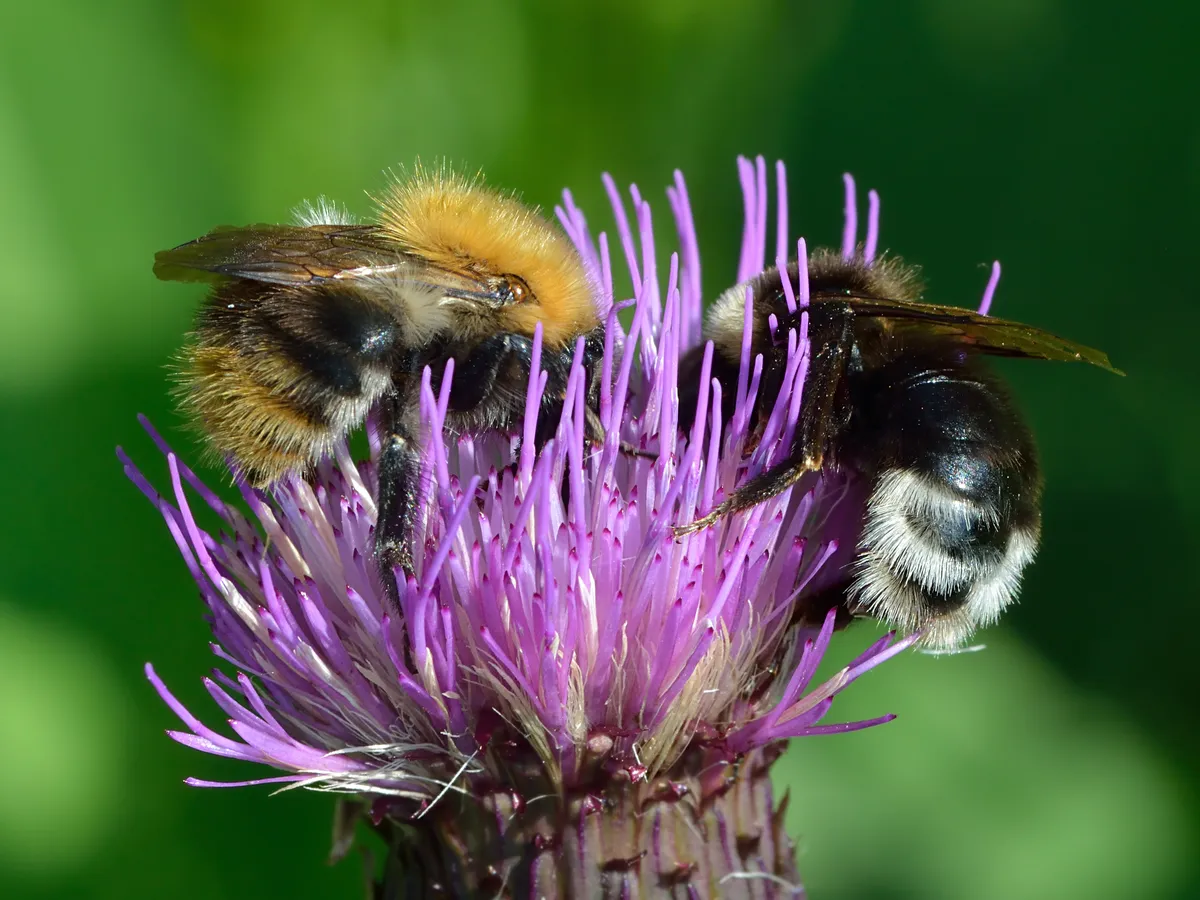
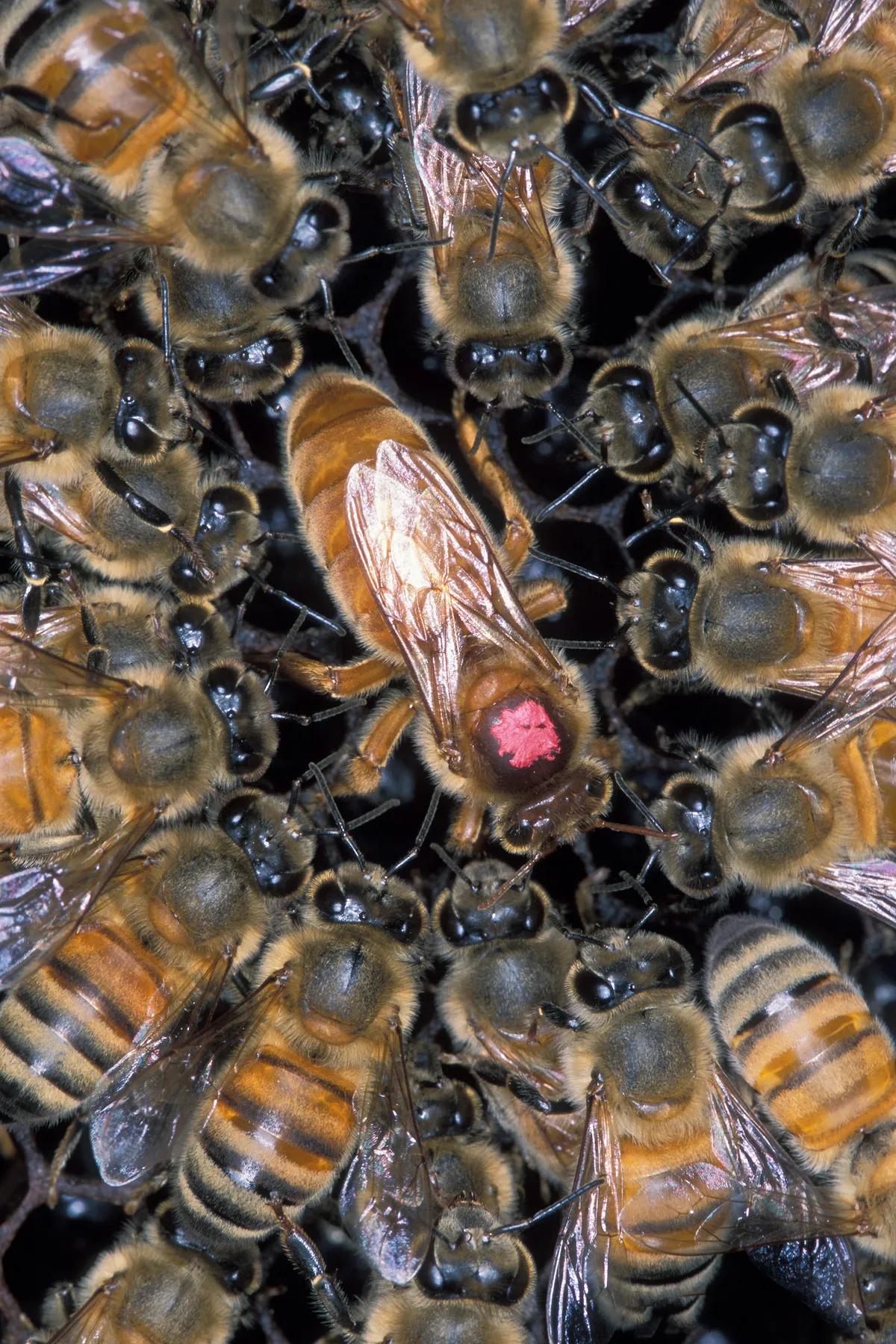
A socially parasitic bumblebee species endemic to Europe, belonging to the genus Bombus. Characterized by its unique reproductive strategy of infiltrating and exploiting host bumblebee colonies.
Image Gallery
ADSENSE SLOT
Ecology & Habitat
Habitat
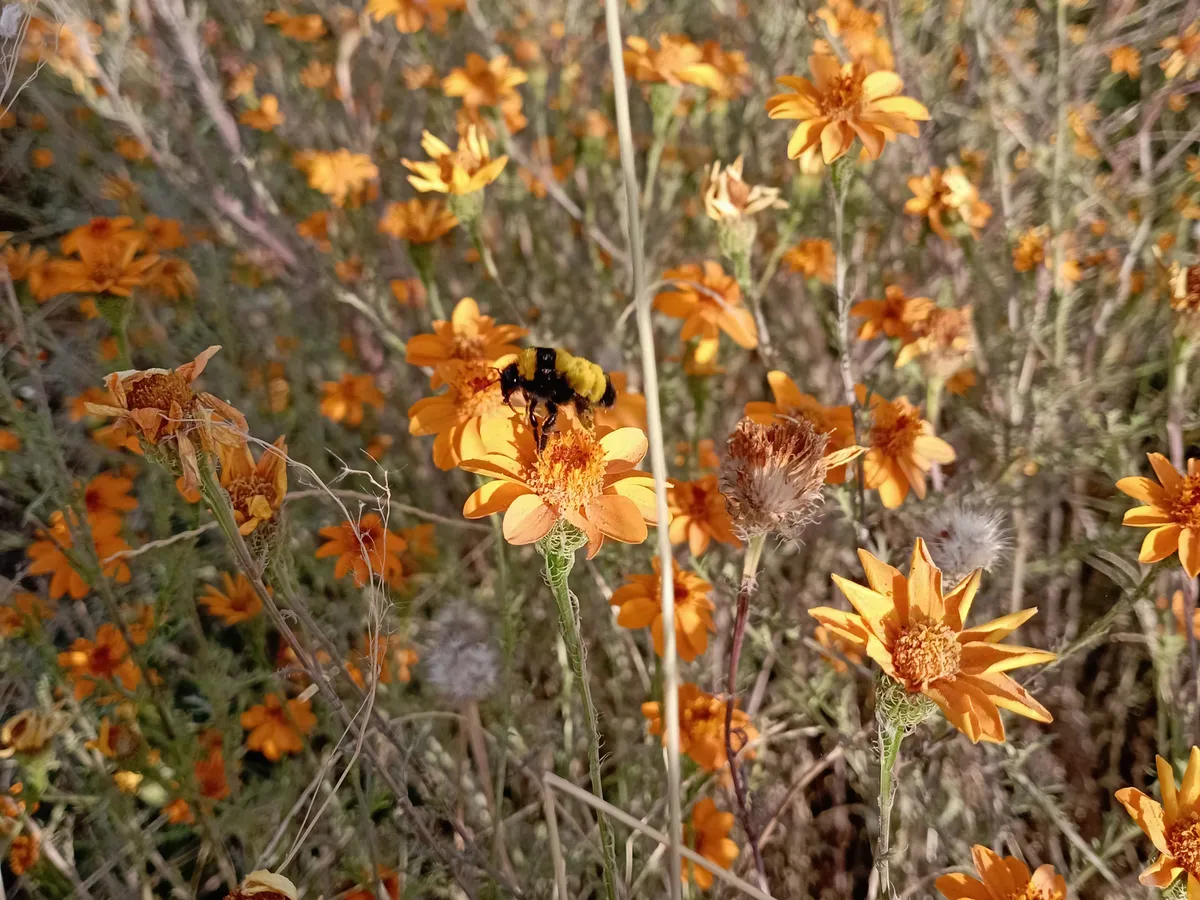
Temperate European landscapes including meadows, forest edges, alpine grasslands, and flowering agricultural regions, typically at elevations between 0-2,000 meters above sea level.
Ecological Role
Critical pollinator in European ecosystems, contributing to plant reproduction and biodiversity maintenance despite its parasitic reproductive strategy.
Morphology
SKIN COATDense hair covering with distinctive color patterns of black, yellow, and white coloration
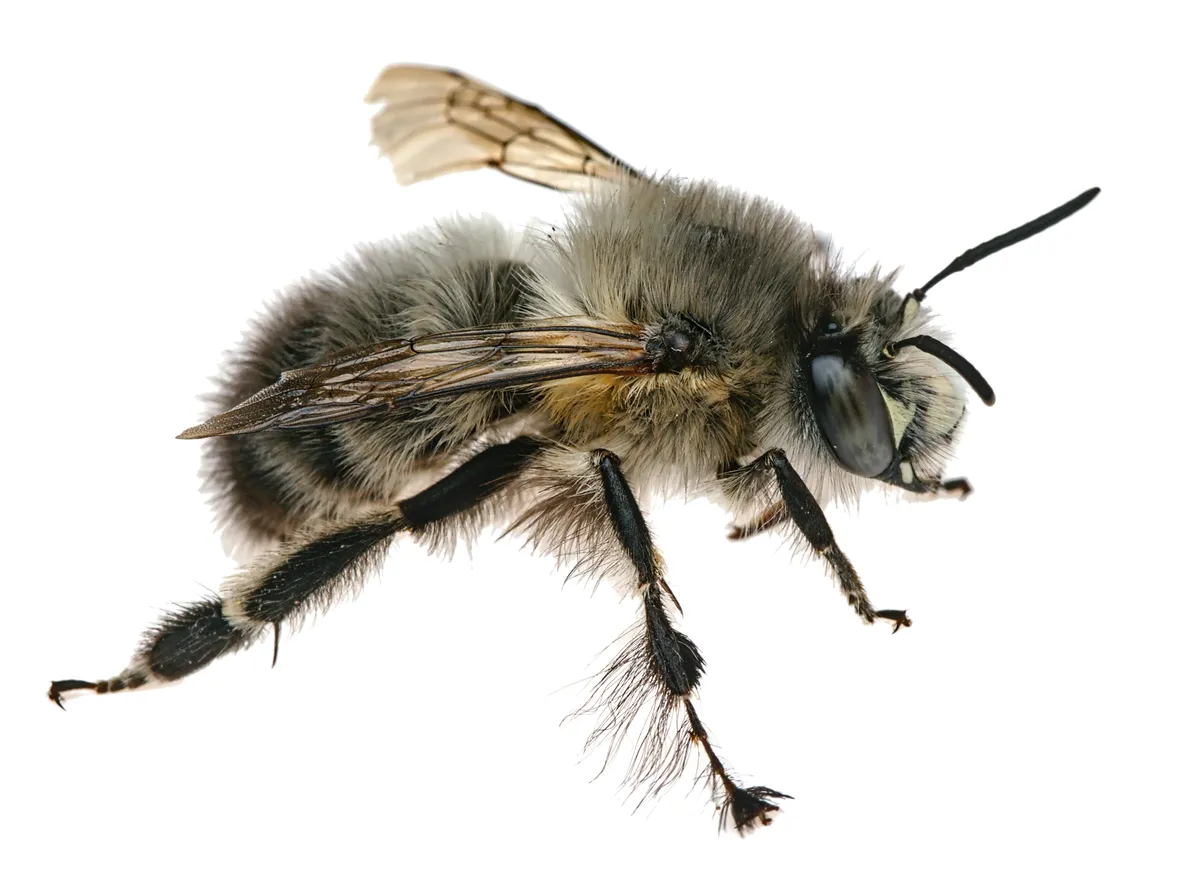
LIMBS WINGSTwo pairs of membranous wings, strong legs with pollen-collecting structures, specialized for navigating complex social environments
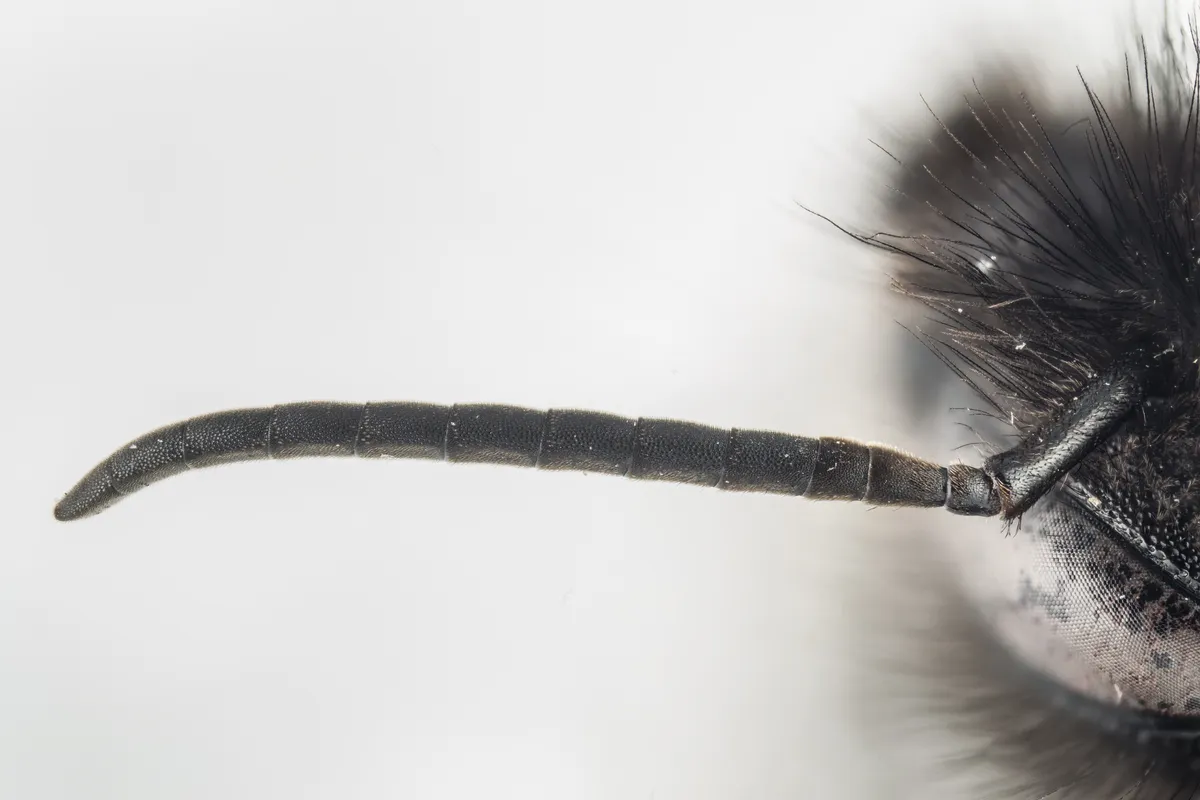
HEAD SENSORYLarge compound eyes, specialized antennae for chemical and tactile sensing, mandibular structures adapted for colony infiltration
BODY STRUCTUREMedium-sized bumblebee, approximately 15-20 mm in length, with robust body and dense setose covering
Data Source: TaxonHub Database
Image Credit: Sandy Rae