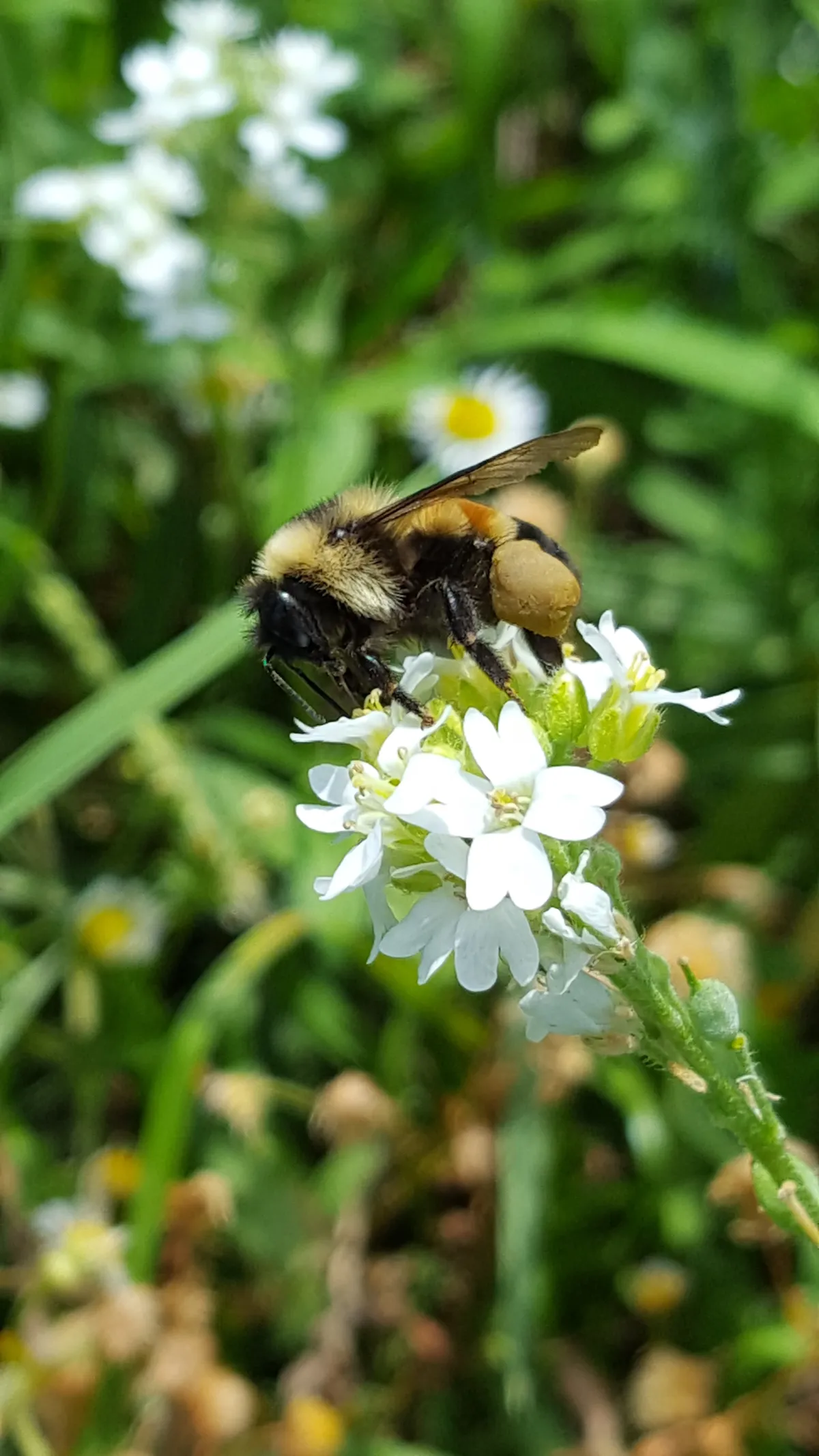
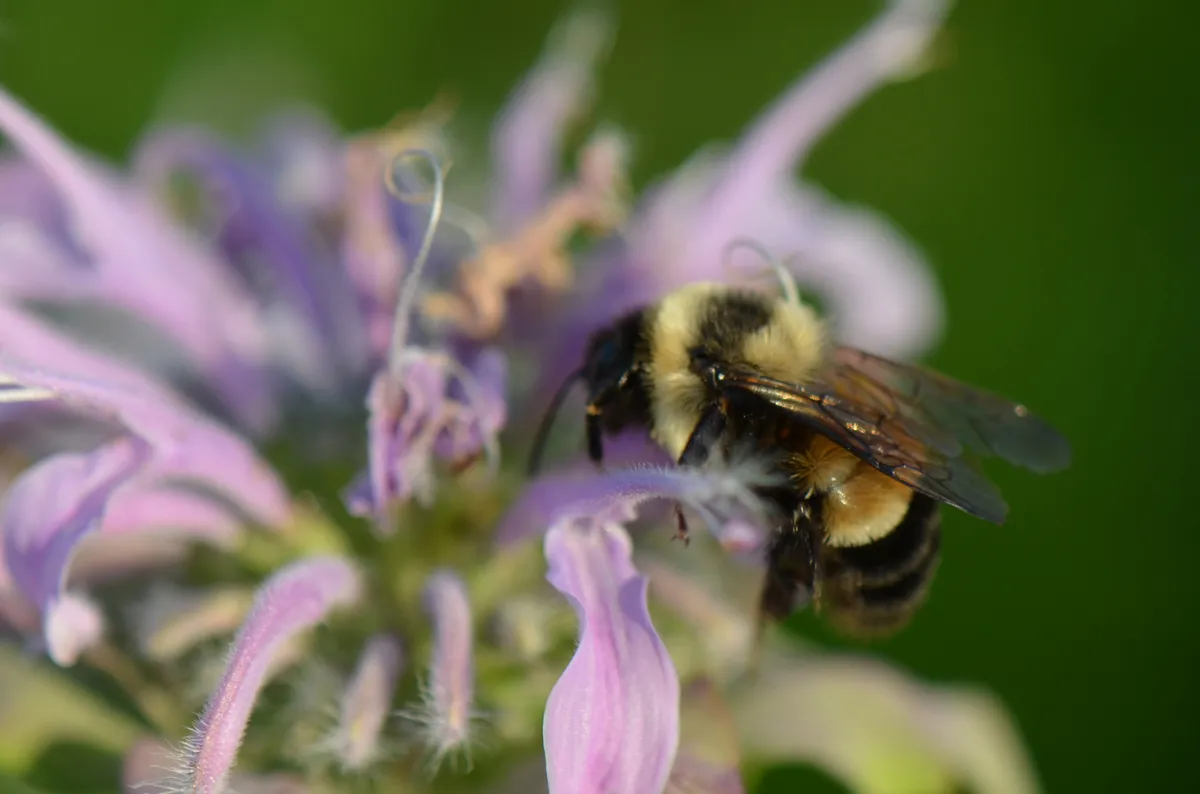
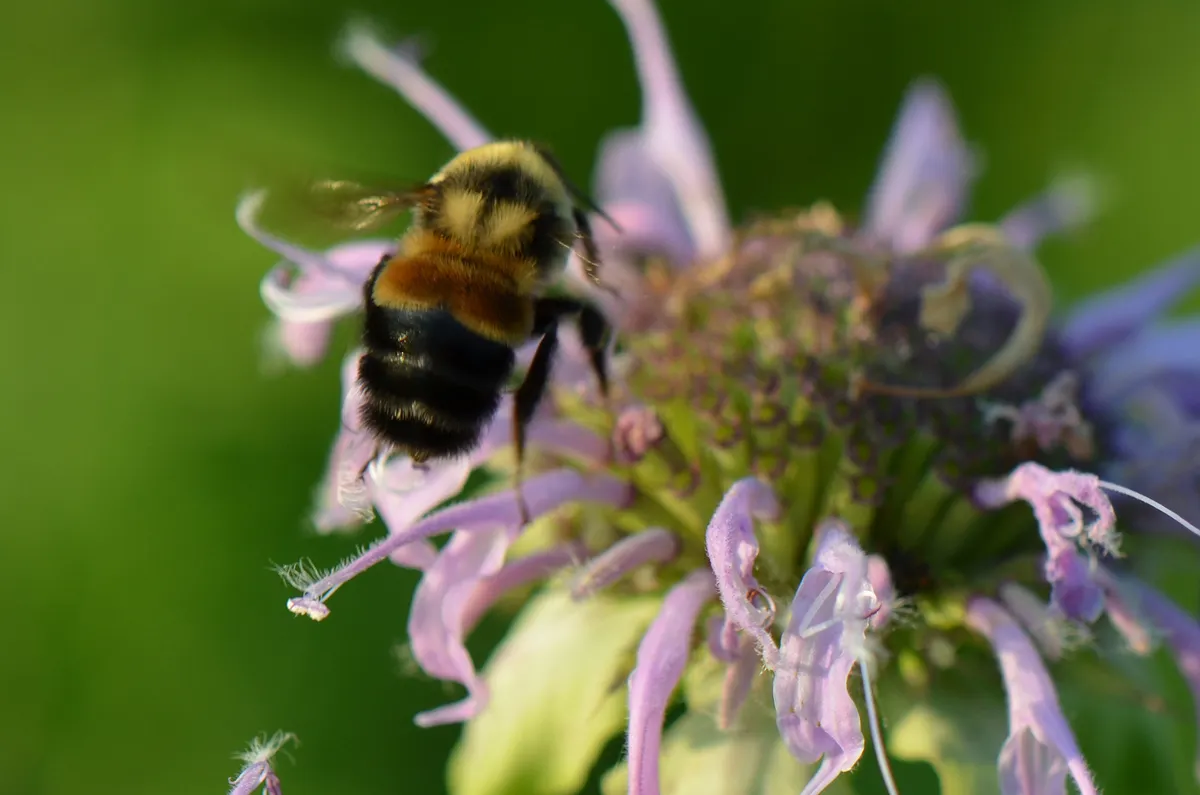
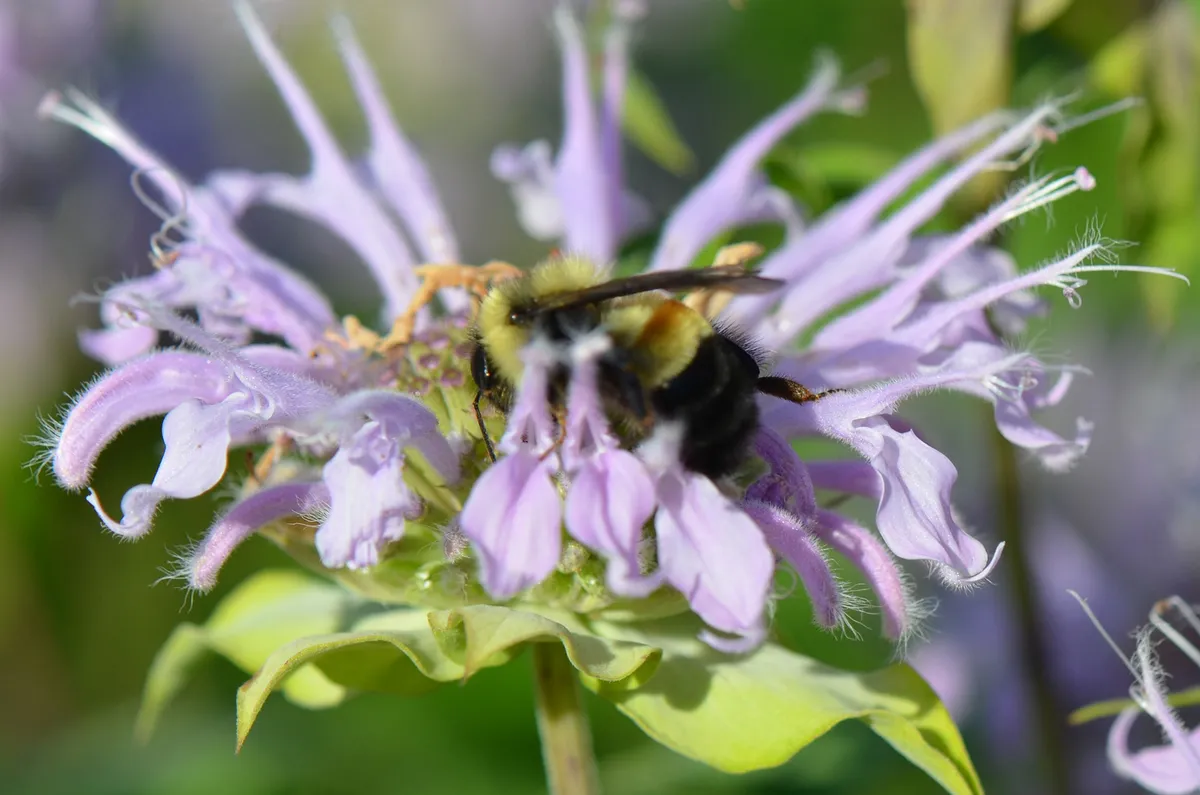
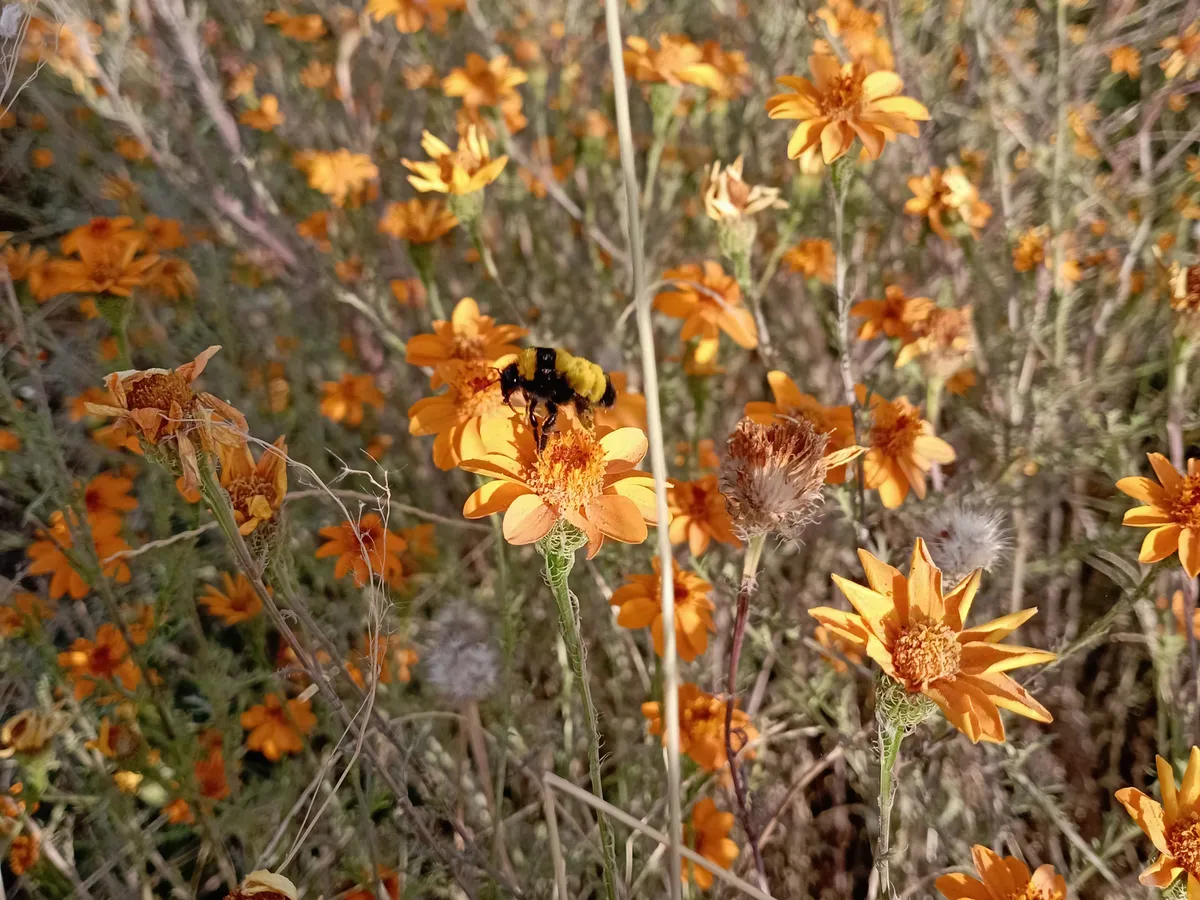
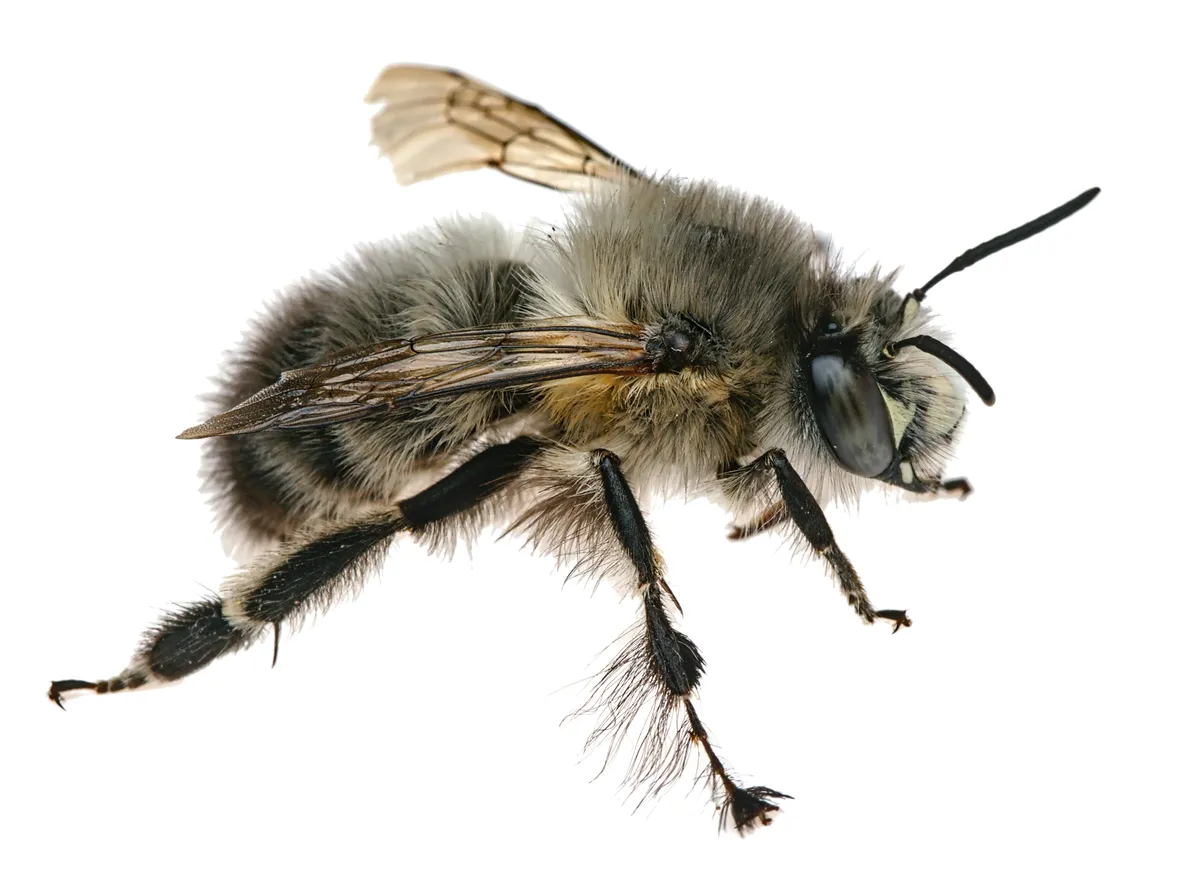
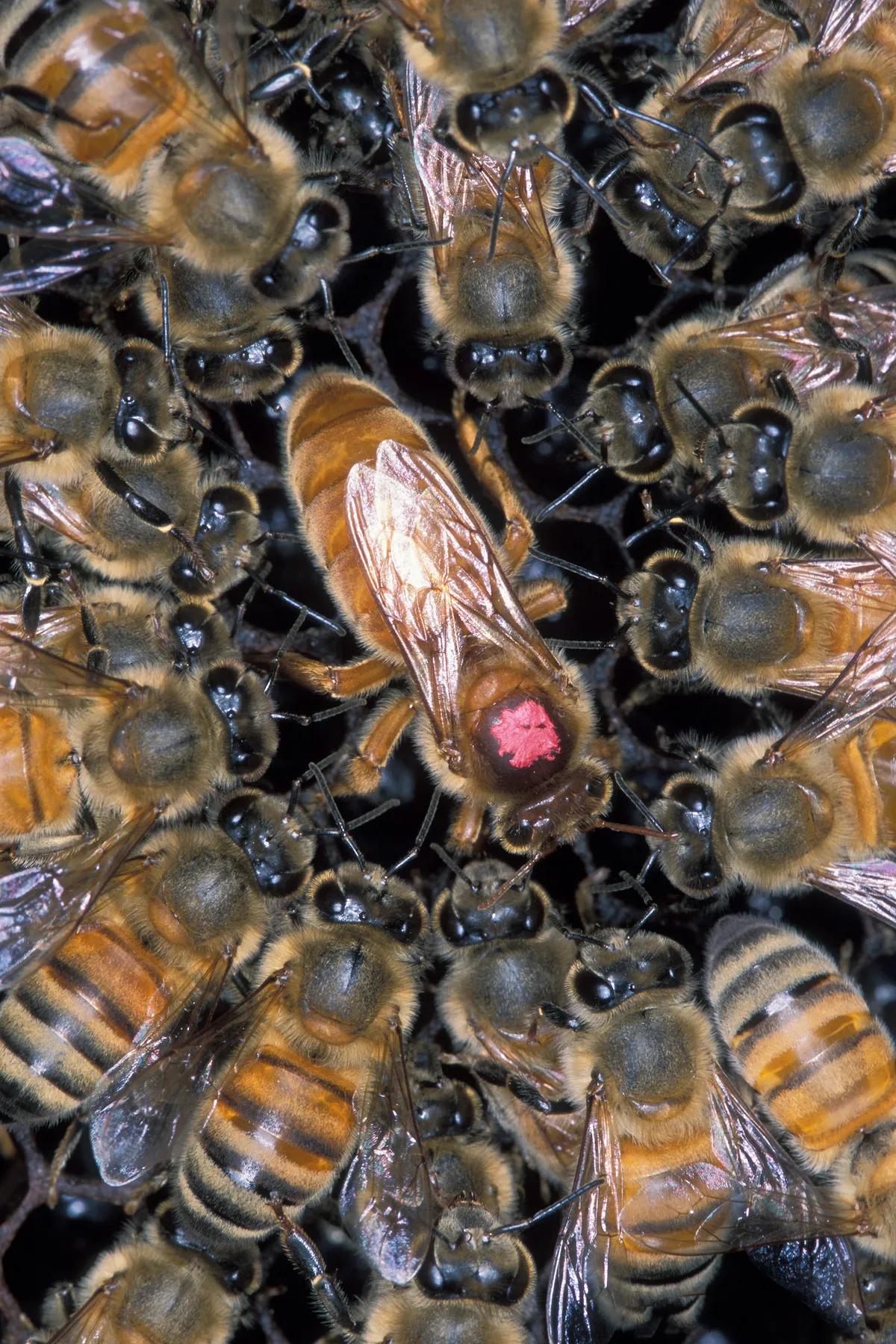
A critically endangered North American native bee species characterized by a distinctive rusty-colored patch on its abdomen, exhibiting significant population decline due to habitat loss, climate change, and pesticide exposure.
Image Gallery
ADSENSE SLOT
Ecology & Habitat
Habitat
Temperate grasslands, prairies, urban gardens, and agricultural landscapes across eastern and midwestern United States, preferring areas with diverse wildflower populations and minimal human disruption.
Ecological Role
Critical pollinator of wildflowers, crops, and agricultural ecosystems, contributing to biodiversity maintenance and food production through complex plant-pollinator interactions.
Morphology
SKIN COATDense, insulating hair covering in variable color patterns of black, yellow, and rusty brown
LIMBS WINGSTwo pairs of membranous wings, powerful flight muscles, specialized pollen-collecting structures on hind legs
HEAD SENSORYLarge compound eyes, sensitive antennae for chemical and environmental perception, complex mandibles for nectar and pollen manipulation
BODY STRUCTUREWorker bees approximately 13-20 mm in length, queens 20-25 mm, robust body with dense hair covering, distinctive rusty-brown patch on worker and queen abdomens
Data Source: TaxonHub Database
Image Credit: USFWS Midwest Region from United States