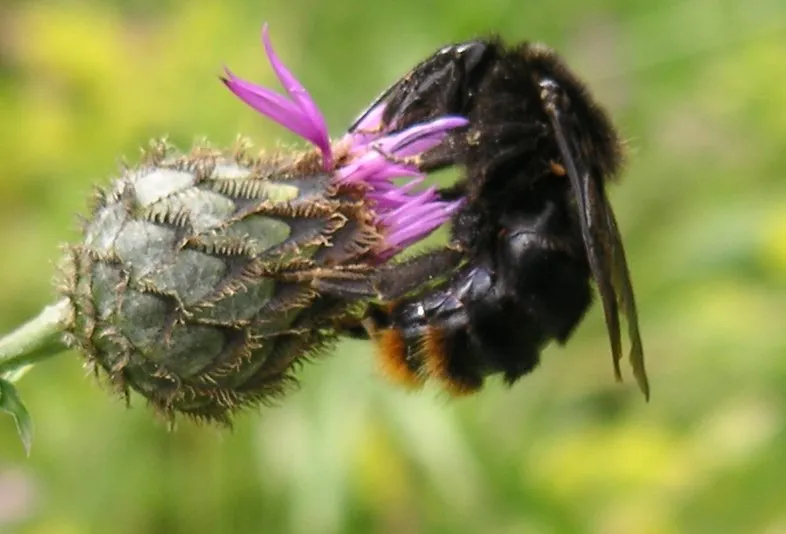
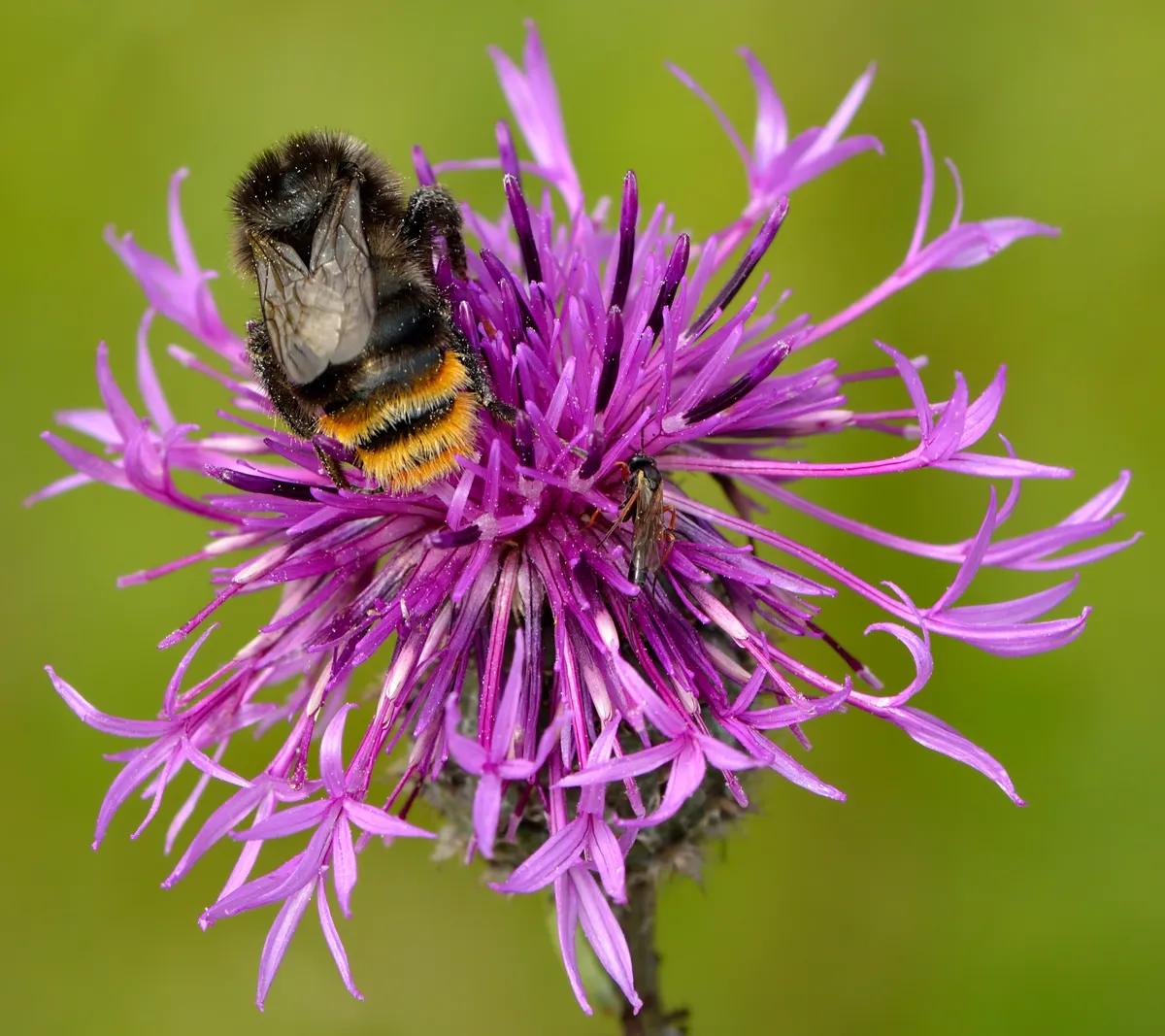
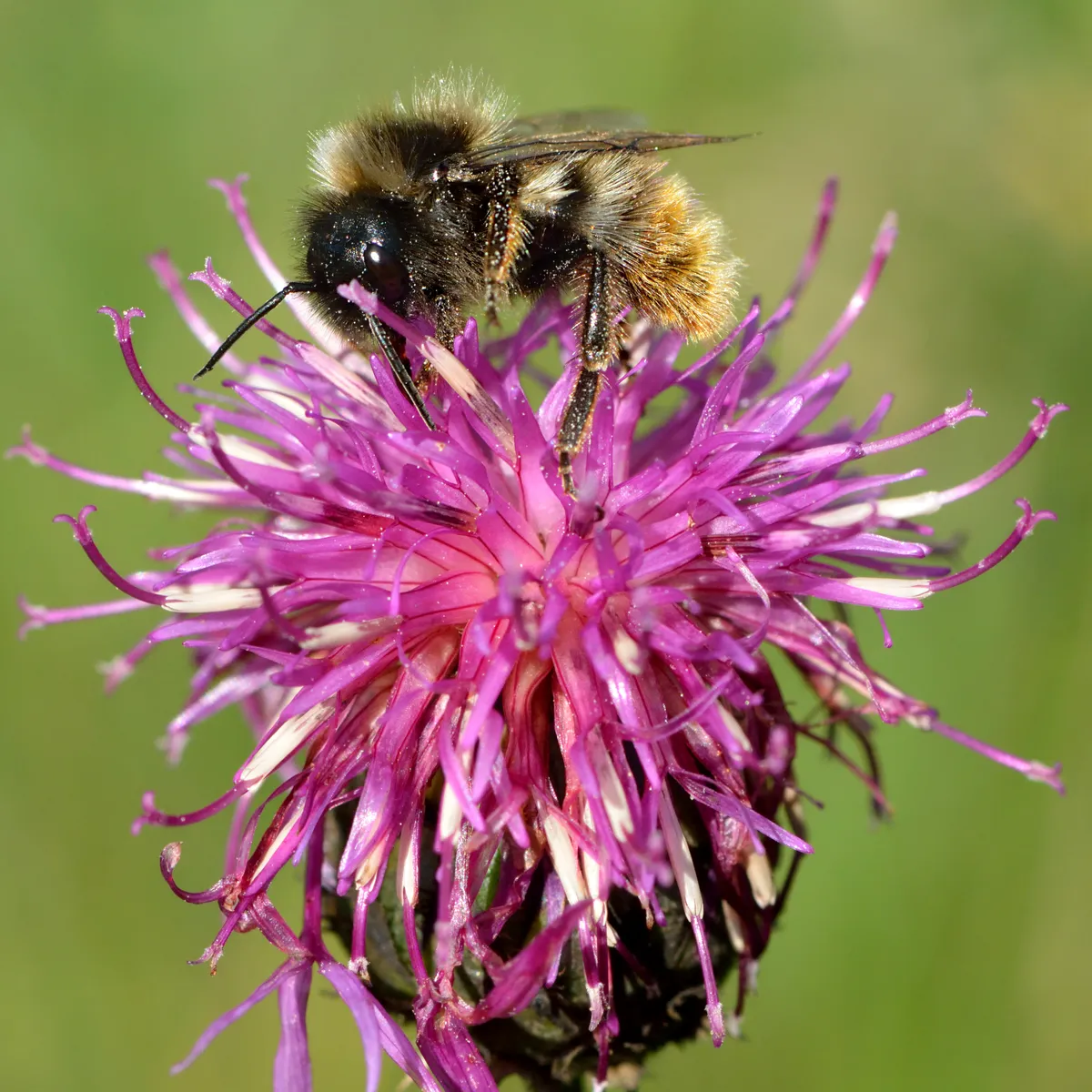
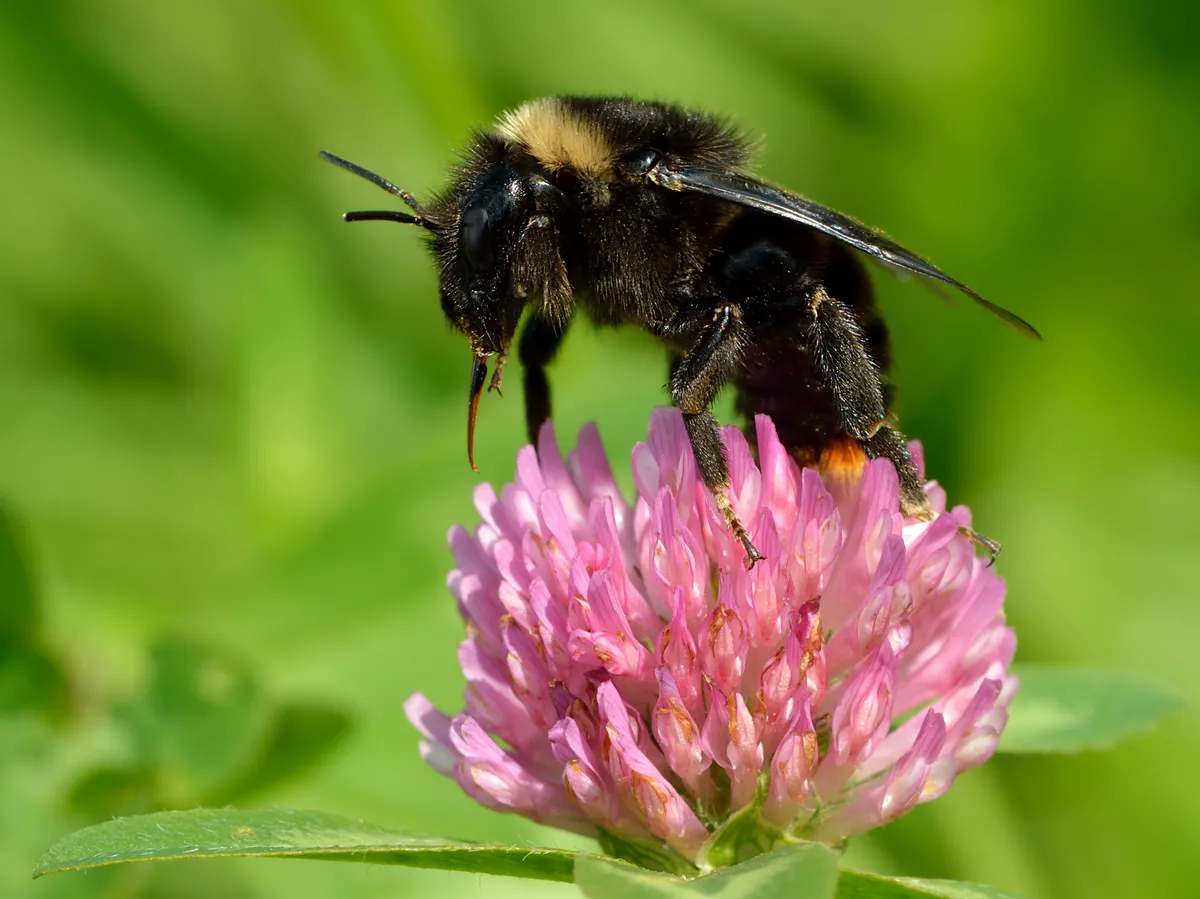
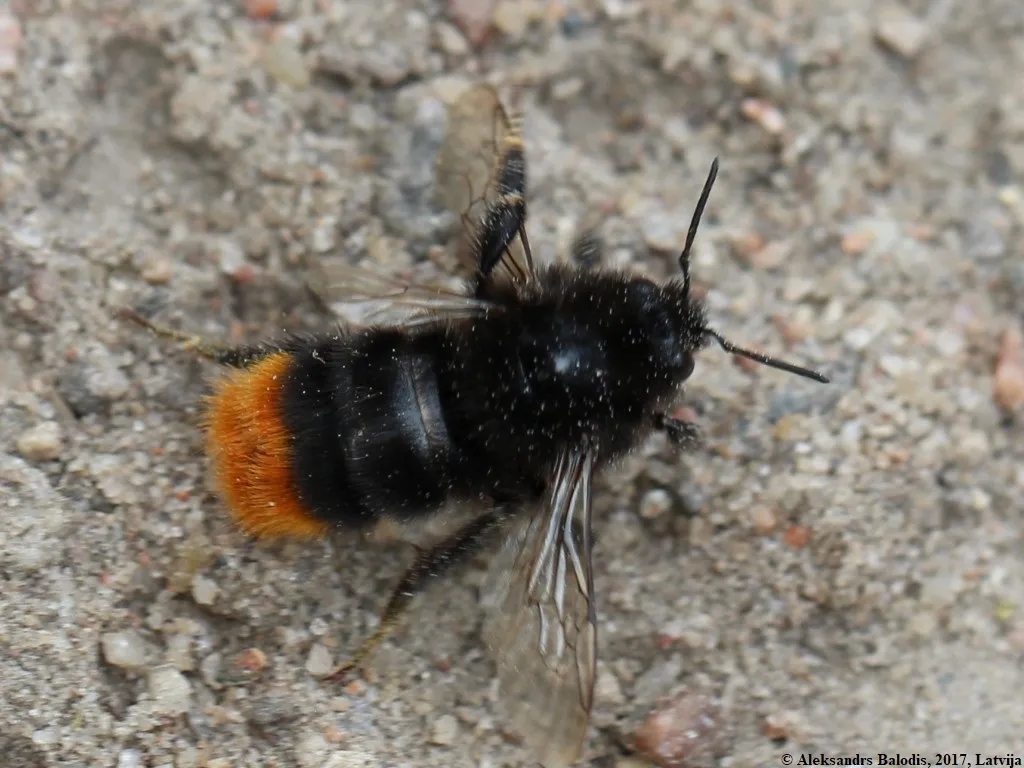
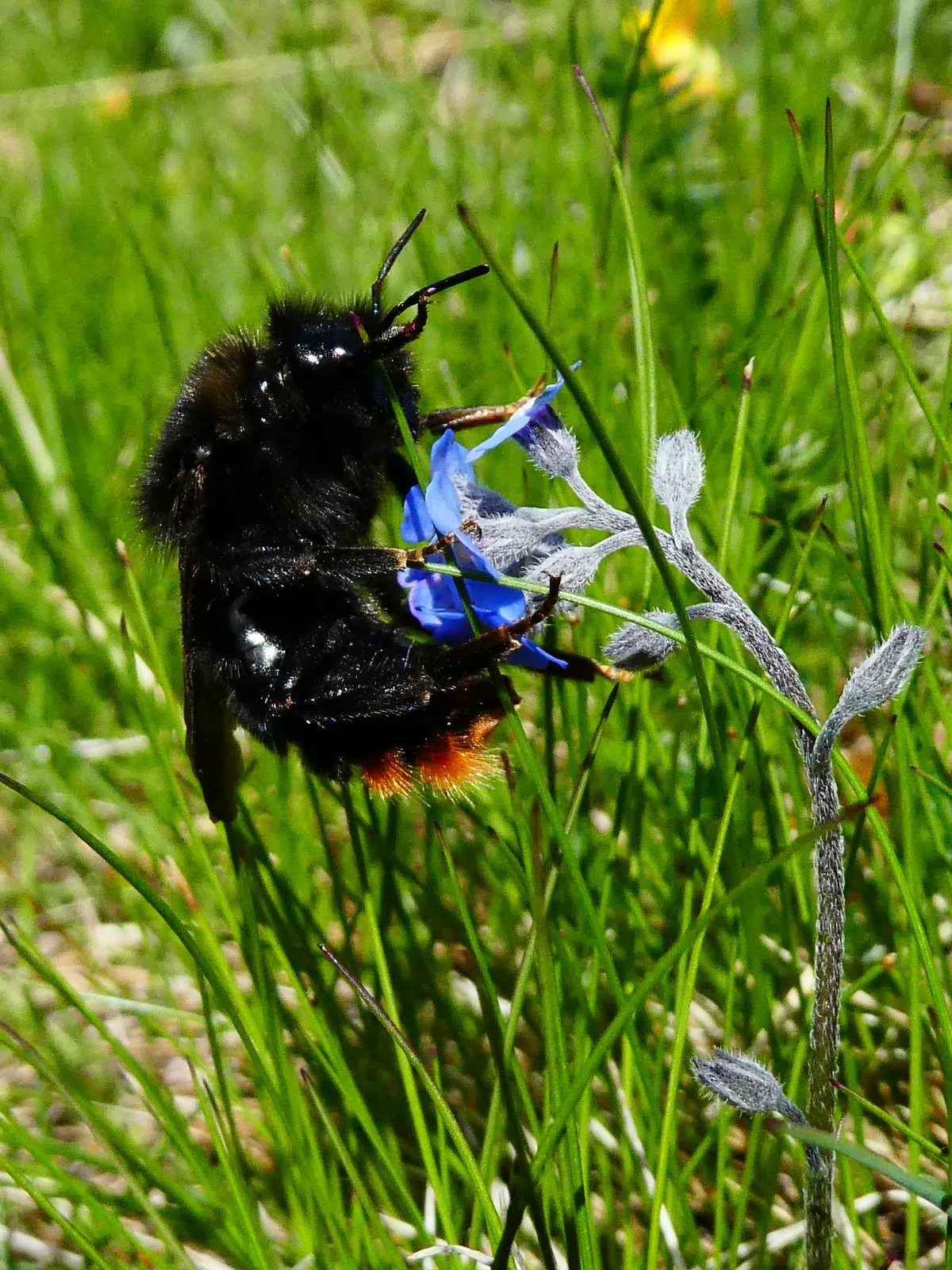
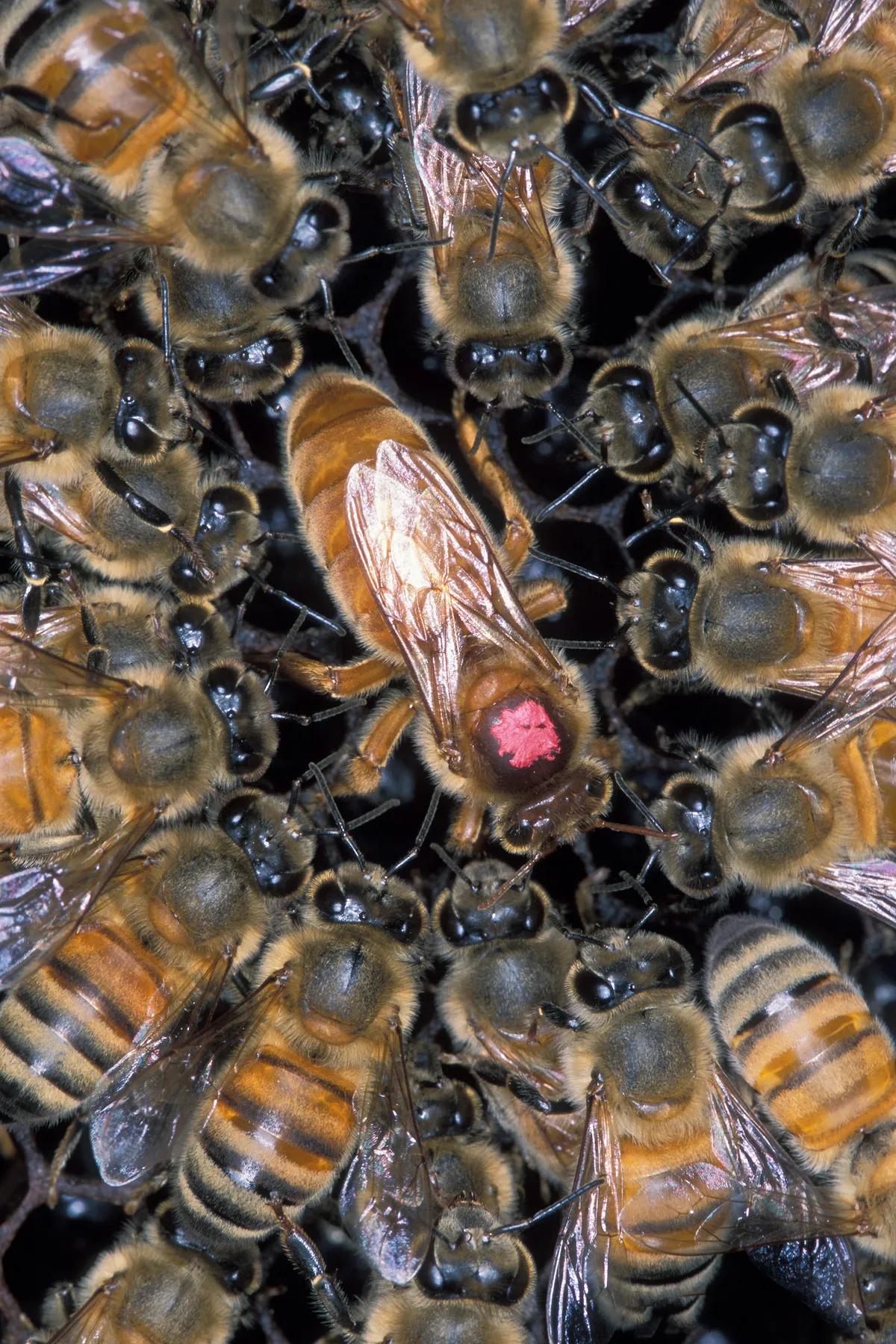
A social parasitic bumble bee species found in Europe, characterized by its specialized brood parasitism within the Bombus genus. Females infiltrate host colonies and replace the queen's reproductive output.
Image Gallery
ADSENSE SLOT
Ecology & Habitat
Habitat
Open grasslands, meadows, alpine regions, and mountain slopes across temperate European landscapes, typically at elevations between 500-2,000 meters.
Ecological Role
Critical role in pollination dynamics and maintaining biodiversity through intricate parasitic interactions with host bumble bee colonies.
Morphology
SKIN COATDense, dark-colored hair coat with variable black and reddish-brown patterns
LIMBS WINGSTwo pairs of membranous wings, powerful flight muscles, specialized pollen-collecting leg structures
HEAD SENSORYLarge compound eyes, specialized antennae for chemical communication and navigation
BODY STRUCTUREMedium-sized bee, approximately 15-20 mm in length, with robust body and dense hair cover
Data Source: TaxonHub Database
Image Credit: German Wikipedia