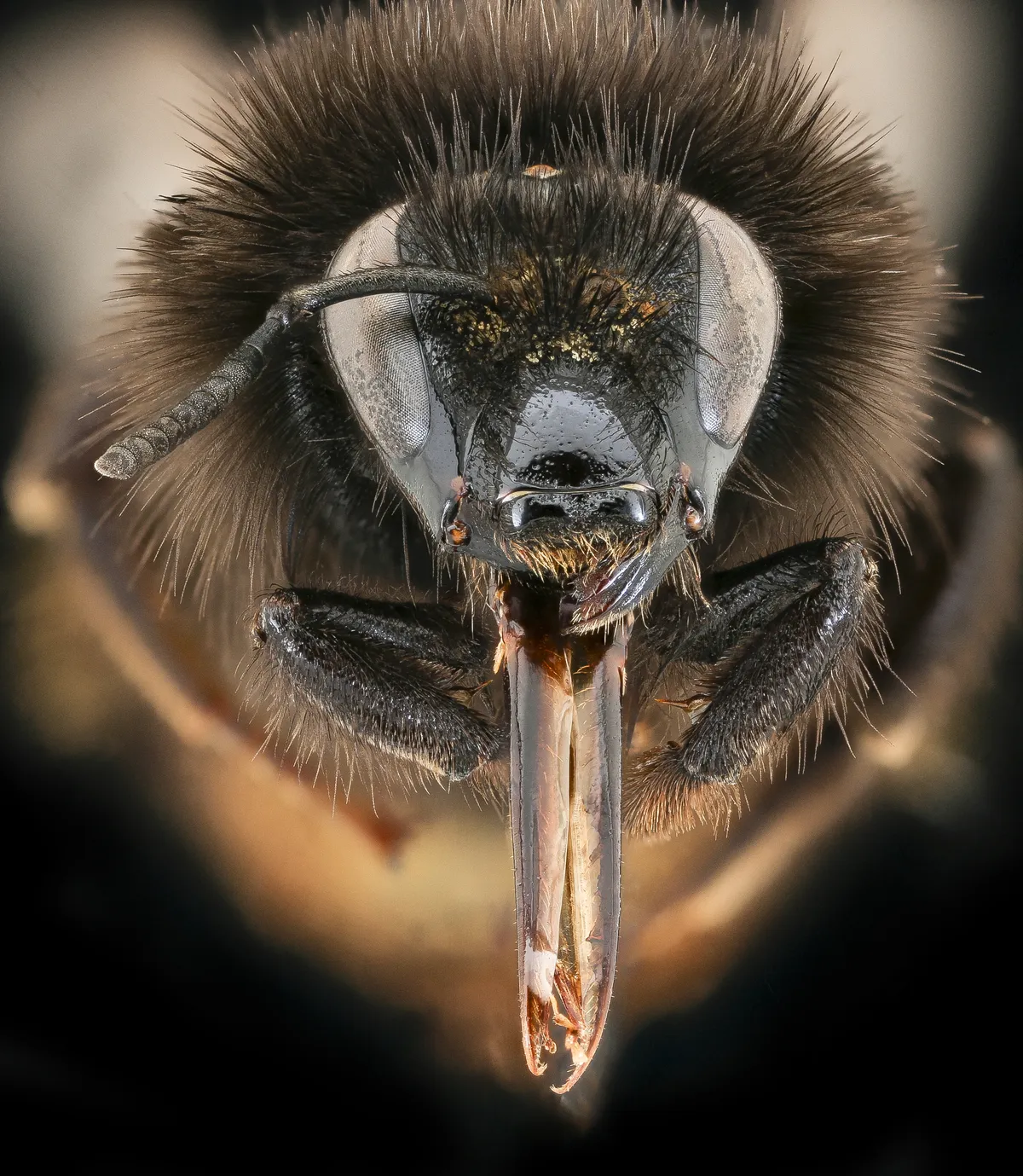
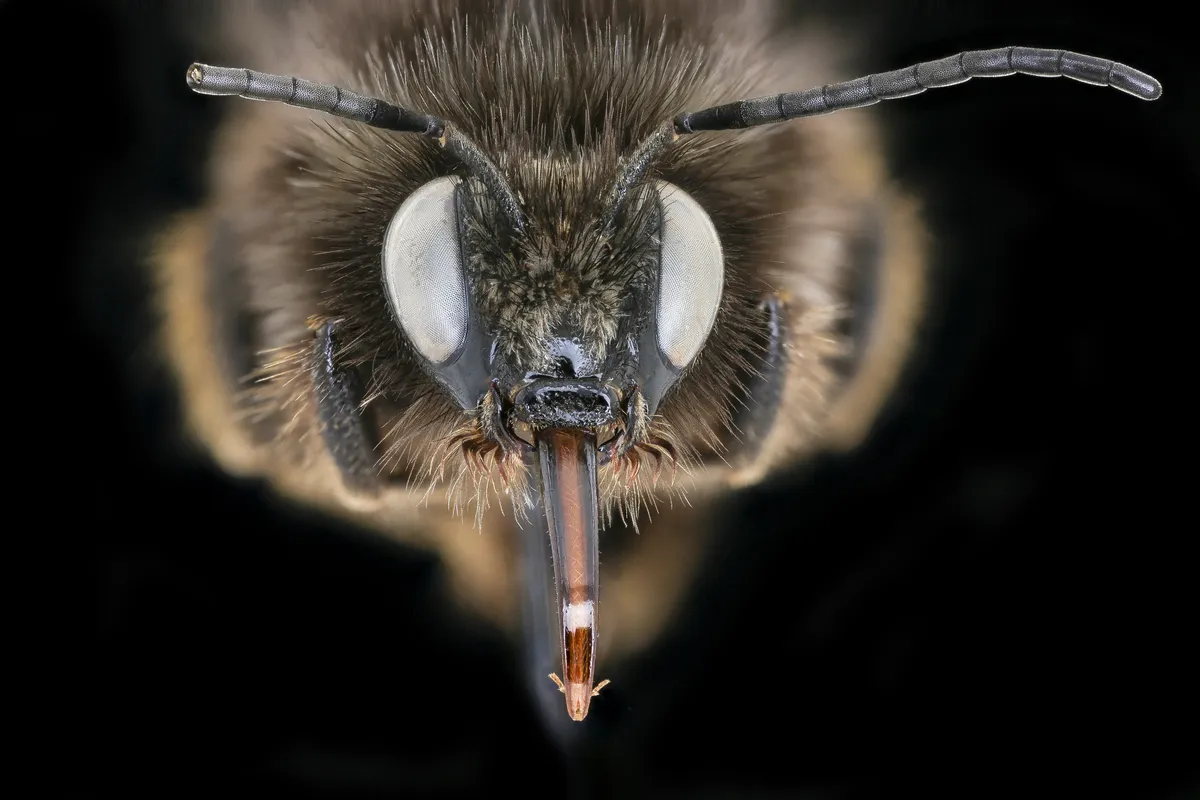
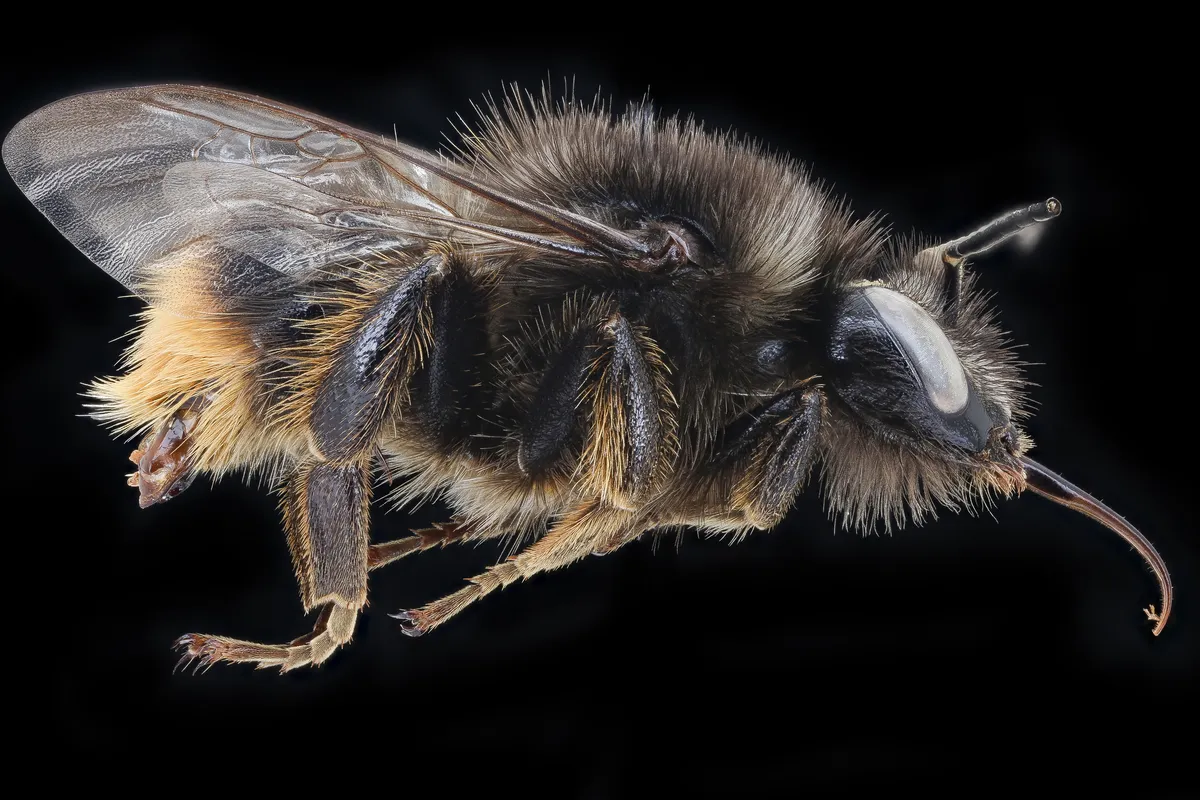
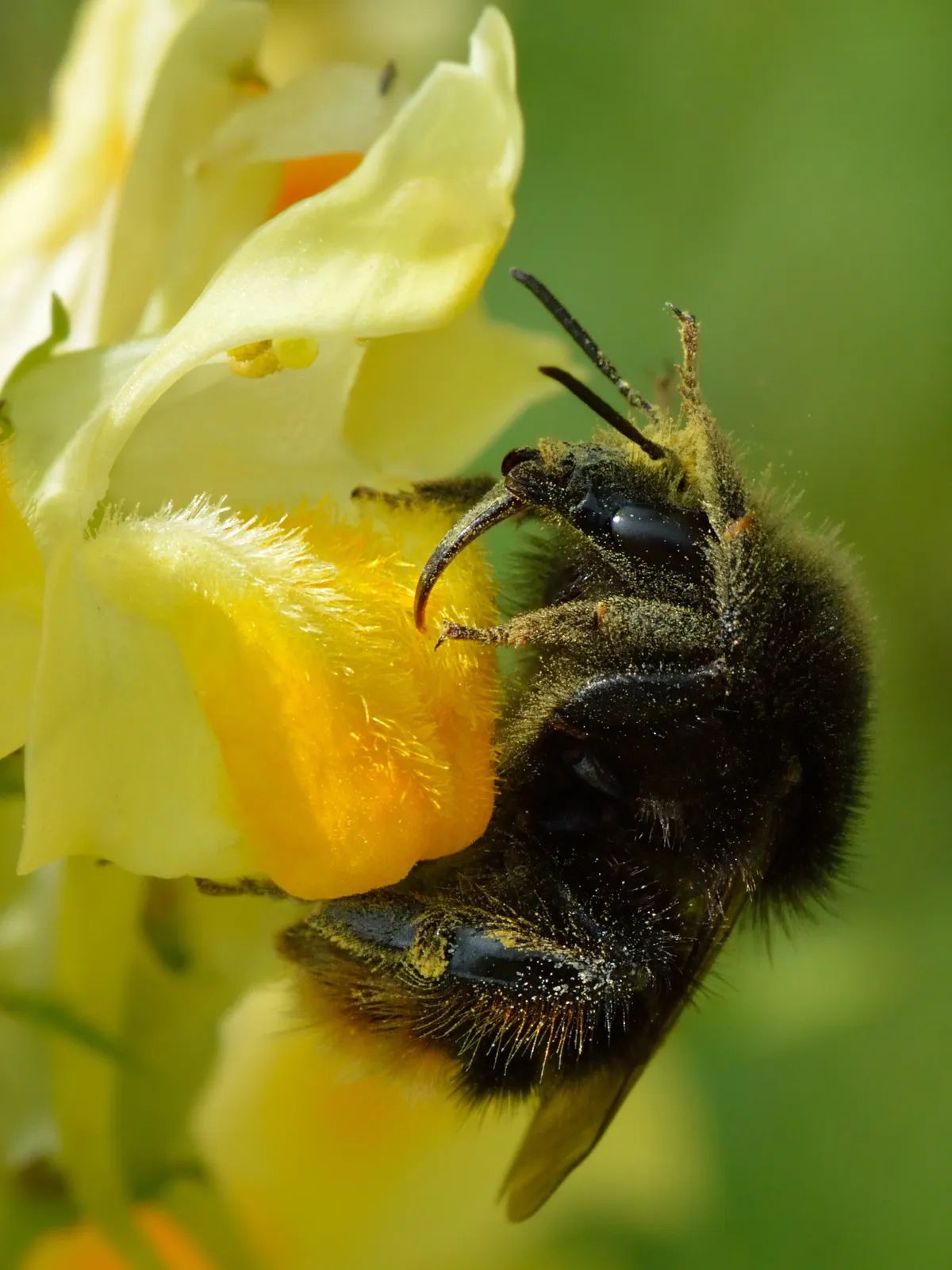
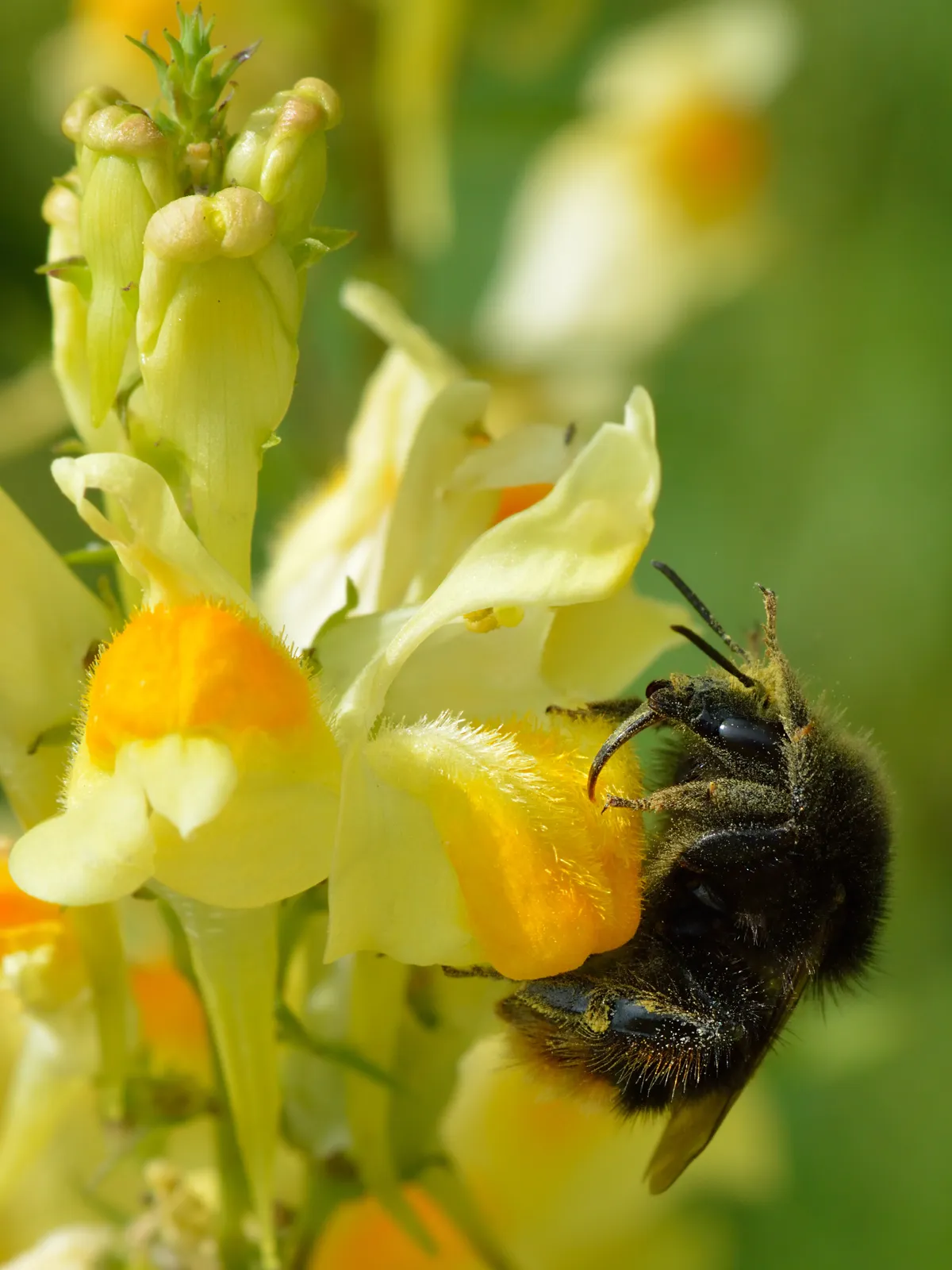
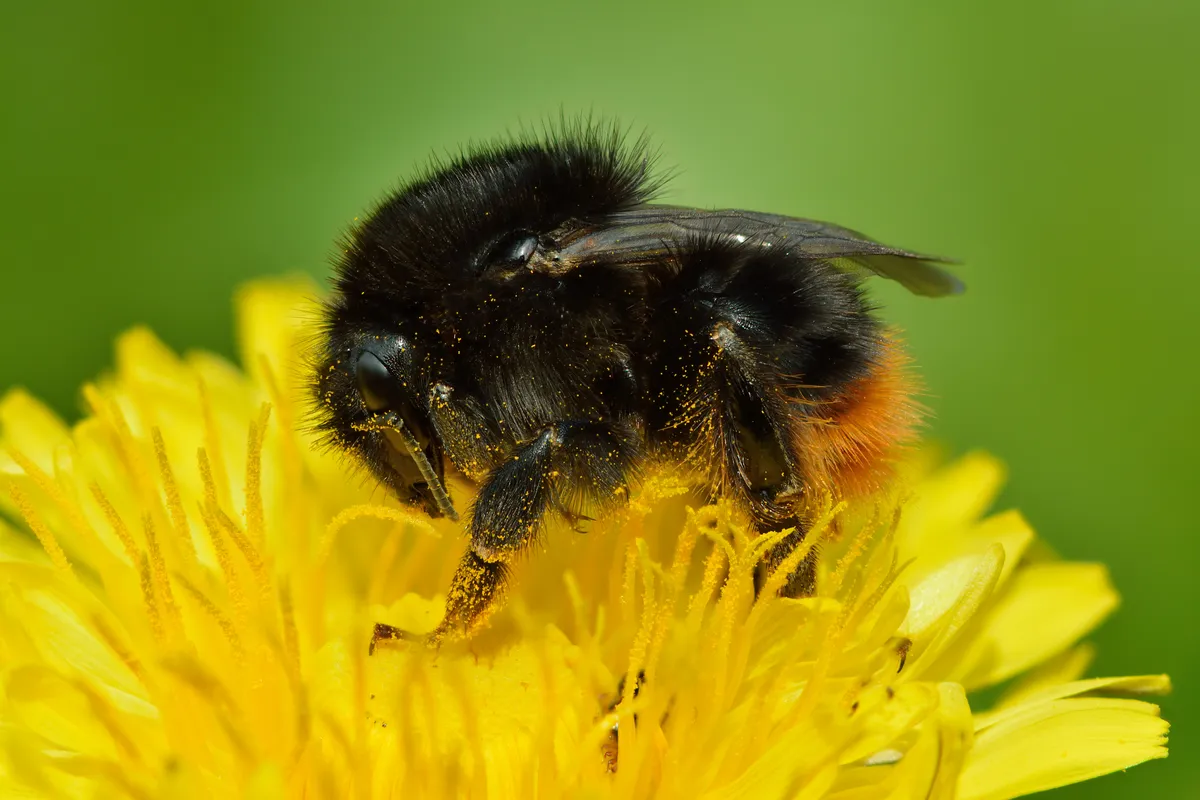
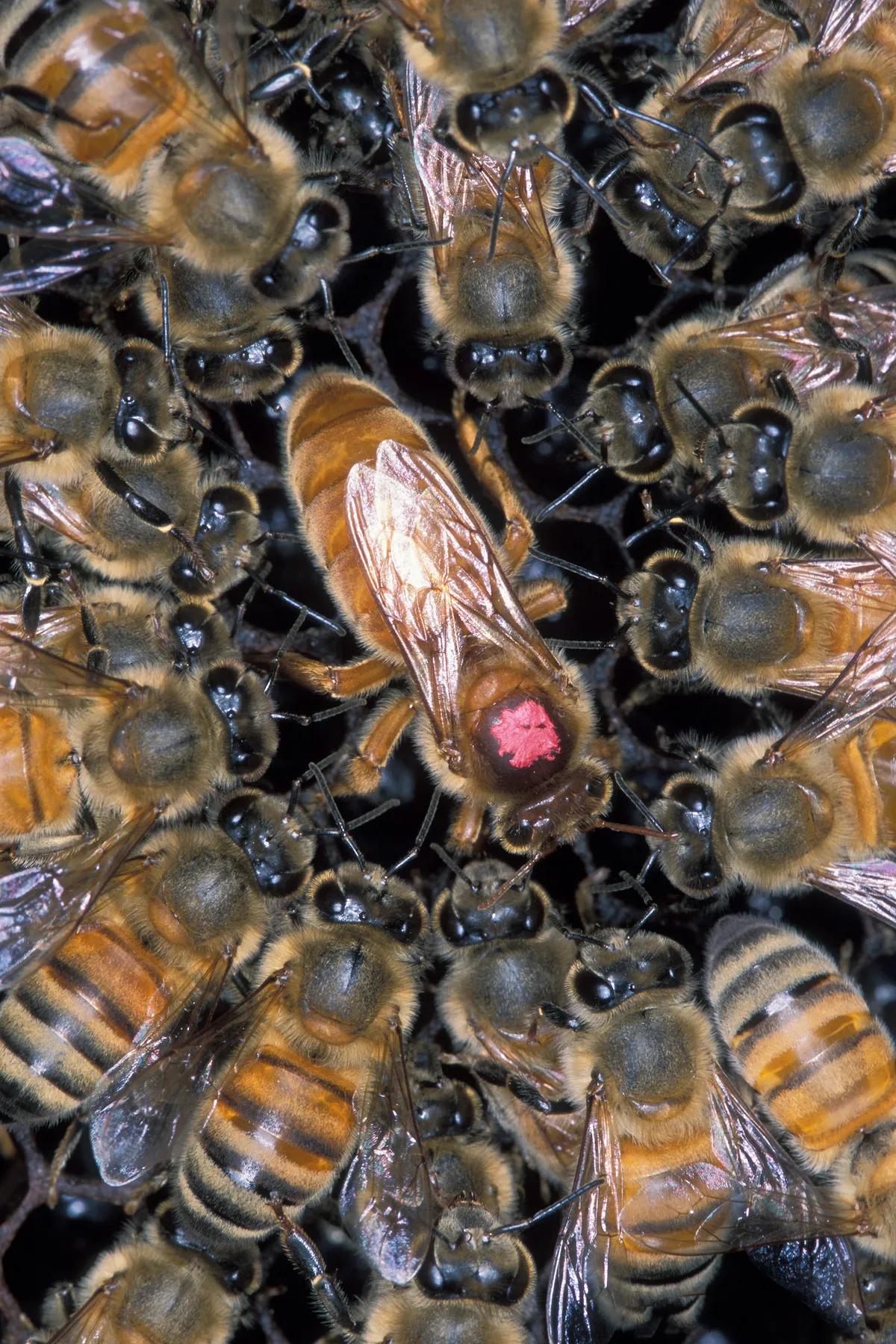
A medium-sized bumblebee species native to Europe, characterized by its distinctive red-colored tail segment and specialized foraging behaviors in open grassland and meadow ecosystems.
Image Gallery
ADSENSE SLOT
Ecology & Habitat
Habitat
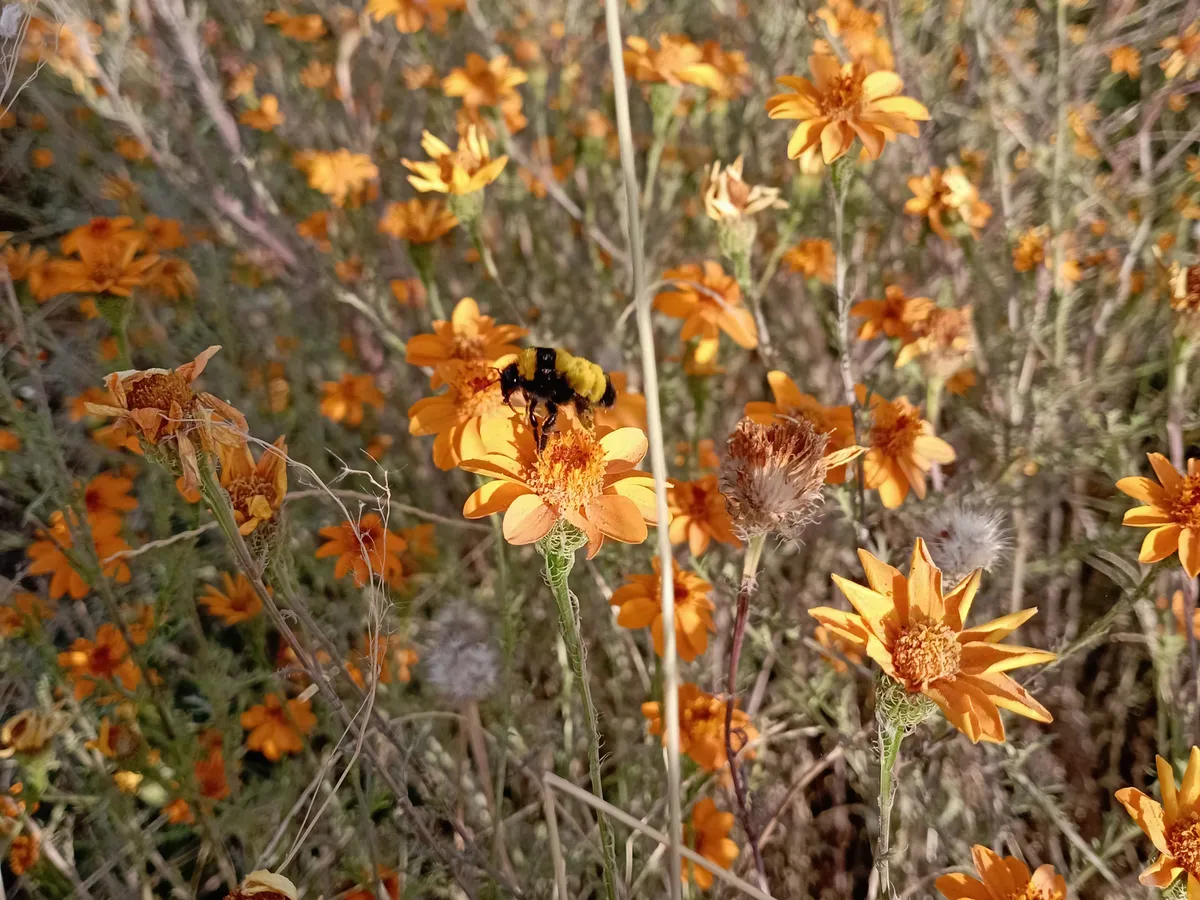
Temperate grasslands, wildflower meadows, agricultural margins, and urban green spaces across continental Europe, with distribution ranging from Britain to eastern Europe and parts of western Asia.
Ecological Role
Critical pollinator for wildflowers, agricultural crops, and maintaining biodiversity through extensive flower visitation and nectar transfer between plant species.
Morphology
SKIN COATDense, insulating hair covering in primarily black coloration with distinctive rust-red tail segment
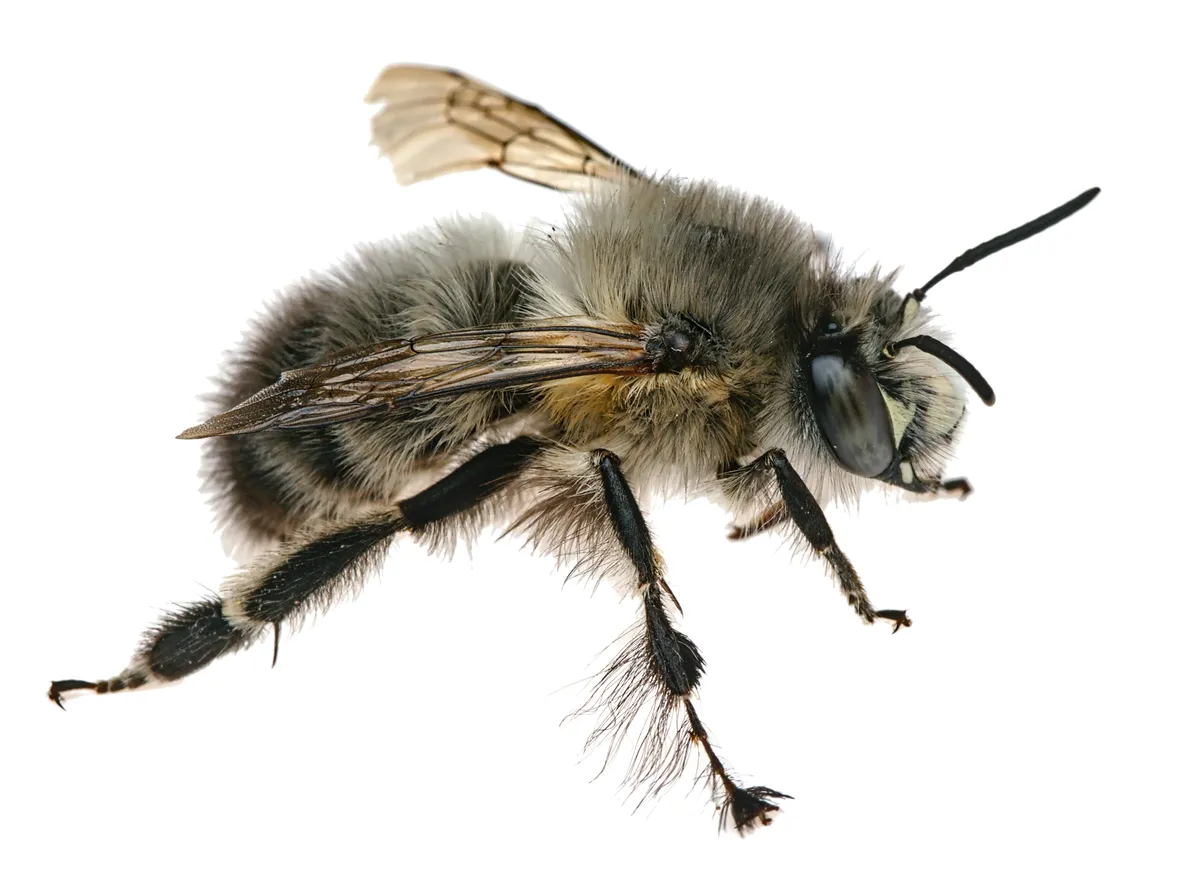
LIMBS WINGSTwo pairs of membranous wings, with forewings larger than hindwings, powerful flight muscles enabling extended foraging ranges
HEAD SENSORYComplex compound eyes, sensitive antennae for chemical and tactile perception, specialized mandibles for nectar extraction and pollen manipulation
BODY STRUCTUREWorker bees approximately 12-16 mm in length, queens slightly larger at 16-19 mm, with robust, densely-haired body adapted for cooler temperature foraging
Data Source: TaxonHub Database
Image Credit: USGS Bee Inventory and Monitoring Lab from Beltsville, Maryland, USA