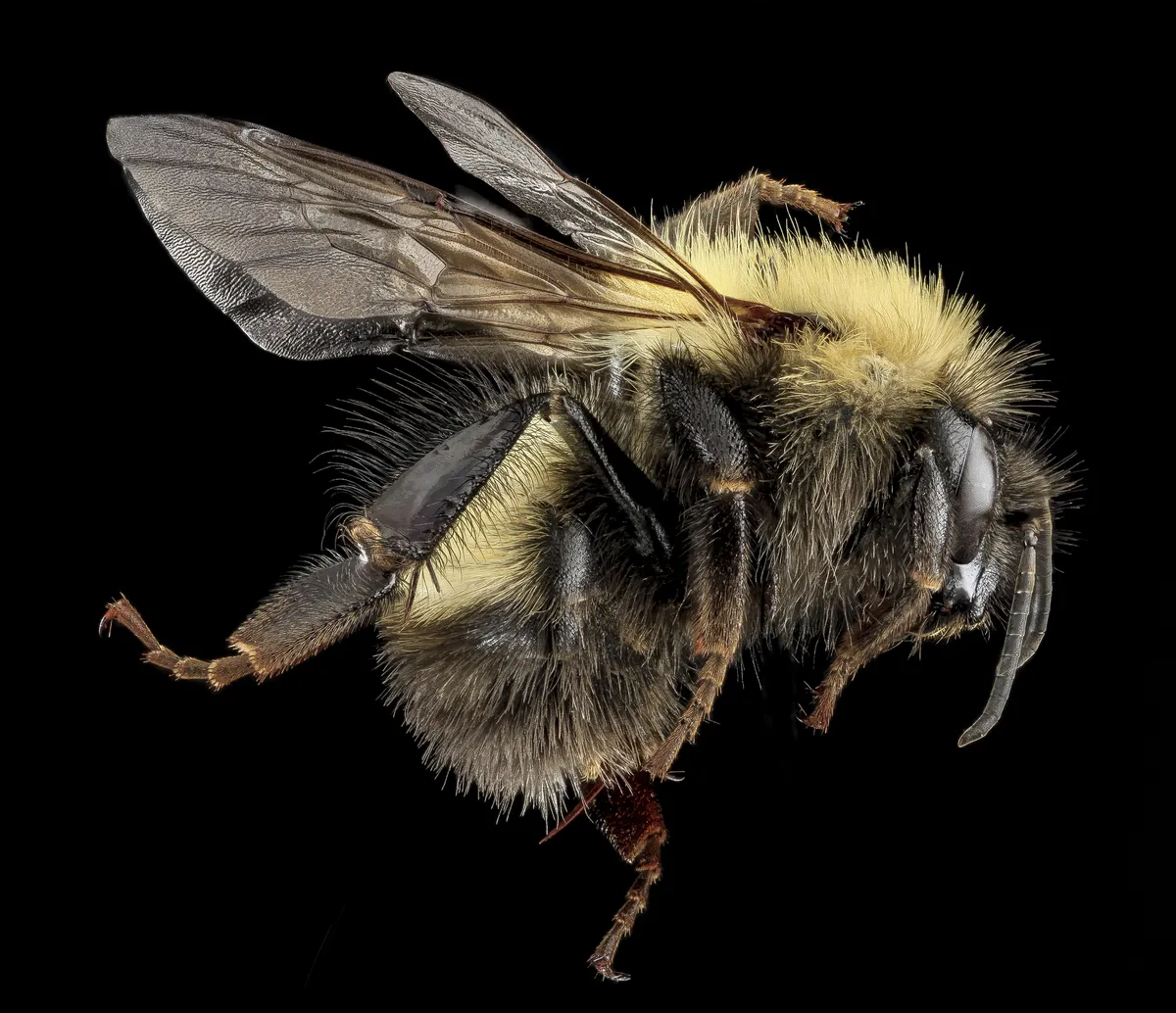
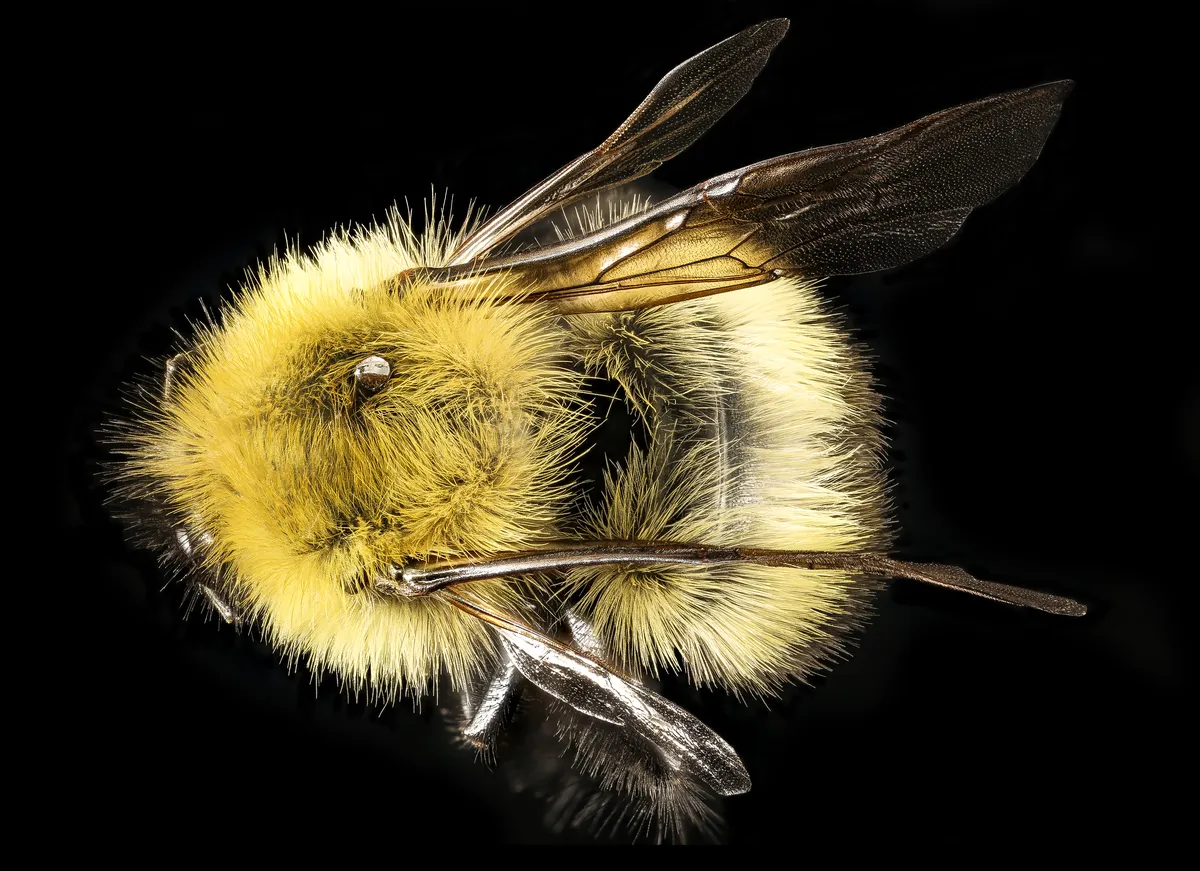
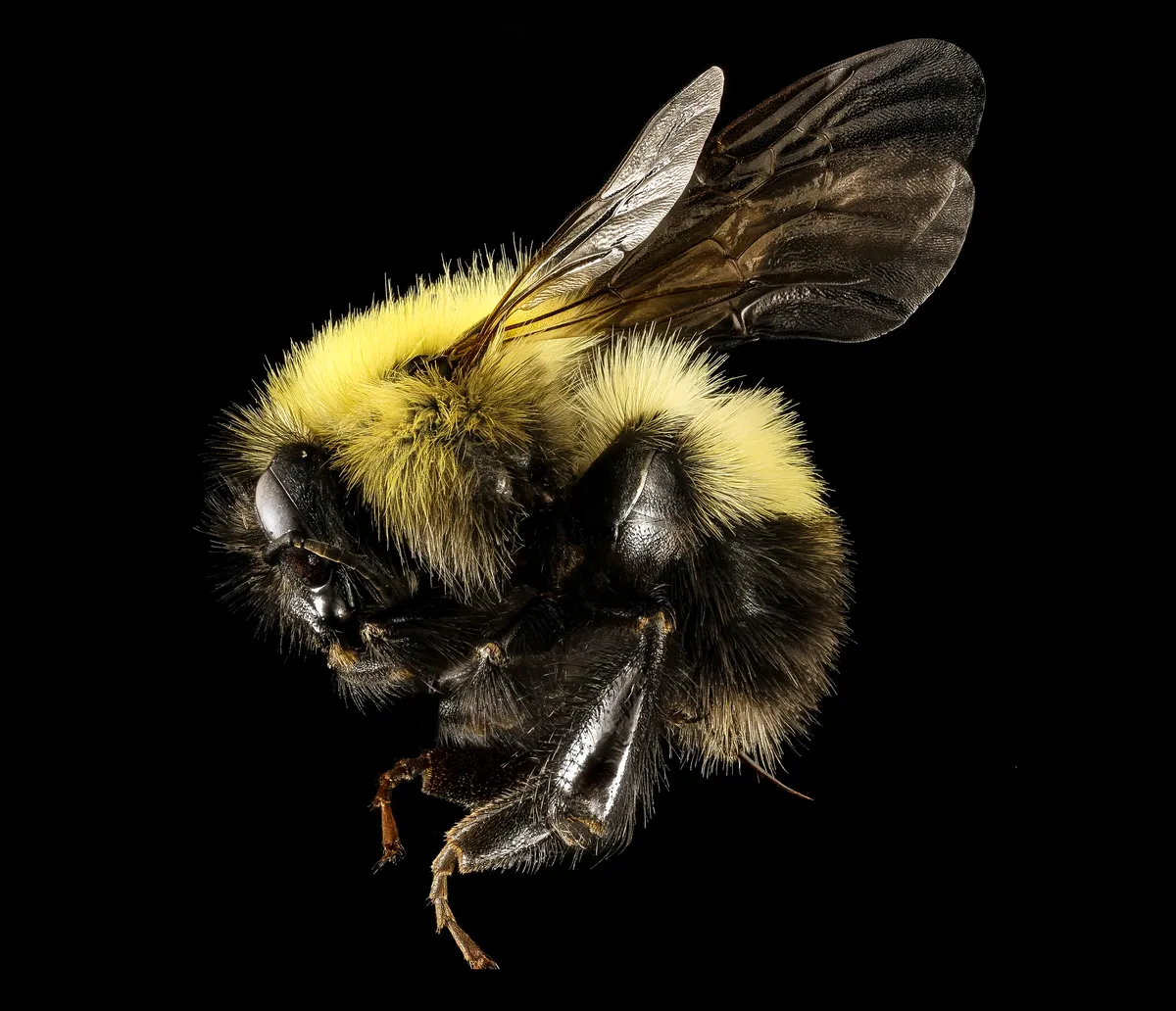
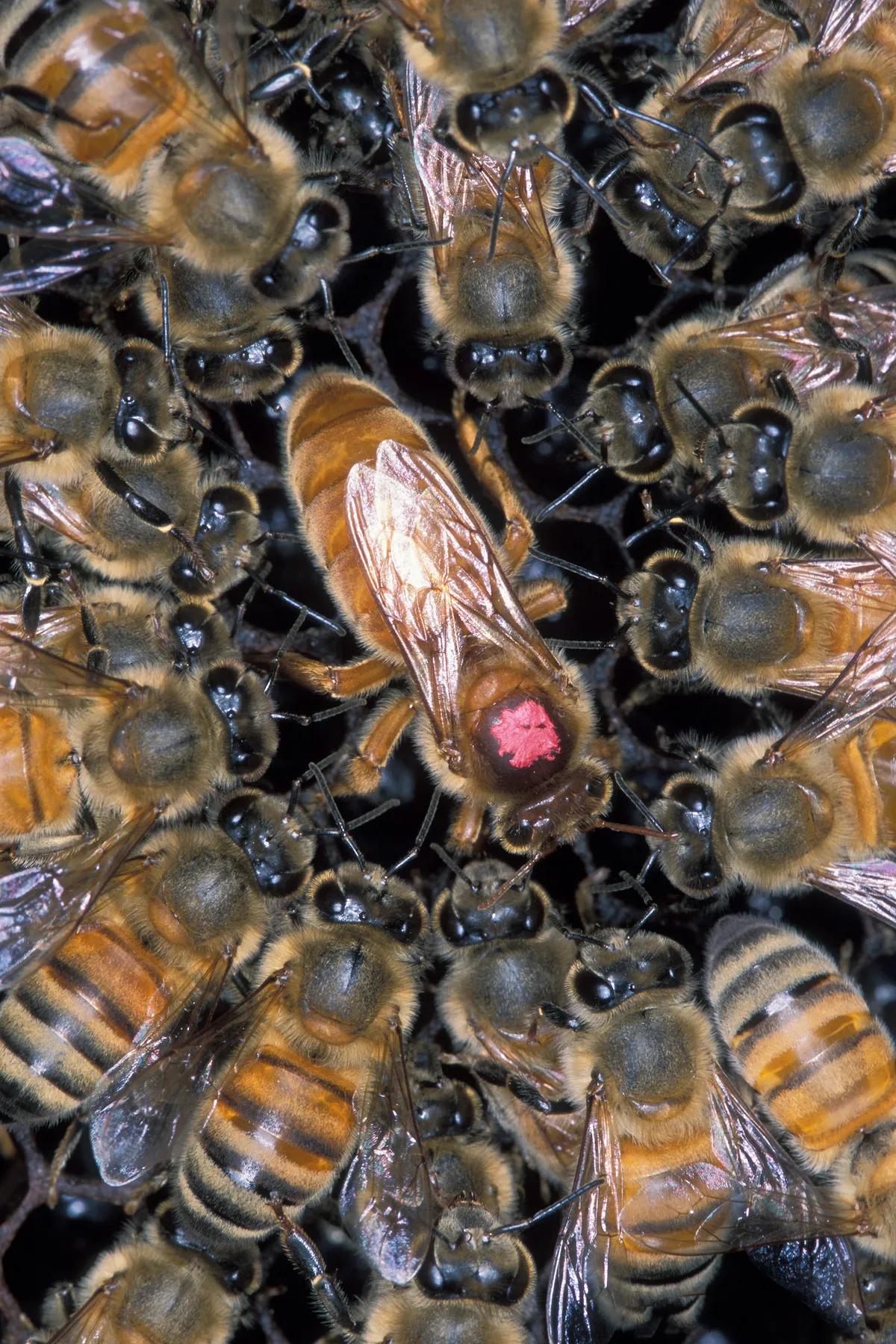
Bombus perplexus is a native North American bumble bee species characterized by complex social structures and specialized pollination behaviors. Found primarily in temperate forest and grassland ecosystems, this species plays a critical role in regional ecological networks.
Image Gallery
ADSENSE SLOT
Ecology & Habitat
Habitat
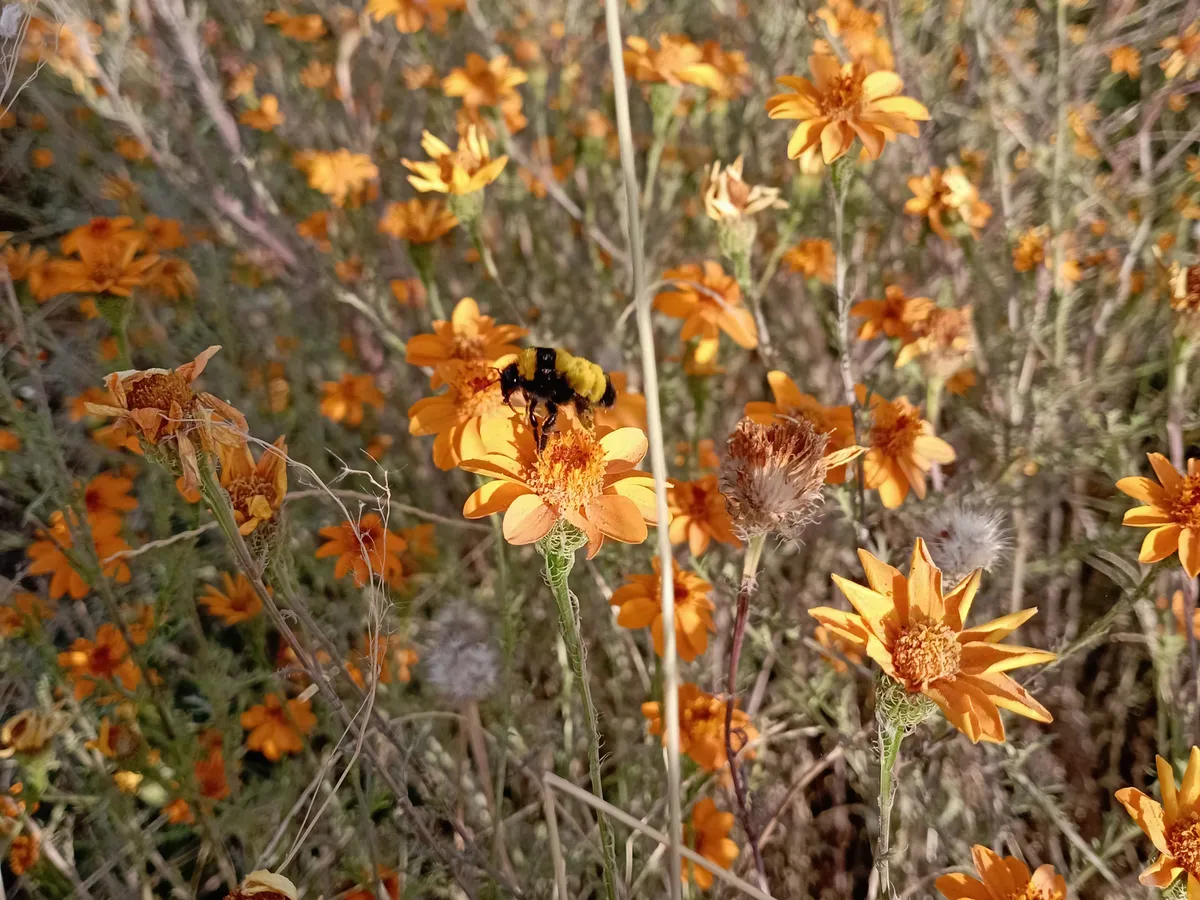
Distributed across eastern and central North America, inhabiting open meadows, forest edges, agricultural landscapes, and urban gardens with abundant flowering plants. Elevation range: 0-2,000 meters.
Ecological Role
Critical pollinator for wildflowers, crop plants, and native vegetation. Supports biodiversity through cross-pollination and serves as a crucial component in food webs, providing nutrition for predators and maintaining ecosystem balance.
Morphology
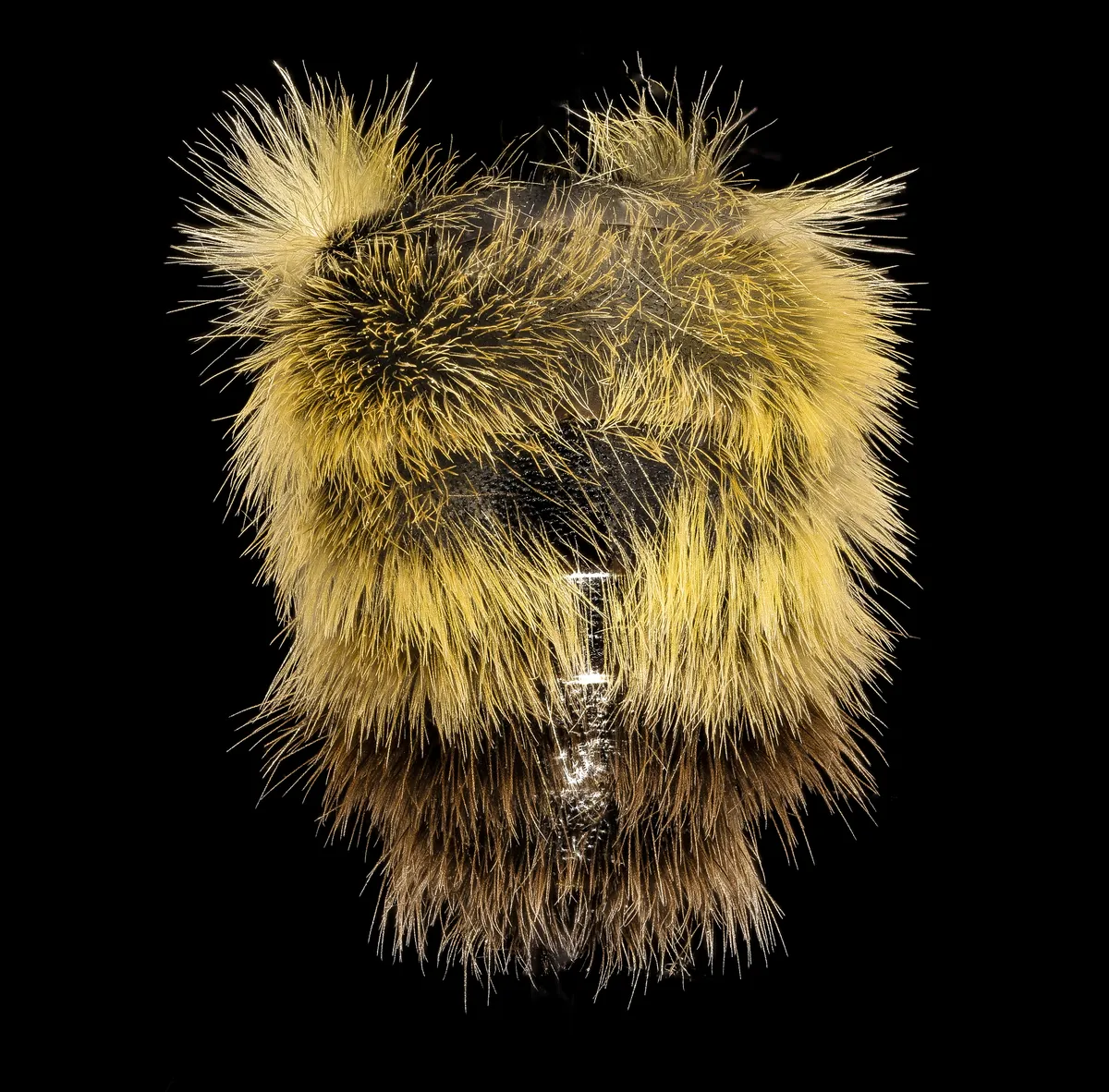
SKIN COATThick, multi-layered hair coat providing thermal regulation and protection against environmental variations.
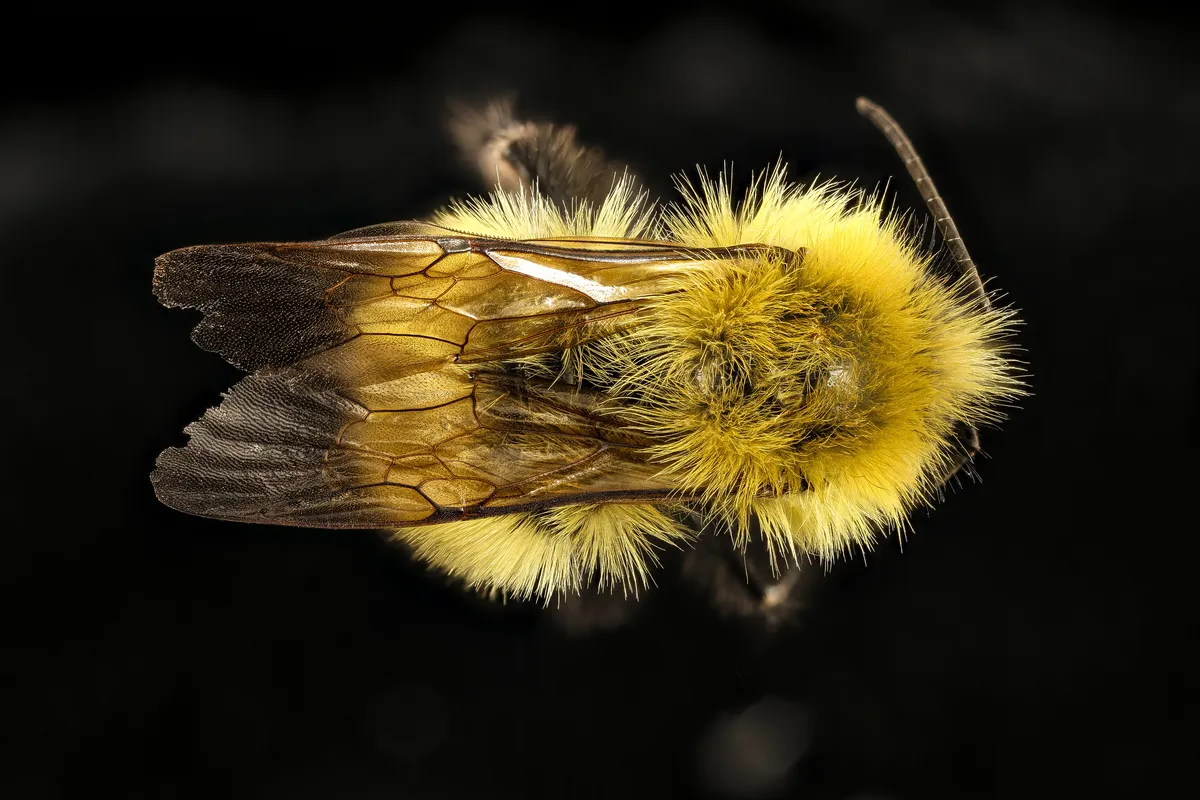
LIMBS WINGSTwo pairs of membranous wings with intricate venation. Strong, specialized legs with pollen-collecting structures (corbiculae) for efficient foraging.
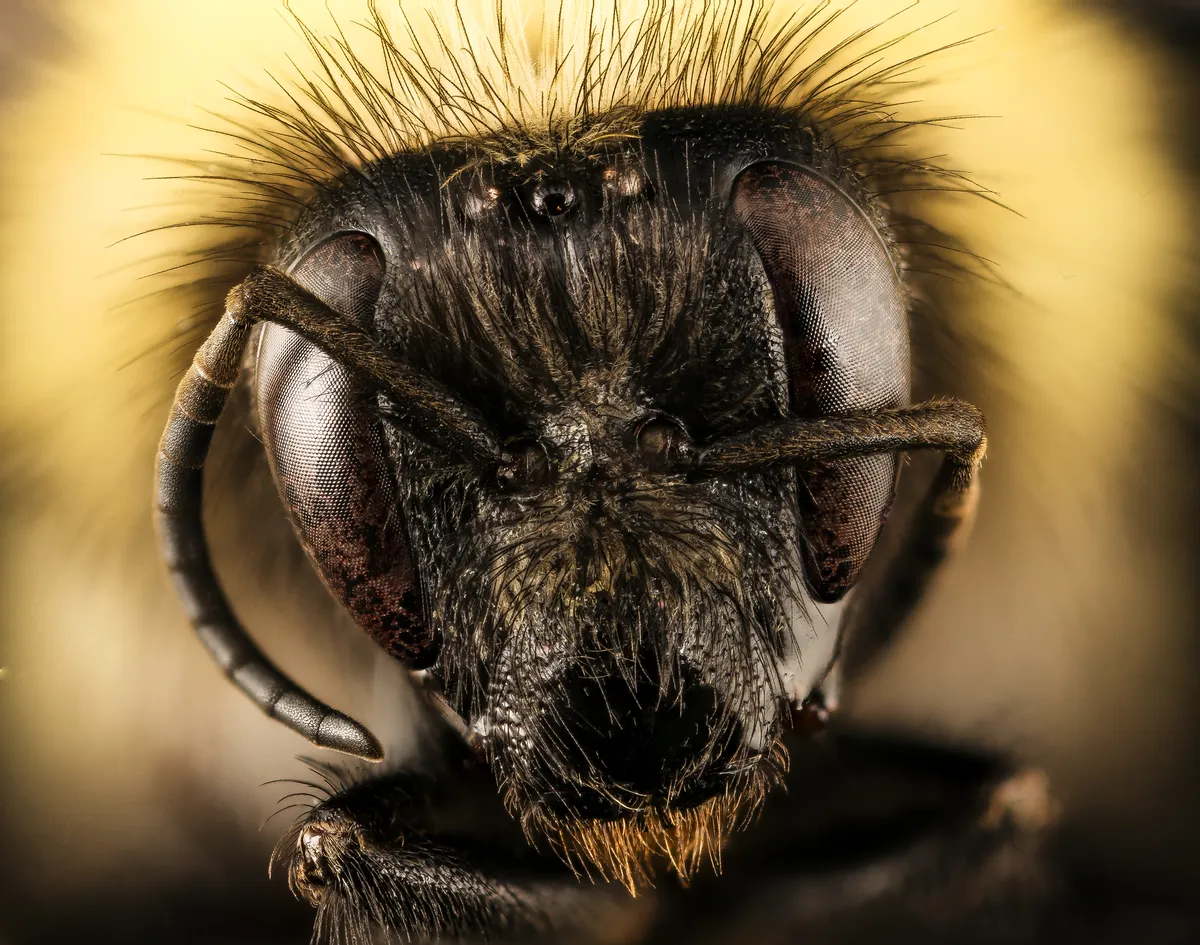
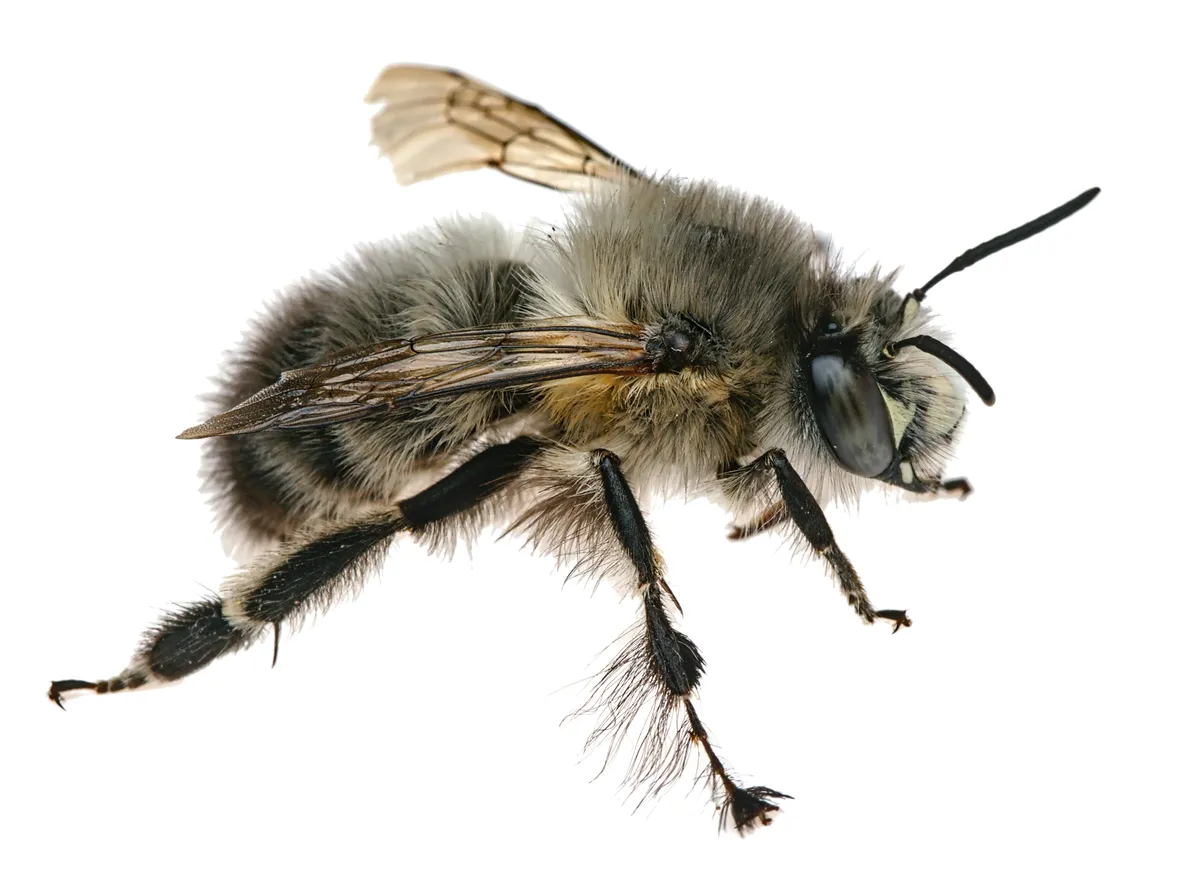
HEAD SENSORYLarge compound eyes, sophisticated antennae for chemical and environmental sensing. Complex mandibular structures adapted for nectar extraction and pollen manipulation.
BODY STRUCTUREMedium-sized bumble bee, approximately 15-20 mm in length. Body covered in dense, insulating hair with variable color patterns including black, yellow, and white bands.
Data Source: TaxonHub Database
Image Credit: USGS Bee Inventory and Monitoring Lab from Beltsville, Maryland, USA