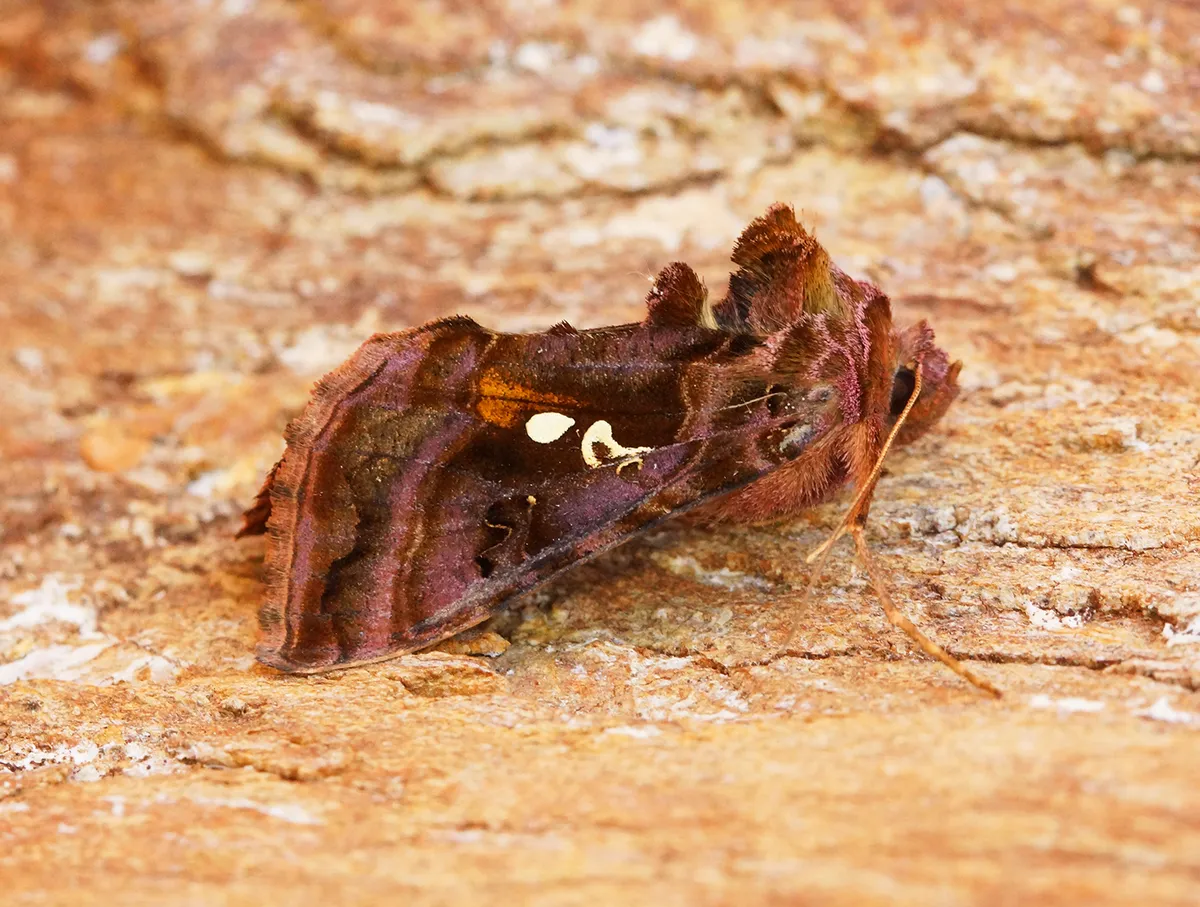
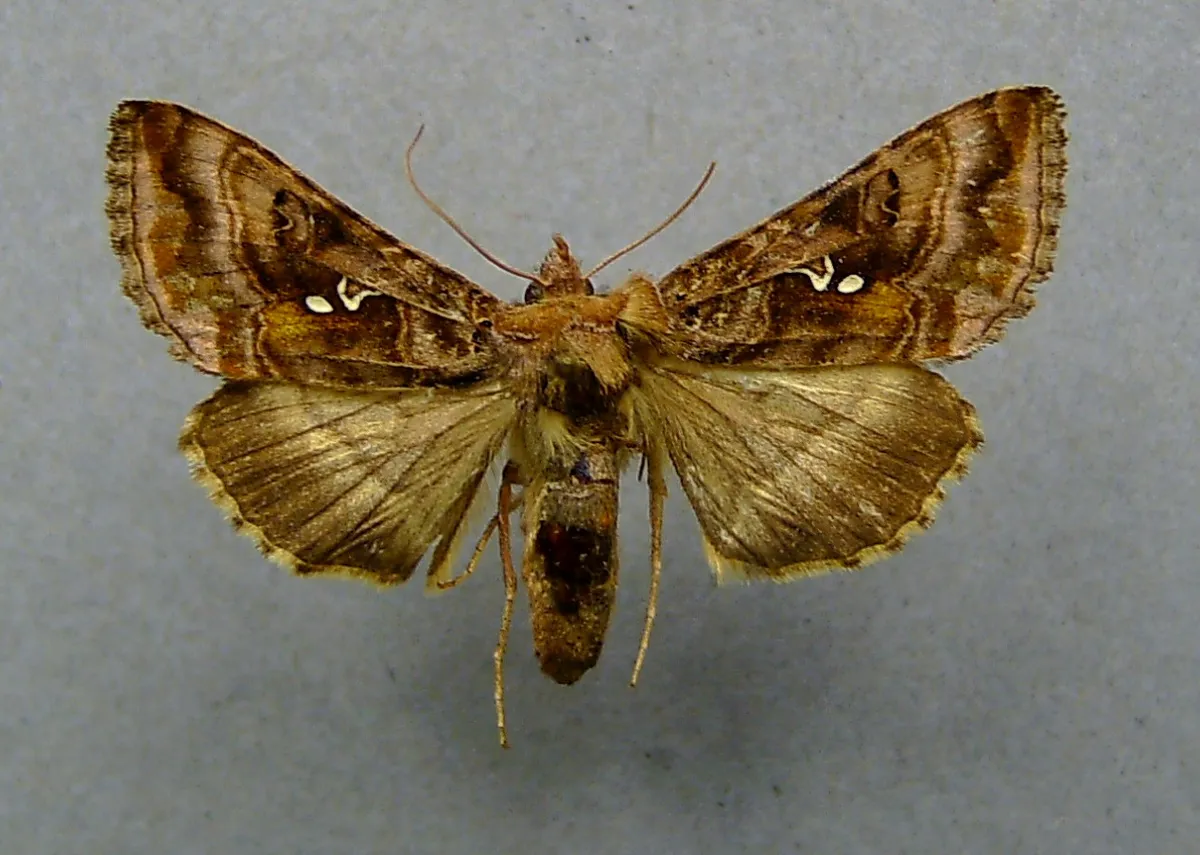
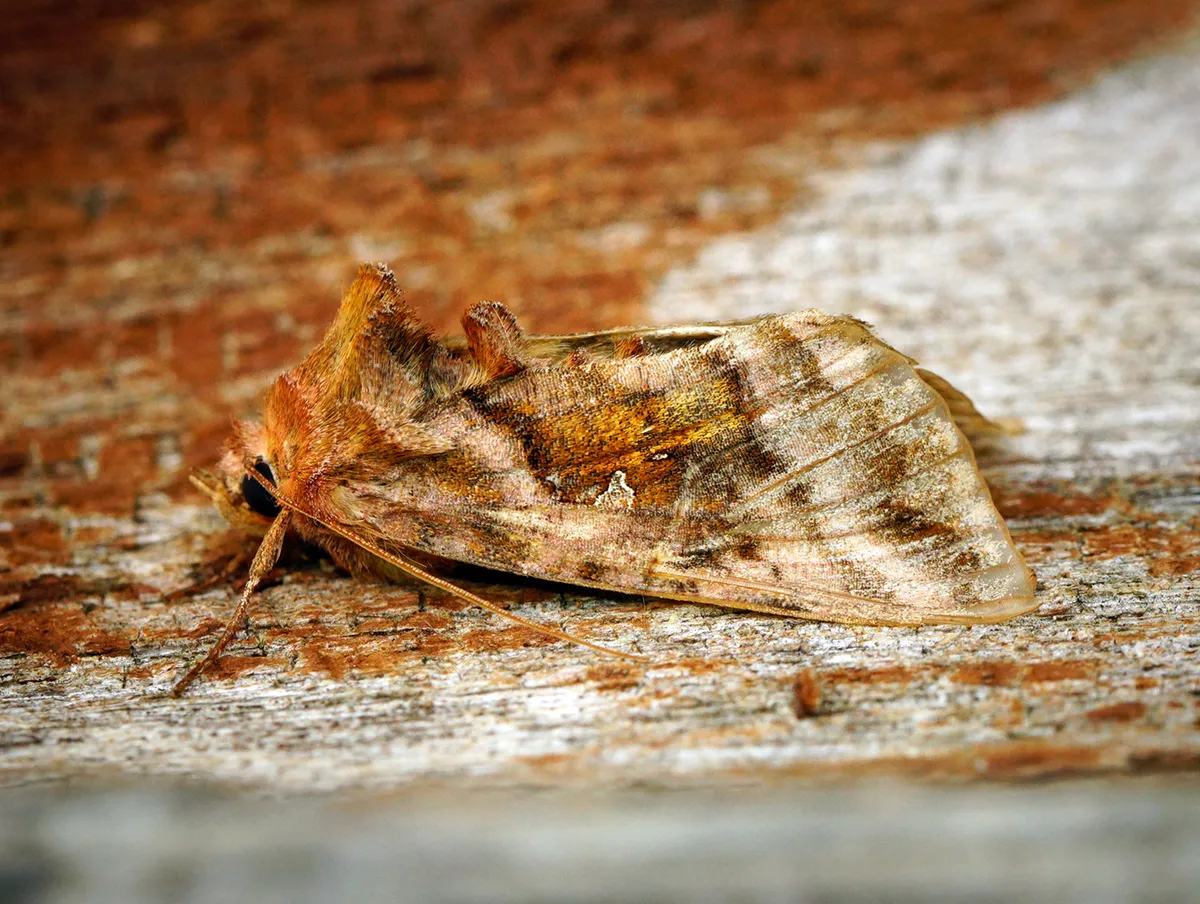
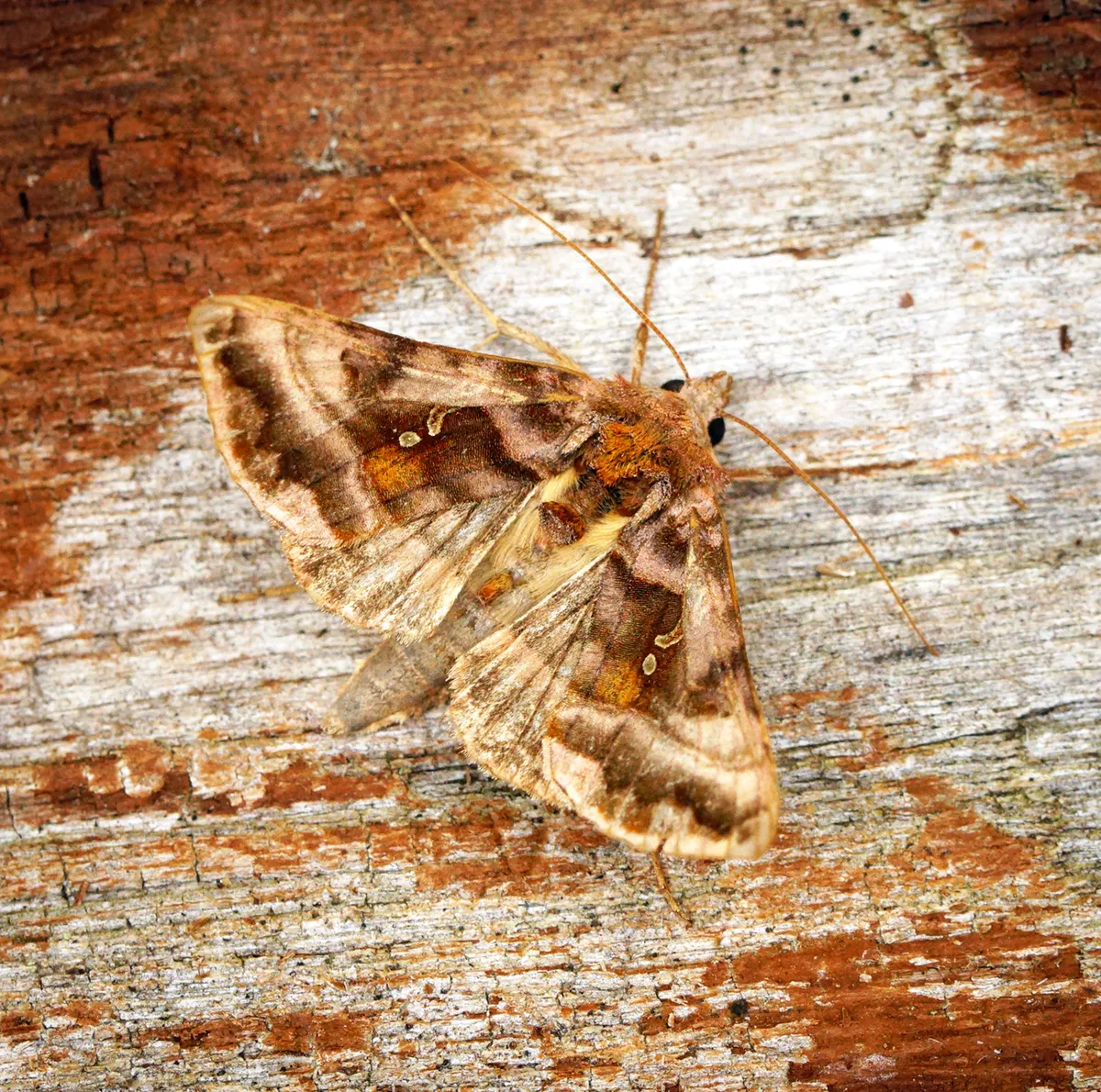
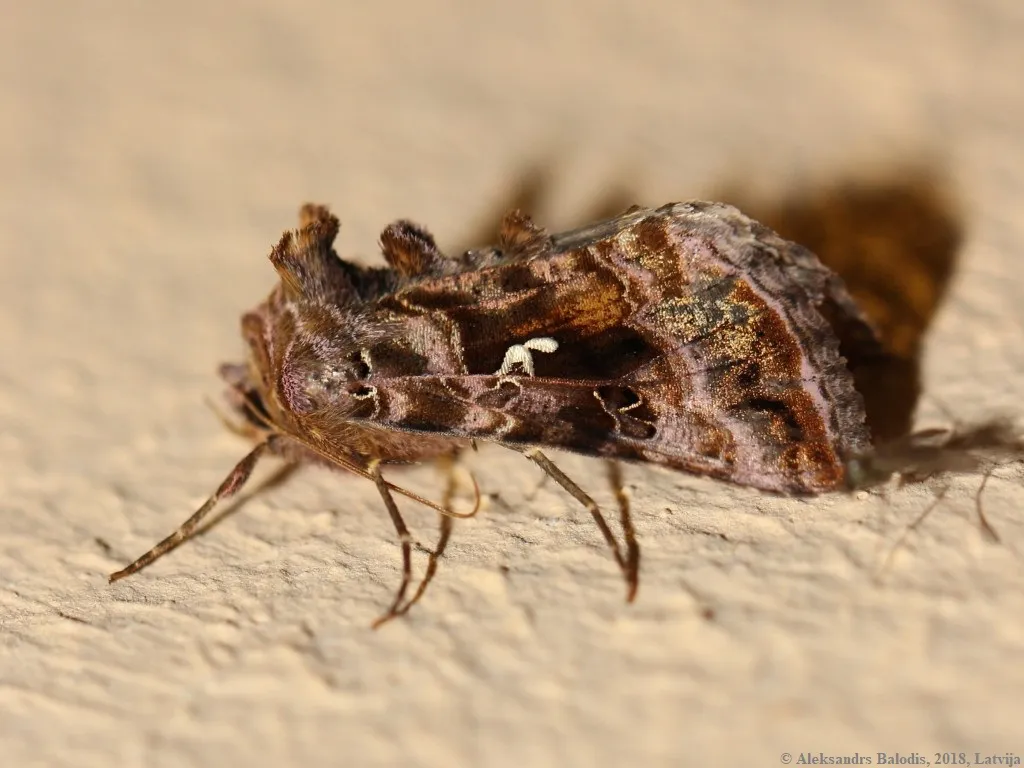
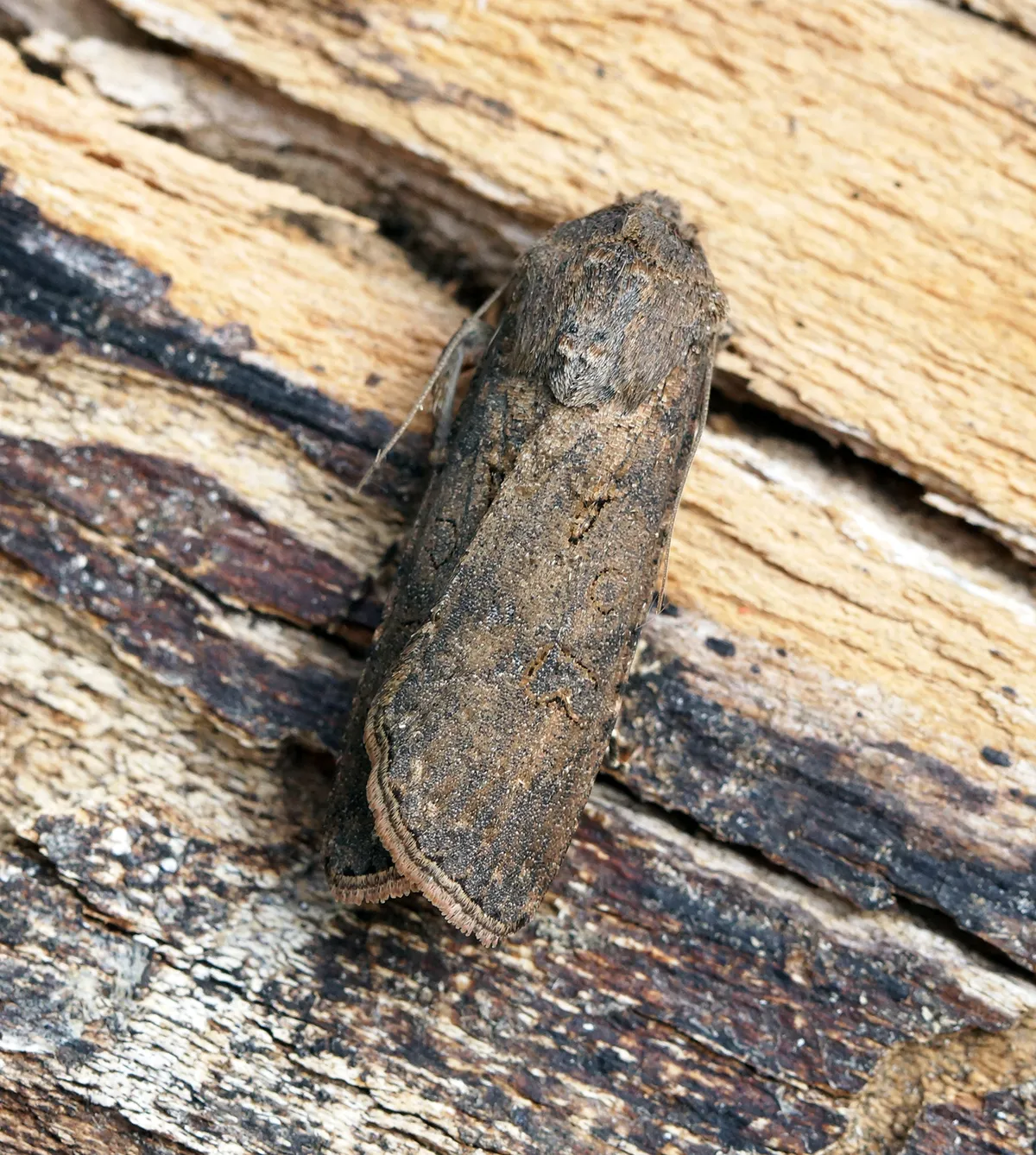
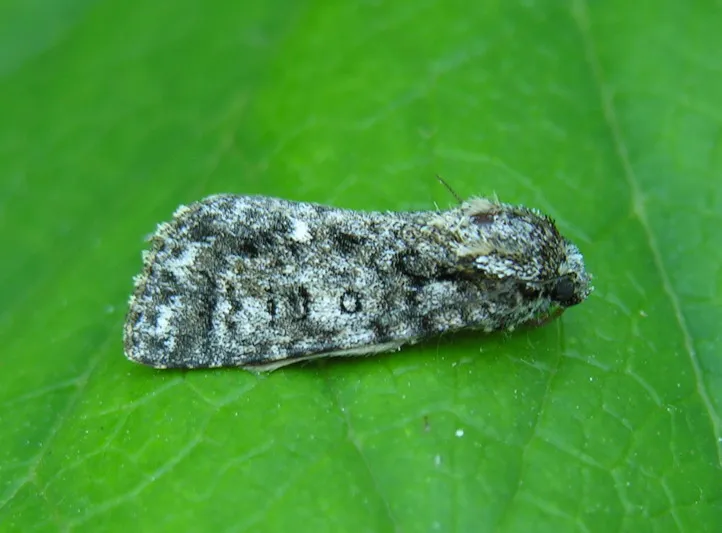
A nocturnal moth species belonging to the Noctuidae family, characterized by distinctive golden Y-shaped markings on its forewings. Native to temperate regions of Europe, particularly the United Kingdom.
Image Gallery
ADSENSE SLOT
Ecology & Habitat
Habitat
Woodland edges, grasslands, gardens, and agricultural landscapes with herbaceous vegetation. Predominantly found in temperate and cool climatic zones across northern Europe.
Ecological Role
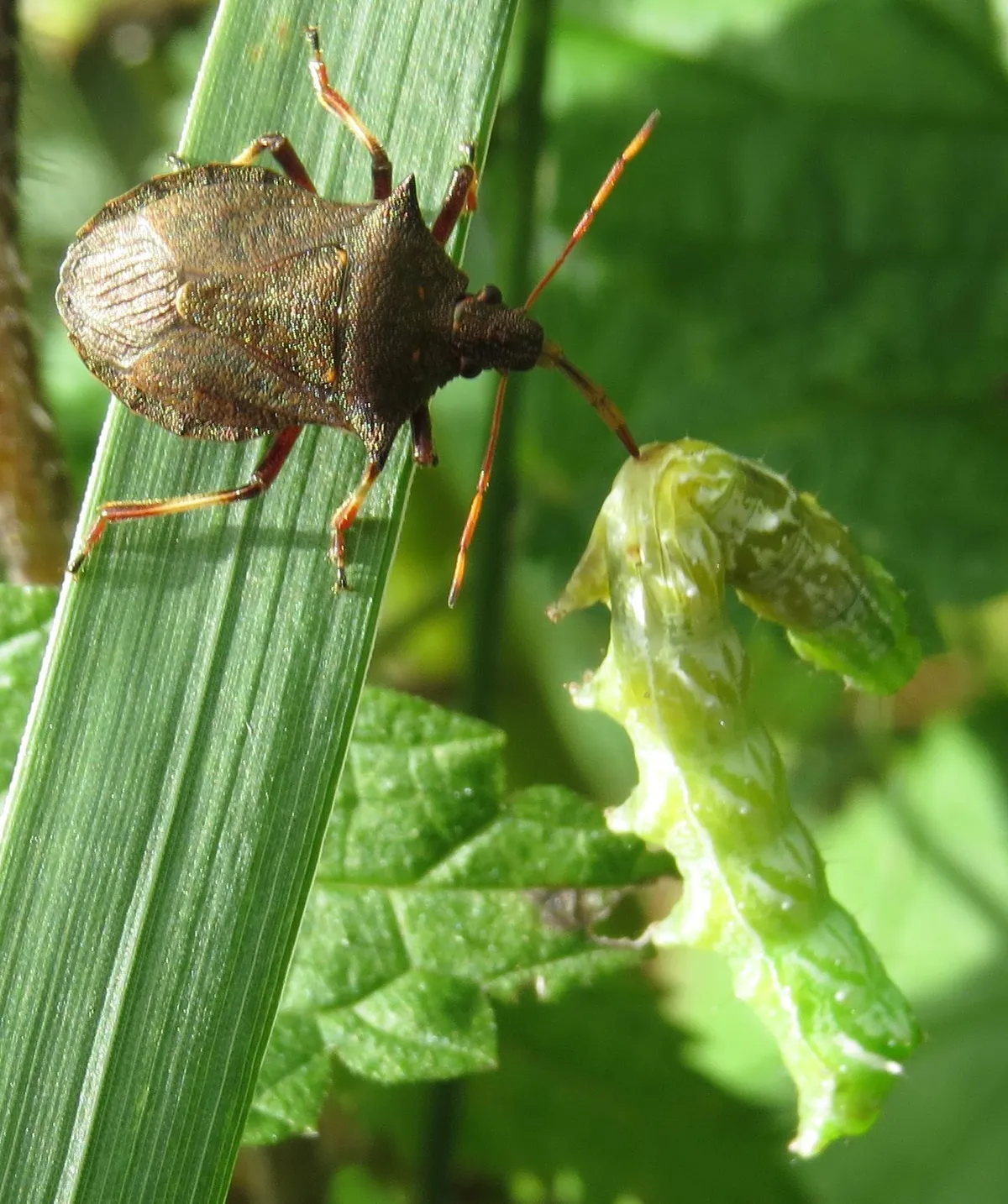
Important pollinator and prey species in ecosystem food webs. Larvae serve as food for birds, bats, and small predatory mammals. Caterpillars contribute to plant population dynamics by feeding on various herbaceous plants.
Morphology
SKIN COATScales covering body and wings, providing camouflage and thermal regulation
LIMBS WINGSScaled wings with intricate golden and brown patterns. Six segmented legs adapted for perching on vegetation.
HEAD SENSORYCompound eyes, sensitive antennae for detecting pheromones and environmental cues. Proboscis for nectar feeding.
BODY STRUCTURESmall to medium-sized moth with wingspan of 35-45 mm. Forewings predominantly gray-brown with distinctive metallic golden Y-shaped markings.
Data Source: TaxonHub Database
Image Credit: Ben Sale from Stevenage, UK