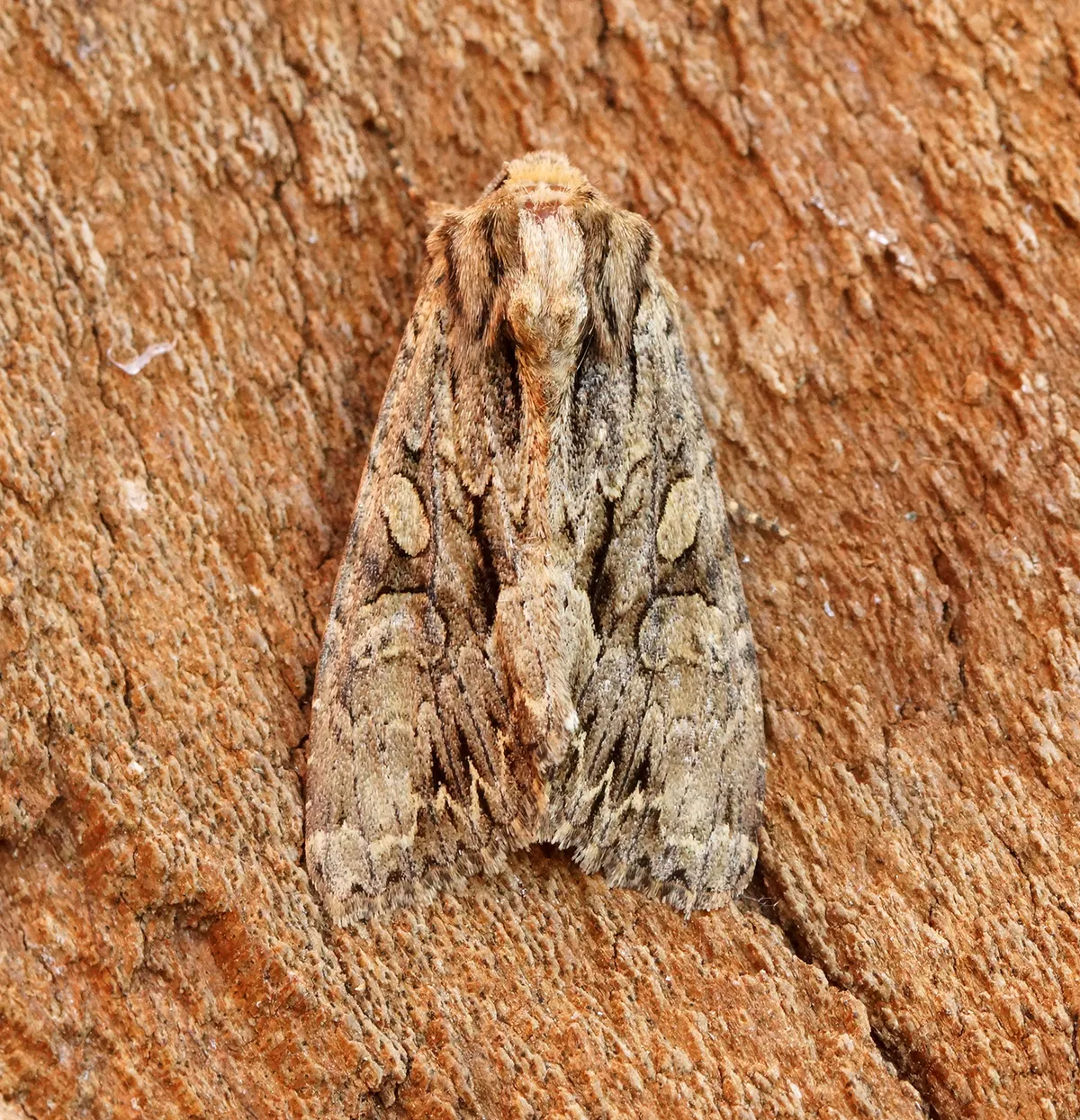
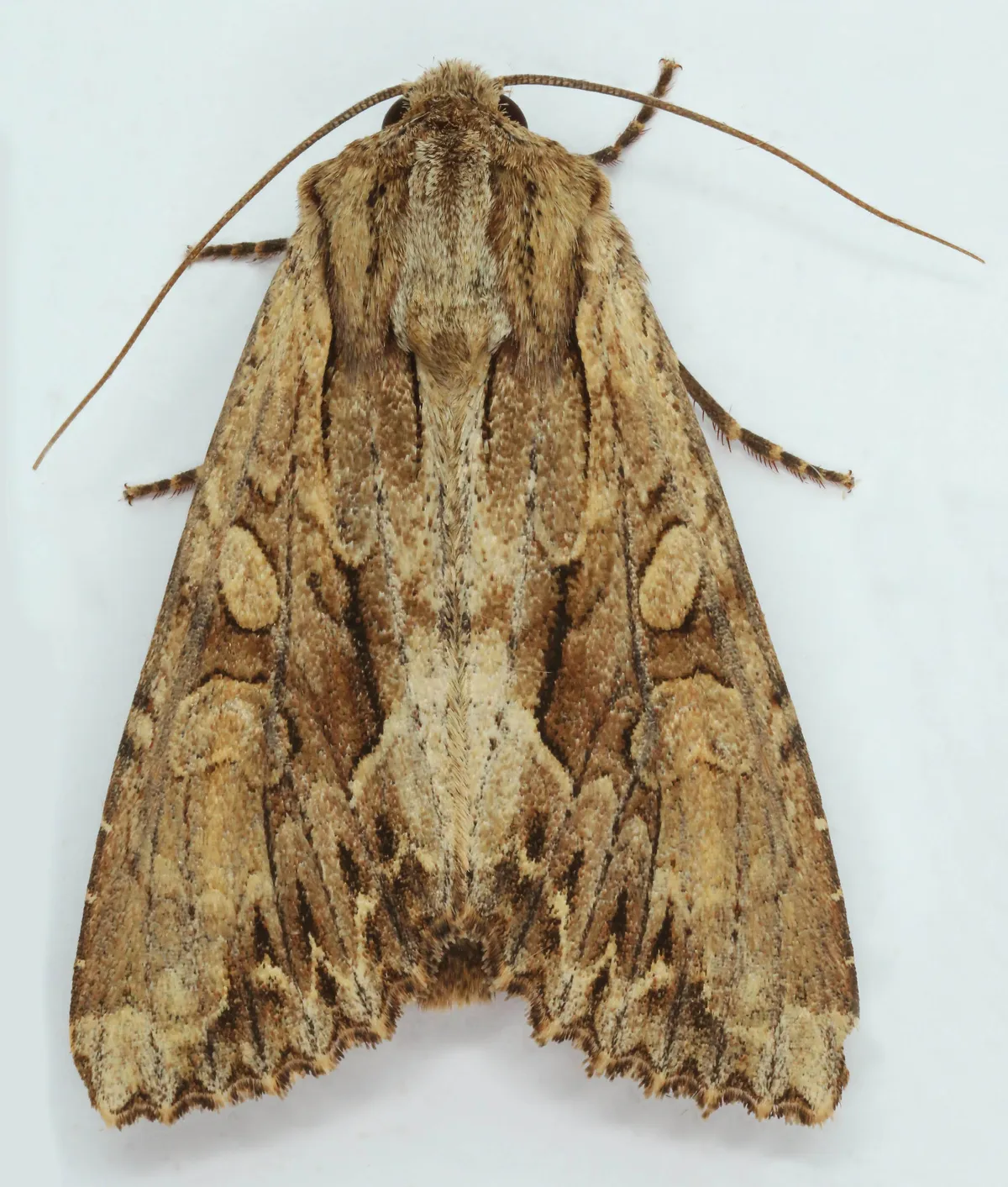
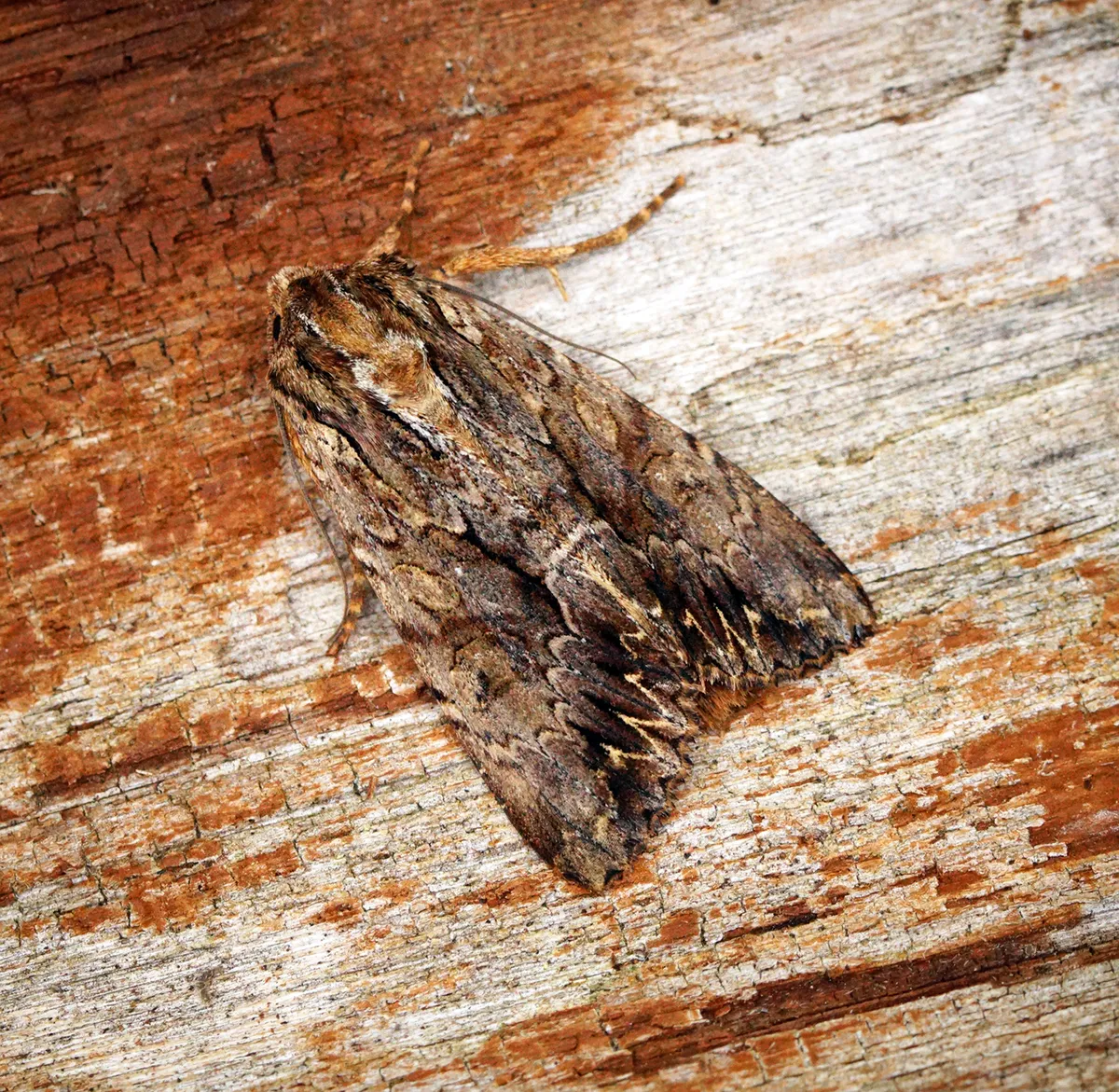
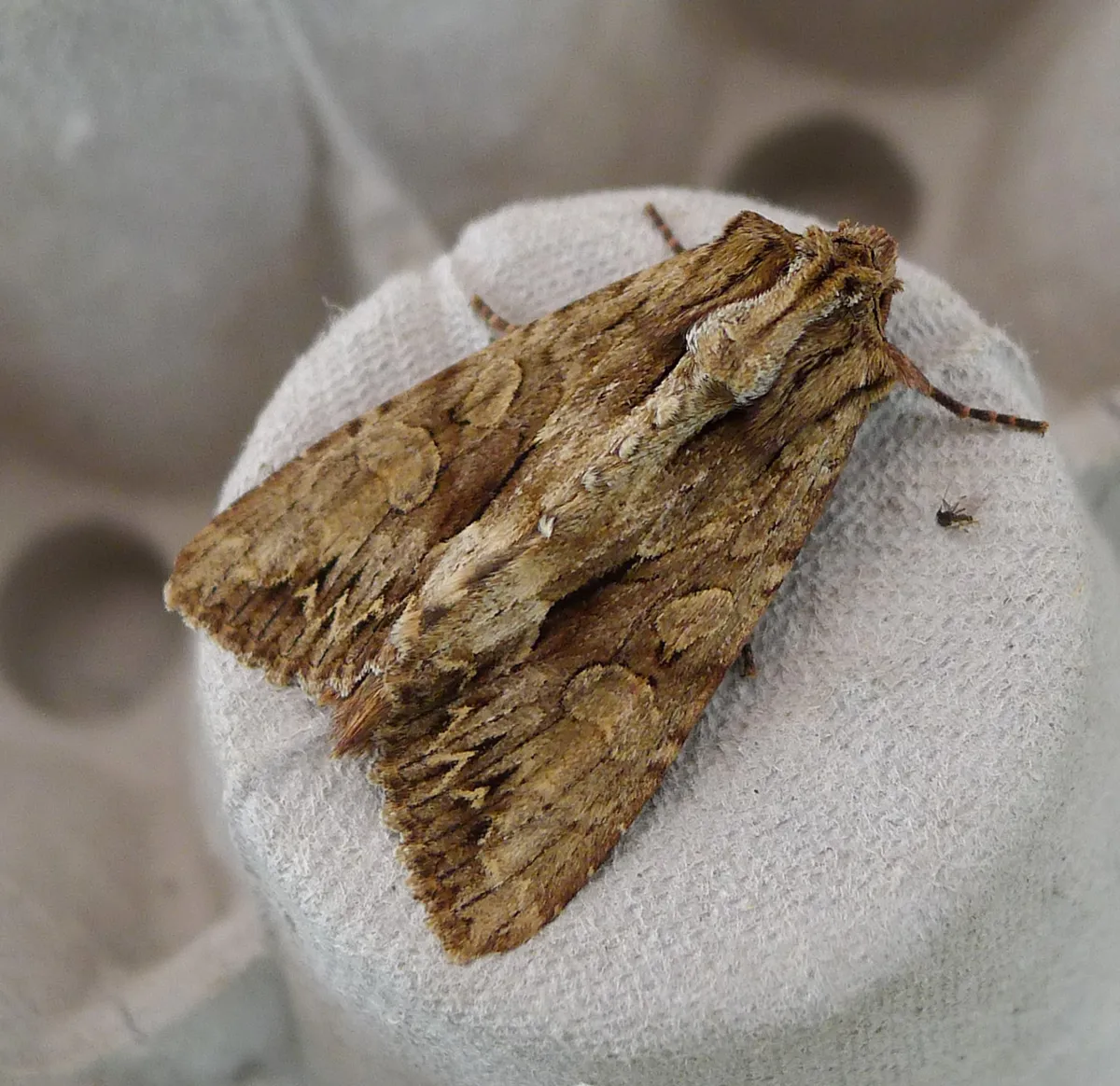
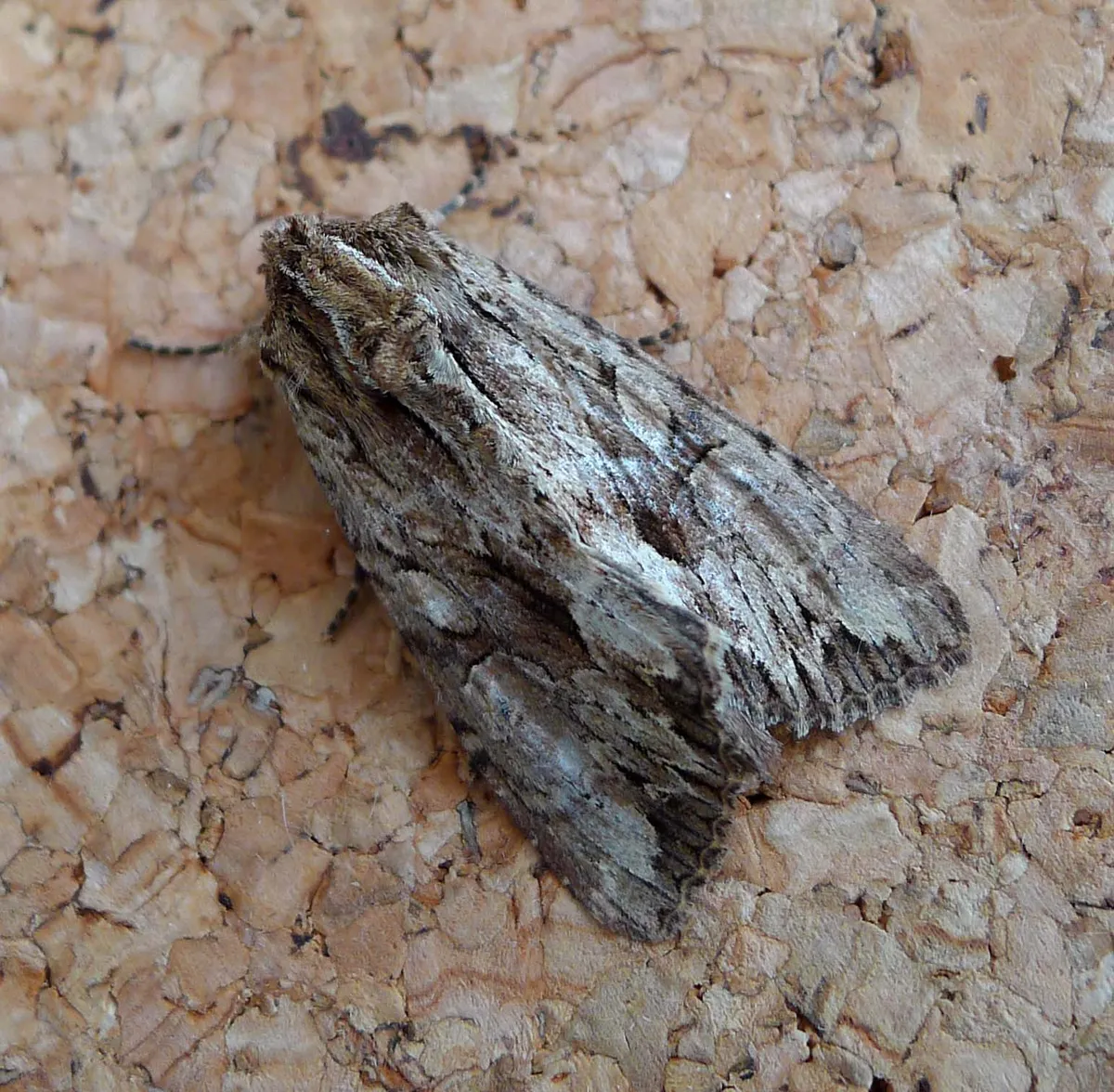
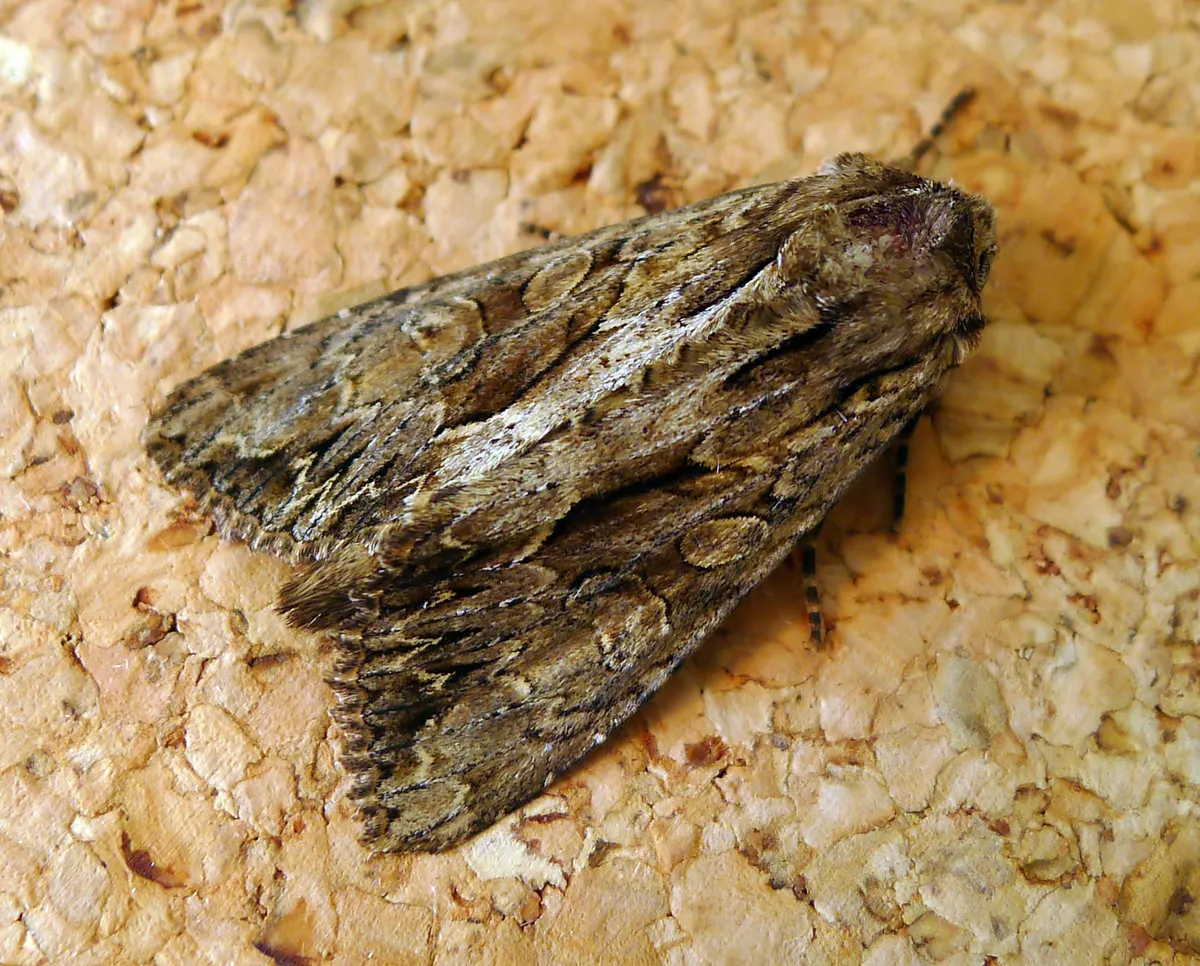
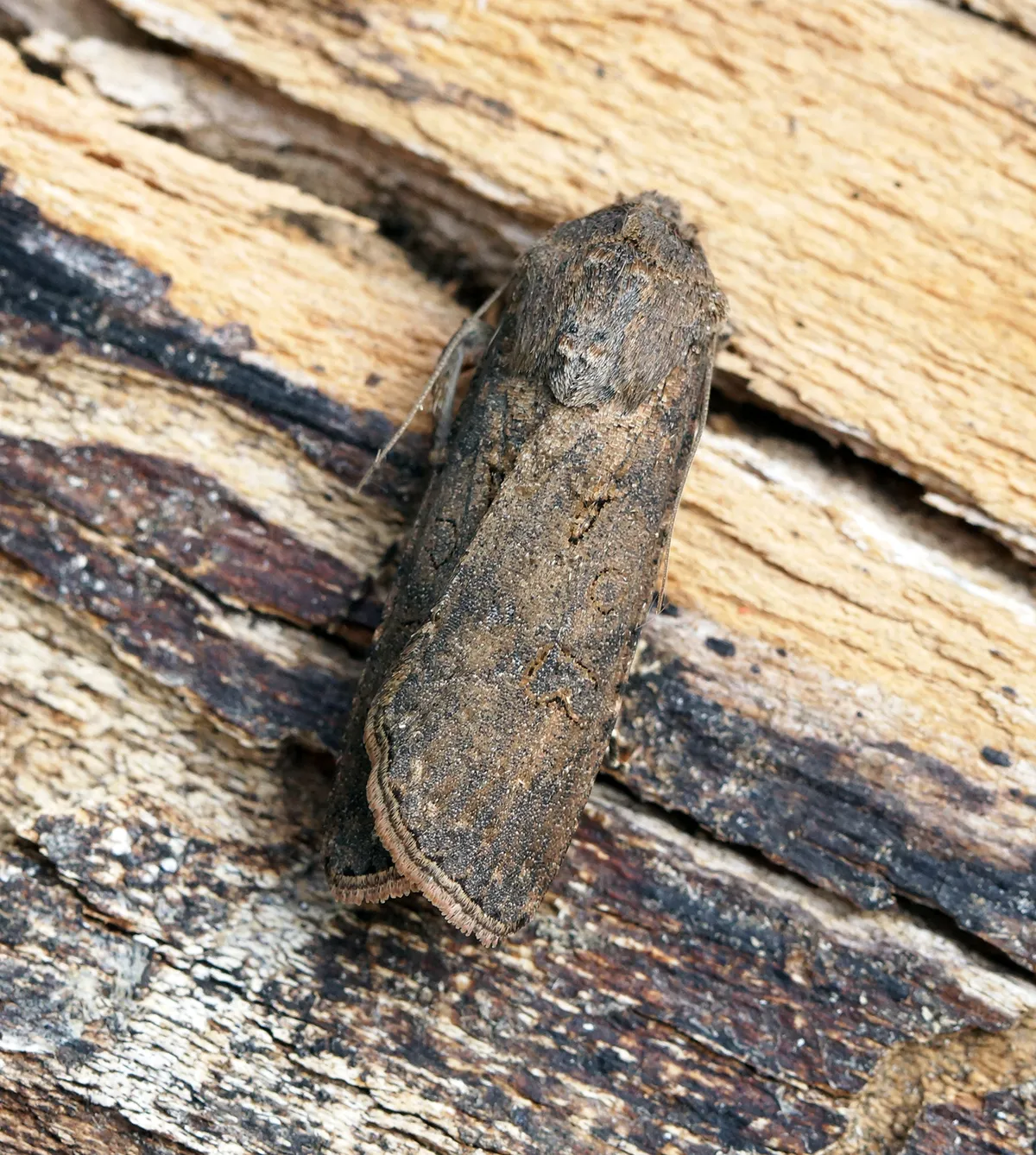
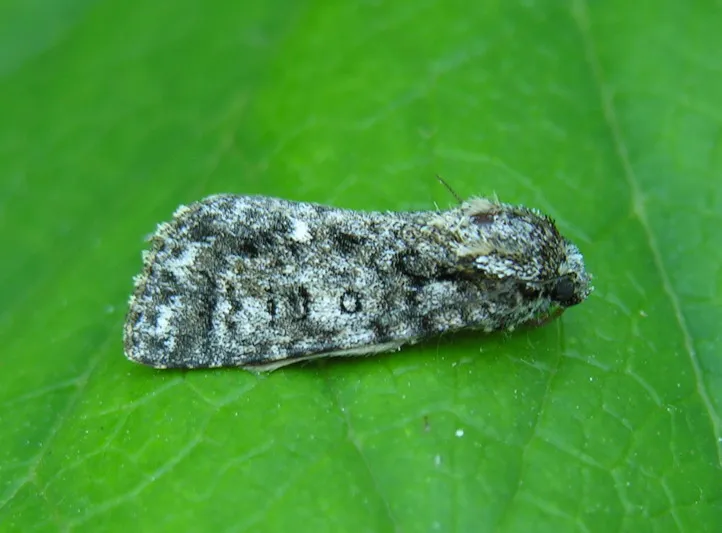
A nocturnal moth species belonging to the Noctuidae family, commonly found across Europe. Notable for its cryptic camouflage and nocturnal behavior, this species is an important component of temperate forest and grassland ecosystems.
Image Gallery
ADSENSE SLOT
Ecology & Habitat
Habitat
Widespread in temperate grasslands, woodland edges, meadows, and gardens across Europe. Typically found at elevations ranging from sea level to 1,500 meters, preferring areas with moderate humidity and diverse vegetation.
Ecological Role
Plays a crucial role in ecosystem dynamics as a pollinator and prey species. Moth larvae serve as important food sources for birds, bats, and other insectivorous predators, contributing to local biodiversity and food web interactions.
Morphology
SKIN COATCovered in dense scales providing thermal insulation and camouflage
LIMBS WINGSTwo pairs of scaled wings, forewings predominately brown with intricate dark markings, hindwings lighter and more uniformly colored
HEAD SENSORYCompound eyes, short antennae, typical lepidopteran sensory structures for nocturnal navigation and environmental detection
BODY STRUCTUREMedium-sized moth with wingspan of 40-50 mm, characterized by mottled brown and gray wing patterns providing excellent camouflage against tree bark and vegetation
Data Source: TaxonHub Database
Image Credit: Ben Sale from Stevenage, UK