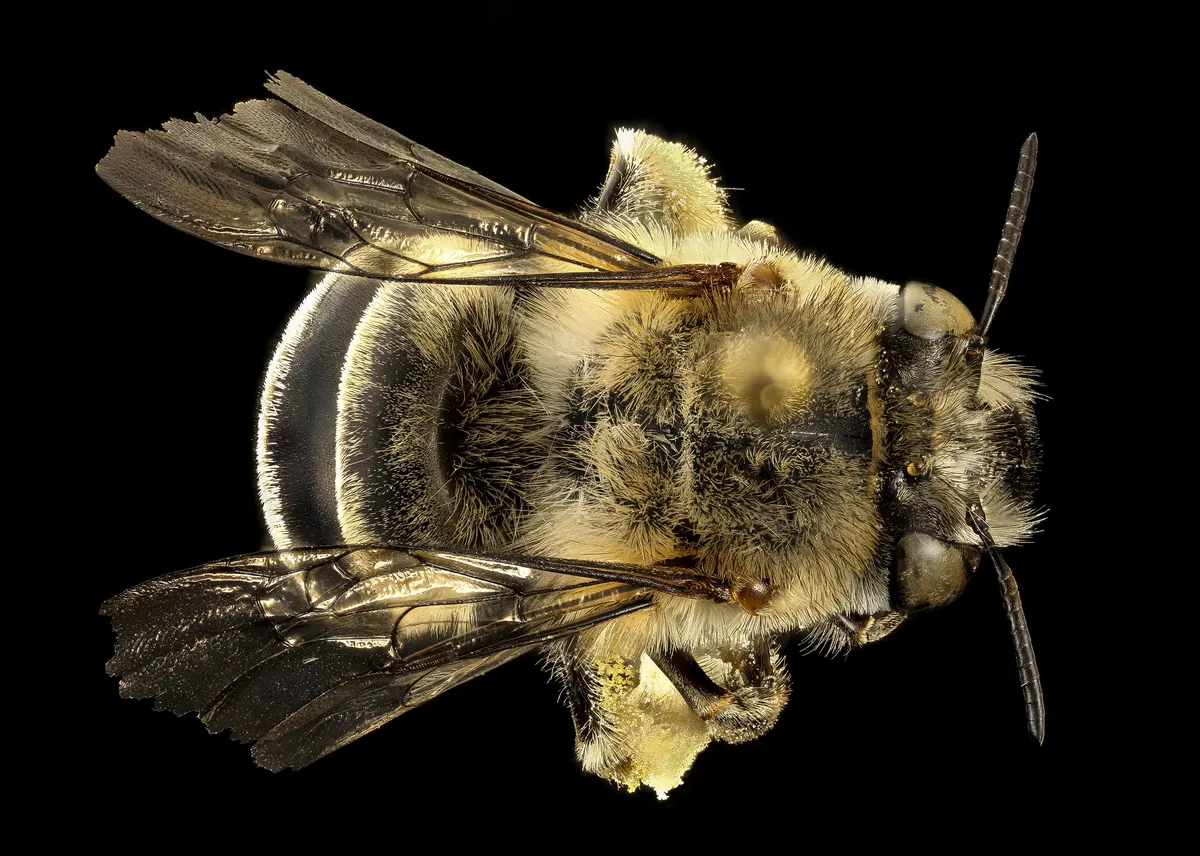
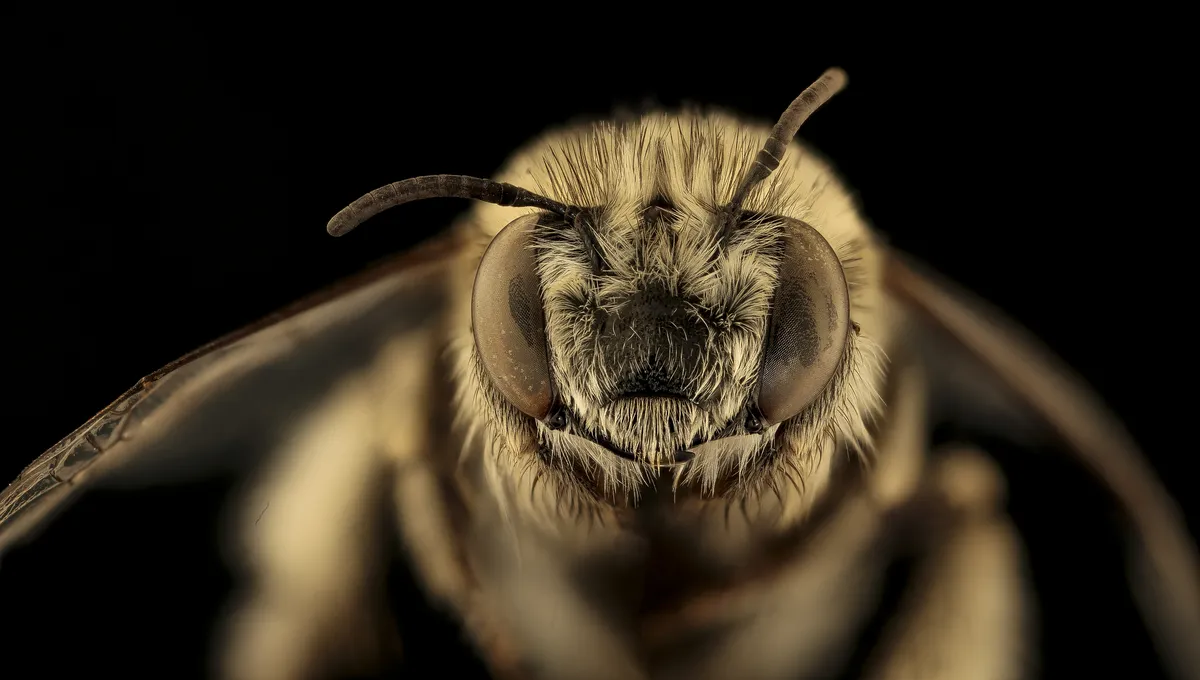
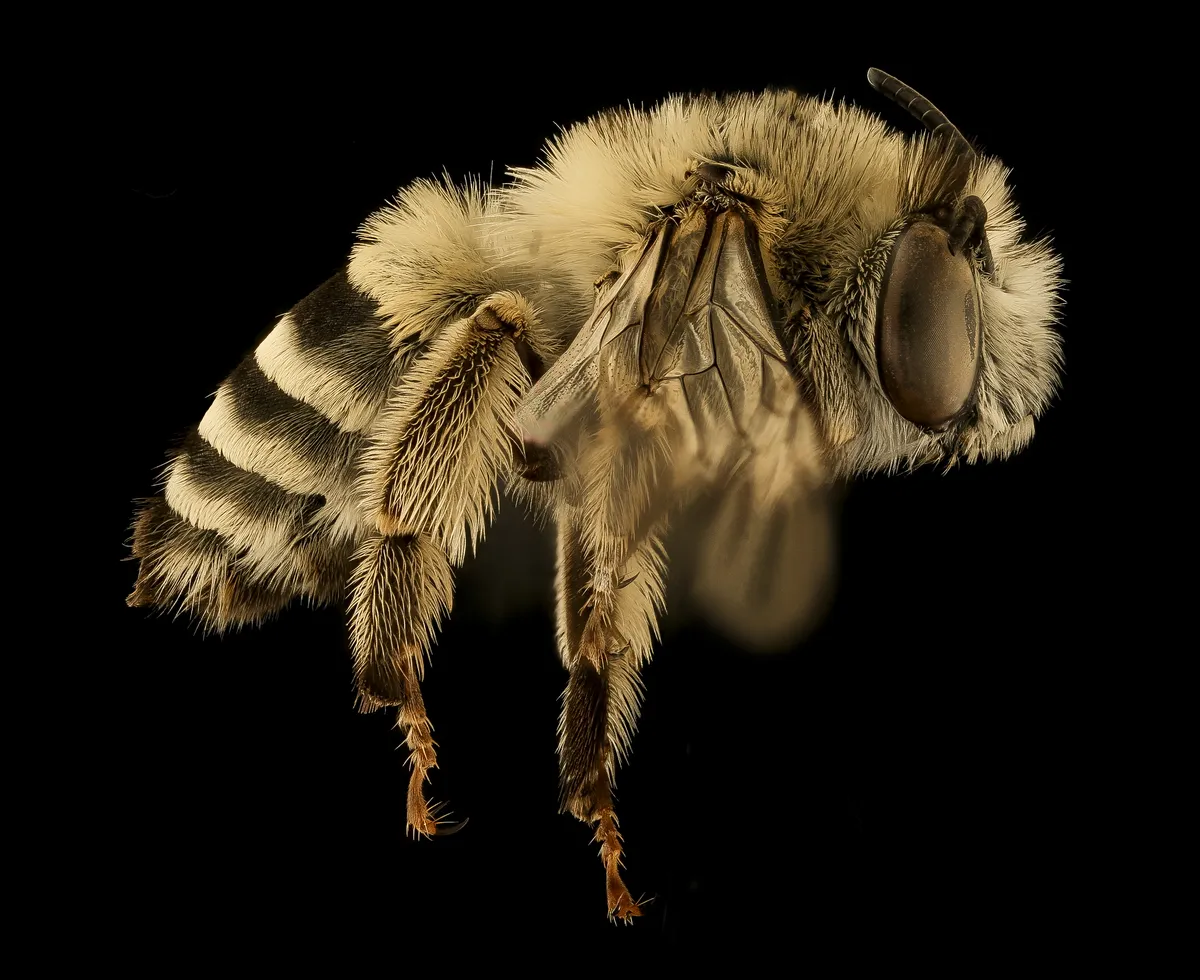
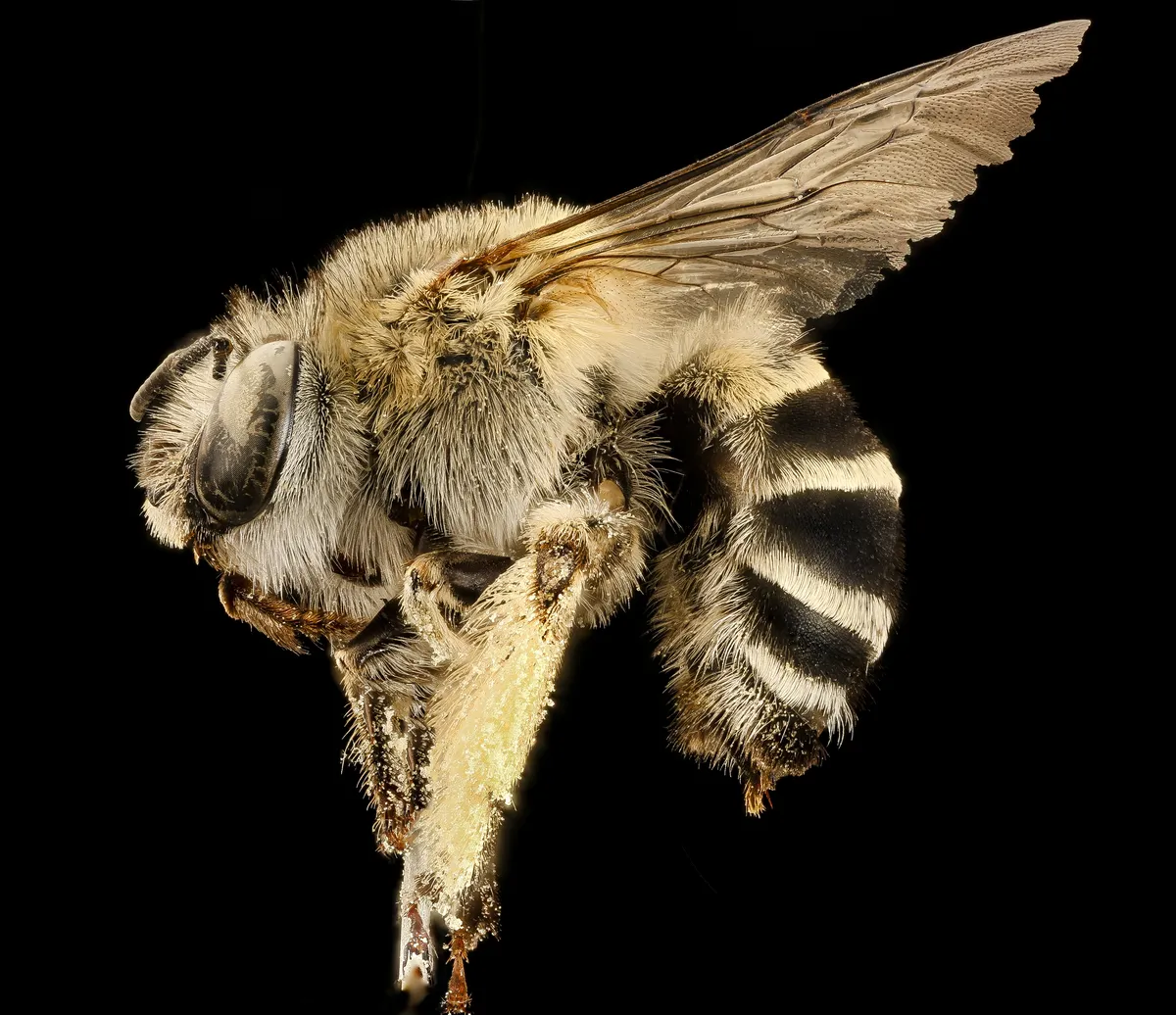
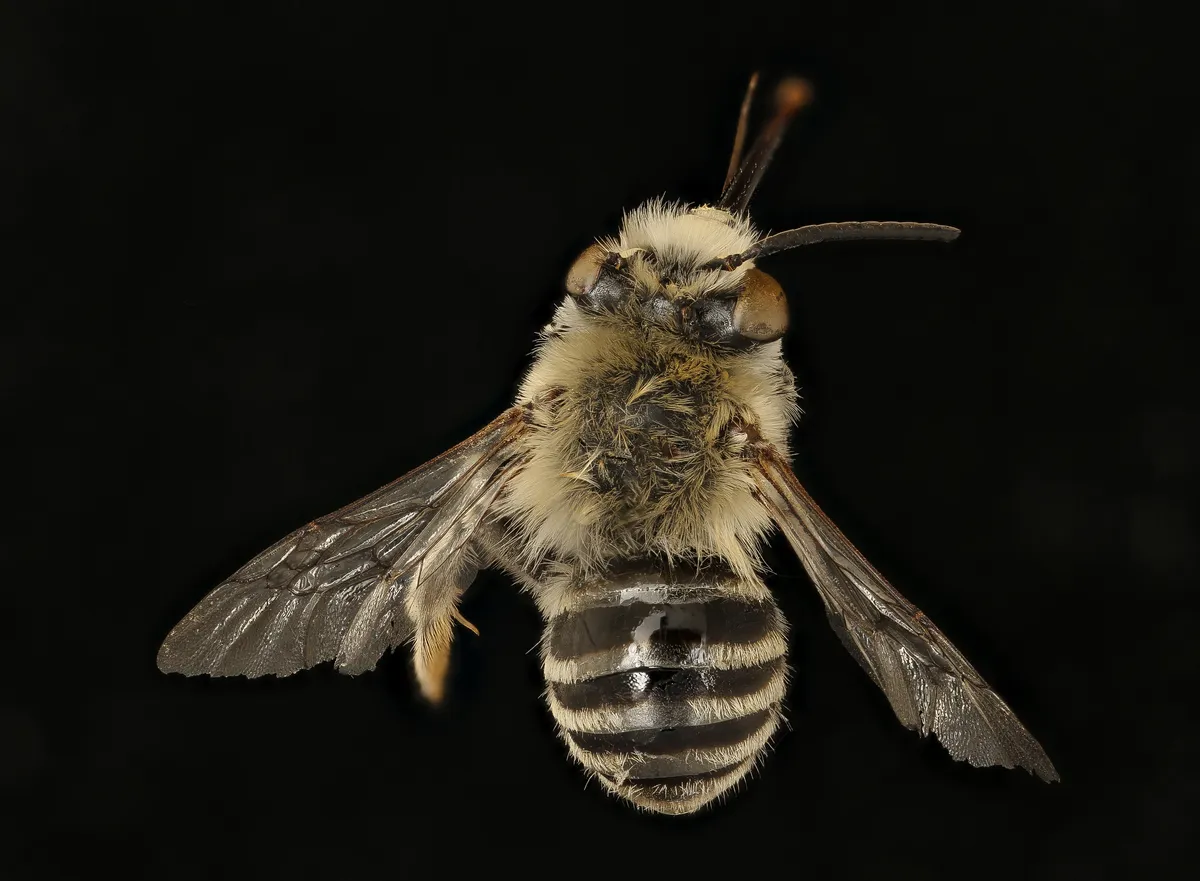
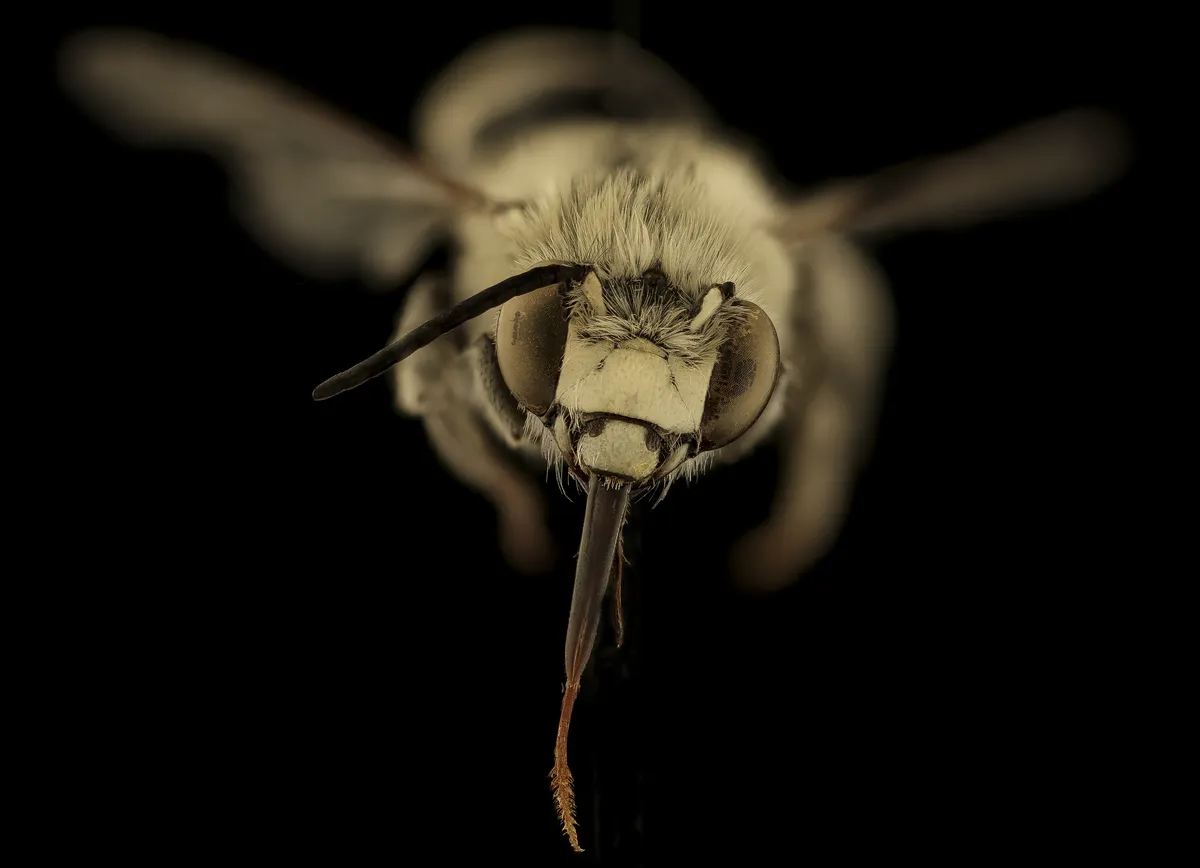
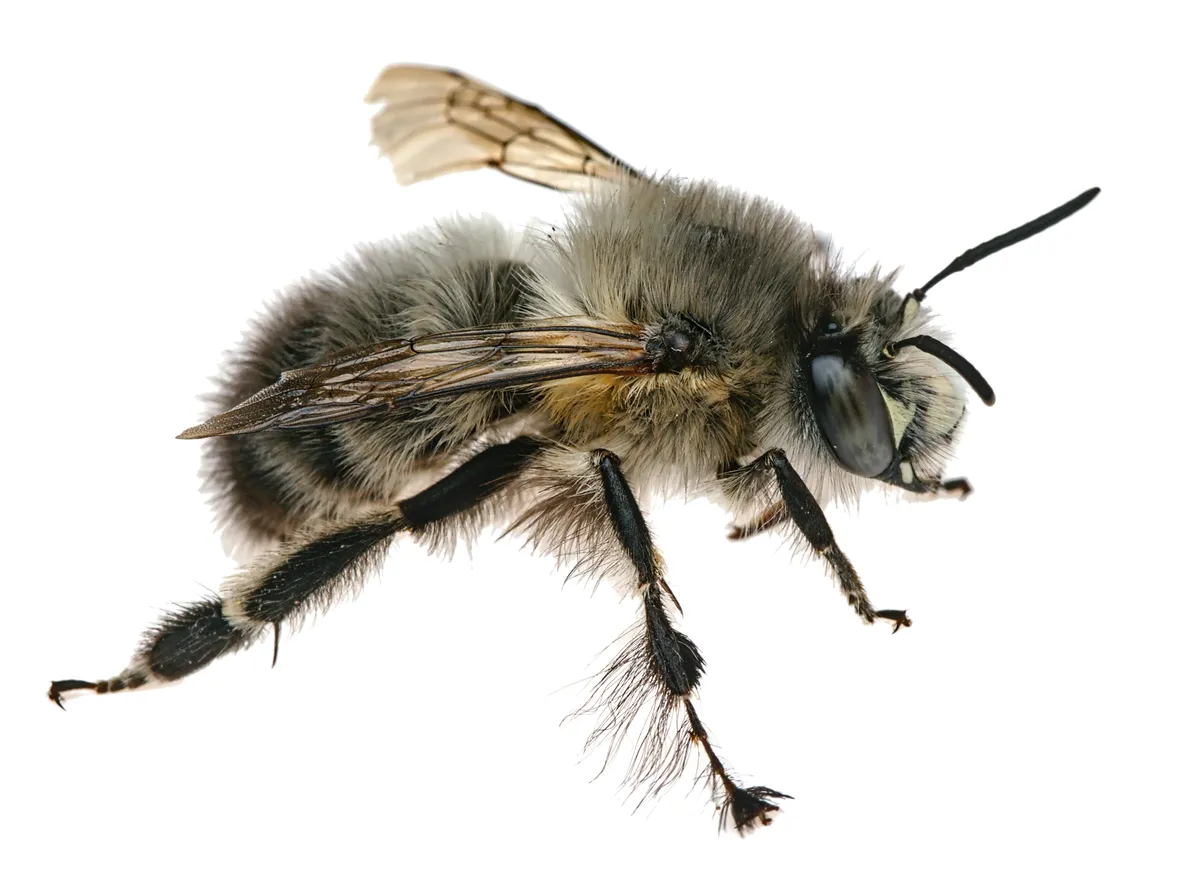
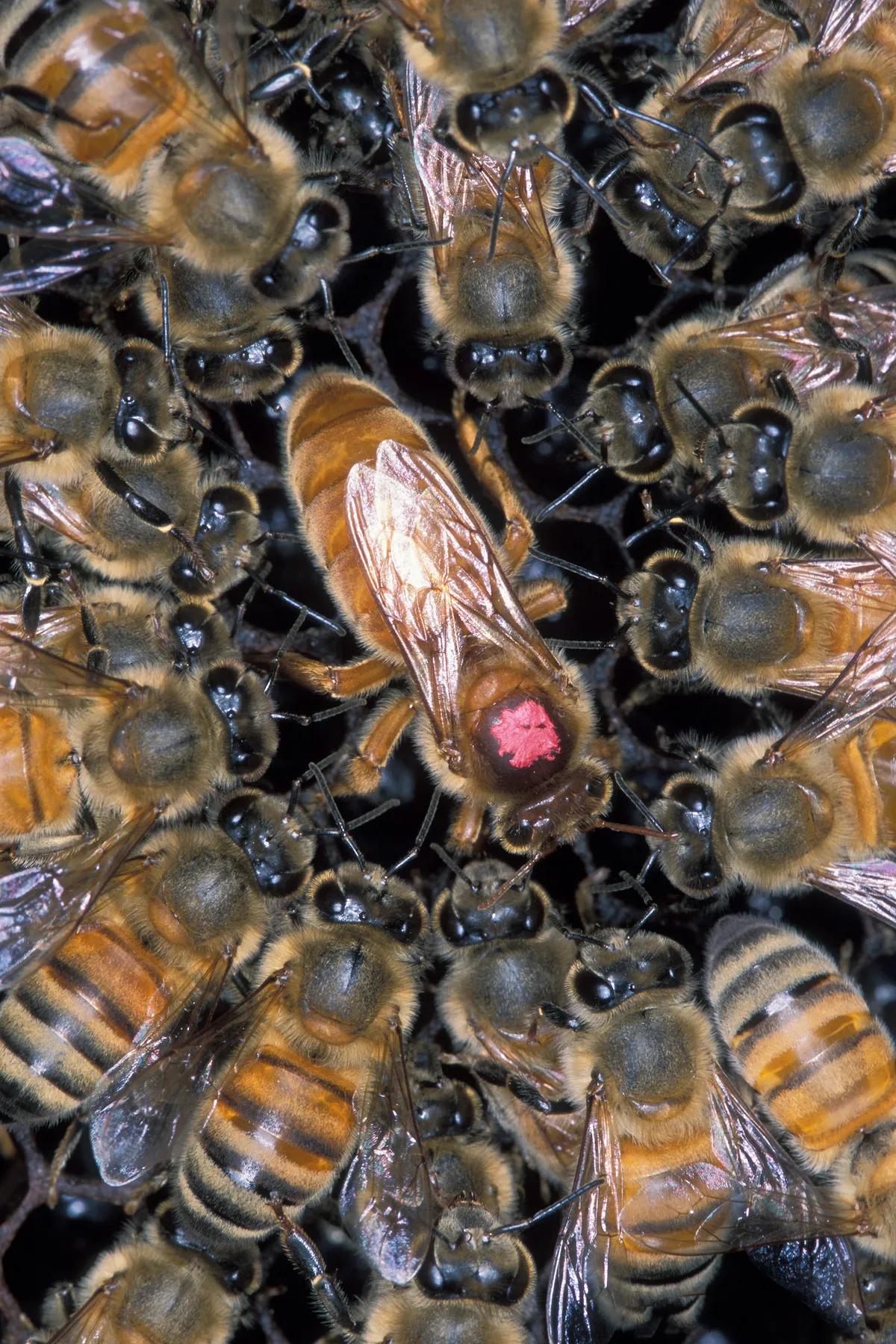
Anthophora urbana is a solitary bee species native to North America, first described by Cresson in 1879. A member of the Apidae family, this bee is characterized by its specialized ecological adaptations in urban and suburban environments.
Image Gallery
ADSENSE SLOT
Ecology & Habitat
Habitat
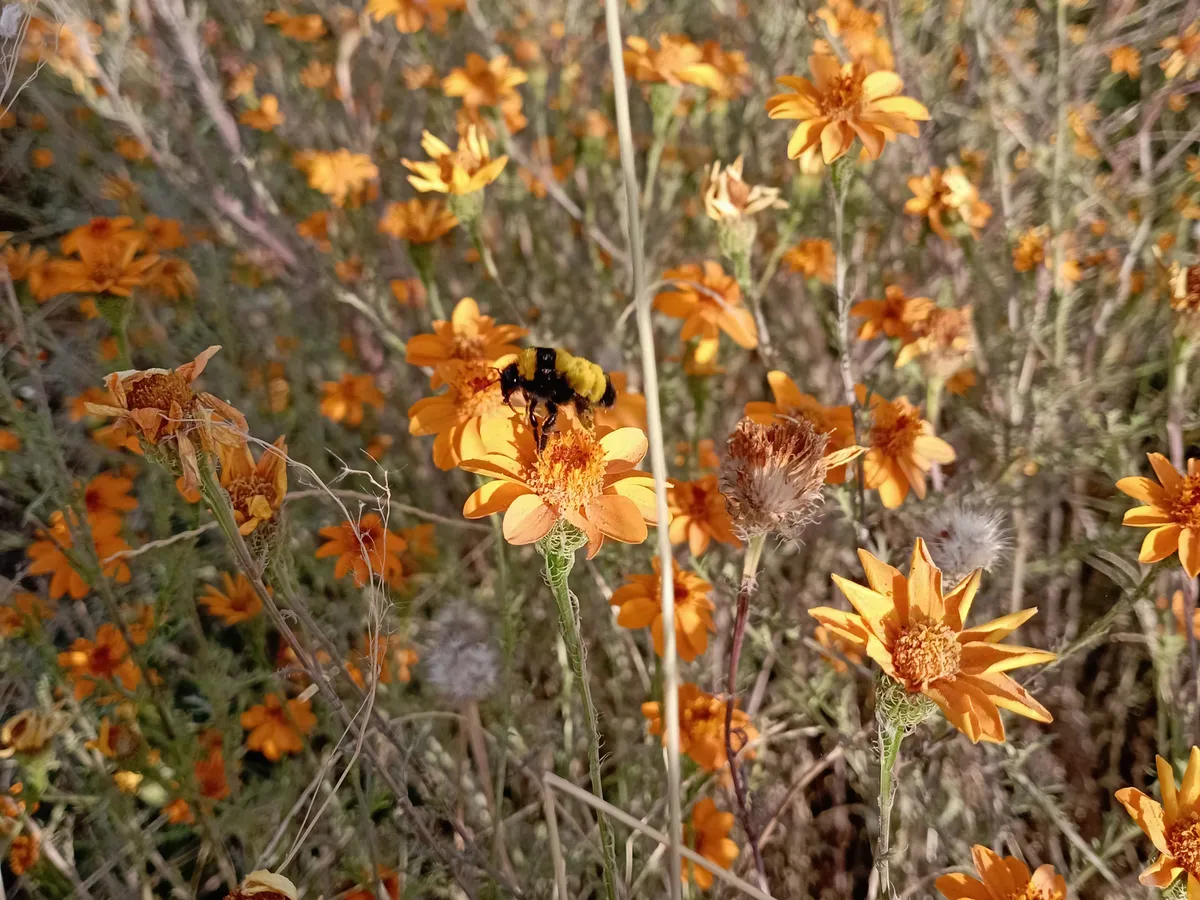
Predominantly found in urban and suburban landscapes across North America, with distributions ranging from grasslands to garden ecosystems. Prefers areas with diverse flowering plant species and suitable nesting sites in soil or exposed earth banks.
Ecological Role
Critical pollinator for urban and suburban plant communities, contributing to local ecosystem biodiversity and plant reproduction. Plays a significant role in maintaining genetic diversity of native flowering plants.
Morphology
SKIN COATDense pubescence covering body, providing thermal regulation and protection
LIMBS WINGSSpecialized pollen-collecting hairs on legs, two pairs of membranous wings for efficient flight
HEAD SENSORYWell-developed compound eyes, sensitive antennae for navigation and chemical detection
BODY STRUCTUREMedium-sized bee, approximately 12-15 mm in length, with robust body design typical of Anthophora genus
Data Source: TaxonHub Database
Image Credit: USGS Bee Inventory and Monitoring Lab from Beltsville, Maryland, USA