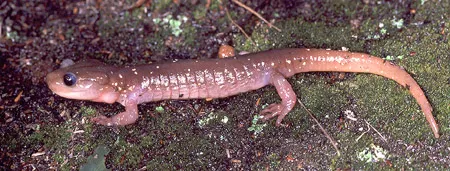
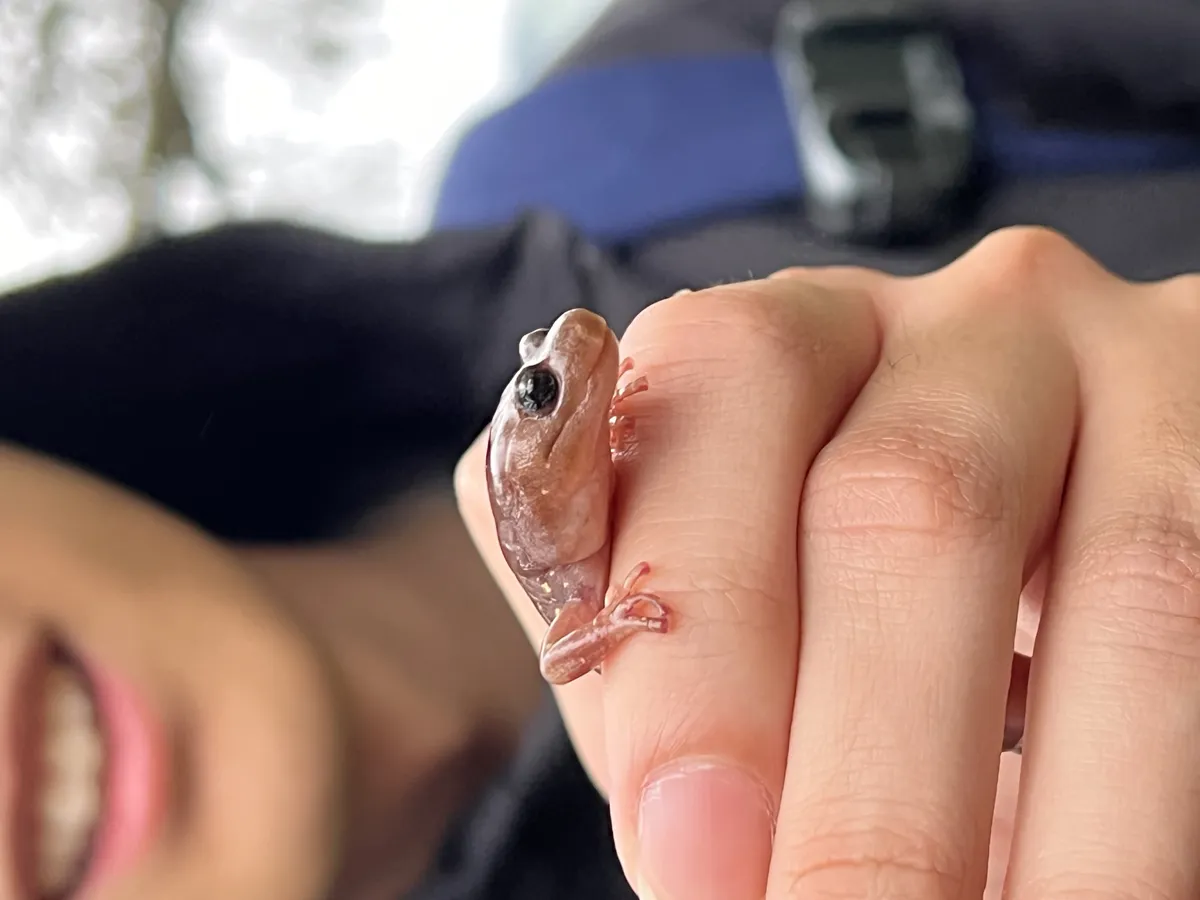
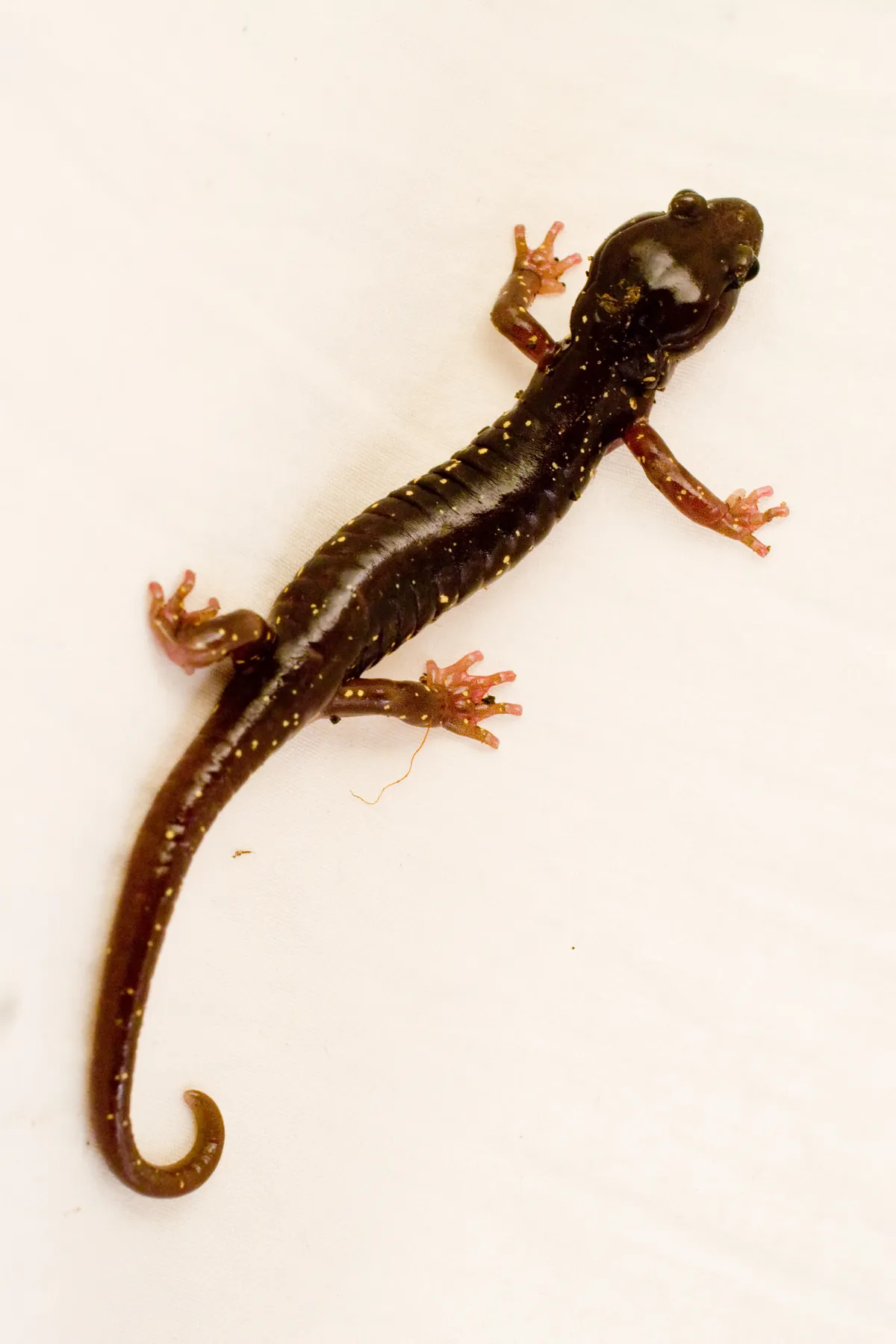
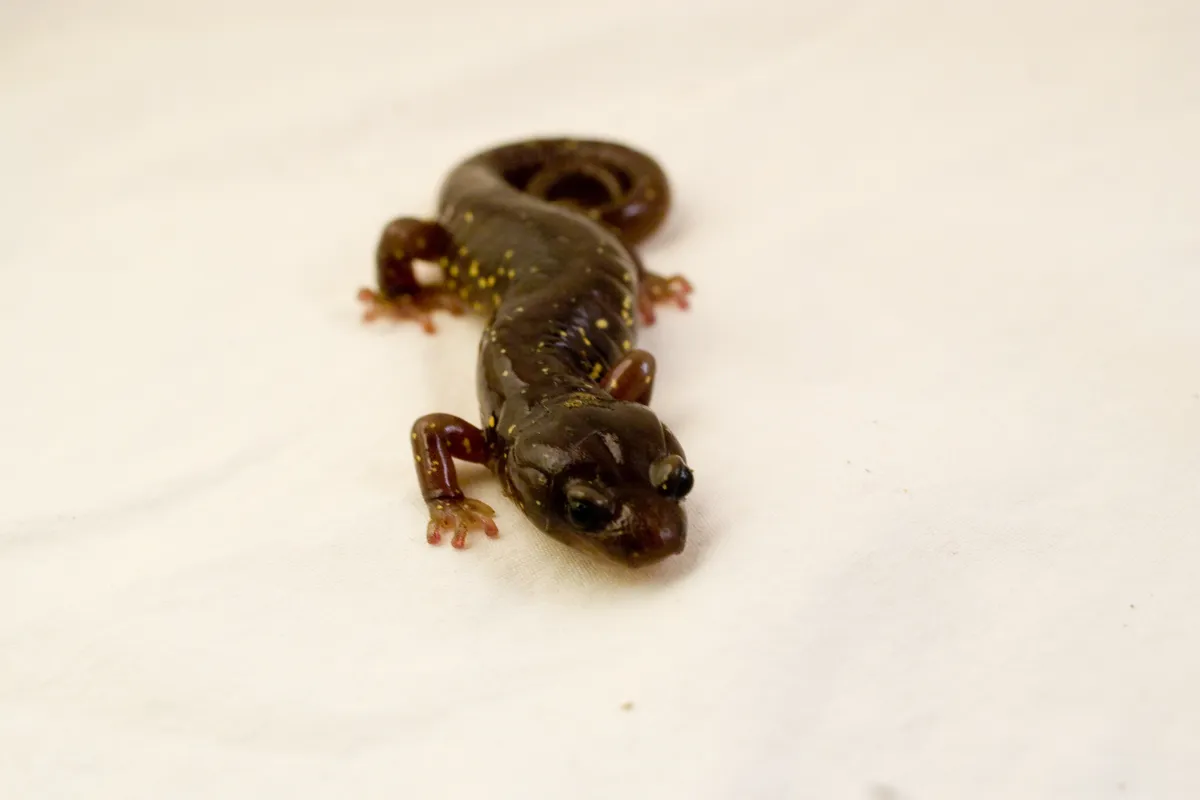
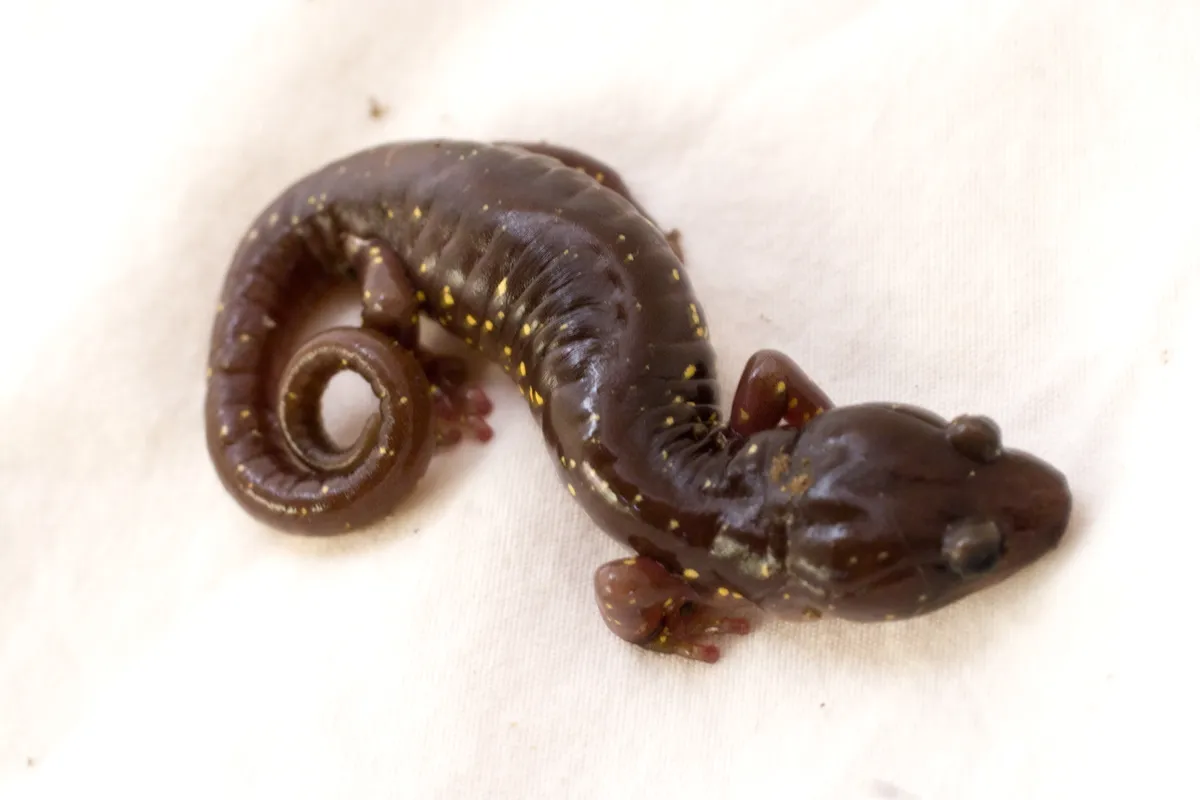
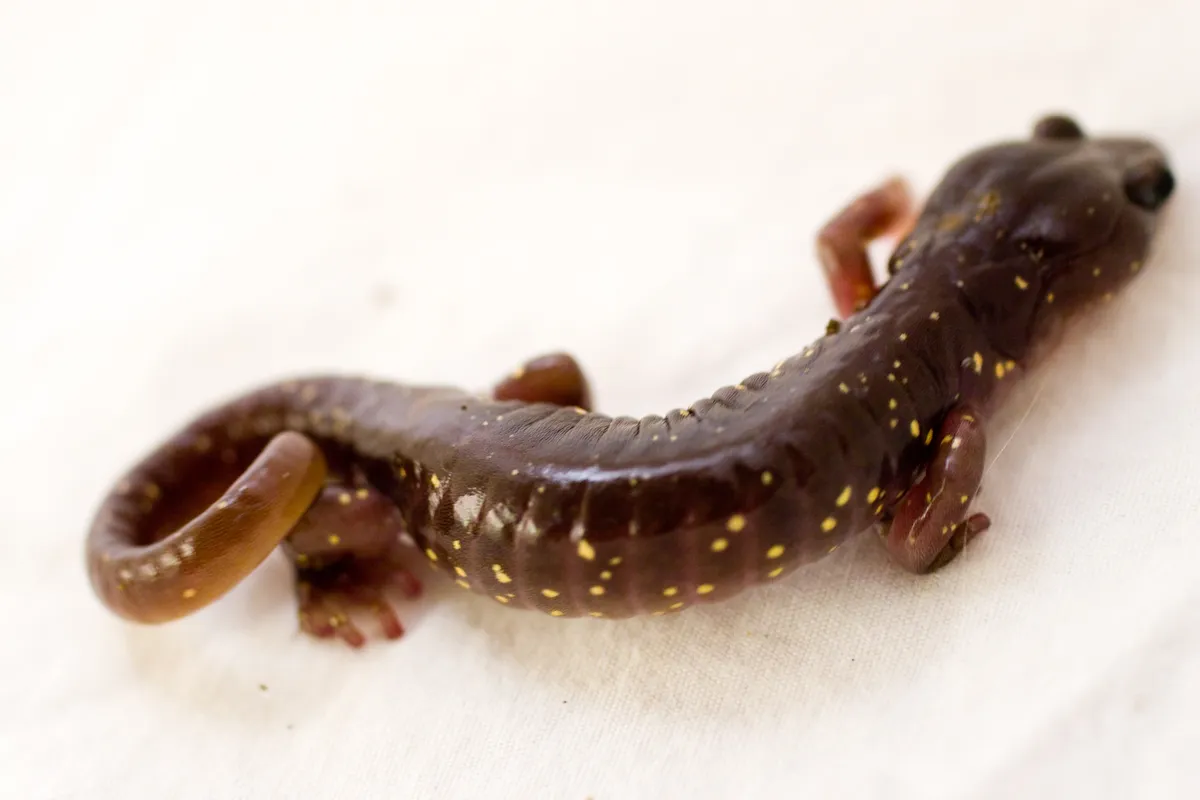
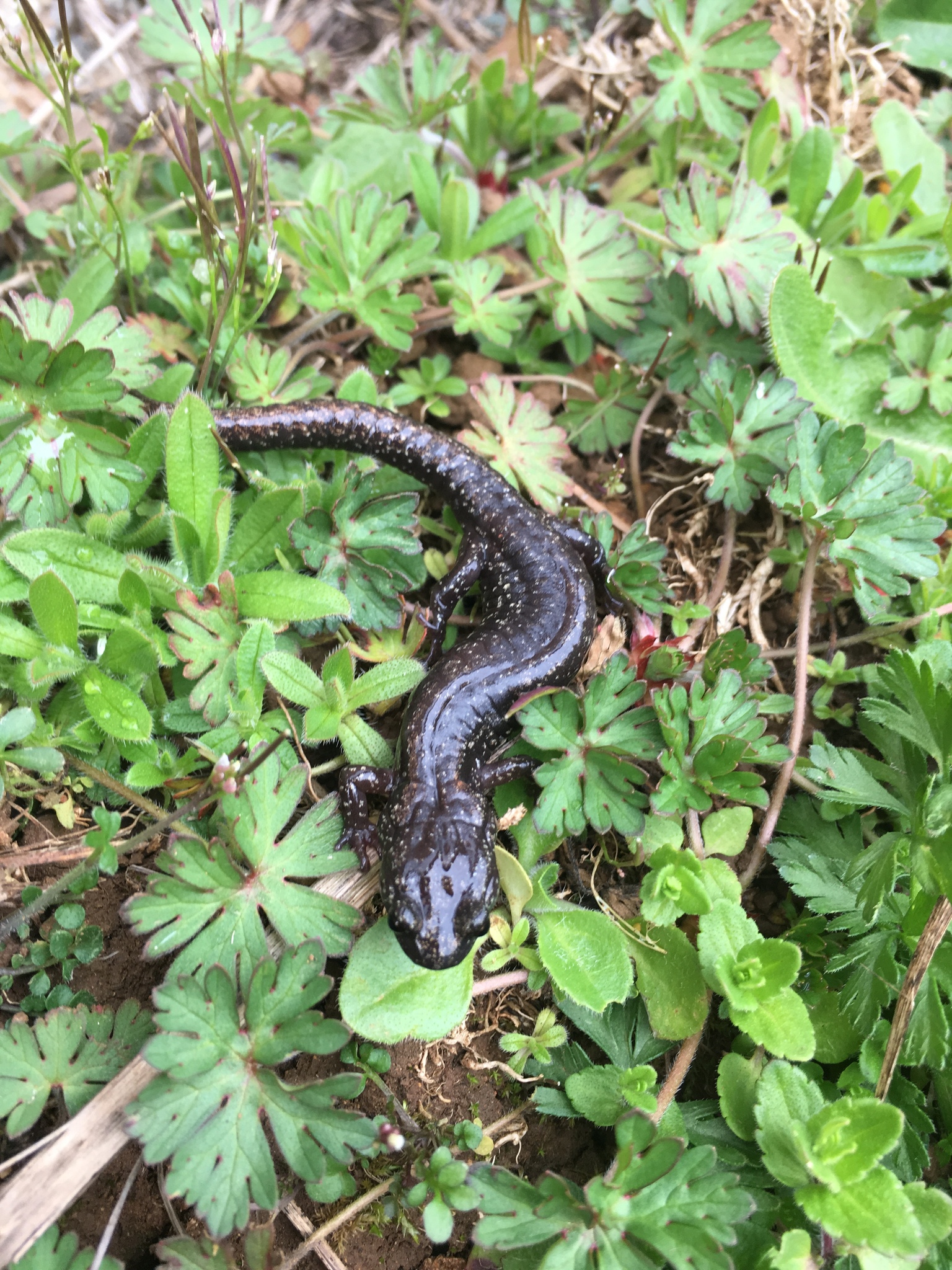
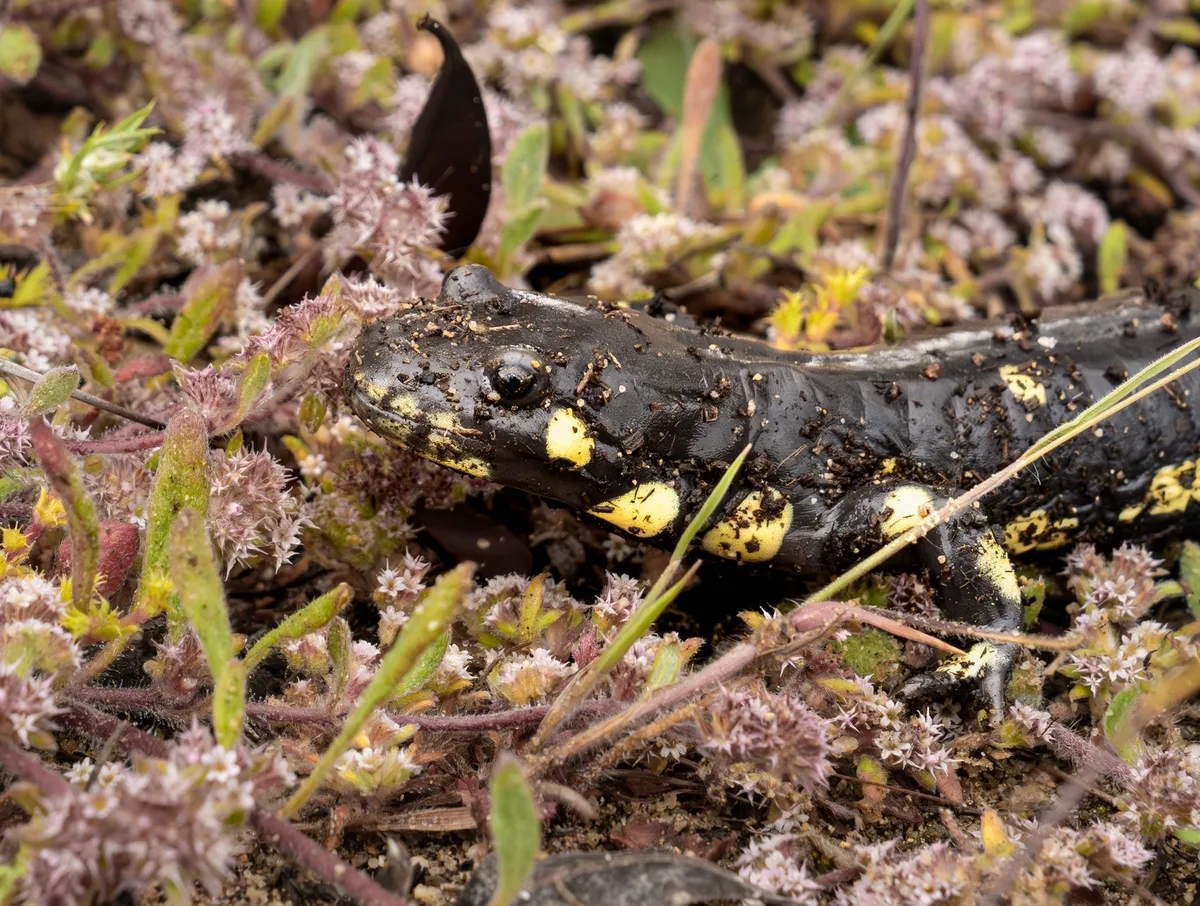
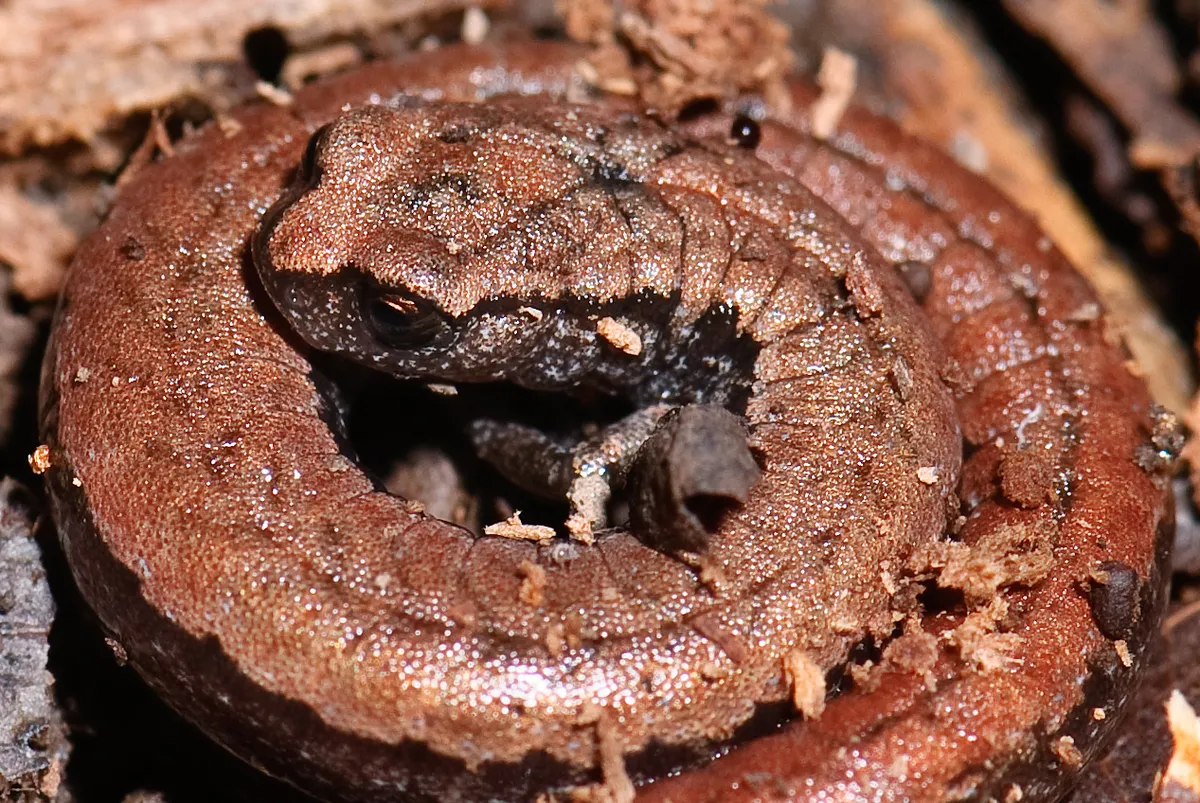
A terrestrial salamander species endemic to the coastal regions of California, known for its unique climbing abilities and arboreal lifestyle in forest ecosystems.
Image Gallery
ADSENSE SLOT
Ecology & Habitat
Habitat
Primarily inhabits coastal redwood and mixed evergreen forests from Mendocino County to northern Baja California, typically found in humid woodland areas with dense vegetation and fallen logs
Ecological Role
Key component of forest understory food webs, controlling insect populations and serving as prey for small predators; contributes to forest ecosystem nutrient cycling
Morphology
SKIN COATSmooth, moist skin with dark brown to black coloration, sometimes with lighter mottling or spotting for camouflage
LIMBS WINGSFour well-developed limbs with adhesive toe pads enabling exceptional climbing and gripping on vertical surfaces like tree bark
HEAD SENSORYLarge eyes, broad head with well-developed chemosensory capabilities for detecting prey and environmental cues
BODY STRUCTURESlender, elongated salamander with robust limbs, typically 10-20 cm in total length, adapted for climbing and navigating complex forest environments