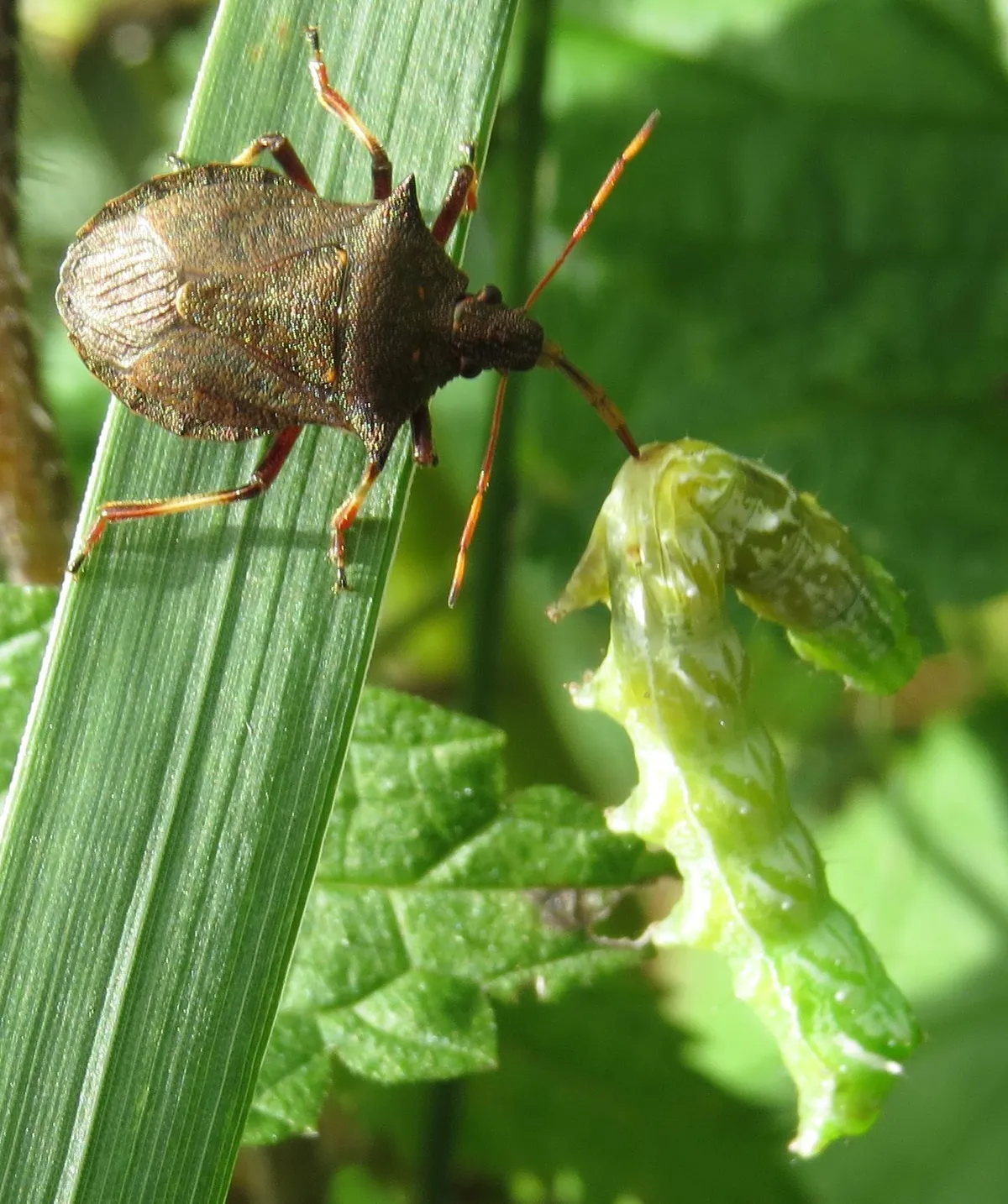
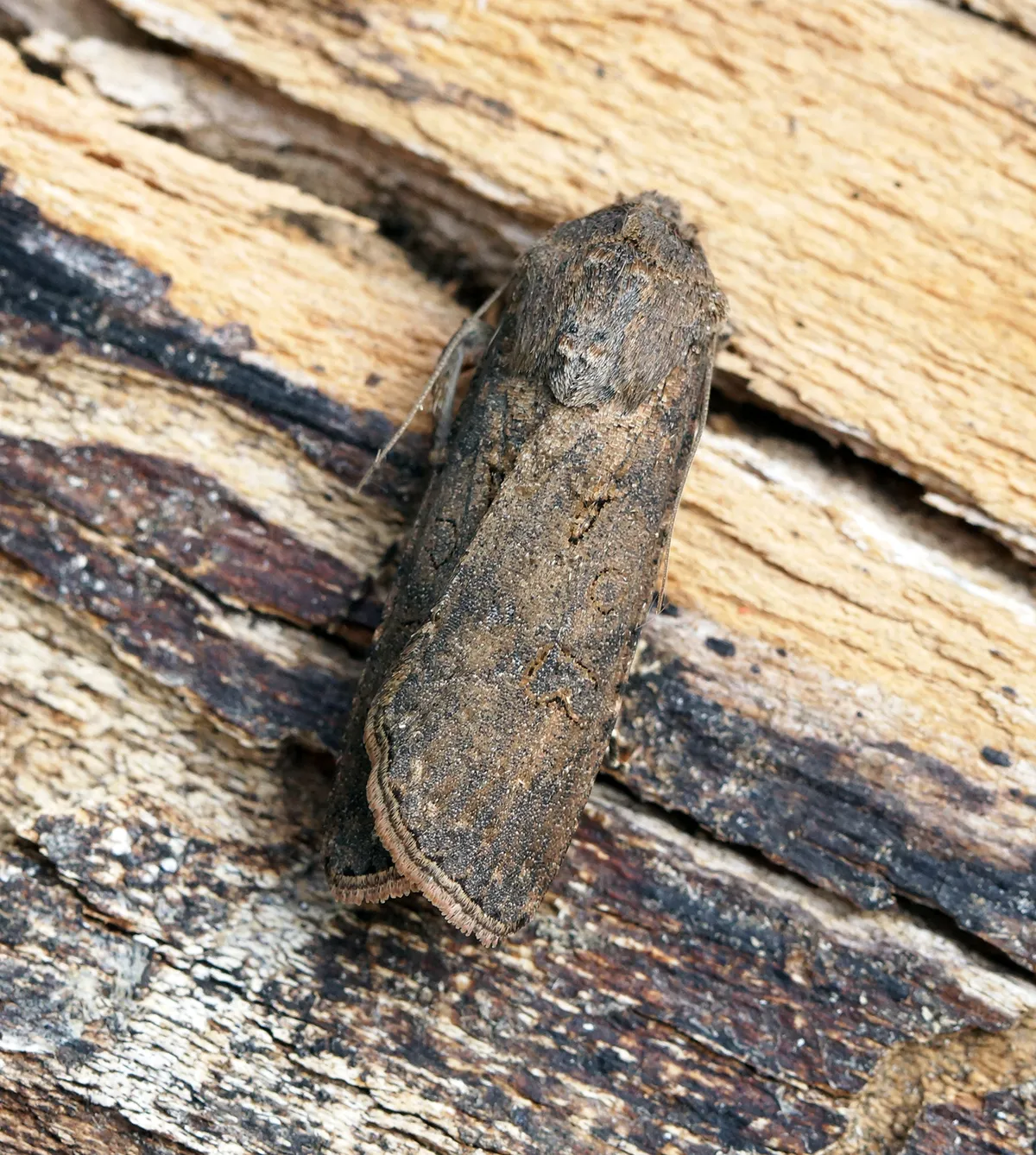
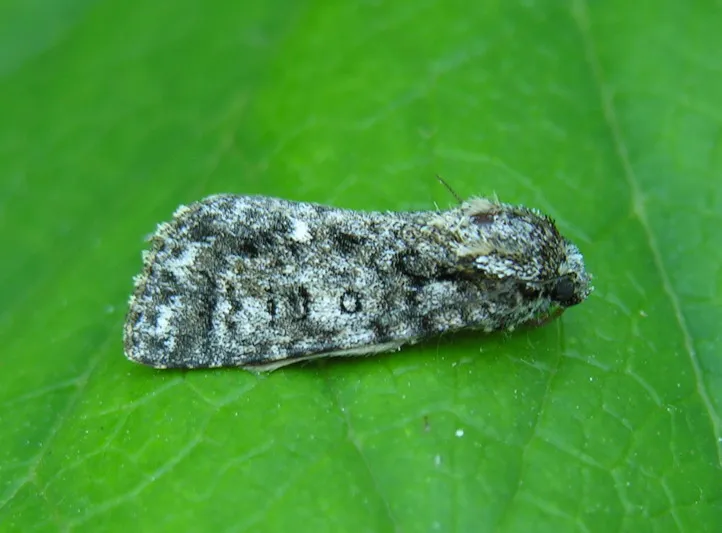
A nocturnal moth species belonging to the family Noctuidae, characterized by subtle lunar-toned wing coloration and distinctive nocturnal behavior in European temperate ecosystems.
ADSENSE SLOT
Ecology & Habitat
Habitat
Deciduous and mixed woodland areas across Northern Europe, particularly prevalent in the United Kingdom, with preference for woodland edges, forest clearings, and moderate altitude regions between 0-600 meters.
Ecological Role
Important pollinator and prey species within temperate forest food webs, contributing to ecosystem balance by serving as food source for bats, birds, and small predatory mammals.
Morphology
- SKIN COAT Dense lepidopteran scales covering body and wings, providing thermal regulation and moisture protection
- LIMBS WINGS Broad, scaled wings with cryptic coloration providing excellent camouflage against tree bark and forest backgrounds
- HEAD SENSORY Compound eyes, short antennae with sensory receptors for detecting pheromones and environmental cues
- BODY STRUCTURE Medium-sized moth with wingspan ranging 35-45 mm, robust thorax, scaled wings with muted lunar-grey and brown camouflage patterns
Data Source: TaxonHub Database
Image Credit: Wikimedia Commons
Image Credit: Wikimedia Commons
ADSENSE VERTICAL