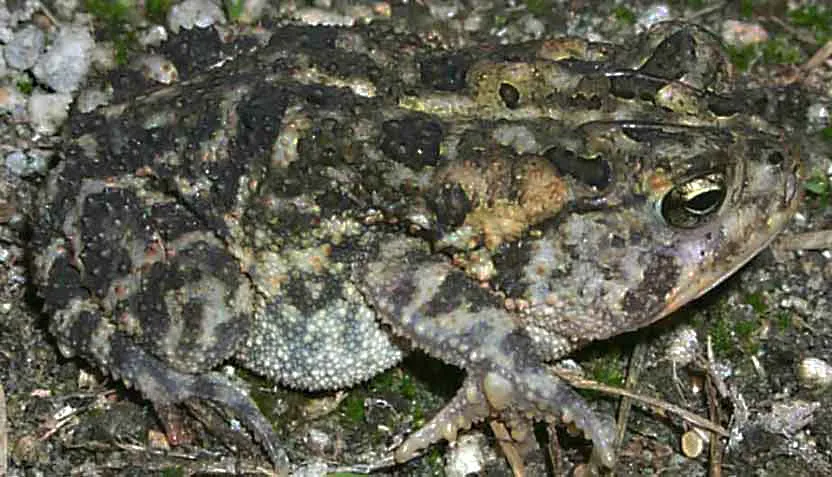
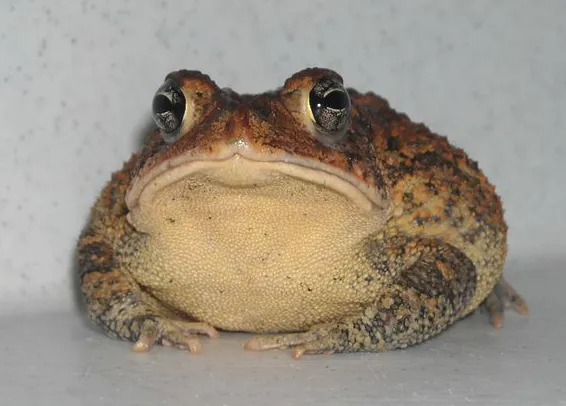
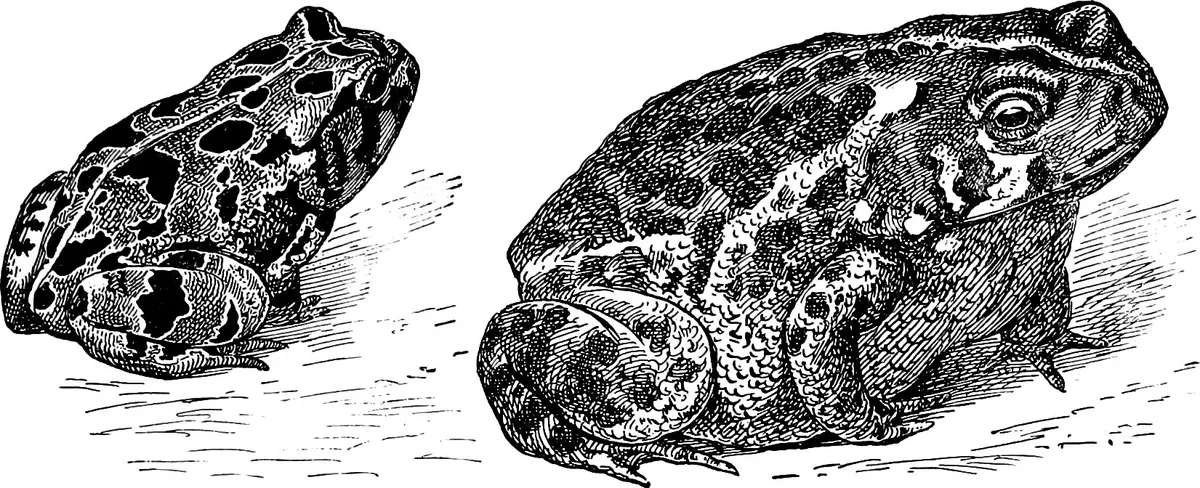
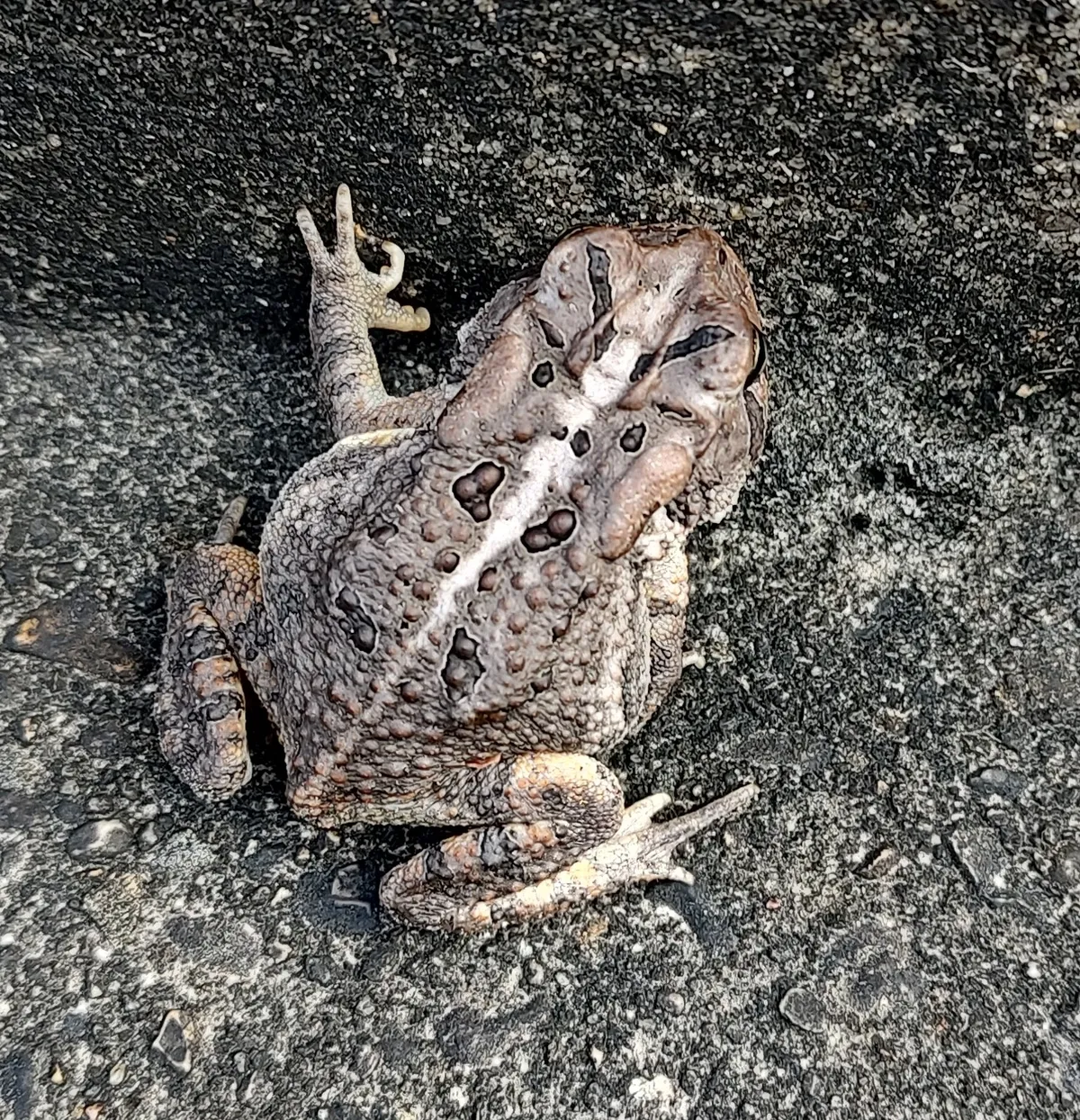
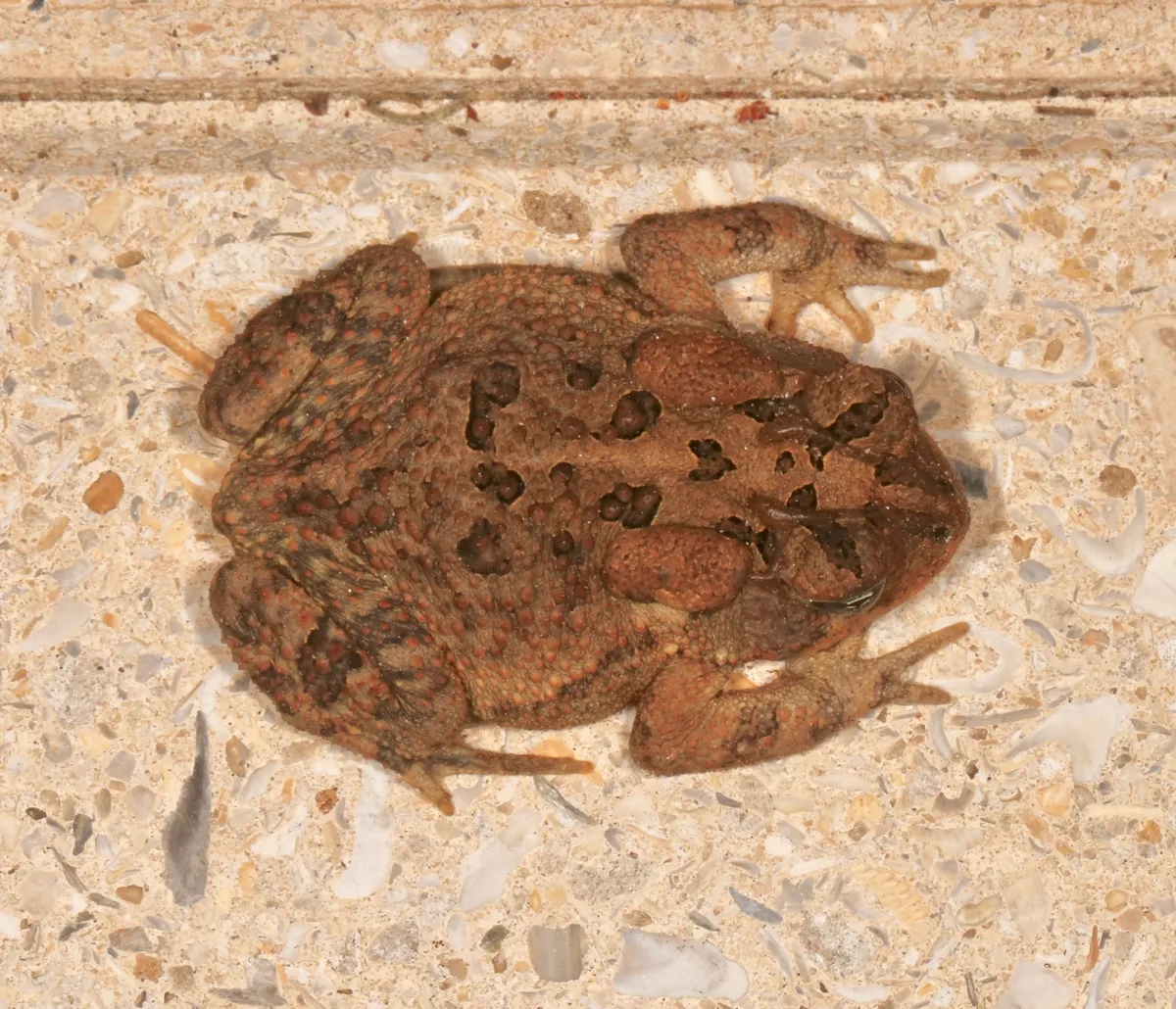
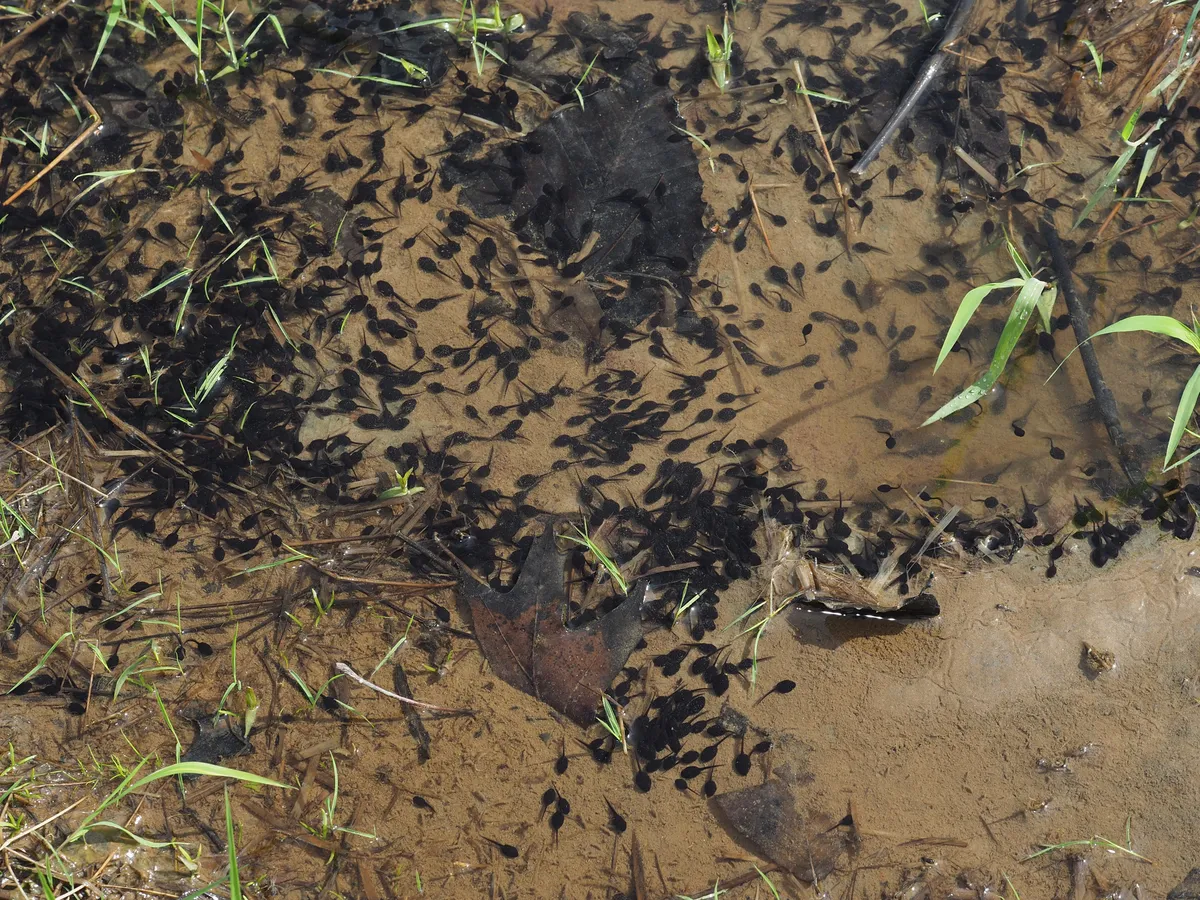
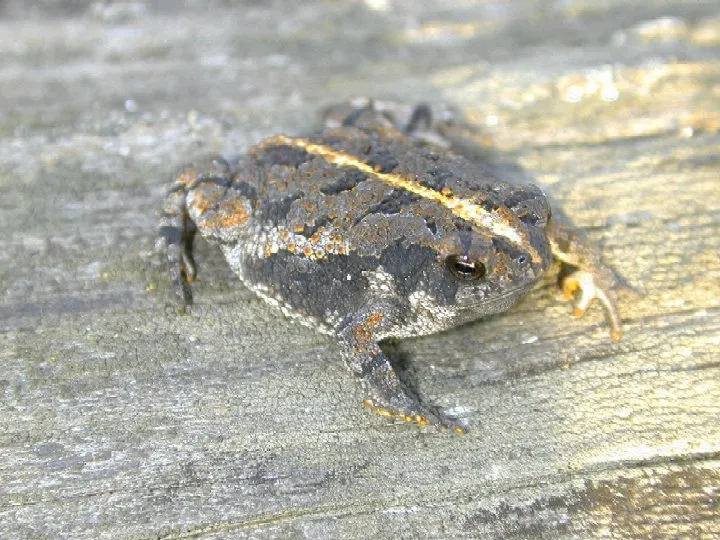
A medium-sized amphibian native to southeastern United States, characterized by its robust body and warty skin texture. Primarily terrestrial and known for its adaptation to varied environments.
Image Gallery
ADSENSE SLOT
Ecology & Habitat
Habitat
Widespread in sandy pine forests, coastal plains, and woodland areas across southeastern United States, ranging from southeastern North Carolina to Florida and western Louisiana. Tolerates diverse ecological zones including urban and suburban landscapes.
Ecological Role
Plays crucial role in controlling insect populations, serving as both predator and prey in ecosystem food webs. Acts as bioindicator for environmental health and habitat quality.
Morphology
SKIN COATRough, warty skin with variable coloration ranging from gray, brown to reddish-brown. Skin contains defensive toxins to deter predators.
LIMBS WINGSShort, muscular limbs with webbed toes. Powerful hindlimbs adapted for jumping and terrestrial locomotion.
HEAD SENSORYLarge parotoid glands behind eyes, prominent cranial crests. Well-developed olfactory and visual sensory systems.
BODY STRUCTUREStout, compact body with average length of 5-9 cm. Weight typically ranges between 20-60 grams. Sturdy build with short limbs and robust torso.