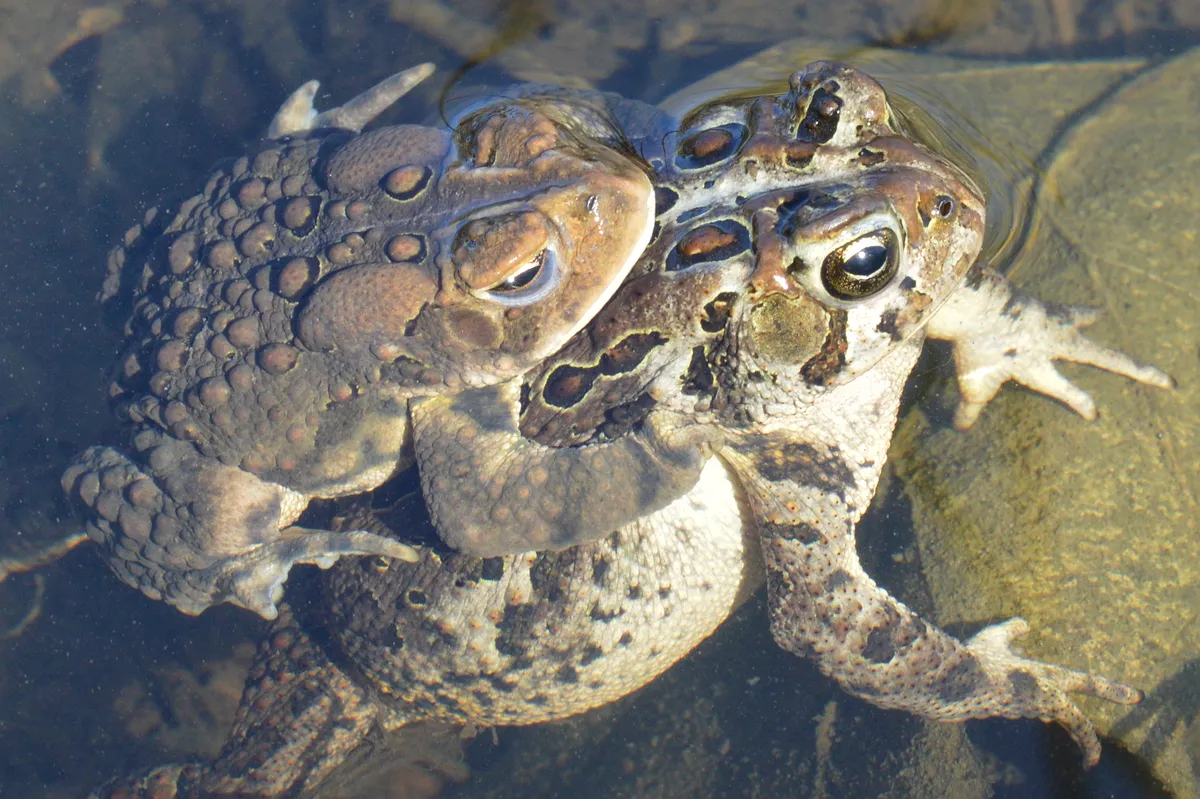
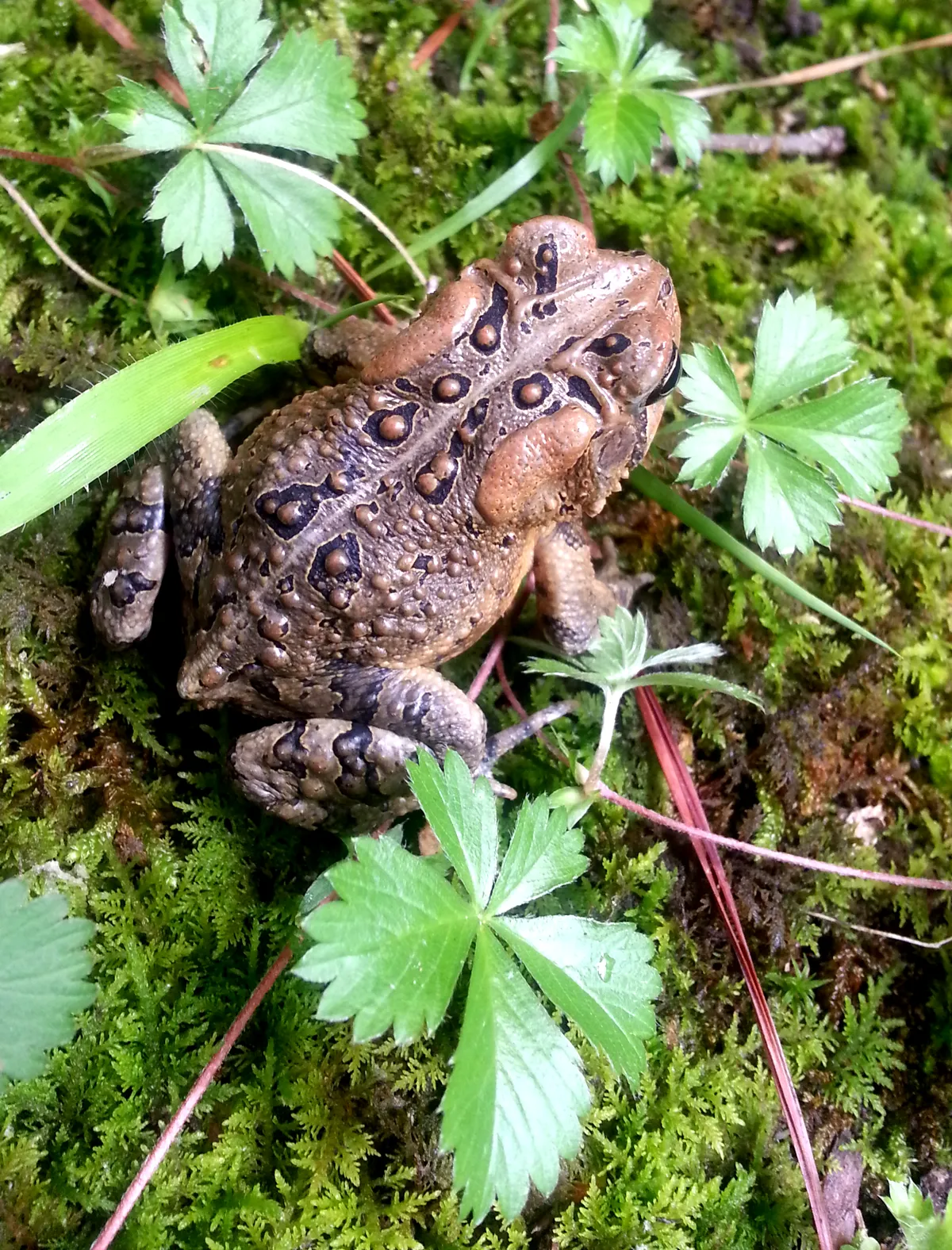
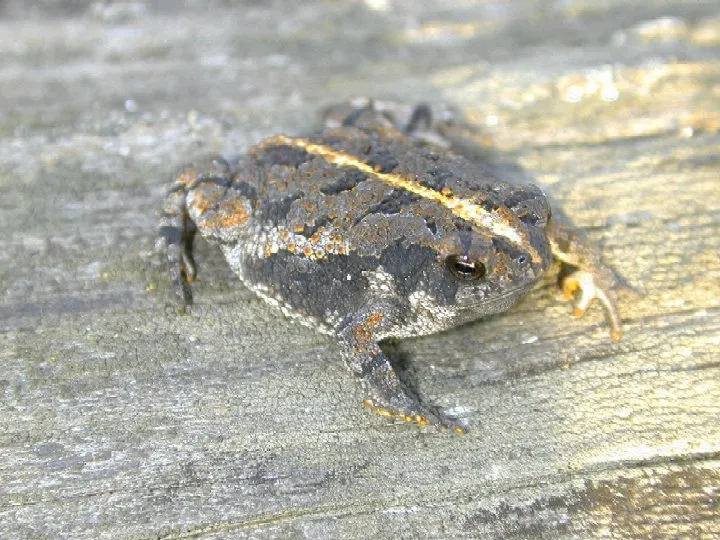
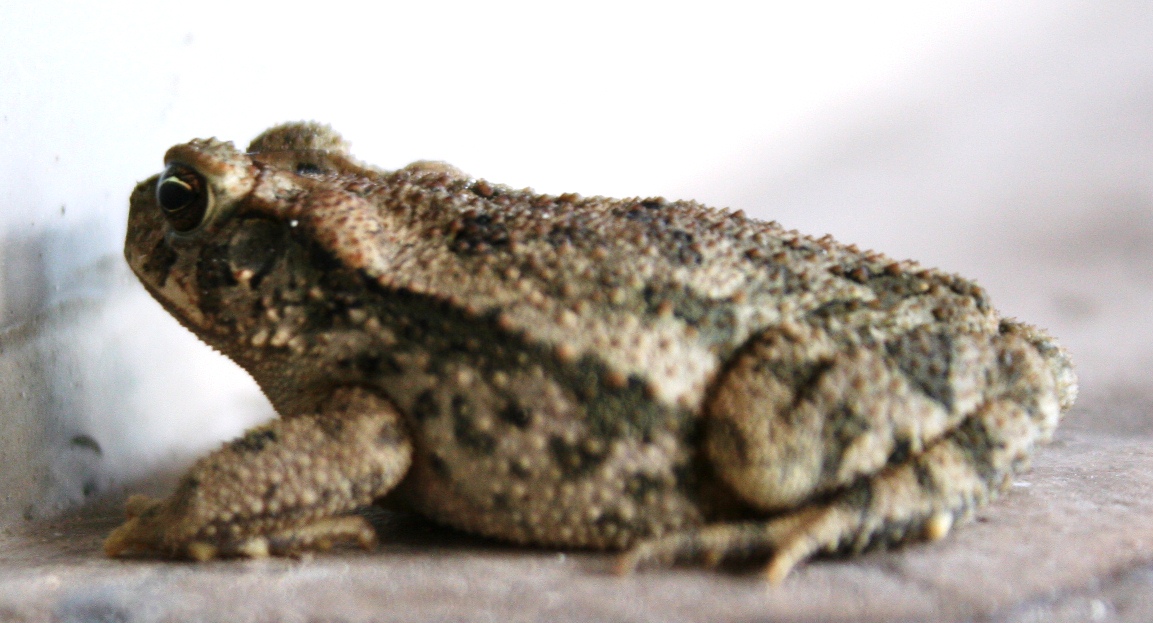
A widespread amphibian species native to eastern and central North America, characterized by dry, warty skin and terrestrial-aquatic life cycle.
Image Gallery
ADSENSE SLOT
Ecology & Habitat
Habitat
Diverse ecosystems including forests, grasslands, gardens, and wetlands across United States and southern Canada, typically in areas with moist environments and moderate temperatures between 10-25°C.
Ecological Role
Critical component of ecosystem food webs, consuming insects and serving as prey for predators. Helps control insect populations and indicates environmental health through sensitivity to habitat changes.
Morphology
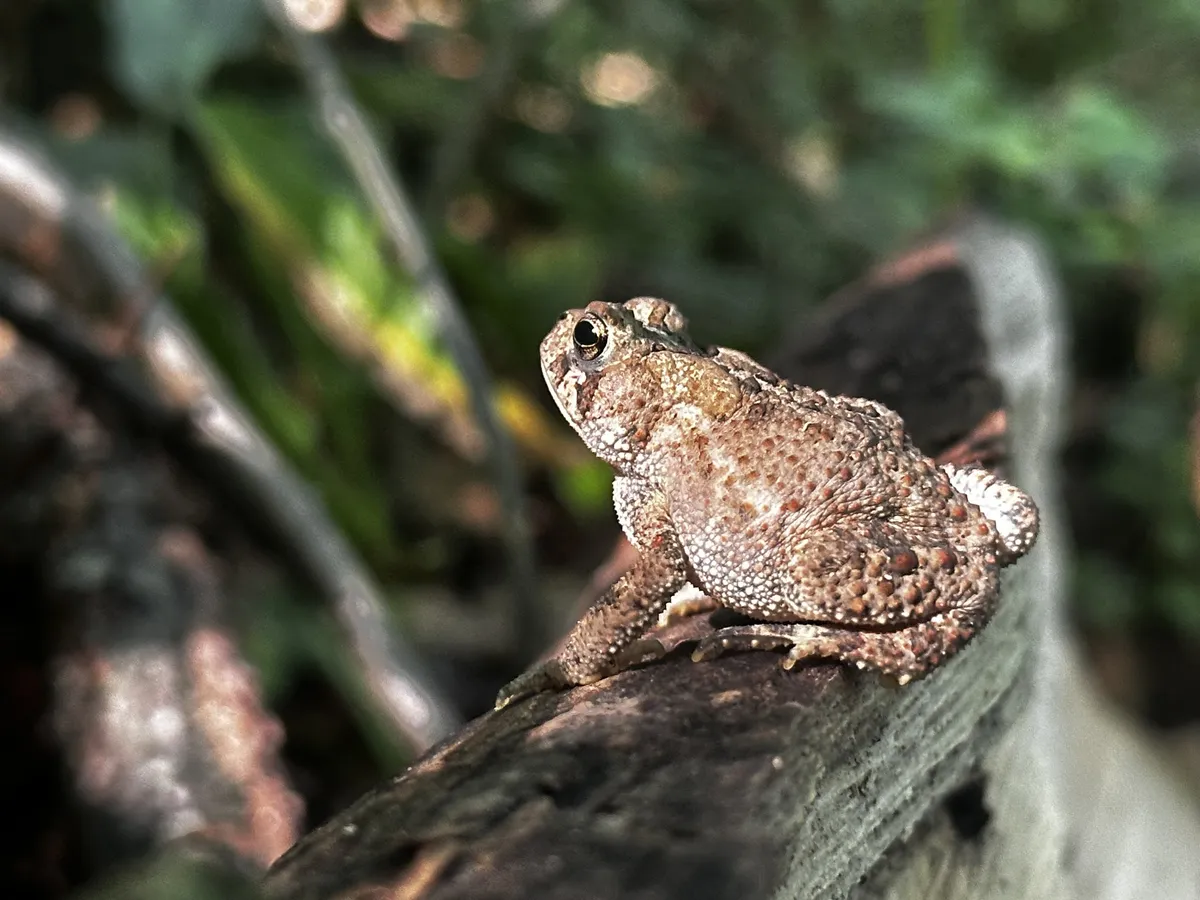
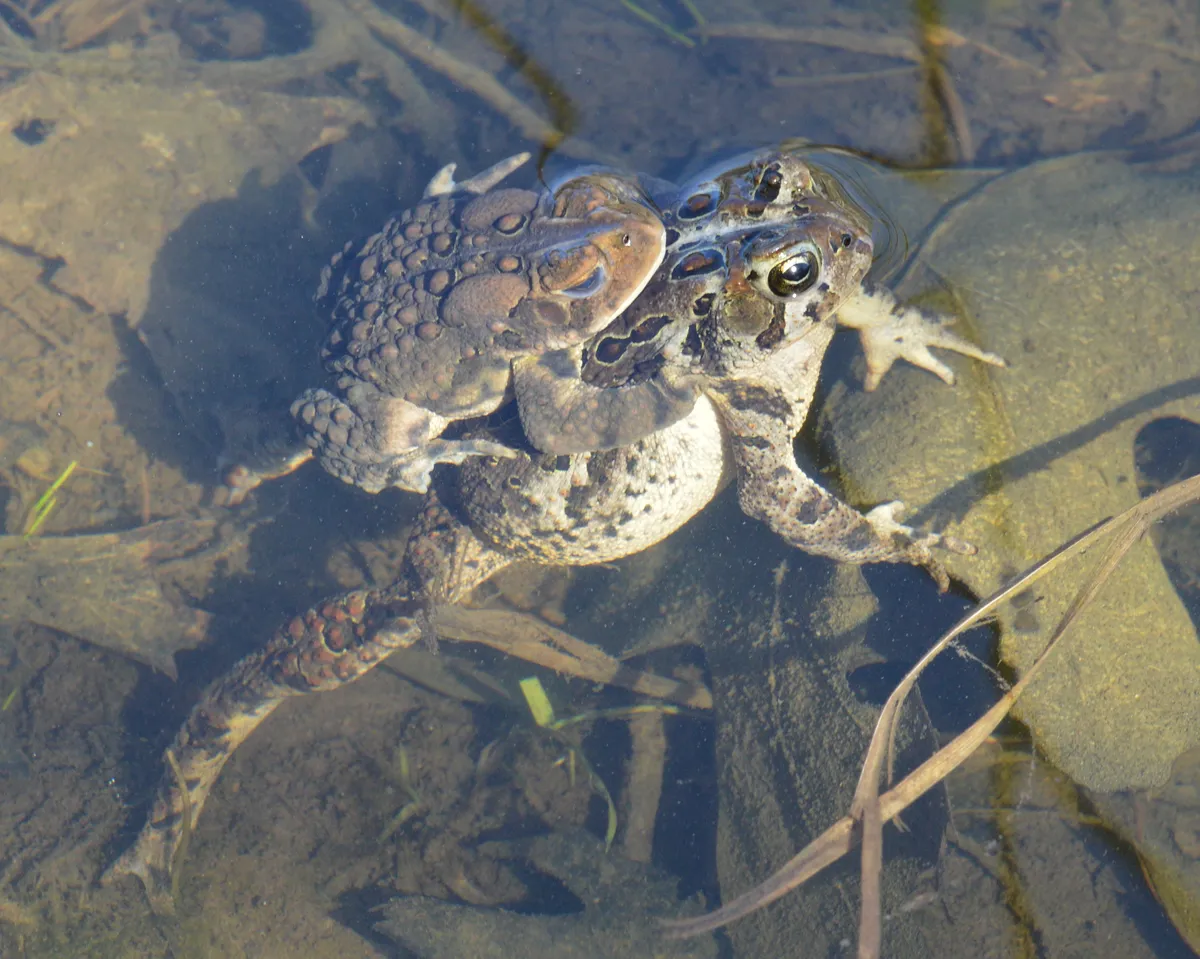
SKIN COATDry, warty skin with varied coloration including brown, olive, gray with distinctive dorsal wart patterns. Skin contains protective toxins against predators.
LIMBS WINGSShort, muscular legs adapted for terrestrial hopping and swimming. Four-toed front limbs, five-toed hind limbs with webbing for aquatic movement.
HEAD SENSORYLarge, protruding eyes with horizontal pupils. Well-developed tympanum for sound reception. Broad, wide mouth with specialized sensory capabilities.
BODY STRUCTUREStout, rounded body measuring 5-9 cm in length, weight range 20-60 grams. Robust build with short limbs and prominent parotoid glands.
Data Source: TaxonHub Database
Image Credit: gwtstl